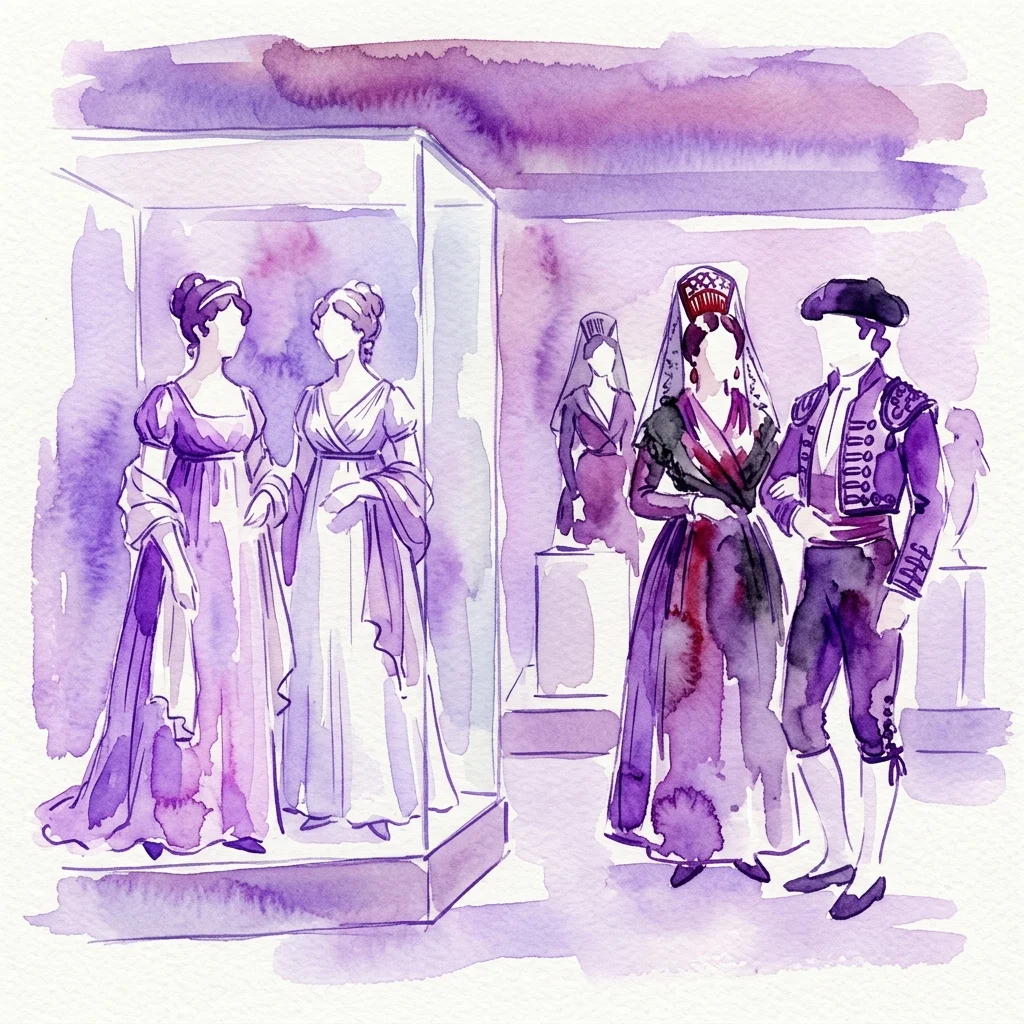
This exhibition delves into the European perspective of the Ottoman Empire through engravings, particularly focusing on Sephardic Jewish types and their distinct attire. It explores how clothing and adornments communicated identity, status, and religious affiliation within Ottoman society, reflecting a dynamic interplay between prescribed norms and lived realities.
Drawing inspiration from the travels and engravings of Nicolás de Nicolay, "Oriente desde occidente" examines the European gaze upon the Ottoman Empire and its diverse social groups, identified by their clothing. The exhibition highlights how Ottoman authorities historically used specific garments, headwear, and colors to distinguish between Muslims, Christians, and Jews. However, it also underscores the flexibility and negotiation that occurred in daily practice, where these rules were not always strictly adhered to, leading to a constant dynamic between prescribed identity and individual expression.
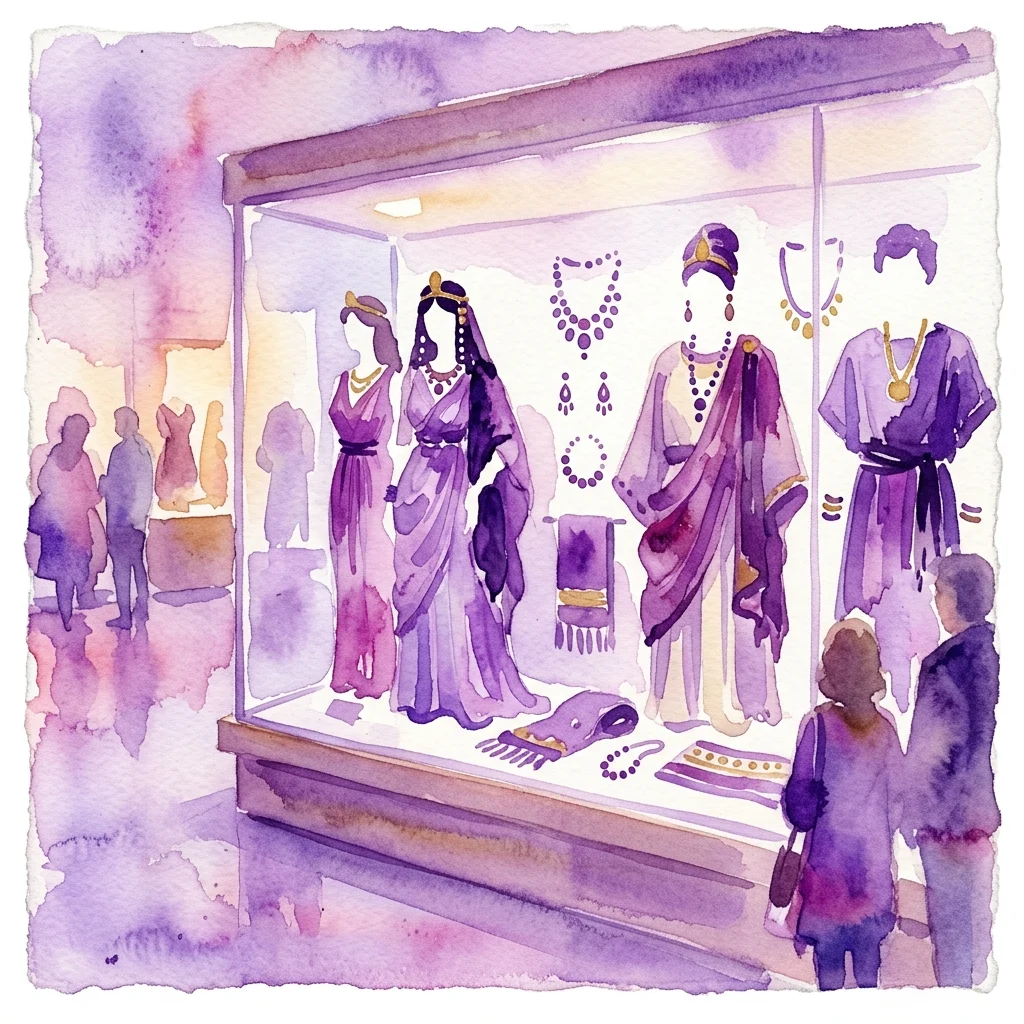
The exhibition particularly focuses on the visual representation of Sephardic Jews, noting how elements like a red, pointed cap for a Jewish doctor contrasted with the yellow turbans typical for other Jews, and the white turbans of Muslims, illustrating how color codes in headwear visually communicated religious differences. Furthermore, depictions of Sephardic women reveal the rich symbolism embedded in their attire, including headwear, jewelry, and fabrics, which conveyed not only aesthetic value but also critical information about status, gender, and tradition. These visual forms often preserve echoes of Iberian influences, evident in certain headdresses and a penchant for embroidery. Ultimately, these images serve as more than mere depictions of exotic figures; they reveal ongoing processes of cultural exchange and the ever-evolving construction of identity.