Experiencing Spatial Interventions by Rebecca Kunz at Kunsthaus Baselland
Contemporary art often invites viewers to observe, contemplate, and move quietly past objects on display. However, the institutional solo exhibition by artist Rebecca Kunz at Kunsthaus Baselland deliberately disrupts this passive routine. Born in Bern and active across Basel and Bern, Kunz creates radical spatial interventions that challenge how visitors perceive architecture, light, movement, and physical presence.
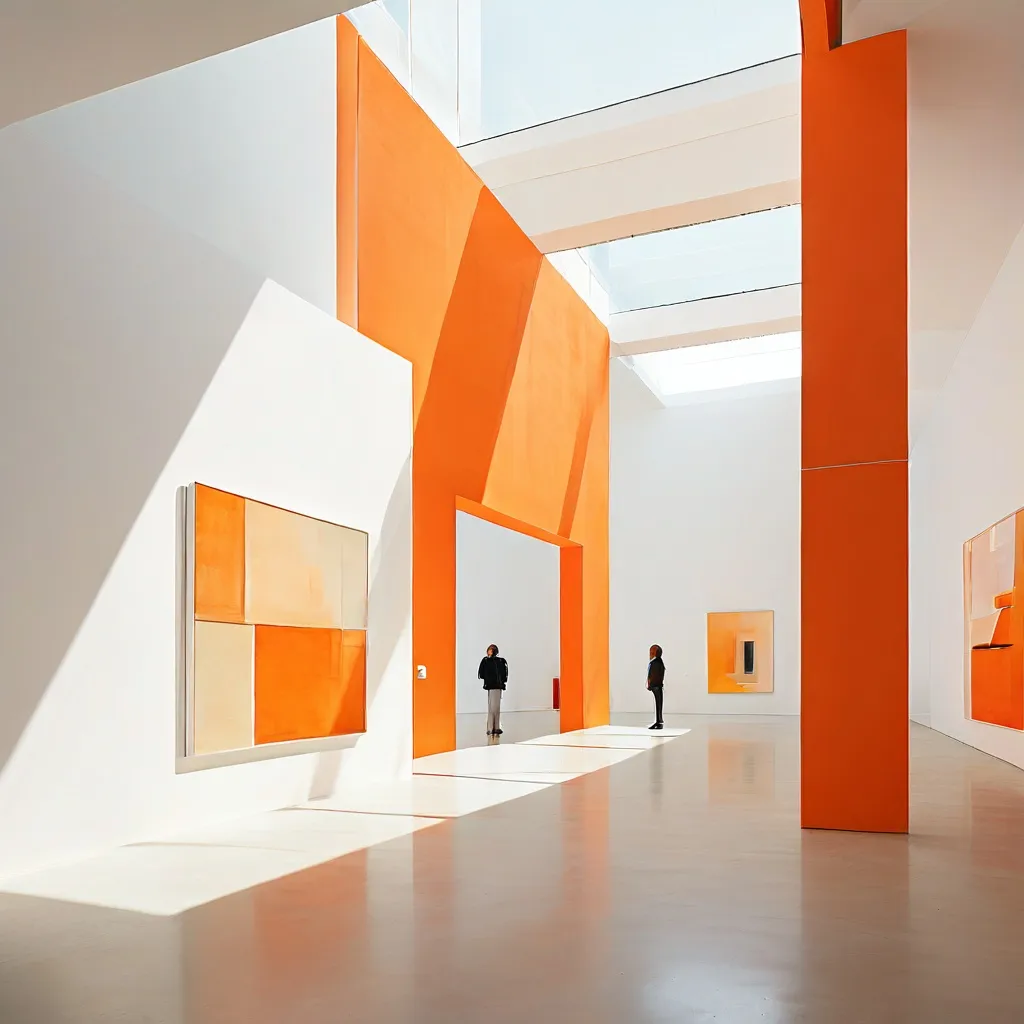
Curated by Ines Goldbach, the exhibition centers on the institution's Kabinett galleries, transforming familiar passageways into unfamiliar, disorienting environments. Rather than decorating the rooms, Kunz alters their structural rhythms, lighting conditions, and acoustic qualities, compelling visitors to reconsider their relationship with the surrounding space.
Navigating Radical Spatial Transformations
For this institutional presentation, the artist focuses heavily on the inherent qualities of the gallery rooms. Because each room features multiple openings, the sequence naturally encourages movement. Yet, Kunz’s precise interventions complicate this journey. By adjusting lighting, altering flooring dynamics, and modifying architectural passages, she replaces traditional architectural stability with a sense of uncertainty.
Visitors are prompted to pay close attention to every detail: shifting acoustics, subtle color tones, and unexpected sensory details. Rather than merely viewing art from a distance, participants find themselves physically implicated in the installation. As the artist notes, the experience encourages people to engage directly with the environment, reacting instinctively to elements like enclosed spaces, altered illumination, and modified airflow.
Context and Public Engagement
The project builds upon Kunz's ongoing artistic research into manipulation, spatial psychology, and architecture. Her previous projects—such as her master's graduation work Haus Hardtstrasse 43—simultaneously challenged physical orientation and temporal awareness by darkening interiors and creating unexpected dead ends.
To accompany the exhibition, the venue hosted a range of public programs, including guided tours such as the public tour with Anna Winteler and Rebecca Kunz, specialized family workshops, and dedicated film screenings that offered deeper context into contemporary spatial practices. Reviewers and cultural critics have extensively documented the project in publications like the Wall Street International Magazine and local press outlets, highlighting its unique approach to institutional architecture.
To discover more contemporary art presentations across the city, explore what's on exhibitions or plan your route using the interactive map view on Musemap (musemap.art).