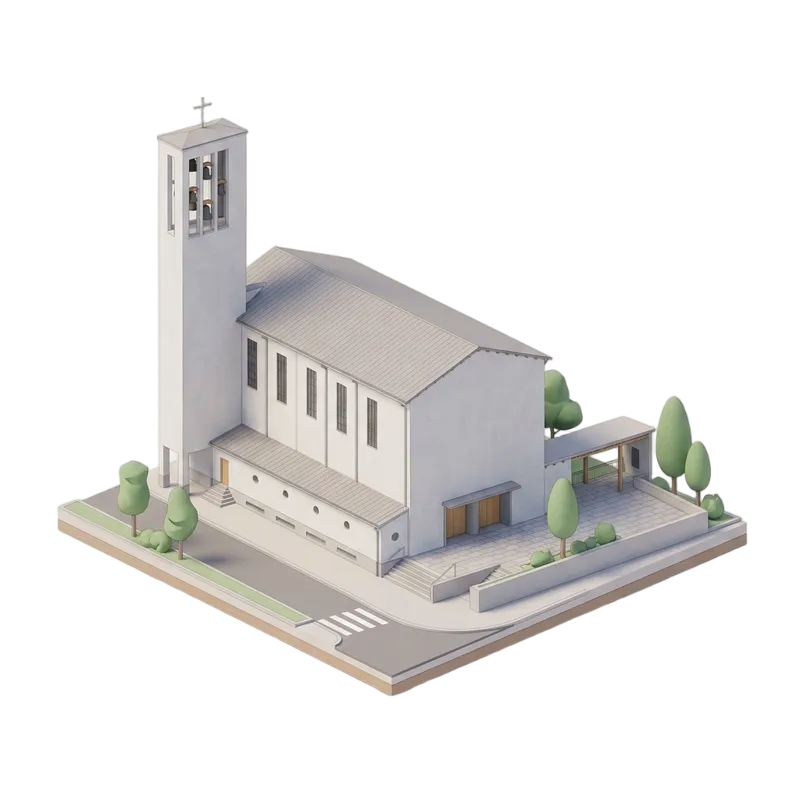
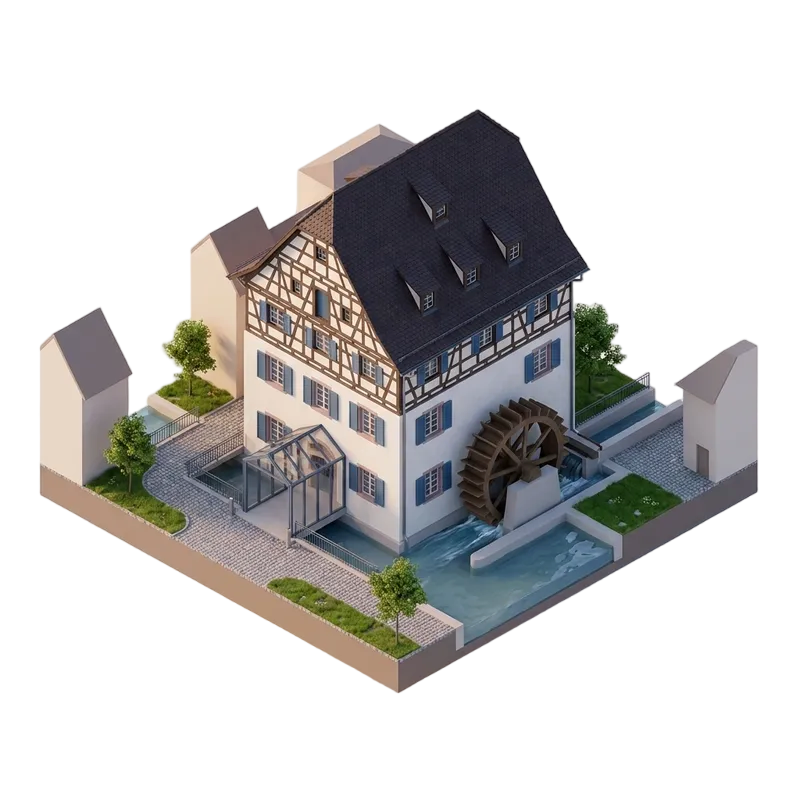
First mentioned in 1259
1259Founding
The hamlet and mill were first recorded in a deed from 1259 as being owned by the Basel Dompropstei, serving as a key site under a tenant who held the local milling monopoly for the estate.

Set inside the scenic Merian Gardens, this sixteenth-century mill features a functioning water-powered wheel and historic gear mechanism. Visitors can explore a small exhibition on the evolution of grain milling from the Bronze Age to the modern era.
A historic 16th-century watermill in the Merian Gardens showcasing functioning gears and an exhibition on milling from the Bronze Age to modern times.
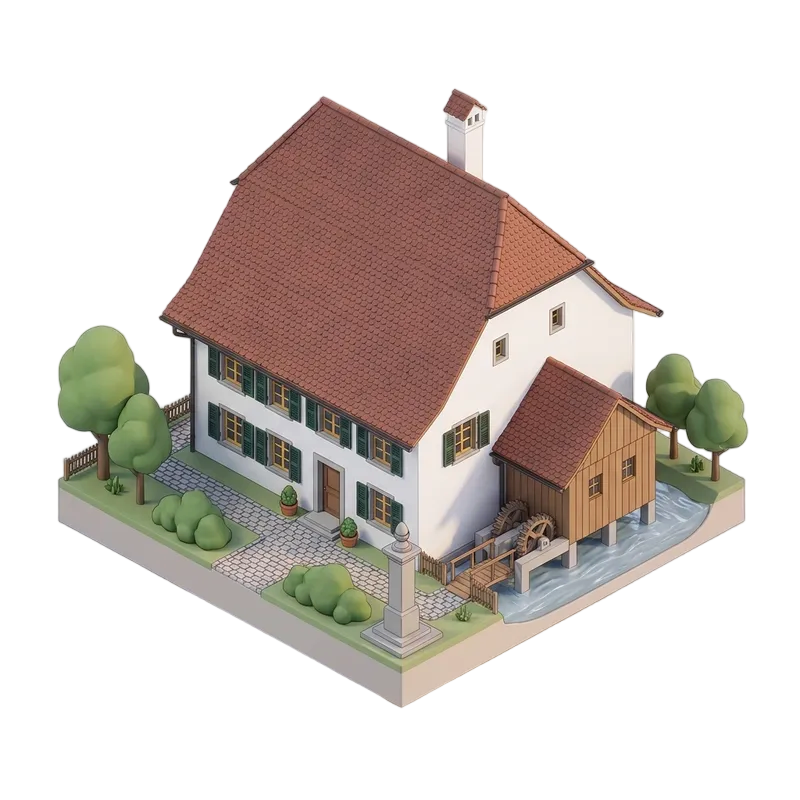
Located within Basel's Merian Gardens, the Mühlemuseum Brüglingen is housed in a historic sixteenth-century watermill. Visitors can observe the working water wheel and its gearing system, which demonstrates how grain was historically processed. The museum also features an exhibition tracing milling technology from the Bronze Age to modern times.
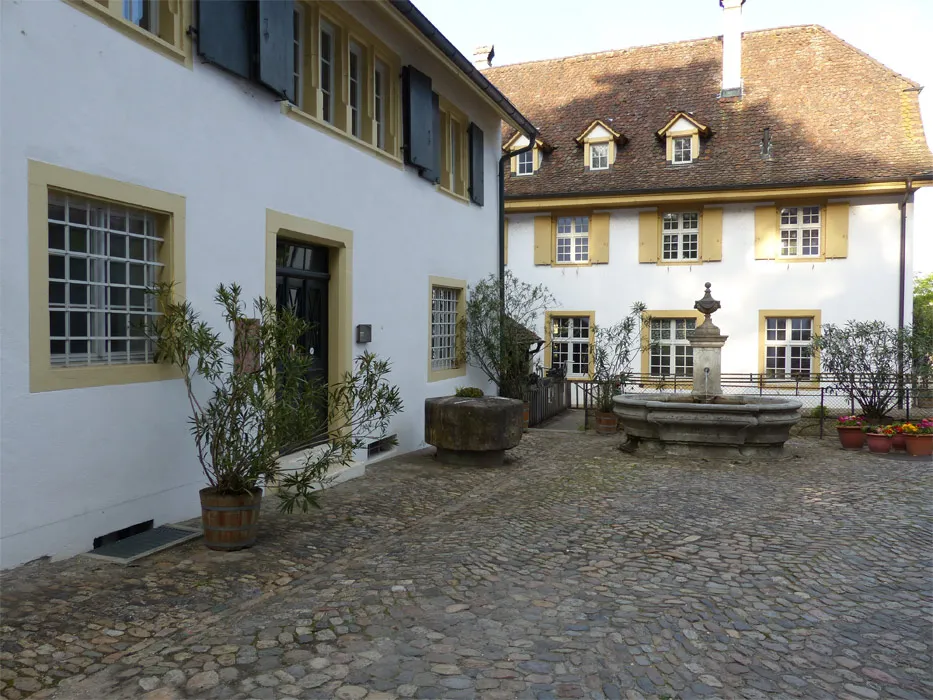
The Mühlemuseum Brüglingen is located at Vorder Brüglingen 5 within the Merian Gardens in Basel. Situated inside a historic sixteenth-century watermill, this cultural site offers a unique setting where history and green spaces meet. Its position within the public gardens makes it an easy addition for visitors exploring the Basel-Stadt region.
Vorder Brüglingen 5
4052 Basel
Basel-Stadt, CH
When planning a visit to the Mühlemuseum Brüglingen in Basel, you can easily combine your stop with an exploration of the surrounding Merian Gardens. This historic watermill is best experienced at a leisurely pace as you discover its preserved milling machinery. Visitors are encouraged to verify seasonal opening hours before arriving at the gardens.

The Mühlemuseum Brüglingen in Basel offers an insightful look into centuries of industrial heritage inside a historic sixteenth-century watermill. Located within the scenic Merian Gardens, this specialized museum features an active, water-powered wheel and its original internal gearing mechanism. Visitors can explore a detailed exhibition that traces the technological evolution of grain milling from Bronze Age techniques to modern industrial production. By showcasing preserved machinery and tools, the experience connects guests directly to the physical heritage of daily bread production.
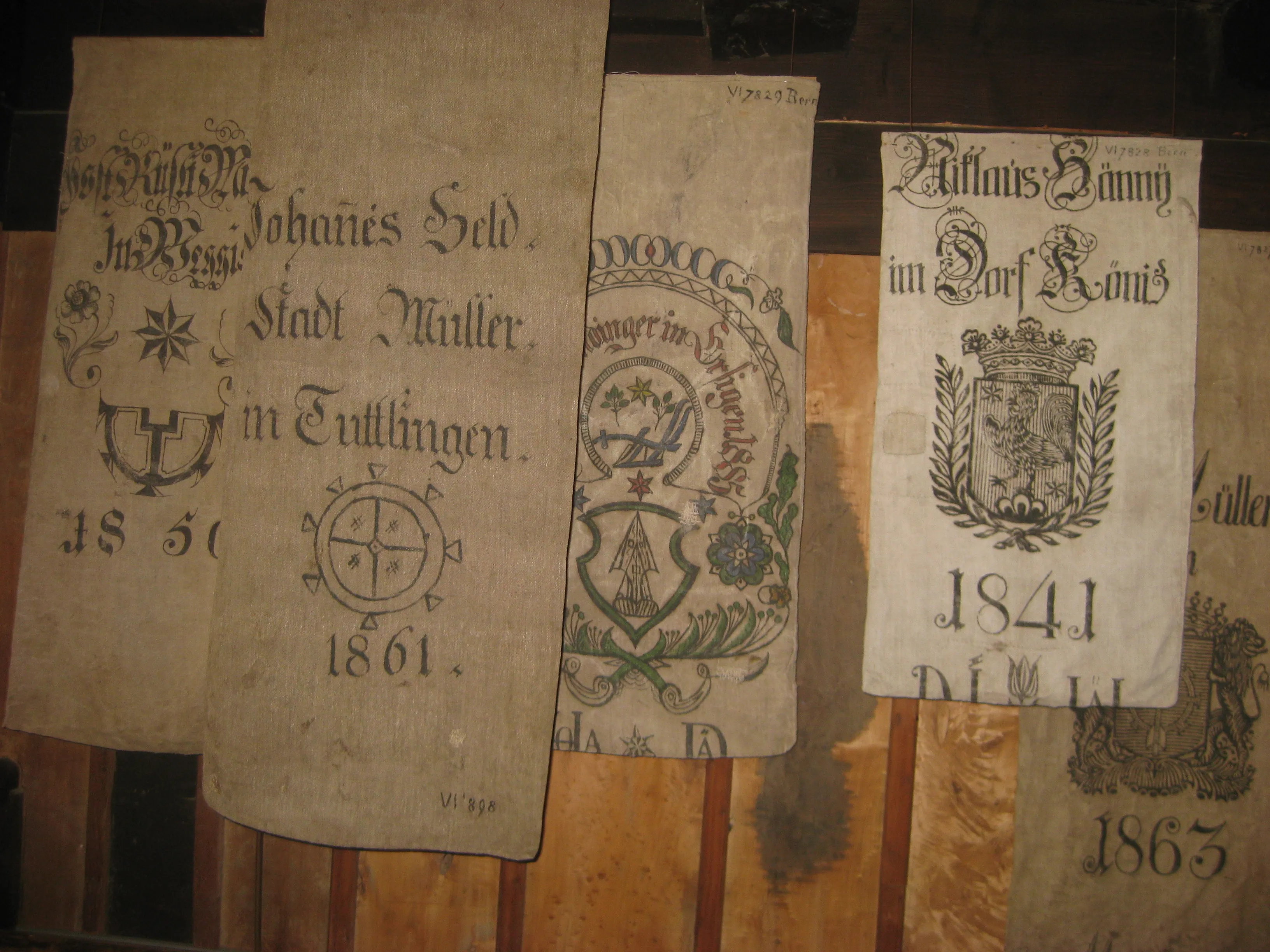
The history of the Mühlemuseum Brüglingen in Basel dates back to 1259, when the site was first recorded. Following a sixteenth-century reconstruction and canal work starting in 1624, the property was acquired by the Merian family in 1811 and refurbished as a grain mill in 1824. Active milling operations ceased in 1925, and the structure was later preserved as a *public museum* in 1966, introducing new exhibitions in 2002.
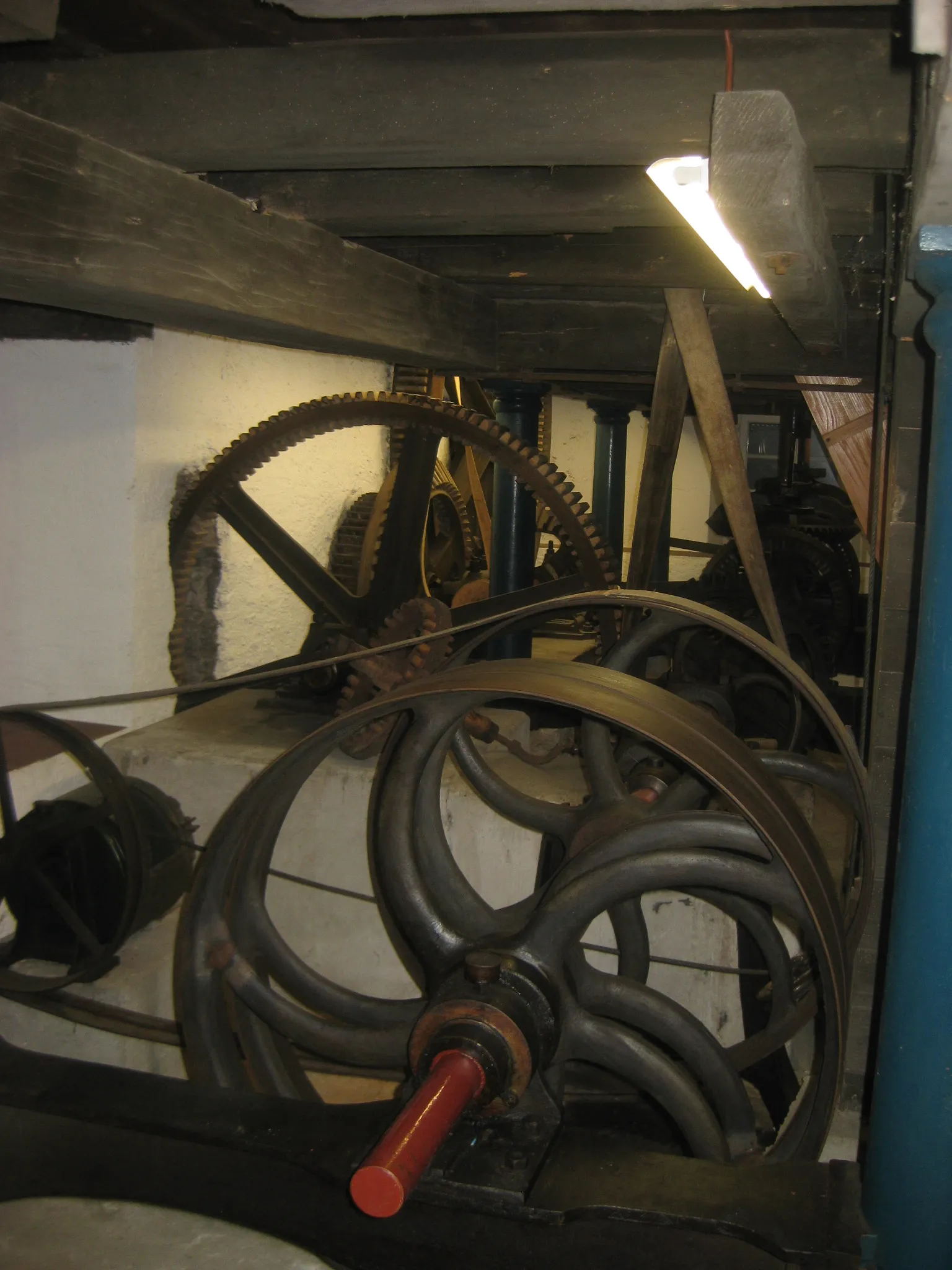
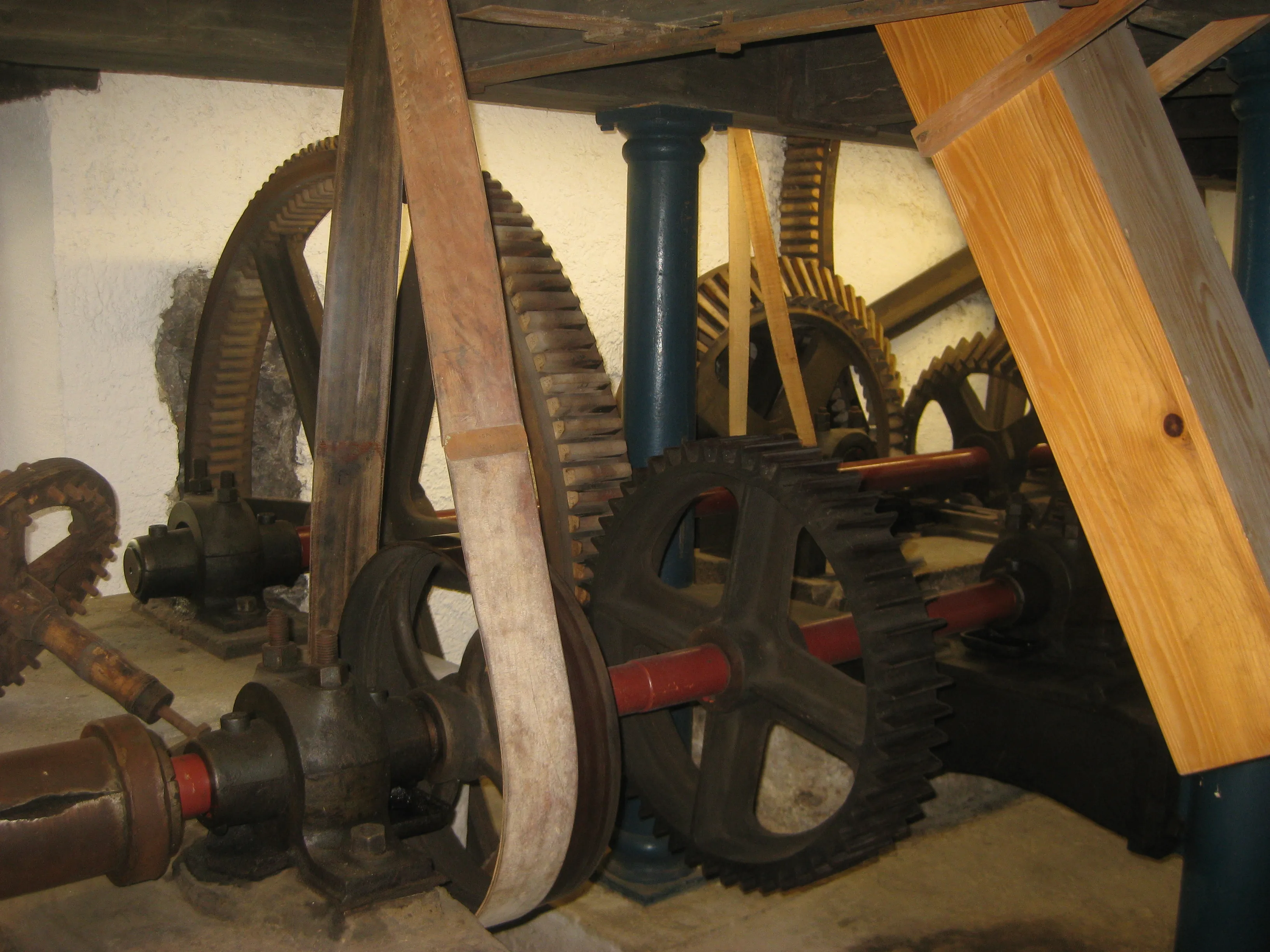
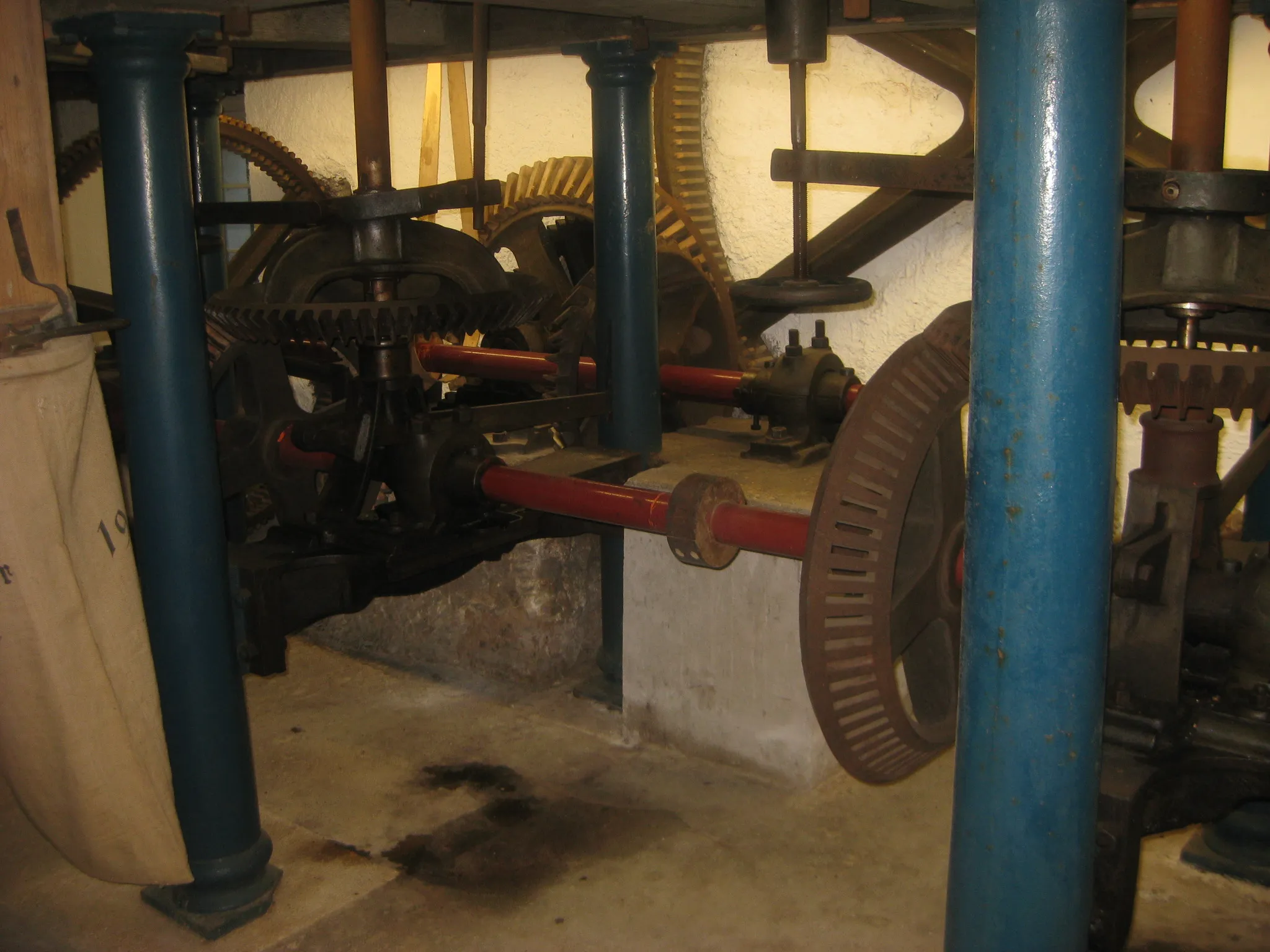
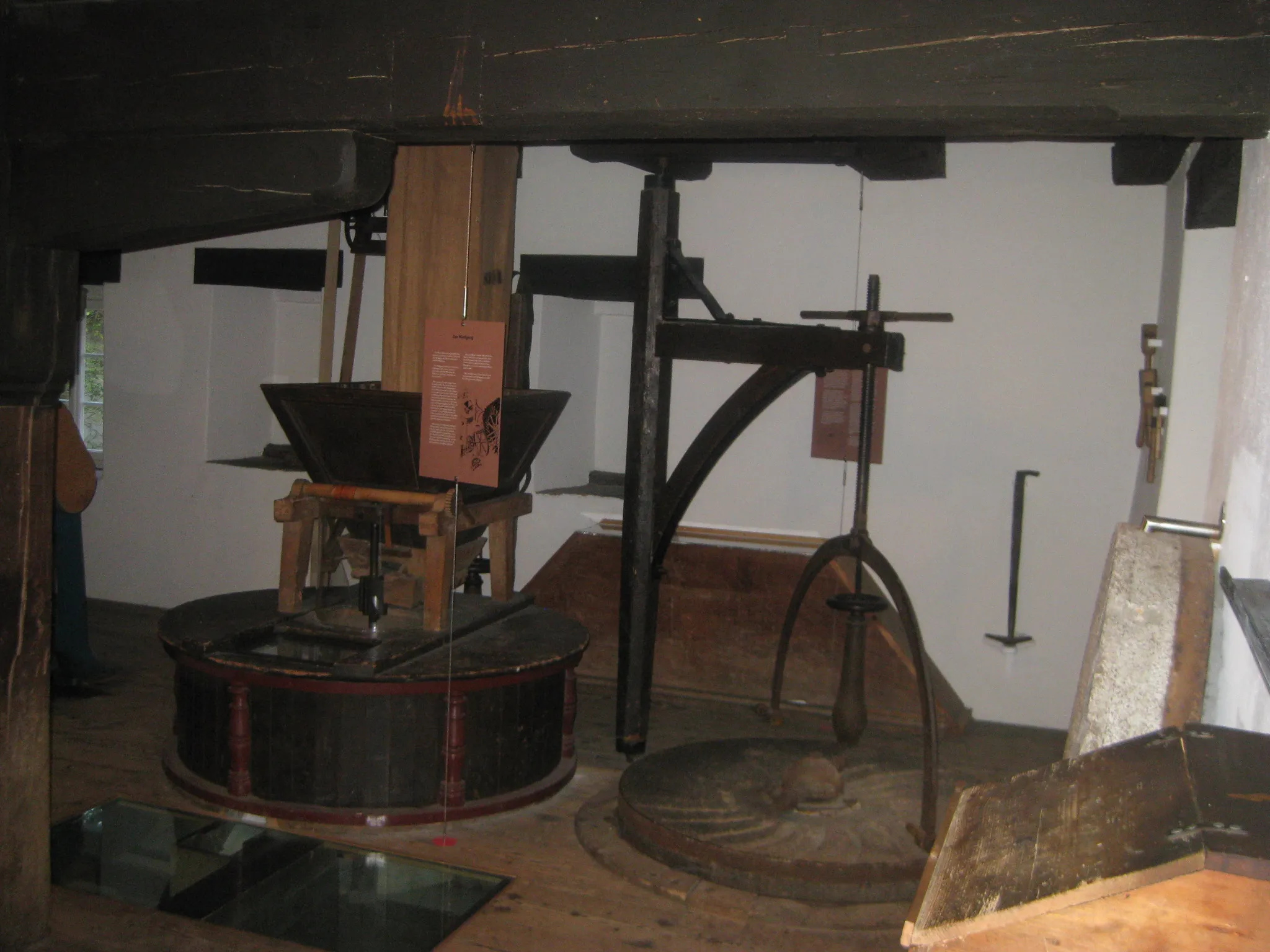
Images of the Mühlemuseum Brüglingen in Basel's Merian Gardens capture a historic 16th-century mill with its white facade, green shutters, and wooden water wheel housing by a stream. Visitors can preview the quiet cobblestone courtyard and stone fountain. Photos of the museum interior reveal massive wooden gears, metal flywheels, and historic flour sacks from centuries of milling history.
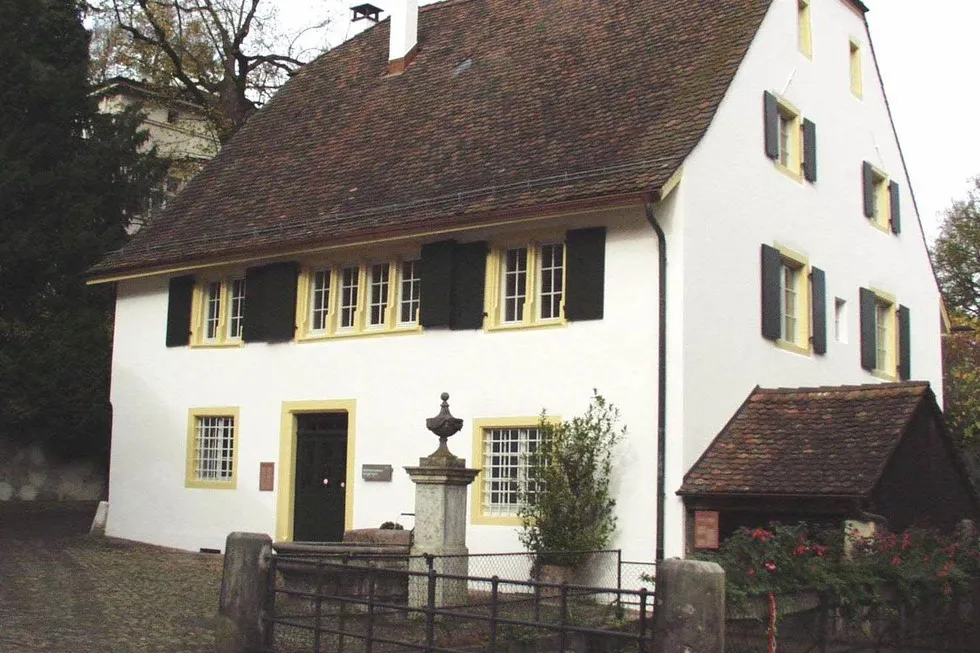
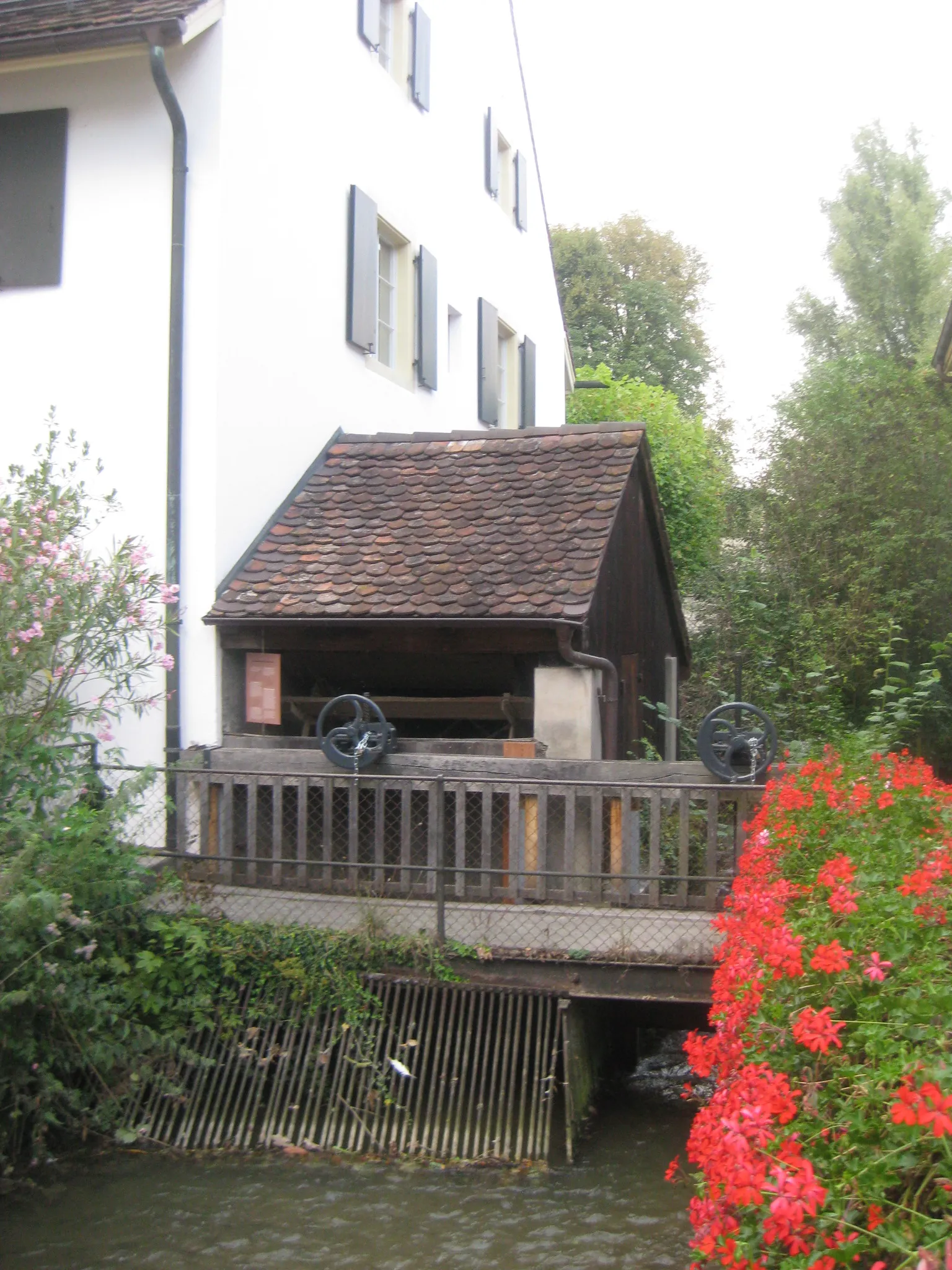
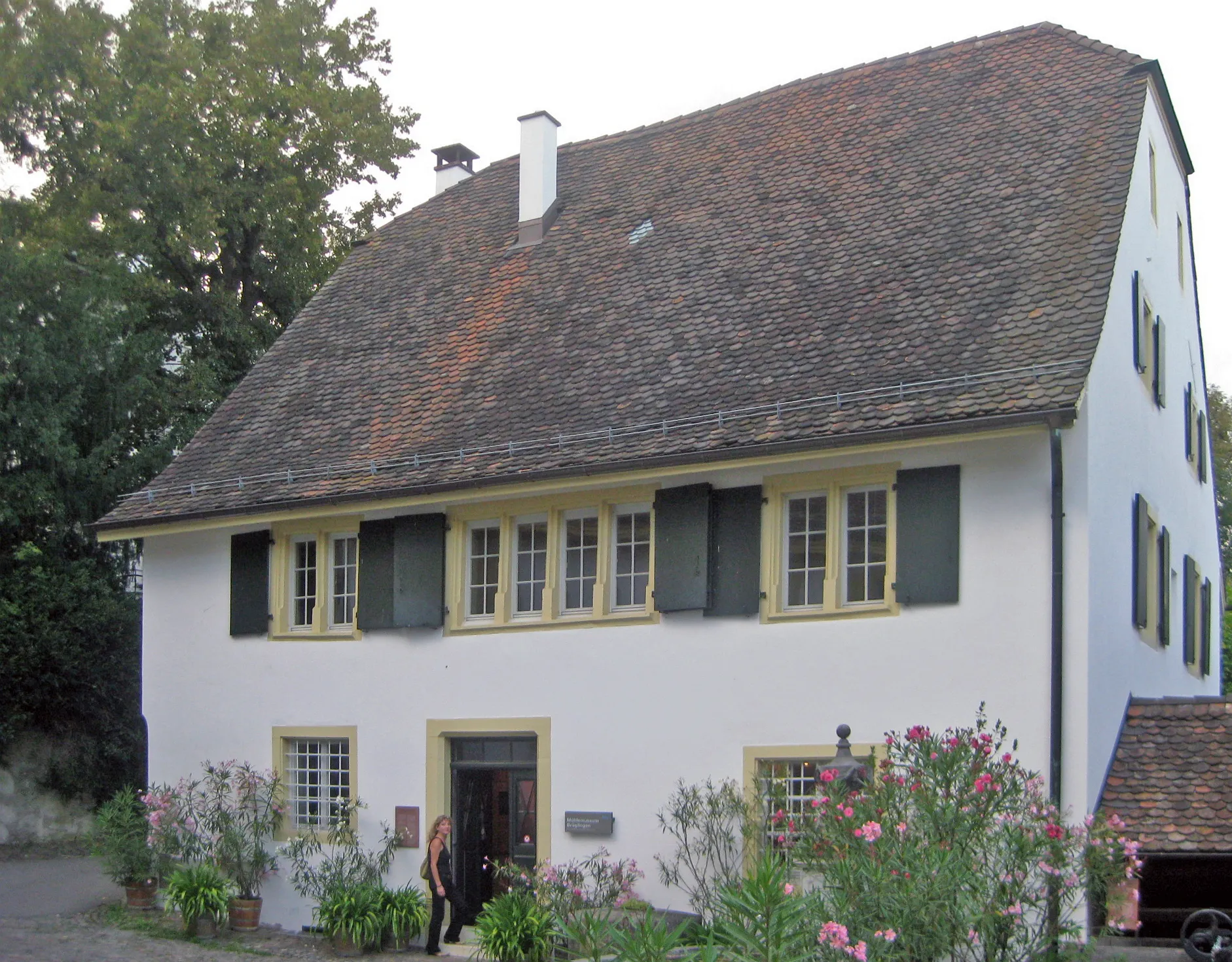
Locate prestigious art institutions and heritage sites easily.
Streamline your search for cultural landmarks in Basel. Identify historical archives, fine art hubs, and scientific collections tailored to your specific curiosity. Access essential details for every venue to coordinate your upcoming visit.