New Waves in Belgian Photography: FOMU Showcases Emerging Talent in Antwerp
Each year, the Antwerp Photo Museum (FOMU) spotlights a fresh cohort of visual artists through its annual talent program. For its twelfth edition, the platform presents a diverse selection of ten photographers with strong ties to Belgium, offering visitors a unique look at contemporary perspectives and experimental techniques.
Running from June 28 to August 18, 2024, the presentation brings together boundary-pushing projects that tackle themes ranging from social landscapes and environmental changes to intimate family relationships and digital politics.
Planning Your Visit to the Antwerp Exhibition
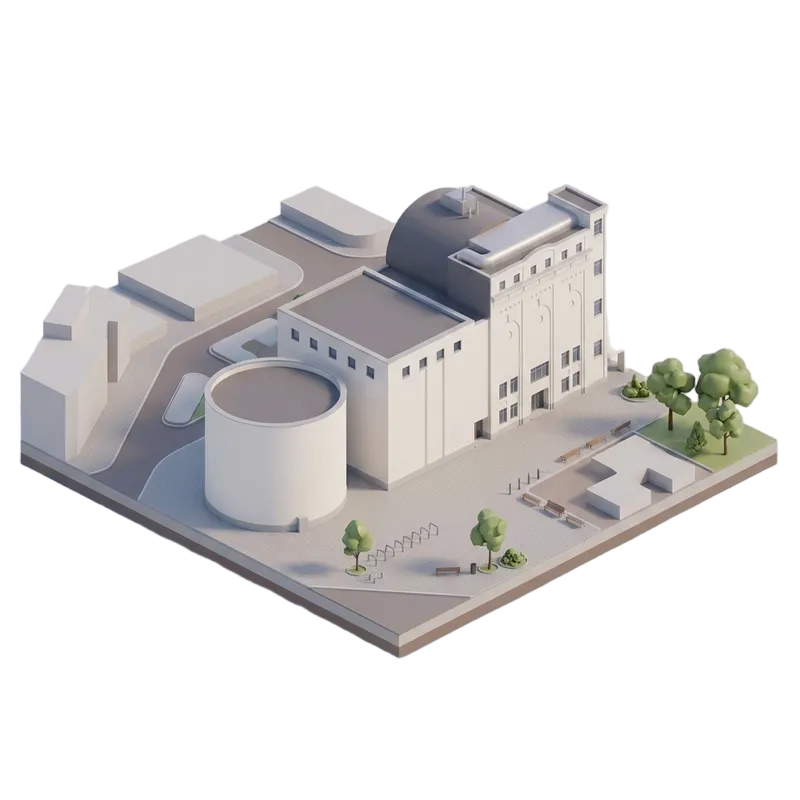
Unlike traditional gallery showcases inside the museum's main building, this pop-up exhibition is hosted at Zuiderpershuis, an iconic venue situated just a five-minute walk from the main FOMU facility in Antwerp’s South quarter ('t Zuid).
To select this year's featured artists, FOMU collaborated with an expert external jury, which included curator Damarice Amao from the Centre Pompidou in Paris, artist Tom Callemin, and art critic Pieter Vermeulen. Visitors wishing to take the artists' work home can purchase the accompanying publication at the FOMU shop for €7.
Featured Artists and Visual Narratives
The selection represents a broad spectrum of photographic styles, moving away from classic documentary formats to embrace conceptual art, sculptural installations, and digital rendering.
Societal Shifts and Diverse Identities
Several artists in the lineup focus on human connection, marginalized communities, and the performance of identity:
- Ksenia Kuleshova highlights the daily lives, joy, and resilience of LGBTQIA+ couples in Russia, Armenia, and Georgia, presenting a warm and intimate portrait of a community navigating systemic pressure.
- Lina Wielant & Elise Dervichian collaborate to experiment with their own physical likenesses, humorously challenging societal expectations and reclaiming their autonomy through performative portraiture.
- Nathan Mbouebe shares a highly personal visual diary of his daily interactions with family, friends, and strangers, emphasizing the magical transformation of these encounters during the physical darkroom printing process.
Environment, Geography, and Industrial Change
Other projects examine our relationship with geography and the natural world, documenting both local histories and remote polar landscapes:
- Catherine Lemblé challenges historical, male-dominated narratives of the Arctic. Her project focuses on the diverse roles of women living and working in Spitsbergen, Norway, as mechanics, guides, and scientists.
- Laure Winants combines art and climate science by using actual ice cores drilled during northern expeditions as prisms to project light onto photographic paper, creating a colorful record of geological time.
- Romain Cavallin documents the social and physical transformation of his French hometown near the Swiss border, capturing how a declining local automotive factory has fundamentally altered the surrounding community.
- Romane Iskaria offers a visual translation of ancestral memory and spiritual experiences within the Quilombos communities residing in the northeast of Brazil.
Technology, Objects, and Domestic Memories
A final group of artists uses photography to explore virtual spaces and household objects, blending physical reality with memory and algorithms:
- Marcel Top critiques political polarization by using an algorithm to merge the portraits of current British politicians, resulting in a hyperrealistic 3D model of a fictional, completely generic political figure.
- Marens van Leunen photographs her childhood home, where her father collects and trades goods. By turning ordinary, second-hand items into bizarre sculptural arrangements, she crafts an indirect portrait of their family bond.
- Angyvir Padilla bridges the physical distance between Belgium and her family home in Venezuela by having her mother photograph childhood toys, which are then transformed into delicate, semi-transparent 3D-printed sculptures.
Discover More Cultural Highlights
After visiting the pop-up exhibition in the historic South quarter, you can continue exploring the local art scene. Let Musemap (musemap.art) help you navigate the city's cultural landscape. To find other creative spaces nearby, you can browse museums in Antwerp, view active exhibitions on our local event list, or navigate the neighborhood using the interactive city map.