Beyond Calculation: Art as Risk and Human Creation at the Goetheanum
As digital tools rapidly evolve and artificial intelligence increasingly generates imagery, fundamental questions arise about the true definition of creative work. In a recent online exploration published by the Goetheanum Weekly, Christiane Haid examines how human artistic creation fundamentally differs from the automated output of mathematical operations and data processing.
Exploring the Boundaries of Human Creativity in Dornach
Visitors engaging with the intellectual and cultural programs at the Goetheanum in the Basel region often encounter deep inquiries into art, philosophy, and human potential. The latest discussion on art as risk addresses a timely cultural debate: if an AI-generated image bears visual similarities to a human-made artwork, how should society define genuine artistic achievement?
According to the analysis, true artistic creation involves a profound human journey defined by boundary experiences, vulnerability, and risk—elements that algorithms simply cannot replicate.
The Creative Struggle and the Artistic Threshold
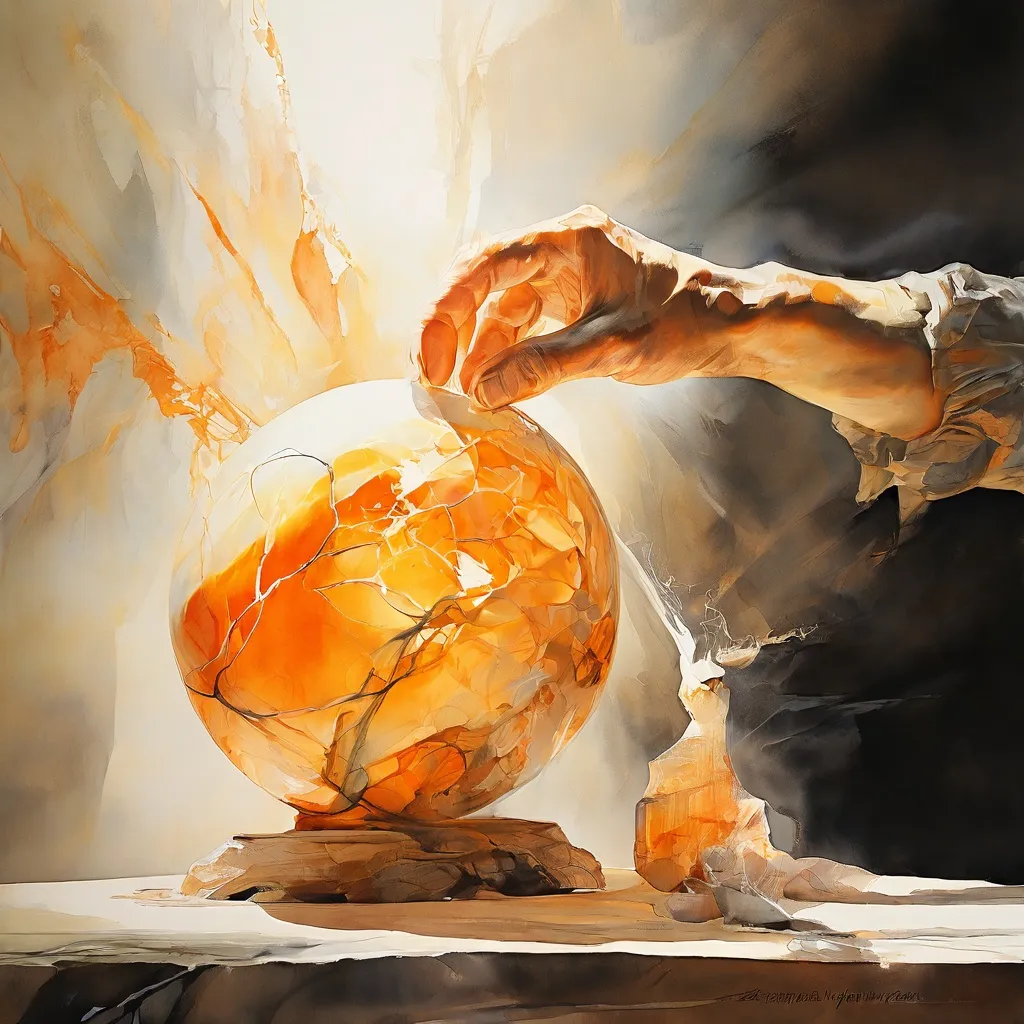
To illustrate the distinct nature of human artistry, the reflection turns to the historical experience of the Renaissance master Michelangelo, whose poetic writings detailed the immense personal struggle involved in shaping marble. Rather than a purely calculated execution, the artistic process is described as a lifelong endeavor akin to reaching a threshold, where creators navigate intense effort, doubt, and ultimately, a sense of grace that lies beyond strict calculation.
For those interested in delving deeper into contemporary perspectives on anthroposophy, architecture, and the arts, exploring current offerings around the area can enrich the journey. You can plan your itinerary by checking out what is currently available on the what's on exhibitions page or finding other cultural highlights via the museums list, curated as part of Musemap (musemap.art).