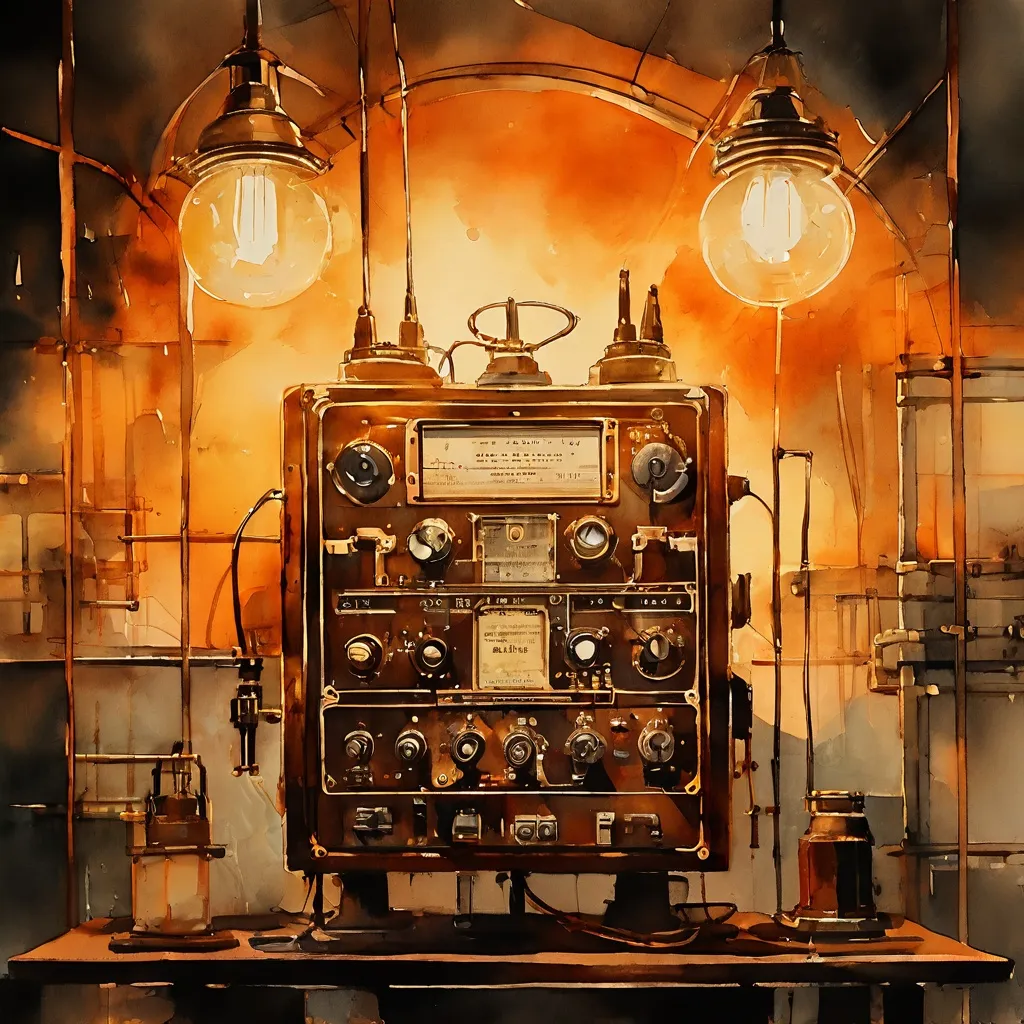
How Málaga's Aviation Museum is Uncovering the Forgotten History of Radar
Málaga’s rich aviation heritage is on full display at the Museo Aeronáutico de Málaga, housed in the city's original airport passenger terminal. To deepen the experience for local visitors and history enthusiasts, the museum features educational insights written by veteran local experts. Among them is Ricardo García, an airport radar technician with over 41 years of experience in Málaga, who shares the fascinating—and often forgotten—stories behind the technology that keeps flights safe.
This collaborative look at communication, navigation, and surveillance technologies helps contextualize the historic equipment on display, turning technical airport operations into a compelling story of human ingenuity.
What to Discover on Your Visit to Málaga's Aviation Museum
The museum serves as a hands-on exploration of civil flight, navigation, and airport operations. Visitors can step inside a real cockpit, climb up a historic control tower, and see early engines up close. Understanding the science behind these displays changes how you view modern air travel, especially when exploring how early pioneers solved the challenges of steering and tracking aircraft.
By examining historic instruments at the terminal, visitors can appreciate how Málaga's local airport operations evolved alongside global technological milestones.
The Surprising Inventor Who Predated Modern Radar
While historical records often credit Robert Watson-Watt with the invention of radar, the true story begins decades earlier. In 1902, a 22-year-old German engineer named Christian Hülsmeyer, from Eydelstedt, set out to prevent maritime collisions after losing a friend in a shipwreck.
Hülsmeyer realized that metal structures could interfere with wireless radio signals. On May 18, 1904, he successfully demonstrated his invention, the Telemobiloscope, on a bridge in Cologne. The device emitted radio waves and rang a bell whenever a nearby vessel reflected those waves, even in dense fog. Although it was profiled in the international press, maritime organizations of the era dismissed the invention due to practical concerns, and the technology was temporarily forgotten.
How the Early Technology Worked
The Telemobiloscope relied on early electrical engineering before modern electronics existed:
- The Transmitter: A primitive spark-gap system used a rotating coil to generate high voltage, stored in a capacitor, which discharged to create a radio signal at a specific frequency.
- The Receiver: A glass tube filled with loose metal filings, known as a coherer, acted as a sensor. When the reflected radio signal returned, the filings clung together to complete a circuit, which triggered a relay, rang a warning bell, and tapped the tube to reset the filings for the next signal.
This early experiment proved that electromagnetic wave reflection could detect distant objects, laying the essential groundwork for the radar systems used at airports worldwide today.
Plan Your Cultural Itinerary in Málaga
Whether you are a seasoned aviation fan or a family looking for an engaging afternoon, this local landmark offers a unique perspective on technological history. You can easily plan your journey and discover more about this and other cultural spaces across the city using Musemap (musemap.art). To start designing your trip, you can browse museums in the area, check out the interactive Málaga map, or see what's on during your visit.