General admission
Free
General self-guided admission is free and does not require reservation; dated guided tours may differ.

A university museum preserving instruments used to measure earthquakes and the Earth's magnetic field. Seismographs and magnetic instruments show how researchers recorded distant events and planetary forces.
A university museum preserving instruments used to measure earthquakes and the Earth's magnetic field.

Located in Strasbourg, the Museum of Seismology and Earth Magnetism serves as a dedicated space for preserving the history of geophysical research. The facility features a specialized collection of historical seismographs and magnetic instruments used to document planetary forces and distant seismic events. This university museum offers visitors a unique look into the evolution of earthquake science and the sophisticated technology developed to measure our changing planet.
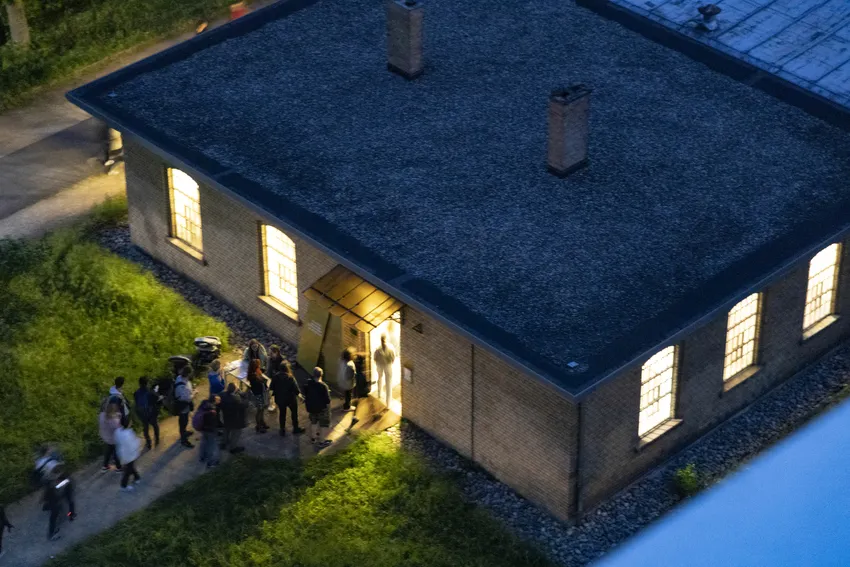
The Museum of Seismology and Earth Magnetism is located on Rue de l'Université within the Quartier des XV neighborhood of Strasbourg. Situated in this academic area, the museum offers visitors a unique look at the history of geophysical research. Its central position makes it an accessible addition for those exploring the scientific heritage and cultural landmarks distributed across the city.
Rue de l'Université 7
67000 Strasbourg
Quartier des XV, Grand Est, FR
Visitors should plan for 60 to 90 minutes to explore the collections at the Museum of Seismology and Earth Magnetism in Strasbourg. General admission does not require a reservation, though checking the schedule for specific daily hours and last entry times is essential before arriving. For a quieter experience, consider visiting during the earliest opening periods on weekdays.

The Museum of Seismology and Earth Magnetism offers a unique window into the history of geophysical research in Strasbourg. This university museum preserves a fascinating collection of historical seismographs and magnetic instruments, each documenting how early researchers successfully recorded distant seismic events and planetary forces. Visitors are invited to explore the intricate relationship between scientific equipment and the evolution of earthquake science. The curated environment provides an engaging look at these essential tools, highlighting the profound impact of geophysical discoveries on our understanding of the Earth. It remains an essential stop for those seeking to appreciate the intersection of scientific progress and institutional heritage.
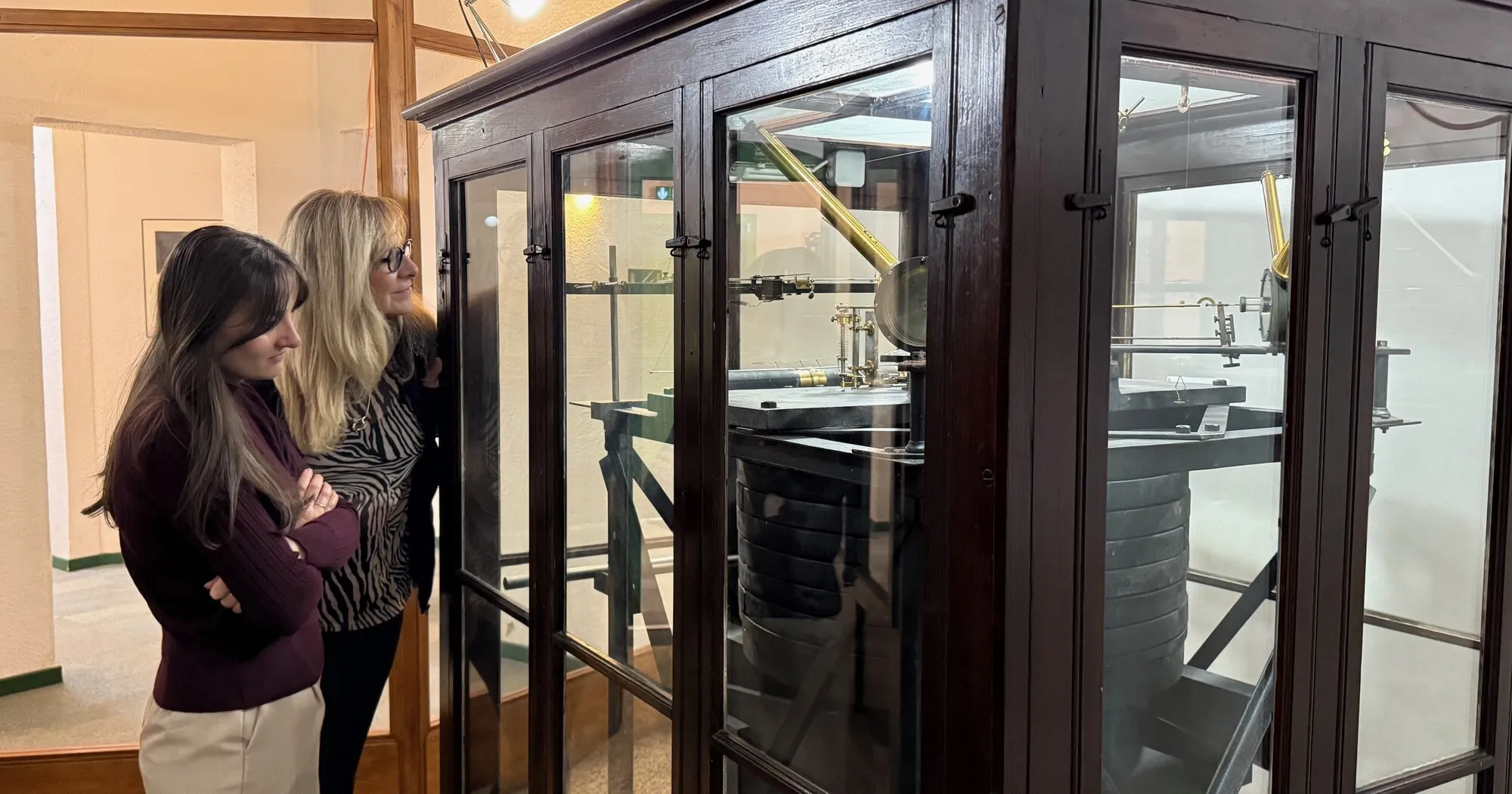
The Museum of Seismology and Earth Magnetism in Strasbourg traces its roots to 1900, when the site began operating as one of the world's early seismological observatories. This *pioneering station* eventually transitioned into its current role as a museum in 1996. While scientific research moved to other university facilities, the location remains dedicated to preserving the legacy of geophysical exploration and the history of recording Earth's planetary forces.
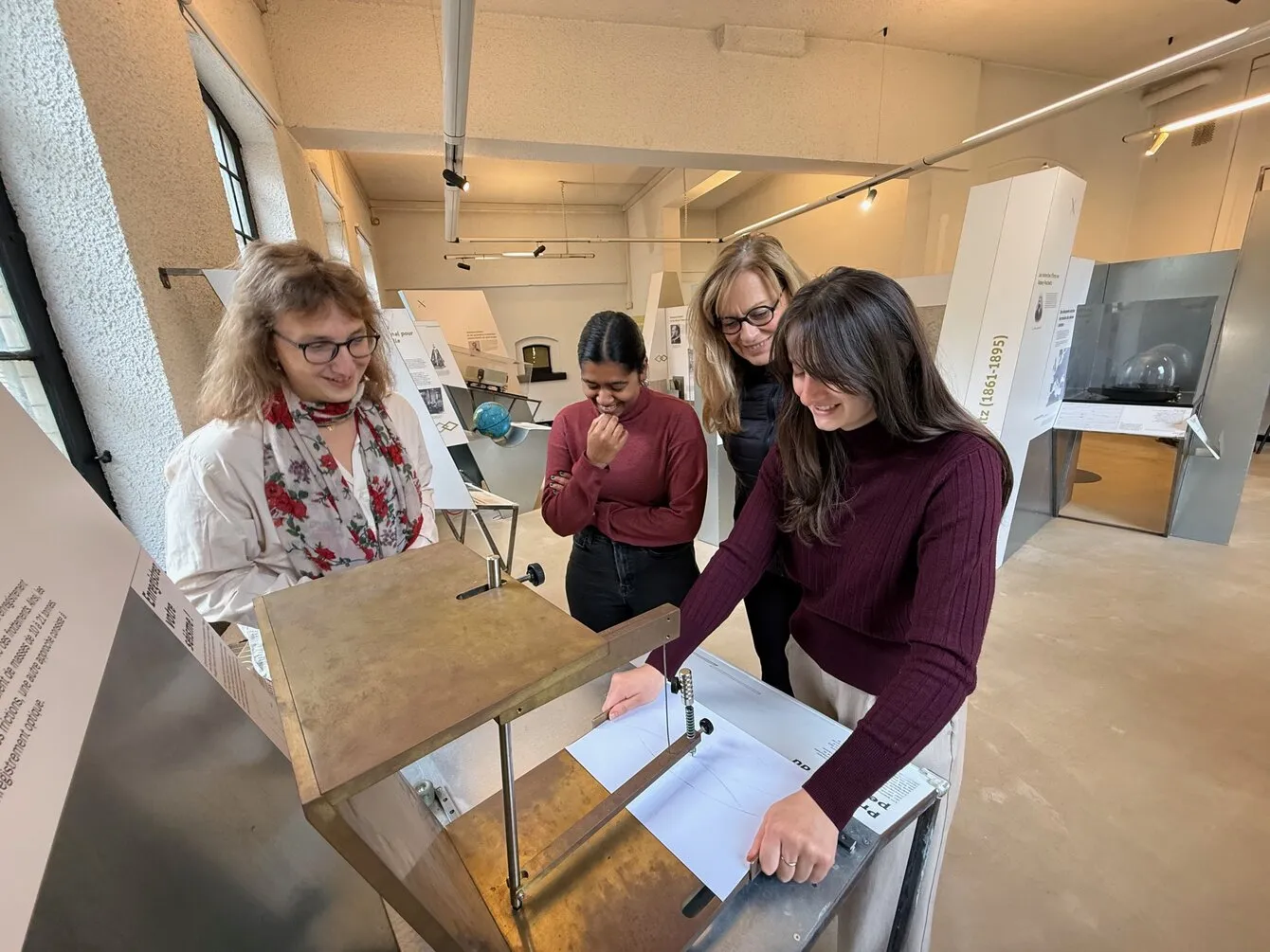
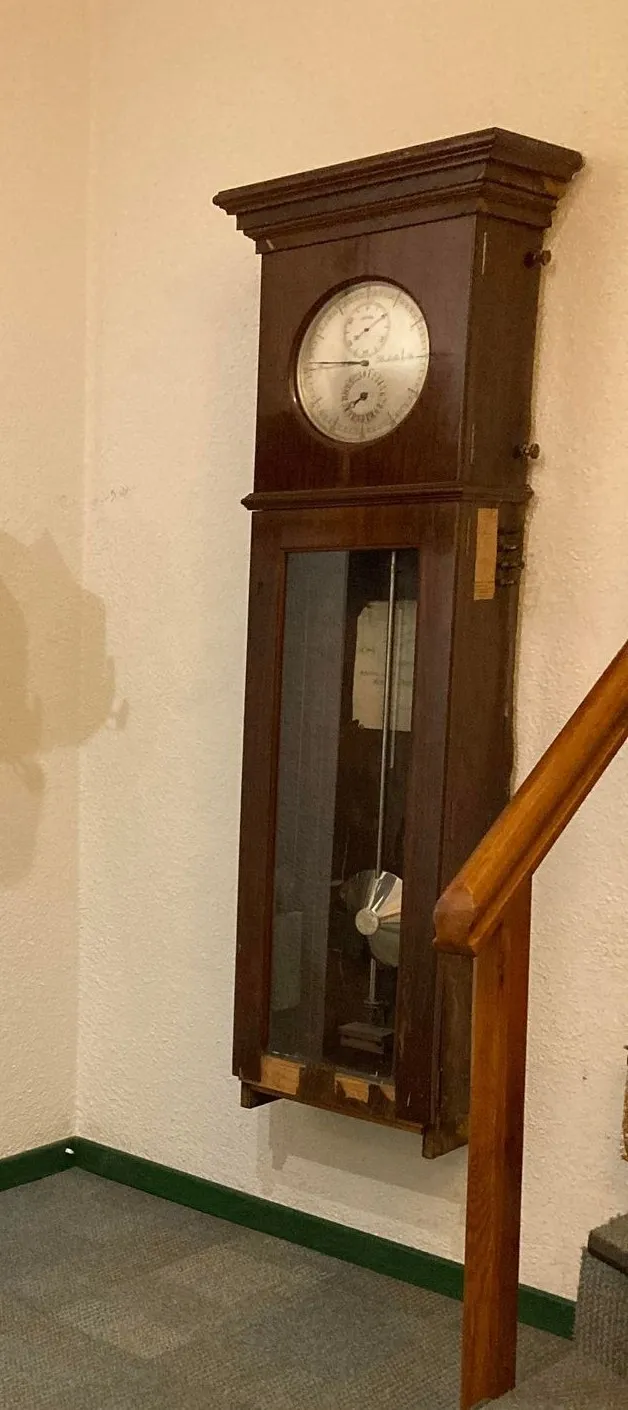
Explore the distinct architectural exterior and specialized interior galleries of the Museum of Seismology and Earth Magnetism in Strasbourg. These images provide a preview of the institution's commitment to earthquake science, showcasing the historic geophysical instruments and research tools that define the visitor experience.
Explore diverse artistic, historical, and scientific collections across the city.
Explore an array of fascinating institutions by searching for specific themes and interests. Musemap helps you uncover cultural gems in Strasbourg ranging from decorative arts to significant European historical landmarks.