Public landmark
Free

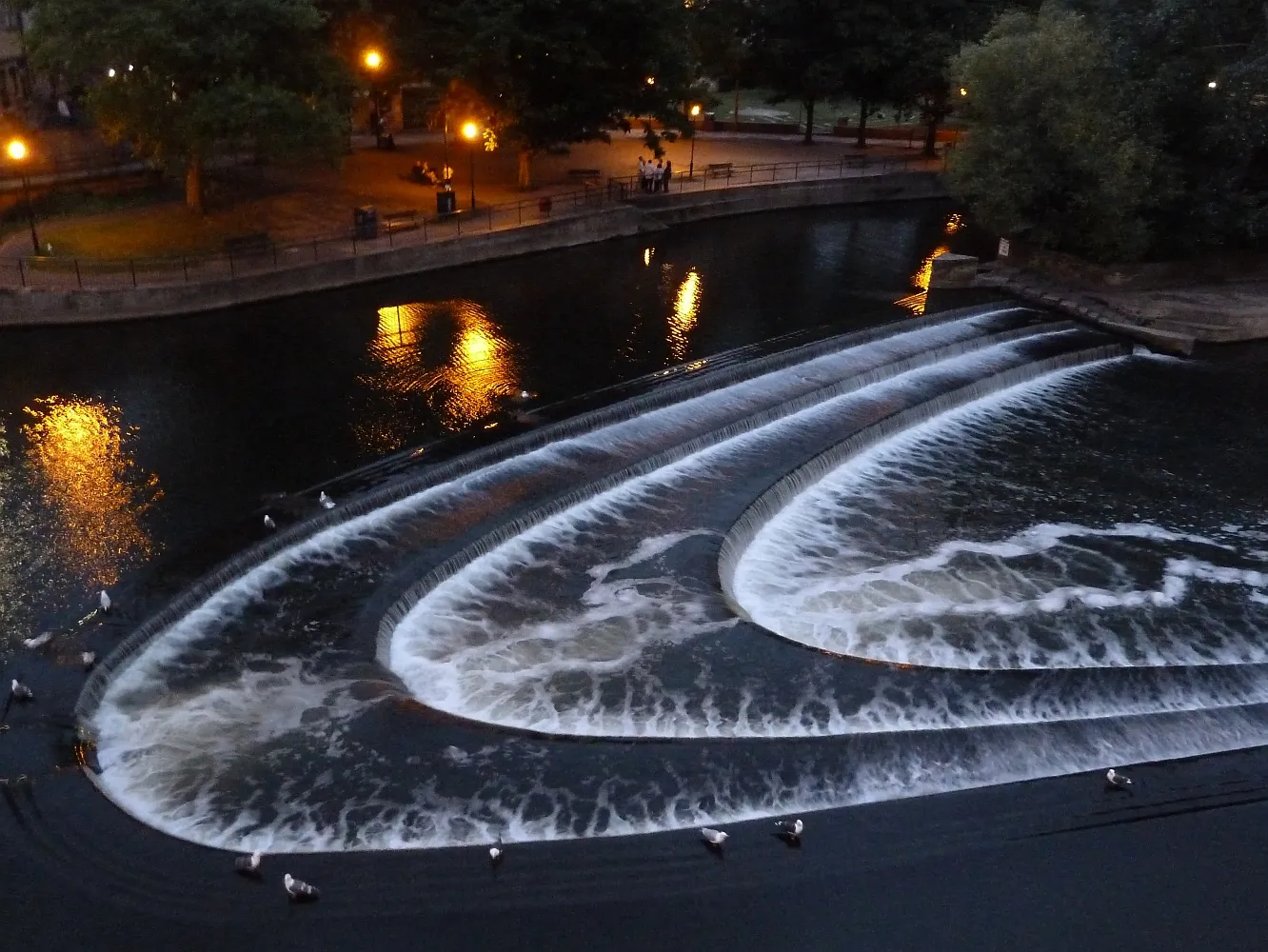
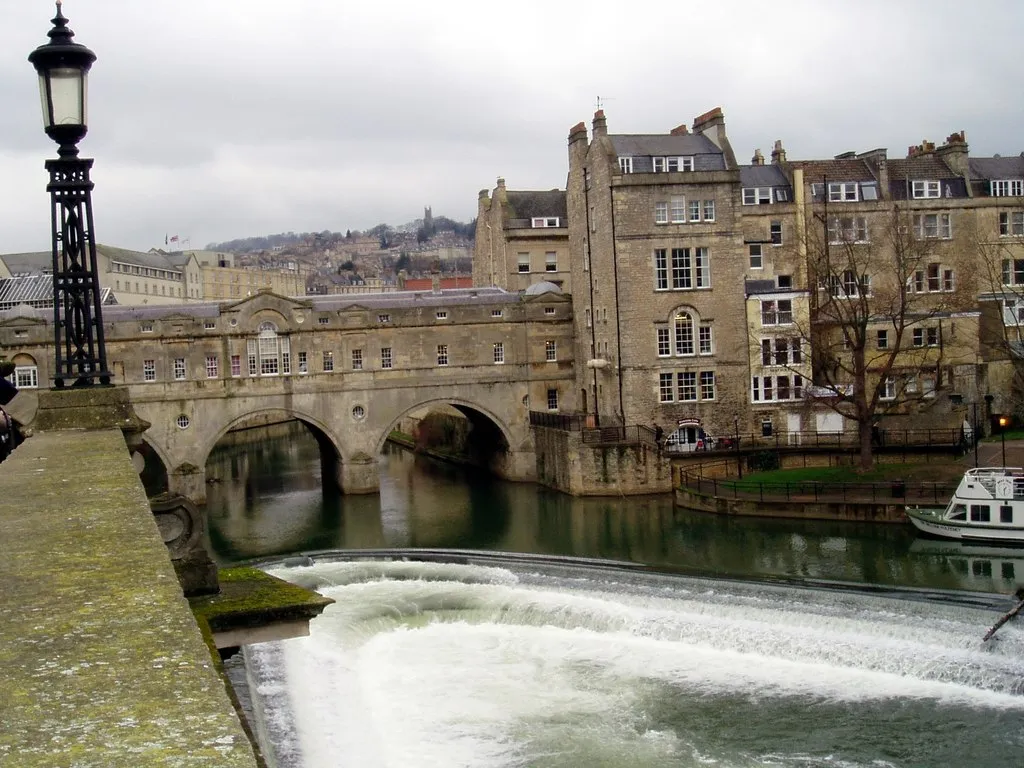
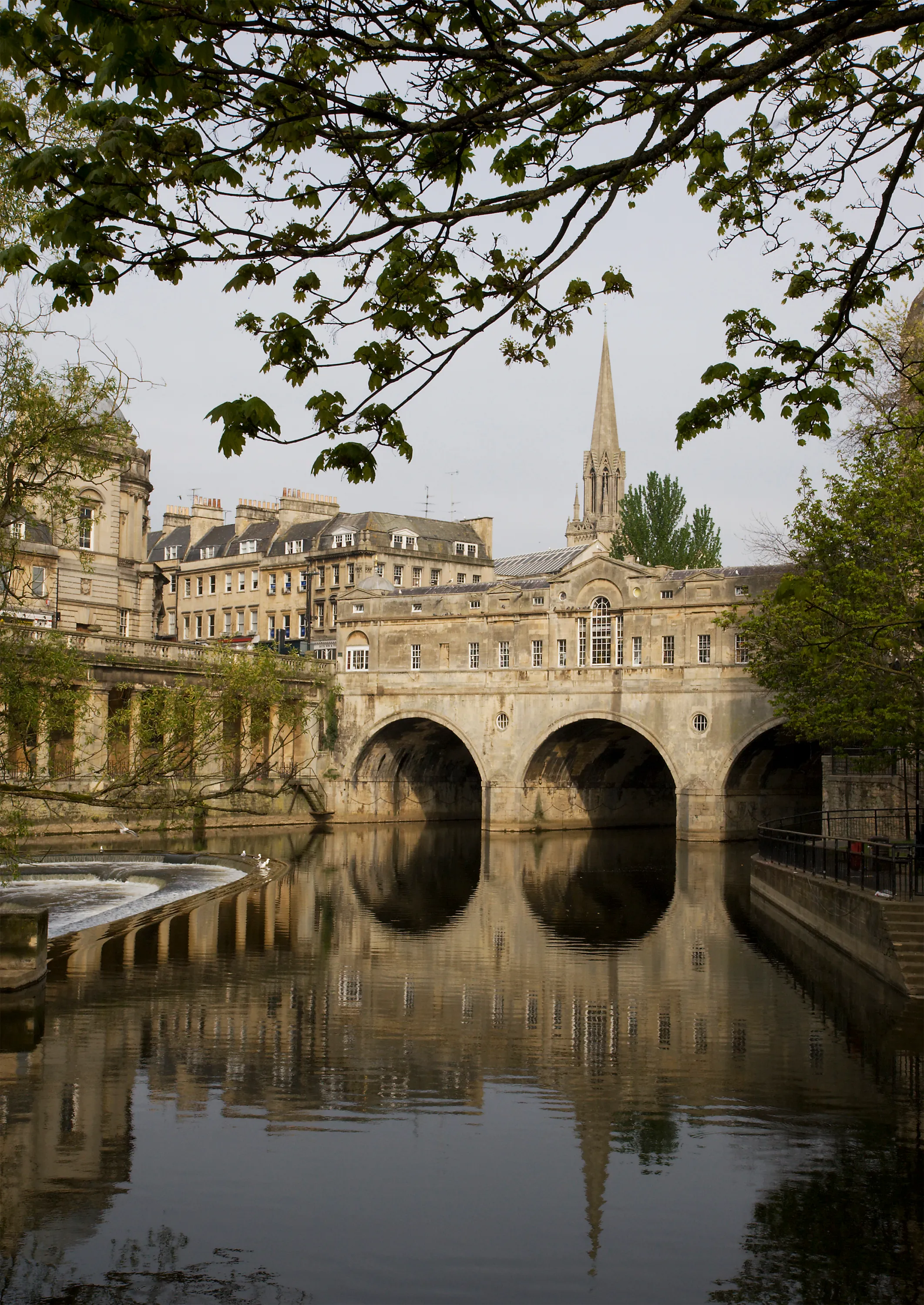
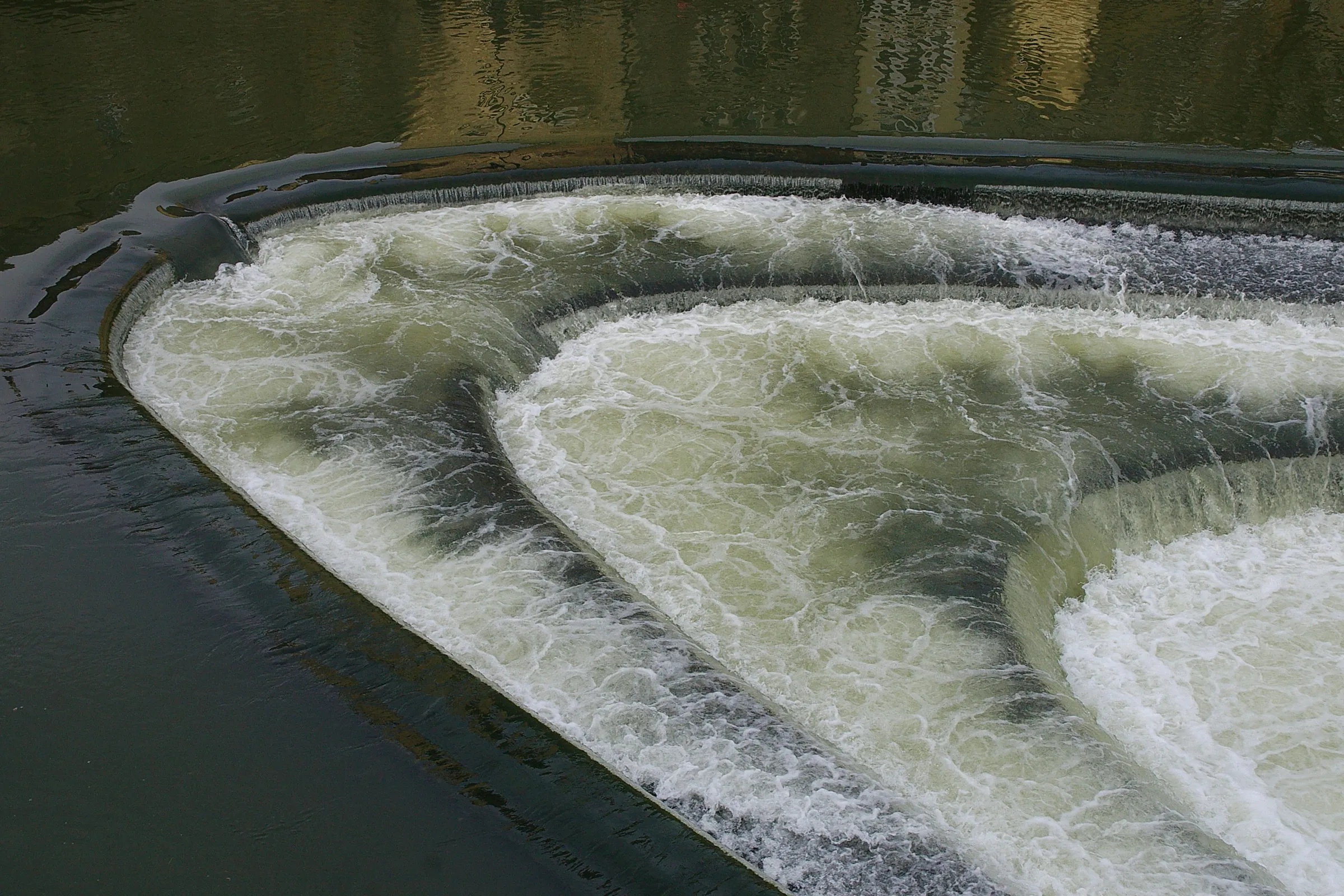
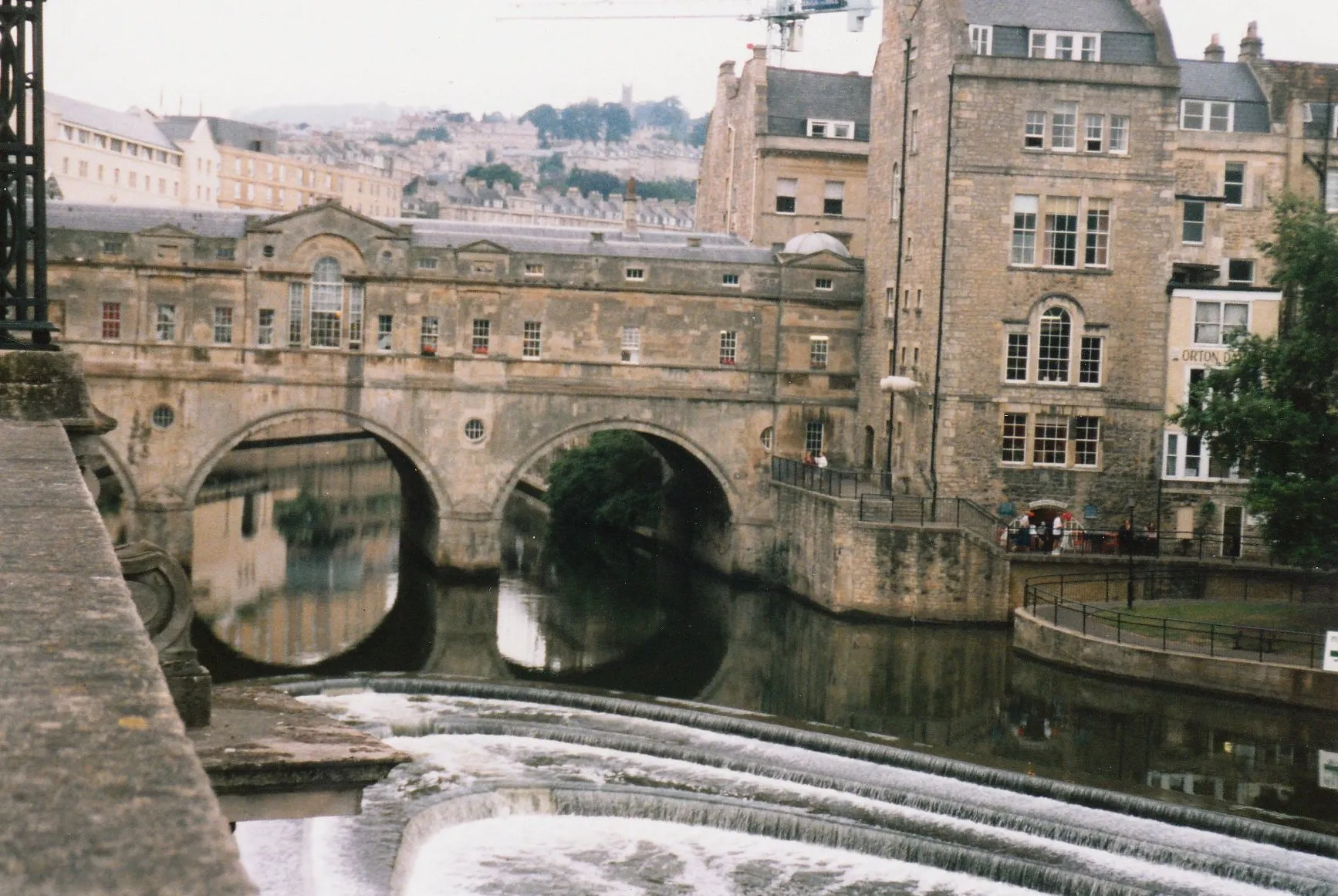
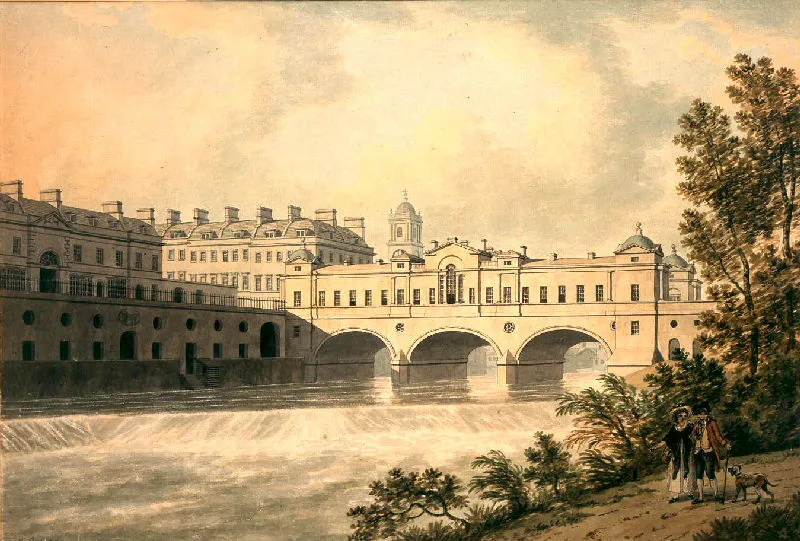
An eighteenth-century bridge lined with shops on both sides, crossing the River Avon beside the horseshoe weir. Walking across and viewing the bridge from the riverbank reveals Robert Adam's urban composition and its connection between the old city and Bathwick.
An eighteenth-century bridge lined with shops on both sides, crossing the River Avon beside the horseshoe weir.

Pulteney Bridge is an eighteenth-century structure in Bath, notable for being lined with shops on both sides as it crosses the River Avon. Visitors can examine Robert Adam's urban composition and its role in connecting the city with Bathwick. This unique inhabited design offers a distinct perspective on the city's architectural heritage and its relationship with the river.
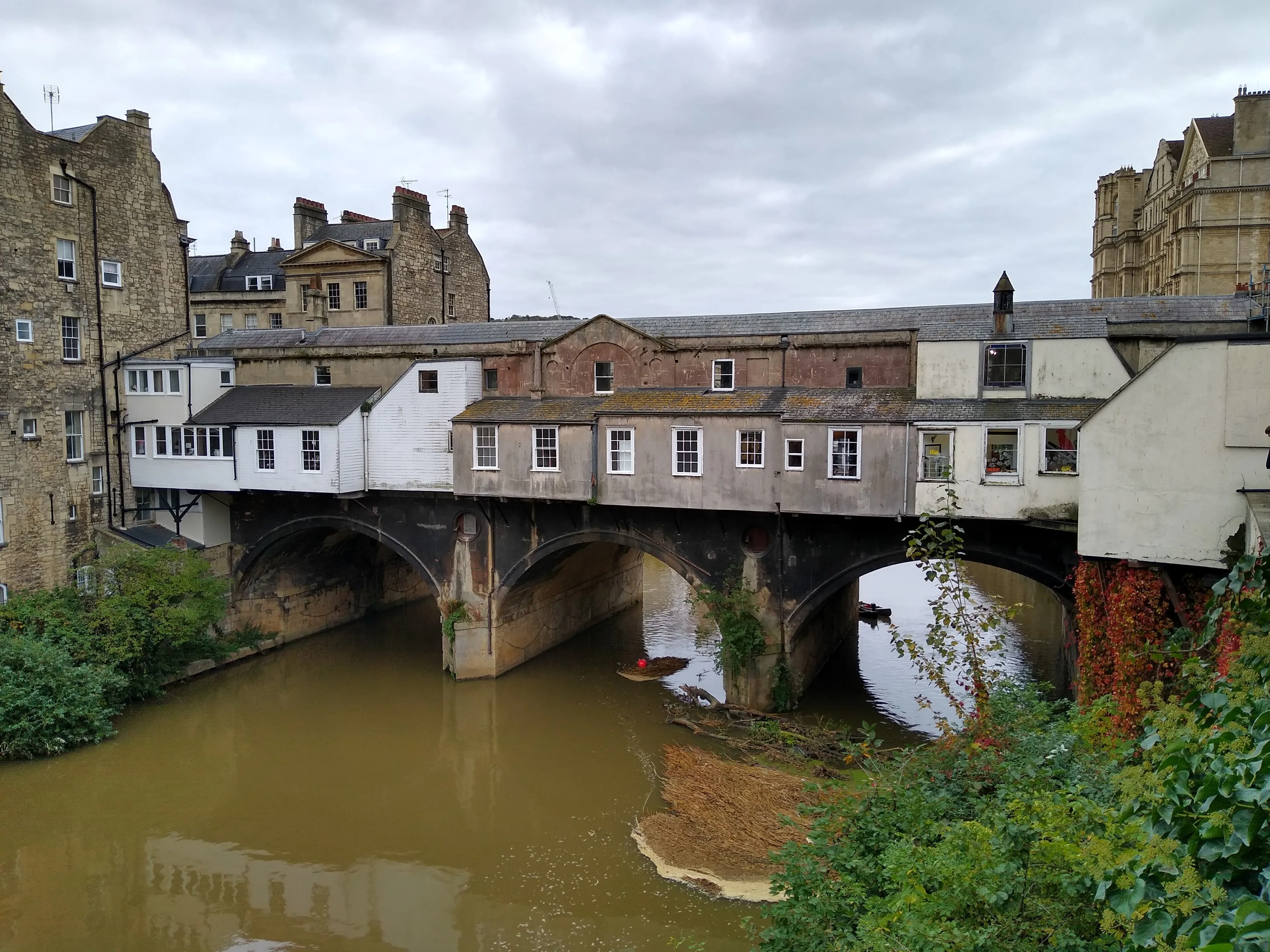
Situated in the Bathwick area of Bath, Pulteney Bridge serves as an essential architectural landmark connecting the historic city center to the surrounding district. Spanning the River Avon beside the notable horseshoe weir, its unique design allows visitors to explore eighteenth-century commerce while enjoying views of the urban landscape. This central position makes it an ideal starting point for discovering the historic streets and public spaces nearby.
Bridge Street
BA2 4AT Bath
Bathwick, England, GB
Pulteney Bridge is an open-air heritage site in Bath, and visitors should plan for 15 to 30 minutes to view the bridge and the surrounding horseshoe weir. As it is a public thoroughfare, there are no timed-entry requirements, though it is best to visit during daylight hours when weather conditions are clear. We recommend wearing comfortable footwear to navigate the historic street paths.

Pulteney Bridge stands as a significant eighteenth-century landmark in Bath, celebrated for its unique design lined with shops on both sides. Visitors can experience the structure by walking across its path or observing the impressive composition from the riverside. The bridge creates an essential connection between the old city and Bathwick, while framing the River Avon cityscape alongside the nearby horseshoe weir. This architectural feature allows guests to appreciate Robert Adam's urban vision through both its street-level and river-facing perspectives.
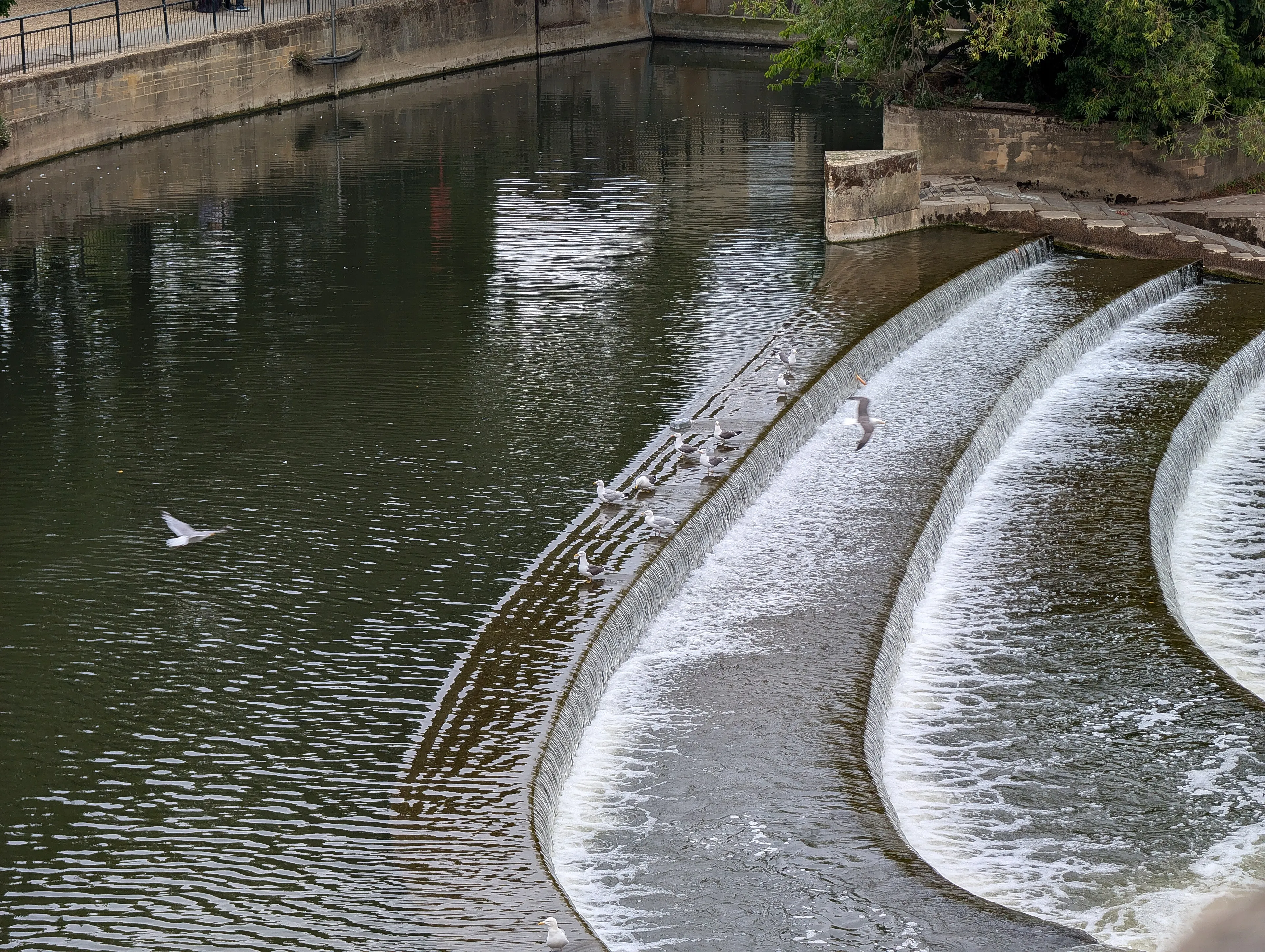
Designed by Robert Adam between 1769 and 1770, Pulteney Bridge was created to connect the historic city of Bath with the new Bathwick estate. This **Grade I listed bridge** represents a significant piece of urban architecture, uniquely featuring shops built along both of its sides. Beyond its functional role, the bridge and its adjacent weir achieved notable screen recognition in the 2012 film adaptation of Les Misérables, further cementing its place in local cultural heritage.
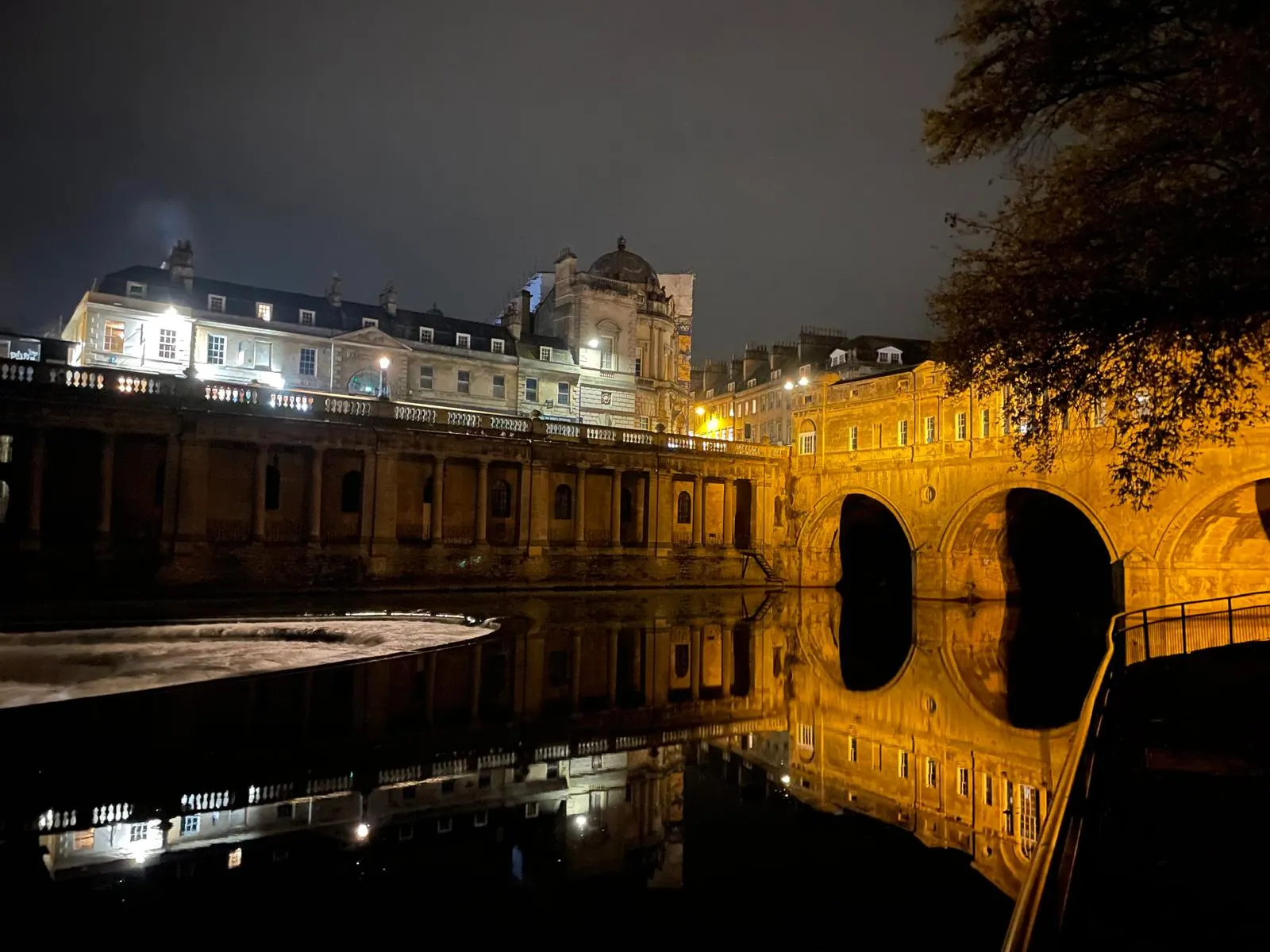
Explore the architectural character of Pulteney Bridge through these exterior perspectives. The images capture the bridge's distinctive design as it spans the River Avon, highlighting the relationship between its historic shop-lined structure and the adjacent horseshoe weir in Bath. These views offer a detailed look at the landmark's urban composition and surrounding riverside scenery.
Identify specific historical sites based on your personal interests.
Use your specific interests to discover the depth of Bath culture. Whether you prefer local social history or astronomical exhibitions, locate the right heritage spots to suit your personal journey through the city.