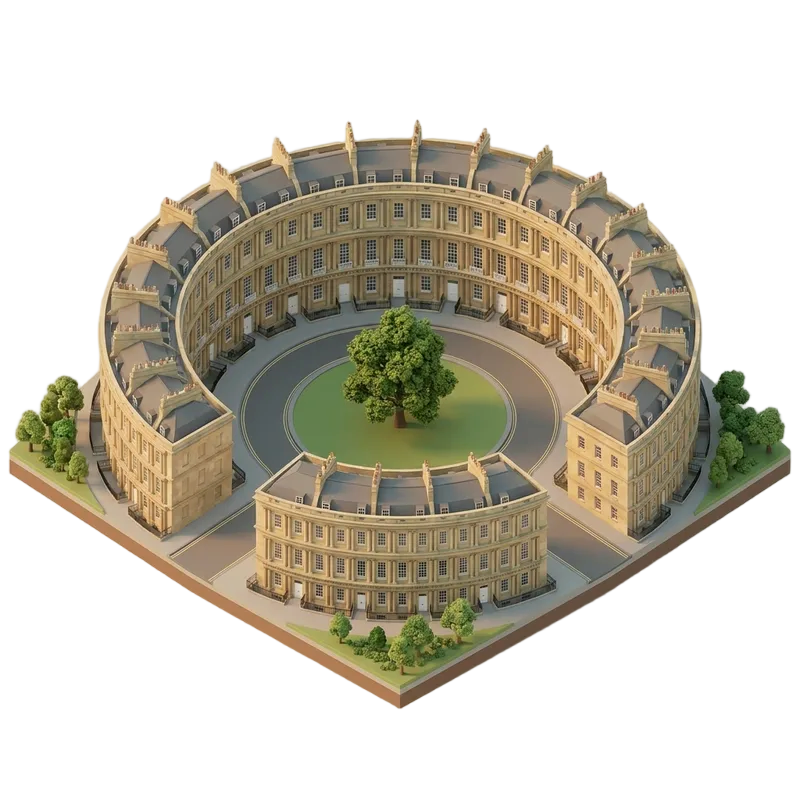
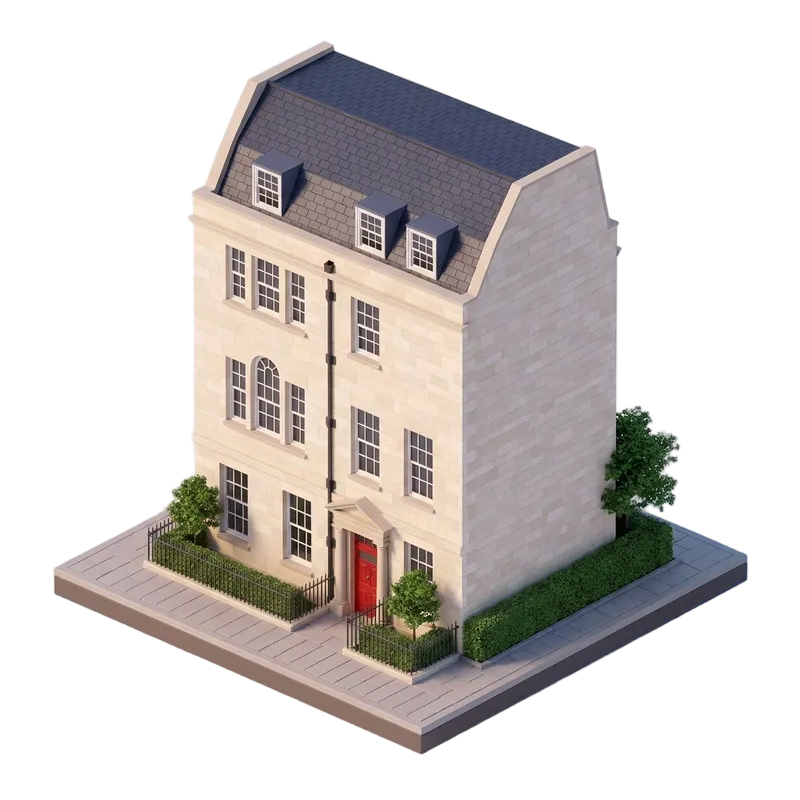
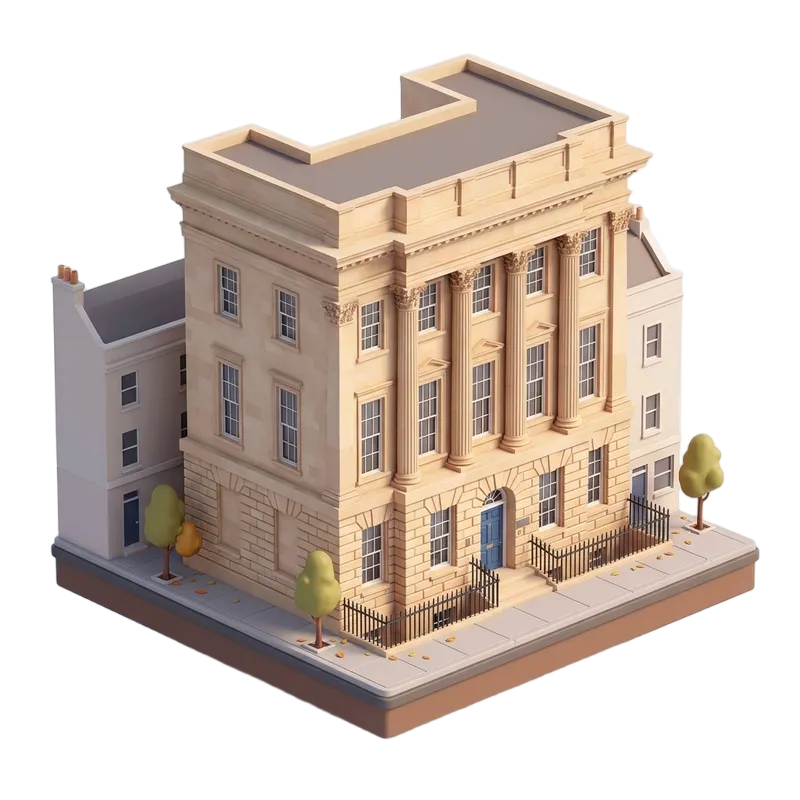
Public exterior
Free

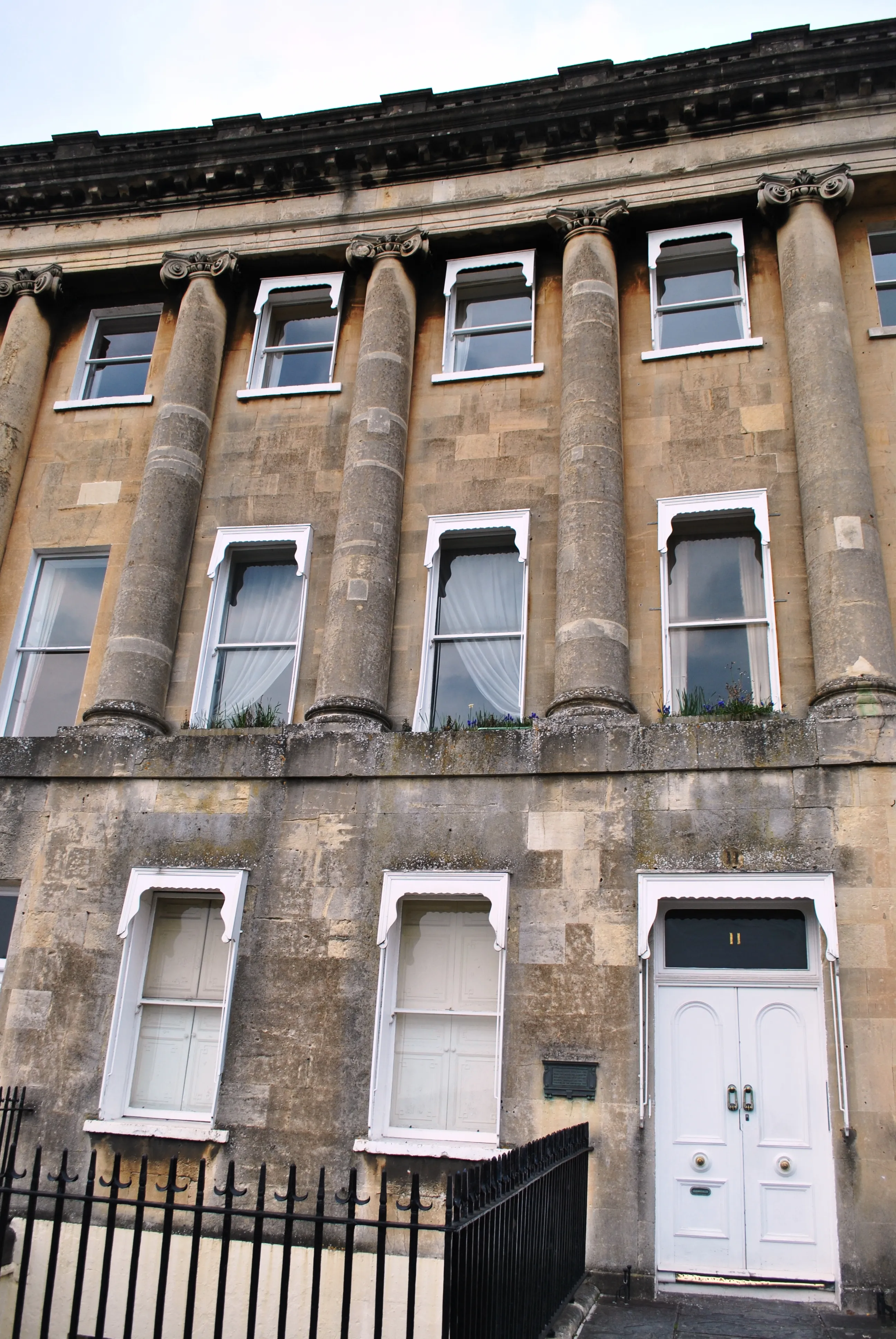
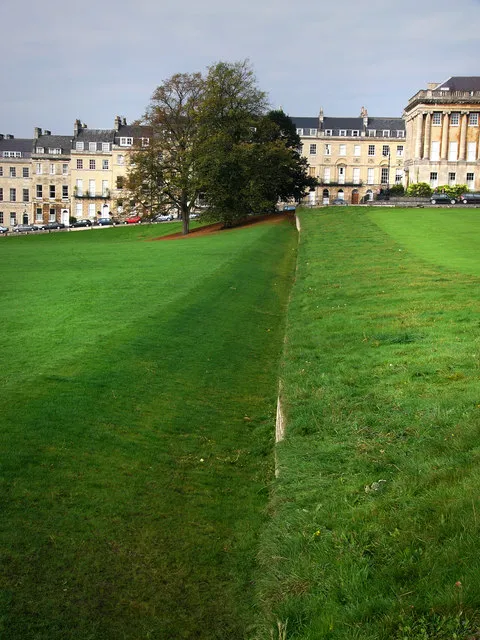
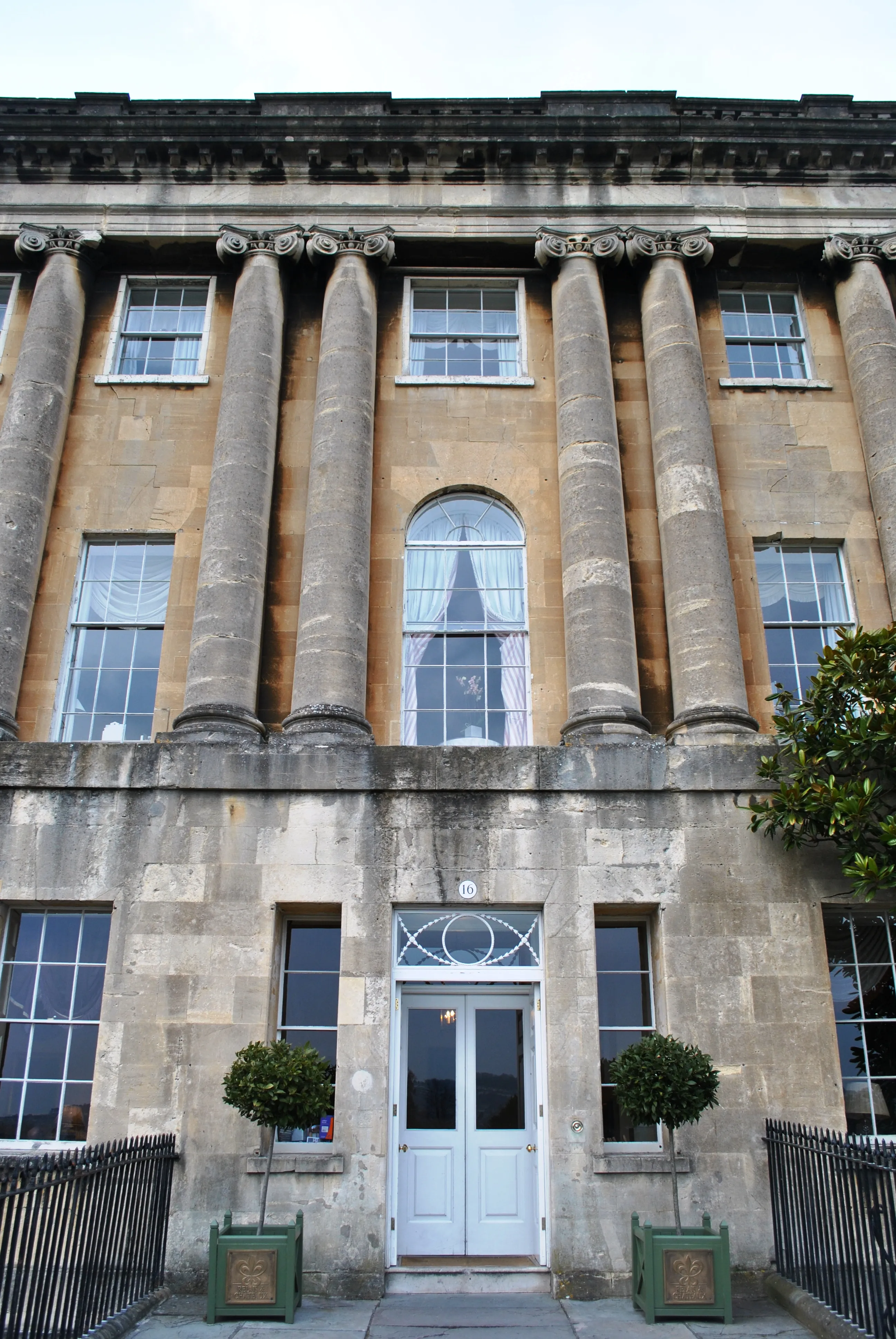
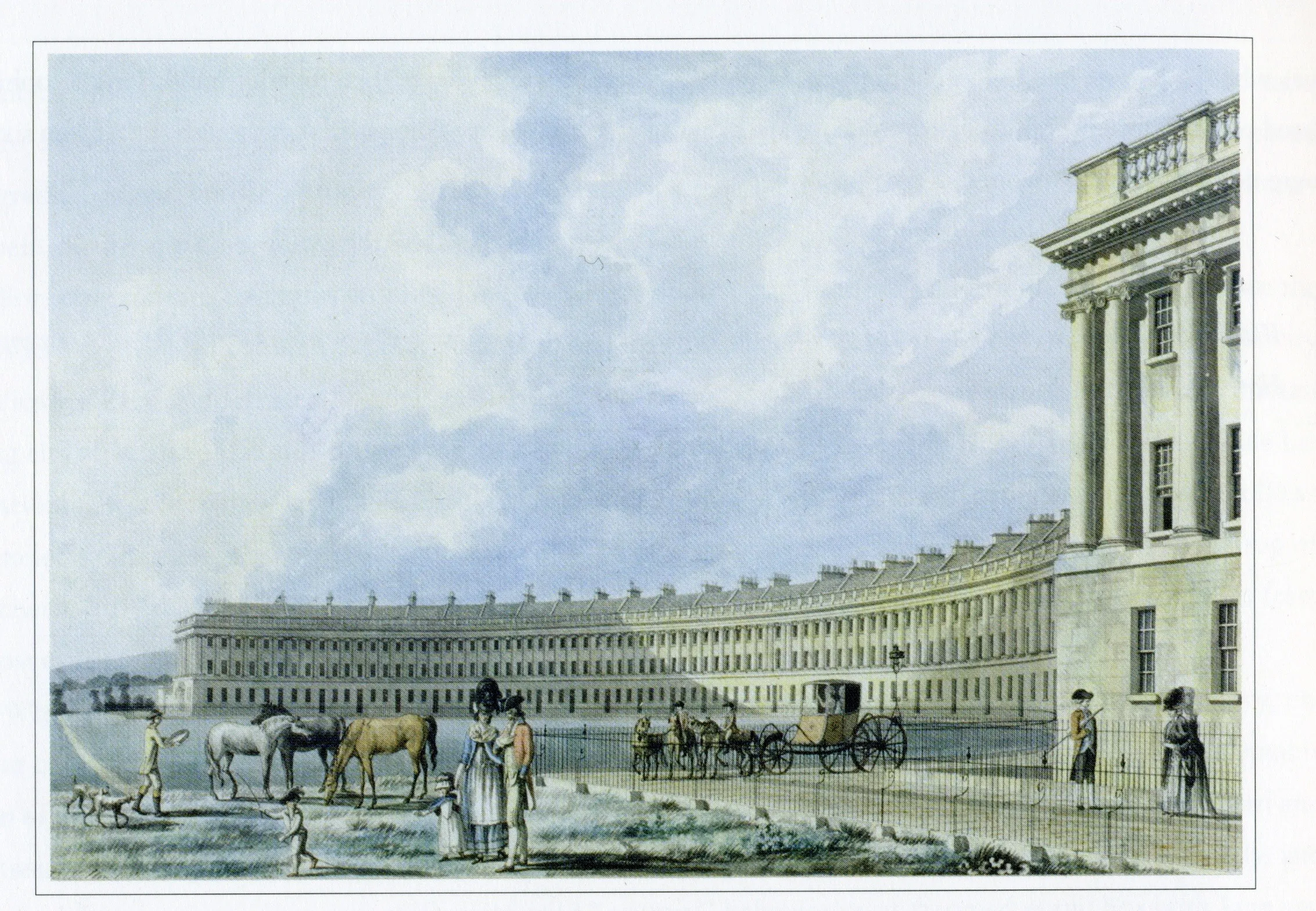
A sweeping eighteenth-century crescent of Palladian townhouses facing a broad lawn on Bath's northern slope. The public approach and lawn reveal the unified façade, urban scale and landscape setting of John Wood the Younger's celebrated residential design.
A sweeping eighteenth-century crescent of Palladian townhouses facing a broad lawn on Bath's northern slope.

The Royal Crescent is a sweeping eighteenth-century landmark in Bath, featuring a series of unified townhouses designed by John Wood the Younger. This venue offers a unique perspective on Georgian town planning and Palladian architecture, allowing visitors to appreciate its grand urban scale. The site provides an essential look at the city's historic landscape and residential design.
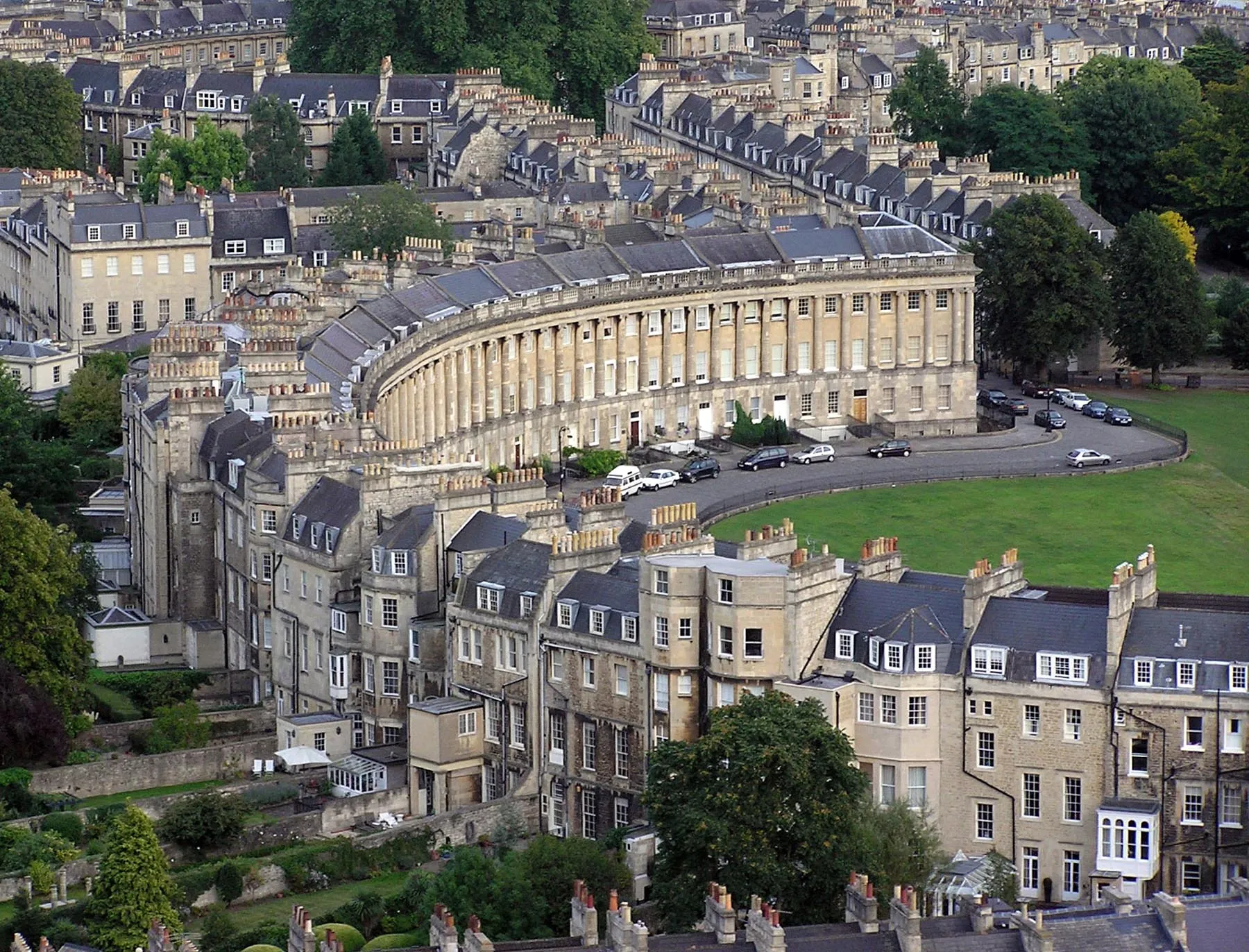
The Royal Crescent is situated on the northern slope of Bath, within the Kingsmead neighborhood. This eighteenth-century landmark serves as a significant example of Palladian architecture, offering visitors a unique perspective on Georgian urban planning. Its position overlooking a broad lawn makes it a natural focal point for those exploring the city’s historic landscape and cultural heritage.
Royal Crescent
BA1 2LS Bath
Kingsmead, England, GB
The Royal Crescent in Bath is primarily an open-air heritage site, so visitors should check weather conditions and daylight before setting out. Allow 20 to 40 minutes to enjoy the complete route and viewpoints. While exterior viewing is free, remember that access to the interior museum at No. 1 Royal Crescent is a separate ticketed experience.

The Royal Crescent in Bath stands as a monumental example of eighteenth-century Georgian town planning and Palladian architecture. Designed by John Wood the Younger, this sweeping arc of honey-coloured townhouses provides a distinct look into the city's residential design and urban scale. Visitors can explore the unified façade and its intentional relationship with the expansive public lawn. This site offers an immersive way to understand the local heritage through its preserved structure. It is a landmark for those interested in architectural history.
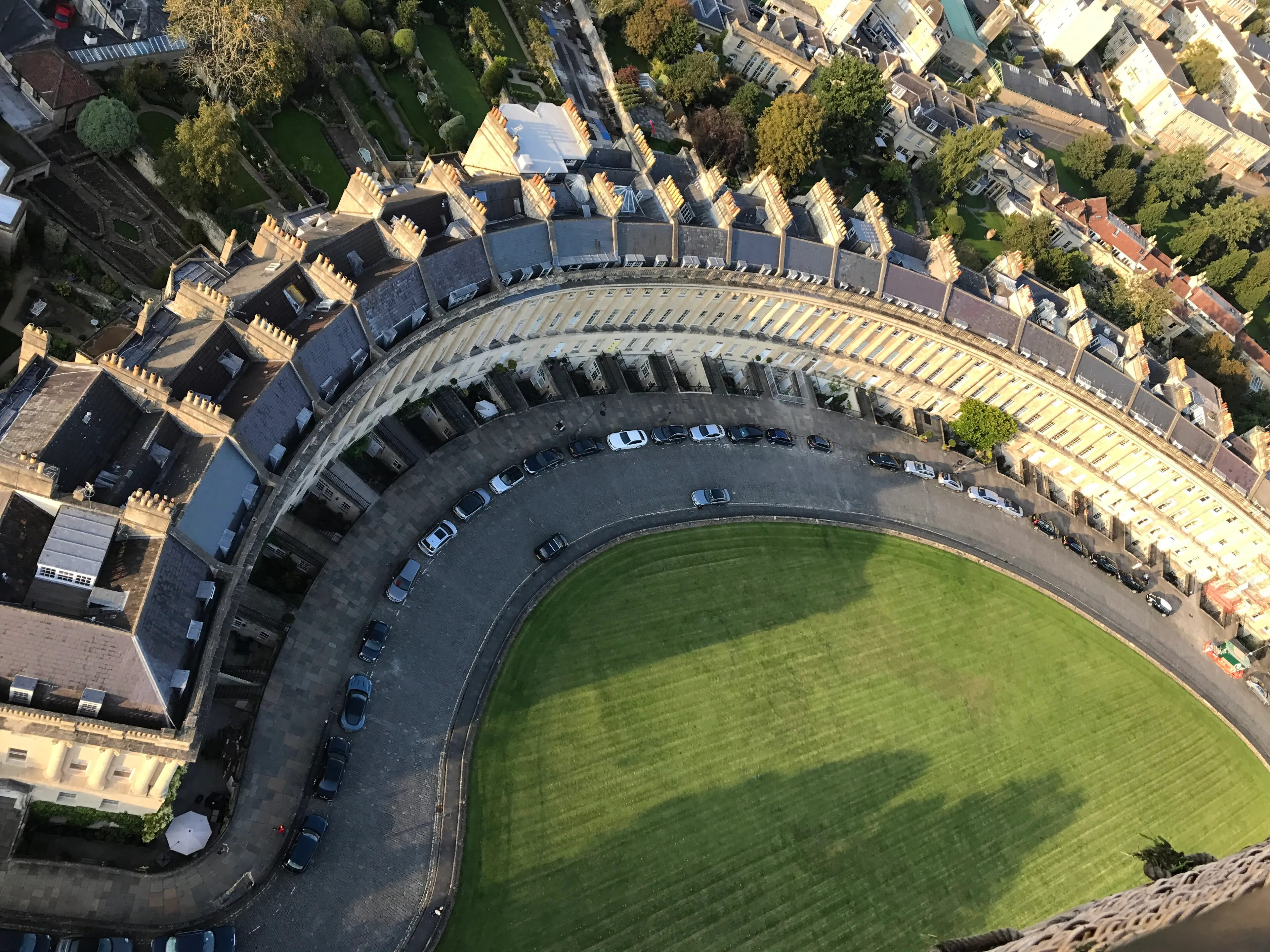
Designed by John Wood the Younger, the Royal Crescent was constructed between 1767 and 1774 as a defining urban composition for the city. Its unified Palladian façade comprises thirty individual houses, demonstrating a unique balance between monumental design and residential purpose. Recognizing its *exceptional architectural importance*, the site was designated as Grade I listed in 1950. It remains a key component of the City of Bath World Heritage Site, inscribed in 1987 for its enduring influence.
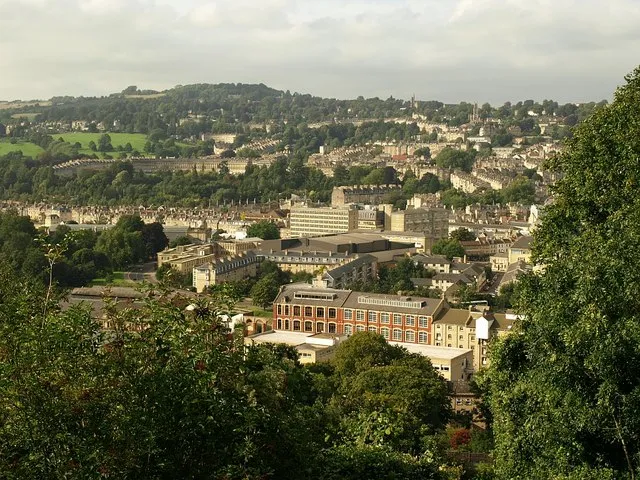
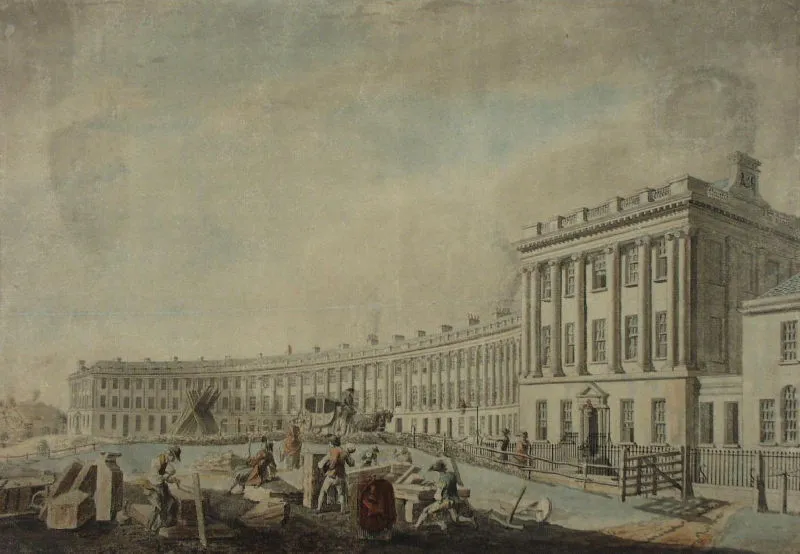
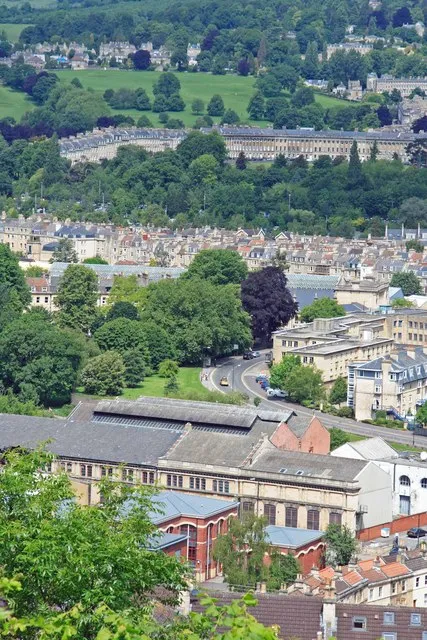
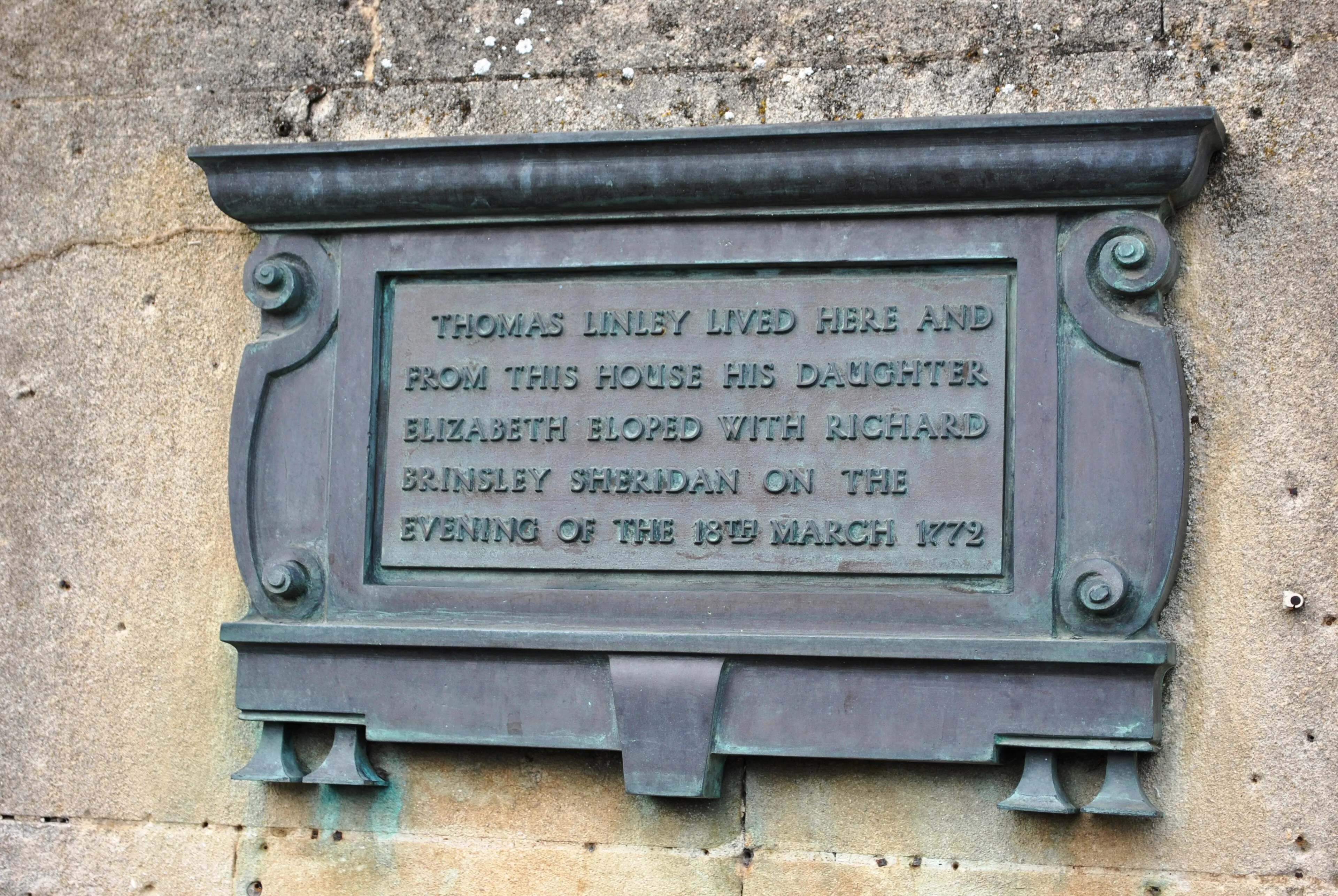
Explore the grand scale and enduring design of the Royal Crescent in Bath through this collection of imagery. The visuals capture the unified Palladian façade, the sweeping urban layout, and the distinctive landscape setting that defines this eighteenth-century landmark. These perspectives provide a comprehensive look at one of the city's most significant examples of Georgian town planning.
Identify specific historical sites based on your personal interests.
Use your specific interests to discover the depth of Bath culture. Whether you prefer local social history or astronomical exhibitions, locate the right heritage spots to suit your personal journey through the city.