Exploring Salzwelten Altaussee: The Mountain of Treasures and Art Depot
Salzwelten Altaussee stands as Austria’s largest active salt mine, blending centuries of subterranean mining history with a remarkable legacy as a wartime art refuge. Located in the Styrian Salzkammergut region, this unique destination invites visitors deep into the mountain to uncover a fascinating mix of industrial heritage, dramatic underground landscapes, and dramatic wartime history.
The Underground Journey Through Rock Salt and History
A standard guided visit covers a roughly two-kilometer route completed in about 90 minutes. The passages guide guests through tunnels carved directly into pure rock salt, highlighting active extraction methods alongside historical points of interest.
Key features along the tour route include:
- The Barbara Chapel: A striking devotional space constructed entirely from salt blocks located 700 meters deep within the mountain.
- Miners’ Slides: Traditional wooden slides that allow visitors to descend deeper into the subterranean galleries.
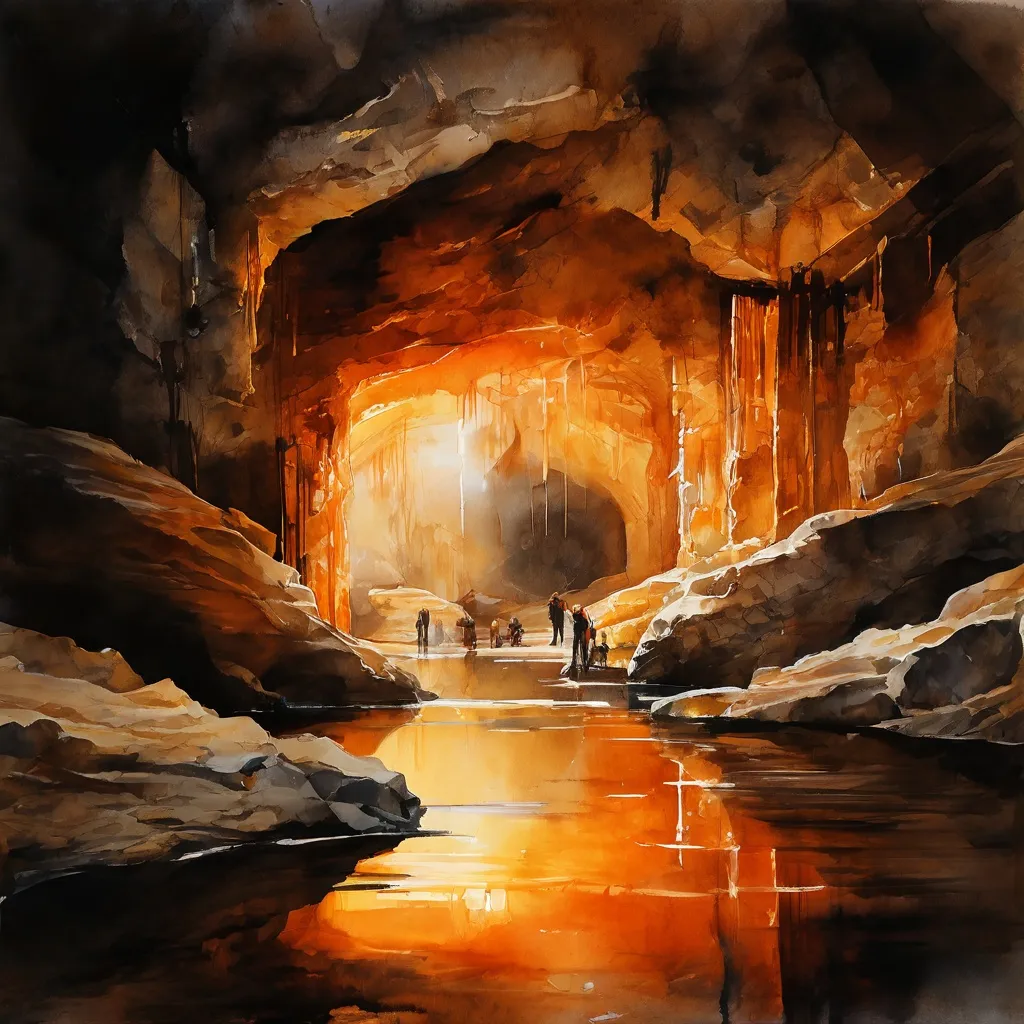
- The Subterranean Salt Lake: A massive underground brine reservoir holding six million liters, enhanced by a contemporary light display and musical composition by Michael Frankenberger.
The Mountain as a Wartime Art Depot
Beyond its geological significance, the mine played a pivotal role during the Second World War. The subterranean tunnel network served as a secure, bomb-proof vault for countless European art treasures, paintings, sculptures, and collections looted by the Nazi regime.
As the war drew to a close, plans were made to destroy the hidden artworks. A disaster was averted only through the decisive intervention of local miners who risked much to protect the cultural artifacts from being blown up.
Exhibitions and Visitor Highlights
The dramatic history of these rescued masterpieces is showcased in the exhibition “The Fortunes of Art”. Situated in the renovated 270 m² “Springerwerk” area where the art was once warehoused, the display utilizes 3-D projections to present masterpieces such as Michelangelo’s Madonna of Bruges, works by Vermeer and Bruegel, and the Ghent Altarpiece. Ongoing research linked to the site has even led to the recovery of two original rescued oil paintings.
For visitors interested in a deeper dive into this history, specialized weekly tours titled “Bombing Michelangelo” run during the peak summer months of July and August. Families visiting during the same period can also take advantage of dedicated children’s tours led by the character Sally.
For those planning a broader cultural itinerary across the region, exploring local offerings is straightforward. You can easily browse museums or check the interactive map view to plan your next cultural excursion using Musemap (musemap.art).