Adult€4.00

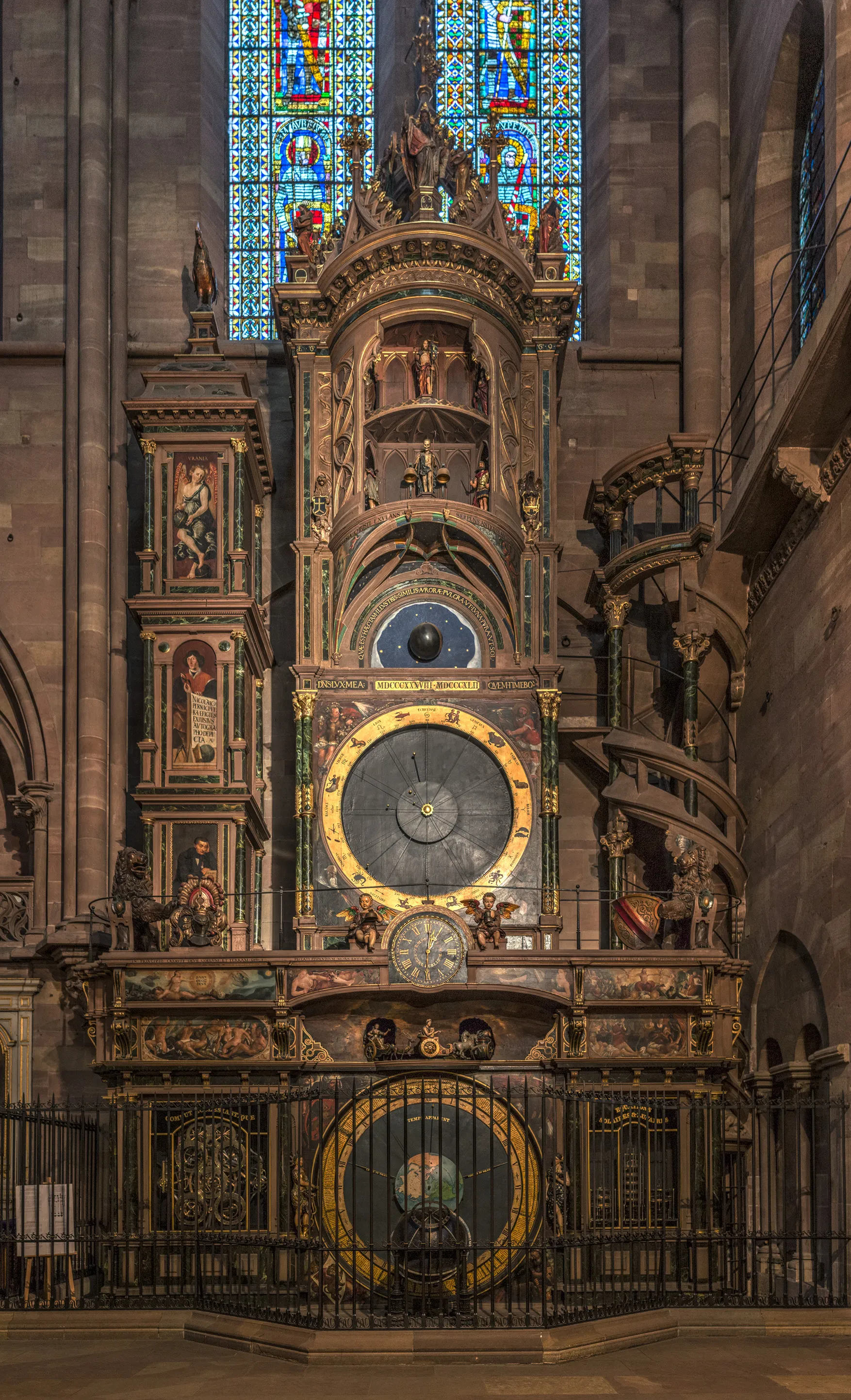
A Renaissance astronomical clock with a nineteenth-century mechanism, calendar, planetary display and daily automaton procession. A scheduled presentation explains the clock before the apostles and figures of human life move at midday.
A Renaissance astronomical clock with a nineteenth-century mechanism, calendar, planetary display and daily automaton procession.
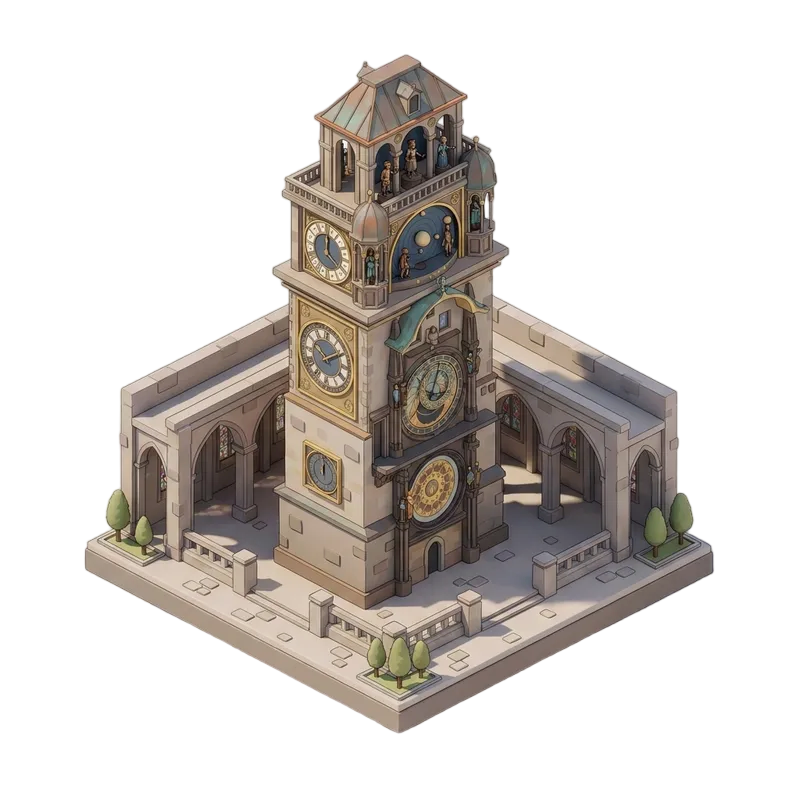
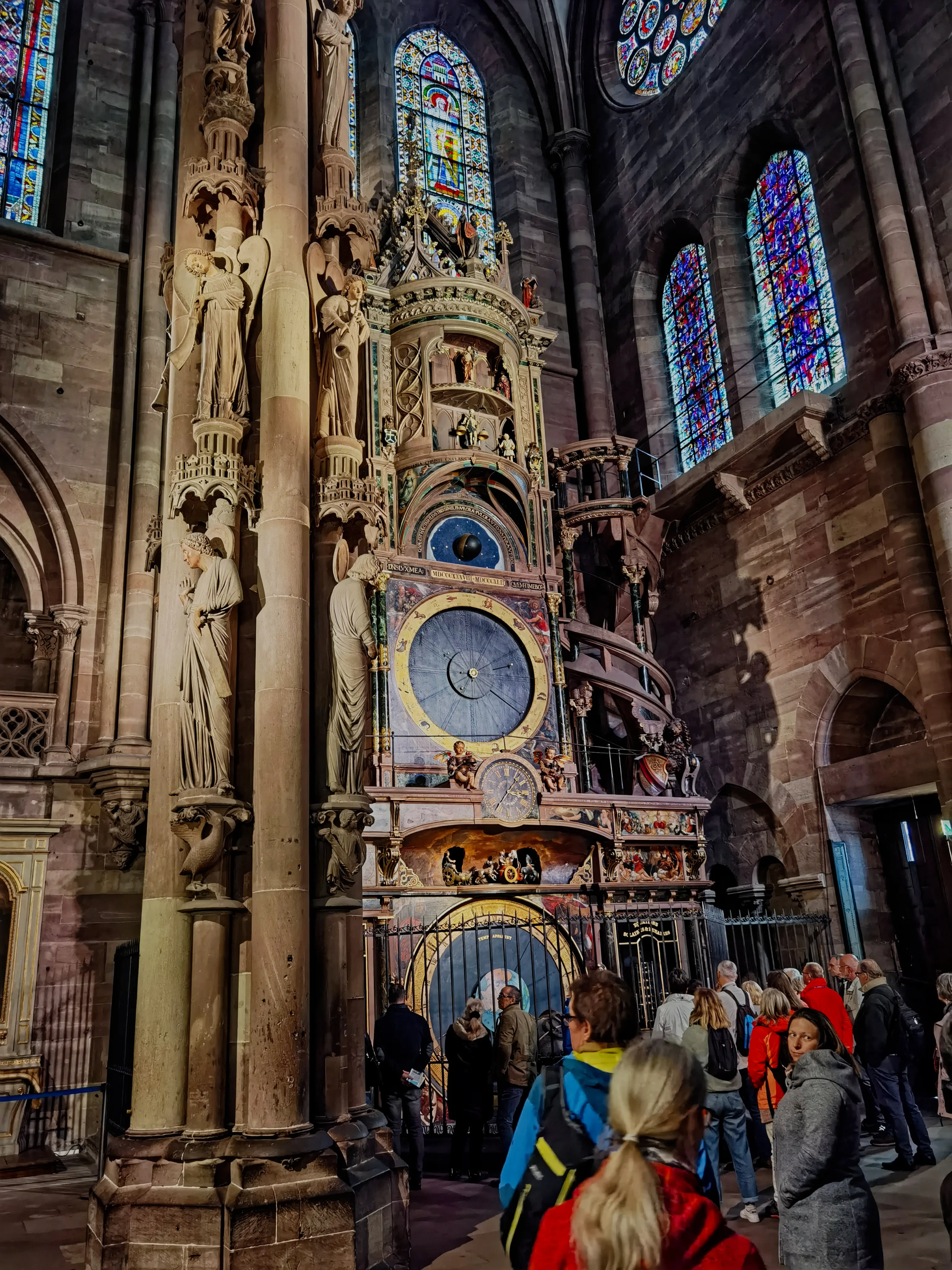
The Strasbourg Astronomical Clock is a masterpiece of Renaissance engineering and nineteenth-century mechanics housed within a historic setting in Strasbourg. Visitors can engage with the intersection of astronomy and art, featuring a detailed calendar and planetary display. A daily automaton procession marks the midday hour, offering a unique opportunity to witness the intricate movement of historic figures and complex clockwork in action.
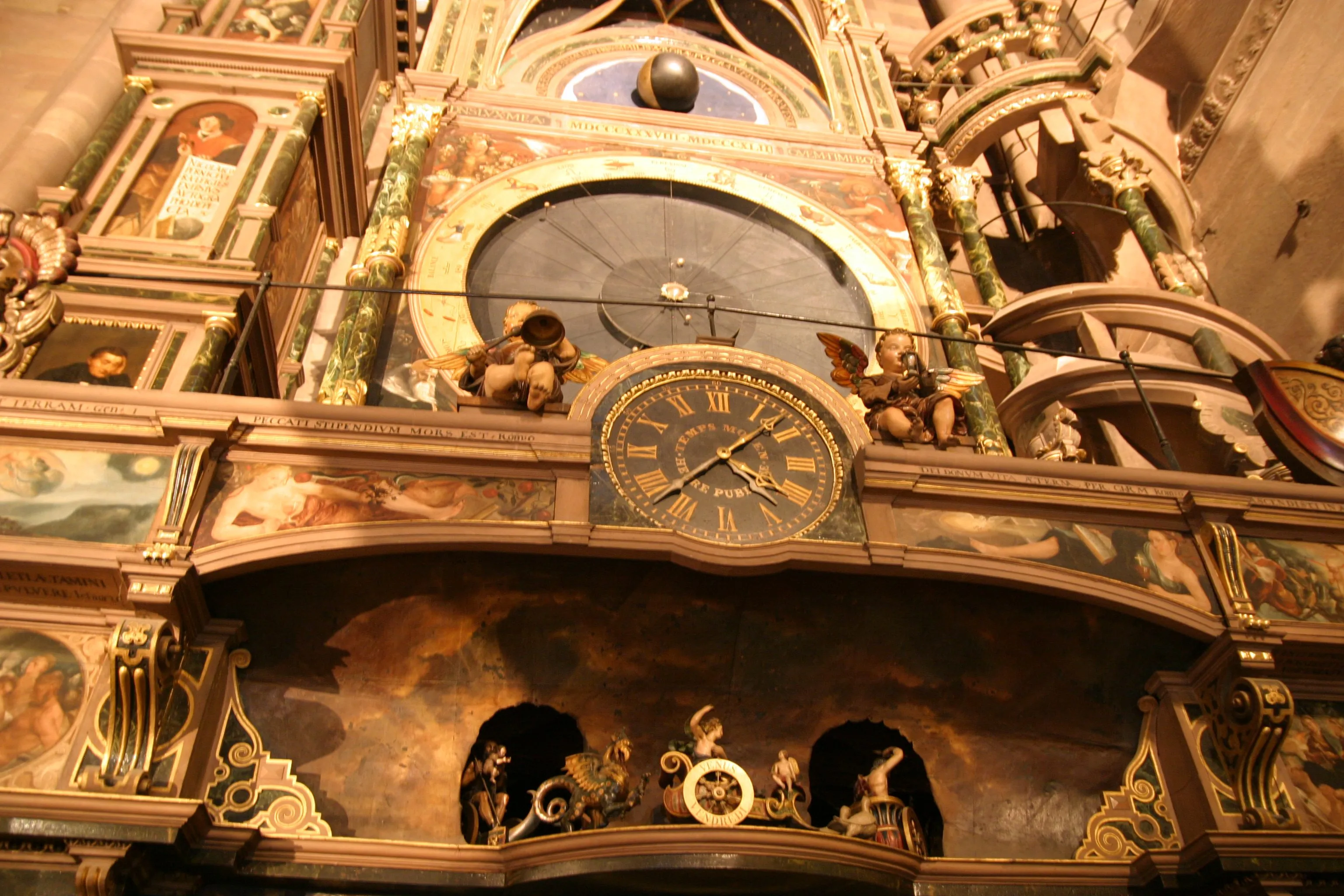
The Strasbourg Astronomical Clock is located in the heart of the city at the Place de la Cathédrale. Situated within the historic centre of Strasbourg, this site serves as a vital cultural focal point for visitors exploring the surrounding area. Its central position makes it an ideal stop when discovering the local museums, monuments, and architecture that define this region.
Place de la Cathédrale
67000 Strasbourg
Centre, Grand Est, FR
Plan for a visit duration of 30 to 45 minutes to fully appreciate the Strasbourg Astronomical Clock and its surroundings in Strasbourg. Securing a reservation in advance is recommended to ensure entry, as the schedule varies by day. Please check the current opening hours and last admission policies before traveling to help you effectively structure your time.

The Strasbourg Astronomical Clock offers a detailed look into the precision of Renaissance clockmaking combined with a nineteenth-century mechanism. Visitors in Strasbourg encounter a complex display featuring a calendar, planetary tracking, and a daily automaton procession. A scheduled presentation provides context on the instrument's intricate engineering before the figures of human life and the apostles move at midday. This experience blends art, science, and history, inviting guests to explore the mechanics behind these legendary movements. It stands as a profound example of cultural craftsmanship.
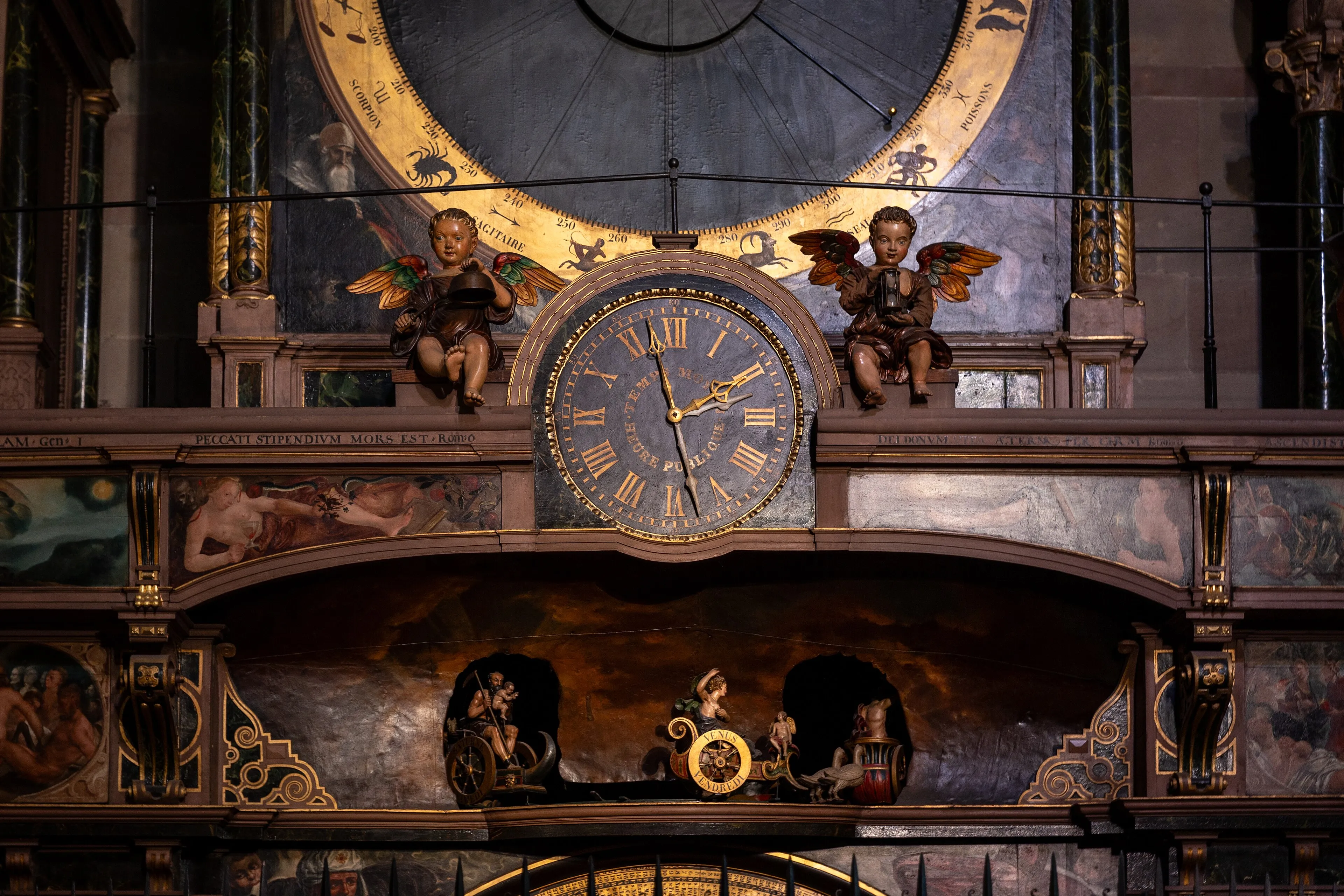
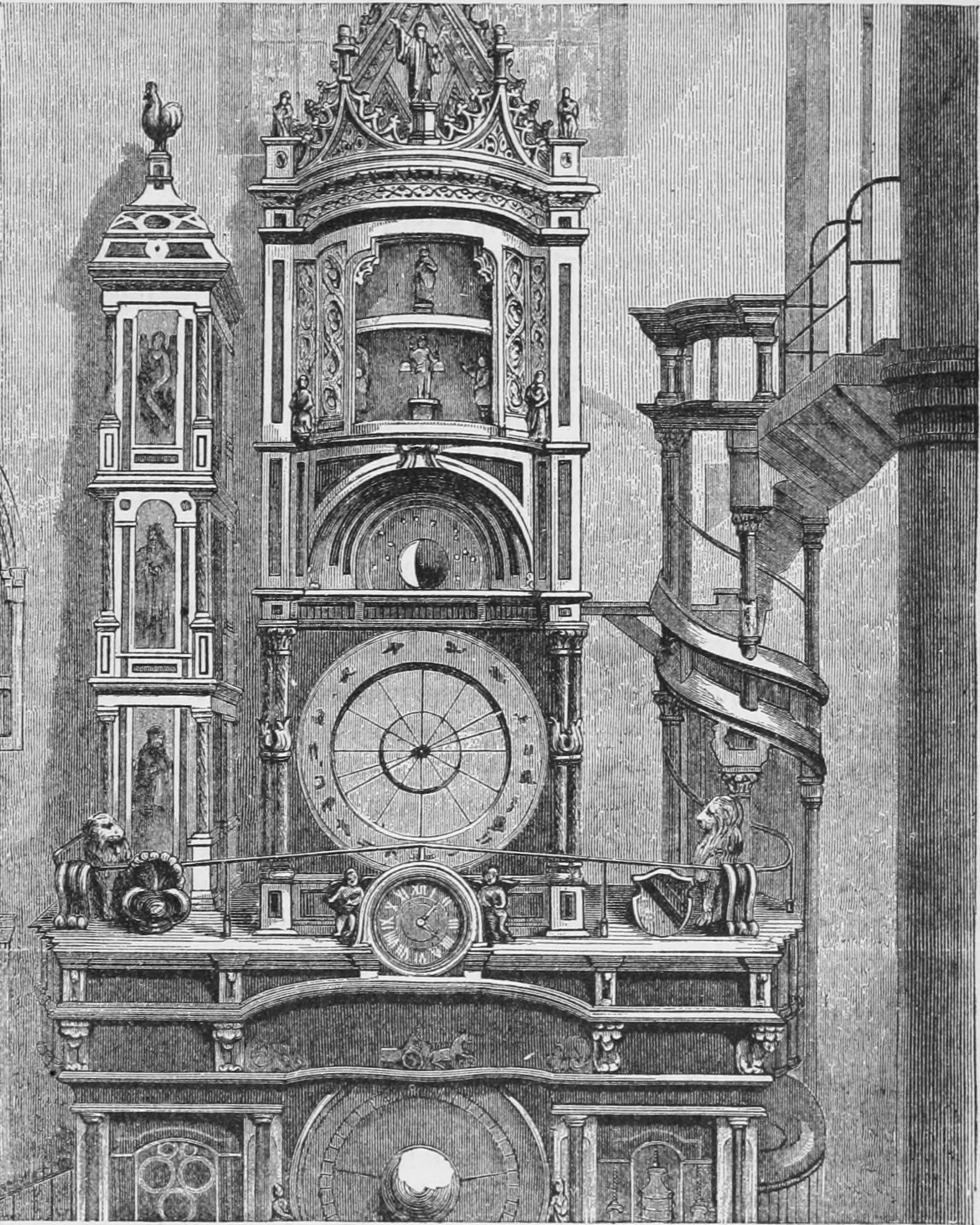
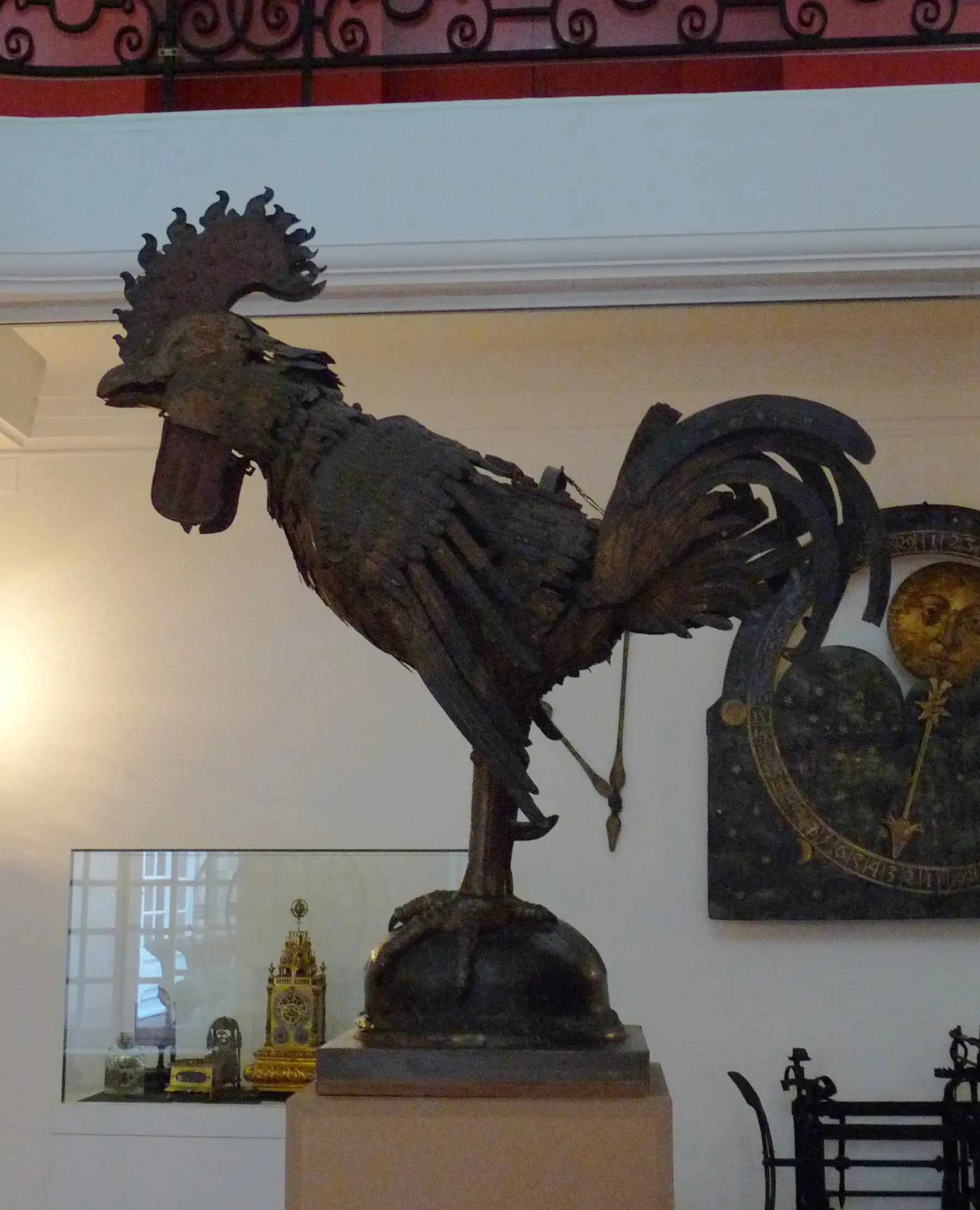
The cathedral's first monumental clock dates back to the mid-fourteenth century. A Renaissance replacement followed in the sixteenth century, incorporating mechanical spectacles that evolved over time. Between 1838 and 1842, Jean-Baptiste Schwilgué rebuilt the mechanism, blending sophisticated astronomical calculation with the existing Renaissance case. This *remarkable engineering feat* continues to display sacred and cosmic time within the cathedral's historic walls.
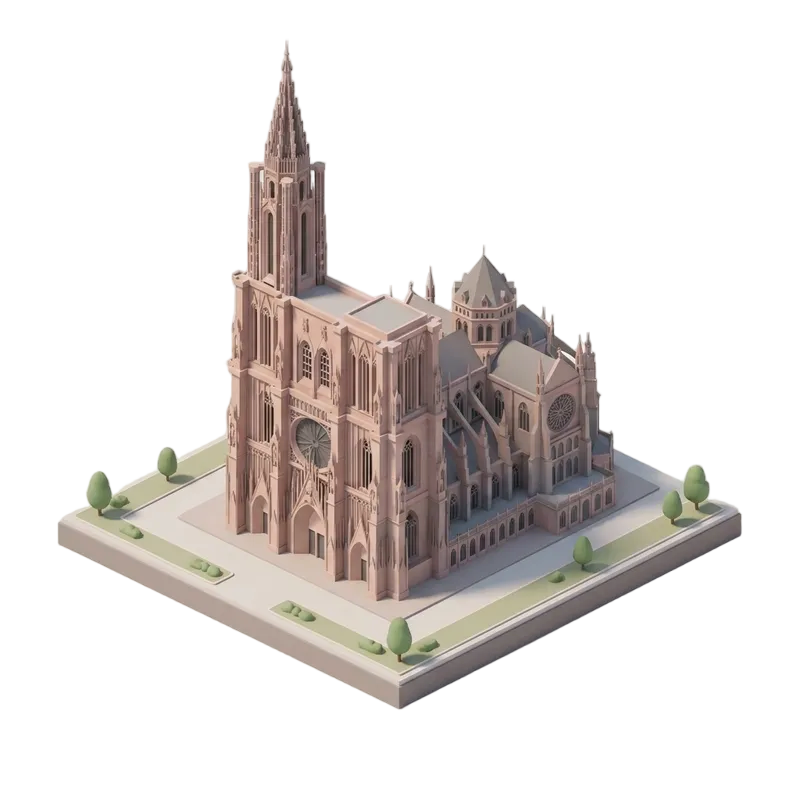
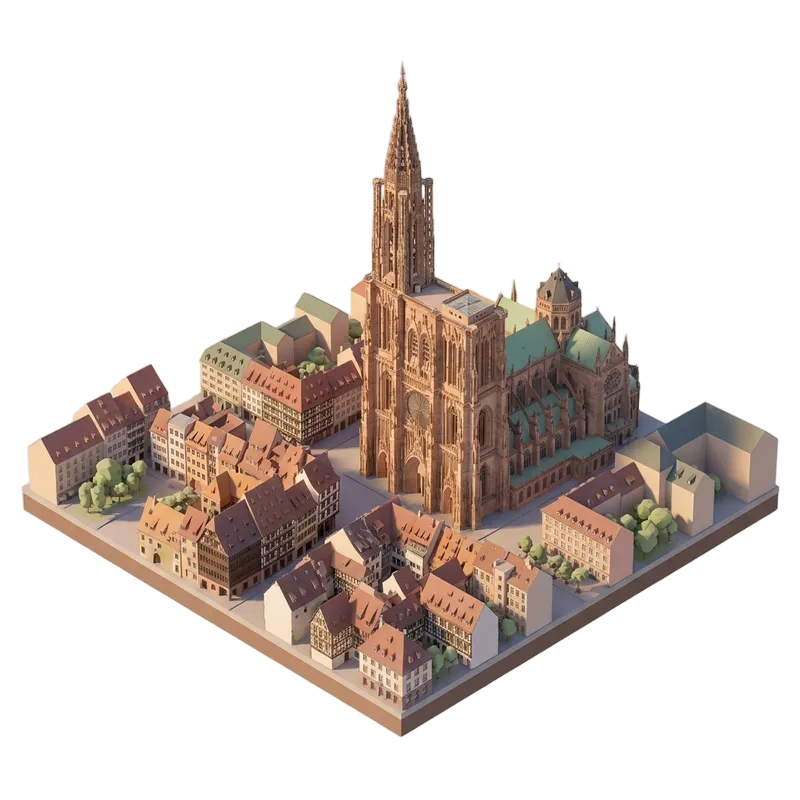
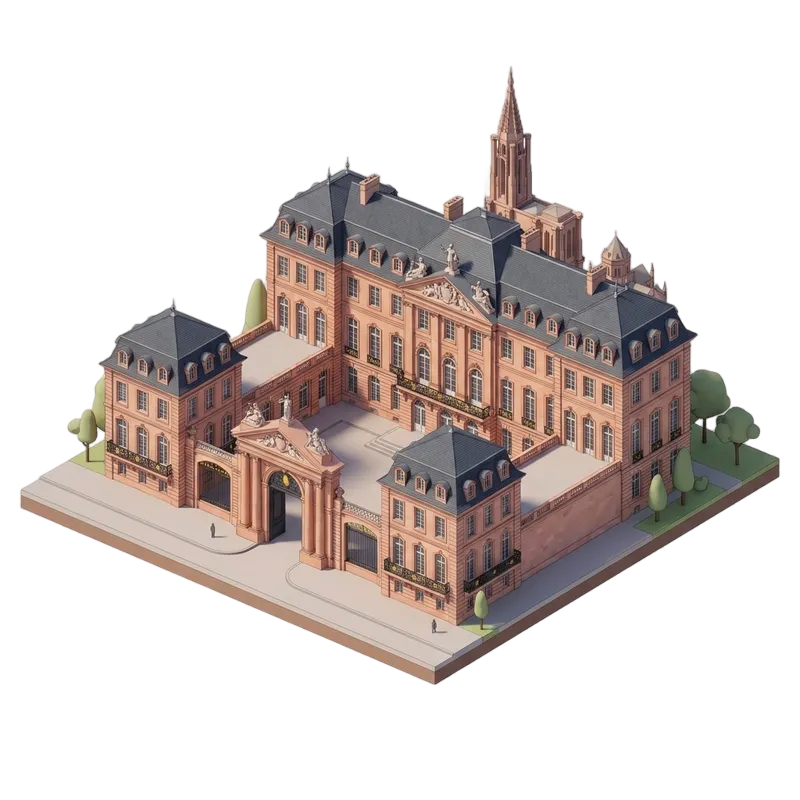
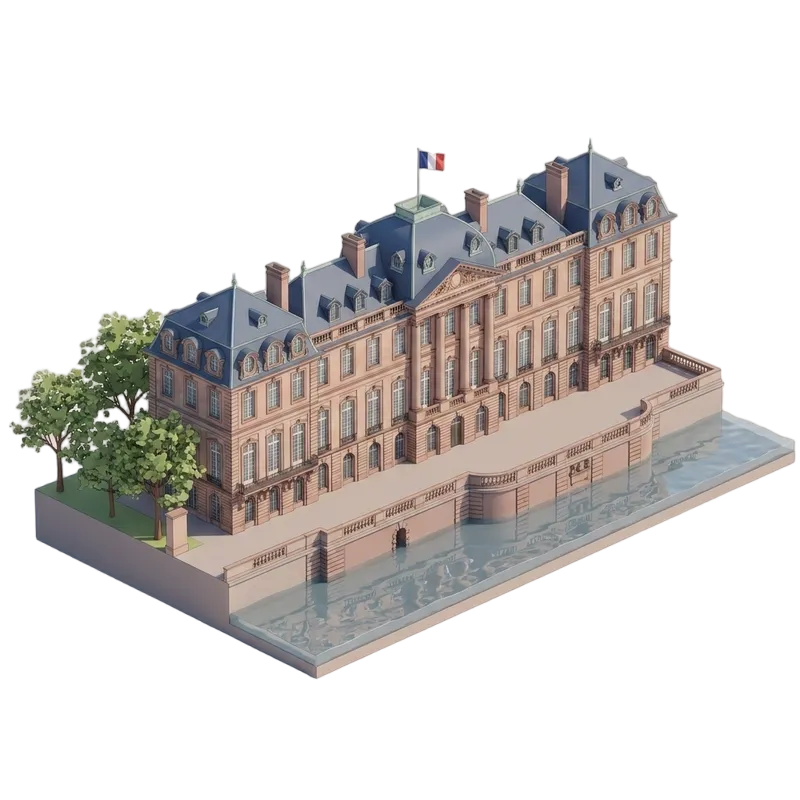
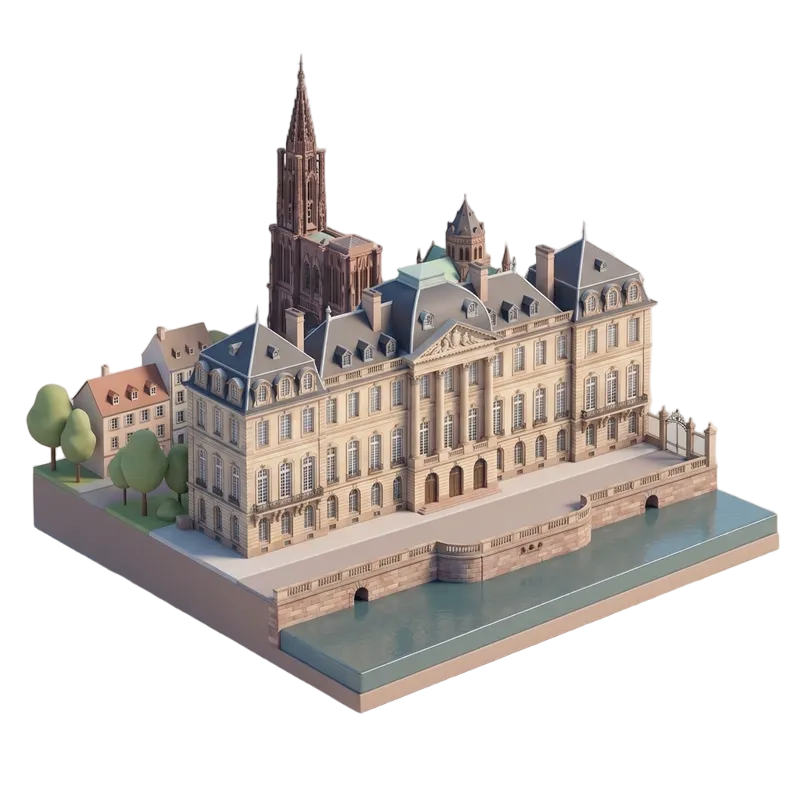
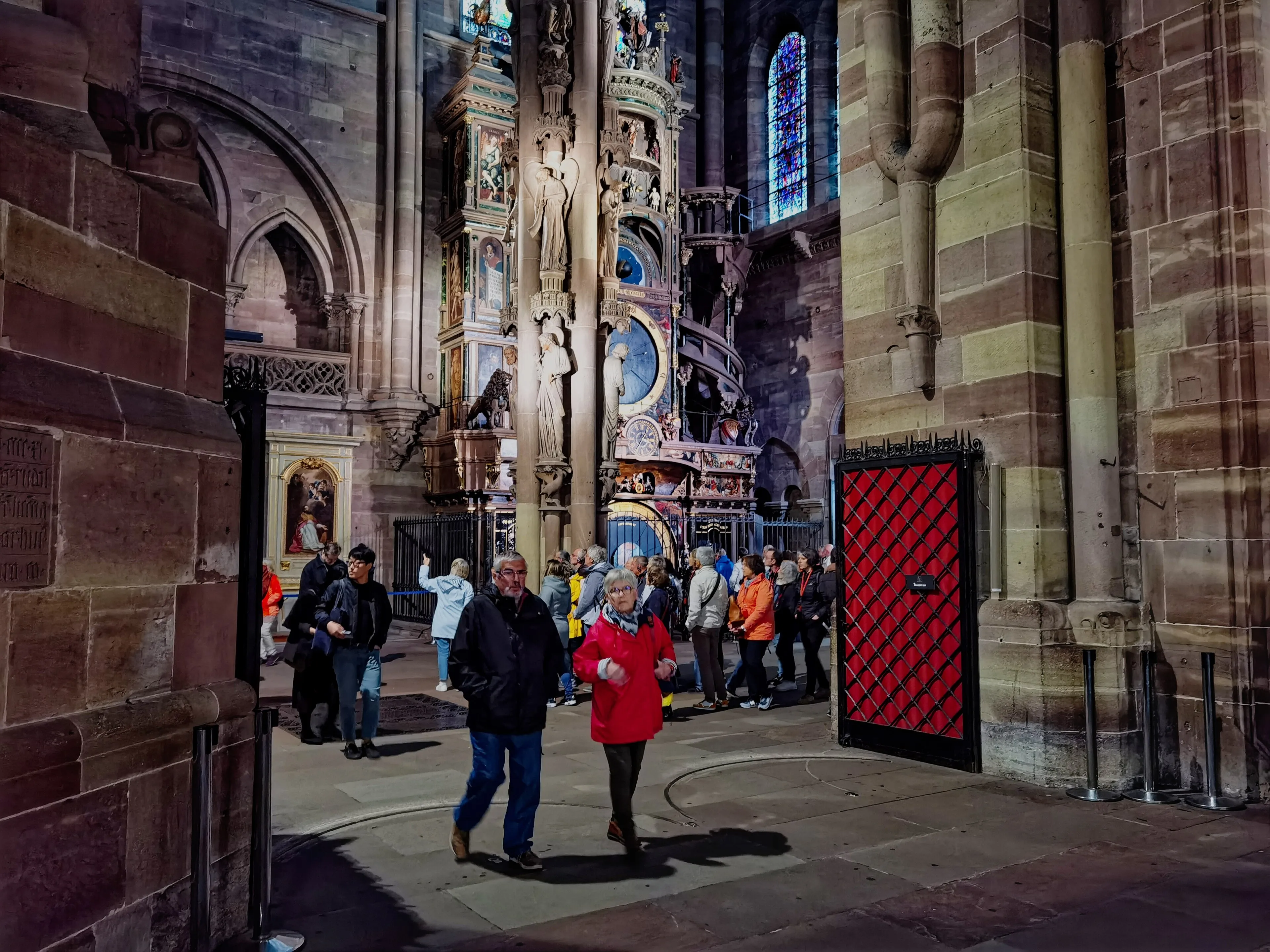
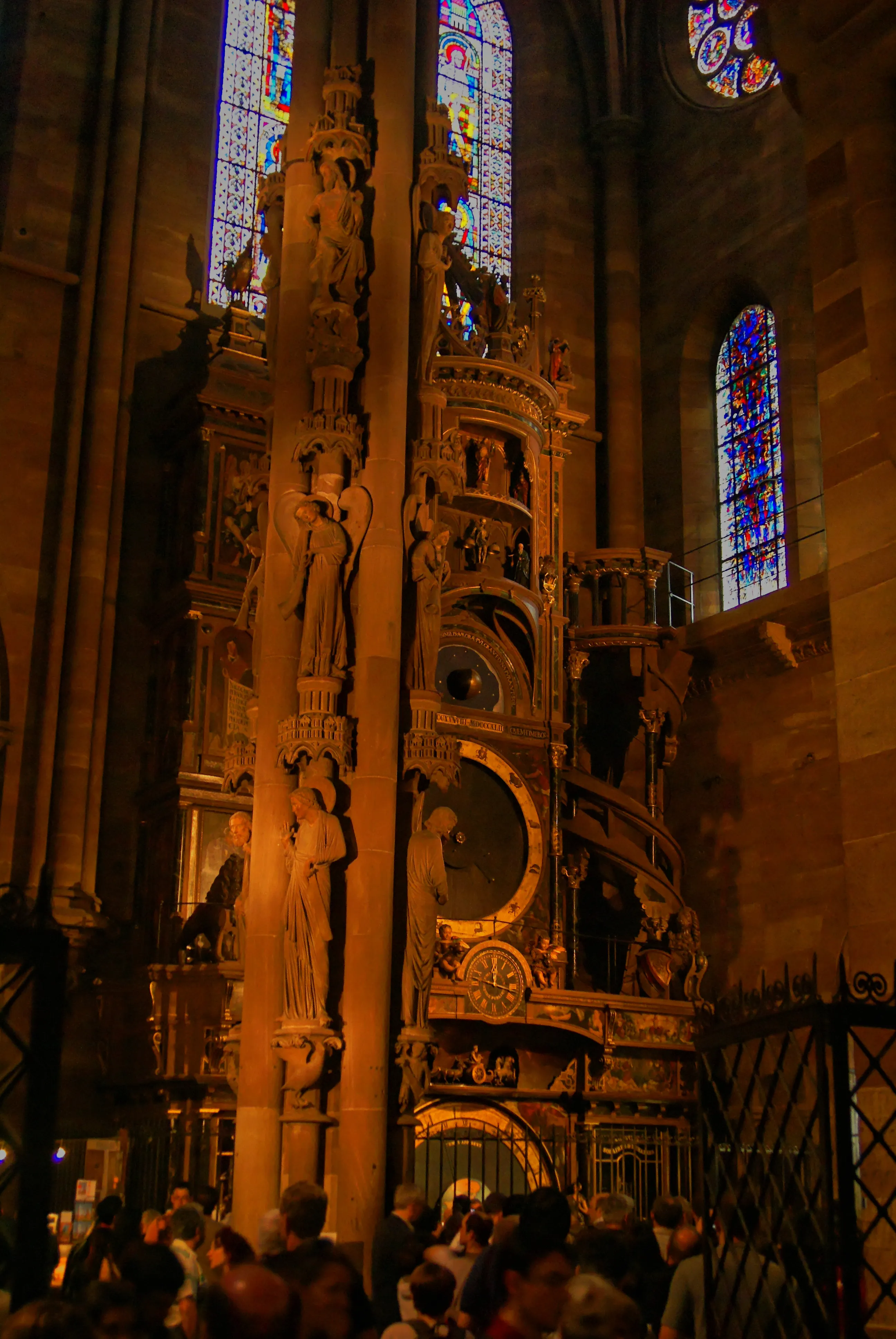
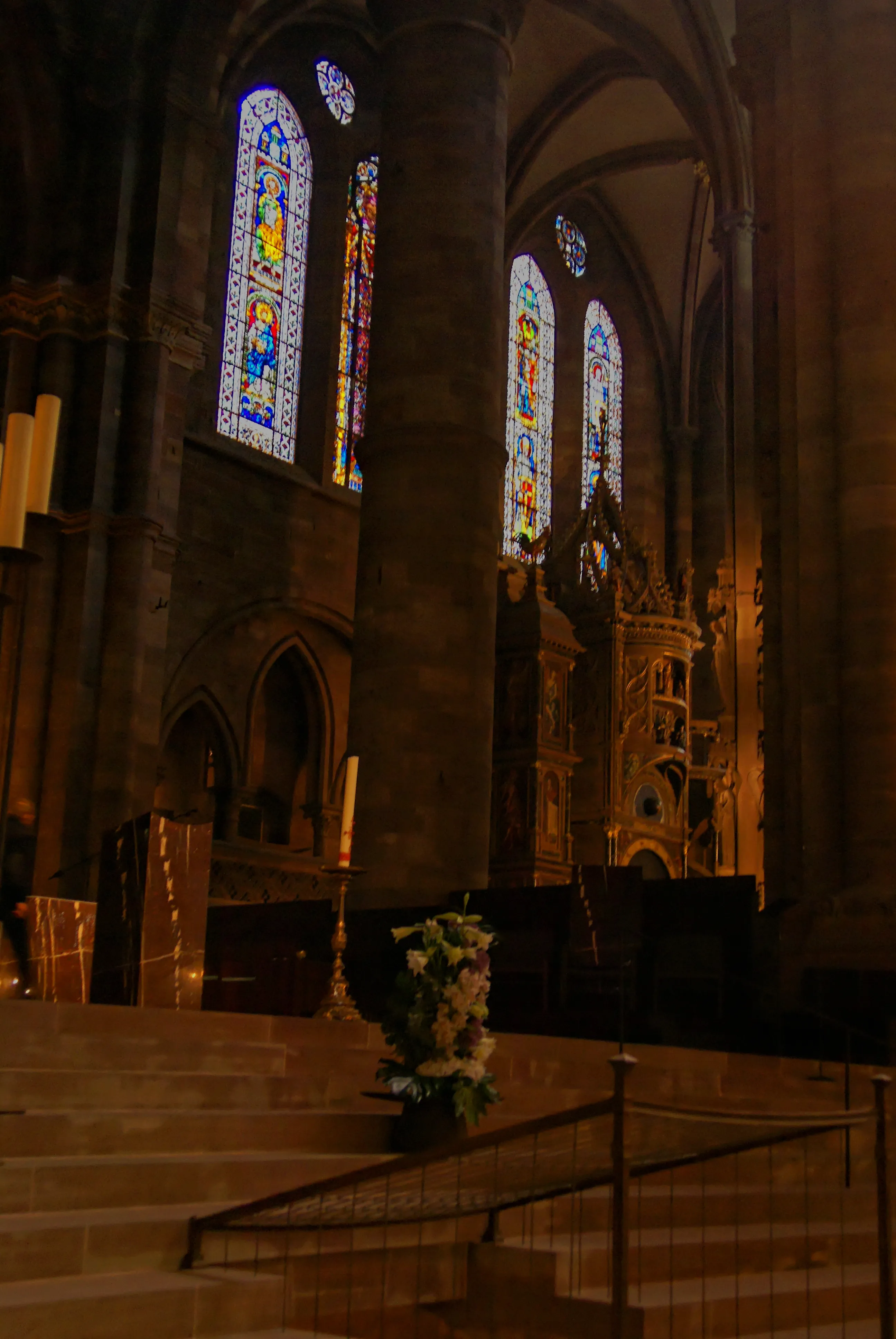
Explore the intricate craftsmanship of the Strasbourg Astronomical Clock through these images, which highlight its historic Renaissance design and detailed automata. Visitors can preview the ornate transept setting and the complex mechanical displays housed within the site. These views provide a clear sense of the artistry and architectural significance awaiting guests in Strasbourg.
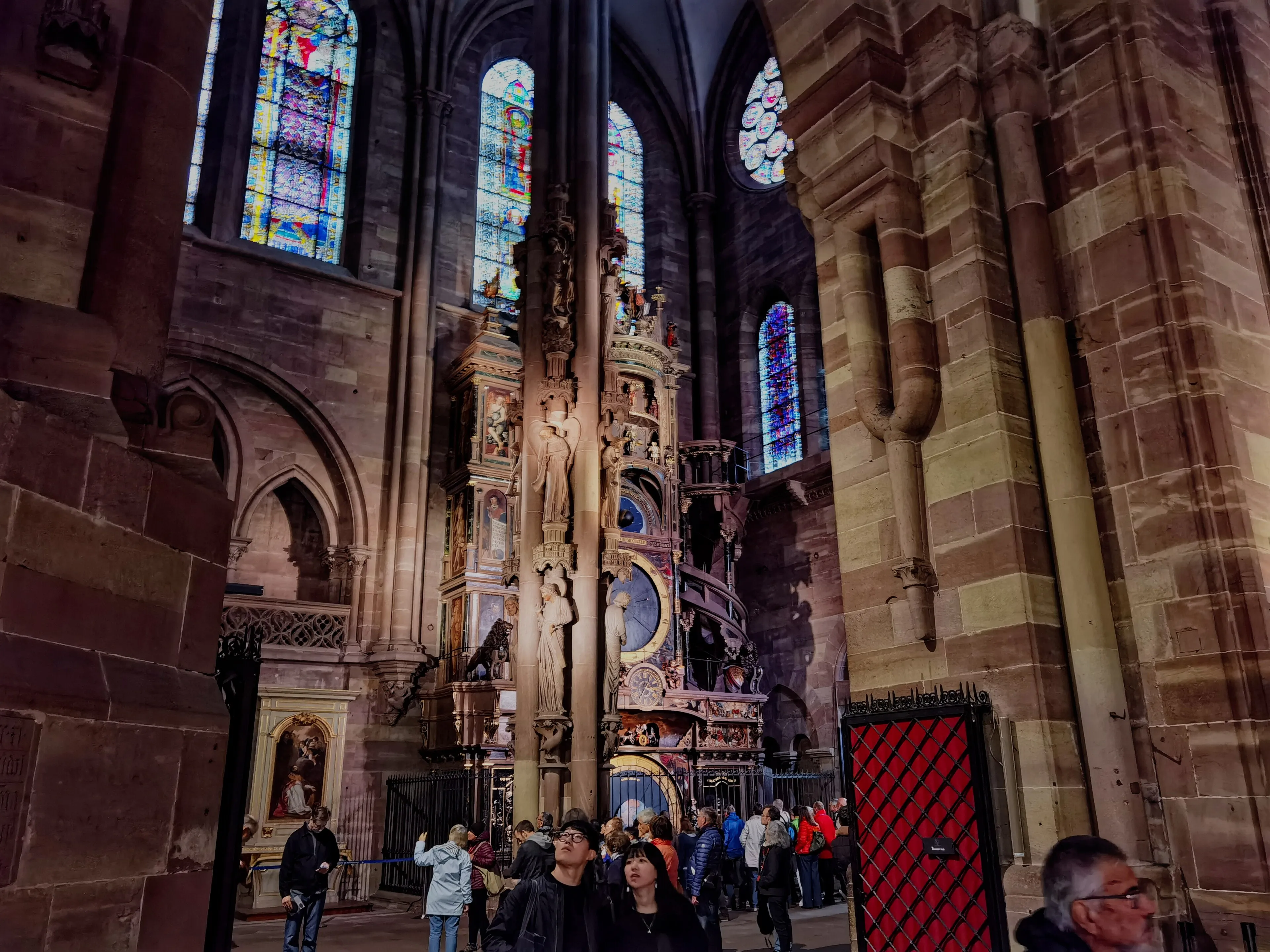
Explore diverse artistic, historical, and scientific collections across the city.
Explore an array of fascinating institutions by searching for specific themes and interests. Musemap helps you uncover cultural gems in Strasbourg ranging from decorative arts to significant European historical landmarks.