Vienna
Vienna's Scientific Heritage

Kuffner Observatory: A Historic Astronomical Site in Wien

Explore Vienna's scientific past and stellar instruments in Ottakring.

ScienceHistoryArchitecture

The Kuffner Observatory in Vienna offers a rare look into 19th-century astrophysics. Housing meticulously restored original instruments like the Great Refractor, it serves as a public educational center. Visitors can join evening tours to observe celestial bodies and learn about scientific history and Victorian technology.

Discover Kuffner Observatory, a historic Viennese institution from 1884, featuring fully functional 19th-century astronomical instruments for public observation.

Kuffner Observatory
Kuffner Observatory: Historic Science and Public Education

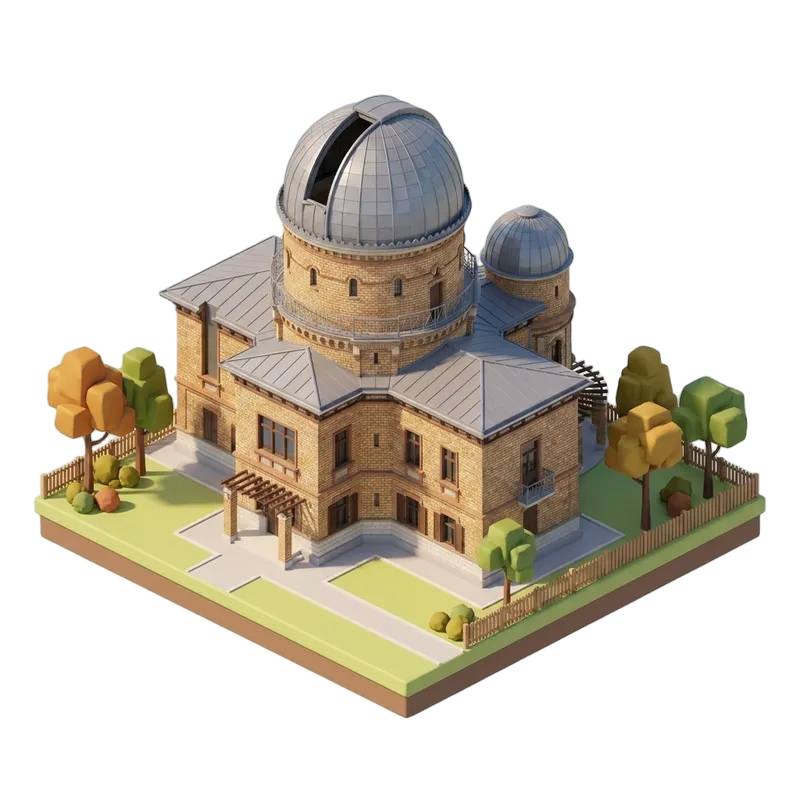
Kuffner Observatory, founded in 1884, evolved from a prominent European astrophysics research institution into a public educational center and museum. Located in Vienna's Ottakring district, this historic venue uniquely preserves its original, fully functional late 19th-century astronomical instruments. Visitors can explore a direct link to the golden age of astronomy, gaining insights into scientific achievements and the physics of its historic technology within an architecturally significant setting.

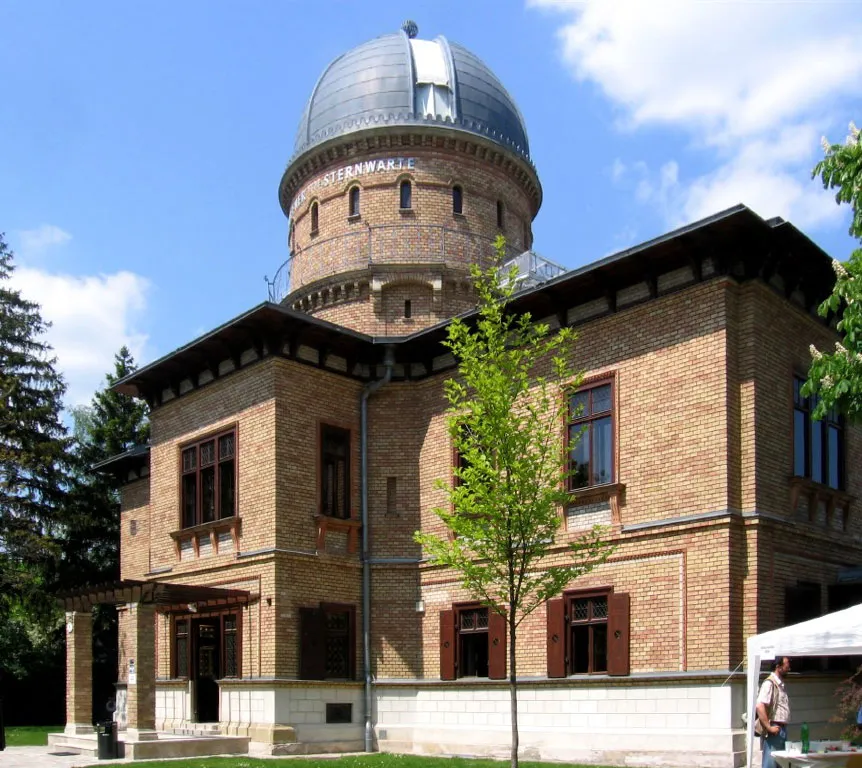
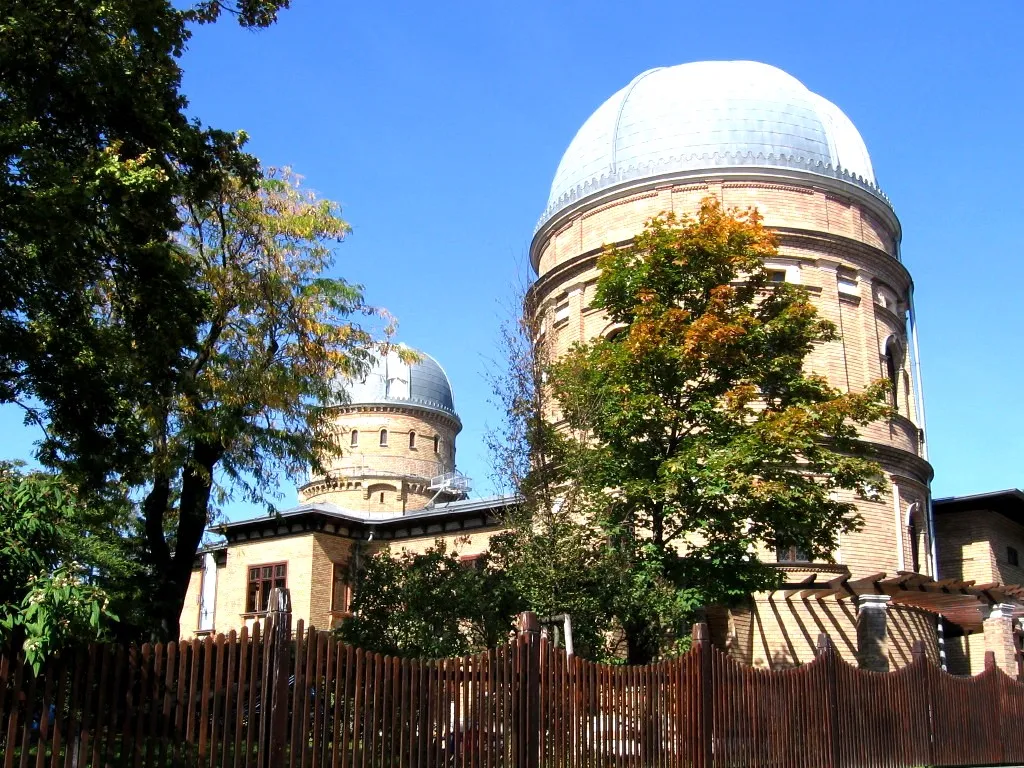
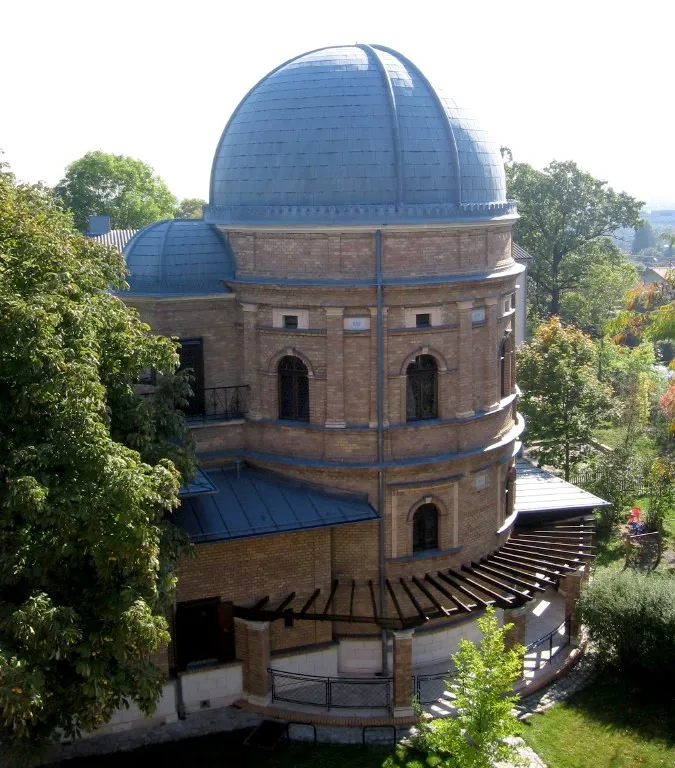
Brick building with a large dome and arched windows under a blue sky
Kuffner Observatory opening hours in Vienna

Check today’s opening status, weekly schedule, and special date changes for Kuffner Observatory. Use these opening hours to plan your arrival and avoid closed times in Vienna.

Monday
Tuesday
Wednesday
Thursday
Friday
Saturday
Sunday
-
-
20:00-21:30
20:00-21:30
-
-
15:00-16:00 · 18:00-19:30 · 20:00-21:30
Visitor amenities at Kuffner Observatory

The Kuffner Observatory provides essential support for visitors planning their arrival. The site is accessible via public transportation, ensuring convenient connections for those traveling to the location in the Ottakring district of Vienna.

Public transport nearby

Available
Kuffner Observatory in Ottakring, Vienna

The Kuffner Observatory is located at Johann Staud-Straße 10 in Ottakring, a district on the western edge of Vienna. This historic institution offers visitors a unique glimpse into 19th-century astronomy, featuring fully functional original instruments within its distinctive architectural setting. Its placement in Ottakring provides an accessible yet distinct cultural landmark within the city.

© OpenStreetMap contributors

Johann Staud-Straße 10

1160 Wien

Ottakring, Wien, AT

Visiting Kuffner Observatory

When planning a visit to the Kuffner Observatory in Wien's Ottakring neighborhood, public transport is a key consideration. Visitors can take the U3 to Ottakring and then connect to bus 46B, which stops at Ottakringer Bad. Another option involves taking the U4 to Hietzing before transferring to bus 51A, also serving the Ottakringer Bad stop.

Visiting Kuffner Observatory

Kuffner Observatory: Experiencing Historic Astronomy

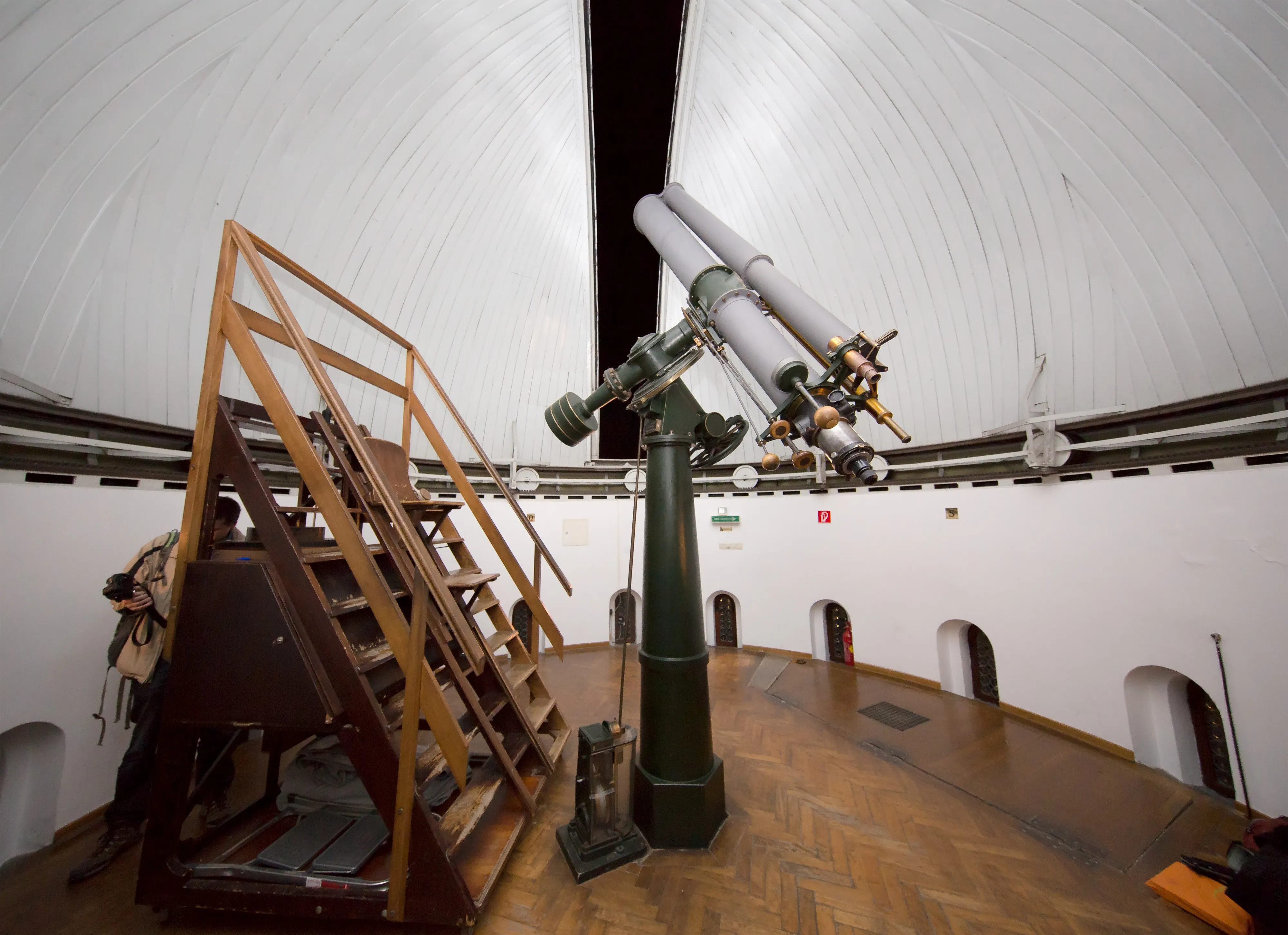
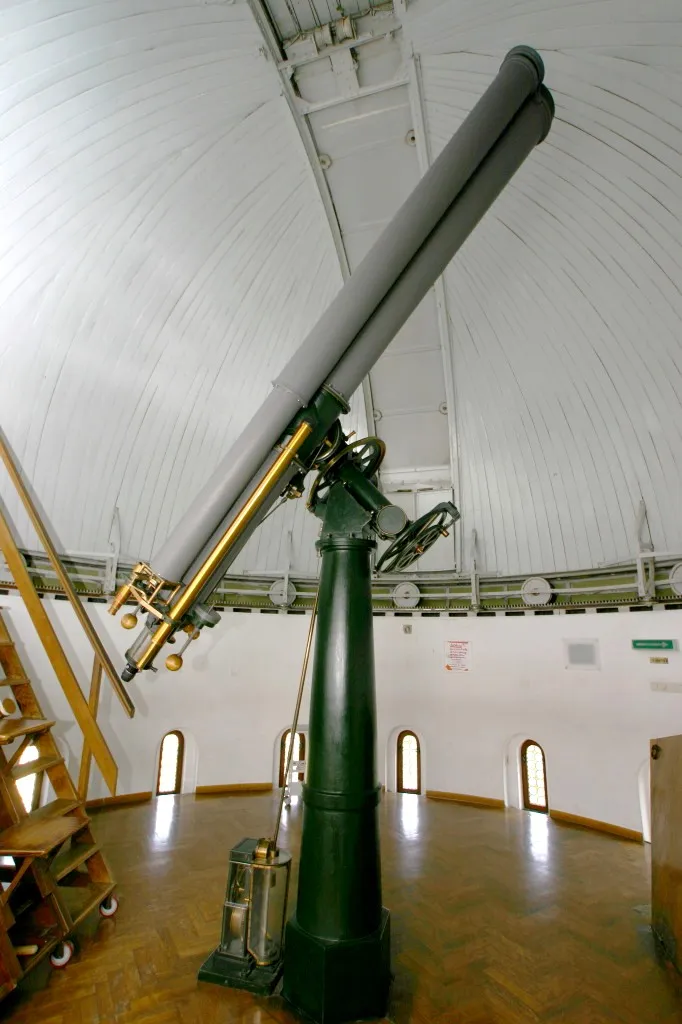
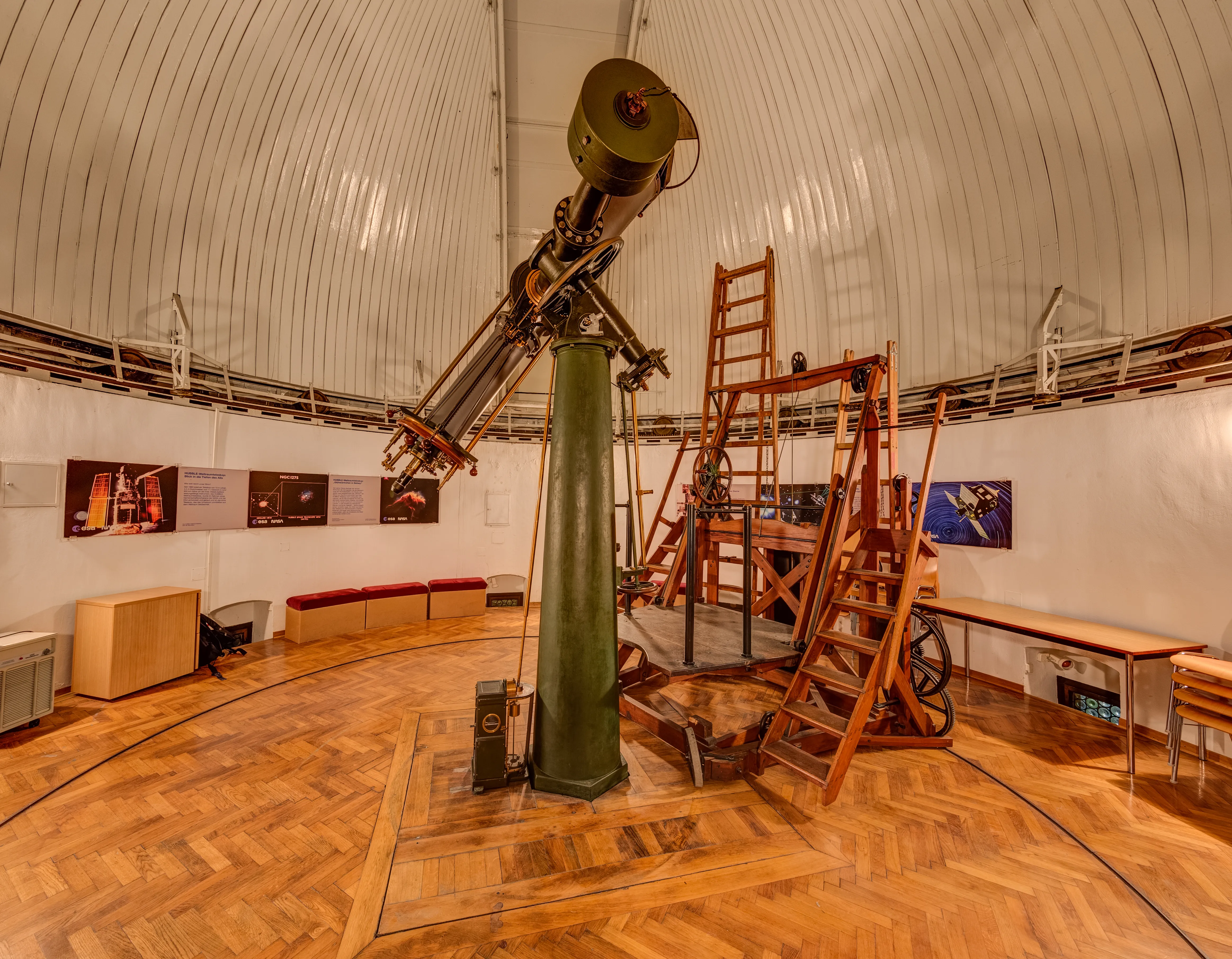
The Kuffner Observatory in Vienna, situated in Ottakring, offers a deep dive into the "golden age" of astronomy. This historic institution, founded in 1884, stands out for preserving its original, fully functional late 19th-century research instruments, including a Great Refractor, Vertical Circle, and Heliometer. Visitors can engage directly with these meticulously restored scientific tools through public guided evening tours. These experiences provide unique opportunities to observe celestial bodies and learn about the physics behind Victorian technology, all within an architecturally significant building that blends industrial-era brickwork with classical design. As a public educational center and museum, it delivers rich insights into its scientific achievements and historical significance.

Large refracting telescope inside a domed observatory room with wooden stairs and a polished floor

Kuffner Observatory: History and Development

The Kuffner Observatory, located in Vienna, was constructed between 1884 and 1886, financed by industrialist Moriz von Kuffner. From its first observations in 1886, it quickly became a **prominent astronomy site** within the Austro-Hungarian monarchy, gaining international renown, particularly with the installation of its large heliometer in 1896 and important work by astronomers like Karl Schwarzschild. The observatory faced closure in 1915 due to wartime difficulties and persecution of the Kuffner family, reopening in 1947. After acquisition by the Vienna city council in 1987, a comprehensive refurbishment took place from 1989 to 1995, leading to its reopening as a public education facility dedicated to astronomy in 1995.

  • Observatory construction completed

    1884-1886Construction

    The Kuffner observatory was constructed between 1884 and 1886, with extensions built from 1889 to 1890. The construction was financed by Moriz von Kuffner, a philanthropist and head of the Kuffner brewery dynasty.

  • First observations made

    1886Founding

    The observatory's first observations were conducted in 1886, marking the beginning of its operational history. This coincided with the completion of its main building.

  • Karl Schwarzschild's work

    Notable person

    Astronomer Karl Schwarzschild conducted important work on photometry at the Kuffner observatory during his assistantship, developing a formula to calculate the relationship between light intensity, exposure time, and photographic emulsion opacity.

  • Prominent astronomy site

    Overview

    In the years leading up to World War I, the Kuffner observatory emerged as a significant astronomy site within the Austro-Hungarian monarchy, earning a considerable international reputation.

  • Closure and reopening

    1915-1947Overview

    The observatory closed in 1915 due to financial difficulties exacerbated by World War I and the subsequent persecution of the Jewish Kuffner family. It was reopened in 1947.

  • Acquisition by Vienna city council

    1987Ownership

    The Vienna city council acquired the Kuffner observatory in 1987. This acquisition led to a comprehensive refurbishment of the facility.

  • Total refurbishment

    1989-1995Renovation

    A total refurbishment of the observatory took place from 1989 to 1995. Following this renovation, it was reopened to the public as an educational astronomy facility.

  • Reopening as public education facility

    1995Opening

    After its refurbishment, the Kuffner observatory was reopened to the public in 1995 under the direction of the Folk high school Ottakring, functioning as an institution for public astronomy education.

  • Installation of heliometer

    1896-1910Collection

    The observatory's heliometer, the largest of its type ever built, was installed in 1896. By 1910, it had been used to compute 16 stellar parallax distances, a significant contribution at the time.

  • Refracting telescope installation

    1886Collection

    The main 270 mm refracting telescope, a double telescope built by Repsold and Steinheill, was installed at the observatory in 1886.

  • Addition of astrograph

    1890Collection

    An astrograph with a 156 mm aperture was added to the observatory's equipment in 1890, later being used with modern CCD imagers.

  • Architectural plans

    1886Overview

    The Kuffner observatory was constructed according to plans by Franz Ritter von Neumann. An 1886 plan shows instrument pillars with independent foundation piers separate from the building's walls.

Kuffner Observatory FAQs: Your Questions About Stars and Visiting

Planning a visit to Kuffner Observatory in Vienna's Ottakring district? You might be wondering if we're open on Saturdays (spoiler: we're not, but Sundays have unique viewing slots!). Find answers to how to reach us by public transport, specific contact details, and all the details about our cosmic schedule in our full FAQ section.

What is the email address for Kuffner Observatory association enquiries?

The email address for association enquiries at Kuffner Observatory is [email protected].

What is the Kuffner Observatory info-hotline number and its operating hours?

The Kuffner Observatory info-hotline number is 0664/230-0336. It is available daily from 2 PM to 9 PM.

How can I contact Kuffner Observatory?

You can contact Kuffner Observatory via email for association enquiries or by phone for the info-hotline and during event times. Specific details for each contact method are provided.

What phone number should I use to contact Kuffner Observatory during event times?

You can call Kuffner Observatory at (+43 1) 89 174 150 123 during event times.

Planning Your Visit to Kuffner Observatory

Planning a visit to the historic Kuffner Observatory in Vienna's Ottakring district offers a unique look into astronomical history. Visitors interested in exploring the site's historic instruments can look out for scheduled guided programmes that highlight Vienna's scientific heritage. To help facilitate your arrival, convenient public transport options are situated nearby.

Kuffner Observatory Visitor Fit

The Kuffner Observatory in Ottakring welcomes a diverse range of visitors, including families, couples, solo explorers, and student or general groups. Those with an interest in science, history, and architecture will find its focus on 19th-century astronomical instruments and scientific heritage engaging. Functioning as a public educational center, the observatory offers insights into the "golden age" of astronomy. Visitors can often participate in public guided evening tours, which provide opportunities for direct observation of celestial bodies and detailed explanations of the historic technology.

Kuffner Observatory Photo Gallery

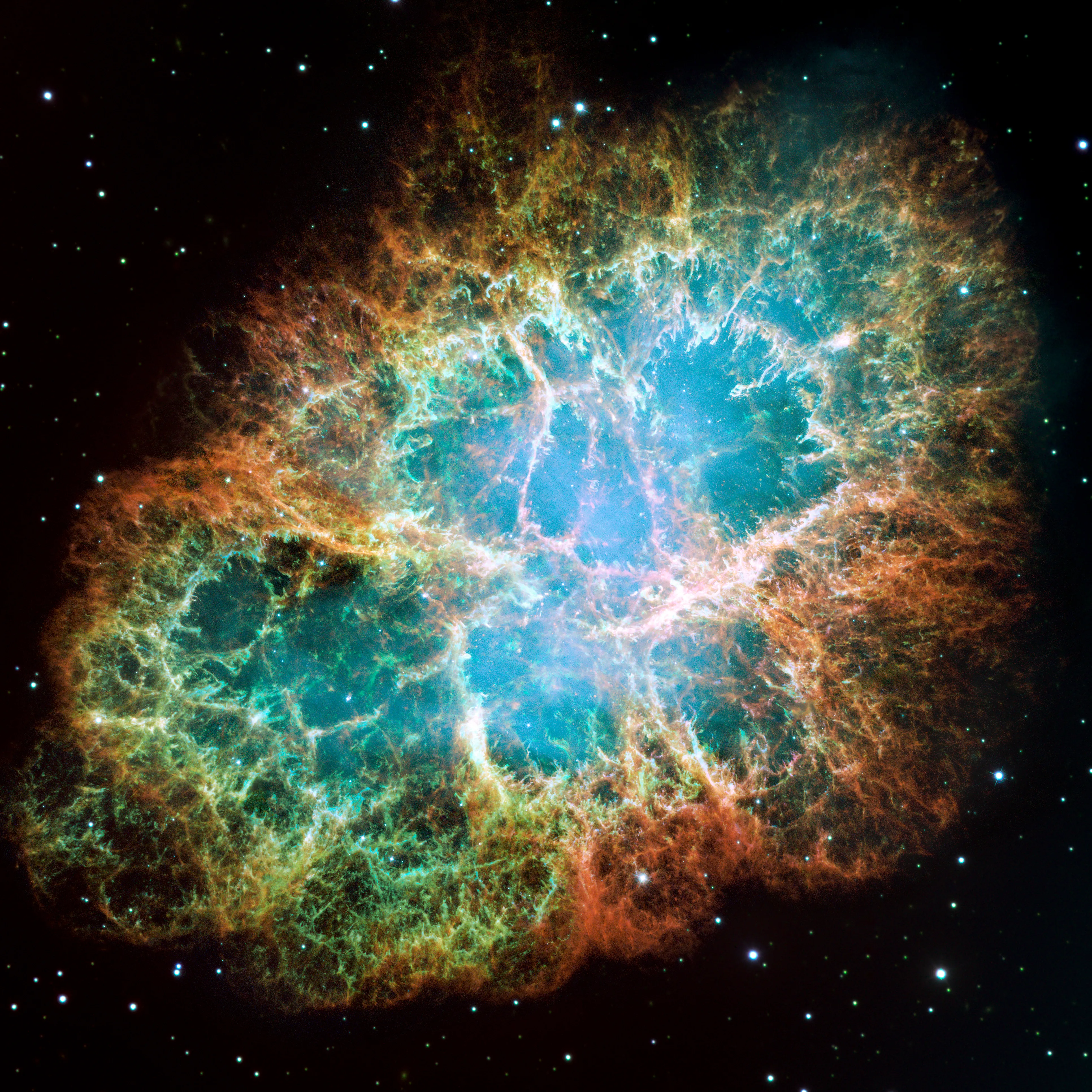
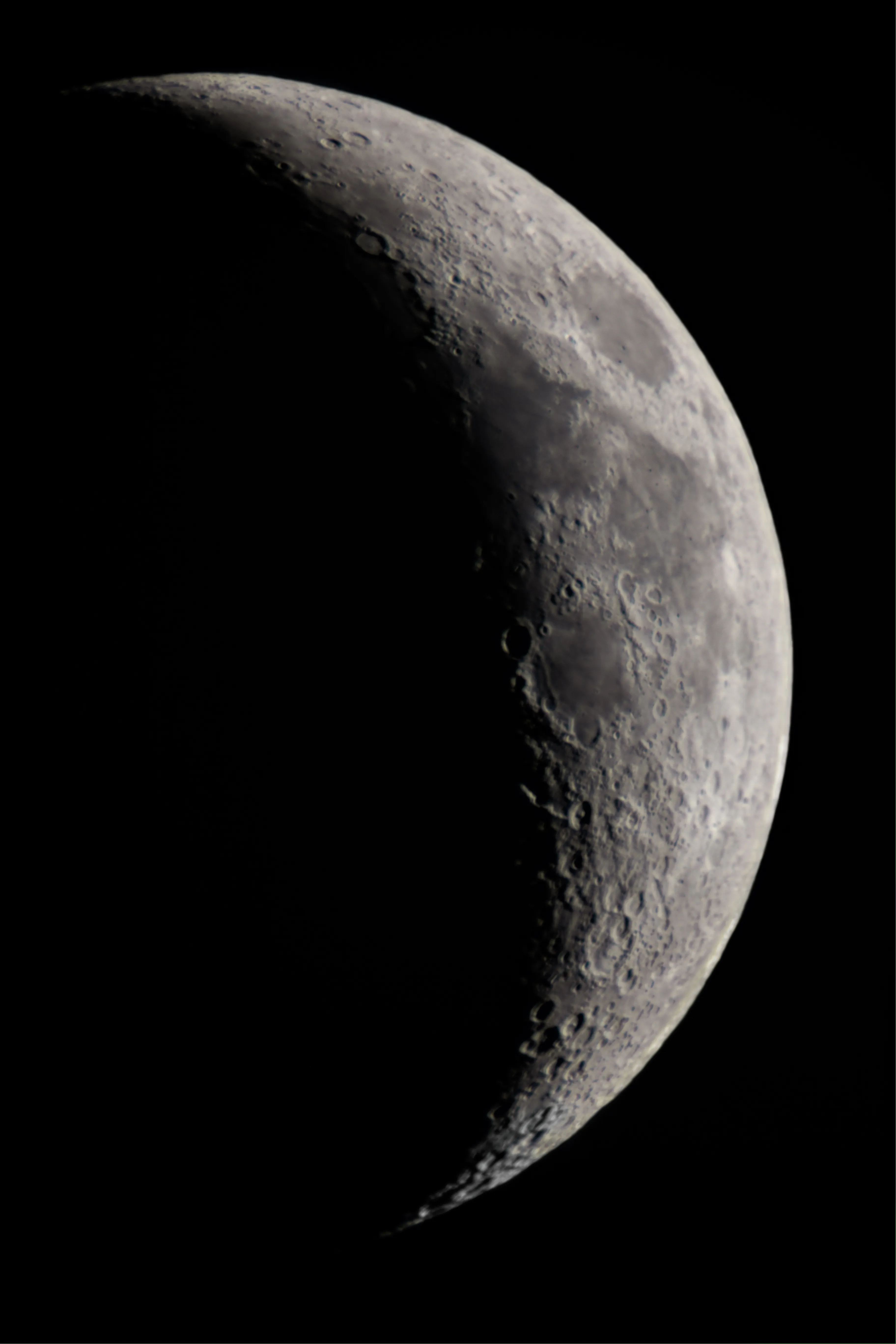
Explore images showcasing Kuffner Observatory's historic architecture and impressive astronomical instruments. The gallery highlights its large refracting telescopes, detailed under domed ceilings, alongside views of celestial objects like the Moon. Visitors can preview the distinctive brick exterior with its prominent domes, setting expectations for a journey into Vienna's scientific heritage.

Large refracting telescope inside a domed observatory room with wooden stairs and a polished floor
A colorful nebula with blue, green, and orange filaments against a dark starry background
A crescent moon with a detailed, cratered surface against a black background
Brick building with a large dome and arched windows under a blue sky
Large telescope inside a domed observatory room with wooden floors and arched windows
Interior of Kuffner Observatory with a large telescope on a green pedestal, wooden ladder, and domed ceiling
The Kuffner Observatory with two large domed buildings, one larger than the other, set against a blue sky with trees in the foreground.
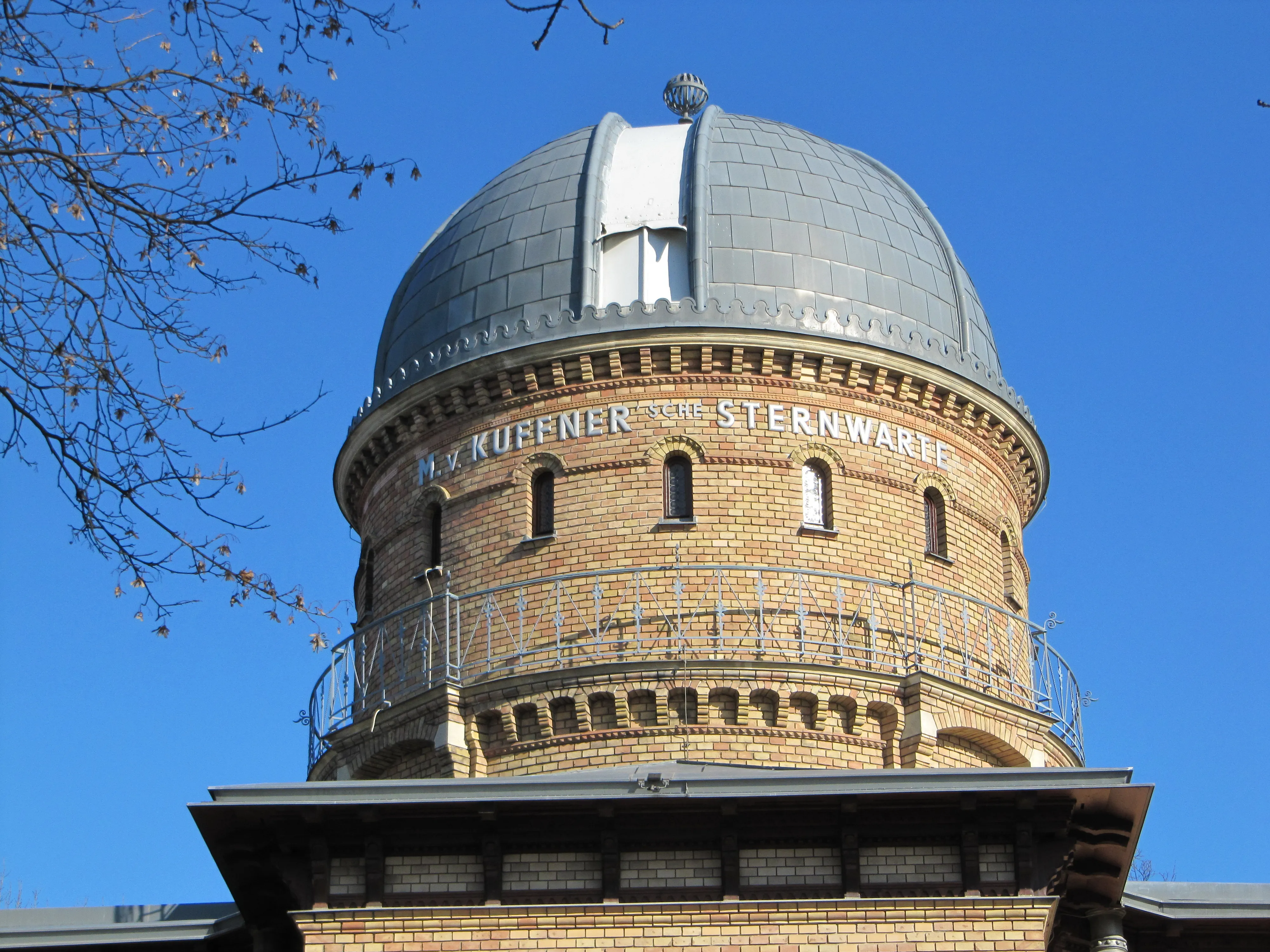
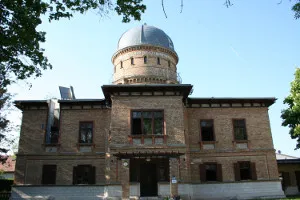
Brick observatory tower with a large dome and 'KUFFNER STERNWART' inscription under a clear blue sky
A historic observatory building with a blue dome and brick facade, surrounded by trees and greenery.
A historic building with a dome and stone facade under a blue sky
Vienna

Find Museums in Vienna: Discover Cultural Sites by Interest and Theme

Uncover Vienna's rich artistic legacy, history, and scientific collections.

Explore the depth of Vienna's cultural offerings and discover institutions by what truly interests you. Whether it's historical landmarks, fine art, or specialized topics, easily locate your next memorable experience.

Explore Kuffner Observatory with Vienna
Guides, visitor info, and museum details in Vienna
Find everything about Kuffner Observatory in one place, including tickets, opening hours, current exhibitions, location details, visitor tips, nearby attractions, and the latest museum updates. Use these pages to plan your visit, discover what to see, and get practical information before you go.
Discover nearby museums similar to Kuffner Observatory in Vienna and plan your next cultural stop with confidence.
These recommendations prioritize real proximity to Kuffner Observatory and help you find high-fit alternatives faster across Vienna.
Use this curated list to compare museums near Kuffner Observatory without opening multiple search pages. Each card gives you fast visual context and direct access to key details so you can decide quickly. If you are building a full day in Vienna, this section helps you chain nearby visits with less planning effort.