Vienna
Vienna's Art Nouveau Landmark

The Secession, Vienna: Art Nouveau Icon & Contemporary Exhibitions

Discover this architectural masterpiece showcasing modern art and Klimt's celebrated frieze in Vienna.

ArtHistoryContemporaryArchitecture

The Vienna Secession is a historic artist-run institution dedicated to contemporary art. Explore rotating exhibitions of current artists alongside Gustav Klimt's monumental Beethoven Frieze, a key work of the Wiener Jugendstil movement. It stands as one of the world's oldest independent exhibition venues for modern and contemporary art.

The Secession is a globally recognized, artist-run exhibition house in Vienna, showcasing contemporary art and housing Gustav Klimt's historic Beethoven Frieze.

Secession
The Secession: Contemporary Exhibitions and Art Nouveau Heritage

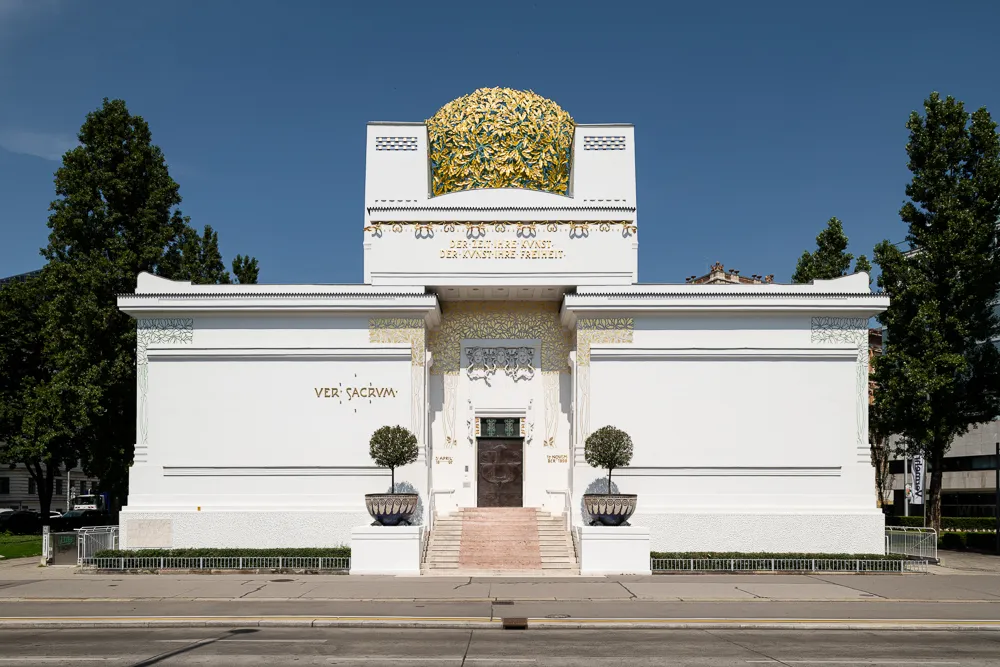
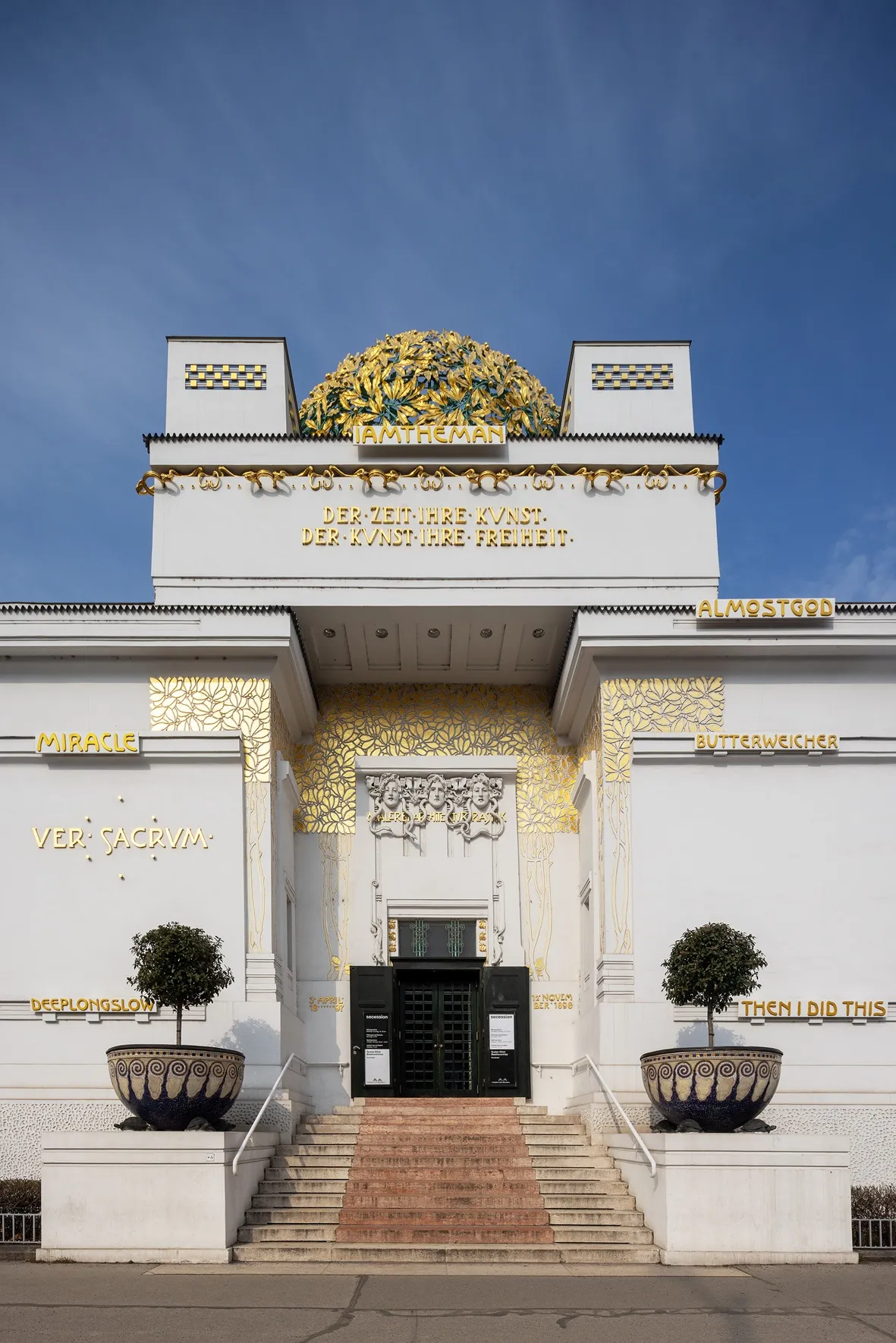
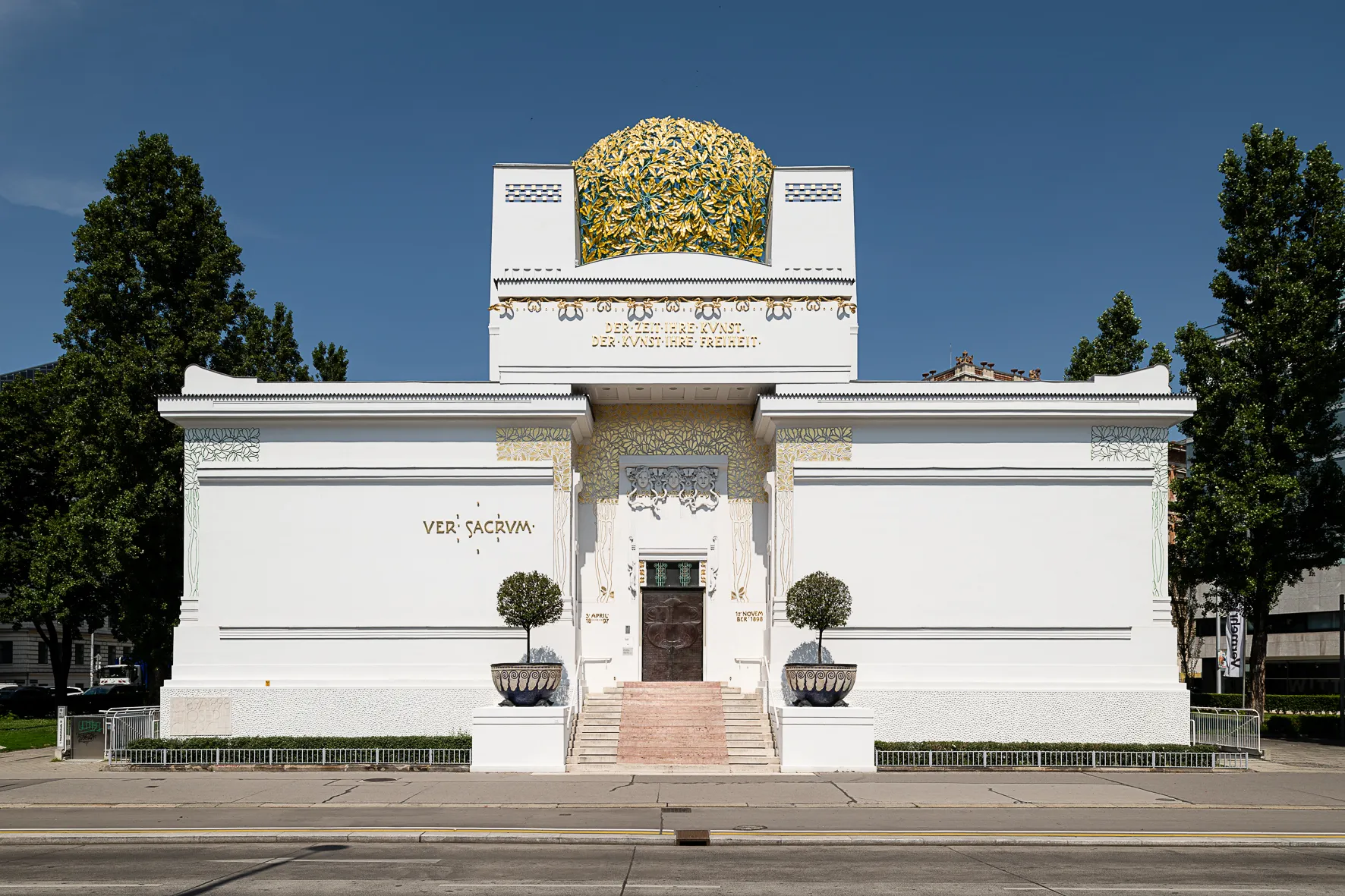
The Secession in Vienna is recognized as one of the world's oldest independent exhibition houses, explicitly dedicated to contemporary art. Founded by artists in 1897, its iconic Joseph Maria Olbrich building played a crucial role in shaping the city's Art Nouveau (Jugendstil) movement. A permanent highlight is Gustav Klimt's 1902 Beethoven Frieze, illustrating humanity's quest for happiness. The Secession continues its mission, presenting diverse artistic positions through a program of exhibitions and discussions.

White art nouveau building with a golden mosaic dome and entrance steps under a clear blue sky
Secession opening hours in Vienna

Check today’s opening status, weekly schedule, and special date changes for Secession. Use these opening hours to plan your arrival and avoid closed times in Vienna.

Monday
Tuesday
Wednesday
Thursday
Friday
Saturday
Sunday
-
10:00-18:00
10:00-18:00
10:00-18:00
10:00-18:00
10:00-18:00
10:00-18:00
Secession Admission and Tickets

The Secession provides a range of admission options, including regular tickets and reduced rates for senior citizens, pupils, students, and visitors with disabilities, with ID often required. Children aged 11 and under receive free entry, and all visitors can enjoy complimentary admission on the first Wednesday of every month. Group tickets are also available for various categories, but groups must book their time slot in advance. Free entry is additionally offered to Niederösterreich-CARD and Kulturpass holders.

Regular admission
€13.00

Valid for Beethoven Frieze & current exhibitions

Senior citizens over 65
€10.00

Ages 65 and over

Pupils and students below 26, visitors with disabilities
€7.50

Pupils and students below 26, visitors with disabilities + 1 assistant

Secession's Central Vienna Location

The Secession building is situated at Friedrichstraße 12 in the heart of Vienna, making it easily accessible for visitors. This central position allows for convenient exploration of the city's cultural offerings. It provides an ideal starting point to experience contemporary art exhibitions alongside its historic Art Nouveau architecture, which houses Gustav Klimt's permanent Beethoven Frieze.

© OpenStreetMap contributors

Friedrichstraße 12

1010 Vienna

Vienna, AT

Planning Your Secession Visit

The Secession in Vienna recommends timed entry for all visitors and requires advance booking for groups of 10 or more. It is easily accessible by public transport, with metro, tram, and bus lines stopping nearby. Be aware that during installation phases for contemporary exhibitions, only the Beethoven Frieze may be accessible. Free admission is available on the first Wednesday of each month.

Planning Your Secession Visit

Secession: Contemporary Art and Art Nouveau Heritage

The Secession in Vienna stands as one of the world's oldest artist-run exhibition houses, dedicated to contemporary art since its founding in 1897. Its iconic building by Joseph Maria Olbrich is a landmark of Vienna's Art Nouveau movement, also known as Jugendstil. Visitors can explore a dynamic program of rotating exhibitions featuring diverse international contemporary artists. A permanent highlight is Gustav Klimt's monumental Beethoven Frieze, a pivotal work from 1902 that offers a dramatic visual narrative of humanity's quest for happiness. This institution continues its mission to present current artistic positions through various programs and discussions, blending its historic legacy with a forward-looking vision.
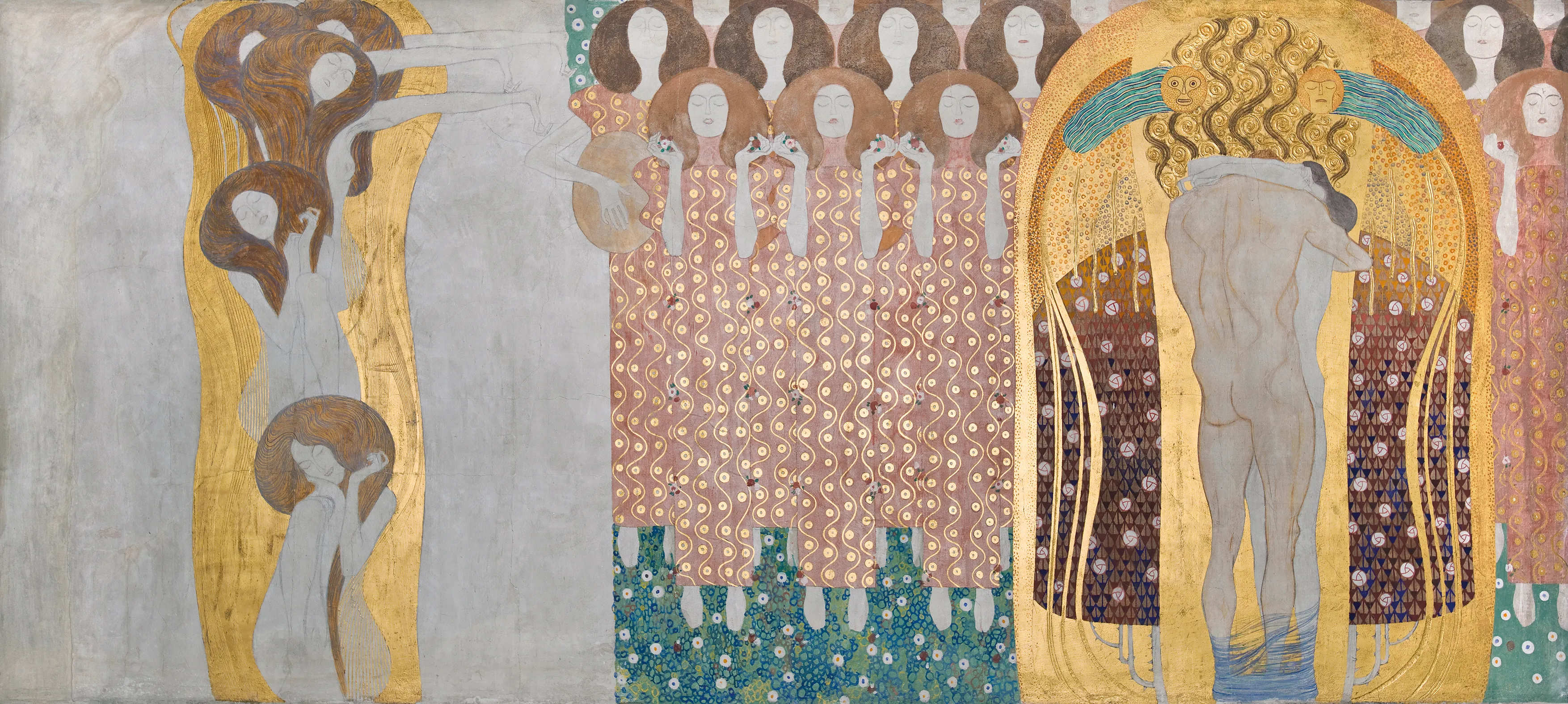

A section of Gustav Klimt's Beethoven Frieze with golden figures and a central nude male form
Top exhibition picks at Secession
Curated museum program highlights and what to see now in Vienna
Discover high-interest exhibitions at Secession, selected to help you prioritize your route, compare show themes, and plan a more rewarding museum visit in Vienna.
Abstract watercolor artwork in shades of purple and violet, featuring splatters, washes, and gestural marks on textured paper, evoking a sense of movement and layered depth.
From Feb 14, 2002

Hier ist dort 2: Explore Contemporary Painting and Abstraction at Secession Vienna Exhibition

Uncover visualization processes shaping reality in a media society.

The "Hier ist dort 2" group exhibition delves into painting's role in examining visualization processes. Discover works questioning the interplay of reality, abstraction, and social construction in a media-driven world. This thought-provoking show is hosted at Secession Vienna.

View Exhibition Details

Watercolor illustration of an artist's studio with pink furniture, easels, and handwritten notes on the walls, depicting Stephen Prina's 'As He Remembered It' exhibition at the Secession.
From May 27, 2011

Stephen Prina: As He Remembered It – An Exhibition of Appropriation Art at Secession

Exploring architecture, memory, and Manet-inspired painting in Vienna.

Discover how Stephen Prina recontextualizes architectural elements and engages with art history through his Manet series. This exhibition highlights his unique approach to conceptual and contemporary art.

Stephen Prina Exhibition

A watercolor illustration of an art exhibition with visitors viewing paintings and sculptures in a gallery space, featuring purple hues and a mix of artworks on walls and tables.
From May 5, 2006

Kristina Leko: Beweis Nr. 4 Exhibition – Exploring Art, Participation, and Society

A conceptual art experiment reimagining the 19th-century art salon concept.

Discover Kristina Leko's impactful "Beweis Nr. 4," featuring a blend of private art collections and creations from workshops with unemployed individuals. This exhibition stimulates cultural dialogue, exploring the concept of universal artistry and art's role in society.

View Exhibition Details

A purple watercolor illustration of a gallery space with silhouettes of people viewing art installations, including a camera and screens, evoking a contemplative mood.
From Mar 8, 2024

Imran Perretta: tears of the fatherland – Exploring Identity Through Sound and Video Art

Powerful installations on marginalization, surveillance, and contemporary identity.

Experience Imran Perretta's immersive sound and video installation, "the destructors," and a new site-specific work. The exhibition critiques power dynamics, state surveillance, and the formation of identity for young people.

Imran Perretta Exhibition

Abstract purple watercolor artwork by Attila Csörgő, featuring geometric shapes and kinetic forms, displayed in a minimalist gallery space.
From Dec 2, 2011

Attila Csörgő: An Exhibition on Kinetics, Optics, and Geometry in Contemporary Art

Explore how scientific principles meet artistic expression with wit and irony.

Discover Attila Csörgő's unique works, from photography to sculpture, that visualize unseen phenomena. This exhibition invited viewers to engage with scientific concepts like kinetics and optics through artistic experimentation and transparent systems.

Attila Csörgő Exhibition

A watercolor illustration of Thea Djordjadze's exhibition 'To be in an upright position on the feet,' featuring a gallery space filled with art supplies, easels, canvases, and sculptures arranged in a disassembled studio environment, with visitors observing the installation.
From Sep 8, 2016

Thea Djordjadze's Exhibition at Secession: Studio Contents as Site-Specific Installation

Relocating and reordering personal workspace into a public sculptural form.

Explore Thea Djordjadze's ambitious project at Secession. Her entire Berlin studio inventory transforms into a large-scale installation, recontextualizing everyday items and tools. Discover artistic process and material perception within this dynamic exhibition.

Thea Djordjadze Exhibition
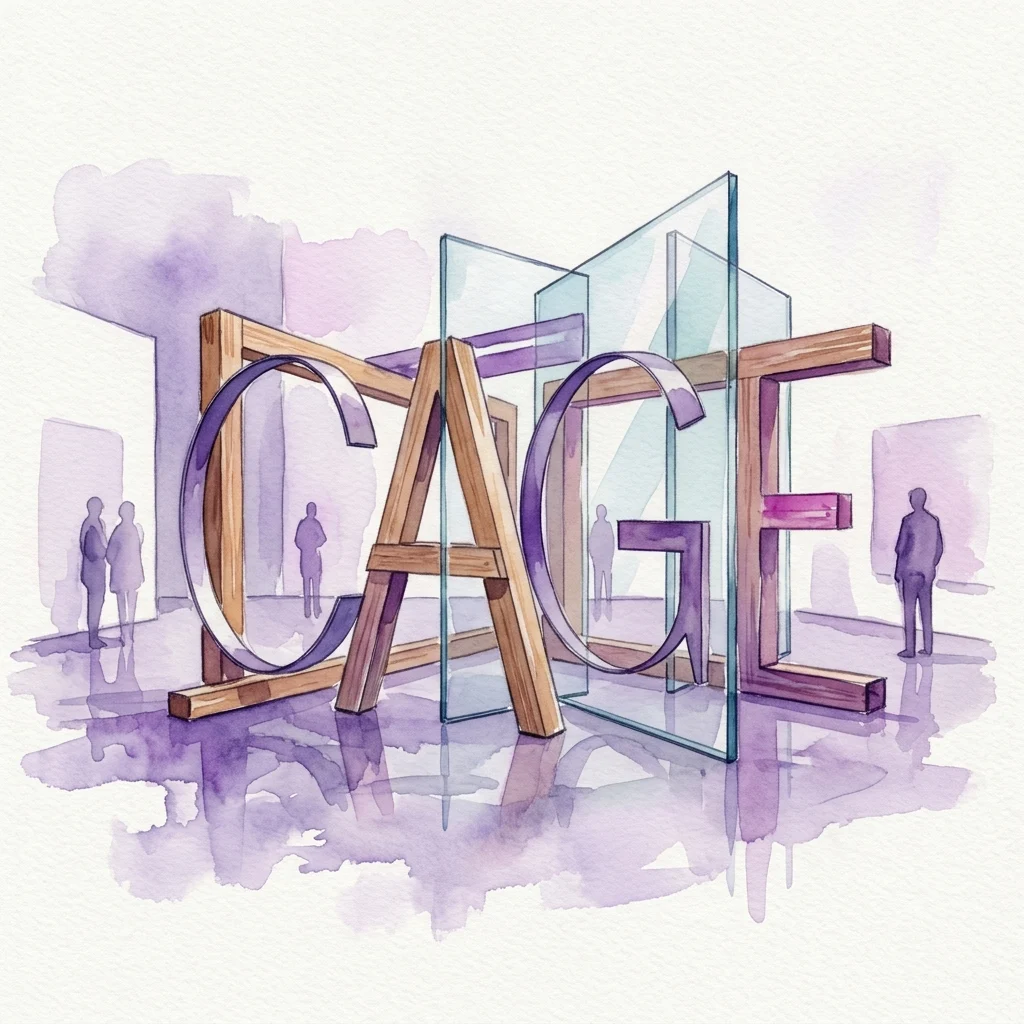
Watercolor illustration of a conceptual art installation spelling 'CAGE' in large letters using wood, glass, and metal, with silhouettes of people observing in a gallery space.
From Nov 28, 2003

Experience "Break it / Fix it" by Monica Bonvicini and Sam Durant at Secession

Architectural installation exploring modernism, language, and spatial boundaries.

This exhibition showcases the first collaboration between artists Monica Bonvicini and Sam Durant. Delve into their architectural intervention at Secession, forming a 'CAGE' structure from building materials. Reflect on art, language, and modernism's critical examination within this transformed space.

View Exhibition
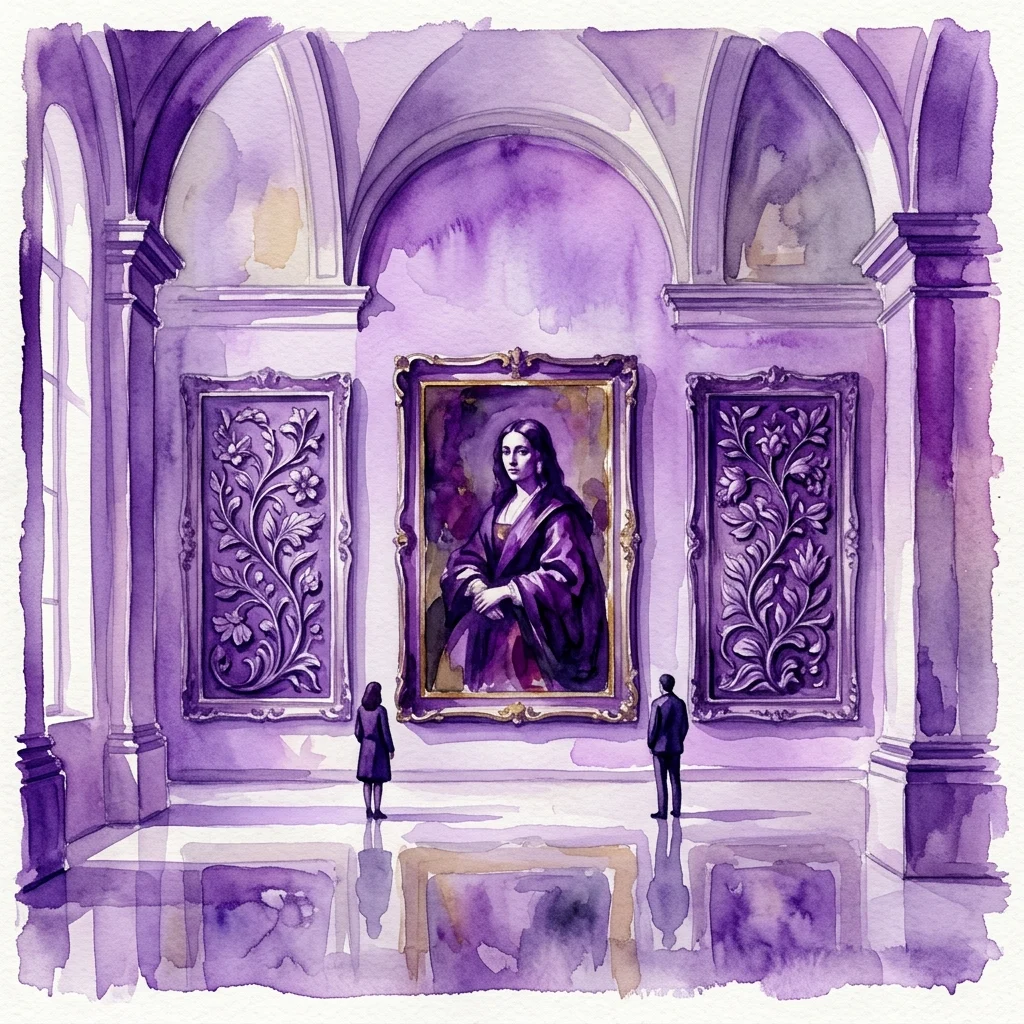
A watercolor illustration of Rudolf Stingel's exhibition at the Secession, featuring three artworks in a grand gallery: a central self-portrait and two flanking floral relief sculptures, all under arched ceilings.
From Feb 23, 2012

Rudolf Stingel's Thought-Provoking Exhibition at the Secession

Discover three works in dialogue with the Secession's iconic architecture.

Explore Rudolf Stingel's impactful exhibition, showcasing three significant works that engage deeply with the Secession building. The presentation highlights a compelling interplay between art, space, and architectural design.

Rudolf Stingel Exhibition

History of the Vienna Secession

The Secession was founded in Vienna in 1897 by artists like Gustav Klimt and Joseph Maria Olbrich, aiming to foster international artistic exchange and promote decorative arts. Olbrich's iconic Secession Building, completed in 1898, became an immediate symbol of the movement. A pivotal event was the 1902 14th Secession exhibition, famously featuring Gustav Klimt's Beethoven Frieze. While some key members resigned in 1905 due to internal disagreements, the group's influence on Viennese *Art Nouveau* remained profound. The building, damaged during World War II, was faithfully reconstructed, ensuring its continued role as a significant cultural institution.

  • Vienna Secession founded

    1897Founding

    The Vienna Secession was established on April 3, 1897, by artists including Gustav Klimt, Koloman Moser, Josef Hoffmann, and Joseph Maria Olbrich, as a group to foster exchange with international artists and promote decorative arts.

  • Secession Building designed and constructed

    1897-1898Construction

    Joseph Maria Olbrich designed and constructed the Secession Building in Vienna between 1897 and 1898 as the group's exhibition venue, which became a symbol of the movement.

  • Linke Wienzeile Buildings designed

    1898-1899Architecture

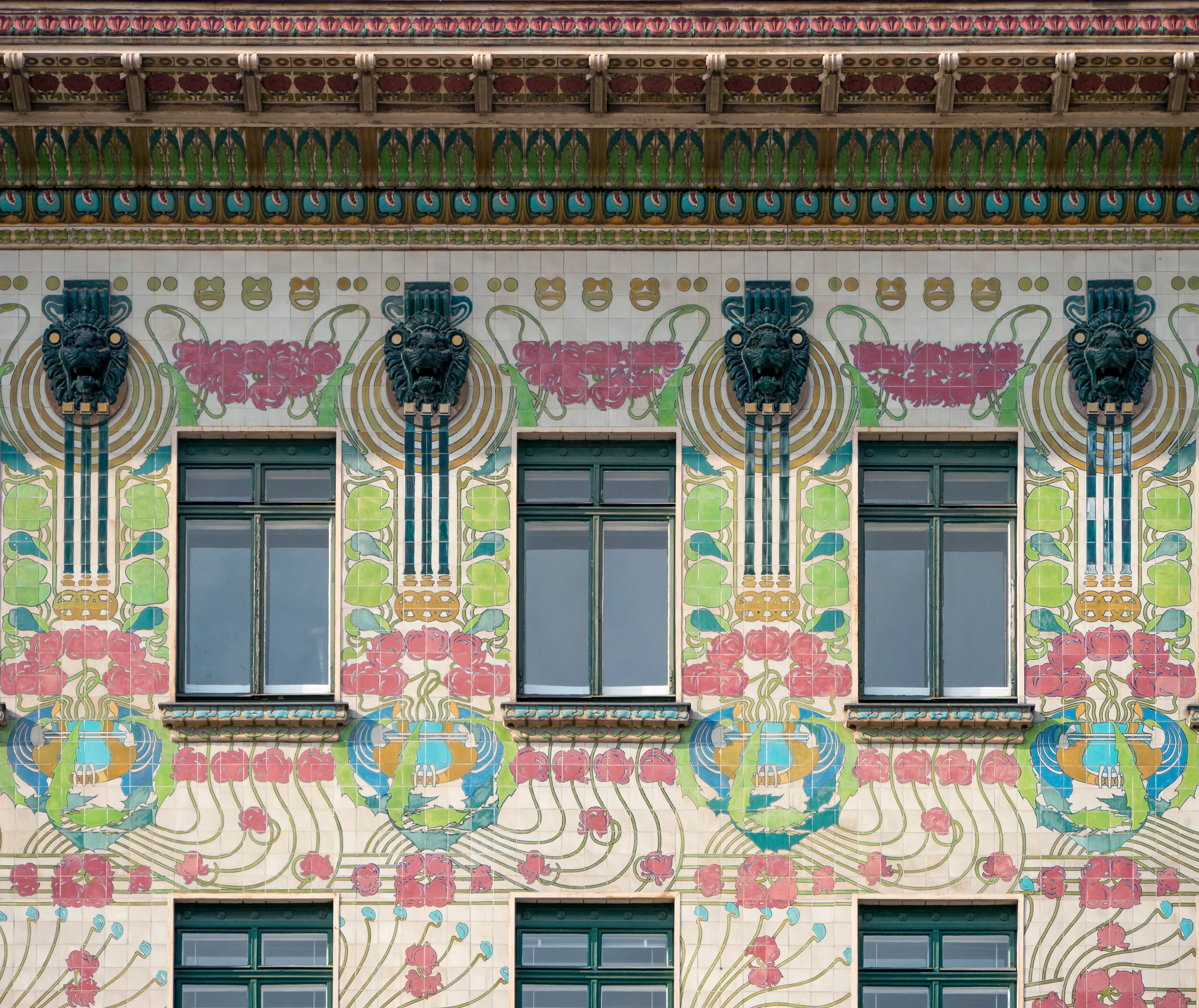
    In 1898–1899, Otto Wagner designed the Linke Wienzeile Buildings, with elements decorated by artists including Koloman Moser and Othmar Schimkowitz, showcasing Secession style.

  • 14th Secession exhibition dedicated to Beethoven

    1902Collection

    The 14th Secession exhibition in 1902 was dedicated to Ludwig van Beethoven, featuring a statue by Max Klinger and Gustav Klimt's Beethoven Frieze.

  • Secession members resign over gallery dispute

    1905Ownership

    In 1905, Gustav Klimt, Josef Hoffmann, Koloman Moser, and others resigned from the Secession after a dispute over the potential purchase of Galerie Miethke, losing a vote by a single vote.

  • Church of St. Leopold designed

    1902-1907Architecture

    Otto Wagner designed the Church of St. Leopold, also known as Kirche am Steinhof, between 1902 and 1907, a significant work in the Secession style.

  • Austrian Postal Savings Bank designed

    1903-1906Architecture

    Otto Wagner designed the Austrian Postal Savings Bank between 1903 and 1906, with extensions later, showcasing a transition towards geometric forms and modern materials.

  • Stoclet Palace designed

    1905-1911Architecture

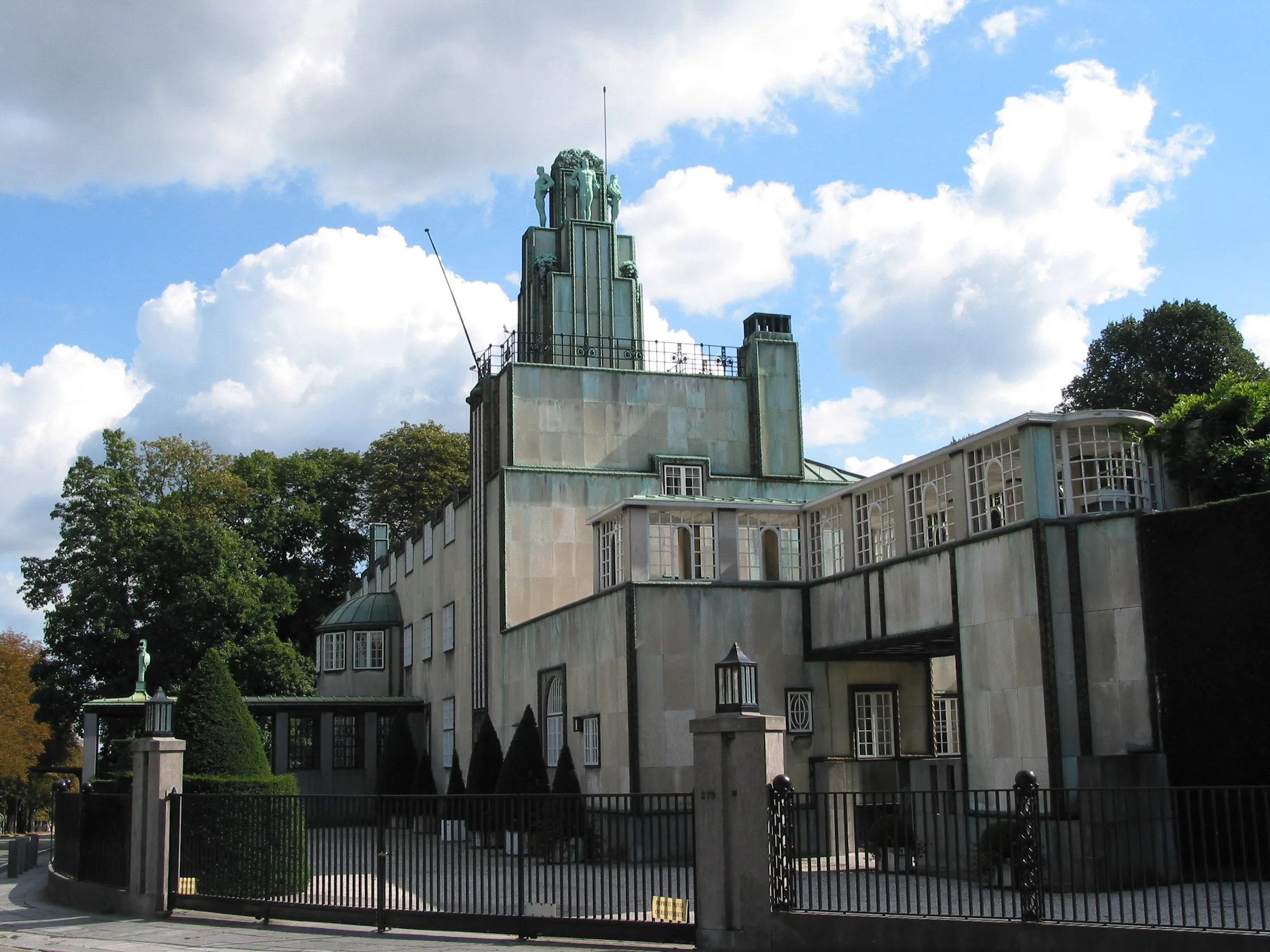
    Josef Hoffmann designed the Stoclet Palace in Brussels between 1905 and 1911, a building exemplifying his transition from Art Nouveau toward modernism with its geometric forms.

  • Ankeruhr clock designed

    1911-1914Architecture

    The Ankeruhr clock, a notable work in the Vienna Secession style, was designed by Franz Matsch between 1911 and 1914.

  • Secession building destroyed and reconstructed

    Other

    During the Nazi Party regime, the Secession building was destroyed as a symbol of degenerate art but was faithfully reconstructed after World War II.

  • Josef Hoffmann rejoins Vienna Secession

    1948-1950Notable person

    Following World War II, Josef Hoffmann rejoined the Vienna Secession in 1945 and served as its President from 1948 to 1950.

  • Vienna Secession influences naming of Art Nouveau

    Cultural significance

    The term 'Art Nouveau' in languages of former Austro-Hungary, such as Slovene ('secesija'), Hungarian ('szecesszió'), and Czech ('secese'), was directly influenced by the Vienna Secession.

  • Secession Building featured on Austrian Euro coin

    2004Heritage status

    The Secession Building in Vienna is featured on the obverse side of an Austrian commemorative 100 euro coin minted in 2004, symbolizing the movement's significance.

  • Vienna Secession Building on 50 euro-cent coin

    Heritage status

    The Vienna Secession Building is depicted on the obverse side of the Austrian 50 euro-cent coin, representing the birth of the movement and a new era in Austria.

Secession FAQs: Your Curious Questions Answered

Ever wondered if Secession welcomes visitors every day, or exactly when its doors close in Vienna? Our frequently asked questions section clears up these mysteries and more, ensuring you're perfectly prepared for your art nouveau adventure.

What is the email address for general questions at Secession?

The primary email address for general questions and inquiries at Secession is [email protected].

What is the main phone number for Secession?

The main general contact phone number for Secession is +43-1-587 53 07.

How can I contact Secession for general inquiries?

For general inquiries, you can reach Secession via email at [email protected] or by phone at +43-1-587 53 07.

Can I contact specific departments or staff at Secession?

Yes, Secession provides dedicated email addresses and phone numbers for various departments and individual staff members, including Management, Curatorial, Press and Communication, Art Education, and the Shop. You can find these specific contacts if needed.

Secession Visitor Tips

Planning a visit to the Secession can be smoothed by noting a few details. For groups of 10 or more, booking a timed entry slot in advance is required. Visitors should also be aware that during installation periods for contemporary art exhibitions, access may be limited to the Beethoven Frieze. Free admission is offered on the first Wednesday of each month. The venue provides barrier-free access to the Beethoven Frieze and some contemporary exhibitions, with an elevator available for assistance. Additionally, children under 12 enter for free, and visitors with disabilities plus one assistant receive reduced admission.

Visiting the Secession

The Secession in Vienna is suited for visitors keen on contemporary art, Art Nouveau, and architectural history, offering diverse exhibitions and Gustav Klimt's permanent Beethoven Frieze. Families with children under 12 can enjoy free admission, and the venue provides barrier-free access with an elevator for visitors with disabilities. Groups of ten or more persons are required to book a time slot in advance. It is important to note that during exhibition installation phases, only the Beethoven Frieze may be accessible.

Secession Building and Exhibitions in Photos

Explore the visual narrative of the Secession, showcasing its distinctive Art Nouveau architecture and dynamic contemporary art exhibitions. Visitors can expect to see modern gallery spaces and evocative glimpses of Gustav Klimt's permanent Beethoven Frieze. These images reflect the unique artistic environment of this influential Vienna institution.
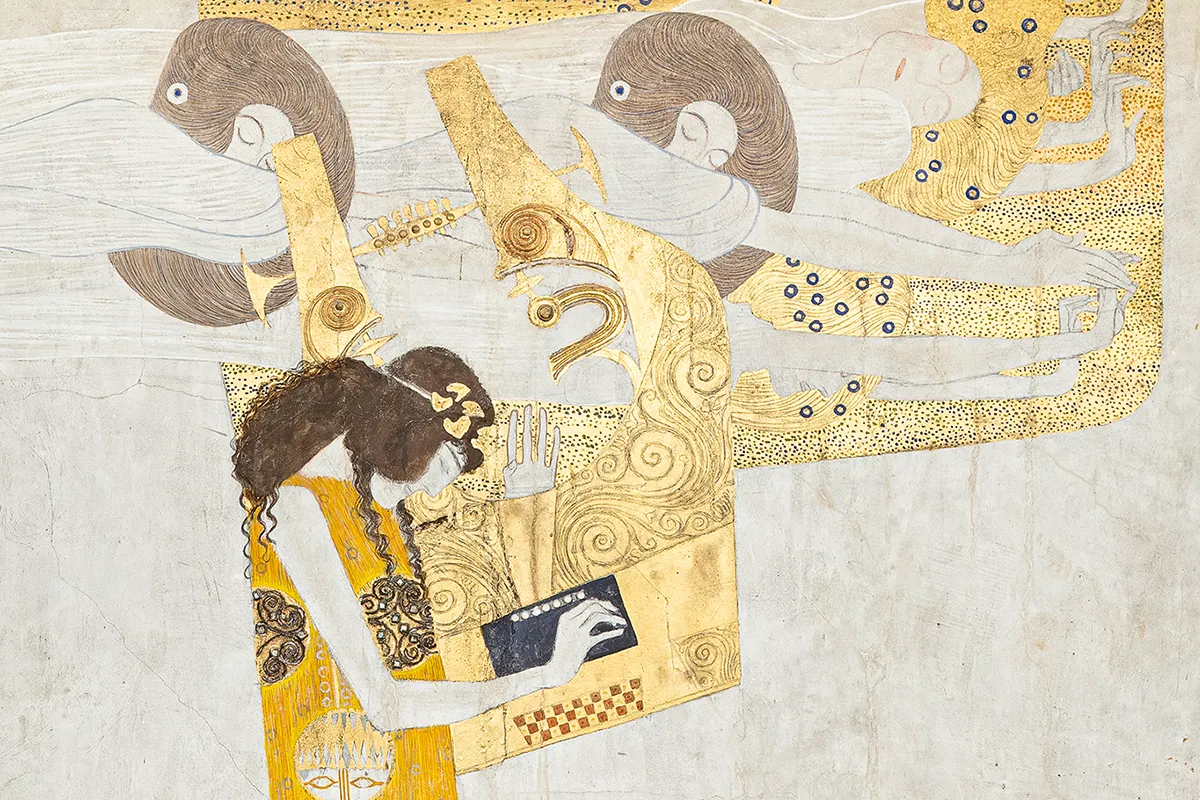
close-up of a golden art nouveau mural with intricate patterns and figures
White stylized text reading 'Freie Kunst für Alle' on a black background
White art nouveau building with a golden mosaic dome and entrance steps under a clear blue sky
The Secession building with a white facade, gold ornate details, and a golden dome under a blue sky
White art nouveau building with a golden dome and 'VER SACRUM' inscription under a clear blue sky
close-up of decorative facade with floral patterns and ornate details
A section of Gustav Klimt's Beethoven Frieze with golden figures and a central nude male form
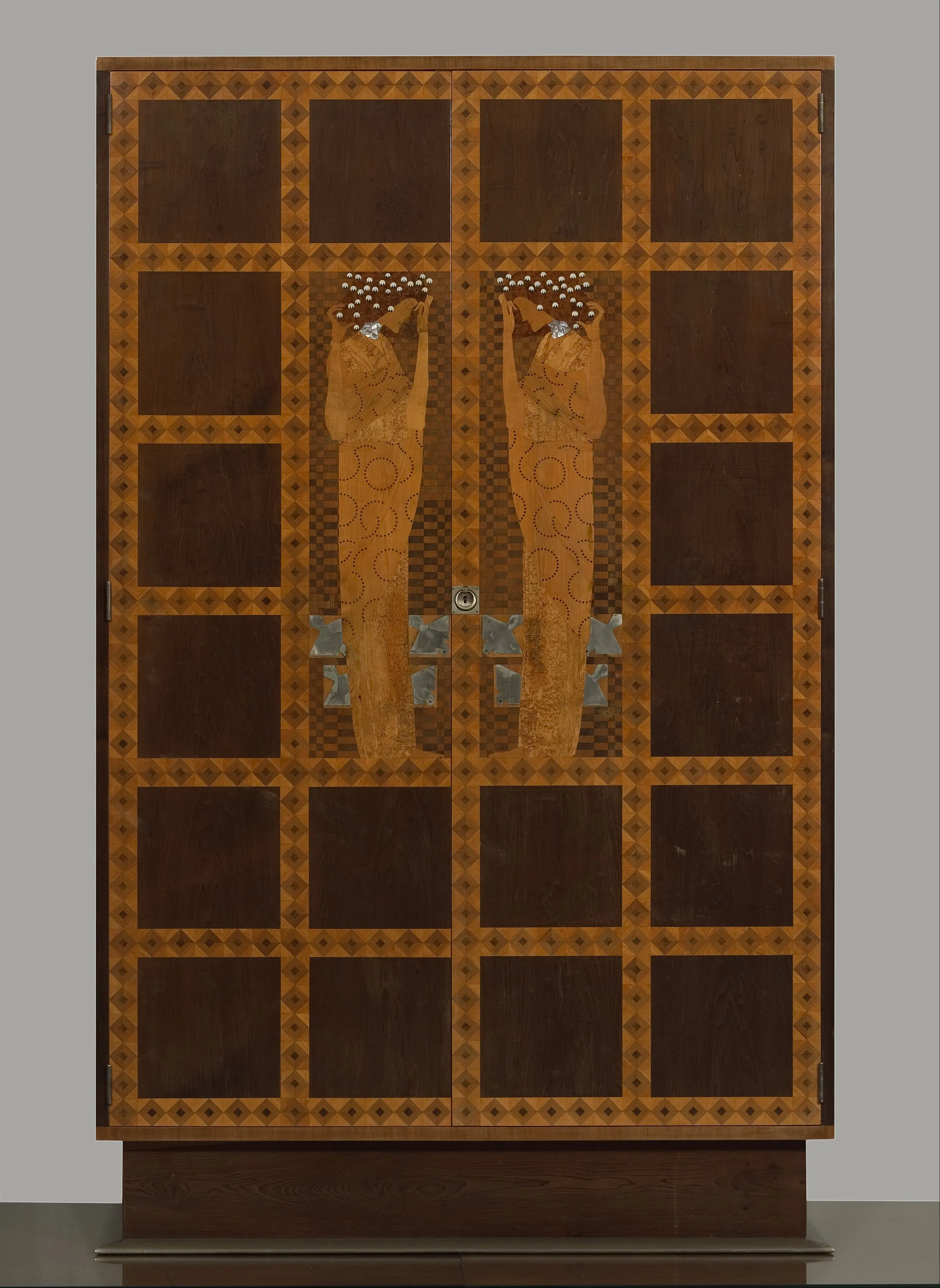
Inlaid armoire with two figures and geometric patterns
The Secession building with a green copper dome and modernist architecture under a blue sky with white clouds
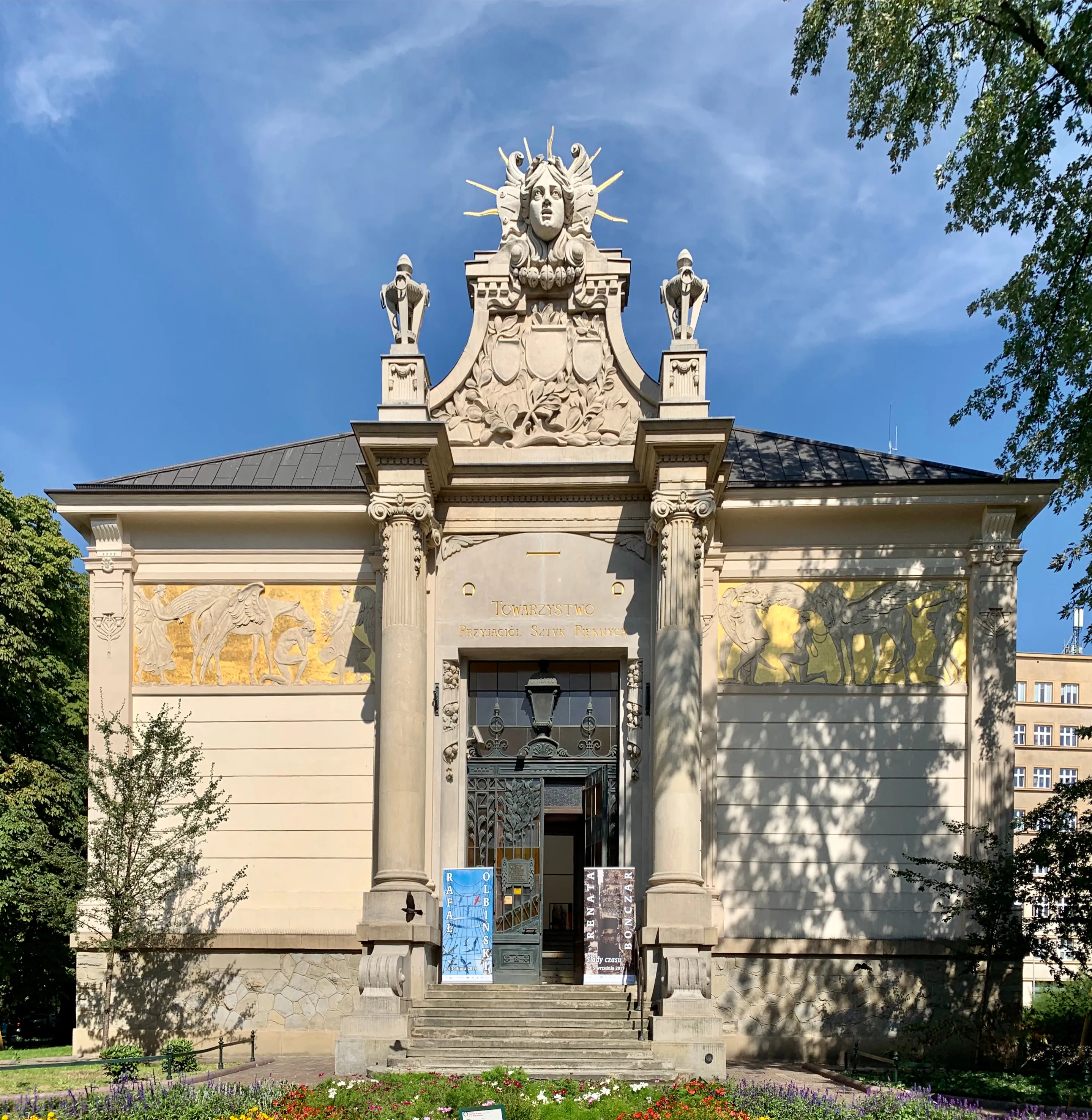
The Secession building with a decorative facade, columns, and a sculpture above the entrance under a blue sky
Vienna

Find Museums in Vienna: Discover Cultural Sites by Interest and Theme

Uncover Vienna's rich artistic legacy, history, and scientific collections.

Explore the depth of Vienna's cultural offerings and discover institutions by what truly interests you. Whether it's historical landmarks, fine art, or specialized topics, easily locate your next memorable experience.

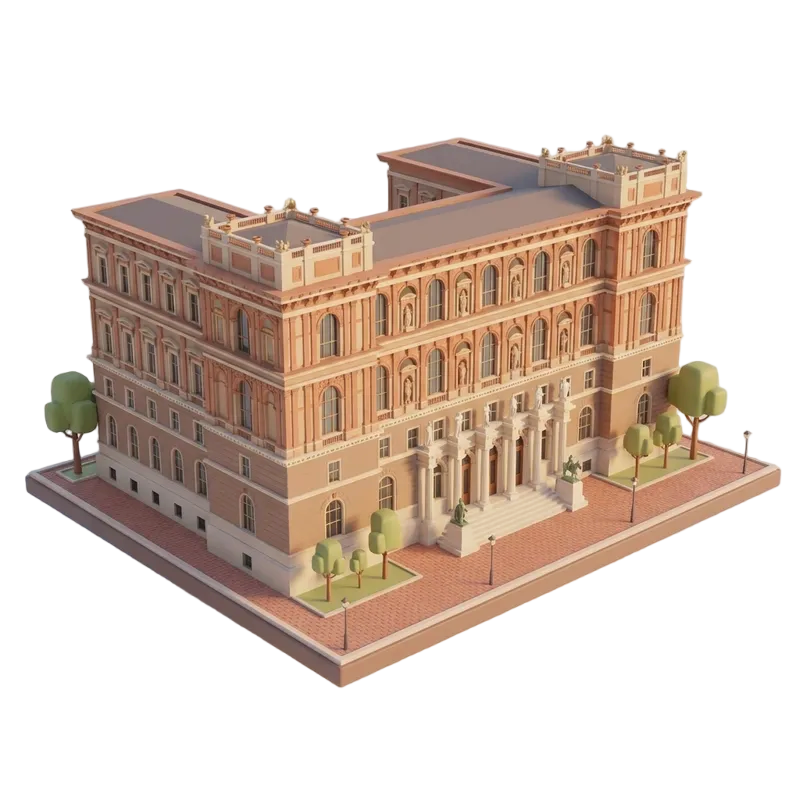
Explore Secession with Vienna
Guides, visitor info, and museum details in Vienna
Find everything about Secession in one place, including tickets, opening hours, current exhibitions, location details, visitor tips, nearby attractions, and the latest museum updates. Use these pages to plan your visit, discover what to see, and get practical information before you go.
Discover nearby museums similar to Secession in Vienna and plan your next cultural stop with confidence.
These recommendations prioritize real proximity to Secession and help you find high-fit alternatives faster across Vienna.
Use this curated list to compare museums near Secession without opening multiple search pages. Each card gives you fast visual context and direct access to key details so you can decide quickly. If you are building a full day in Vienna, this section helps you chain nearby visits with less planning effort.