Vienna
Wien's Design & Applied Arts Hub

Discover MAK - Museum of Applied Arts in Wien

A vibrant hub for design, decorative arts, and contemporary creative practice.

ArtDesignLocal heritageContemporary

The MAK in Vienna showcases a rich collection of applied arts, design, and contemporary art. Visitors can explore permanent exhibitions, including "Vienna 1900" and extensive textile collections, alongside a dynamic program of temporary shows and events.

The MAK is a leading museum in Vienna focusing on applied arts, design, and contemporary visual culture through diverse collections and exhibitions.
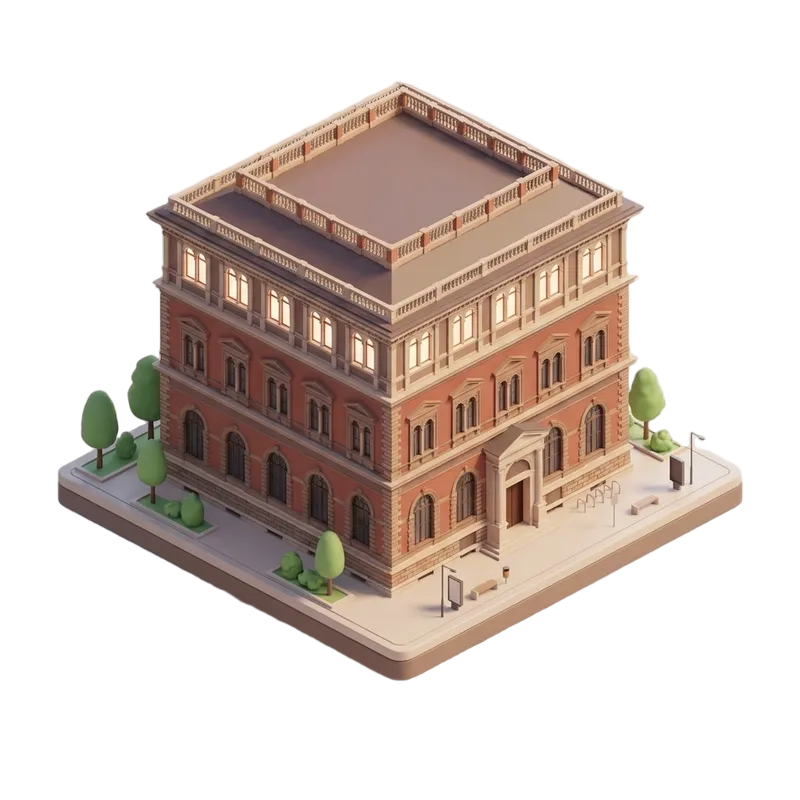
MAK - Museum of Applied Arts
MAK - Museum of Applied Arts: Identity and Focus

The MAK Museum of Applied Arts in Vienna is a prominent institution dedicated to showcasing the historical and contemporary significance of applied arts, design, and architecture. Its extensive collections span diverse periods and disciplines, from furniture and glass to textiles and ceramics. The museum actively engages with contemporary art and design through its exhibition program, often featuring collaborations that redefine exhibition spaces. Visitors can explore how art and design influence everyday life and cultural expression, offering a unique perspective.
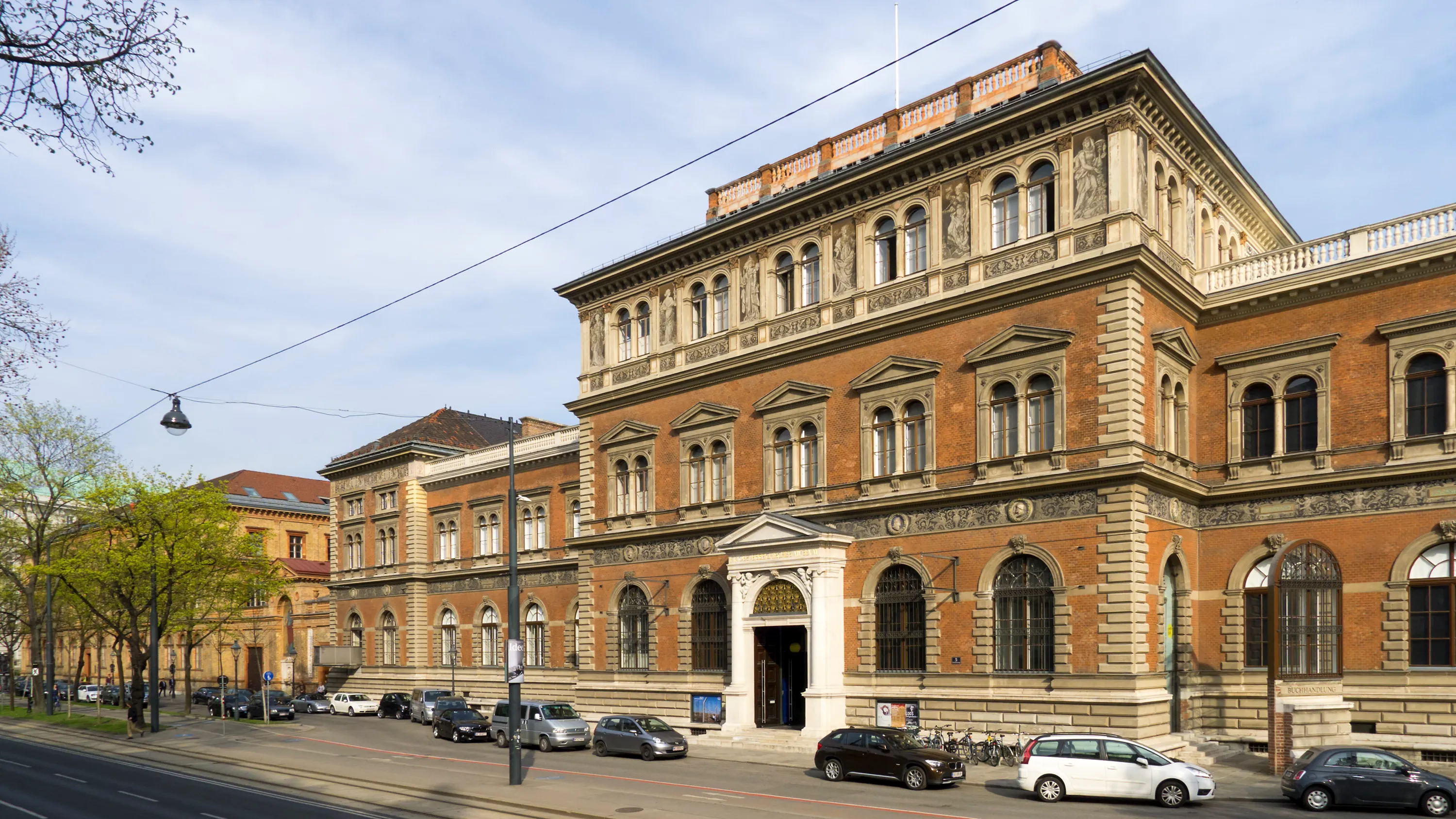
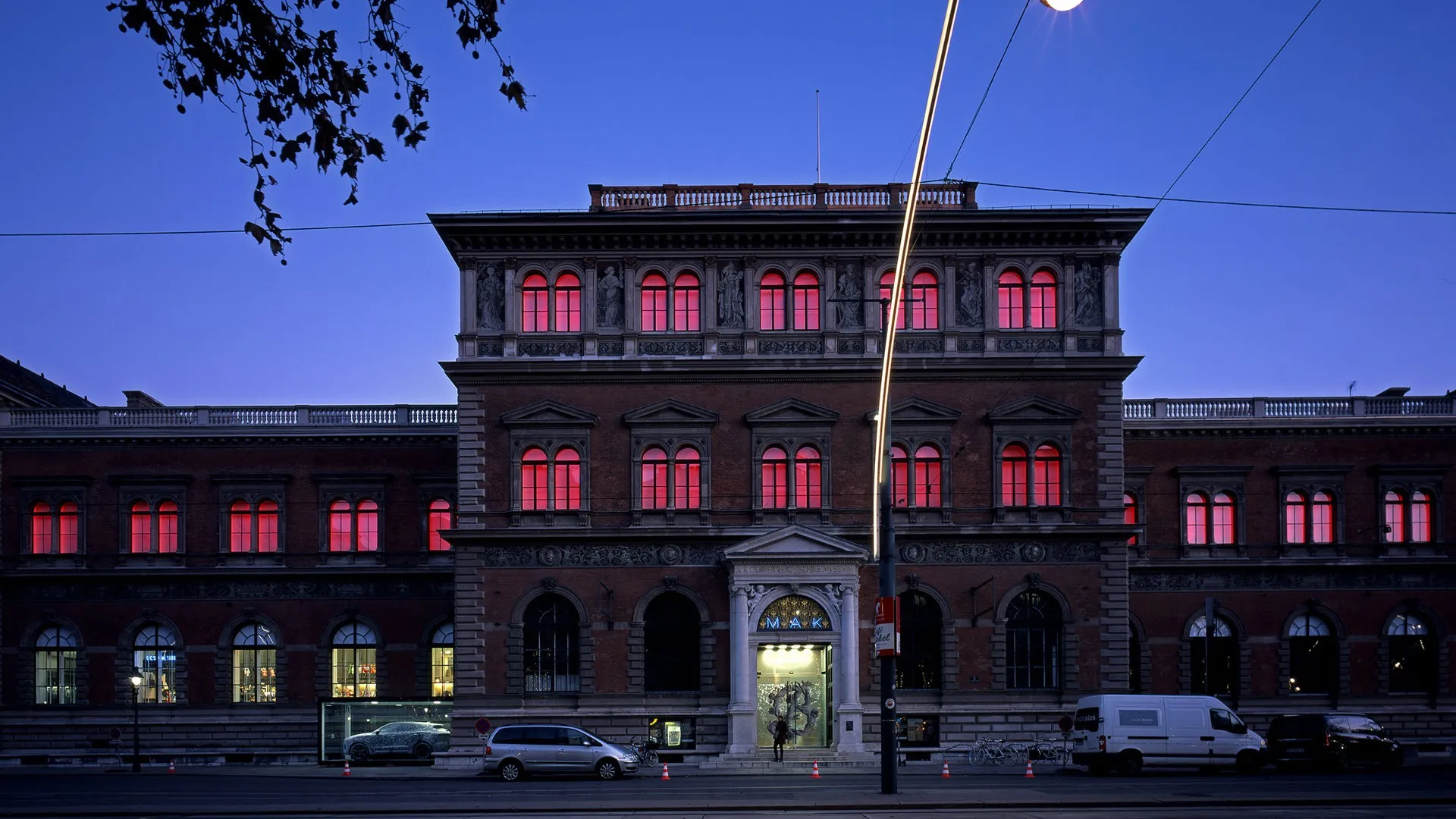
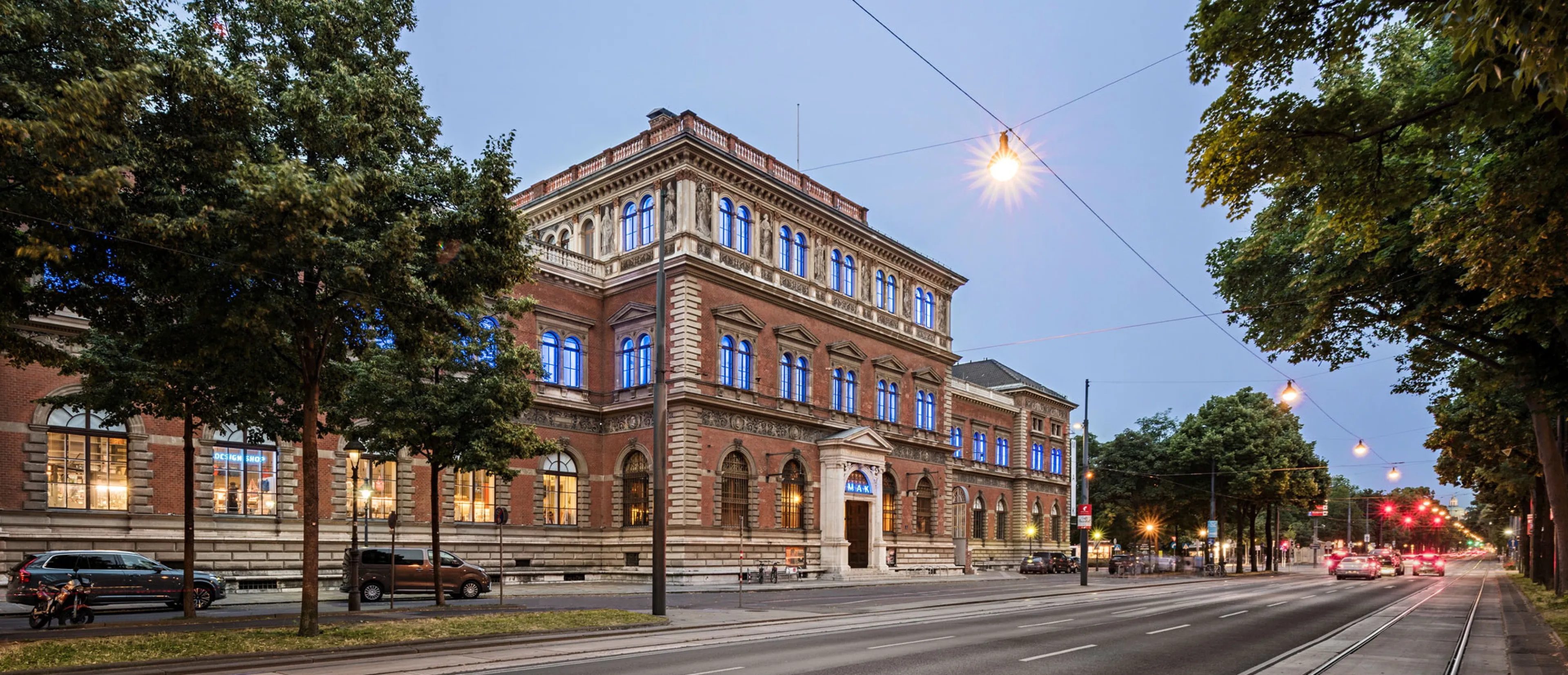
The MAK - Museum of Applied Arts building with red brick facade, arched windows, and a central entrance under a blue sky
MAK - Museum of Applied Arts opening hours in Vienna

Check today’s opening status, weekly schedule, and special date changes for MAK - Museum of Applied Arts. Use these opening hours to plan your arrival and avoid closed times in Vienna.

Monday
Tuesday
Wednesday
Thursday
Friday
Saturday
Sunday
-
10:00-21:00
10:00-18:00
10:00-18:00
10:00-18:00
10:00-18:00
10:00-18:00
MAK - Museum of Applied Arts Ticket Information

The MAK - Museum of Applied Arts provides various admission options, including free entry for youth aged 0-18 and caregivers of disabled visitors. Reduced tickets are available for seniors aged 65 and over, and students under 27, with valid identification often required. Specific discounts also apply to holders of certain partner cards and event tickets. Please note that dedicated group tickets are not offered.

Adults
€18.00
Seniors (ages 65+)
€14.50

With a valid pensioner's ID or 65 or older

Students
€14.50

Under 27, apprentice, person in mandatory military or alternative civilian service

Family visits at the MAK

The MAK - Museum of Applied Arts offers a range of creative workshops and guided tours tailored for children aged 4 to 12. Families can engage with design and craft through interactive experiences like the MAK4Family program or the Mini MAK Tour. More detailed information regarding age-specific sessions and activity scheduling is available to help plan your visit.

Recommended age: Ages 4–12

The MAK offers a diverse programme for children and families, including creative workshops, guided tours, and interactive design experiences.

Why families will enjoy it

  • Regular 'MAK4Family' workshops and tours for ages 4 and up.
  • Monthly 'Mini MAK Tour' focusing on exploring the museum's collection.
  • Dedicated 'MAK Design Kids' workshops for ages 8 to 12 without parental supervision.
  • Customizable group tours and creative workshops for private groups.

Activities and resources for children

Family program

MAK Design Kids

Ages 8–12120–120 min

Two-hour design workshops for children without parents.

Museum pass access at MAK - Museum of Applied Arts

Visitors to the MAK - Museum of Applied Arts in Vienna have access options through local sightseeing passes. These arrangements provide a convenient way to explore the museum's extensive collections of design and applied arts. Specific terms regarding entry benefits are determined by the individual pass held.

MAK - Museum of Applied Arts Location in Vienna

The MAK - Museum of Applied Arts is located at Stubenring 5 in the heart of Vienna. This central address in the Austrian capital offers convenient access for visitors exploring its extensive collections of applied arts, design, and contemporary visual culture. Its position provides an ideal starting point to engage with the city's rich artistic and cultural offerings.

© OpenStreetMap contributors

Stubenring 5

1010 Wien

Wien, AT

How to Visit MAK - Museum of Applied Arts

The MAK - Museum of Applied Arts is centrally located in Wien, easily reached by public transport, bike, or on foot. For a smooth visit, be aware that large bags, backpacks, and umbrellas are not allowed inside; use the free cloakroom or paid lockers. Guests with disabilities enjoy free entry for a companion, and assistance dogs are welcome.

How to Visit MAK - Museum of Applied Arts

MAK - Museum of Applied Arts: Design and Contemporary Culture

The MAK – Museum of Applied Arts in Vienna explores the historical and contemporary relevance of applied arts, design, and architecture. Its diverse collections span disciplines like furniture, glass, textiles, and ceramics, illustrating how art and design shape everyday life and cultural expression. Visitors encounter curated permanent exhibitions, many conceptualized by contemporary artists, that illuminate the evolution and impact of applied arts across eras. Highlights include the "VIENNA 1900" collection, showcasing pivotal everyday objects, and extensive displays of textiles and carpets. The museum also features a dynamic program of temporary exhibitions focusing on modern and contemporary themes.
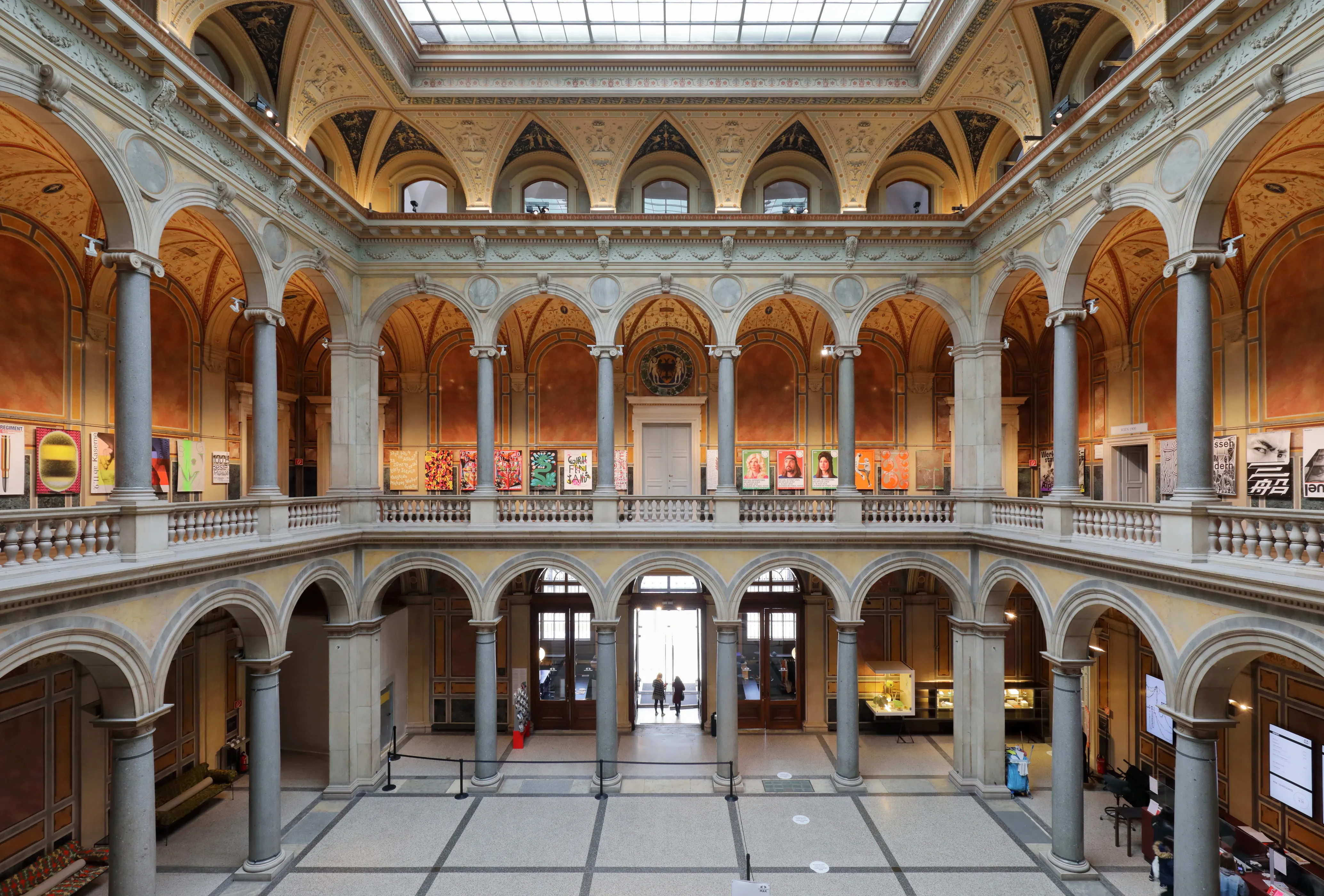
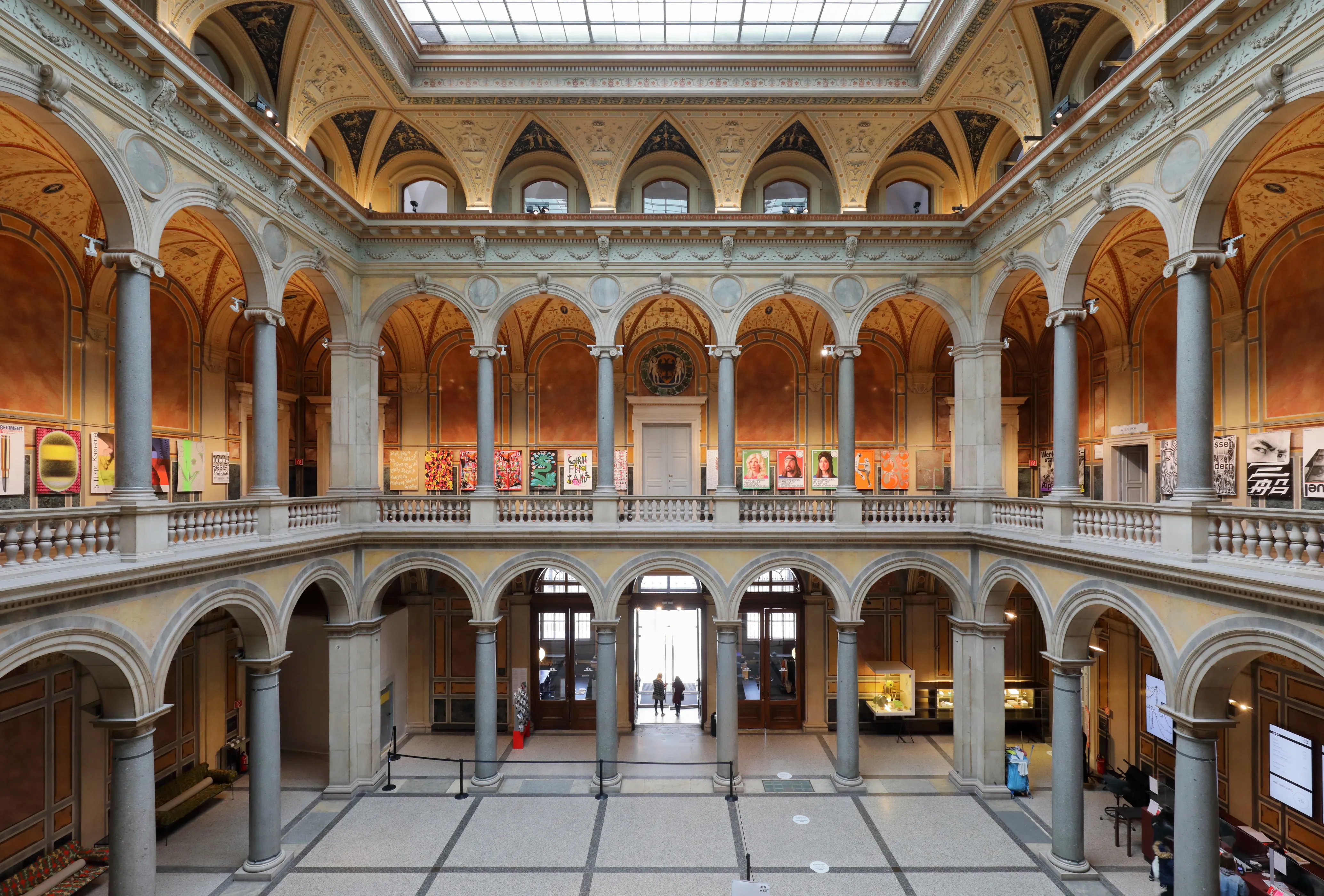
Interior view of the MAK - Museum of Applied Arts with a large arched hall, columns, and artwork on the walls

History and Evolution of MAK – Museum of Applied Arts

The MAK – Museum of Applied Arts, located in Vienna, originated in 1863 as the Imperial Royal Austrian Museum of Art and Industry, founded by Emperor Franz Joseph I. After an initial opening in provisional spaces in 1864, it relocated to its distinctive Neo-Renaissance building on Stubenring 5 in 1871, designed by Heinrich von Ferstel. Over its history, the museum has played a crucial role in the development of applied arts, design, and architecture, notably under leaders like Arthur von Scala who brought in figures influential in the *Viennese modern movement*. Following major renovations that concluded in 1993, the MAK continues to explore historical and contemporary design practices, including pioneering initiatives such as the Vienna Biennale.

  • Founded in 1863

    1863Founding

    The Imperial Royal Austrian Museum of Art and Industry, which is today's MAK, was founded by Emperor Franz Joseph I on March 7, 1863. Rudolf von Eitelberger, the first Professor of art history at the University of Vienna, was appointed as its director.

  • Opened in 1864

    1864Opening

    The museum initially opened on May 12, 1864, in provisional rooms within the Ballhaus building next to the Hofburg. These spaces were adapted for the museum's needs by architect Heinrich von Ferstel.

  • New building constructed from 1869 to 1871

    1869-1871Construction

    A new museum complex for the Imperial Royal Museum of Art and Industry was built at Stubenring 5 in the Neo-Renaissance style, based on plans by Heinrich von Ferstel. The museum opened to the public in this new building on November 15, 1871.

  • Designed in Neo-Renaissance style by Heinrich von Ferstel

    1869-1871Architecture

    The museum complex, built from 1869, was designed by Heinrich von Ferstel in the Neo-Renaissance style. It was the first museum building constructed on the Vienna Ring Road.

  • Extension built for School of Applied Arts in 1875-1877

    1875-1877Construction

    An adjacent new building for the School of Applied Arts was constructed at Stubenring 3, also designed by Heinrich von Ferstel. This extension opened in 1877.

  • Museum renamed during Nazi era

    1939-1945Ownership

    Following Austria's annexation by Nazi Germany, the museum was renamed 'Staatliches Kunstgewerbemuseum in Wien' (State Arts and Crafts Museum in Vienna). During this period, it also acquired confiscated private collections.

  • Reopened in 1949 after war damage repairs

    1949Renovation

    After suffering war-related damage, the museum was reopened in 1949 following necessary repairs. Earlier, in 1936 and 1940, parts of its sculpture collection had been transferred to the Kunsthistorisches Museum.

  • Facelift and interior renovation in late 1980s

    1980-1989Renovation

    In the late 1980s, parts of the museum's façade were restored to their original state as part of a renovation. This period also saw a rearrangement of furniture and the clock collection in the Geymüllerschlössel branch.

  • Major renovation and expansion began in 1989

    1989-1993Construction

    A comprehensive renovation of the museum's older buildings commenced in 1989. This project also included the construction of a two-story underground depot and a new connecting wing to expand storage and exhibition space.

  • Reopened in 1993 after renovation

    1993Opening

    Following extensive renovation and the construction of new facilities, the museum reopened to the public in 1993. The showrooms were designed by various artists during this period.

  • Became a public-law academic institution in 2000

    2000Ownership

    In 2000, Austria's federal museums were removed from state administration. The MAK became a 'public-law academic institution' as part of this reform.

  • MAKlite installation added in 2004

    2004Milestone

    Since 2004, the building has been illuminated in the evenings by 'MAKlite,' a permanent outdoor installation by American artist James Turrell. This work is located on the museum's façade at Stubenring 5.

  • First museum to acquire art with Bitcoin in 2015

    2015Milestone

    In 2015, the MAK became the first museum to utilize Bitcoin for an art acquisition, purchasing the work 'Event listeners' by Harm van den Dorpel.

  • Initiated Vienna Biennale in 2015

    2015Milestone

    The MAK initiated the Vienna Biennale in 2015, the first Biennale to combine art, design, and architecture. This event has been held periodically since its inception.

  • Focuses on applied arts, design, architecture, and contemporary art

    Overview

    The MAK museum is oriented towards arts and crafts, design, and also emphasizes architecture and contemporary art. It presents the largest online collection among Austrian Federal Museums, with over 300,000 objects.

  • Acquired former Royal Austrian Trade Museum collection in 1907

    1907Collection

    In 1907, the Museum of Art and Industry took over most of the collection belonging to the Royal Austrian Trade Museum, enriching its holdings.

  • Rudolf von Eitelberger appointed first director

    1863Notable person

    Rudolf von Eitelberger, the first Professor of art history at the University of Vienna, was appointed as the museum's first director upon its founding in 1863.

  • Arthur von Scala led the museum from 1897

    1897Notable person

    Arthur von Scala took over as director in 1897, bringing prominent figures like Otto Wagner and Koloman Moser to work at the museum and its associated School of Arts and Crafts.

  • Received Habsburg holdings after First Republic establishment

    1918-1938Collection

    Following the establishment of the First Republic, holdings previously in the possession of the Habsburgs, such as oriental carpets, were transferred to the museum.

  • Transferred sculpture collection in 1936 and 1940

    1936-1940Collection

    In 1936 and 1940, the Museum on Stubenring transferred part of its sculpture collection to the Kunsthistorisches Museum. In exchange, it received the arts and crafts section from the Albert Figdor collection and the Kunsthistorisches Museum.

  • Recognized as 'Museum of the Year' in 1996

    1996Heritage status

    In 1996, the MAK received the 'Museum of the Year Award' from the Council of Europe in Strasbourg, recognizing its contributions and standing.

  • Geymüllerschlössel affiliated as a branch in 1965

    1965Relocation

    In 1965, the Geymüllerschlössel in Vienna's 18th district was affiliated with the museum, becoming a new branch. The MAK also acquired Dr. Franz Sobek's clock collection and period furniture at this time.

  • MAK Tower established as a branch in 1994-1995

    1994-1995Relocation

    The combat Flak Tower in Arenbergpark became an additional branch of the museum in 1994 and has served as the MAK Contemporary Art Depot (MAK Tower) since 1995, housing parts of the Contemporary Art Collection.

  • Josef Hoffmann Museum established as joint branch in 2006

    2006Relocation

    Since 2006, the MAK, in collaboration with the Moravian Gallery in Brno, has managed Josef Hoffmann's birthplace as a joint branch, the Josef Hoffmann Museum, presenting exhibitions on his work and contemporaries.

  • MAK Center for Art and Architecture founded in Los Angeles in 1994

    1994Relocation

    In 1994, Peter Noever founded the MAK Center for Art and Architecture in Los Angeles, USA, focusing on new trends and interdisciplinary developments in fine arts and architecture.

  • Influential in public space art

    Cultural significance

    The MAK actively supports contemporary artists whose works are presented in the museum and then in Vienna's urban space, mediating at the interface between art and the public realm. Several international artists have been represented through these initiatives.

  • Renovation and repositioning of permanent collections in 2014-2016

    2014-2016Renovation

    In 2014, the Permanent Collection Carpets was repositioned with an artistic intervention by Füsun Onur. The Permanent Collection Asia also saw repositioning in 2014 and 2016, with artistic design by Tadashi Kawamata.

  • Lilli Hollein appointed first female director in 2021

    2021Milestone

    In September 2021, Lilli Hollein was appointed General Director and Artistic Director, marking the first time a woman has held this leadership position in the MAK's history.

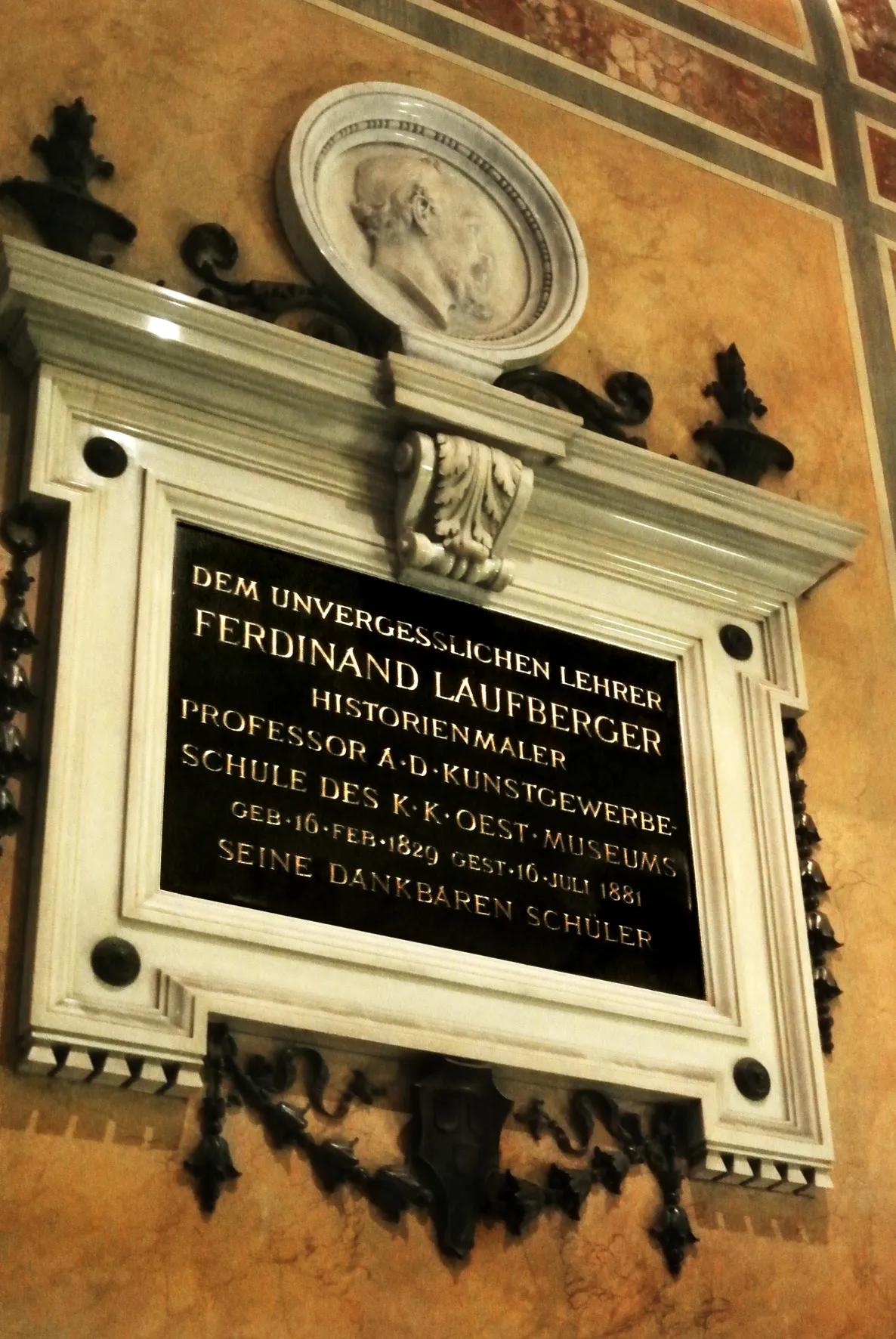
  • Ferdinand Laufberger created sgraffito frieze and fresco paintings

    Architecture

    Painter Ferdinand Laufberger created a sgraffito frieze and fresco paintings on the staircase's mirror vault for the museum's building. The outer façade's figures were recreated by students around 1893 after the original cartoons were lost.

  • Extension designed by Ludwig Baumann completed in 1908

    1908Construction

    An extension building located at Weiskirchnerstraße 3 was designed by Ludwig Baumann for the museum. This extension was completed in 1908.

Your MAK - Museum of Applied Arts Questions, Answered!

Ever wonder if the MAK - Museum of Applied Arts is open on Mondays or what time it closes on a Tuesday? While the museum takes a break on Mondays, you can enjoy its collections until 9 PM on Tuesdays. For these and many other practical details, find more answers below.

What is the general phone number for MAK - Museum of Applied Arts?

The general phone number for the porter at MAK - Museum of Applied Arts is +43 1 71136-0. For the Ticket Desk, you can call +43 1 71136-248, and for Guided Tours, the number is +43 1 71136-298.

What is the email address for general enquiries at MAK - Museum of Applied Arts?

For general enquiries, you can email MAK - Museum of Applied Arts at [email protected]. If your enquiry is specifically about education or guided tours, please use [email protected].

How can I contact MAK - Museum of Applied Arts?

You can contact MAK - Museum of Applied Arts for general enquiries via email at [email protected] or by calling the porter at +43 1 71136-0. For specific departments like ticketing or guided tours, dedicated numbers are available.

How do I contact MAK - Museum of Applied Arts about guided tours?

To contact MAK - Museum of Applied Arts regarding guided tours, you can email [email protected] or call +43 1 71136-298. Further information is also available on their dedicated education webpage.

Visitor Tips for MAK - Museum of Applied Arts

When planning your visit to the MAK - Museum of Applied Arts, please note that large bags, backpacks, and umbrellas are not permitted inside; free cloakroom facilities and paid lockers are available for convenient storage. Photography and filming are allowed for private purposes, provided no flash or tripods are used. Free Wi-Fi is accessible throughout the museum for all visitors. Additionally, the museum provides free admission for accompanying persons of visitors with disabilities, and assistance dogs are welcome.

MAK - Museum of Applied Arts: Visitor Profile

The MAK - Museum of Applied Arts in Vienna caters to visitors with an interest in design, applied arts, local heritage, and contemporary culture, offering insights into how these fields shape everyday life. The museum welcomes individuals keen on exploring diverse collections ranging from historical periods to modern artistic expressions. For those with accessibility needs, accompanying persons receive free admission, and assistance dogs are permitted. Visitors can take photos for private use, provided no flash or tripods are used, making it suitable for those who wish to capture their experience.

Images of MAK - Museum of Applied Arts

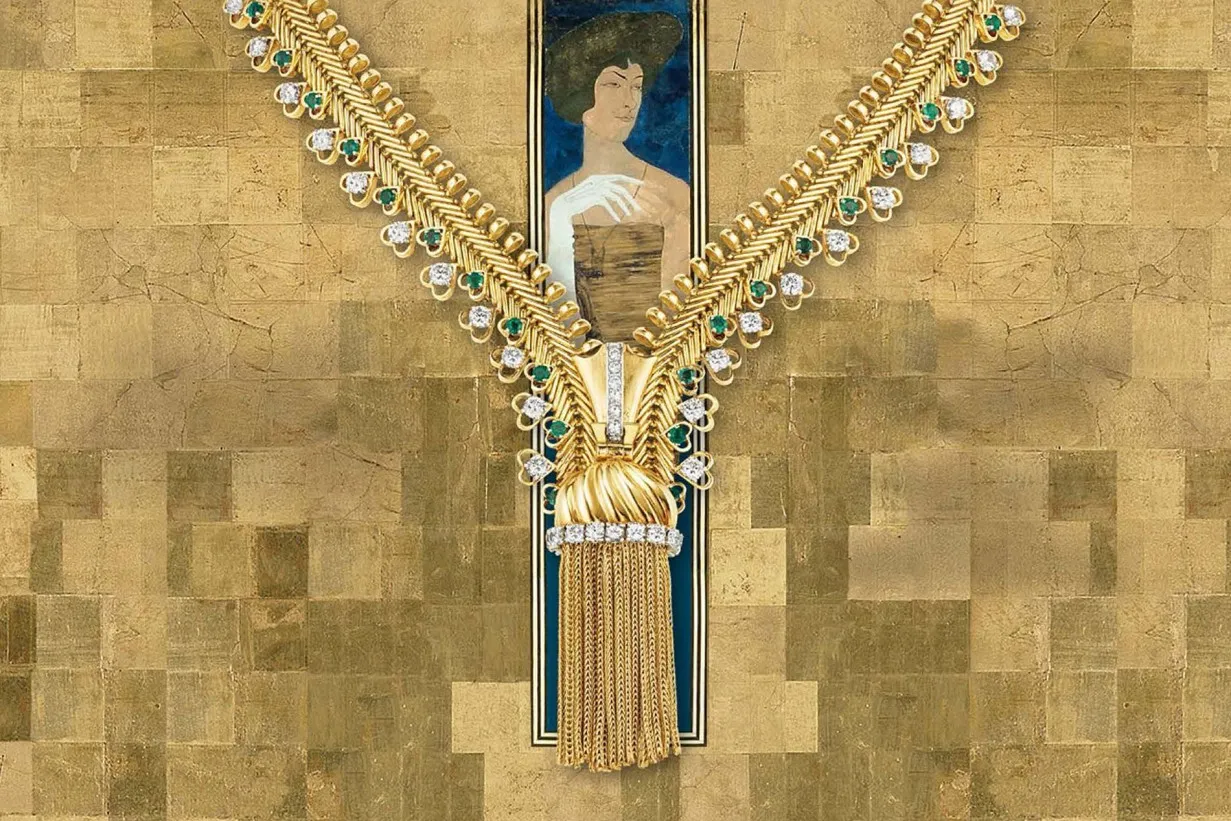
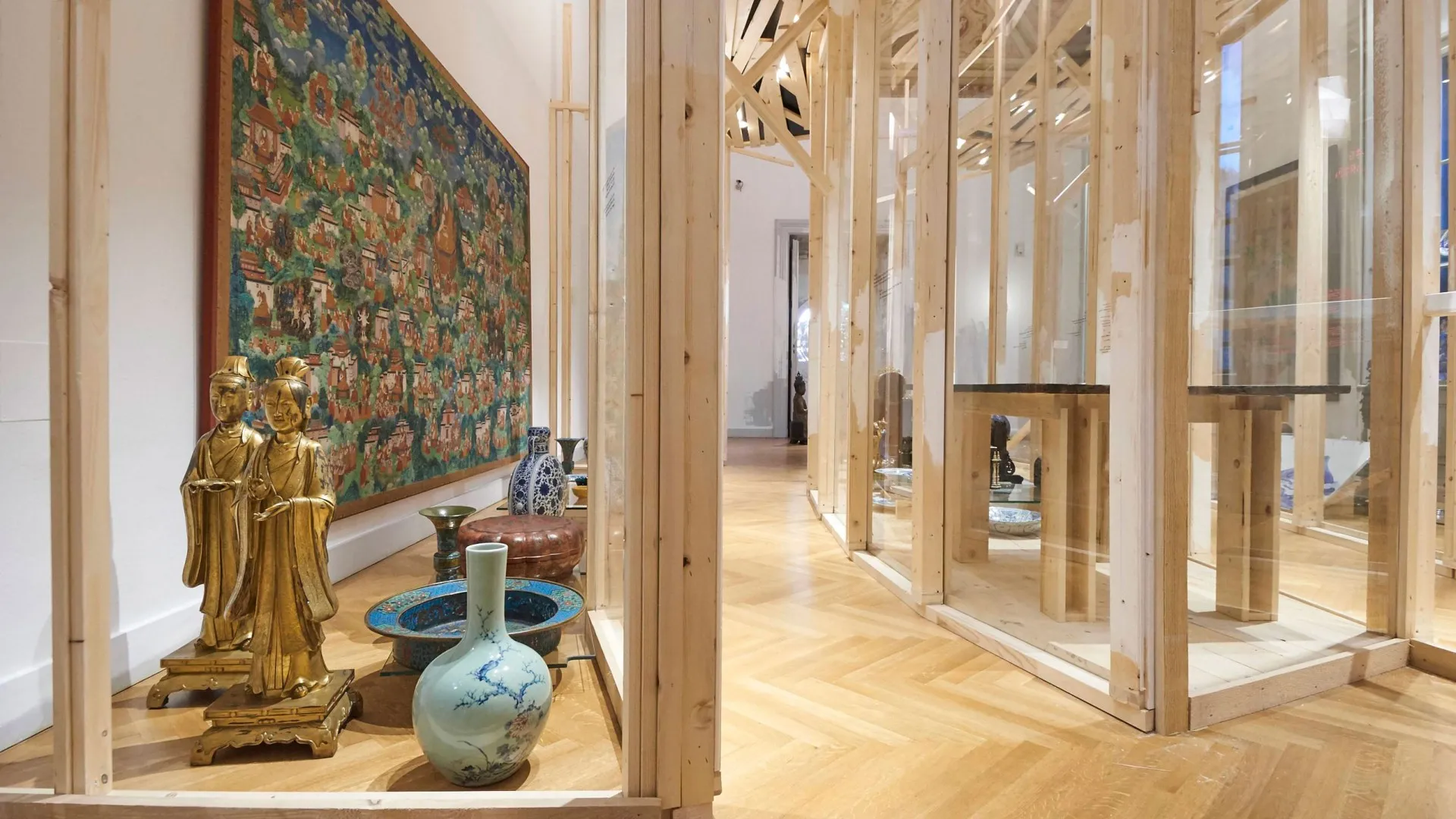
These images offer a visual tour of the MAK - Museum of Applied Arts in Vienna, highlighting its impressive architecture, from grand arched halls to its classical red-brick exterior. Explore diverse exhibition displays showcasing applied arts and design, including historical objects like intricate jewelry and tapestries, alongside functional design pieces. This gallery provides a comprehensive preview of the collections and spaces visitors can experience.
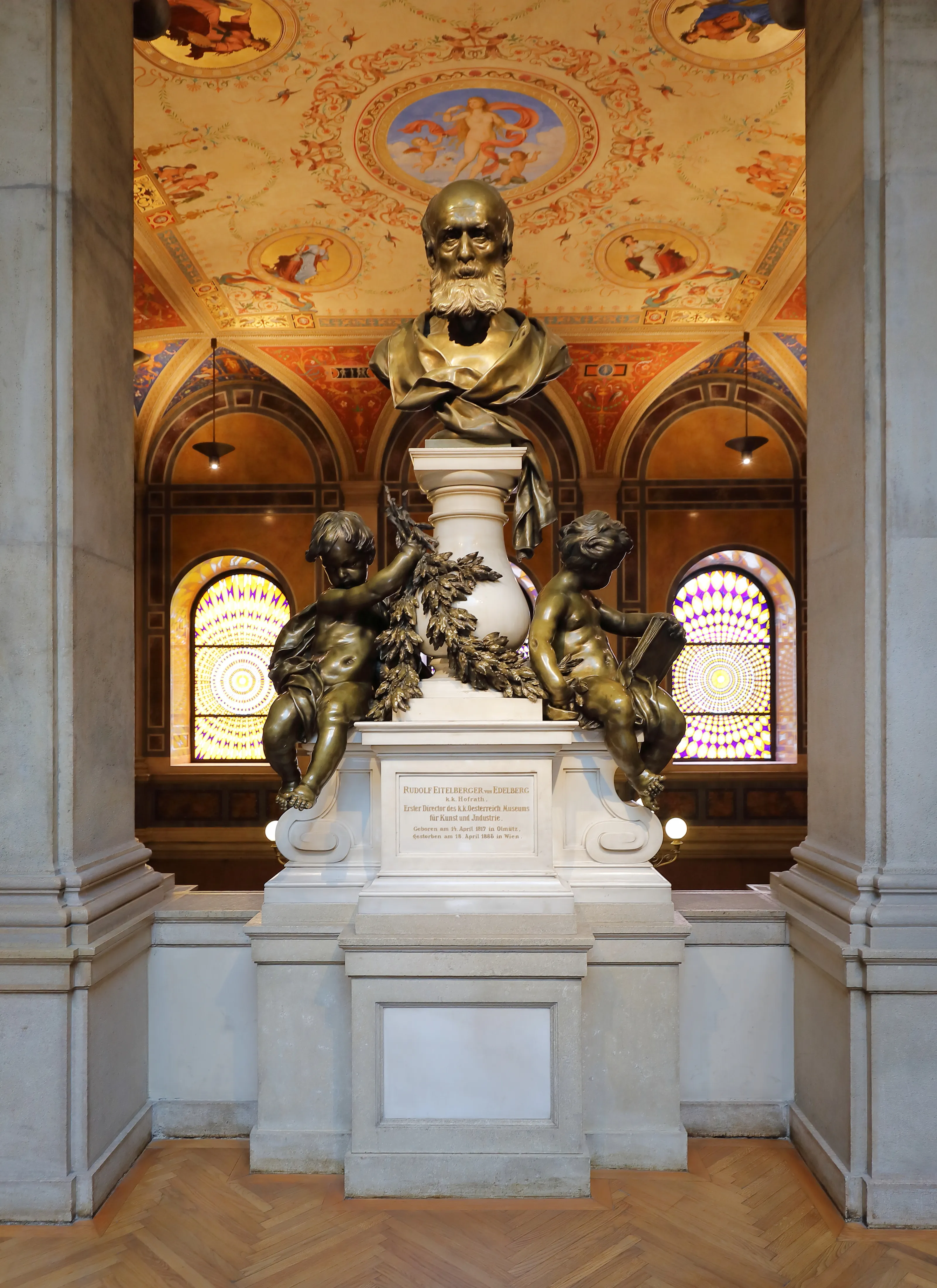
Interior view of the MAK - Museum of Applied Arts with a large arched hall, columns, and artwork on the walls
The MAK - Museum of Applied Arts building with red brick facade, arched windows, and a central entrance under a blue sky
Bronze bust of a bearded man on a white marble pedestal, flanked by two cherubic figures, inside a grand hall with ornate ceiling frescoes and stained-glass windows
The MAK - Museum of Applied Arts building at dusk, a large red-brick structure with illuminated windows, surrounded by trees and streetlights.
Ornate gold necklace with gemstones and a central portrait pendant displayed on a textured gold background
Exhibition gallery with a large tapestry, golden figurines, and a ceramic vase in glass cases
The MAK - Museum of Applied Arts building at dusk, with red-lit windows and a blue sky.
Wide interior view of the MAK Museum of Applied Arts Säulenhalle showing multi-level arched colonnades, stone columns, and a glass skylight ceiling with exhibition displays along the walls.
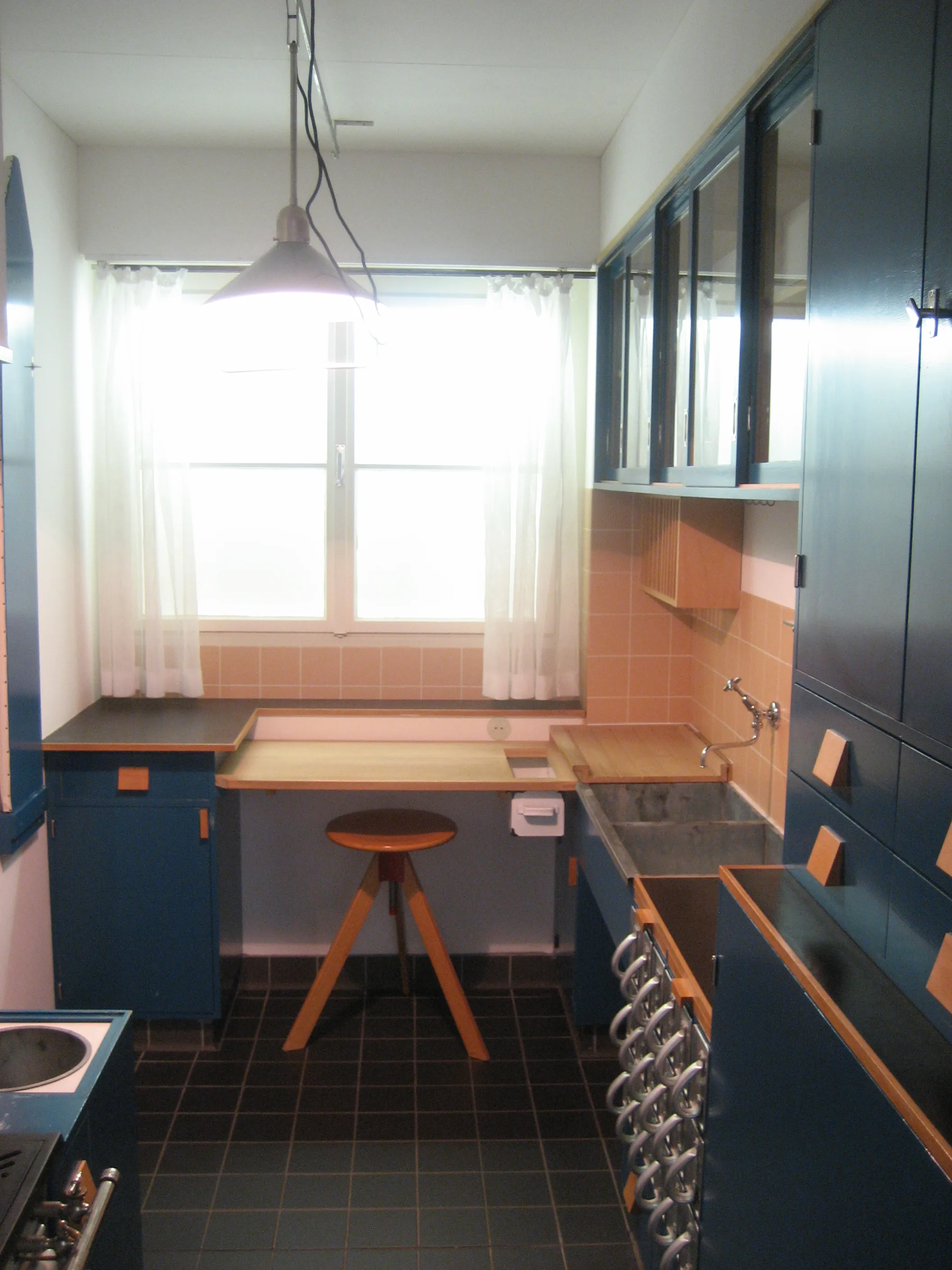
Interior of a kitchen with blue cabinets, a wooden stool, and a window with sheer curtains
commemorative plaque with german text honoring ferdinand laufberger on a decorative wall
Vienna

Find Museums in Vienna: Discover Cultural Sites by Interest and Theme

Uncover Vienna's rich artistic legacy, history, and scientific collections.

Explore the depth of Vienna's cultural offerings and discover institutions by what truly interests you. Whether it's historical landmarks, fine art, or specialized topics, easily locate your next memorable experience.

Explore MAK - Museum of Applied Arts with Vienna
Guides, visitor info, and museum details in Vienna
Find everything about MAK - Museum of Applied Arts in one place, including tickets, opening hours, current exhibitions, location details, visitor tips, nearby attractions, and the latest museum updates. Use these pages to plan your visit, discover what to see, and get practical information before you go.
Discover nearby museums similar to MAK - Museum of Applied Arts in Vienna and plan your next cultural stop with confidence.
These recommendations prioritize real proximity to MAK - Museum of Applied Arts and help you find high-fit alternatives faster across Vienna.
Use this curated list to compare museums near MAK - Museum of Applied Arts without opening multiple search pages. Each card gives you fast visual context and direct access to key details so you can decide quickly. If you are building a full day in Vienna, this section helps you chain nearby visits with less planning effort.