Vienna
Vienna · Reproductive History

Vienna's Museum of Contraception and Abortion

Delve into Vienna's specialist museum on reproductive health and social change.

HistoryScience

The Museum of Contraception and Abortion (MUVS) presents a detailed historical journey through reproductive health. Explore the evolution of contraception and abortion methods, from ancient practices to modern advancements, through a diverse collection of objects and educational content.

Discover the history of contraception and abortion at MUVS, showcasing methods and stories from ancient times to the present day.

Museum of Contraception and Abortion
About the Museum of Contraception and Abortion

The Museum of Contraception and Abortion (MUVS) in Vienna offers a comprehensive look into the historical and cultural aspects of reproductive health. Through its exhibits, the museum traces the development of contraception and abortion methods, alongside related social issues, from ancient civilizations to the present. It informs visitors about the diverse approaches and advancements in managing fertility and family planning throughout history, also covering pioneers and sexual education.
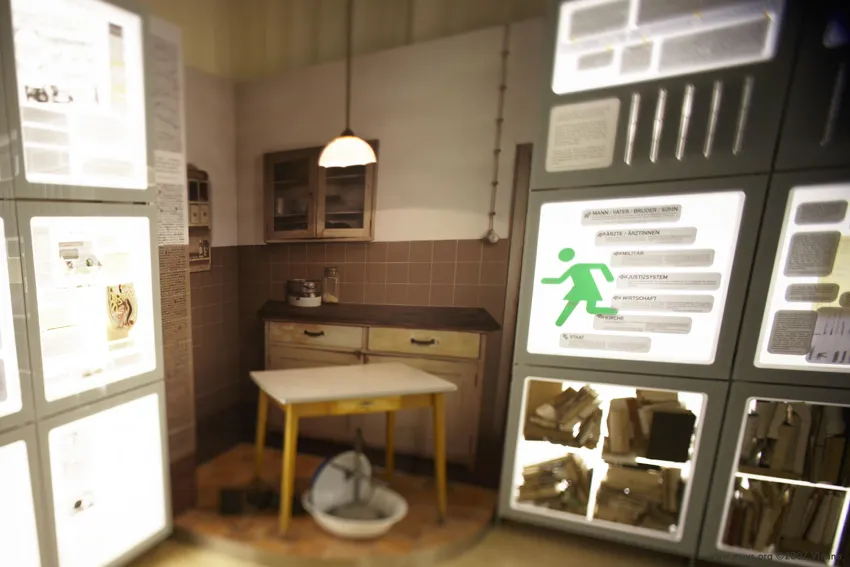
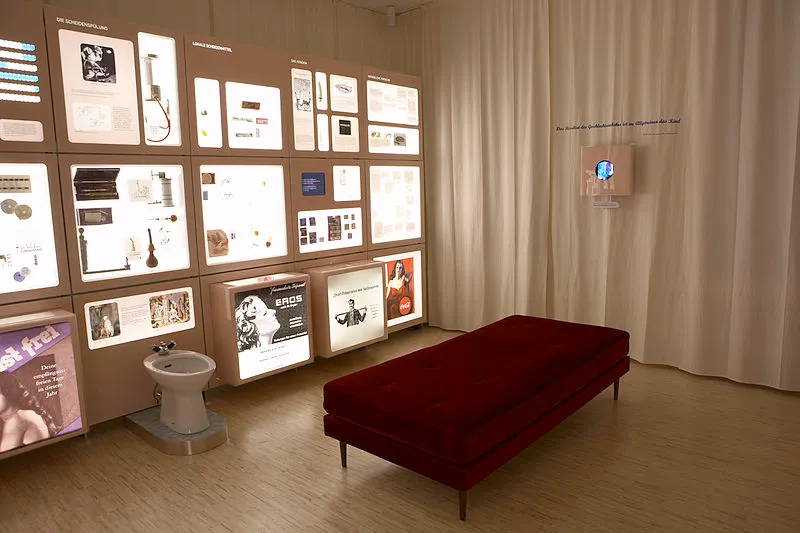
Exhibition display with illuminated panels, a table, and a medical device model in a museum room
Museum of Contraception and Abortion opening hours in Vienna

Check today’s opening status, weekly schedule, and special date changes for Museum of Contraception and Abortion. Use these opening hours to plan your arrival and avoid closed times in Vienna.

Monday
Tuesday
Wednesday
Thursday
Friday
Saturday
Sunday
-
-
14:00-18:00
14:00-18:00
14:00-18:00
14:00-18:00
14:00-18:00
Museum of Contraception and Abortion Tickets

Admission to the Museum of Contraception and Abortion is paid. Tickets are available for various visitor categories, including adults, students, and pupils. The museum also offers group tickets and specific guided tour options, some tailored for visitors up to 25 years of age. Please note that all guided tours must be booked in advance to secure your visit.

Adults
€10.00
Students and Apprentices
€8.00

Valid student or apprentice ID required

Club Vienna Card
€6.00

With Club Vienna Card

Museum of Contraception and Abortion in Vienna

The Museum of Contraception and Abortion is situated at Mariahilfer Gürtel 37, 1150 Vienna. This specialist museum offers a unique collection on reproductive history, with its location providing convenient access for visitors exploring cultural and historical sites in the Austrian capital. Its setting helps integrate the museum into a broader itinerary for those interested in its focused subject matter.

© OpenStreetMap contributors

Mariahilfer Gürtel 37

1150 Vienna

Vienna, AT

Planning Your Visit

A visit to the Museum of Contraception and Abortion in Vienna typically lasts about 90 minutes, and reservations are recommended. The museum provides audio tours via telephone, offering devices for international visitors. Guests should note its location on Mariahilfer Gürtel, distinct from Mariahilferstrasse.

Planning Your Visit

Museum of Contraception and Abortion Experience

The Museum of Contraception and Abortion in Vienna provides a comprehensive look into the historical and cultural facets of reproductive health. Through its collections and exhibits, visitors trace the evolution of contraception and abortion methods, from ancient civilizations to contemporary times. The museum features a wide array of historical objects, including early birth control devices, instruments, and various pregnancy tests. Displays delve into specific topics like vaginal barriers, coils, condoms, and sterilization, alongside the social contexts and pioneering figures. This unique institution informs about the diverse approaches, challenges, and advancements in managing fertility and family planning across centuries, offering insights into human ingenuity in reproductive health.

white-gloved hand holding a metallic medical instrument with multiple prongs and a spherical tip
Top exhibition picks at Museum of Contraception and Abortion
Curated museum program highlights and what to see now in Vienna
Discover high-interest exhibitions at Museum of Contraception and Abortion, selected to help you prioritize your route, compare show themes, and plan a more rewarding museum visit in Vienna.
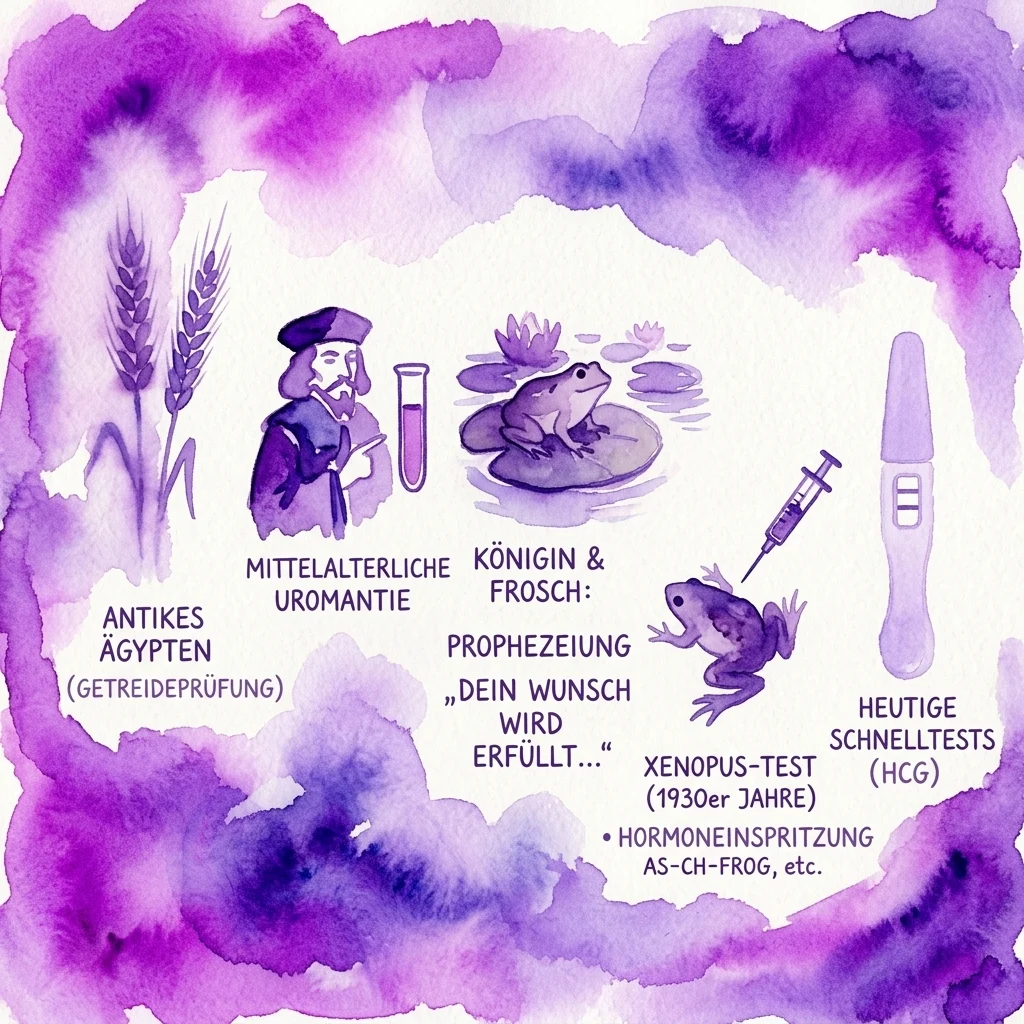
Illustration of the history of pregnancy testing, showing ancient Egyptian grain tests, medieval urine analysis, frog-based tests, and modern HCG tests, all in purple watercolor style.
Permanent exhibition

Pregnancy Test: Historical Methods at Museum of Contraception and Abortion

Explore ancient traditions to early scientific techniques for confirming conception.

This exhibition explores the evolving history of pregnancy testing, from ancient observational practices to pioneering scientific discoveries. Discover curious stories and diverse cultural approaches to understanding human conception across the centuries. It offers insights into women's health through a historical lens.

The Pregnancy Test
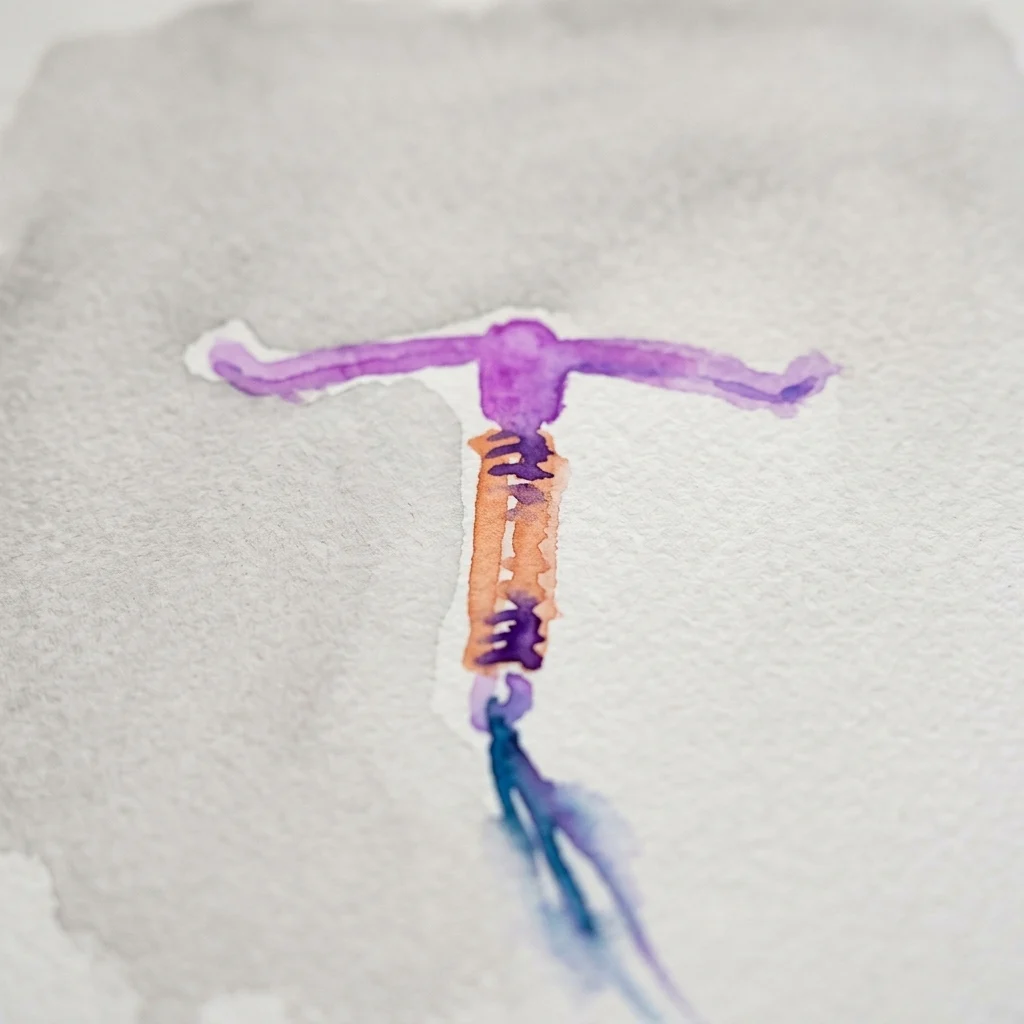
Watercolor illustration of a T-shaped intrauterine device (IUD) with purple arms, an orange copper coil, and a blue thread, displayed on textured paper.
Permanent exhibition

Explore the Swing CU 380 IUD Exhibition at the Contraception History Museum

A historical plastic and copper T-coil device from 1995.

This permanent exhibit showcases the Swing CU 380, an intrauterine device used for contraception. Examine this well-preserved 1995 medical object to understand its design and role in reproductive health.

Swing CU 380 Exhibit
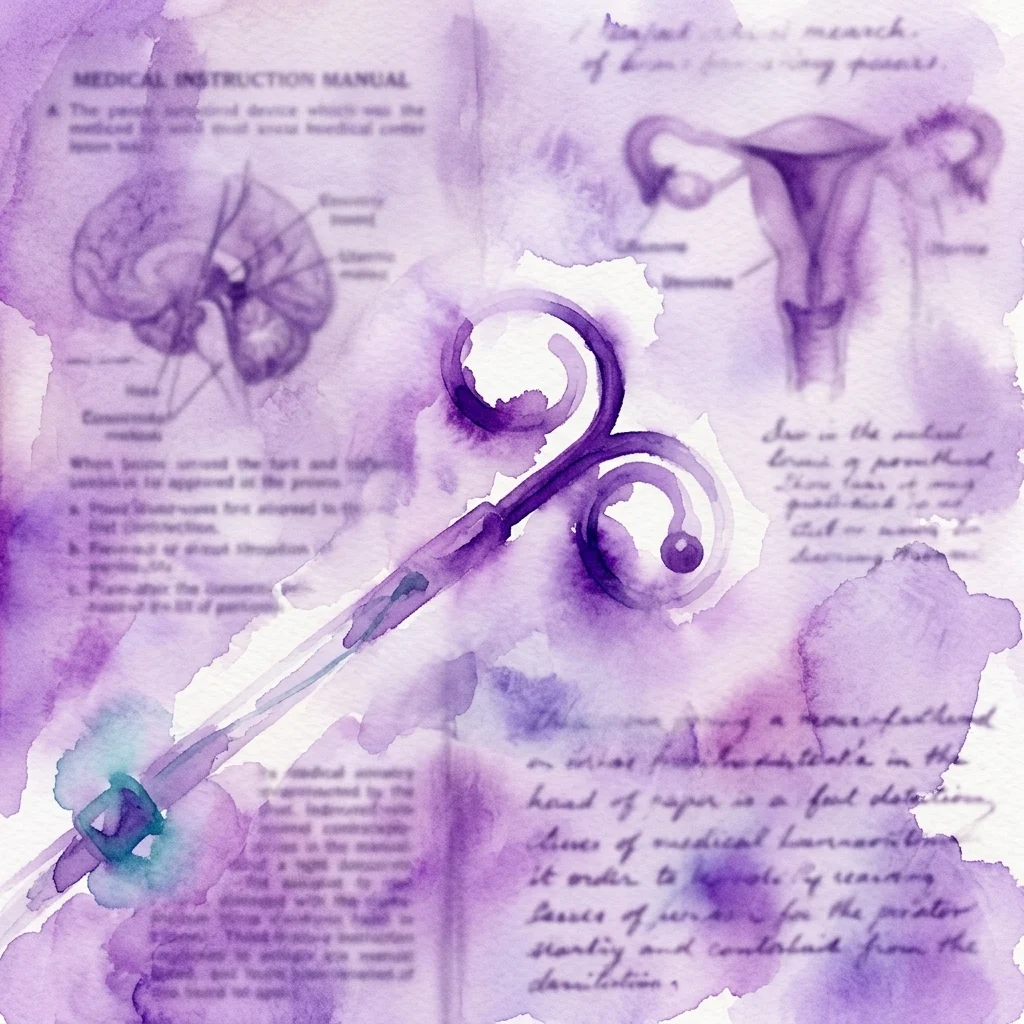
Close-up of a Saf-T-Coil 33S plastic spiral contraceptive with a small ball, displayed over medical instruction manuals and archival documents on a purple watercolor background.
Permanent exhibition

Saf-T-Coil 33S: 1970s Contraceptive Artifact at Museum of Contraception and Abortion

Explore this unique medical device and pharmaceutical history collection item.

Learn about the Saf-T-Coil 33S, a plastic spiral contraceptive collected for market research. This artifact from the early 1970s includes an instruction manual, offering insight into its design and historical use as a birth control device.

Saf-T-Coil 33S
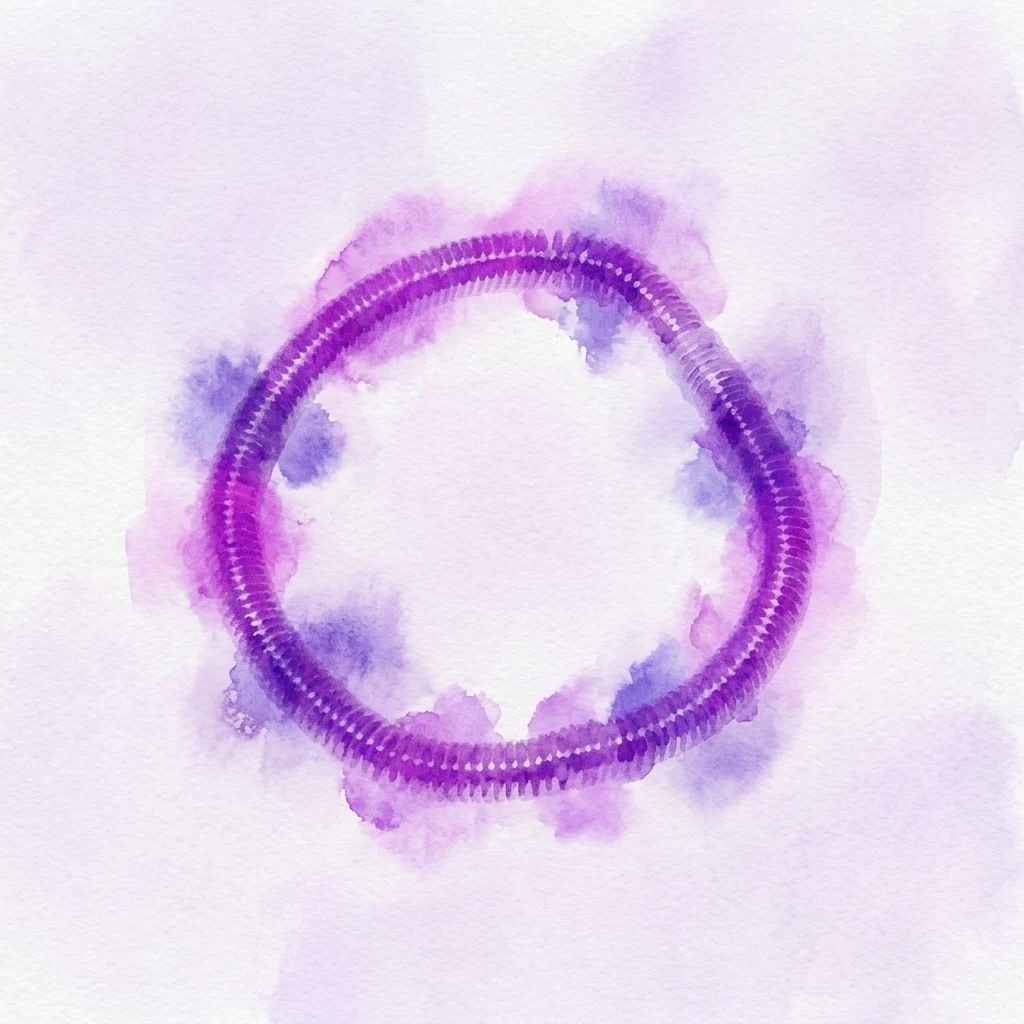
A watercolor illustration of the Gräfenberg Ring, a coiled wire contraceptive device from the early 20th century, rendered in purple and blue hues on a white background.
Permanent exhibition

The Gräfenberg Ring: A Historical Medical Device from Contraception Research

Pioneering contraceptive coil developed by Ernst Gräfenberg around 1920.

This entry explores the Gräfenberg Ring, an important coiled wire device made of medical steel. Learn about its origins as a contraceptive, linked to Ernst Gräfenberg and medical history around 1920.

Gräfenberg Ring
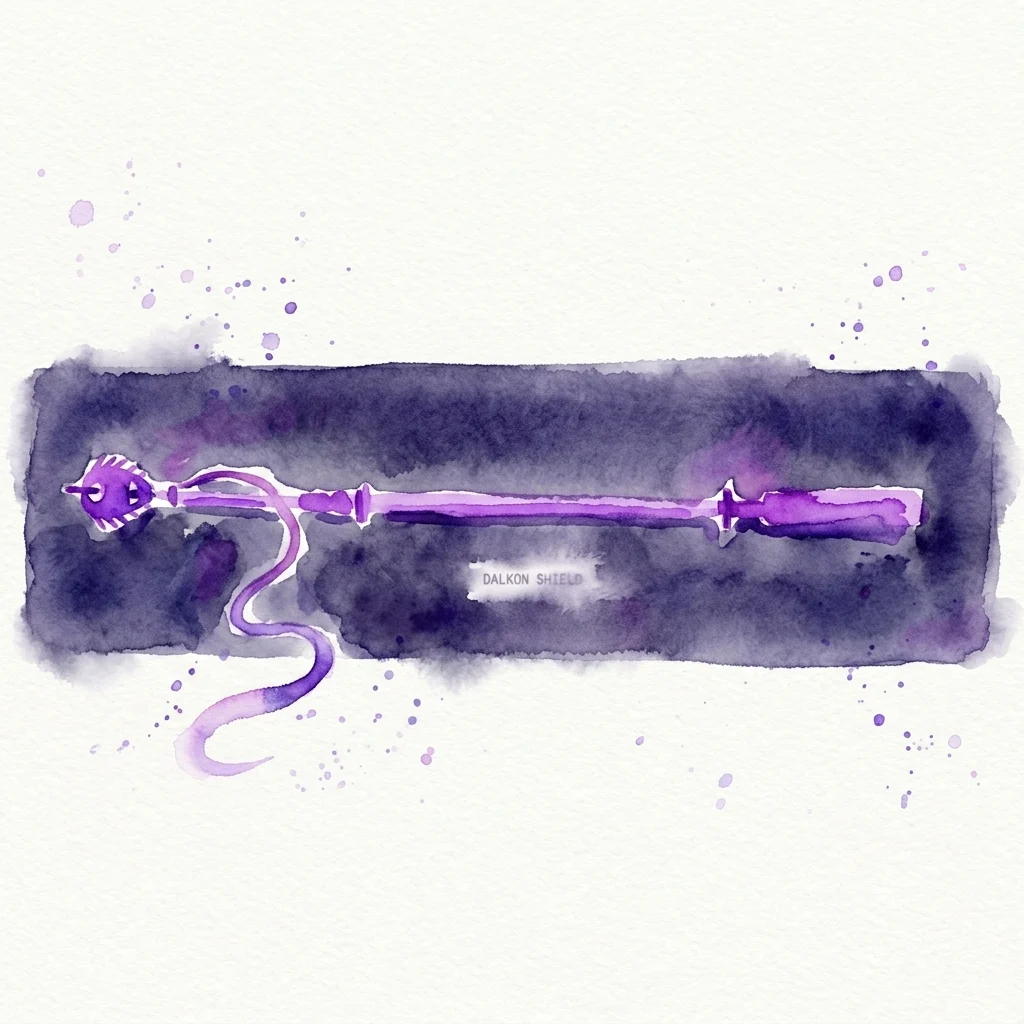
A purple watercolor illustration of a Dalkon Shield contraceptive device with its insertion applicator, displayed on a dark background with artistic splatters.
Permanent exhibition

Dalkon Shield (brown) with insertion device: A Medical History Artifact

Explore the controversial history of this contraceptive coil.

Examine a brown Dalkon Shield contraceptive coil and its specific insertion device. This artifact offers insight into past birth control technologies and their impact, forming part of the Museum of Contraception and Abortion's collection.

Dalkon Shield Exhibit
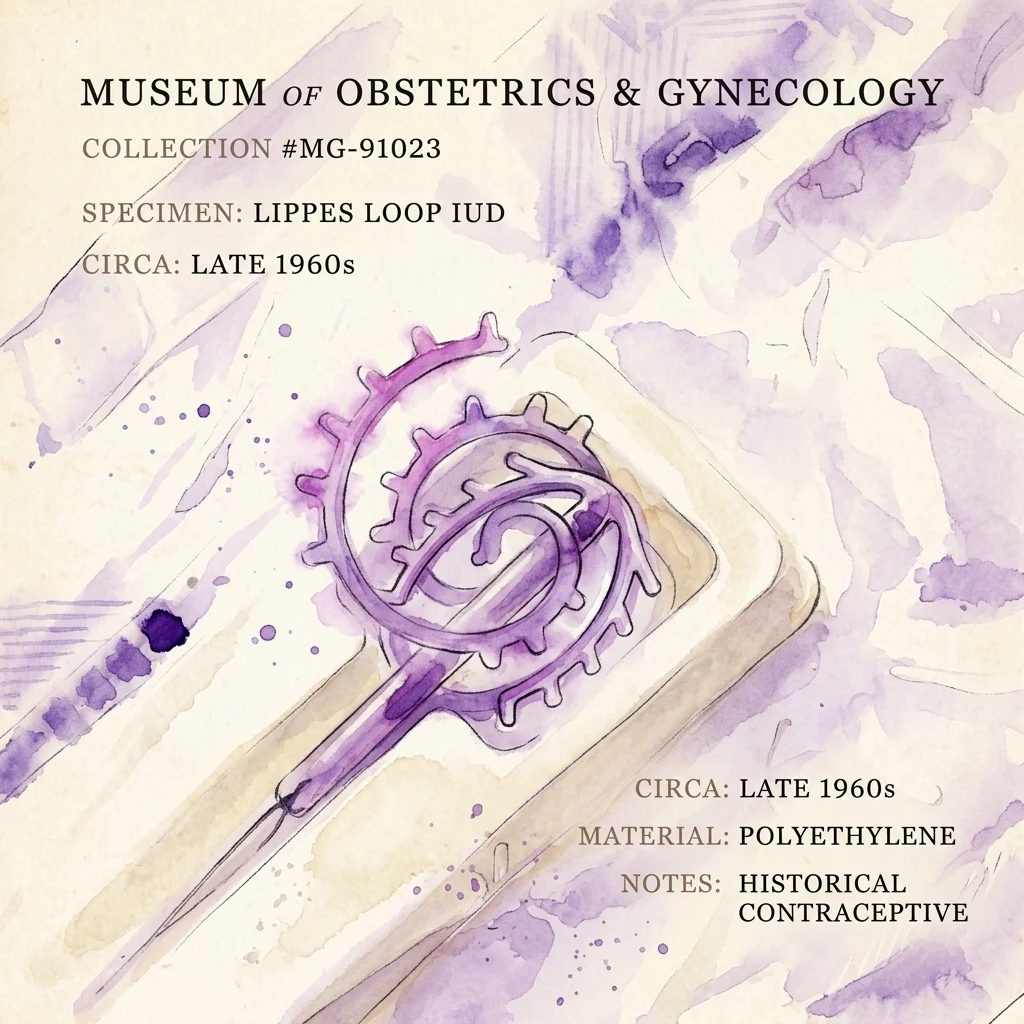
Illustration of a Lippes Loop IUD, a historical contraceptive device made of polyethylene, displayed in a museum collection from the late 1960s.
Permanent exhibition

Discover the Multiload: A Historical Contraceptive Device from 1979 Medical History

Explore the plastic spiral's design and its market research significance.

The Multiload is a unique historical artifact representing contraceptive technology from 1979. This distinctive plastic spiral with protruding teeth was a key item collected by a pill manufacturer for significant market research purposes.

Multiload Exhibit

Watercolor illustration of a Multiload Cu 250 short intrauterine device (IUD) with copper wrapping, set against a purple and white watercolor background.
Permanent exhibition

Multiload Cu 250 Short: An Intrauterine Device Medical Artifact from 1982 Germany

A significant artifact revealing 1980s contraception technology and market research.

This detailed entry describes the Multiload Cu 250 short, a plastic spiral IUD with copper wrapping. It was collected for market research and dates to December 1982, originating from Germany. Explore its specifications and historical significance within medical device history.

Multiload Cu 250 Short
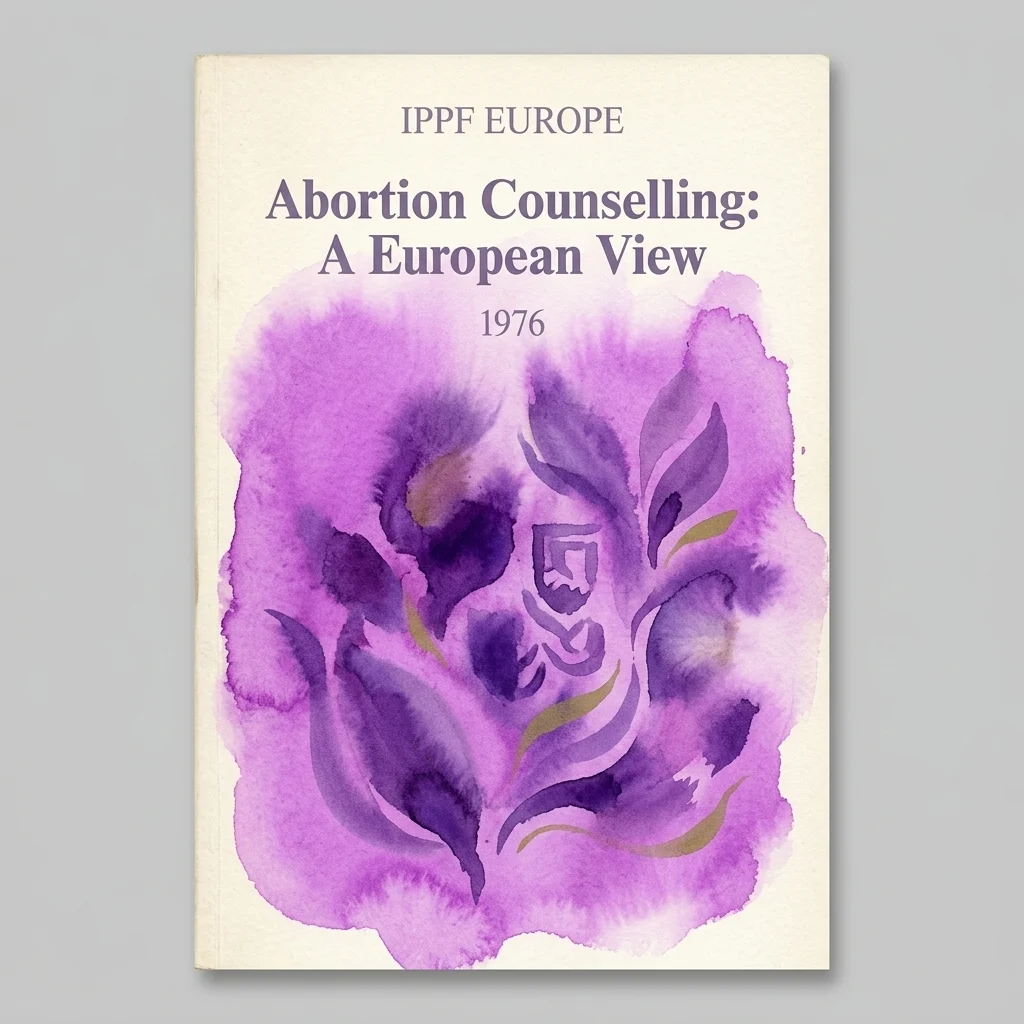
Cover of the 1976 book 'Abortion Counselling: A European View' by IPPF Europe, featuring a purple watercolor floral design on a cream background.

Abortion Counselling: A European View (1976) | Museum of Contraception

A historical publication on sex education by International Planned Parenthood Federation.

Explore this essential 1976 document detailing European perspectives on abortion counselling and sex education. Originally published by Stephen Austin & Sons Ltd., it provides historical insights into reproductive health. Learn about the International Planned Parenthood Federation's contribution.

View Publication

History of the Museum of Contraception and Abortion

The Museum of Contraception and Abortion was founded in Vienna in 2003 by gynaecologist Christian Fiala. Its purpose is to detail *historic forms* of birth control and encourage contraceptive use, alongside family planning techniques. The museum thus provides context on the evolution of reproductive health through the ages.

  • Museum founded in Vienna

    2003Founding

    The Museum of Contraception and Abortion was founded in Vienna, Austria, by gynaecologist Christian Fiala in 2003. Its purpose is to detail historic forms of birth control and encourage contraceptive use and family planning techniques.

Curious About Your Visit? Museum of Contraception and Abortion FAQs

Have a burning question about your visit to the Museum of Contraception and Abortion in Vienna, like when we're open or if we offer free entry? We've got the answers to those practical queries and more, ensuring your planning is as smooth as possible.

What is the phone number for general inquiries at the Museum of Contraception and Abortion?

The phone number for general inquiries at the Museum of Contraception and Abortion is +43/699/178 178 04.

How do I contact the Museum of Contraception and Abortion to book a tour?

To book a tour at the Museum of Contraception and Abortion, please use the dedicated email [email protected] or call +43/699/178 178 06.

How can I contact the Museum of Contraception and Abortion for general inquiries?

For general inquiries, you can reach the Museum of Contraception and Abortion via email at [email protected].

How long does it take to visit the Museum of Contraception and Abortion?

A typical visit to the Museum of Contraception and Abortion is estimated to take approximately 90 minutes.

Planning Your Visit to the Museum of Contraception and Abortion

To enhance your experience at the Museum of Contraception and Abortion, planning ahead is recommended. A typical visit to the museum generally takes about 90 minutes, and making a reservation in advance is advised. For those interested, group tours can be arranged by request for times outside of regular operating hours. Audio tours are accessible via telephone, and international visitors can be provided with cell phones for temporary use during their visit. It is also helpful to note that the museum is located on the Mariahilfer Gürtel, which should not be confused with the nearby Mariahilferstrasse.

Visitor Fit and Experience

The Museum of Contraception and Abortion in Vienna is designed for visitors interested in the history of science and social change, particularly concerning reproductive health. It is well-suited for students, solo explorers, couples, and groups seeking a focused educational experience. Guests can anticipate a visit duration of approximately 90 minutes. Reservations are recommended for a smoother experience, and audio tours are available to enhance understanding.

Museum of Contraception and Abortion Photo Gallery

Explore the photo gallery of the Museum of Contraception and Abortion in Vienna to preview its unique exhibits. You can expect images showcasing historical objects like early birth control devices and medical instruments, alongside displays that trace the evolution of reproductive health and social changes across centuries. These visuals provide insight into the museum's comprehensive collection on contraception, abortion, and family planning.


Brown ceramic contraceptive device with a black handle photographed against a pale pink background.
white-gloved hand holding a metallic medical instrument with multiple prongs and a spherical tip
Exhibition display with illuminated panels, a table, and a medical device model in a museum room
yellow sign with gray and black text reading MUVS MUSEUM OF CONTRACEPTION AND ABORTION
yellow text logo MUVS on a black background
Exhibition room with illuminated display cases, a red bench, and a medical device on a pedestal
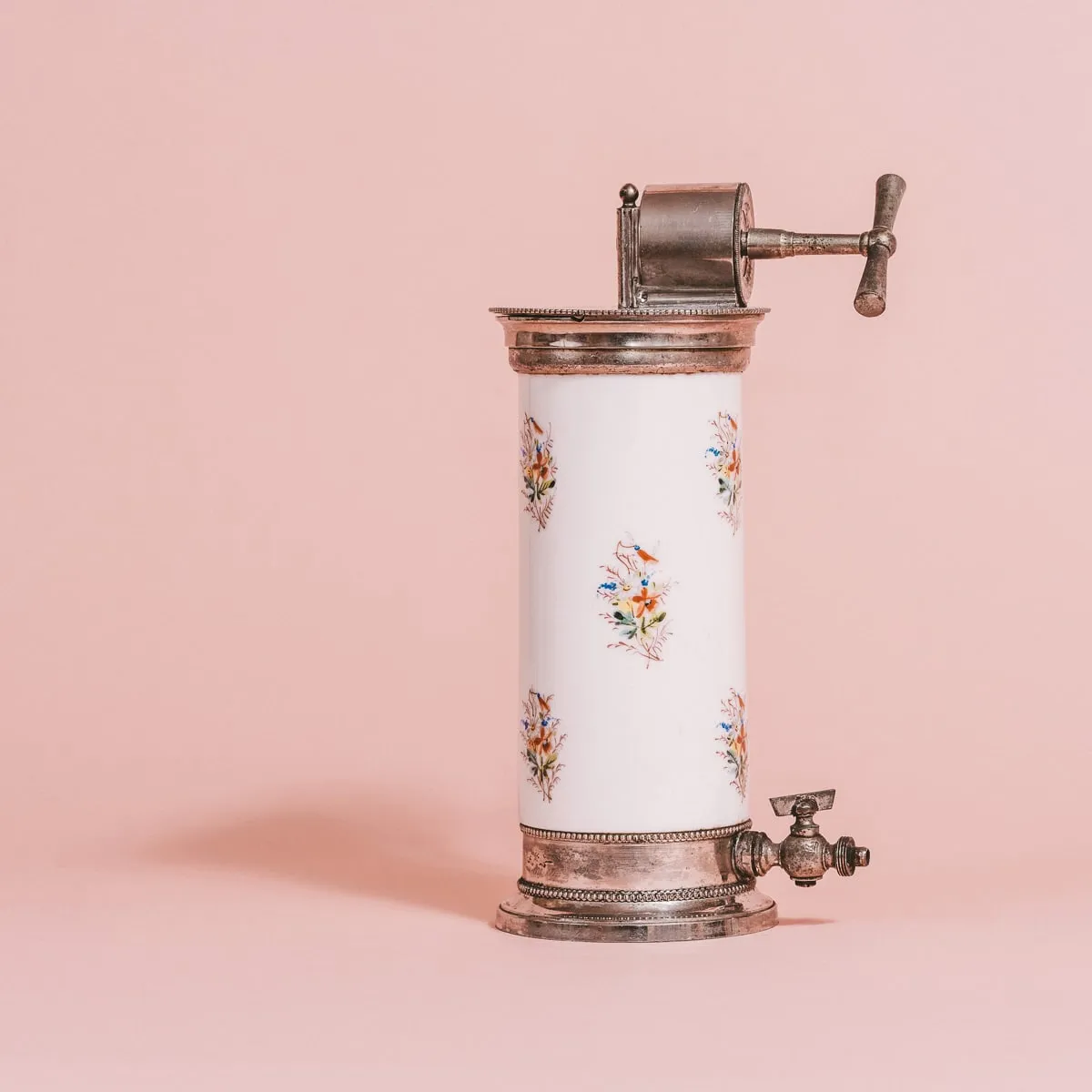
vintage ceramic device with floral patterns and metal attachments
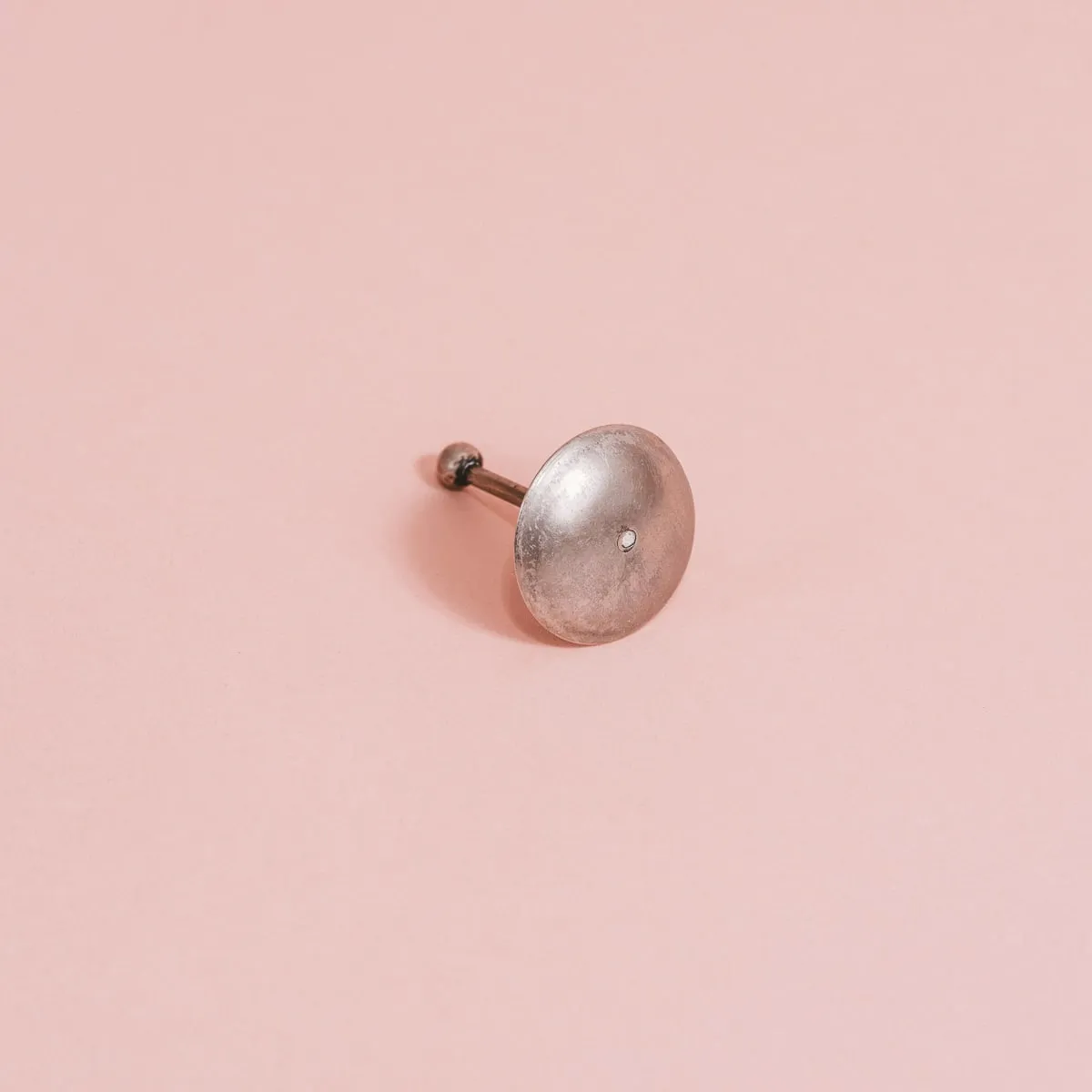
metallic disc-shaped object on pink background
black and white cylindrical object with printed diagrams and text on a pink surface
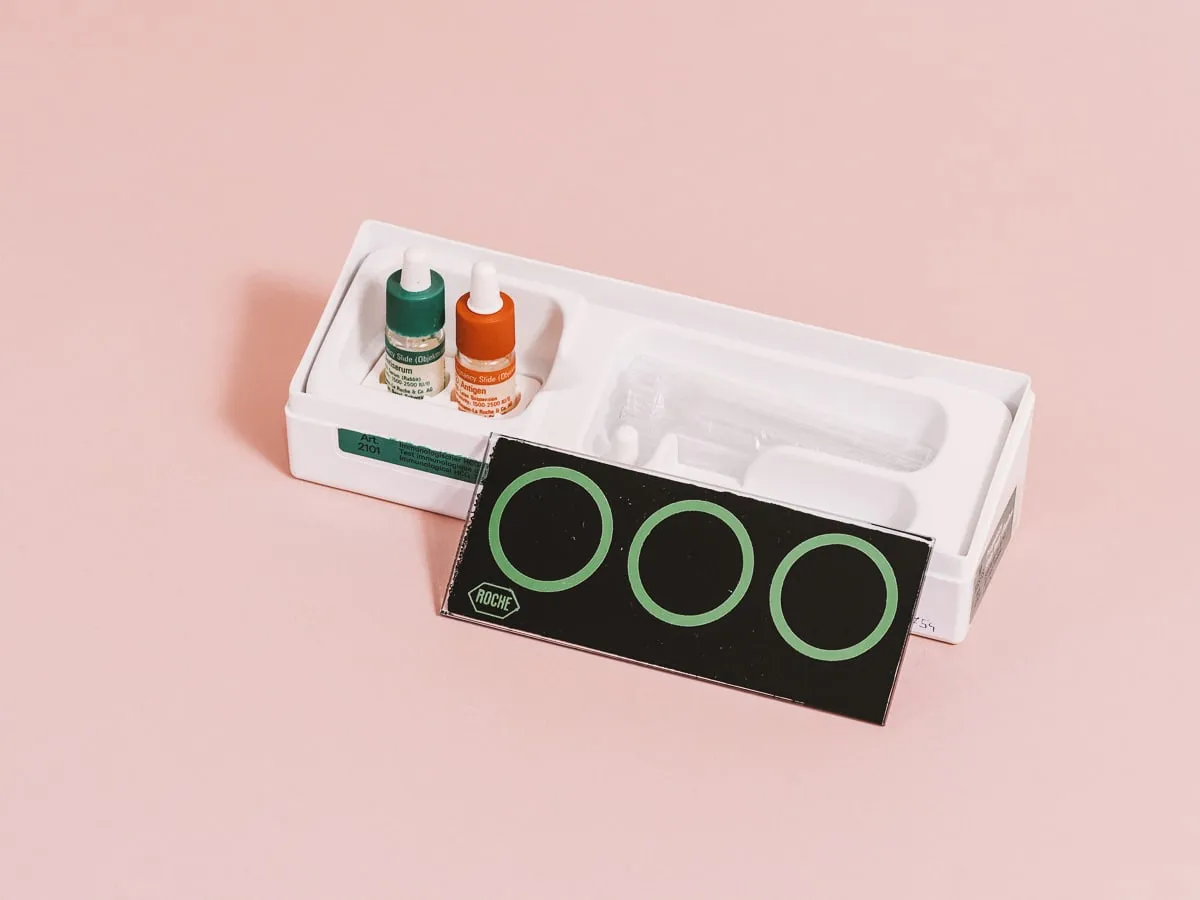
A white box with two small bottles and a black card with three green circles on a pink surface
Vienna

Find Museums in Vienna: Discover Cultural Sites by Interest and Theme

Uncover Vienna's rich artistic legacy, history, and scientific collections.

Explore the depth of Vienna's cultural offerings and discover institutions by what truly interests you. Whether it's historical landmarks, fine art, or specialized topics, easily locate your next memorable experience.


Explore Museum of Contraception and Abortion with Vienna
Guides, visitor info, and museum details in Vienna
Find everything about Museum of Contraception and Abortion in one place, including tickets, opening hours, current exhibitions, location details, visitor tips, nearby attractions, and the latest museum updates. Use these pages to plan your visit, discover what to see, and get practical information before you go.
Discover nearby museums similar to Museum of Contraception and Abortion in Vienna and plan your next cultural stop with confidence.
These recommendations prioritize real proximity to Museum of Contraception and Abortion and help you find high-fit alternatives faster across Vienna.
Use this curated list to compare museums near Museum of Contraception and Abortion without opening multiple search pages. Each card gives you fast visual context and direct access to key details so you can decide quickly. If you are building a full day in Vienna, this section helps you chain nearby visits with less planning effort.