This content explores the history of the Leopoldstädter Tempel, Vienna's largest Jewish house of worship, from its opening in 1858 to its destruction in 1938. It details its architectural significance, the events surrounding its construction and use, and its legacy as a memorial.
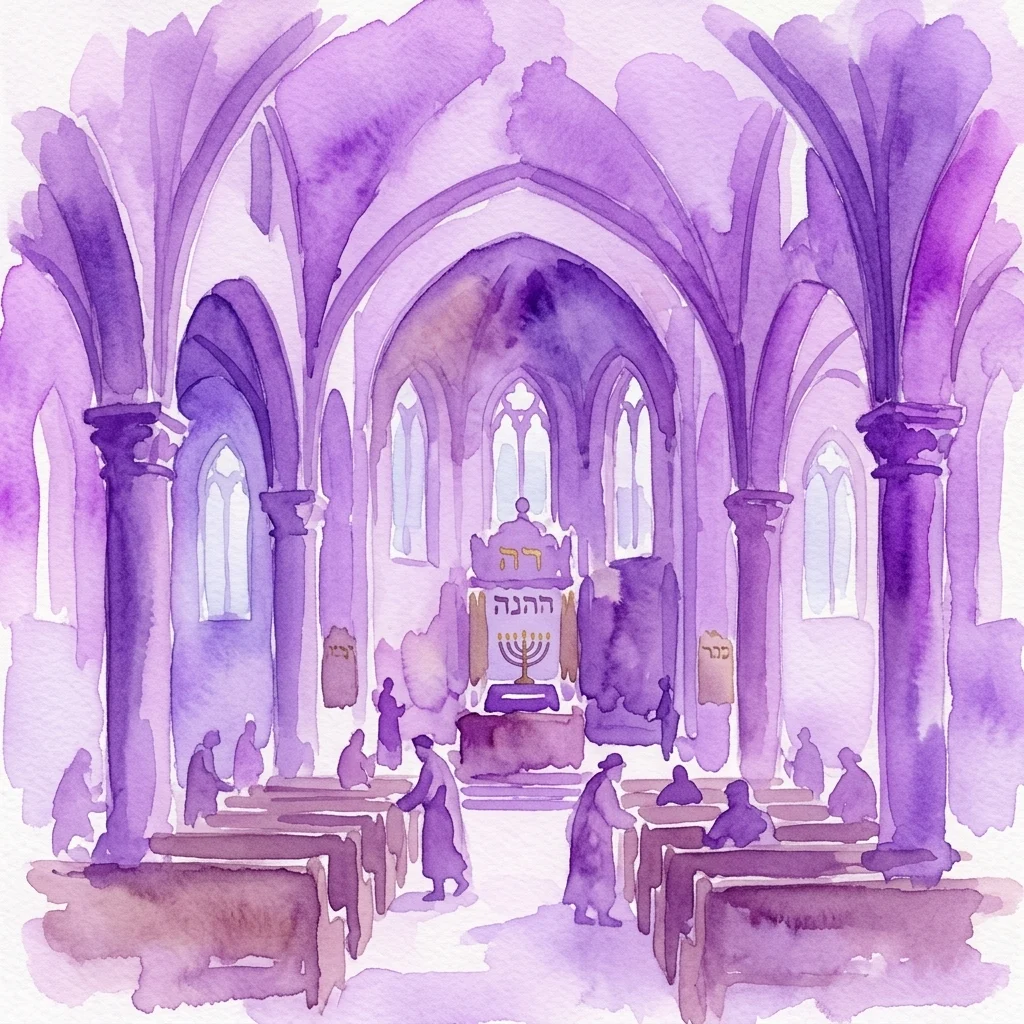
The Leopoldstädter Tempel, once the largest Jewish house of worship in Vienna, stood as a significant symbol of Jewish emancipation and community life. Opened in 1858 after a four-year construction period, it was Vienna's first free-standing synagogue, designed by architect Ludwig von Förster with numerous orientalizing stylistic elements reminiscent of the Solomon's Temple. The opening ceremony was attended by dignitaries from all classes and confessions, with an inaugural speech by Rabbi Dr. Adolph Jellinek and musical accompaniment by Cantor Salomon Sulzer.
Over the decades, the Tempel underwent expansions and additions, housing the Israelitisch-Theologische Lehranstalt. A devastating fire in 1917, following a service for Jewish soldiers, rendered it unusable for several years. Rabbi Dr. Max Grunwald, a respected scholar and leader, notably described the Tempel as a 'memorial to reconciliation' on Viennese soil during the aftermath of the fire. It was subsequently restored and reopened in 1921. Tragically, like all other Viennese synagogues, the Leopoldstädter Tempel was plundered and burned down in the November Pogrom of 1938. Today, four white columns stand at its former site, serving as a memorial to its past significance.