Bath
East Asian heritage and art

The Museum of East Asian Art

Discover historic treasures from across East and Southeast Asia in the heart of Bath.

ArtHistoryDesign

A specialist museum displaying art and material culture from China, Japan, Korea and Southeast Asia. A compact permanent collection and changing exhibitions introduce artistic traditions across East and Southeast Asia through objects made over many centuries.

A specialist museum displaying art and material culture from China, Japan, Korea and Southeast Asia.
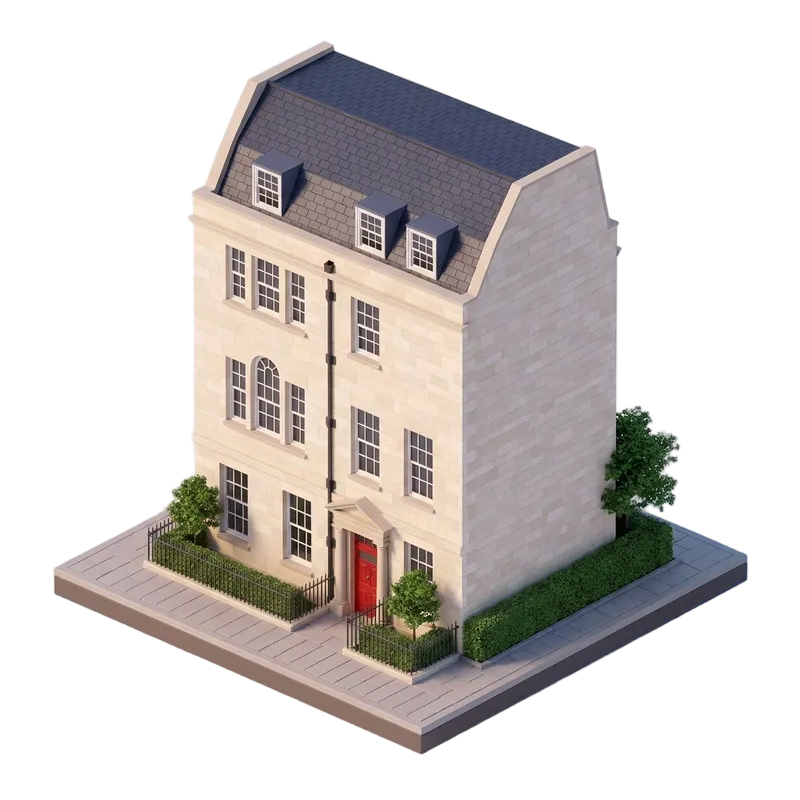
Museum of East Asian Art
About the Museum of East Asian Art

The Museum of East Asian Art in Bath is a specialist institution dedicated to the material culture of China, Japan, Korea, and Southeast Asia. Visitors can explore a compact permanent collection alongside changing exhibitions that highlight diverse artistic traditions through ceramics, jade, and metalwork. This focused gallery space provides a thoughtful, immersive way to engage with historical Asian craftsmanship.
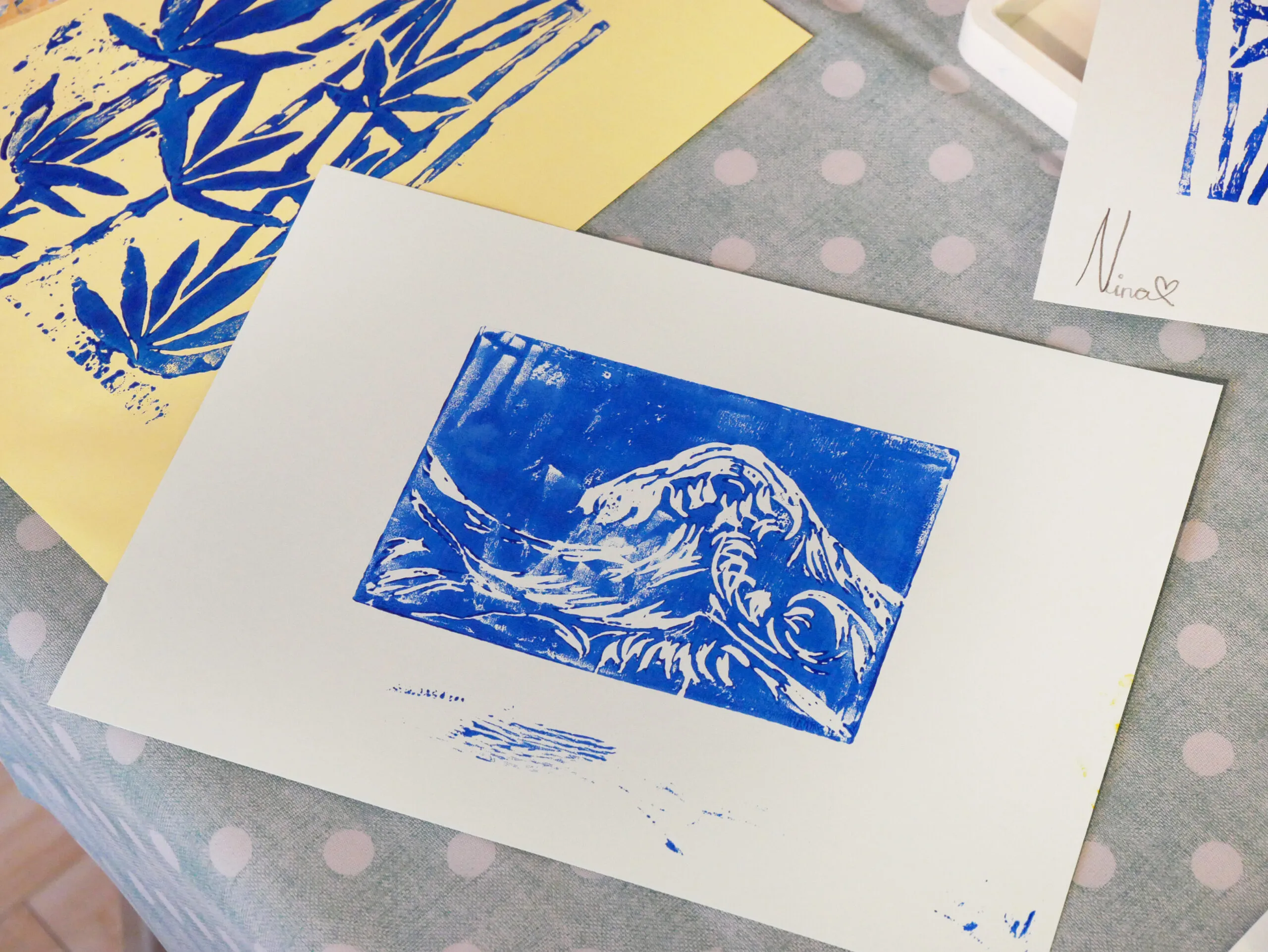
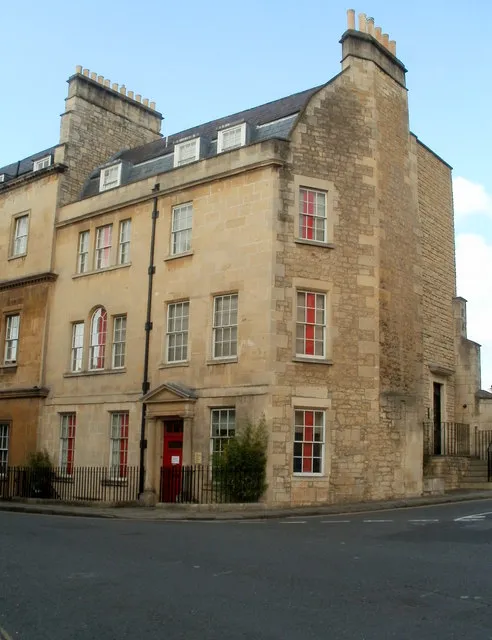
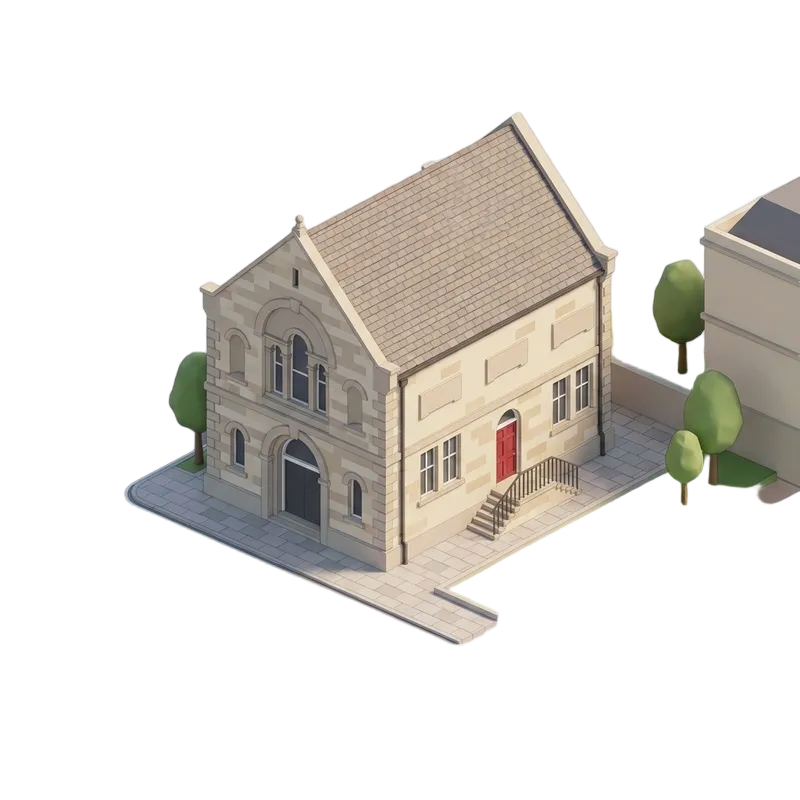
Representative view of Museum of East Asian Art in Bath.
Museum of East Asian Art opening hours in Bath

Check today’s opening status, weekly schedule, and special date changes for Museum of East Asian Art. Use these opening hours to plan your arrival and avoid closed times in Bath.

Monday
Tuesday
Wednesday
Thursday
Friday
Saturday
Sunday
-
10:30-17:00
10:30-17:00
10:30-17:00
10:30-17:00
10:30-17:00
-
Admission and Ticket Information

The Museum of East Asian Art offers various ticket categories including standard adult admission and reduced rates for seniors and students with valid identification. Admission is free for individuals under eighteen, as well as for Friends of the Museum or BBFA members. Visitors holding specific membership cards, such as the B&NES Discovery Card or Art Fund National Art Pass, also receive a reduced rate. Tickets are available for purchase at the door.

Adult
£7.50
Senior
£6.50
Student with valid ID
£3.75
Visitor Amenities at the Museum of East Asian Art

The Museum of East Asian Art offers a variety of practical facilities to ensure a comfortable visitor experience, including gender-neutral toilets and baby-changing stations. While accessibility is supported by a visitor lift and an accessible toilet, access to some display areas remains limited due to the building's layout. Visitors can also take advantage of on-site retail, seating options, and convenient access to local public transport and nearby cycle parking.

Accessible toilet

Available

Visitor lift

Available

Assistance dogs welcome

Available

Lift access to main galleries

Limited
Family visits at the Museum of East Asian Art

The Museum of East Asian Art offers an accessible environment for families, featuring a compact collection of Chinese, Japanese, Korean, and Southeast Asian decorative arts. With free admission for visitors under 18, the museum provides an opportunity to explore changing exhibitions together. Those planning a visit can expect a generally quieter atmosphere on weekday mornings.

Recommended age: Up to age 17

Under-18s enter free, making the compact collection of Chinese, Japanese, Korean and Southeast Asian art an accessible family stop.

Why families will enjoy it

  • Free under-18 admission
  • East Asian decorative arts
  • Changing exhibitions
  • Weekday-morning quieter period
Location and setting in Bath

The Museum of East Asian Art is located on Bennett Street in the Walcot neighborhood of Bath. Its central position within the city makes it an ideal stop for those exploring the historic area's diverse cultural offerings. Visitors can easily incorporate the museum's specialist collections of East and Southeast Asian art into a broader day of discovery among the nearby streets and public spaces.

© OpenStreetMap contributors

Bennett Street 12

BA1 2QJ Bath

Walcot, England, GB

Planning Your Visit to the Museum of East Asian Art

Visitors should allow 60 to 90 minutes to explore the collections housed at the Museum of East Asian Art in the Walcot neighborhood of Bath. Reserving tickets in advance is recommended to ensure your entry, and checking the specific daily schedule is essential as hours vary. Upon arrival at Bennett Street, please note that student identification is required to claim relevant discounts.

Planning Your Visit to the Museum of East Asian Art

Exploring the Museum of East Asian Art Collections

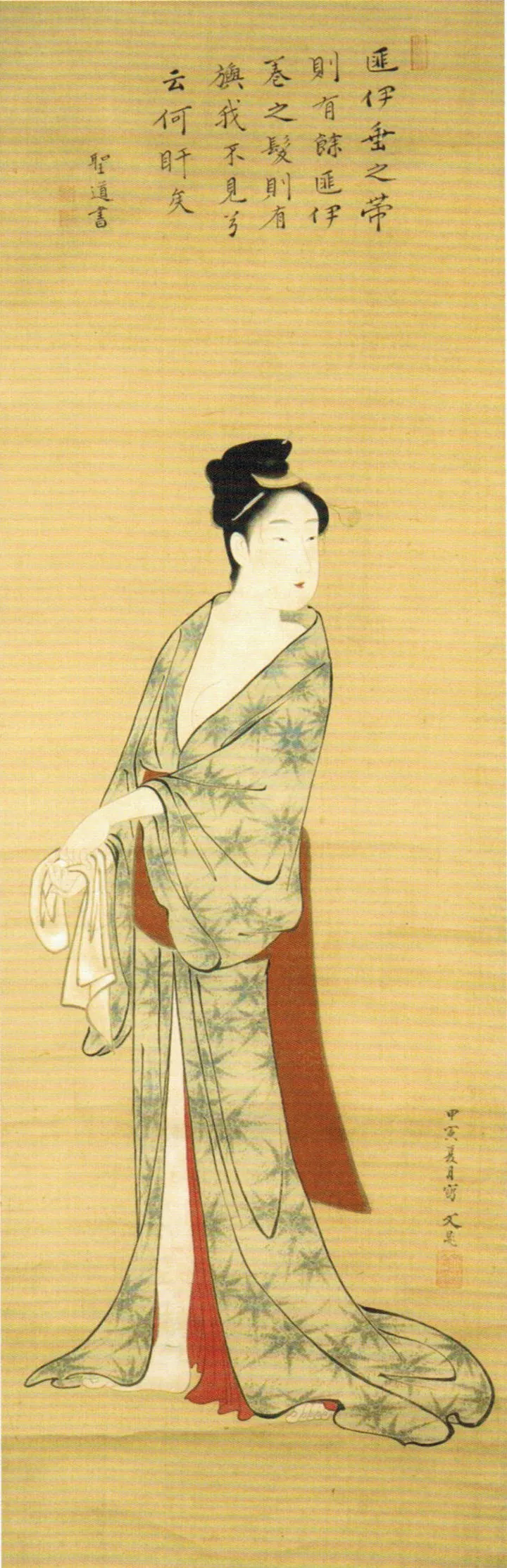
The Museum of East Asian Art offers a distinctive cultural experience in the Walcot area of Bath. This specialist venue presents an intimate look at the material culture and artistic traditions of China, Japan, Korea, and Southeast Asia. Visitors can engage with a compact permanent collection alongside changing exhibitions that highlight intricate ceramics, jade, and metalwork. These objects span many centuries, allowing guests to trace regional connections in a focused setting. The museum provides a meaningful opportunity to study diverse design and history within an elegant townhouse environment.
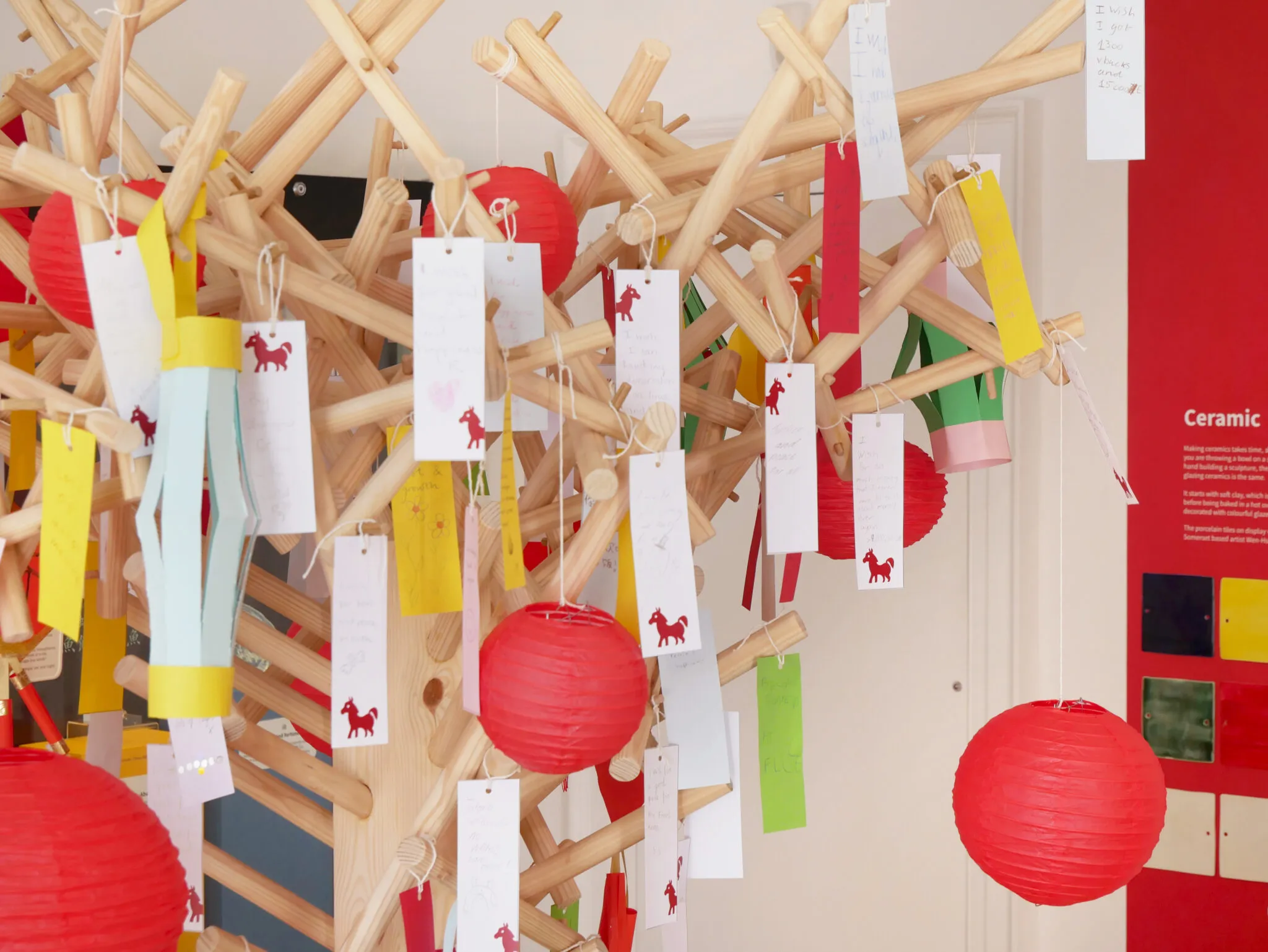
Interior view of Museum of East Asian Art in Bath.
Top exhibition picks at Museum of East Asian Art
Curated museum program highlights and what to see now in Bath
Discover high-interest exhibitions at Museum of East Asian Art, selected to help you prioritize your route, compare show themes, and plan a more rewarding museum visit in Bath.
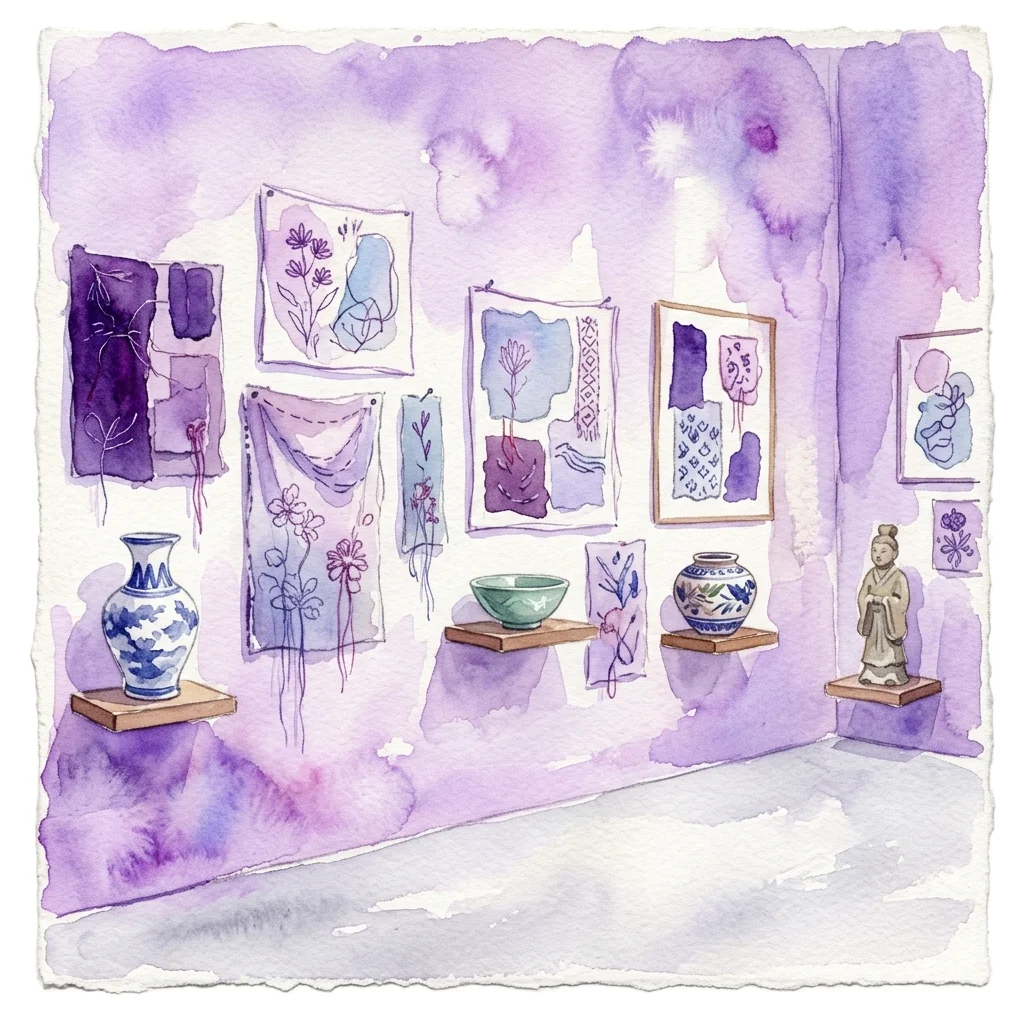
Watercolor illustration of a gallery wall washed in purple, displaying embroidered textile artworks and stitched drawings alongside a blue and white porcelain vase, a celadon bowl, a ceramic jar, and a small figurine on wooden shelves.

Gifting Exhibition by Young In Hong at the Museum of East Asian Art

Exploring systems of value and human connection through textile art.

Young In Hong investigates cultural traditions and social hierarchies by pairing embroidered works with the museum collection. This dialogue between contemporary practice and historical holdings challenges conventional views on artistic value.

Gifting Exhibition
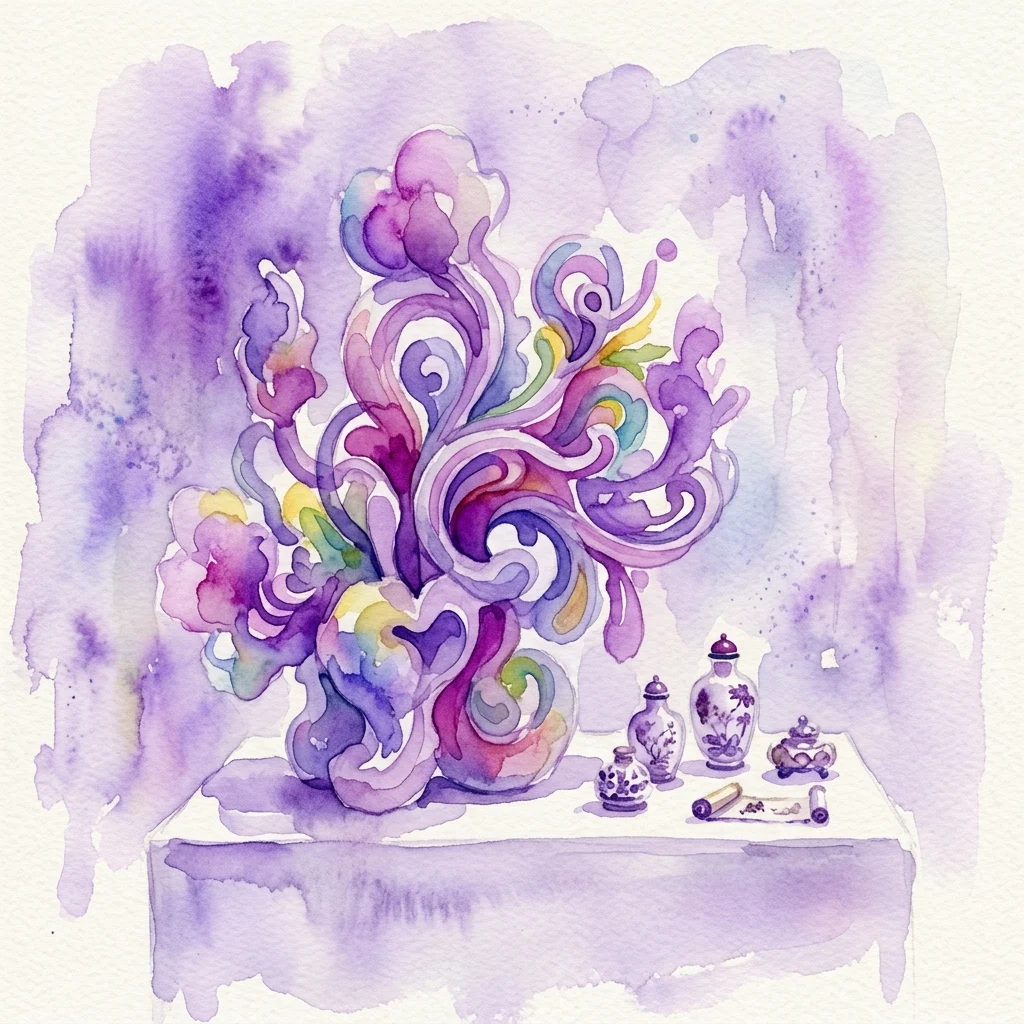
Watercolor illustration of a colorful, intricately swirling sculpture in purple, pink, and green atop a white pedestal, displayed with traditional blue-and-white snuff bottles and Asian artifacts.

Reimaginings Exhibition at the Museum of East Asian Art, Bath

Contemporary sculptural intervention featuring artist Hannah Lim.

Hannah Lim presents new sculptures and selected pairings that reimagine historical objects from the museum's archive. Her work explores mixed-heritage identity and the evolution of traditional artistic forms.

Reimaginings Exhibition

History of the Museum of East Asian Art

The Museum of East Asian Art was established in 1993 by Brian McElney, who sought to share his extensive private collection formed during his career in Hong Kong. The institution serves as a **specialist repository** for nearly 2,000 objects representing the artistic traditions of China, Japan, Korea, and Southeast Asia. Spanning from antiquity to the present, these holdings include diverse media like jade, ceramics, and bronze, offering a unique chronological depth within the city of Bath.

  • Museum opens to the public

    1993Founding

    Brian McElney founded the museum to share a specialist collection formed during his career in Hong Kong.

  • Collection spans East and Southeast Asia

    Collection

    Almost 2,000 objects represent artistic traditions of China, Japan, Korea and Southeast Asia from antiquity to the present.

  • Nearly 2,000 collection objects

    Collection

    The museum cares for nearly 2,000 objects from East and Southeast Asia. The holdings range across ceramics, jade, bronze, bamboo carving and other media, giving a small building an unusually broad chronological and geographic scope.

Common Questions About the Museum of East Asian Art

Curious about the best time to explore our collections in Bath or wondering if we ever take a Monday off? While our pottery stays perfectly still, our staff is happy to answer your practical questions so you can plan your visit with complete ease.

Museum of East Asian Art opening hours on weekends

On Saturdays, the Museum of East Asian Art is open from 10:30 until 17:00. The venue is closed on Sundays.

Is the Museum of East Asian Art open on Mondays?

No, the Museum of East Asian Art is closed on Mondays.

What time does the Museum of East Asian Art close?

The Museum of East Asian Art closes at 17:00 from Tuesday to Saturday.

What are the opening hours of the Museum of East Asian Art?

The Museum of East Asian Art is open from Tuesday to Saturday between 10:30 and 17:00. The venue is closed on Mondays and Sundays.

Visitor tips for the Museum of East Asian Art

To ensure an enjoyable visit at the Museum of East Asian Art, guests should allow between 60 and 90 minutes to explore the collection. While walk-in tickets are available, it is generally recommended to plan your visit in advance, especially for groups of ten or more who need to coordinate with staff. The venue is equipped with a visitor lift to provide access to the main galleries, although some display cases remain reachable only by stairs. Visitors are welcome to use the folding stools provided throughout the rooms to enhance their comfort while viewing the exhibits. As the galleries are compact, guests are encouraged to be mindful of others and move to different areas if a tour group is present.

Visitor experience and accessibility

The Museum of East Asian Art provides a focused experience for individuals, couples, and groups interested in exploring historical art and design from East and Southeast Asia in Bath. While the museum features lift access for the shop, galleries, and toilets, please note that some display cases are only accessible via stairs. Visitors are welcome to use available folding stools and benches, and baby-changing facilities are provided for families. Larger groups of ten or more should contact the museum in advance to ensure the space can accommodate the visit effectively.

Visuals of the Museum of East Asian Art

Explore the visual character of the Museum of East Asian Art in Bath through a selection of images highlighting the museum's exterior and its specialized interior spaces. These views offer a preview of the unique setting where historical ceramics, jade, and decorative arts are preserved. This collection provides an introduction to the diverse cultural traditions visitors can discover.
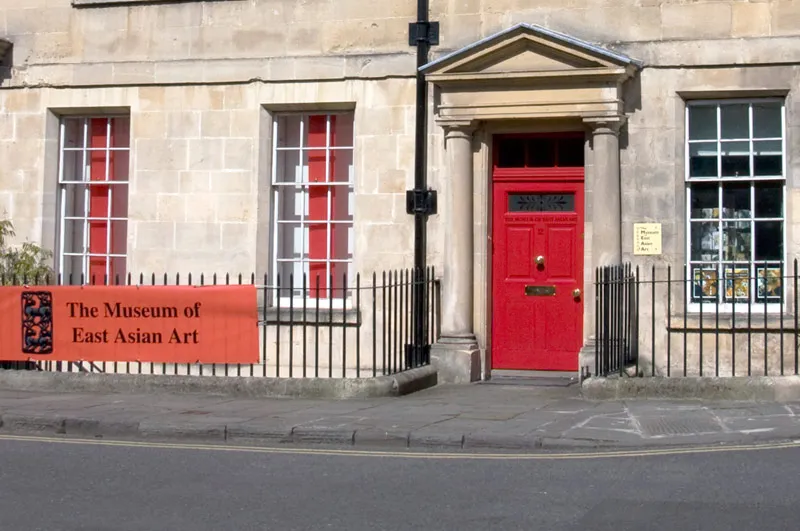
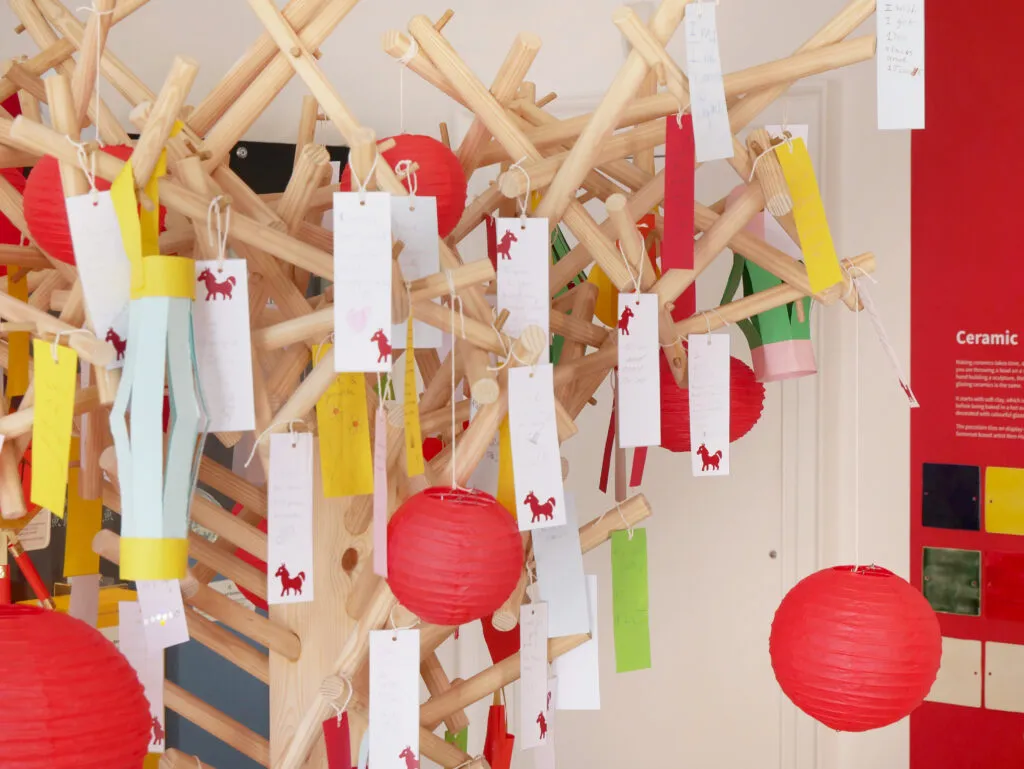
Representative view of Museum of East Asian Art in Bath.
Interior view of Museum of East Asian Art in Bath.
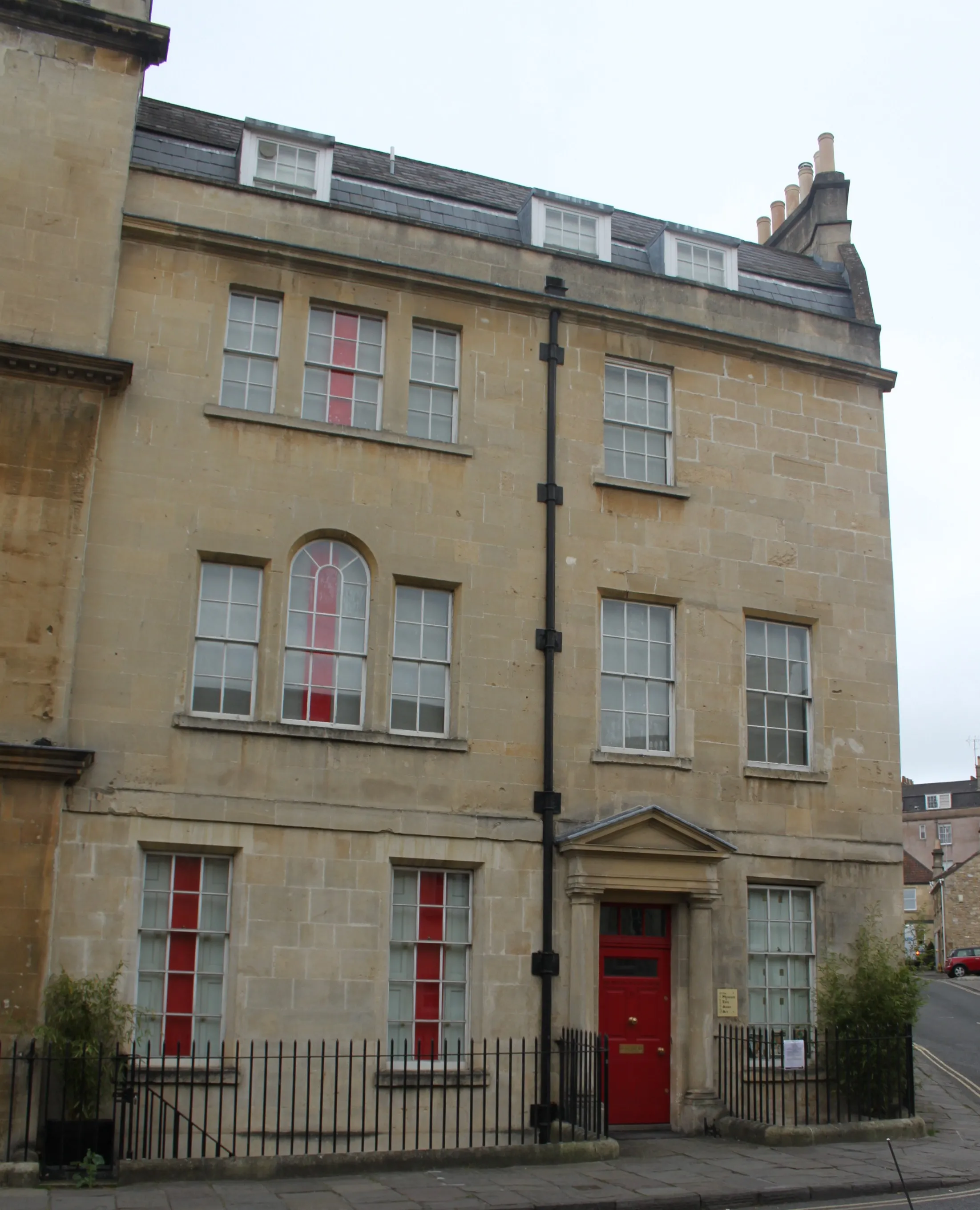
Representative view of Museum of East Asian Art in Bath.
Interior view of Museum of East Asian Art in Bath.
Representative view of Museum of East Asian Art in Bath.
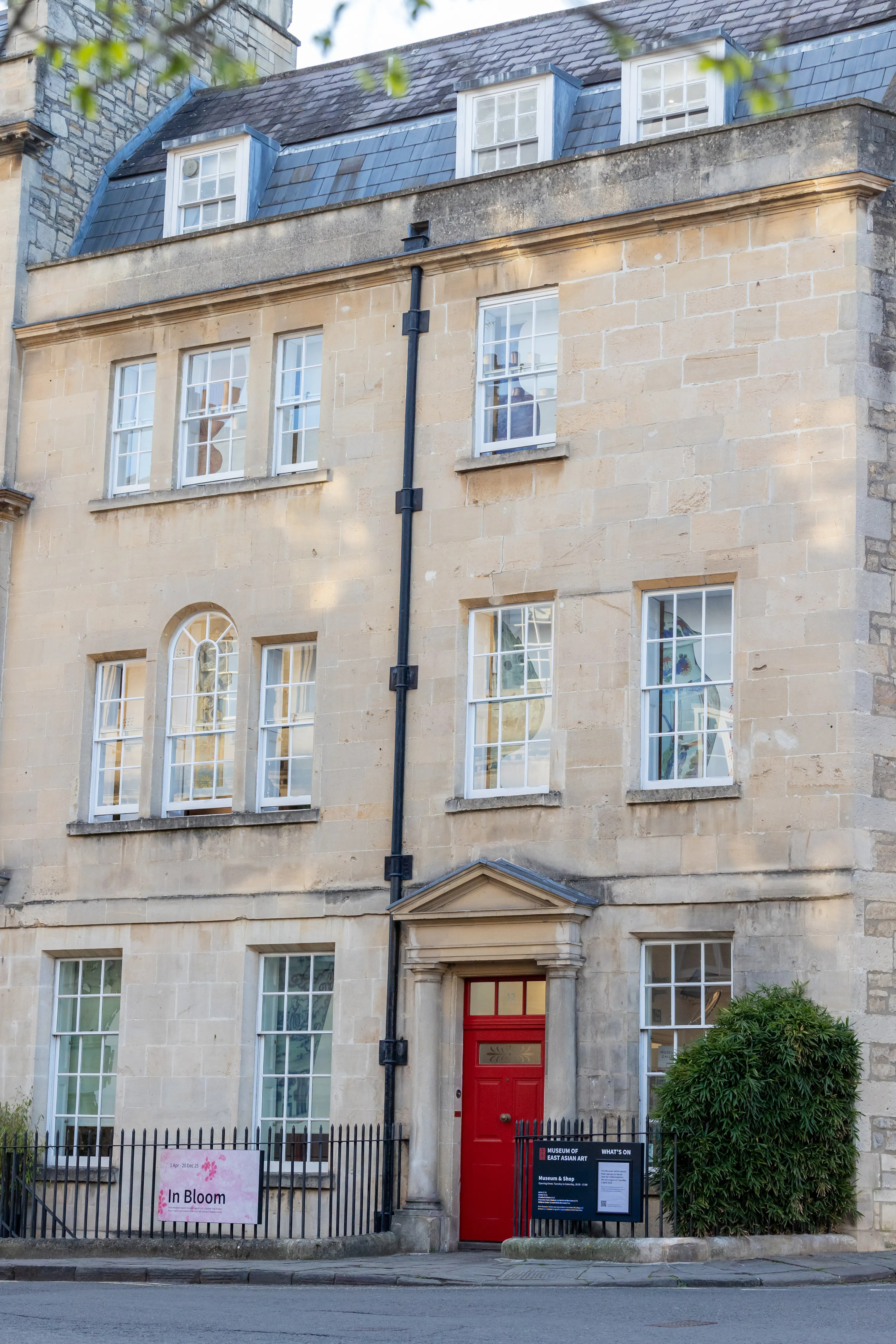
Exterior view of Museum of East Asian Art in Bath.
Representative view of Museum of East Asian Art in Bath.
Bath

Find Museums in Bath Through Targeted Search of Cultural Attractions

Identify specific historical sites based on your personal interests.

Use your specific interests to discover the depth of Bath culture. Whether you prefer local social history or astronomical exhibitions, locate the right heritage spots to suit your personal journey through the city.

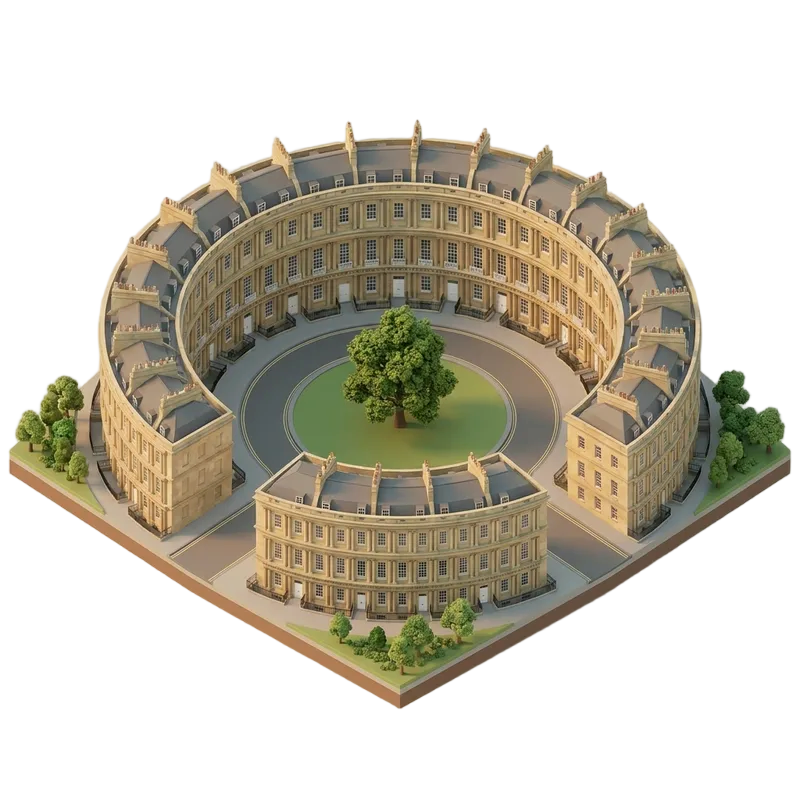
Explore Museum of East Asian Art with Bath
Guides, visitor info, and museum details in Bath
Find everything about Museum of East Asian Art in one place, including tickets, opening hours, current exhibitions, location details, visitor tips, nearby attractions, and the latest museum updates. Use these pages to plan your visit, discover what to see, and get practical information before you go.
Discover nearby museums similar to Museum of East Asian Art in Bath and plan your next cultural stop with confidence.
These recommendations prioritize real proximity to Museum of East Asian Art and help you find high-fit alternatives faster across Bath.
Use this curated list to compare museums near Museum of East Asian Art without opening multiple search pages. Each card gives you fast visual context and direct access to key details so you can decide quickly. If you are building a full day in Bath, this section helps you chain nearby visits with less planning effort.