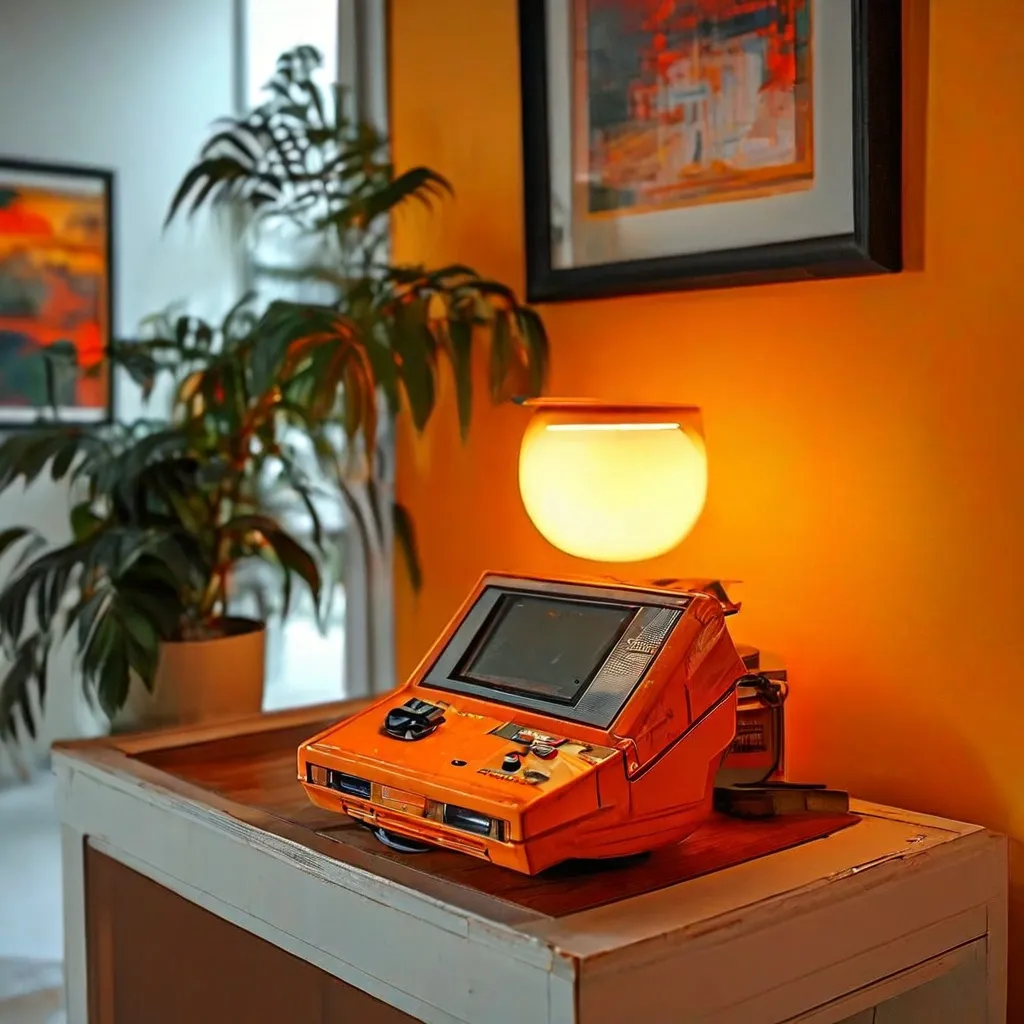
Exploring Retro Gaming History at OXO Museo del Videojuego Málaga: The Legacy of Nintendo's Game & Watch
The evolution of portable gaming is a fascinating journey that highlights how simple technology can spark global cultural shifts. At the forefront of this revolution was Nintendo's Game & Watch, a series of handheld devices introduced in 1980 that completely transformed how the world interacted with digital entertainment. For visitors exploring the history of technology and play, understanding these foundational systems offers a deeper appreciation of modern gaming.
Why Retro Gaming Fans in Málaga Should Discover the Roots of Handheld Consoles
Long before smartphones and modern high-definition portable consoles, early developers had to work within strict technical limitations to deliver engaging experiences. The Game & Watch line was conceived by Gunpei Yokoi, the visionary Japanese engineer who would later create the legendary Game Boy.
According to the historical overview shared by the OXO Museo team, these pocket-sized machines served a dual purpose, functioning as both an electronic game and a daily clock with an alarm. Despite their hardware constraints, they captured the imaginations of millions of players worldwide. Over its production run, the series expanded to 59 distinct models, introducing audiences to early versions of iconic characters such as Mario and Donkey Kong.
From Liquid Crystal Displays to the Iconic Game Boy
The technical design of the Game & Watch was remarkably straightforward yet incredibly effective:
- The Display: It utilized a basic liquid crystal display (LCD) showing static pre-rendered segments that lit up to simulate movement.
- The Controls: Inputs were minimal, consisting of simple buttons or, in select configurations, a stylus to guide the characters.
- The Library: Memorable titles like Ball, Fire, and Donkey Kong relied on escalating speed and difficulty to keep players engaged.
This philosophy of accessible, pick-up-and-play gaming laid the groundwork for future hardware. The success of these devices directly influenced the development of the Game Boy in 1989, establishing portable gaming as a permanent fixture of popular culture.
Experiencing Video Game Heritage in Málaga
Today, these early consoles are highly prized by collectors and historians as milestones of industrial and game design. Nintendo even honored this enduring legacy in 2020 by releasing a special anniversary edition of the Game & Watch featuring classic Super Mario Bros. gameplay, proving that the minimalist appeal of the original hardware remains relevant decades later.
Whether you are a lifelong player or a curious traveler interested in creative technology, understanding these early innovations enriches any cultural itinerary. You can use Musemap (musemap.art) to find other unique exhibitions, browse local museums, or check the interactive Málaga cultural map to plan your next stop.