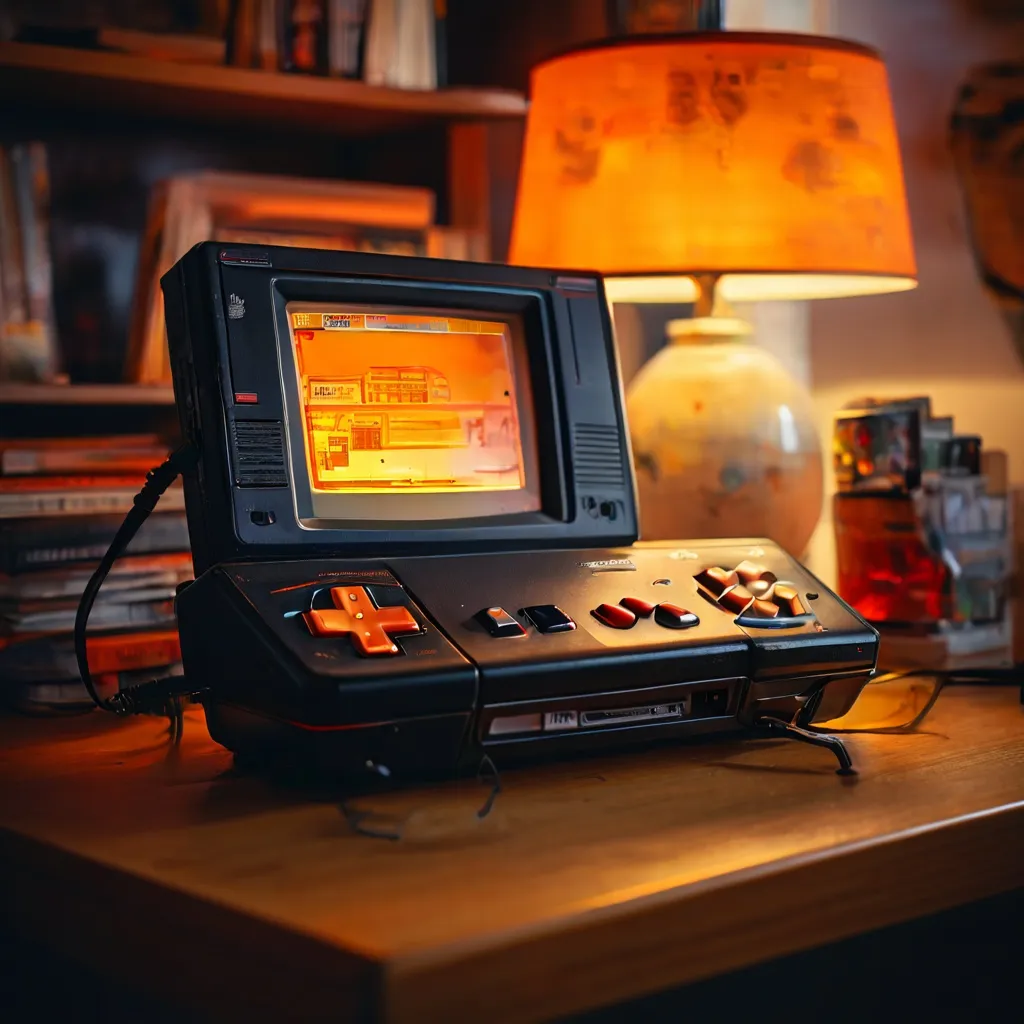
Exploring the Legacy of the SEGA Mega Drive at OXO Museo del Videojuego Málaga
Classic gaming history remains a vibrant part of modern cultural exploration. At the OXO Museo del Videojuego Málaga, visitors are invited to step back in time and experience the systems, games, and creative leaps that shaped the interactive entertainment industry. Among the most influential chapters on display is the era of the SEGA Mega Drive—known in North America as the Genesis—a system that fundamentally changed the landscape of home consoles.
Why Retrogaming Enthusiasts Should Visit the Málaga Exhibition
For travelers and culture seekers exploring the local museum scene, this dedicated space offers a physical connection to technological history. Rather than just reading about the past, visitors can appreciate the evolution of hardware design, sound engineering, and character development that turned simple pixels into global cultural phenomena.
The museum contextualizes these advancements, showing how a fierce corporate rivalry in the late 1980s and 1990s drove unprecedented innovation in game design and marketing.
The 16-Bit Revolution and the Rapid Rise of Sonic the Hedgehog
Originally launched in Japan in late 1988 and reaching European players in 1990, the SEGA Mega Drive introduced players to the power of 16-bit processing. The console's sleek, black, minimalist design was a deliberate departure from more colorful prototypes, aiming to capture the futuristic aesthetic of the late 1980s.
Under the hood, the console combined a powerful Motorola 68000 processor with a Yamaha YM2612 sound chip. This hardware allowed developers to create highly detailed visuals and complex, multi-layered soundtracks. Masterpieces like Streets of Rage and Sonic the Hedgehog pushed these components to their limits, offering experiences that rivaled arcade machines of the time.
According to historical archives shared by the official OXO website, the development of the original Sonic the Hedgehog was remarkably intense. Created in just eighteen months to directly challenge Nintendo's market dominance, the game's high-speed physics and vibrant art design quickly established the blue hedgehog as SEGA's official mascot, posing a serious threat to Super Mario's supremacy.
Beyond its standard software lineup of more than 900 titles, SEGA also experimented with hardware expansions. Devices like the Mega CD introduced CD-ROM compatibility to home console players, and though its commercial success was ultimately limited, it paved the way for the disc-based systems that would follow in subsequent generations.
Planning Your Culture Trip in Málaga
Whether you are a lifelong gamer or simply curious about the intersection of technology and art, the interactive exhibits provide a deep dive into the creative minds behind early gaming.
When mapping out your next cultural journey, you can use Musemap (musemap.art) to discover more unique local destinations. Easily browse museums in the area, find your way using the interactive city map, or search for specific exhibits with the Málaga search tool to build your perfect itinerary.