Prague
Praha · Baroque Gardens

Wallenstein Palace Gardens, Praha

A lavish baroque oasis in Malá Strana, open for all to explore.

ArchitectureHistoryArtDesign

Explore the Wallenstein Garden, an early Baroque masterpiece in Prague featuring a massive sala pavilion, an artificial grotto, and copies of mythological statues. This geometrically designed garden is a cultural venue for concerts and theatre.

Discover Wallenstein Garden, a significant early Baroque garden in Prague, known for its geometrical design, grand sala terrena, grotto, and historical statues.

Wallenstein Palace Gardens
Wallenstein Palace Gardens: Early Baroque Design

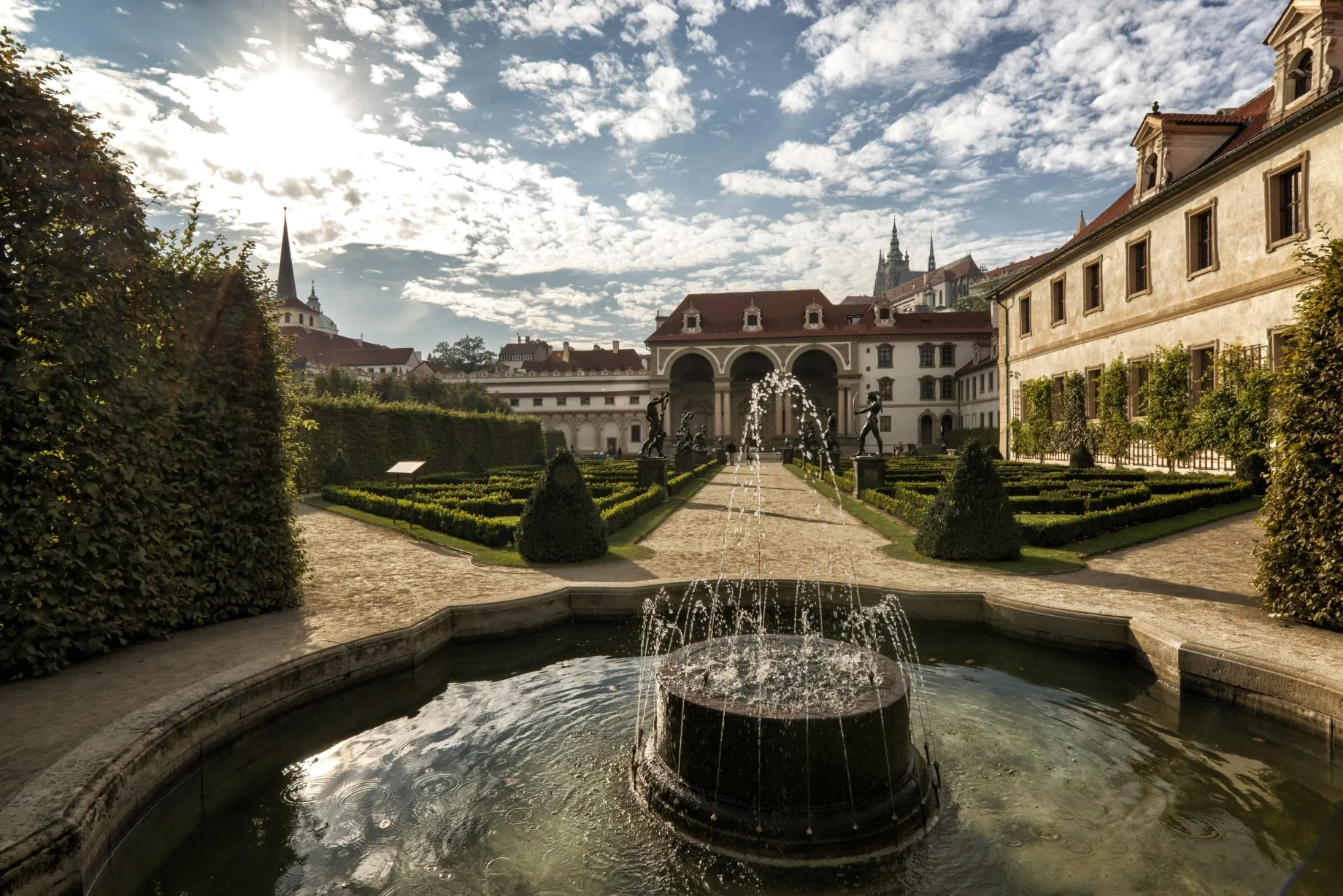
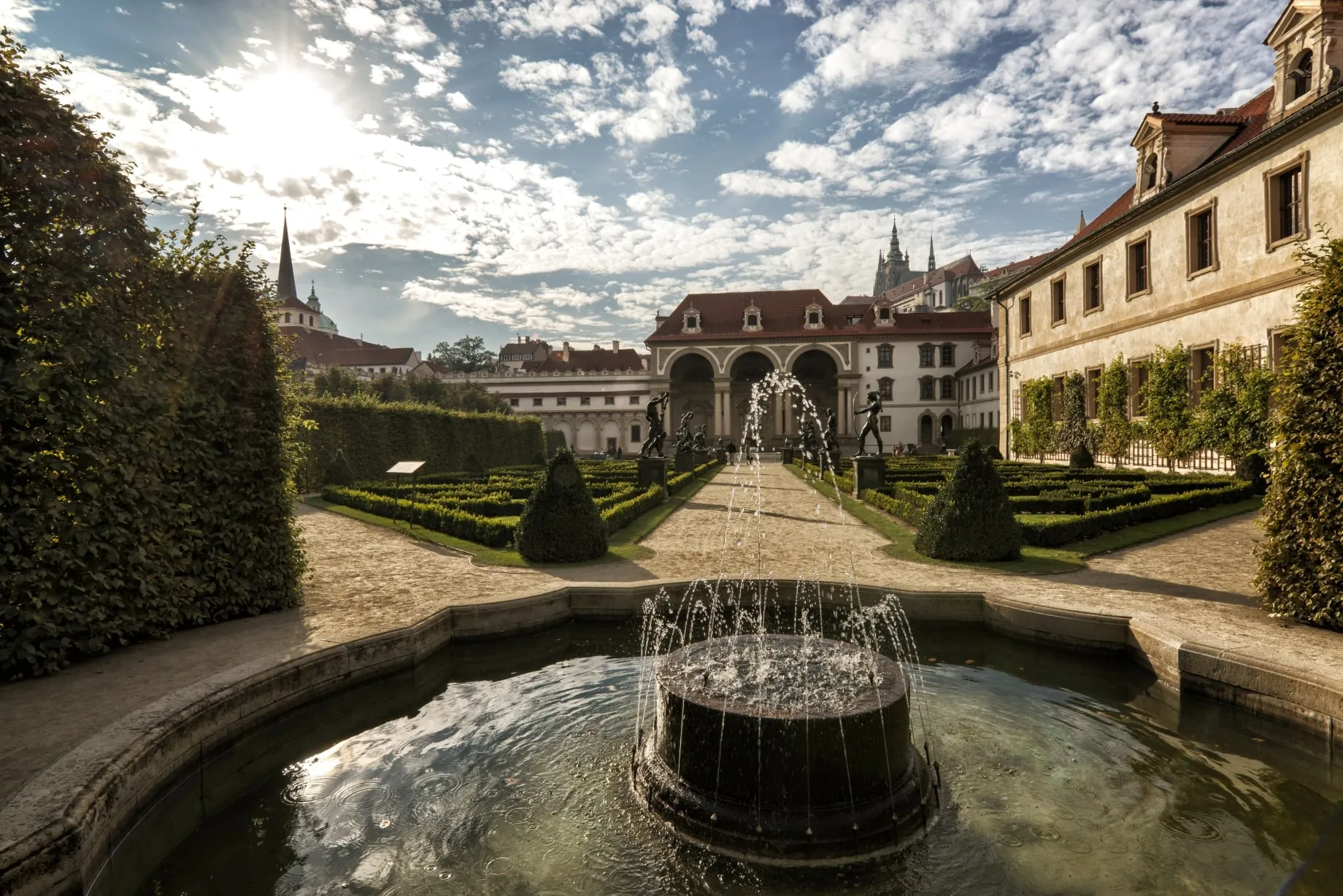
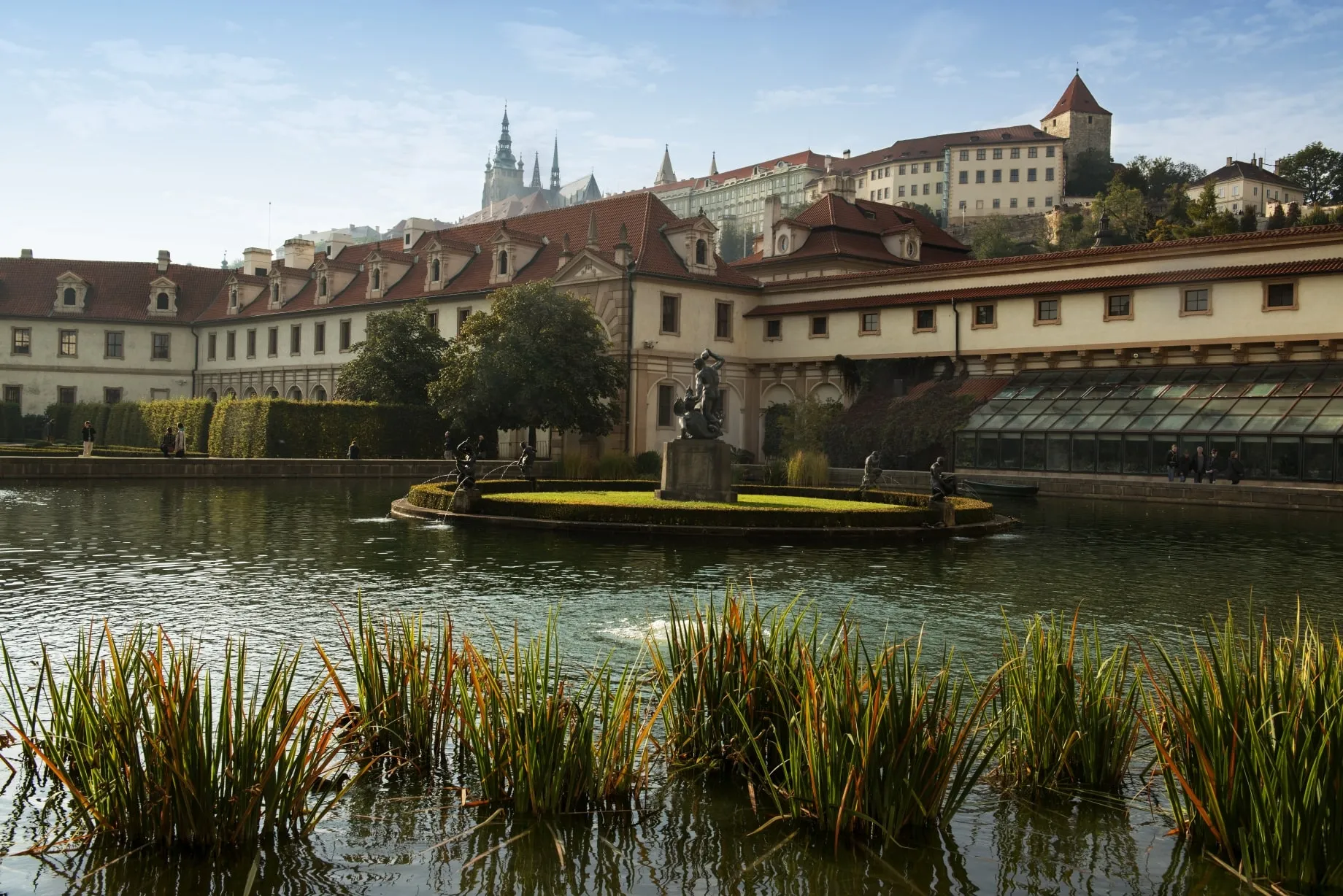
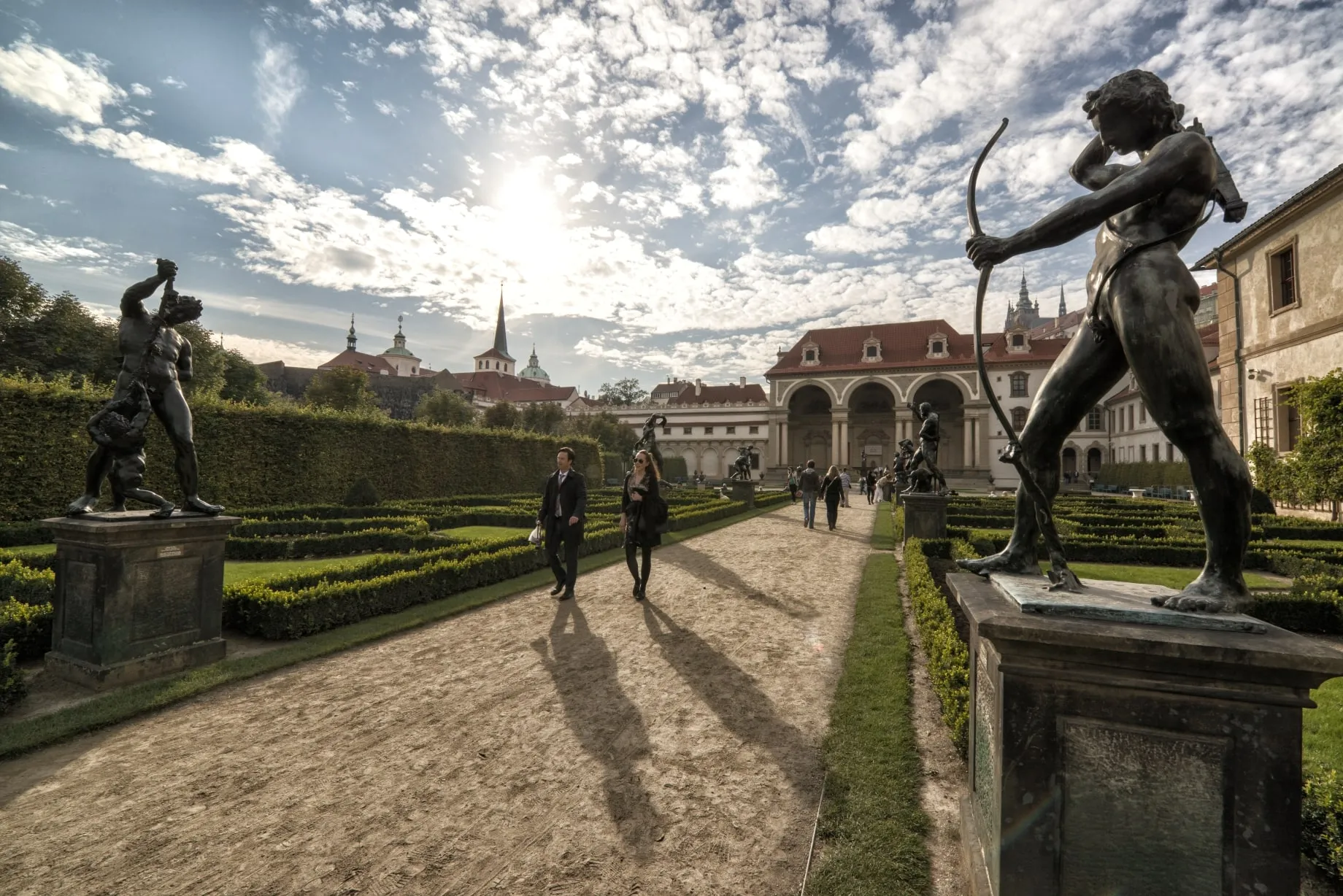
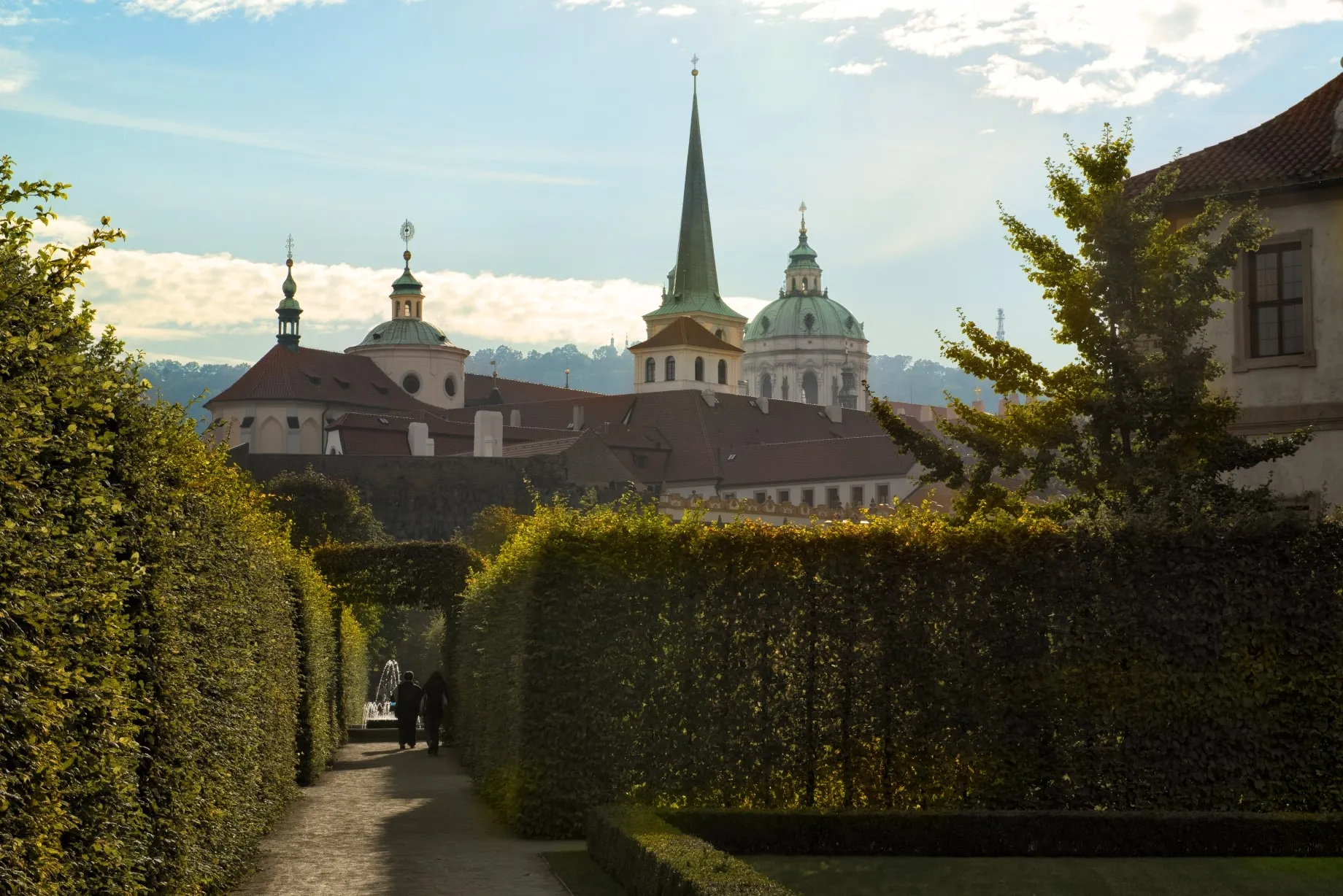
The Wallenstein Palace Gardens, located in the Malá Strana neighborhood of Prague, stands as a meticulously designed early Baroque garden built between 1623 and 1629. As one of Prague's first palace gardens directly connected to its corresponding palace, it features a grand geometrical layout. Visitors can explore a monumental sala terrena adorned with frescoes, an artificial stalactite grotto, and an aviary. The grounds are further enriched by sculptural works, including copies of Adriaen de Vries' mythological figures and impressive fountains.

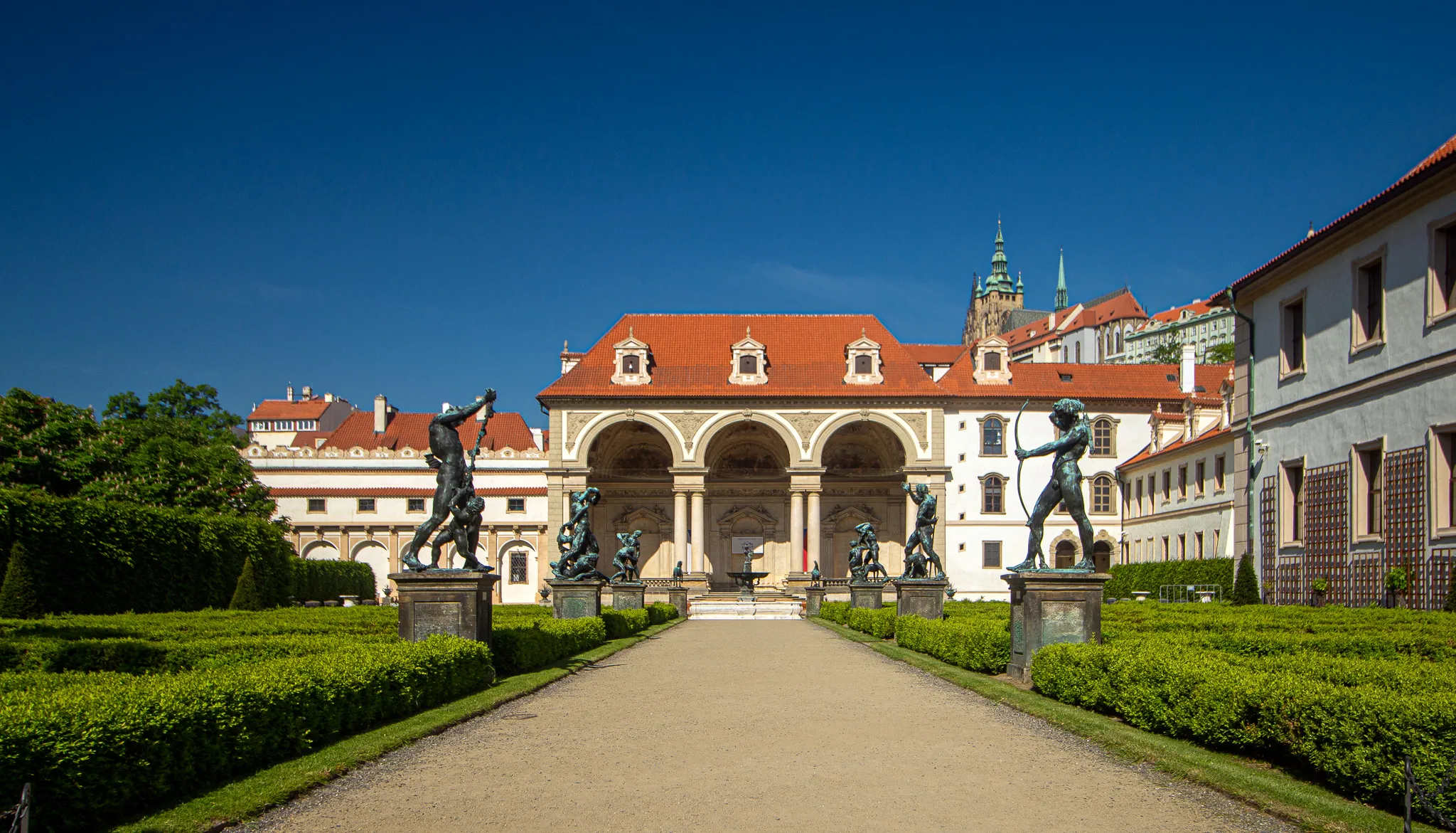
Wide view of the Wallenstein Palace Gardens showing a central gravel path lined with bronze statues and manicured hedges leading to the arcaded sala terrena under a clear blue sky.
Wallenstein Palace Gardens opening hours in Prague

Check today’s opening status, weekly schedule, and special date changes for Wallenstein Palace Gardens. Use these opening hours to plan your arrival and avoid closed times in Prague.

Monday
Tuesday
Wednesday
Thursday
Friday
Saturday
Sunday
07:00-19:00
07:00-19:00
07:00-19:00
07:00-19:00
07:00-19:00
09:00-19:00
09:00-19:00
Visitor amenities at Wallenstein Palace Gardens

The Wallenstein Palace Gardens offers practical support to help ensure a comfortable visitor experience within the Malá Strana district. Guests with mobility needs should note that wheelchair access is available on a limited basis, specifically during the summer season.

Wheelchair accessible

Limited
Wallenstein Palace Gardens Location

The Wallenstein Palace Gardens are situated at Letenská 4 in the historic Malá Strana neighborhood of Prague. As one of Prague's early palace gardens, its direct connection to Wallenstein Palace provides a significant cultural landmark. This central setting allows visitors to easily access and explore its geometric parterres, fountains, and unique grotto.

© OpenStreetMap contributors

Letenská 4

118 00 Praha

Malá Strana, Prague, CZ

Visiting the Wallenstein Palace Gardens

The Wallenstein Palace Gardens offers free admission, simplifying your visit planning in Praha's Malá Strana neighborhood. Access is available from Valdštejnské náměstí, as well as through a new gate conveniently located by the Malostranská underground station. These entry options ensure straightforward arrival for all visitors.

Visiting the Wallenstein Palace Gardens

Wallenstein Palace Gardens Visitor Experience

The Wallenstein Palace Gardens in Malá Strana, Prague, offers visitors a journey through one of the city's significant early Baroque garden landscapes. Established between 1623 and 1629, this meticulously designed 1.7-hectare space showcases geometric precision and artistic grandeur. Key features include the monumental sala terrena, adorned with frescoes depicting the Trojan War, and an intriguing artificial stalactite grotto, which together create a dramatic architectural focal point. Visitors can wander formal pathways, encountering numerous copies of mythological statues by Adriaen de Vries, tranquil ponds, and elaborate fountains that reflect its Baroque aesthetic. The gardens also serve as a popular venue for cultural events, including summer concerts and theatrical performances, enriching the experience of this historic site.

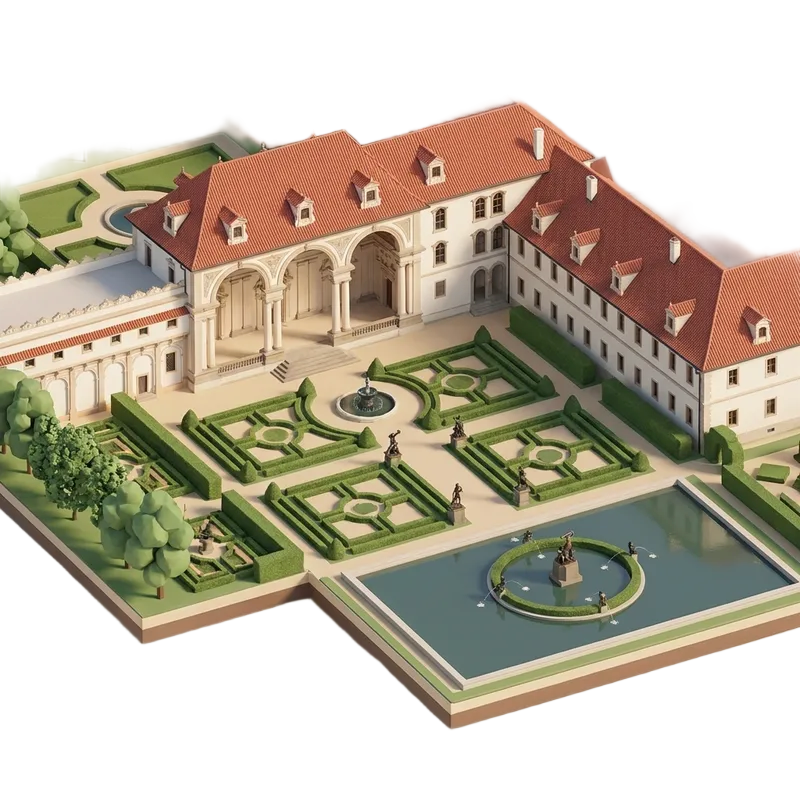
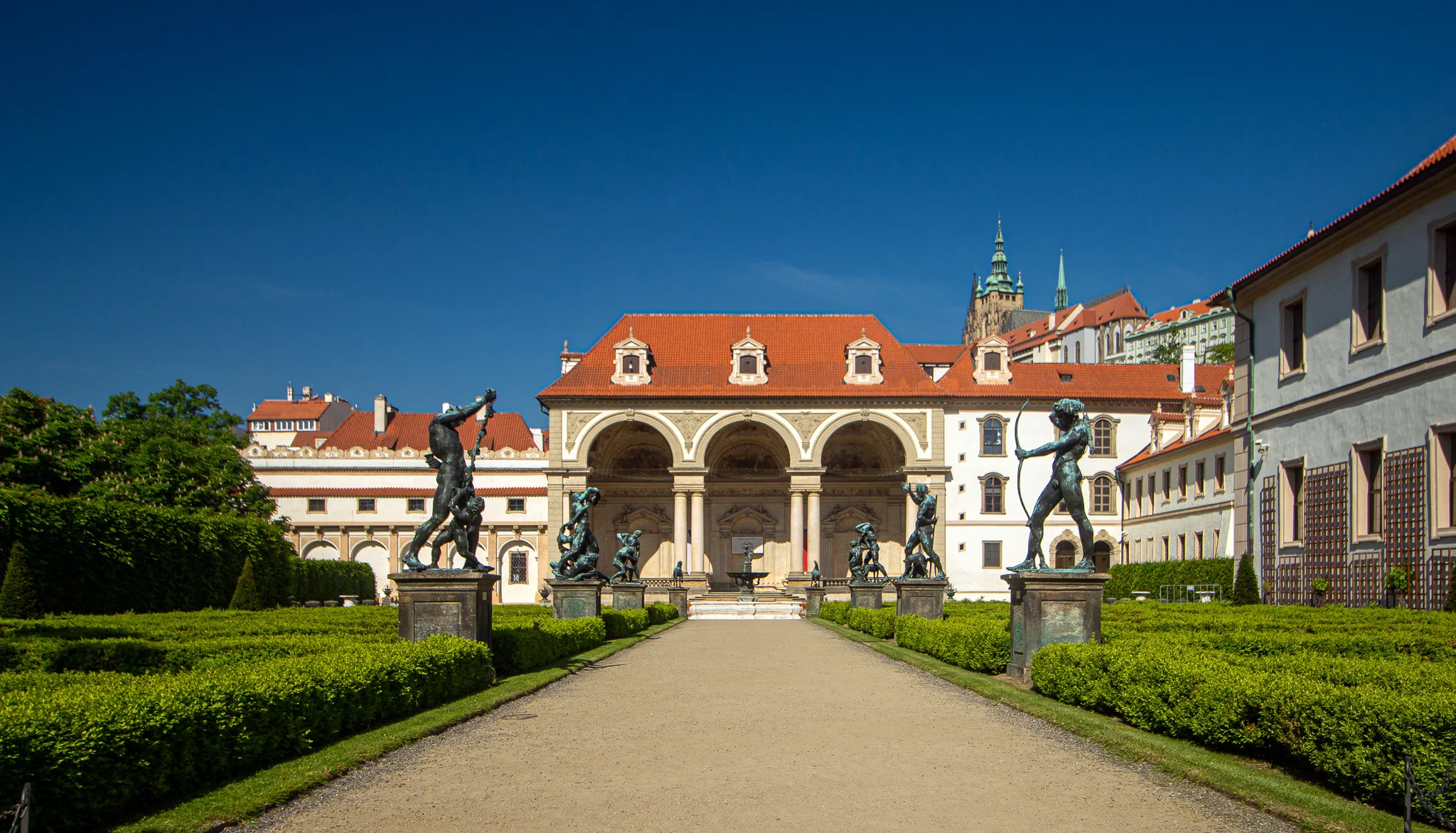
A wide pathway in a formal garden leads to a grand building with a red-tiled roof and arched colonnade, surrounded by green hedges and statues under a clear blue sky.

History of Wallenstein Palace Gardens

The Wallenstein Palace Gardens were developed as part of the lavish Baroque Wallenstein Palace, commissioned by Albrecht von Wallenstein between 1623 and 1630 as his grand residence in Prague. Designed with Italian architects and artisans, its chapel notably marked the *advent of Baroque architecture* in the city. After von Wallenstein's assassination in 1634, the palace remained with his family until 1945, when it became Czechoslovak state property and was renovated for governmental use. Recognized as a National Cultural Monument in 1992, the complex, including its meticulously reconstructed gardens, continues to serve as a significant historical and cultural site, with the Senate of the Czech Republic now occupying the main palace buildings.

  • Construction of Wallenstein Palace began in 1623

    1623-1630Founding

    Albrecht von Wallenstein commissioned the construction of the Baroque palace, which began in 1623 and was completed by 1630. Italian architects and artisans, including Andrea Spezza and Niccolo Sebregondi, were involved in its design and construction.

  • Albrecht von Wallenstein commissioned the palace

    1623-1630Notable person

    Albrecht von Wallenstein, Imperial Generalissimo during the Thirty Years War, commissioned the palace as his residence. He traveled in Italy and used Italian architects and artisans for its construction and decoration.

  • Palace designed to rival Prague Castle

    1623-1630Architecture

    The palace was built with a monumental conception, aiming to rival Prague Castle. Its design includes four courtyards, extensive gardens, stables, and a Riding School, reflecting Baroque architectural style.

  • Italian influence on palace architecture and decoration

    1623-1630Architecture

    The palace's construction utilized Italian architects and artisans. The garden features an aviary, grotto, and fountain by Adrian de Vries, with the sala terrena modeled after a Livornese church portico.

  • Andrea Spezza and Niccolo Sebregondi as architects

    1623-1630Notable person

    Andrea Spezza is considered the likely main architect of the palace, succeeded in 1628 by Niccolo Sebregondi. Their work shaped the palace's structure and design.

  • Baccio del Bianco decorated palace interiors

    1623-1630Notable person

    Baccio del Bianco, a Florentine artist, completed the ceiling fresco in the Main Hall and decorative elements in the Mythological Corridor and St Wenceslas Chapel, contributing significantly to the palace's artistic interior.

  • Palace remained in Wallenstein family until 1945

    1634-1945Ownership

    After Albrecht von Wallenstein's assassination in 1634, his widow sold the palace to his nephew. It stayed within the Wallenstein family for over three centuries until 1945.

  • Became Czechoslovak state property after World War II

    1945Ownership

    Following the end of World War II, the palace was transferred to Czechoslovak state ownership. It was subsequently renovated to be used for government offices.

  • Renovation for government offices post-WWII

    1945Renovation

    After becoming state property in 1945, the palace underwent renovations to adapt it for use as government offices.

  • Senate of the Czech Republic operates from palace

    Opening

    Currently, the Senate of the Czech Republic occupies the main palace buildings, utilizing its historical structure for governmental functions.

  • Riding School houses National Gallery branch

    Opening

    The Riding School section of the palace complex is utilized as a branch of the National Gallery in Prague, showcasing art within the historical setting.

  • Major restoration of the main building began in 1999

    1999Renovation

    A significant restoration project for the main building of Wallenstein Palace commenced in mid-1999, aiming to preserve and enhance its historical and artistic features.

  • Designated National Cultural Monument in 1992

    1992Heritage status

    Wallenstein Palace received the designation of a National Cultural Monument of the Czech Republic on October 15, 1992, recognizing its significant historical and cultural value.

  • Palace gardens feature grotto and fountain

    Architecture

    The palace complex includes period gardens featuring an aviary, a grotto, and a fountain by Adrian de Vries. These gardens have been reconstructed after periods of neglect.

  • Sala terrena served as a garden pavilion

    1623-1630Architecture

    The monumental sala terrena served as a garden pavilion where Wallenstein would dine, looking out over a fountain and rows of bronze statues, notable for its rich stucco decoration.

  • Mythological Corridor features planet and zodiac motifs

    1623-1630Architecture

    The Mythological Corridor is decorated with frescoes by Baccio del Bianco, depicting planet motifs and zodiac emblems, inspired by Ovid's Metamorphoses.

  • Chapel construction marked the beginning of Baroque in Prague

    1630Architecture

    The palace chapel, constructed in 1630, is noted as the first Baroque monument of its kind in Prague and signifies the start of the Baroque age in the Czech lands.

  • Palace's chapel was the first Baroque monument in Prague

    1630Cultural significance

    The construction of the palace chapel in 1630 by Arnošt Jan Heidelberger is recognized as the first Baroque monument in Prague, heralding the Baroque era in the Czech lands.

  • Original furnishings looted by Swedish and French armies

    1648-1742Renovation

    Much of the palace's original furnishings were looted, notably by the Swedish army in 1648 and the French army in 1742, impacting the preservation of its original interior.

  • Gardens reconstructed after post-war neglect

    1945Renovation

    Following years of neglect after World War II, the palace gardens have undergone reconstruction to restore their historical features.

  • System of corridors connects palace parts

    1623-1630Architecture

    A notable architectural feature is the system of corridors connecting all parts of the palace, allowing movement from the main Audience Hall to private studies, gardens, and stables without exiting buildings.

  • Albrecht von Wallenstein assassinated in 1634

    1634Ownership

    Albrecht von Wallenstein was assassinated in Eger in 1634, just one year after moving into the palace he had built.

Wallenstein Palace Gardens: Common Questions & Free Admission

Have a few lingering questions about Wallenstein Palace Gardens in Prague? You're not alone! Many visitors can't quite believe it, but yes, admission to these magnificent grounds is wonderfully free for all. Dive into our full FAQ section for answers on everything from opening times to how to reach us, without needing a ticket.

What is the email address for general inquiries about Wallenstein Palace Gardens?

For general inquiries and tourist information regarding Wallenstein Palace Gardens, you can email [email protected]. This email is managed by Prague City Tourism's Tourist Information Centres.

Does Wallenstein Palace Gardens have an online contact form?

Yes, an online contact form for inquiries related to Wallenstein Palace Gardens is available on the Prague City Tourism website at https://prague.eu/en/home/contact/.

How do I email reception at Wallenstein Palace Gardens?

You can email reception regarding Wallenstein Palace Gardens at [email protected]. This email is managed by the Reception department of Prague City Tourism.

How can I contact Wallenstein Palace Gardens?

You can contact Wallenstein Palace Gardens through Prague City Tourism, which manages the gardens. Contact options include phone at +420 221 714 714, emailing [email protected] for general inquiries, or using the contact form on their website.

Practical Tips for Wallenstein Palace Gardens

Wallenstein Palace Gardens offers free admission, making it an accessible attraction in Prague. Visitors can enter from Valdštejnské náměstí or through a newer gate near the Malostranská underground station. The gardens are also recommended for wheelchair users, with accessible entry typically available during the summer season.

Wallenstein Palace Gardens Visitor Suitability

The Wallenstein Palace Gardens in Malá Strana, Praha, offers a serene outdoor experience for those interested in Baroque architecture, historical design, and art. As a historic site with free public admission, it is well-suited for couples, solo travelers, and groups seeking a leisurely cultural exploration. Visitors can enjoy the gardens' statues, grottoes, and geometric layouts. While wheelchair accessibility is limited, it is available specifically during the summer season, making it important for visitors with mobility needs to plan accordingly.

Wallenstein Palace Gardens Photo Gallery

Browse images of the Wallenstein Palace Gardens, revealing its lavish Baroque landscape. The gallery showcases formal pathways, intricate geometric parterres, manicured hedges, and classical statues. Visitors can also admire the majestic sala terrena and elegant fountains within this historical setting in Malá Strana, Prague.

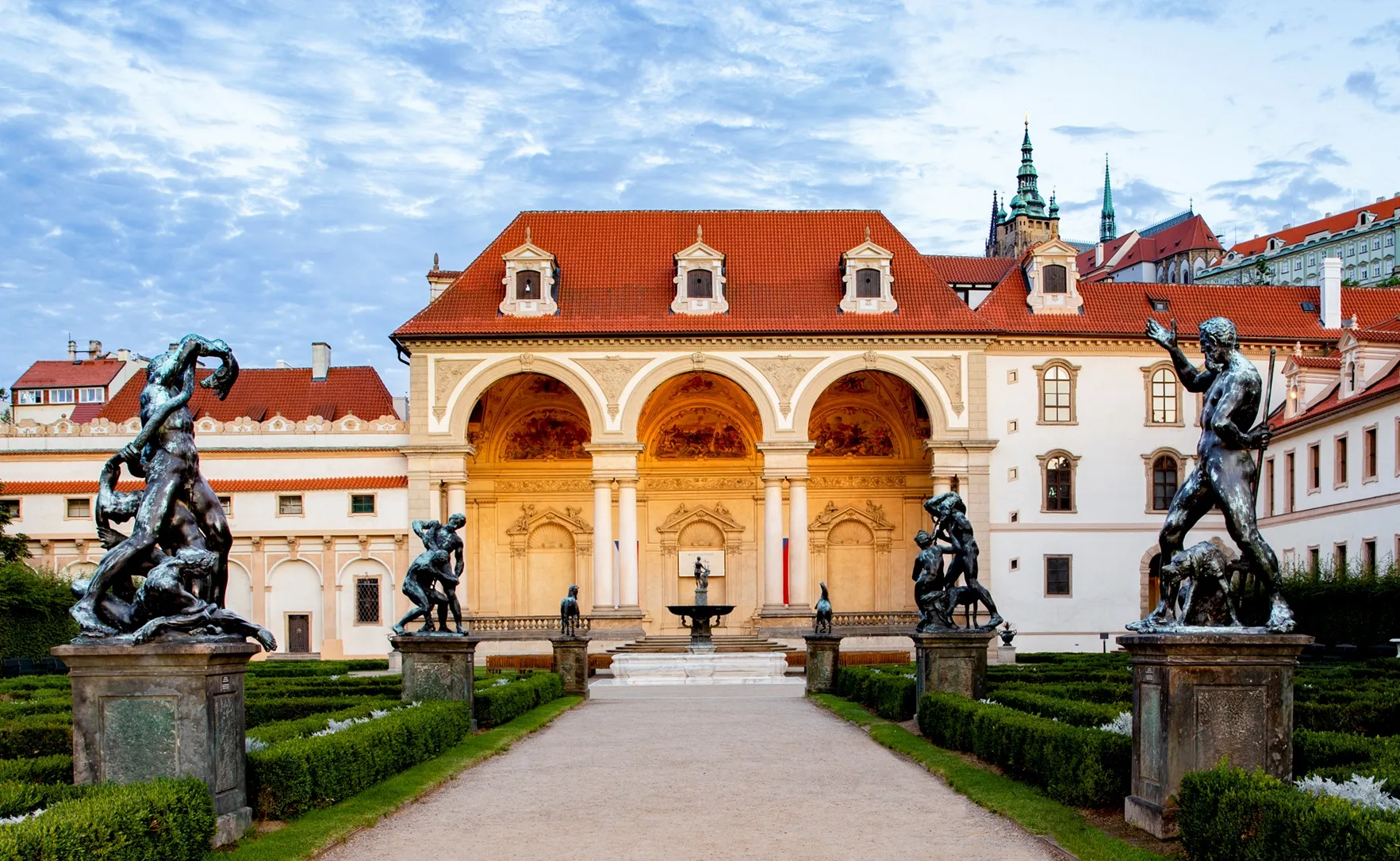
Baroque-style garden with a central pathway, sculpted hedges, statues, and a building with a red-tiled roof and arched colonnade
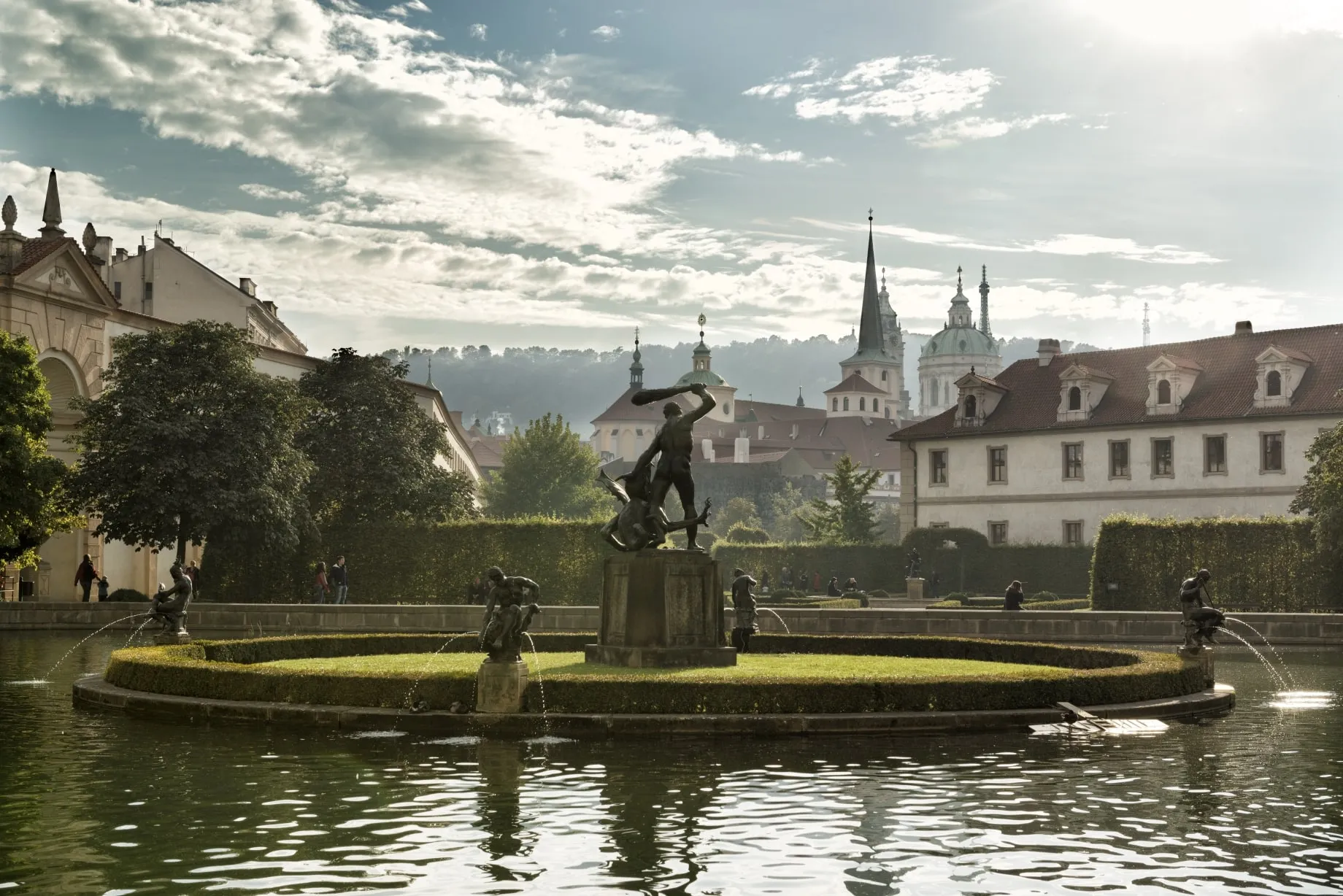
A fountain with a statue in the center of a circular water feature in Wallenstein Palace Gardens, with baroque buildings and a church spire in the background.
A central fountain in a baroque garden with manicured hedges and a building with a red-tiled roof in the background under a partly cloudy sky
A wide pathway in a formal garden leads to a grand building with a red-tiled roof and arched colonnade, surrounded by green hedges and statues under a clear blue sky.
Two lion statues flanking a circular emblem with an 'S' in the center
Wide view of the Wallenstein Palace Gardens showing a central gravel path lined with bronze statues and manicured hedges leading to the arcaded sala terrena under a clear blue sky.
Baroque garden with a central fountain, manicured hedges, and a palace building in the background under a cloudy sky
A pond with a central fountain and statue in the Wallenstein Palace Gardens, with historic buildings and a castle in the background.
Baroque garden with manicured hedges, a central pathway, and classical statues under a bright sky
A pathway through hedges in the Wallenstein Palace Gardens with palace buildings and spires in the background
Prague

Find Prague Museums: Your Comprehensive Search for Cultural Attractions

Discover art, history, and science museums in Prague.

Explore diverse collections and find specific institutions that match your interests. Easily locate renowned galleries, historical sites, and unique exhibits to plan your cultural journey through Prague.

Explore Wallenstein Palace Gardens with Prague
Guides, visitor info, and museum details in Prague
Find everything about Wallenstein Palace Gardens in one place, including tickets, opening hours, current exhibitions, location details, visitor tips, nearby attractions, and the latest museum updates. Use these pages to plan your visit, discover what to see, and get practical information before you go.
Discover nearby museums similar to Wallenstein Palace Gardens in Prague and plan your next cultural stop with confidence.
These recommendations prioritize real proximity to Wallenstein Palace Gardens and help you find high-fit alternatives faster across Prague.
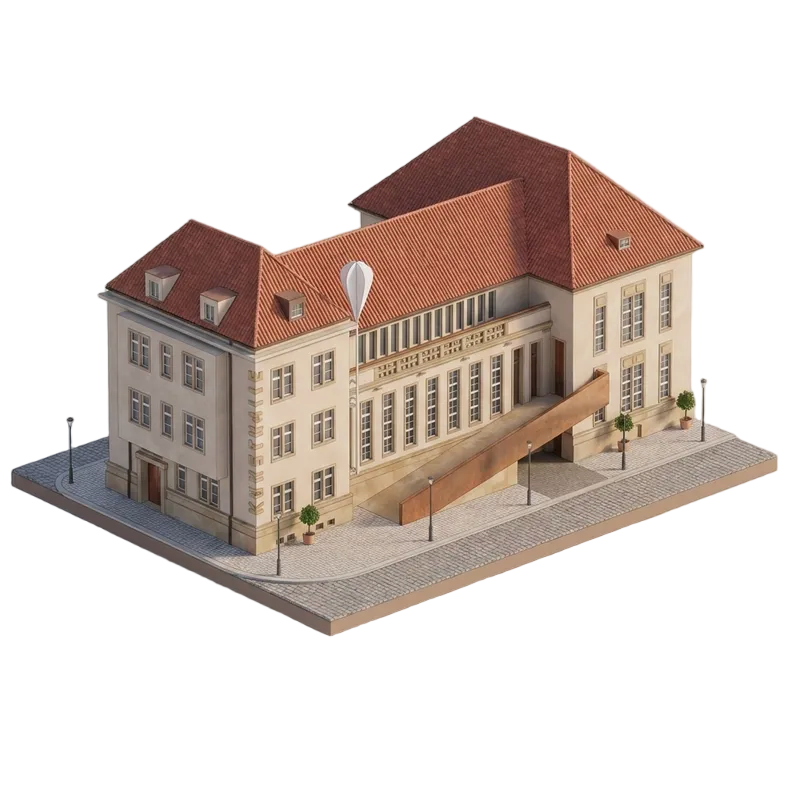
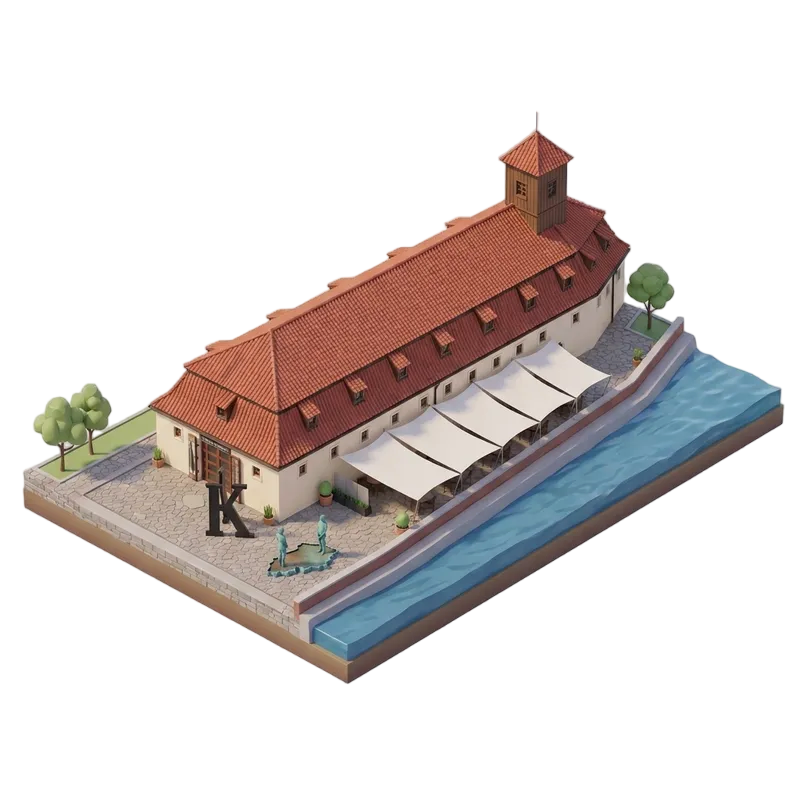
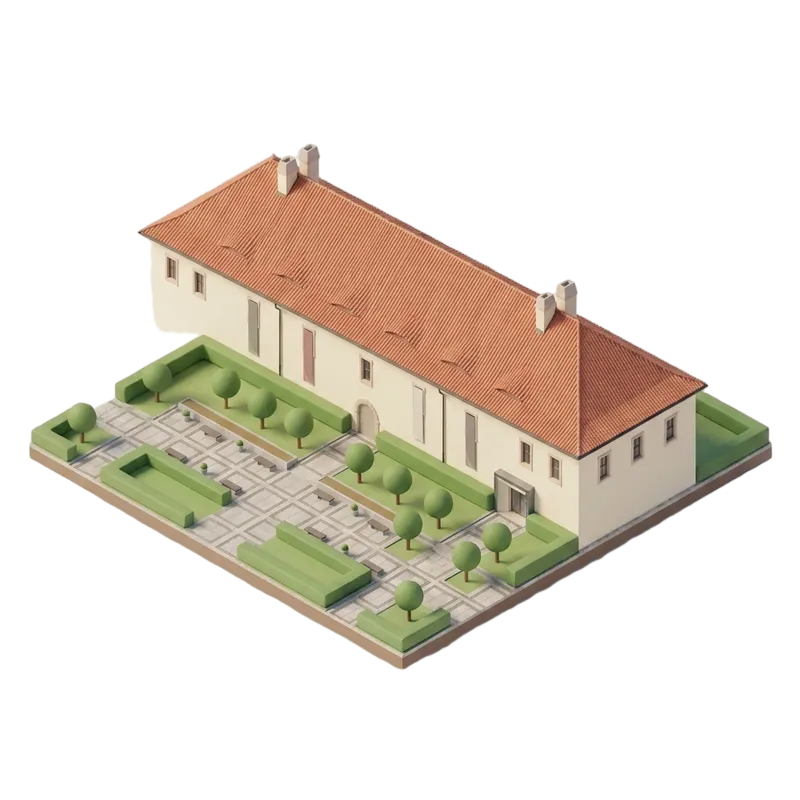
Use this curated list to compare museums near Wallenstein Palace Gardens without opening multiple search pages. Each card gives you fast visual context and direct access to key details so you can decide quickly. If you are building a full day in Prague, this section helps you chain nearby visits with less planning effort.