Vienna
Wien · Historic collections

Austrian National Library, Wien

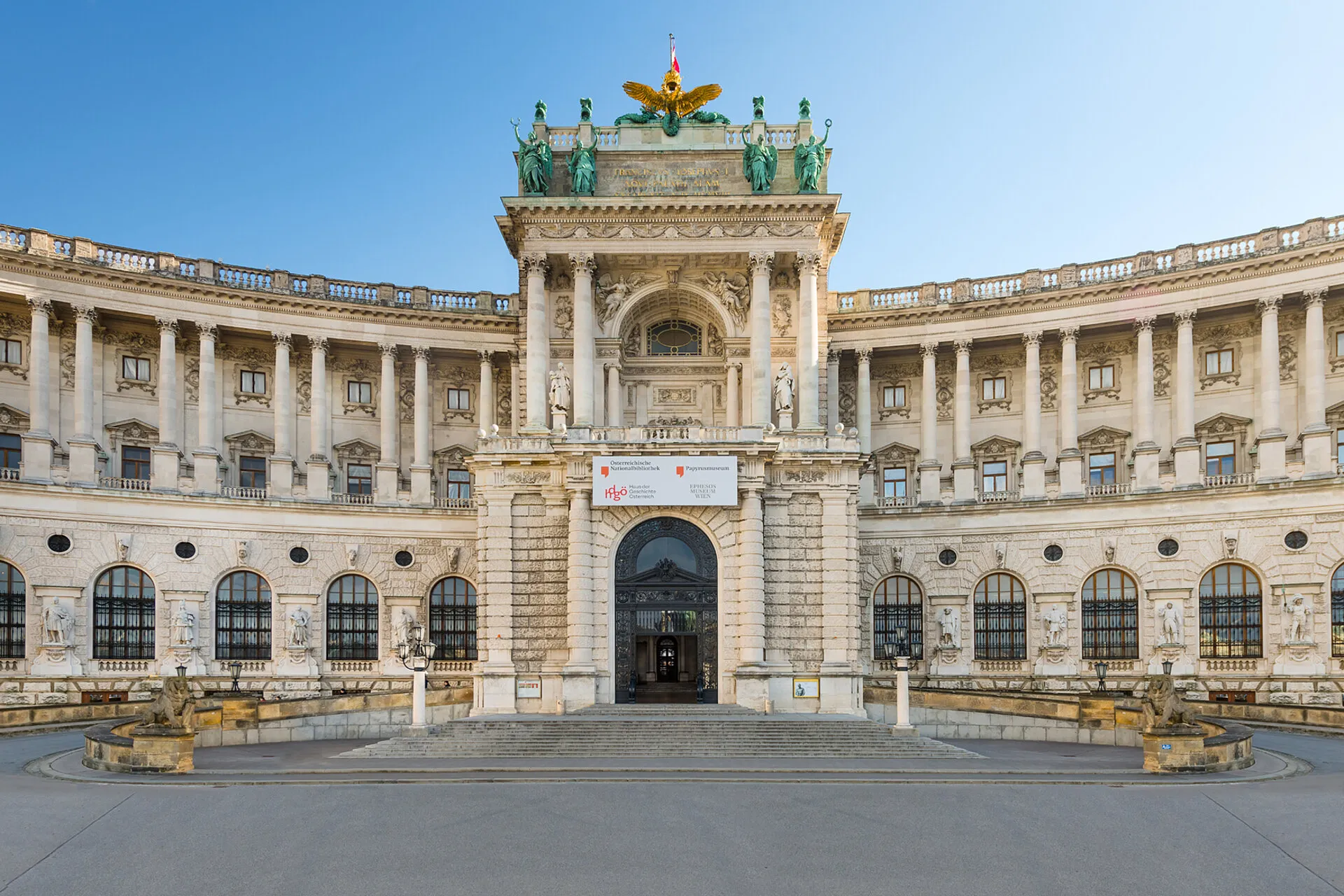
Overview of this grand cultural complex within the Hofburg palace

ArtHistoryMusicArchitectureLocal heritage

The Austrian National Library is a leading academic institution safeguarding Austria's written and published heritage. Visitors can explore impressive collections, from ancient papyri to musical scores, and delve into specialized museums like the Literature Museum.

The Austrian National Library is the largest library in Austria, featuring extensive collections, historic reading rooms, and dedicated museums.
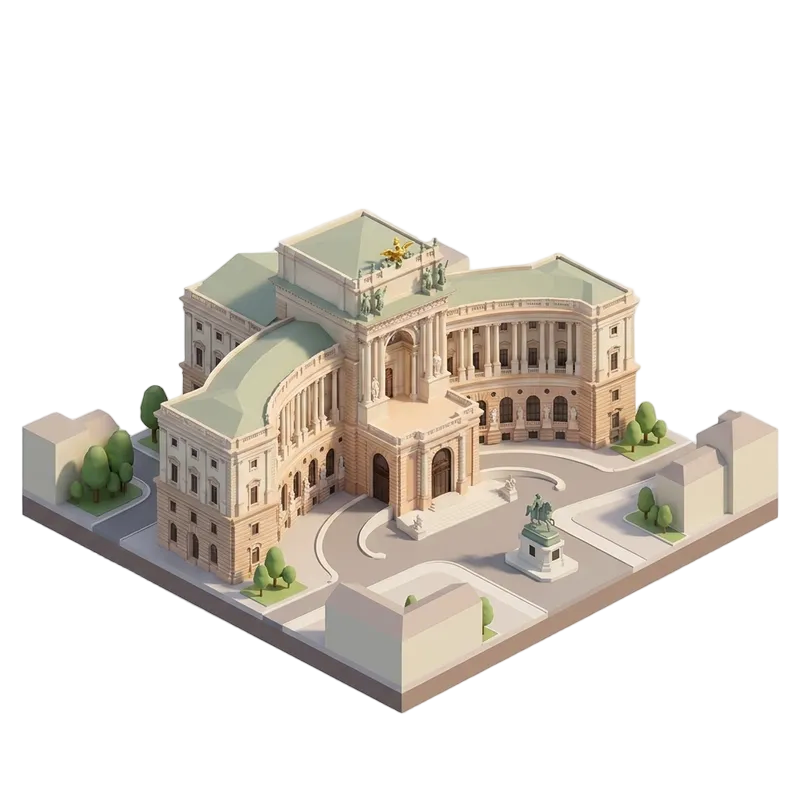
Austrian National Library
Austrian National Library: Collections and Cultural Identity

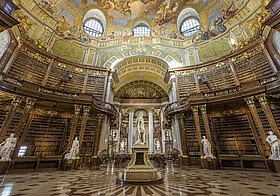
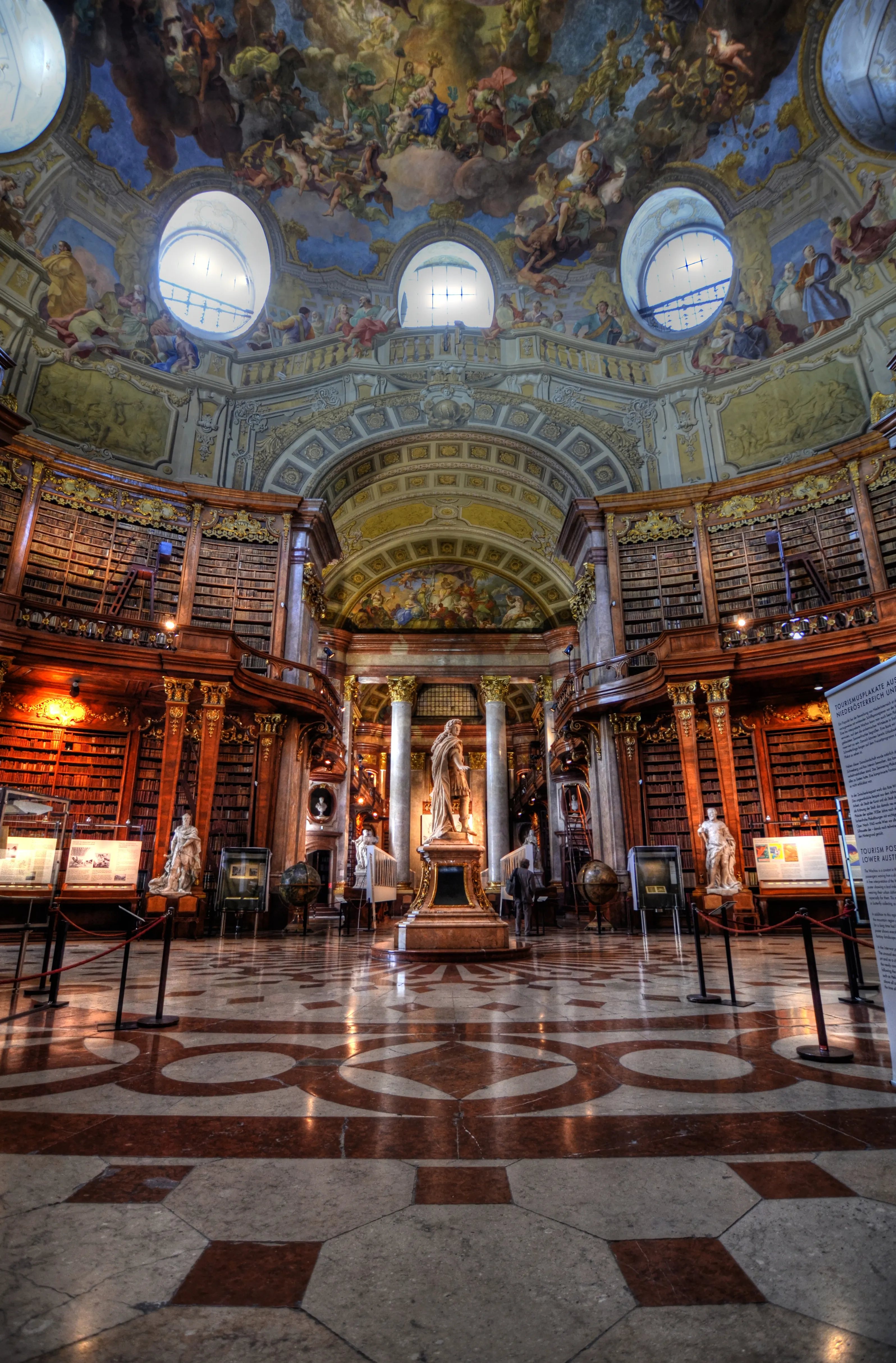
The Austrian National Library serves as Austria's principal academic library, housing a vast array of historical and contemporary publications, manuscripts, and other media. Beyond its research function, it is also a significant cultural destination in Vienna, incorporating multiple museums like the Literature Museum and the Papyrusmuseum. Its grand architecture, including the magnificent State Hall, provides a remarkable setting for visitors to explore Austria's rich intellectual and cultural heritage.
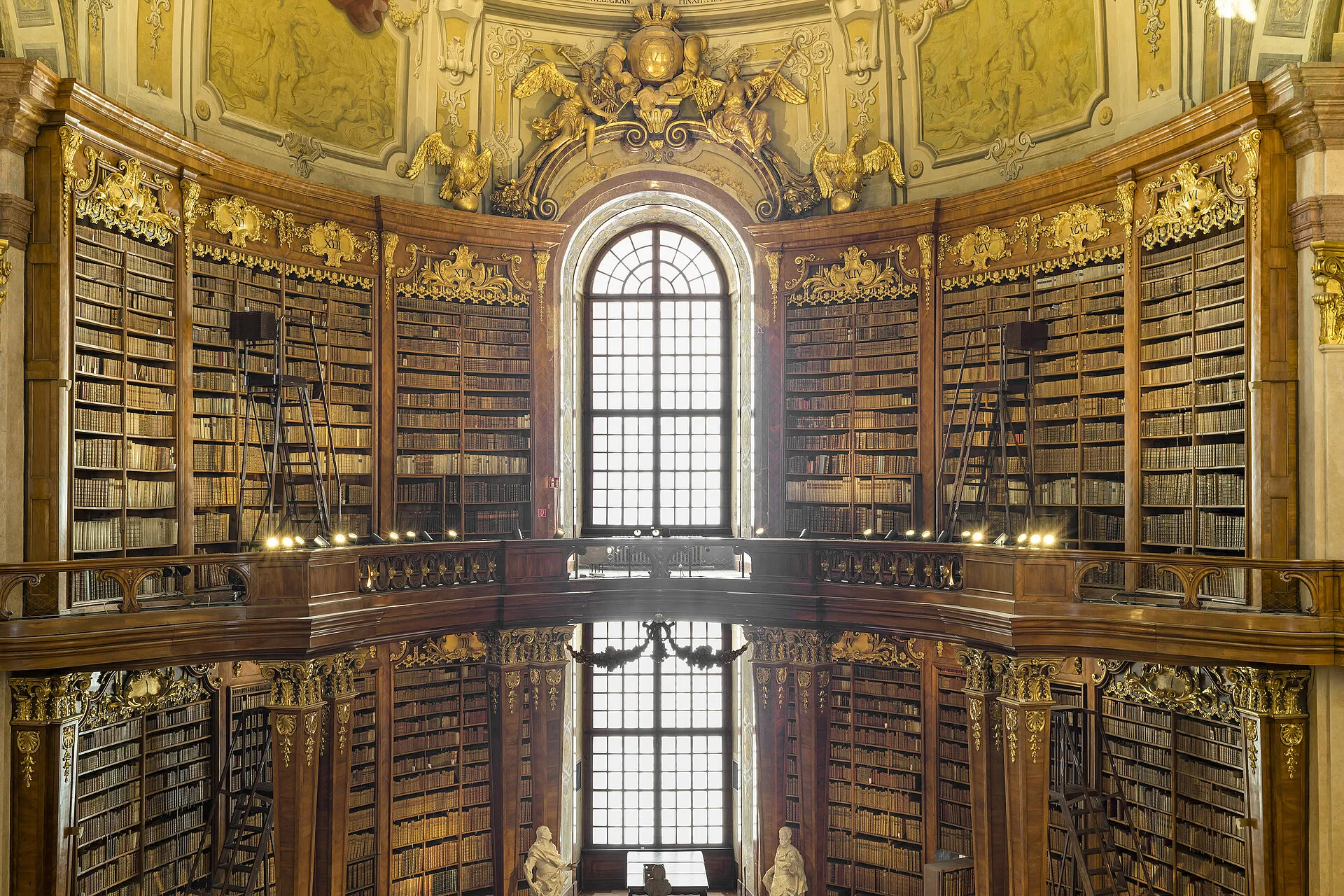
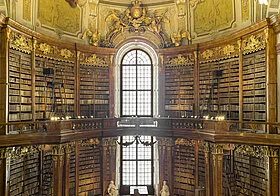
Ornate library interior with wooden bookshelves, gold decorations, and a large arched window reflecting in a polished floor
Austrian National Library opening hours in Vienna

Check today’s opening status, weekly schedule, and special date changes for Austrian National Library. Use these opening hours to plan your arrival and avoid closed times in Vienna.

Monday
Tuesday
Wednesday
Thursday
Friday
Saturday
Sunday
-
10:00-18:00
10:00-18:00
10:00-21:00
10:00-18:00
10:00-18:00
10:00-18:00
Austrian National Library Ticket Information

Admission to the various museums and sections of the Austrian National Library is generally paid, with specific tickets available for the State Hall, Literature Museum, Papyrus Museum, and a combined Globe & Esperanto Museum entry. Children and adolescents under 19 years of age receive free admission to all museums. Reduced rates are offered for students under 27 and seniors, while group tickets are also available. Visitors can purchase tickets at service desks or online, and annual passes or universal weekly tickets are offered for comprehensive access.

State Hall - Adults
€12.00
Literature Museum - Adults
€9.00
Papyrus Museum - Adults
€6.00
Family visits at the Austrian National Library

The Austrian National Library offers interactive guided tours tailored for different age groups, ranging from baby sessions to discovery-based activities for children aged 6 to 13. Families can explore the State Hall through animal-themed scavenger hunts or learn about the underground book world. Please view the dedicated family section for planning your visit.

Recommended age: Ages 6–13

The Austrian National Library provides a variety of child-appropriate guided tours, including interactive experiences and specialized sessions for babies and families.

Why families will enjoy it

  • Animal scavenger hunts in the State Hall ceiling fresco.
  • Interactive baby tours featuring baby mats in the State Hall and Globe Museum.
  • Playful introductions to languages in the Esperanto Museum.
  • Discovery journeys through the underground book train system at Heldenplatz.

Activities and resources for children

Family tour

Children's Tour: State Hall

Ages 6–1245–45 minBooking required

Scavenger hunt for animals in the frescoes.

Family tour

Baby Tour: State Hall & Globe Museum

Ages 0–245–45 minBooking required

Relaxed tours for parents with infants.

Family tour

Library Journey at Heldenplatz

Ages 6–1245–45 minBooking required

Discover the underground book world.

Austrian National Library's Central Location

The Austrian National Library, found at Josefsplatz 1 in Vienna, is centrally located within the historic Hofburg complex. This prime position places it among other significant cultural sites, offering visitors a convenient stop to explore its extensive collections, historic State Hall, and specialist museums while discovering Vienna's rich heritage.

© OpenStreetMap contributors

Josefsplatz 1

1015 Wien

Wien, AT

Planning Your Visit to the Austrian National Library

To plan your visit to the Austrian National Library in Wien, visitors should anticipate spending approximately 60 to 90 minutes exploring the premises. Reservations are highly recommended for your entry, helping to manage visitor flow effectively. For those arriving by car, on-site parking facilities are provided, though please note that these services are paid.

Planning Your Visit to the Austrian National Library

Exploring the Austrian National Library

The Austrian National Library in Vienna offers a distinctive experience as both a leading academic institution and a significant cultural destination. Visitors can explore its grand architecture, including the magnificent State Hall, which provides a remarkable setting for Austria's rich intellectual and cultural heritage. Beyond extensive historical and contemporary collections, the library complex incorporates specialized museums. These include the Literature Museum, often featuring prominent authors, and the Papyrusmuseum, which delves into ancient scripts and civilizations. The Department of Music also presents valuable musical heritage, allowing visitors to encounter diverse thematic threads and unique exhibits during their visit.
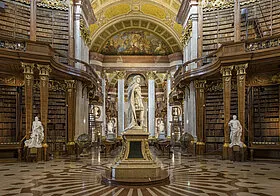
interior of the Austrian National Library with a central statue and golden bookshelves
Top exhibition picks at Austrian National Library
Curated museum program highlights and what to see now in Vienna
Discover high-interest exhibitions at Austrian National Library, selected to help you prioritize your route, compare show themes, and plan a more rewarding museum visit in Vienna.
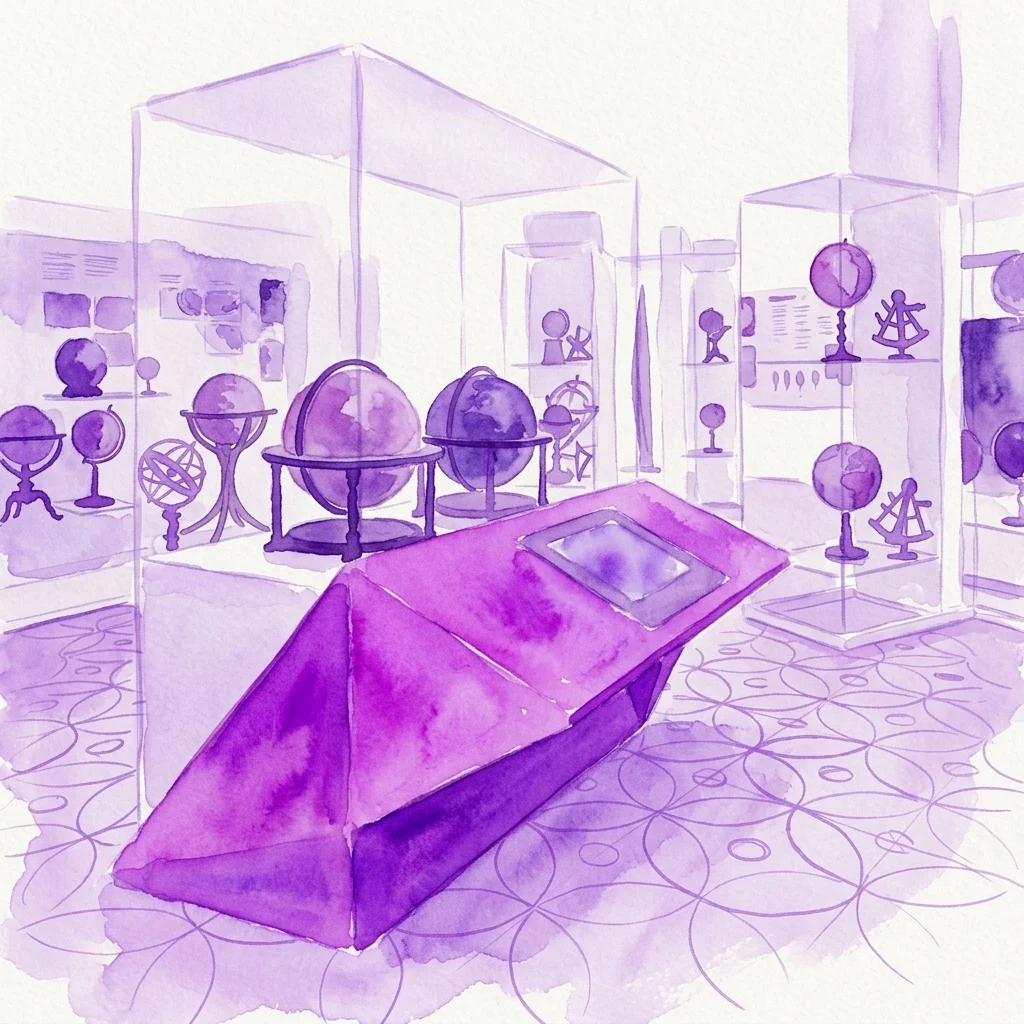
A watercolor illustration of the Globe Museum interior featuring historical terrestrial and celestial globes, astronomical instruments, and display cases, conveying scientific curiosity and exploration.
Permanent exhibition

The Globe Museum Exhibition: A Unique Collection at the Austrian National Library

Explore historical globes and astronomical instruments in Palais Mollard.

Discover over 250 terrestrial, celestial, and planetary globes, showcasing the history of cartography and scientific exploration. This permanent exhibition at the Austrian National Library also features significant astronomical instruments.

Globe Museum Exhibition
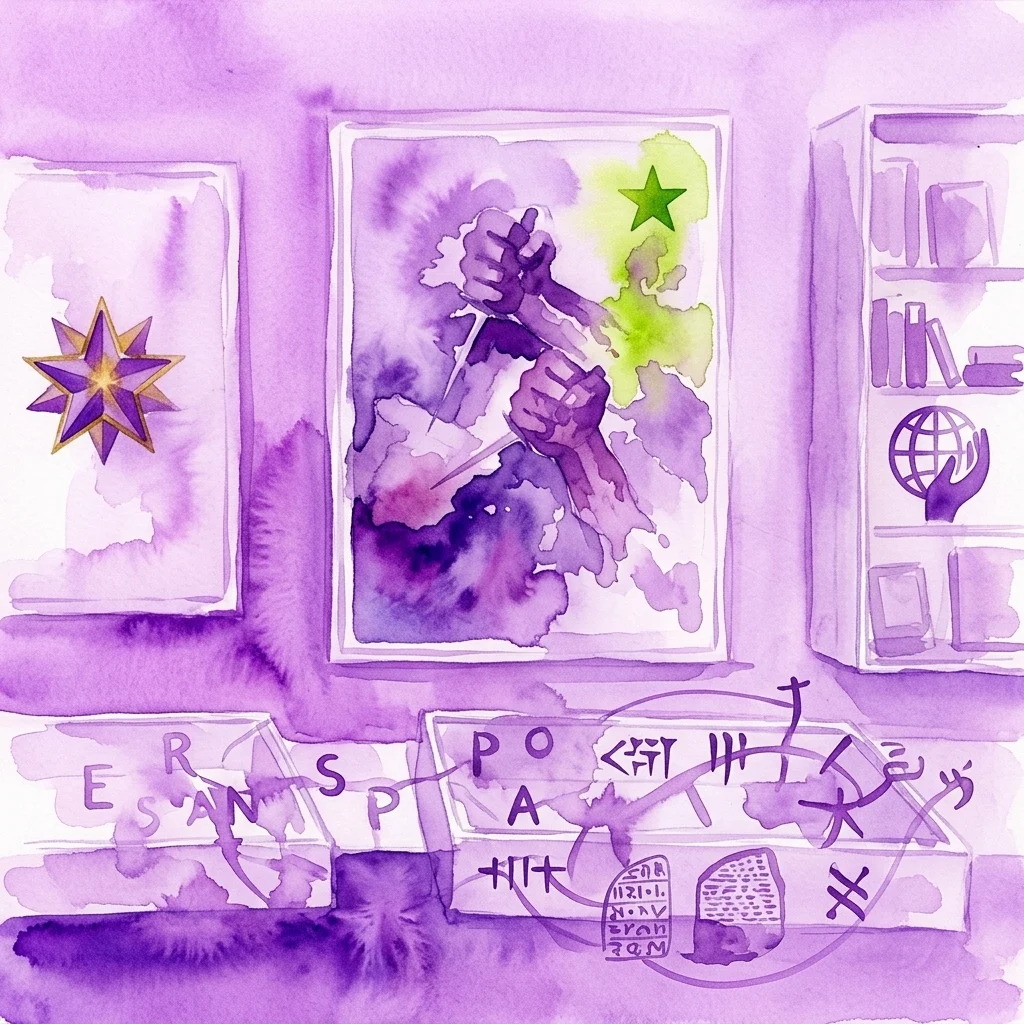
An abstract watercolor illustration of the Esperanto Museum exhibit, featuring symbolic elements like a green star, fists, a globe, and text fragments, evoking the history and philosophy of the constructed language.
Permanent exhibition

Esperanto Museum: Discover the Permanent Exhibition on Invented Language History

Explore linguistic creativity and cultural movements at this unique museum.

Delve into the rich history of Esperanto and planned languages through engaging interactive displays and comprehensive archive records. Understand its century-long journey and significance for international communication.

Esperanto Museum Exhibition
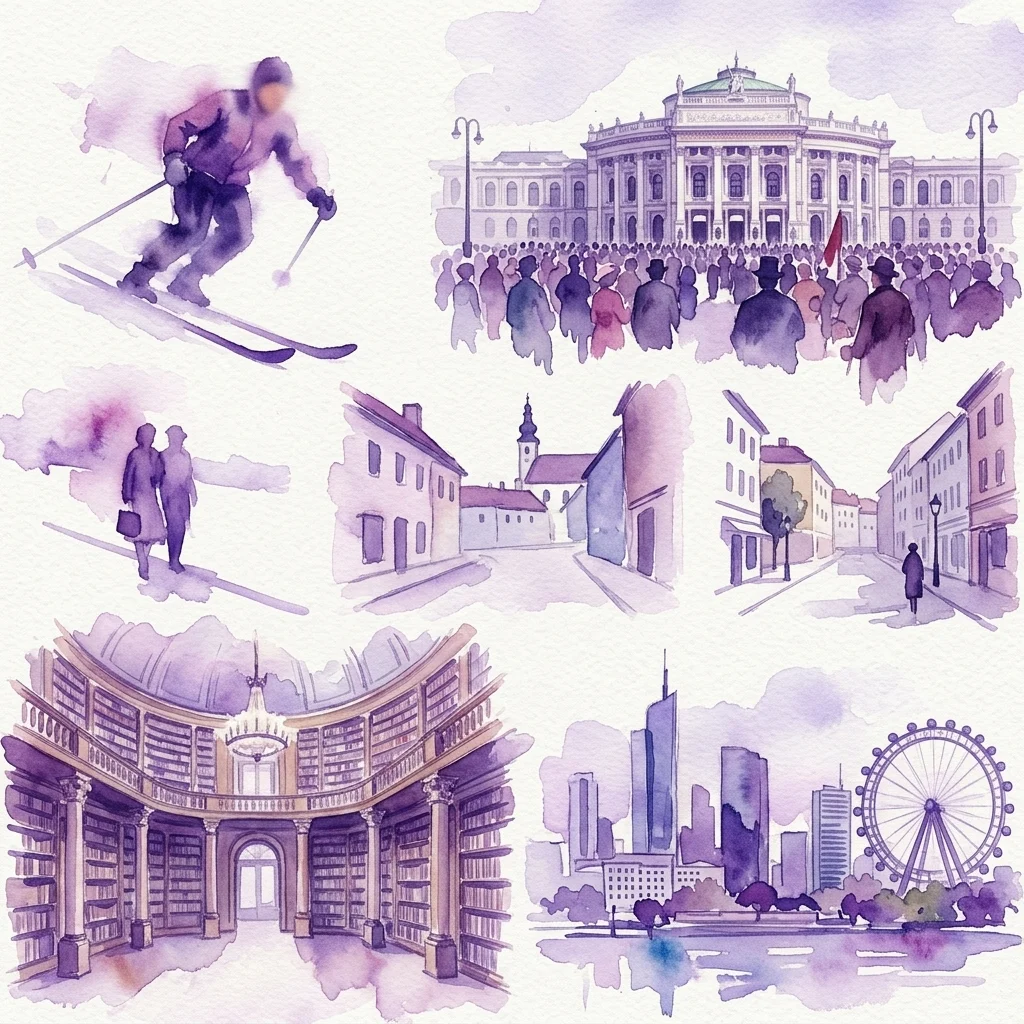
A watercolor collage of Austrian scenes including a skier, a grand library, a city square with a crowd, historic buildings, and a modern skyline with a Ferris wheel, representing a century of Austrian history from 1925-2025.
From Mar 13, 2025

Explore 'Ein Jahrhundert in Bildern: Austria 1925-2025' at the Austrian National Library

A compelling photographic journey through a century of Austrian history.

Discover iconic photographs depicting Austria's transformative history from 1925 to 2025. This special exhibition marks key national anniversaries, inviting reflection on pivotal contemporary events and everyday life.

Exhibition: A Century in Pictures
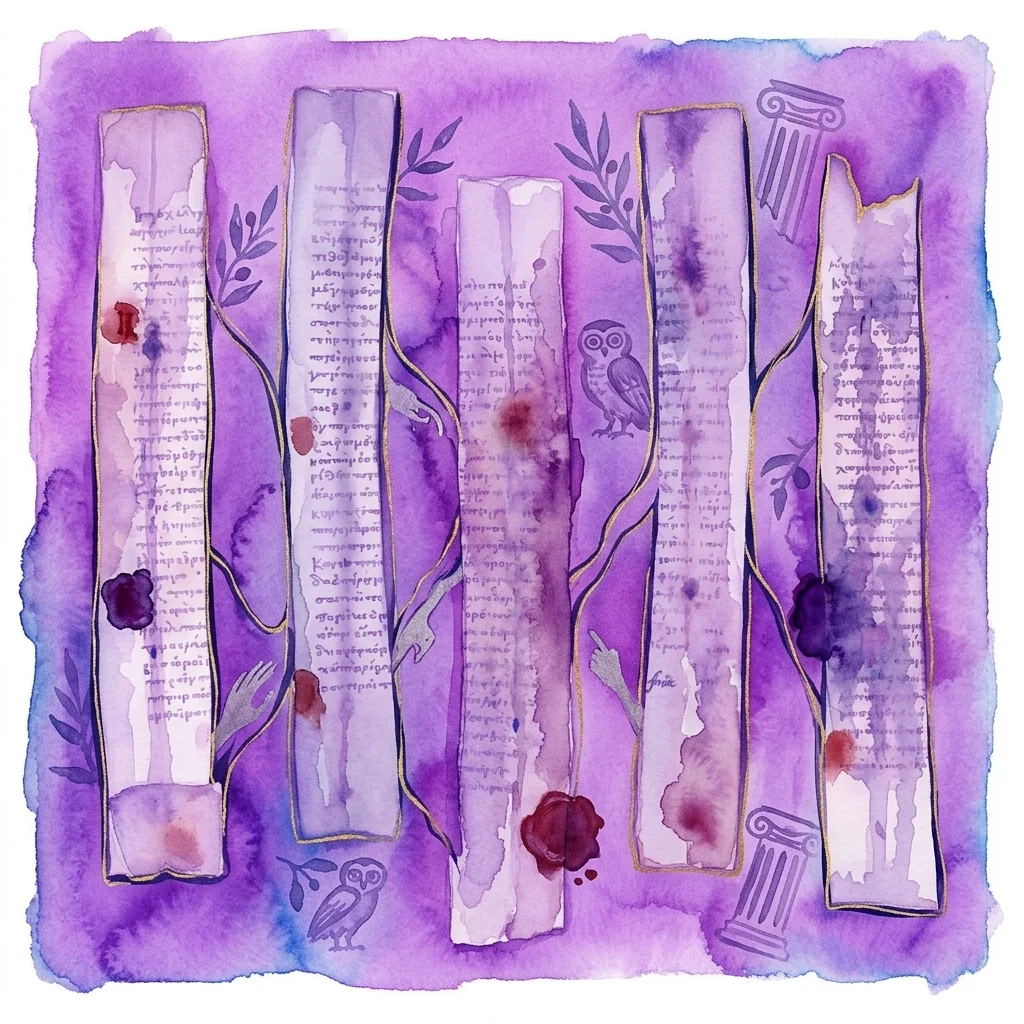
An artistic watercolor illustration of ancient Greek papyrus fragments with visible text, depicted as vertical strips against a purple background, adorned with symbolic elements like an owl, olive branches, and classical columns.
From Jun 11, 2026

Spurensuche Byzanz: Greek Middle Ages Fragments Exhibition at Austrian National Library

Explore ancient textual remnants and their role in understanding Byzantium.

Delve into the challenges and opportunities of reconstructing Byzantine history through surviving fragments. This exhibition at the Papyrus Museum investigates how physical remnants shaped our knowledge of the Greek Middle Ages.

Byzantium Exhibition
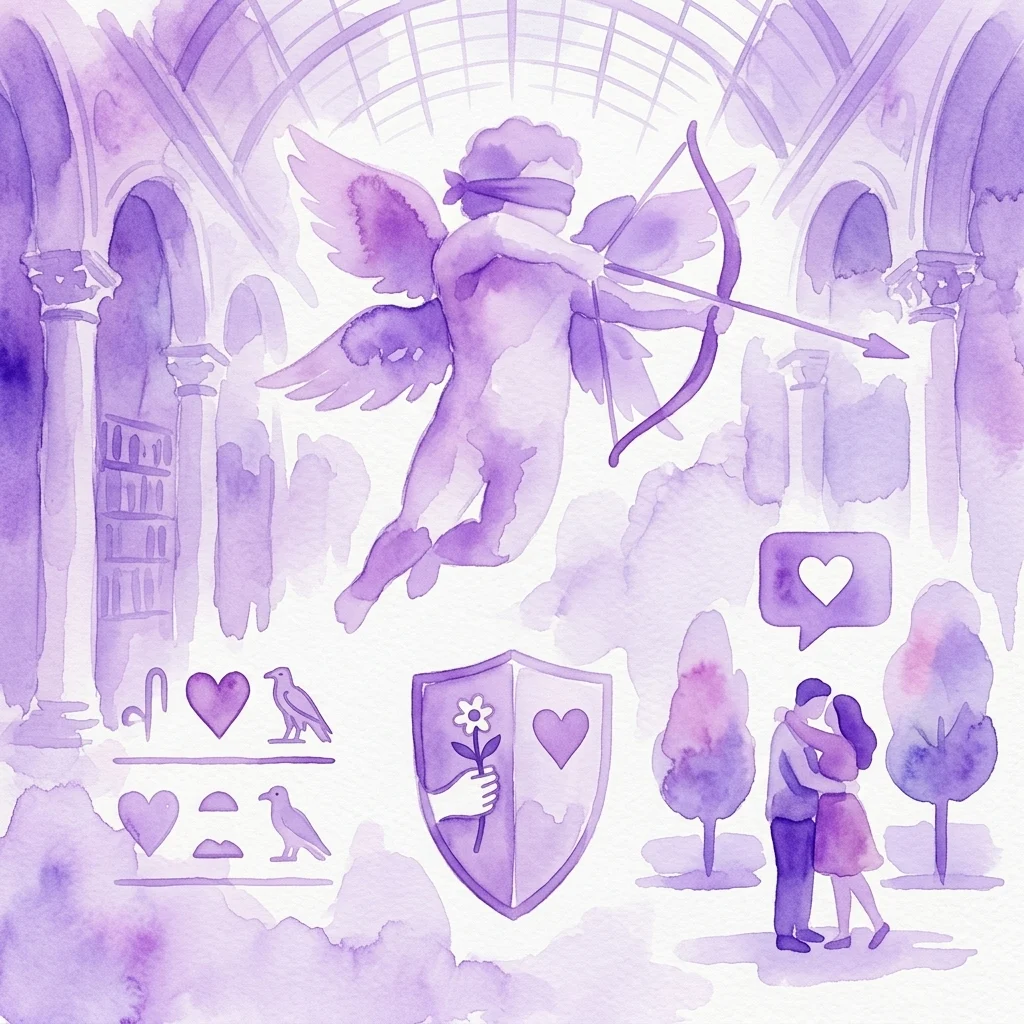
A purple watercolor illustration depicting Cupid with a bow, a couple embracing, hearts, a shield with a flower, and symbolic elements representing love across different historical periods in a grand hall setting.

Discover The Global Power of Love Exhibition at Austrian National Library

Tracing love's impact on human societies and artistic expressions globally.

Delve into the evolution of love, exploring its diverse representations and profound cultural significance. This special exhibition uncovers how human connections have shaped history across the centuries.

View Exhibition
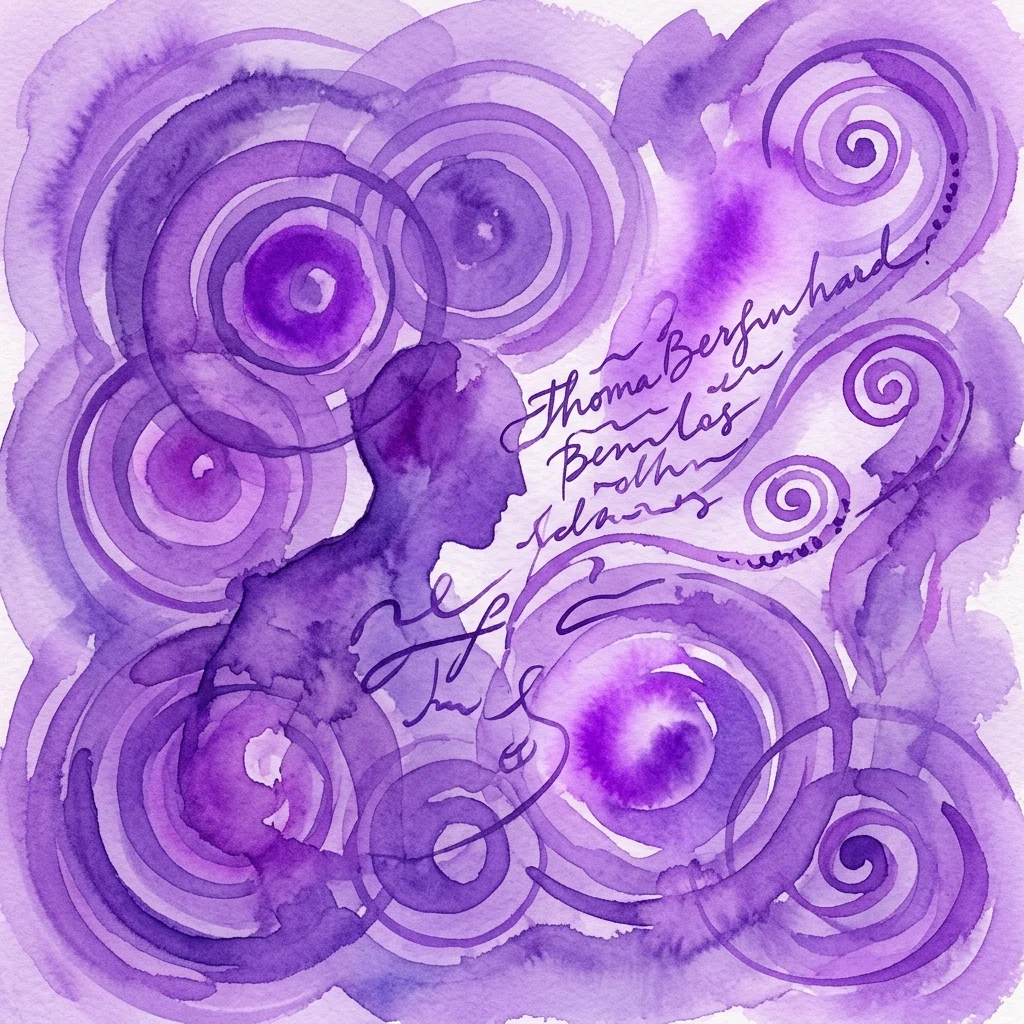
Purple watercolor artwork featuring a silhouette of a person's head in profile surrounded by swirling patterns and the handwritten name Thomas Bernhard.

Special Exhibition: Thomas Bernhard's "Dullness" at Austrian National Library

A deep dive into the influential literary figure and his unique intellectual process.

The exhibition "Putting the thinking cap on dullness" Thomas Bernhard today explores the celebrated author's works. Engage with his distinct perspective on 'dullness' and the act of thinking, connecting his oeuvre with contemporary thought at the Literature Museum.

Thomas Bernhard Exhibition
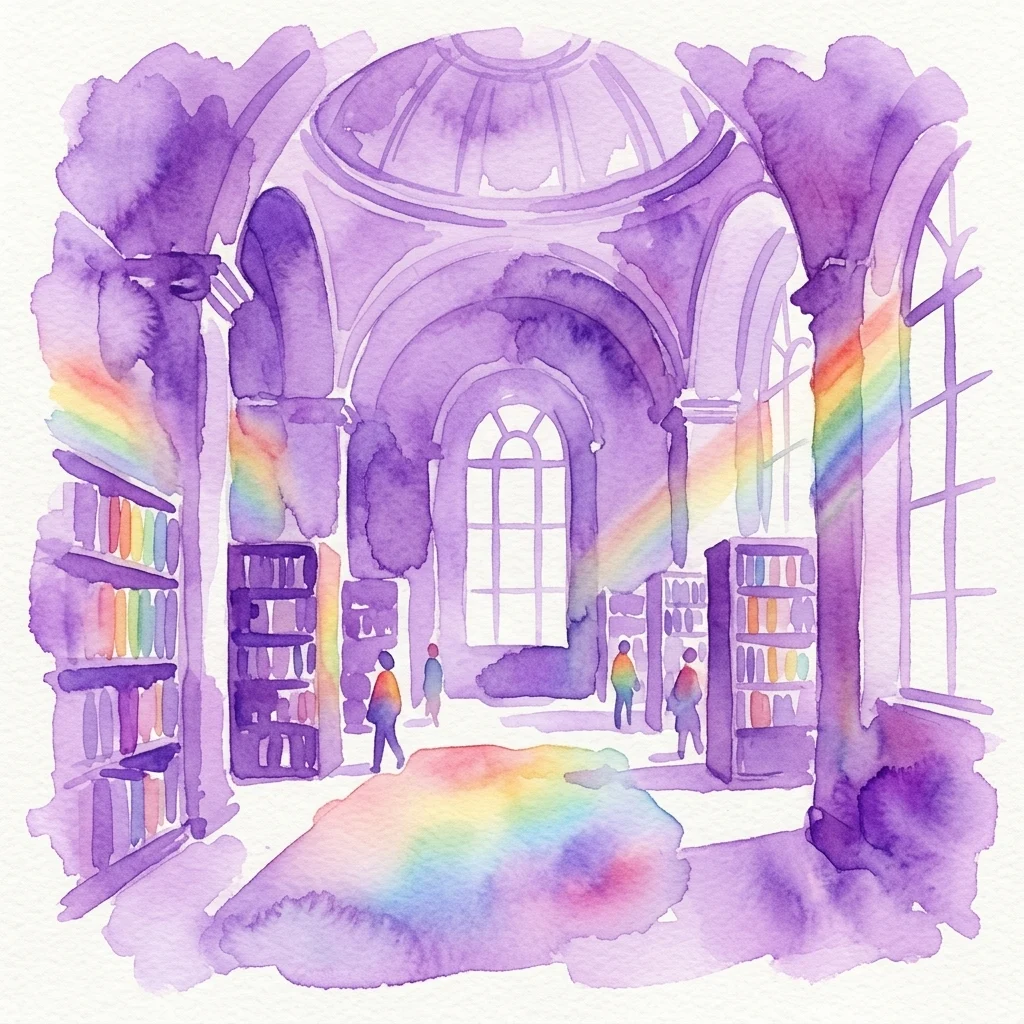
A watercolor illustration of a grand library interior with purple hues and rainbow accents, symbolizing inclusivity and discovery at the Austrian National Library during Que(e)r durch die Österreichische Nationalbibliothek.

Que(e)r durch die Österreichische Nationalbibliothek: Exploring Queer History at the Austrian National Library

Special guided tours revealing diversity within library collections for Vienna Pride.

Discover an exhibition at the Austrian National Library highlighting diversity and queerness. Engage with historical documents and literary voices through unique guided tours during Vienna Pride.

Queer Exhibition Tours
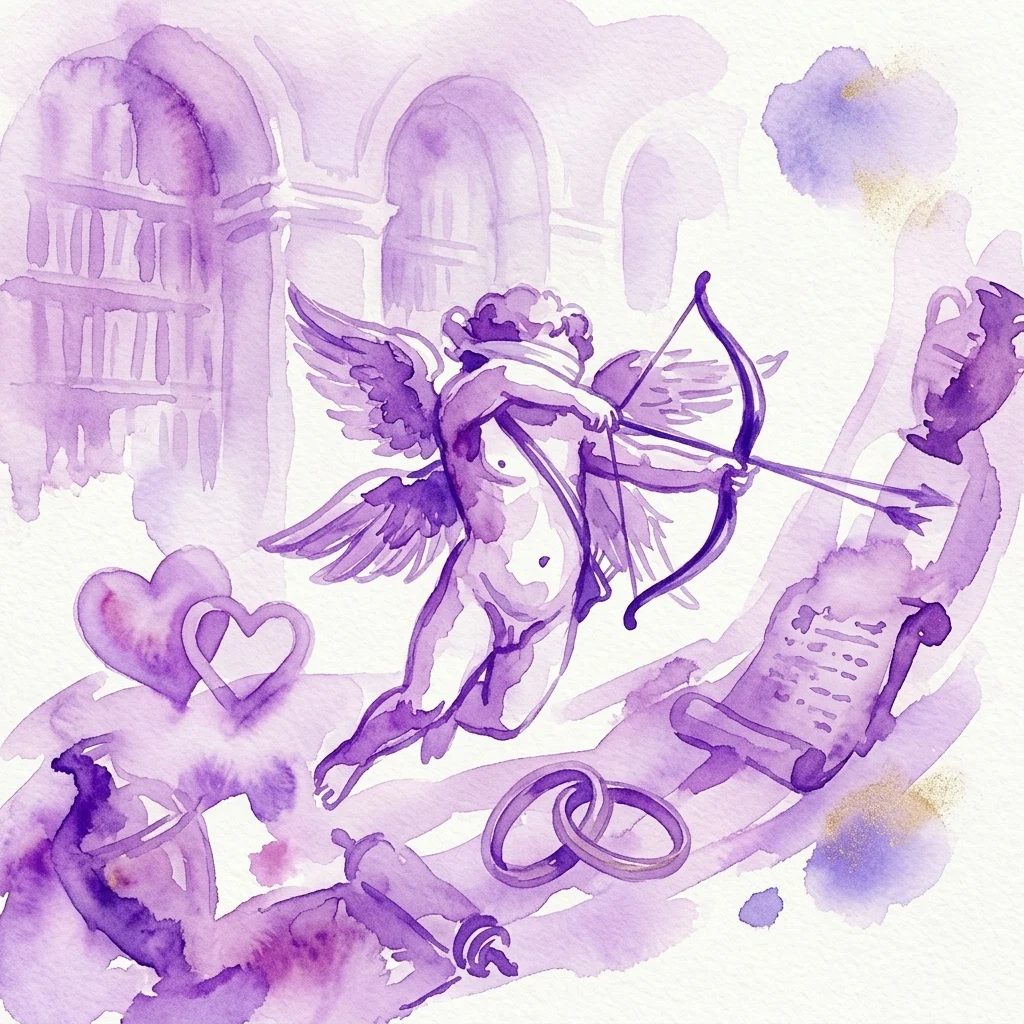
A purple watercolor illustration of Cupid with a bow and arrow, surrounded by hearts, wedding rings, and ancient scrolls in a grand library setting, representing the exhibition 'Weltmacht Liebe. Eine Reise durch die Jahrhunderte' at the Austrian National Library.
Mar 20, 2026 – Nov 1, 2026

Weltmacht Liebe: Discover Love's Historical Impact at Austrian National Library

A journey through art, culture, and emotions across different eras.

Experience 'Weltmacht Liebe', an exhibition revealing love's pervasive role throughout human history and various cultures. See its impact on art, literature, and music, showcasing diverse expressions of human emotion. Guided tour information is available.

Weltmacht Liebe Exhibition

History of the Austrian National Library

The Austrian National Library traces its origins to the Imperial Court Library, founded by the Habsburgs with its earliest recorded book dating to 1368. Emperor Charles VI authorized the construction of its permanent home within Vienna's Hofburg Palace in 1722, culminating in the magnificent State Hall. Over centuries, the library's *vast collections* expanded through significant acquisitions and administrative innovations like the card index system. Renamed the Austrian National Library in 1920, following the Republic of Austria's proclamation, it has grown into a central institution for scholarship and culture, with notable collections recognized by UNESCO.

  • Established as Imperial Court Library

    1368Founding

    The Austrian National Library originated as the Imperial Court Library, founded by the Habsburgs. Its beginnings trace back to Duke Albert III's move of books into a library during the Middle Ages, with the oldest recorded book dating to 1368.

  • Expansion through Habsburg acquisitions

    Collection

    Frederick III, Holy Roman Emperor, consolidated Habsburg art treasures, bringing valuable books to Vienna. Maximilian I acquired important books from Burgundy and Northern France through his marriage, and Bianca Maria Sforza added Italian works, contributing to the library's growing collection.

  • Appointment of first head librarian

    1575Notable person

    Hugo Blotius was appointed as the first head librarian in 1575 by Emperor Maximilian II. His primary task was to inventory the library, which had grown to approximately 9,000 books, leading to systematic additions and incorporation of other libraries.

  • Regulation of copy delivery and expansion

    1624Collection

    On August 26, 1624, Ferdinand II regulated the delivery of copies to the Imperial Library. The library also expanded through purchases, notably acquiring the library of Philipp Eduard Fugger, which significantly increased its holdings, including early periodic printing elements known as Fugger newspapers.

  • Construction of permanent home authorized

    1722Construction

    In 1722, Charles VI, Holy Roman Emperor, authorized the construction of a permanent home for the library within the Hofburg Palace, following plans initiated by Leopold I. The wing was begun by Johann Bernhard Fischer von Erlach and began housing the library in the 18th century.

  • Acquisition of Prince Eugene of Savoy's collection

    Collection

    A significant addition to the library was the extensive collection of Prince Eugene of Savoy, comprising 15,000 volumes, including valuable books from France and Italy. At this time, the State Hall housed approximately 200,000 books.

  • Gottfried van Swieten introduced card index

    Notable person

    Gottfried van Swieten, son of Maria Theresia's physician, supplemented the collection with scientific works and successfully introduced the card index system. This innovation facilitated the continuous updating of the library's inventory.

  • Strengthening of the dome and extension of the wing

    Renovation

    During Empress Maria Theresia's reign, cracks appeared in the dome of the Prunksaal. Court architect Nikolaus Pacassi reinforced the structure with an iron ring, and the wing was extended on both ends, connecting the Prunksaal to the Hofburg and St. Augustine's Church, forming Josefsplatz.

  • Reorganization during the Austrian Empire

    Historical period

    Following the dissolution of the Holy Roman Empire and the proclamation of the Austrian Empire, the library was reorganized. It served as a library for instruction, a repository for literary rarities, and the library of the Hofburg, collecting German, Slavic, and Hungarian language books.

  • Imperial Library at risk during March Revolution of 1848

    1848Milestone

    During the March Revolution of 1848, the Imperial Library faced extreme danger when the burning of the Hofburg, where it was located, occurred due to the bombardment of Vienna.

  • Acquisition of papyrus collection

    Collection

    The papyrus collection, acquired through the Viennese antique dealer Theodor Graf, became an important part of the Imperial Library.

  • Renamed Austrian National Library

    1920Milestone

    After the proclamation of the Republic of Austria, the Imperial Library was renamed the Austrian National Library in 1920.

  • Acquisition and housing of seized works during Nazi period

    1938-1945Collection

    During the Nazi period, hundreds of thousands of writings were accommodated in the library, or the library served as a transit point for seized works into German libraries. After the fall of the Nazi regime, the Austrian National Library retained many of these seized works.

  • Library reports on seized works for restitution

    2003Collection

    In December 2003, the Library submitted a report to the Commission for Provenance Research detailing seized works not yet returned to their rightful owners, following a 1998 art restitution law.

  • Collections moved to Neue Burg wing

    1966Relocation

    In 1966, large parts of the collections were moved from the Josefsplatz building to the Neue Burg wing at Heldenplatz, where new reading halls were established. In 1992, the library expanded its reading hall capacity to accommodate approximately 4 million works.

  • Implementation of electronic catalog system

    1995Milestone

    After a long period of using a card-catalog index, the library implemented an electronic system in 1995, which went online in 1998.

  • Vienna Dioscurides inscribed on UNESCO Memory of the World Register

    1997Collection

    The Vienna Dioscurides, a notable item in the manuscripts and rare books collection, was inscribed on UNESCO's Memory of the World Programme Register in 1997 due to its world significance and outstanding universal value.

  • Atlas Blaeu-Van der Hem inscribed on UNESCO Memory of the World Register

    2003Collection

    The 17th-century Atlas Blaeu-Van der Hem, considered the most beautiful and remarkable atlas ever composed, was inscribed on UNESCO's Memory of the World Programme Register in 2003.

  • Papyrus collection inscribed on UNESCO Memory of the World Register

    2001Collection

    The Papyrus Collection, the largest such collection worldwide with about 180,000 objects, was inscribed on UNESCO's Memory of the World Programme Register in 2001.

  • Gained full legal capacity for budget and personnel

    2002Ownership

    On January 1, 2002, the library gained full legal capacity to dismiss staff, granting it complete control over budget and personnel matters. It is state-funded but also raises additional funds through sponsorships and services.

  • State Hall construction and completion

    1721-1723Architecture

    The Prunksaal (State Hall), the central structure of the old imperial library, was begun in 1721 by Johann Bernhard Fischer von Erlach and finished after his death in 1723 by his son Joseph Emanuel. It is adorned with sculptures by Lorenzo Mattielli and frescoes by Daniel Gran.

  • Manuscripts and rare books collection

    Collection

    The collection of manuscripts and rare books spans from the 4th century CE to the present, encompassing antique, medieval, and modern manuscripts from nearly every literate culture, including the 7th-century Notitia ecclesiarum urbis Romae.

  • Map collection and Globe Museum established

    Collection

    The map collection dates back to the 16th century and has existed since 1905, incorporating the Habsburg 'Family Estate Library'. The Globe Museum, existing since 1956, is the world's only public globe museum with over 380 globes, many predating 1850.

  • Papyrus collection's scope and contents

    Collection

    The papyrus collection contains approximately 180,000 objects from the 15th century BCE to the 16th century CE. It includes papyri, clay tablets, stone tablets, leathers, textiles, bones, and gold, silver, and bronze articles with inscriptions.

  • Music collection's holdings

    1826Collection

    Since 1826, the music collection has housed scores and first-printings of composers like Anton Bruckner and Richard Strauss, alongside numerous recordings and handwritten notes.

  • Incunabula collection's size and scope

    1995Collection

    The collection of Incunabula, established as an independent collection in 1995, is one of the five largest in the world, covering approximately 8,000 incunabula, block printings from 1501-1850, and rare bibliophile printings, including Chinese and Japanese works.

  • Department of Planned Languages and Esperanto Museum

    Collection

    This department encompasses a collection of materials related to planned languages, including the Esperanto Museum.

  • Ariadne department for women's and gender studies

    1992Collection

    Founded in 1992, the Ariadne department collects, digitizes, and promotes publications on women and gender studies to increase the visibility of women's contributions to Austrian history and society.

  • Austrian Web Archive initiated

    2009Collection

    The library has been archiving websites since 2009, with themed collections including women's and gender studies, media, and politics, as well as event collections reflecting significant historical moments.

Your Curious Questions About the Austrian National Library

Thinking about visiting the Austrian National Library in Vienna and have some specific questions? Perhaps you're wondering if children get free admission or if there's a direct phone line to chat with someone. We cover everything from ticket prices and multi-entry options to contact methods, ensuring you arrive well-prepared.

Does the Austrian National Library offer live chat support for visitors?

Yes, the Austrian National Library offers a live chat service specifically for Information Services to assist visitors with their inquiries.

What is the phone number or email for the Austrian National Library?

Direct phone numbers or email addresses for general visitor inquiries at the Austrian National Library are not provided in the available contact information. Please use the live chat or contact form instead.

How can I contact the Austrian National Library?

For further questions, visitors to the Austrian National Library are directed to use their live chat service or a contact form.

How do I use the contact form for the Austrian National Library?

Visitors are advised to use a contact form for questions. However, specific details or a direct link to the contact form are not provided in the available information.

Planning Your Visit to the Austrian National Library

To make the most of your visit to the Austrian National Library, consider an estimated duration of 60 to 90 minutes. Reservations are recommended to ensure a smoother experience. For guests arriving by car, paid parking facilities are available nearby.

Who Will Enjoy Visiting the Austrian National Library

The Austrian National Library in Vienna is a compelling destination for solo visitors, groups, and students with interests spanning art, history, music, and local heritage. Visitors can anticipate exploring extensive collections, admiring the grand architecture of spaces like the State Hall, and discovering insights within its specialist museums, including the Literature Museum and Papyrusmuseum. A typical visit might last between 60 and 90 minutes, and reservations are recommended to enhance the experience.

Photos of the Austrian National Library

Explore photos showcasing the grandeur of the Austrian National Library in Vienna. These images capture the magnificent architecture of the State Hall and historic reading rooms. Discover the extensive collections and diverse exhibits from its specialized museums, offering a glimpse into Austria's rich intellectual heritage.

The wordmark logo of the Austrian National Library featuring the text 'Österreichische Nationalbibliothek' in gray on a black background with a red geometric shape on the left
Interior of the State Hall of the Austrian National Library with a domed ceiling painted with frescoes, wooden bookshelves, a central statue, and a patterned marble floor
Neoclassical facade of the Austrian National Library with a central entrance, arched windows, and a sculptural group on the roof against a clear blue sky
Grand interior of a library with high arched ceilings, golden decorations, and rows of bookshelves flanking a central statue.
interior of a grand library with high arched windows, golden ornate ceilings, and rows of bookshelves
The Austrian National Library wordmark with an orange geometric shape and black text.
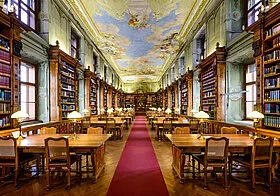
long reading room with wooden bookshelves, tables, chairs, and a red carpet under a painted ceiling
interior of the Austrian National Library with a central statue and golden bookshelves
Ornate library interior with wooden bookshelves, gold decorations, and a large arched window reflecting in a polished floor
Interior of the Austrian National Library with ornate golden ceiling, bookshelves, and statues
Vienna

Find Museums in Vienna: Discover Cultural Sites by Interest and Theme

Uncover Vienna's rich artistic legacy, history, and scientific collections.

Explore the depth of Vienna's cultural offerings and discover institutions by what truly interests you. Whether it's historical landmarks, fine art, or specialized topics, easily locate your next memorable experience.

Explore Austrian National Library with Vienna
Guides, visitor info, and museum details in Vienna
Find everything about Austrian National Library in one place, including tickets, opening hours, current exhibitions, location details, visitor tips, nearby attractions, and the latest museum updates. Use these pages to plan your visit, discover what to see, and get practical information before you go.
Discover nearby museums similar to Austrian National Library in Vienna and plan your next cultural stop with confidence.
These recommendations prioritize real proximity to Austrian National Library and help you find high-fit alternatives faster across Vienna.
Use this curated list to compare museums near Austrian National Library without opening multiple search pages. Each card gives you fast visual context and direct access to key details so you can decide quickly. If you are building a full day in Vienna, this section helps you chain nearby visits with less planning effort.