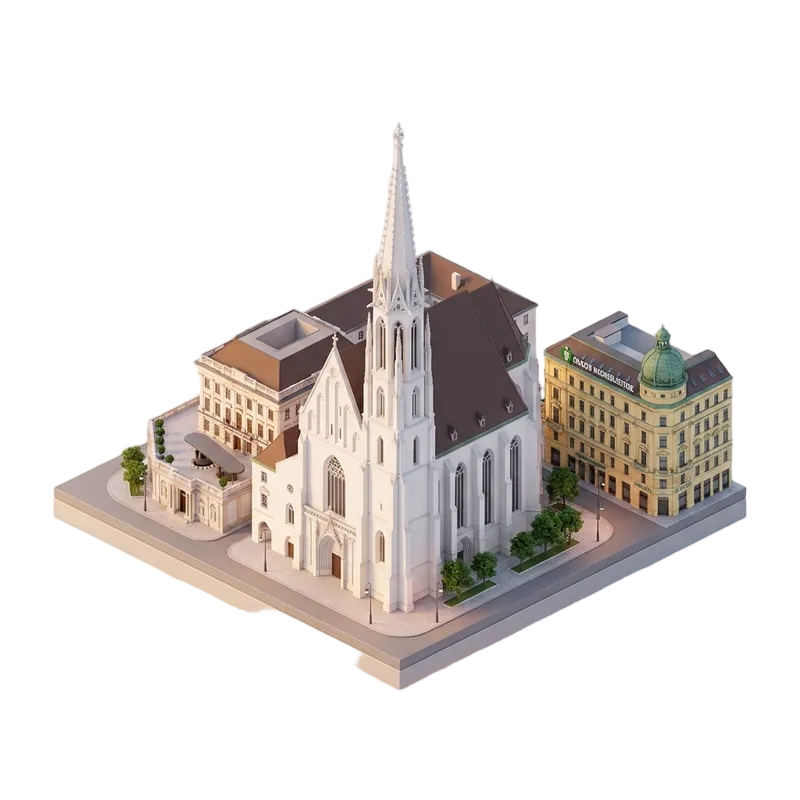
Vienna
Vienna · Dynastic History & Treasures

Imperial Treasury Vienna: Discover Historic Habsburg & Holy Roman Collections

An essential guide to Vienna's Hofburg treasury and its magnificent dynastic collections.

HistoryDesignLocal heritage

Explore the Imperial Treasury Vienna, home to a magnificent collection of secular and ecclesiastical treasures. Witness the opulence and power of European rulers through regalia like the Imperial Crown, coronation robes, and other precious artifacts that span a thousand years of history.

Discover a millennium of European history at the Imperial Treasury Vienna, showcasing the Imperial Crown, crown jewels, and other symbols of power from the Holy Roman and Austrian Empires.

Imperial Treasury Vienna
Imperial Treasury Vienna: A Millennium of Imperial Treasures

The Imperial Treasury Vienna, located in Vienna, presents a rich collection of artifacts spanning a millennium of European history. It houses the treasured regalia and precious objects of both the Holy Roman and Austrian Empires, primarily focusing on the House of Habsburg. Visitors can explore significant exhibits like the Imperial Crown, a masterpiece that served as coronation insignia. The museum invites guests to delve into the symbols of power and historical narratives of these dynastic treasures.

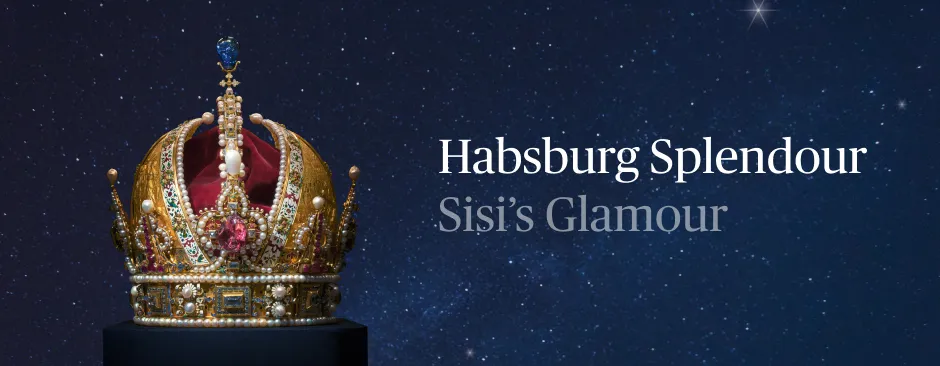
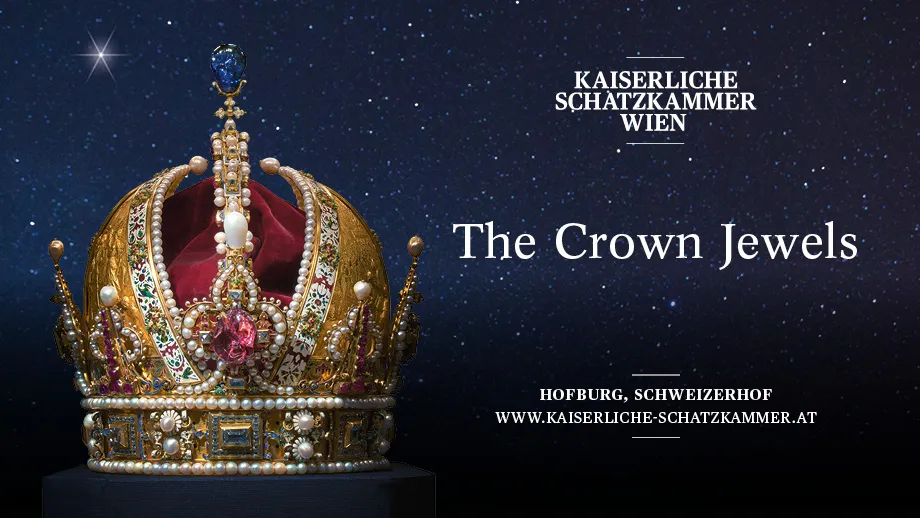
Imperial crown adorned with jewels and pearls displayed on a black pedestal against a dark starry background
Imperial Treasury Vienna opening hours in Vienna

Check today’s opening status, weekly schedule, and special date changes for Imperial Treasury Vienna. Use these opening hours to plan your arrival and avoid closed times in Vienna.

Monday
Tuesday
Wednesday
Thursday
Friday
Saturday
Sunday
09:00-17:30
-
09:00-17:30
09:00-17:30
09:00-17:30
09:00-17:30
09:00-17:30
Imperial Treasury Vienna Tickets and Admission

Admission to the Imperial Treasury Vienna is paid, with online tickets generally offering a lower price compared to on-site purchases. Free entry is provided for children and young people aged 0 to 19, and reduced admission rates are available for students and seniors upon presentation of valid identification. Group tickets and various combination passes are also offered. Starting April 1, 2026, all admissions will require reserved time slots.

Adult

Price not listed

Accessibility and Visitor Facilities at the Imperial Treasury Vienna

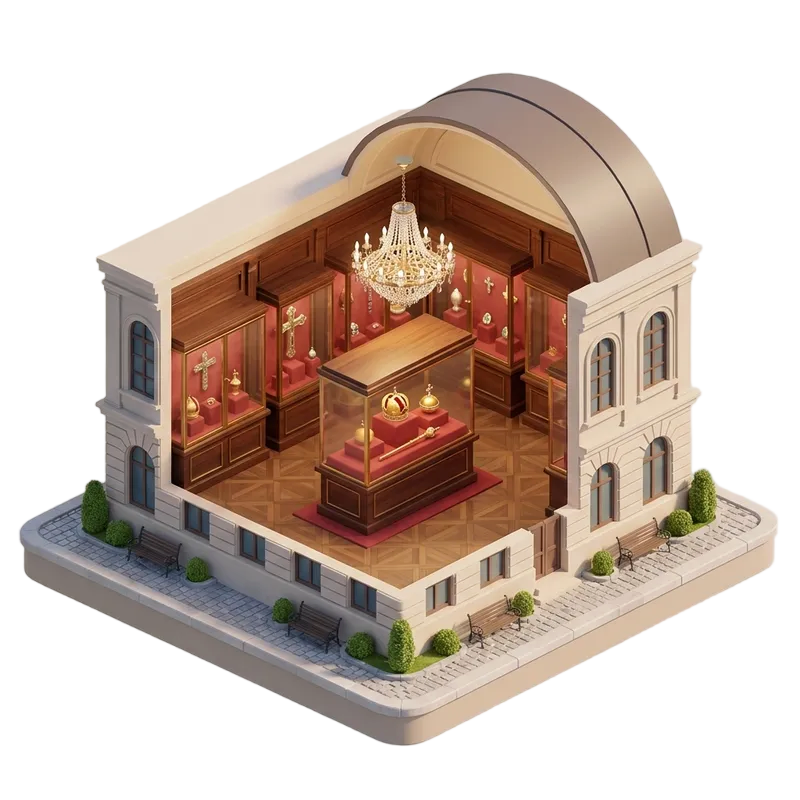
The Imperial Treasury Vienna is equipped with a range of accessibility features to ensure a comfortable visitor experience for all guests. Facilities include step-free access to the main entrance, elevators for navigating the space, and dedicated restroom facilities. Additionally, the venue provides complimentary wheelchair use and designated accessible parking nearby to support those with mobility needs.

Public parking spaces reserved for disabled drivers

Available

Bathrooms suitable for visitors with mobility impairments

Available

elevator

Available

Main entrance without steps

Available
Imperial Treasury Vienna Location

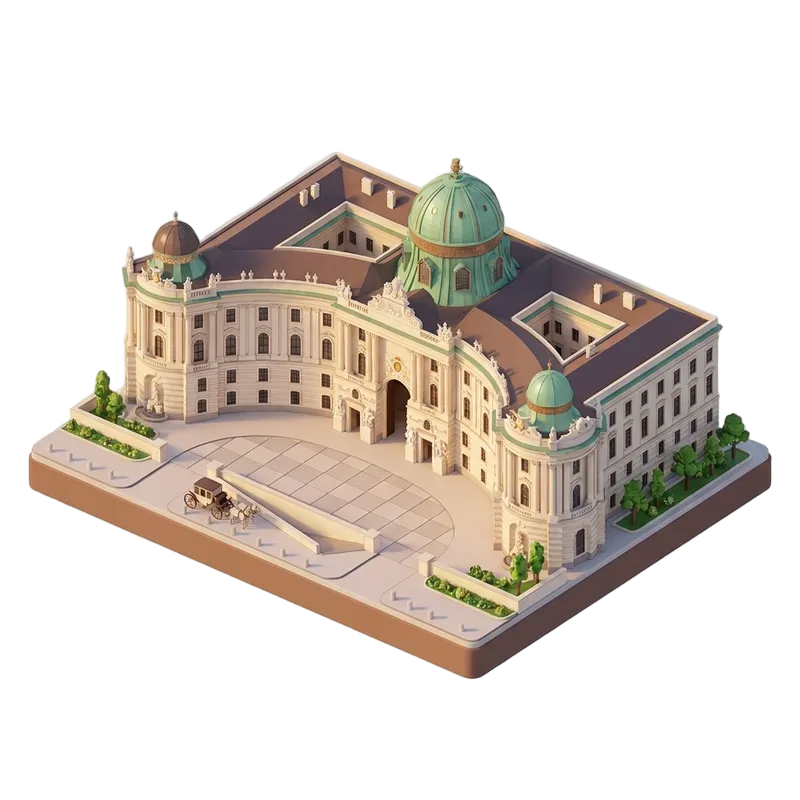
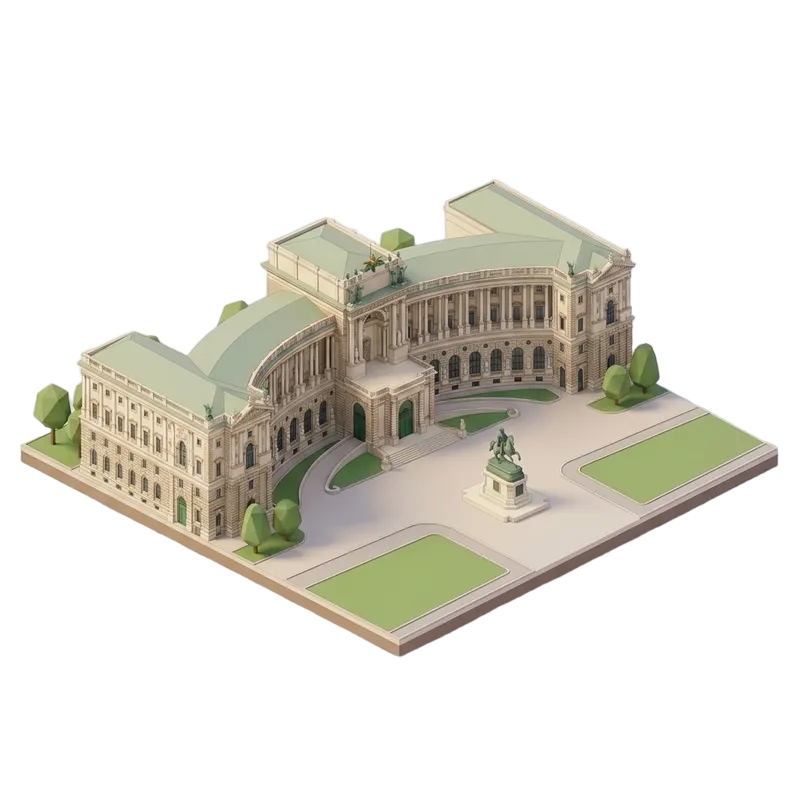
The Imperial Treasury Vienna is prominently located within the historic Hofburg complex, specifically in the Schweizerhof neighborhood of Vienna. This central position places the museum directly amidst significant imperial architecture, offering visitors convenient access to a unique collection that spans a millennium of European history, including the crown jewels and symbols of power from the Holy Roman and Austrian Empires.
© OpenStreetMap contributors

Hofburg

1010 Vienna

Schweizerhof, AT

Visiting the Imperial Treasury Vienna

You can expect to spend approximately 1.5 to 2.5 hours exploring the Imperial Treasury Vienna's collections. Reservations are recommended to ensure a smooth entry experience. For those arriving by car, paid parking is available in the vicinity within Vienna.

Visiting the Imperial Treasury Vienna

Imperial Treasury Vienna: Imperial Regalia and Dynastic Treasures

The Imperial Treasury Vienna, located in Vienna, offers a deep dive into a millennium of European history through its rich collection of valuable artifacts. This institution, part of the Kunsthistorisches Museum Wien, primarily focuses on the regalia and precious objects of the House of Habsburg, alongside treasures of the Holy Roman and Austrian Empires. Visitors encounter extensive collections of secular and ecclesiastical treasures, with a central focus on the coronation insignia, including the renowned Imperial Crown. The experience allows guests to explore symbols of power and delve into the myths and secrets associated with historical items, providing insights into European traditions and the imperial glory of the Habsburgs through intricate designs and centuries of use.
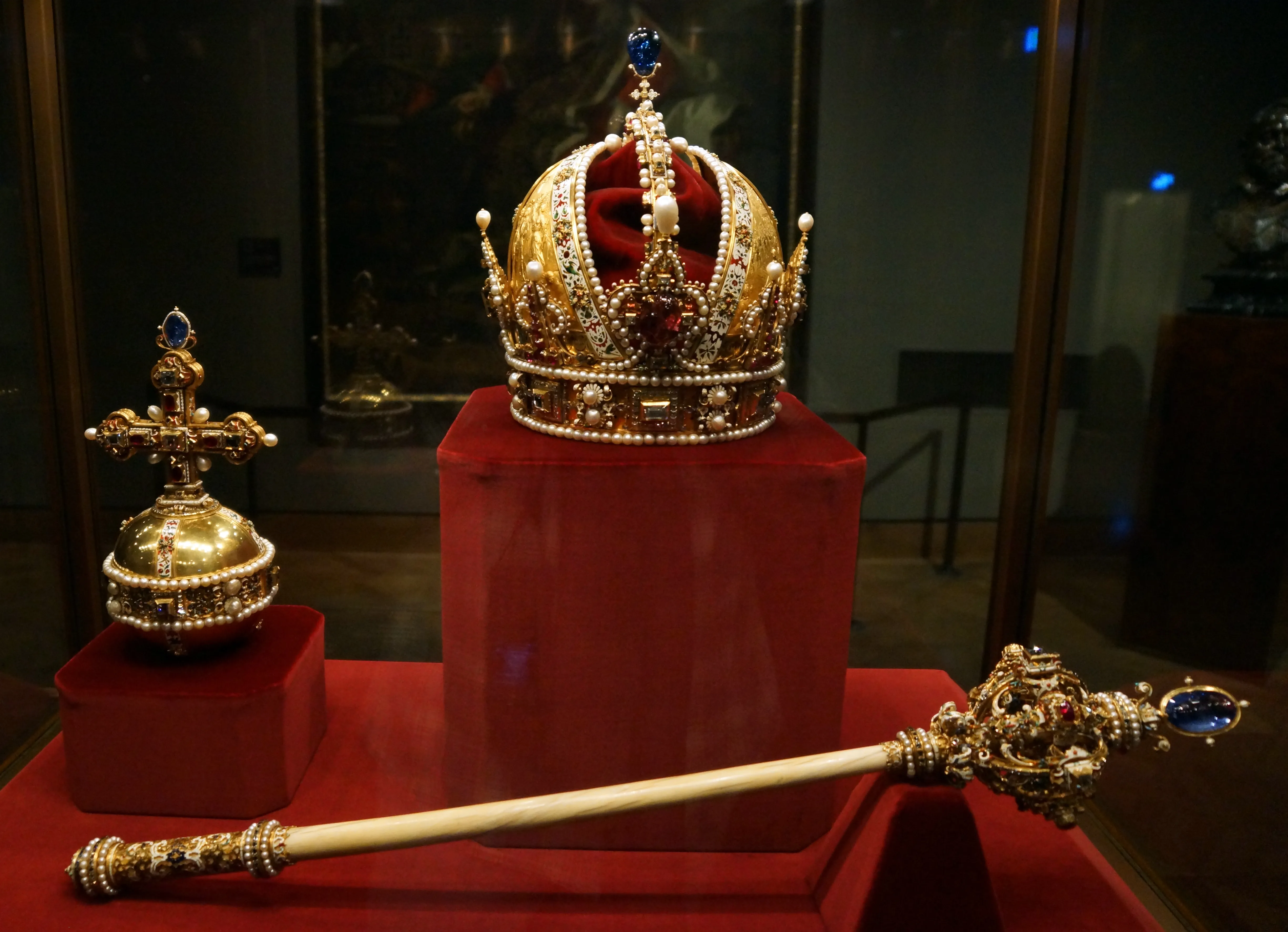
Imperial Crown, Orb, and Sceptre of Austria displayed on red pedestals in a glass case

History of the Imperial Treasury Vienna

The Imperial Treasury Vienna holds a rich collection chronicling over a thousand years of European history, primarily amassed by the **House of Habsburg**. Its development began notably in 1556 with Jacopo Strada, and the Burgundian Treasury was incorporated as early as 1477. The treasures were eventually moved to their present location within the Hofburg Palace in Vienna during the eighteenth century under Maria Theresa. Significant shifts include the Imperial Regalia's transfer to Vienna around 1800 to protect them from French troops, and their return after World War II following a move to Nuremberg in 1938. This vast collection powerfully attests to the political influence and extensive reach of its historical owners.

  • Imperial Treasury at Hofburg Palace

    Overview

    The Imperial Treasury at the Hofburg Palace in Vienna, Austria, houses a collection of secular and ecclesiastical treasures spanning over a thousand years of European history, compiled by the House of Habsburg.

  • Renovation of the display in 1983–1987

    1983-1987Renovation

    The display of the Imperial Treasury underwent a complete renovation between 1983 and 1987, modernizing its presentation of the valuable collections.

  • Renaissance rebuilding of Schweizerhof

    1500-1599Construction

    The Schweizerhof, the oldest part of the Hofburg Palace and the current entrance to the treasury, was rebuilt in the Renaissance style in the sixteenth century under Emperor Ferdinand I.

  • Setup of Imperial Treasury collections from 1556

    1556Collection

    The collections for the Imperial Treasury were initially set up starting in 1556 by the scholar Jacopo Strada, who served as court antiquarian to Ferdinand I.

  • Habsburg treasures moved in the eighteenth century

    1700-1799Relocation

    In the eighteenth century, Maria Theresa ordered the Habsburg treasures to be moved to their present location within the Hofburg Palace.

  • Imperial Regalia moved from Nuremberg around 1800

    1800Collection

    The Imperial Regalia were transferred to Vienna around 1800 from Nuremberg, where they had been kept since 1424, to protect them from advancing French troops.

  • Nazi authorities moved regalia to Nuremberg in 1938

    1938Ownership

    Following Austria's Anschluss in 1938, Nazi authorities moved the Imperial Regalia back to Nuremberg.

  • US forces returned regalia to Vienna after WWII

    1945Collection

    After World War II, US forces were responsible for returning the Imperial Regalia to Vienna.

  • Habsburg-Lorraine jewels removed in 1918

    1918Collection

    In 1918, jewels from Empress Zita's private property and the Habsburg-Lorraine family, including 39 historical objects, were removed from display cases XII and XIII of the Secular Treasury and taken to Switzerland.

  • State abandoned demand for restitution of crown jewels in 1921

    1921Ownership

    By 1921, the Austrian state abandoned its demand for the restitution of the crown jewels, which had been removed in 1918.

  • Burgundian Treasury part of dowry in 1477

    1477Collection

    The Burgundian Treasury, part of the dowry of Mary the Rich, was added to the collection upon her wedding with Archduke Maximilian I in 1477.

  • Order of the Golden Fleece treasury heritage

    Collection

    The treasury of the Order of the Golden Fleece, from the heritage of Charles the Bold, is part of the collections displayed.

  • Austrian Crown Jewels proclamation in 1804

    1804Collection

    With the proclamation of the Austrian Empire in 1804, the personal crown of Emperor Rudolf II became the Imperial Crown of Austria, forming part of the Austrian Crown Jewels.

  • Regalia of Archduchy of Austria for Joseph II coronation

    1764Collection

    The regalia of the Archduchy of Austria, including the cord casing of the archducal hat, was made for the coronation of King Joseph II in 1764.

  • Original insignia of the Kingdom of Bohemia

    Collection

    The original insignia of the Kingdom of Bohemia, consisting of the scepter and the orb, are part of the collection.

  • Napoleonica artifacts

    Collection

    Artifacts related to Napoleon II and his mother Marie Louise, known as Napoleonica, are part of the treasury's collection.

  • Treasures attest to owners' power

    Cultural significance

    Like other secular treasuries, the Imperial Treasury's collection was designed to attest to the political power and geographical reach of its owners, the House of Habsburg.

  • Renaissance architecture of Schweizerhof

    Historical period

    The Schweizerhof, the oldest part of the Hofburg Palace housing the treasury entrance, was rebuilt in the Renaissance architectural style.

  • Baroque era ecclesiastical collection

    Historical period

    The ecclesiastical collection within the Imperial Treasury predominantly features devotional images and altars dating from the Baroque era.

Imperial Treasury Vienna: Your Curiosities Addressed

Have questions about visiting the Imperial Treasury Vienna? Our FAQs cover everything from general admission prices and free entry for children to specific inquiries like booking the venue for events or details on future mandatory time slots in Vienna. Dive in to discover answers to all your practical needs and unique curiosities.

Can I bring a service animal to the Imperial Treasury Vienna?

Yes, service animals are permitted inside the Imperial Treasury Vienna.

How can I reserve a wheelchair for my visit to the Imperial Treasury Vienna?

To reserve a wheelchair for your visit, please contact the guest service team at [email protected].

How long does a typical visit to the Imperial Treasury Vienna take?

The duration of a visit to the Imperial Treasury Vienna varies greatly depending on individual interest, ranging from as little as half an hour to an entire day.

How do journalists get free entry to the Imperial Treasury Vienna?

Journalists receive free admission to the Imperial Treasury Vienna and other KHM Museumsverband locations for professional assignments. Accreditation through the press department via [email protected] is required.

Visitor Tips for Imperial Treasury Vienna

For a smoother visit to the Imperial Treasury Vienna, allow approximately 90 to 150 minutes to explore the collections. Reservations are recommended to ensure your entry. The venue is equipped with a step-free main entrance and an elevator for accessibility. Additionally, accessible toilets are available, and wheelchairs can be reserved in advance for visitor comfort. Paid parking is also provided on Heldenplatz.

Imperial Treasury Vienna Visitor Fit

The Imperial Treasury Vienna in Vienna is suitable for a wide range of visitors, including solo travelers, couples, groups, and students interested in European history. Those with an interest in design, local heritage, and the historical significance of imperial regalia and precious artifacts will find the collections engaging. The museum offers good accessibility, with step-free entrance, elevators, accessible toilets, and public parking. Wheelchairs are also available upon prior reservation for those who need them, and a visit typically lasts between 90 to 150 minutes; reserving tickets in advance is recommended.

Imperial Treasury Vienna Gallery

Explore the visual splendor of the Imperial Treasury Vienna through images that highlight a millennium of European history. Visitors can expect to see magnificent golden crowns, jeweled regalia, and ornate vestments, alongside intricate historical artifacts displayed in elegant settings in Vienna. The collection features precious gems, intricate goldwork, and vibrant enamels.
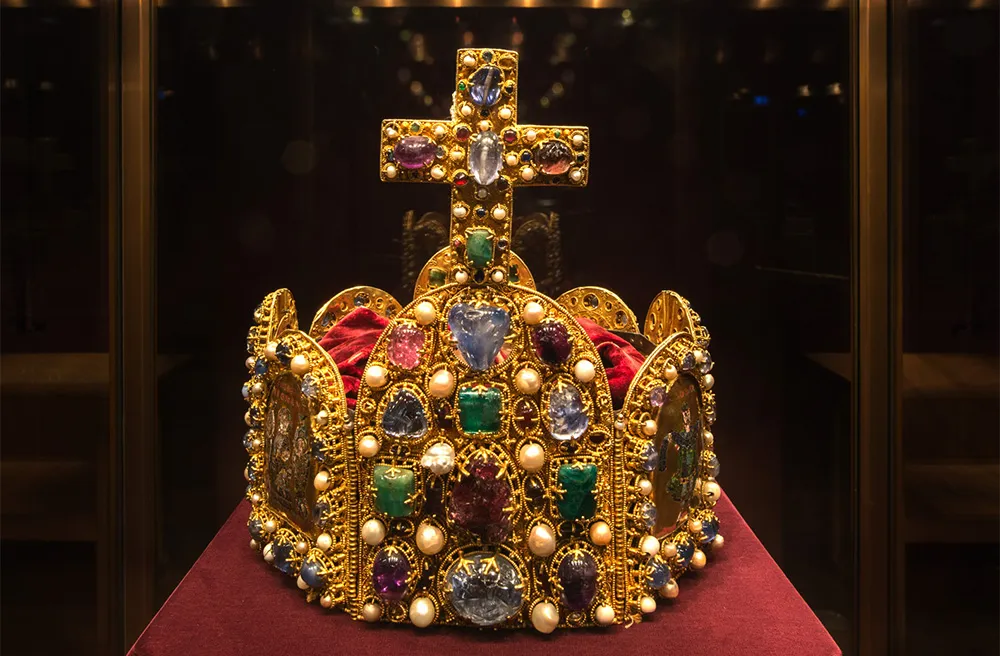
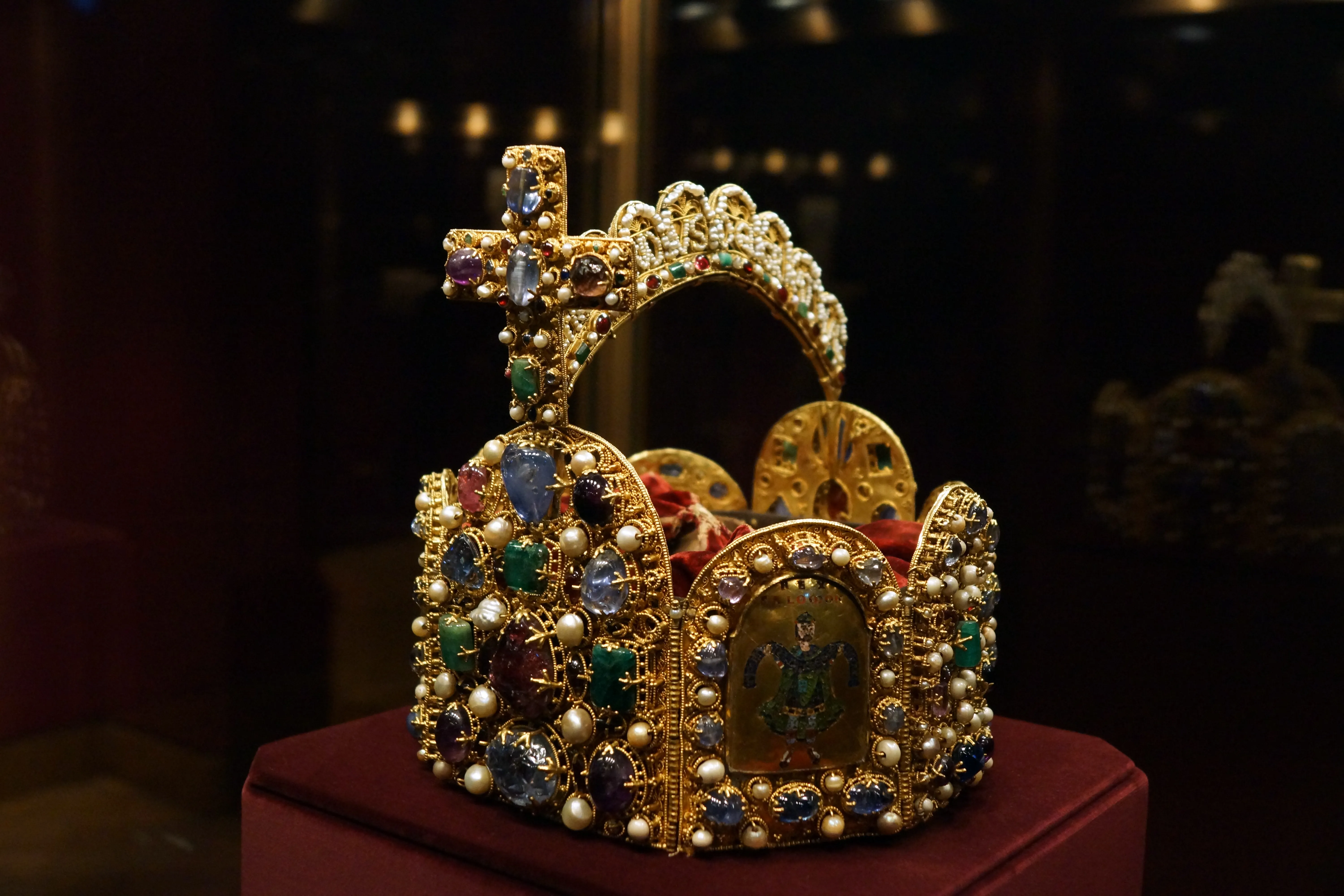
A golden crown with jewels and a cross on a red velvet stand
Imperial Crown, Orb, and Sceptre of Austria displayed on red pedestals in a glass case
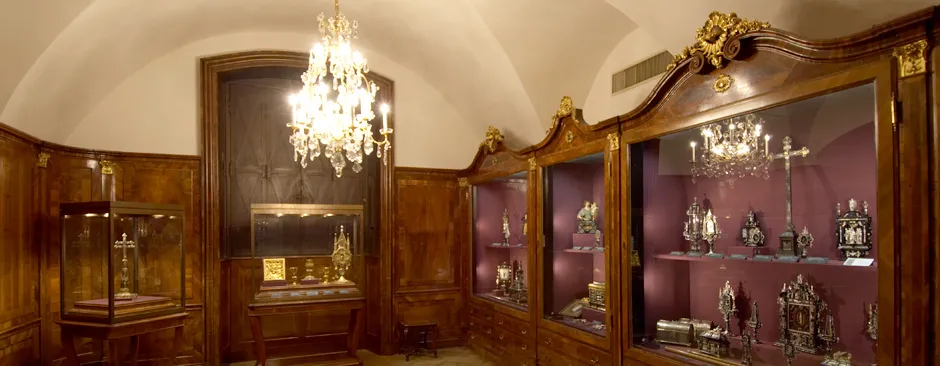
Interior of a museum gallery with wooden display cases, chandeliers, and purple velvet-lined showcases containing artifacts
golden crown with jewels and pearls on a red pedestal
golden crown adorned with jewels and pearls on display
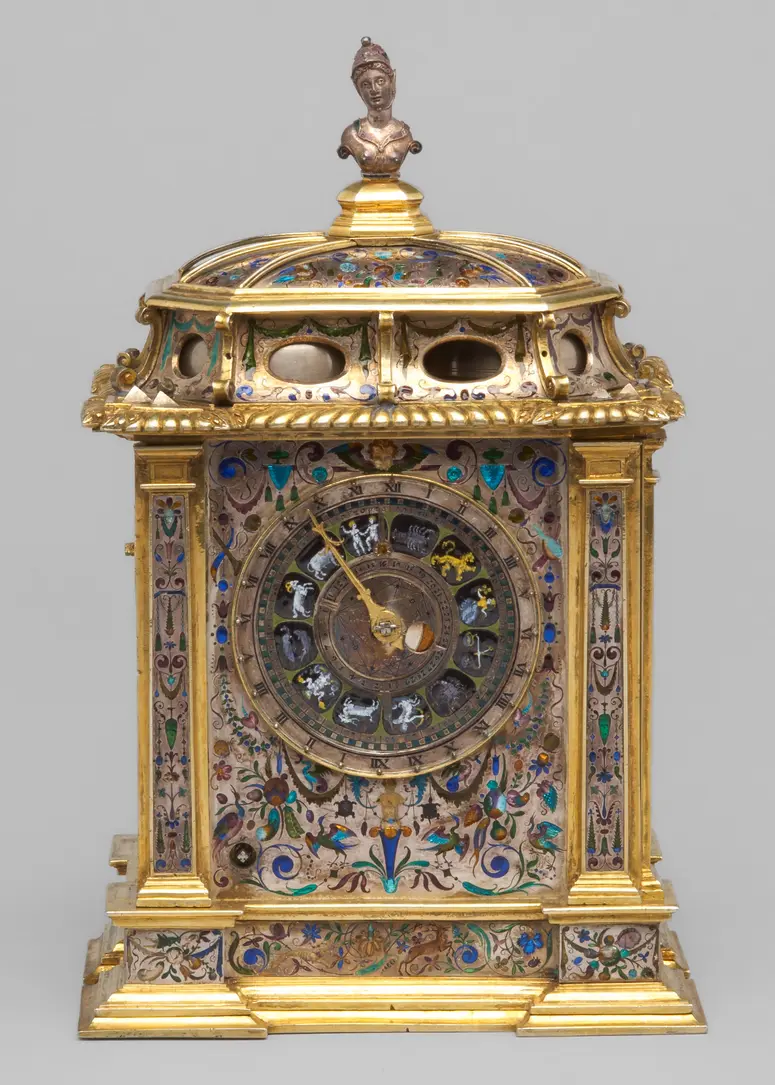
Gilded clock with enamel decorations and an astronomical dial
Imperial crown adorned with jewels and pearls displayed on a black pedestal against a dark starry background
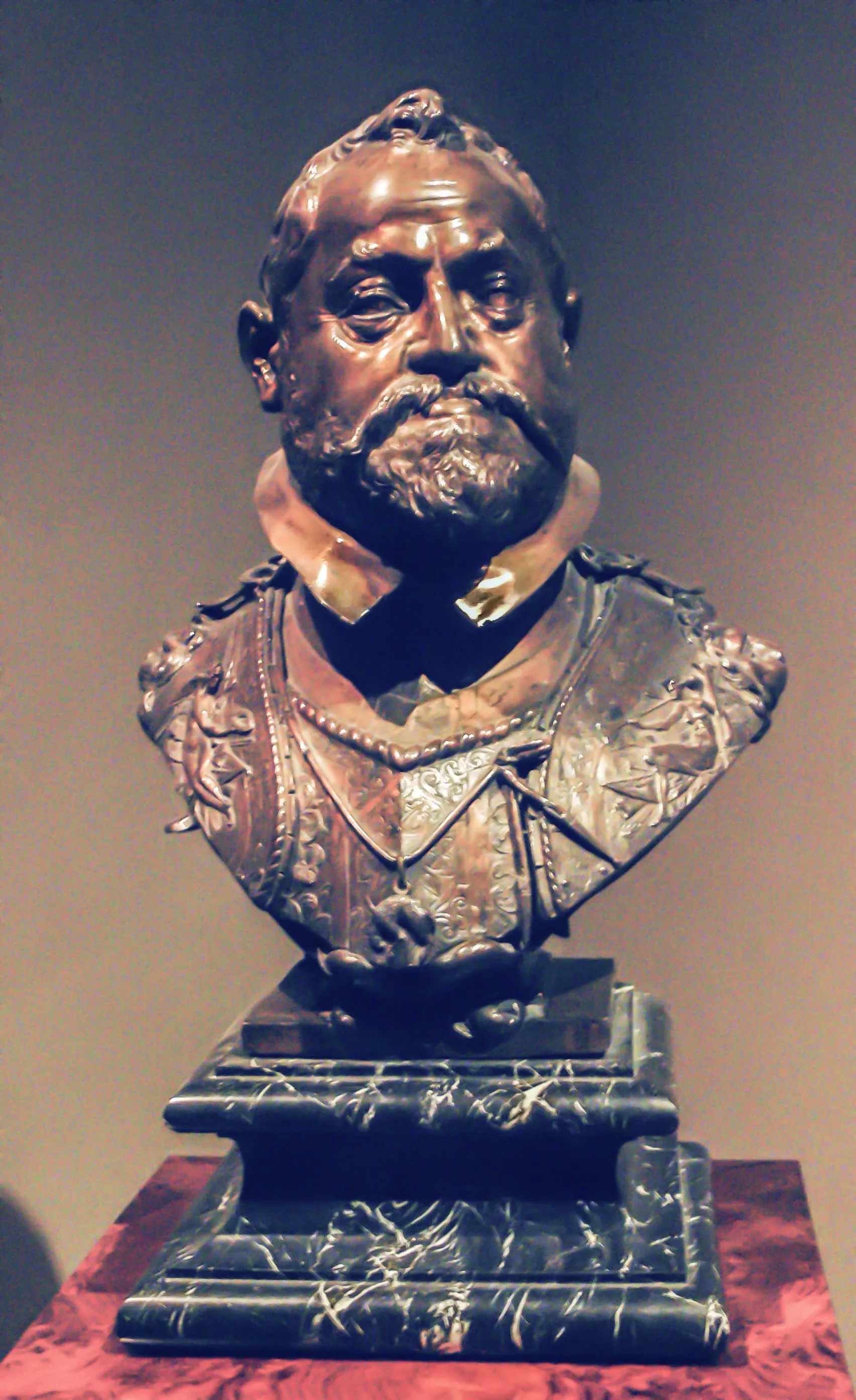
Bronze bust of a bearded man in ornate armor on a dark marble pedestal
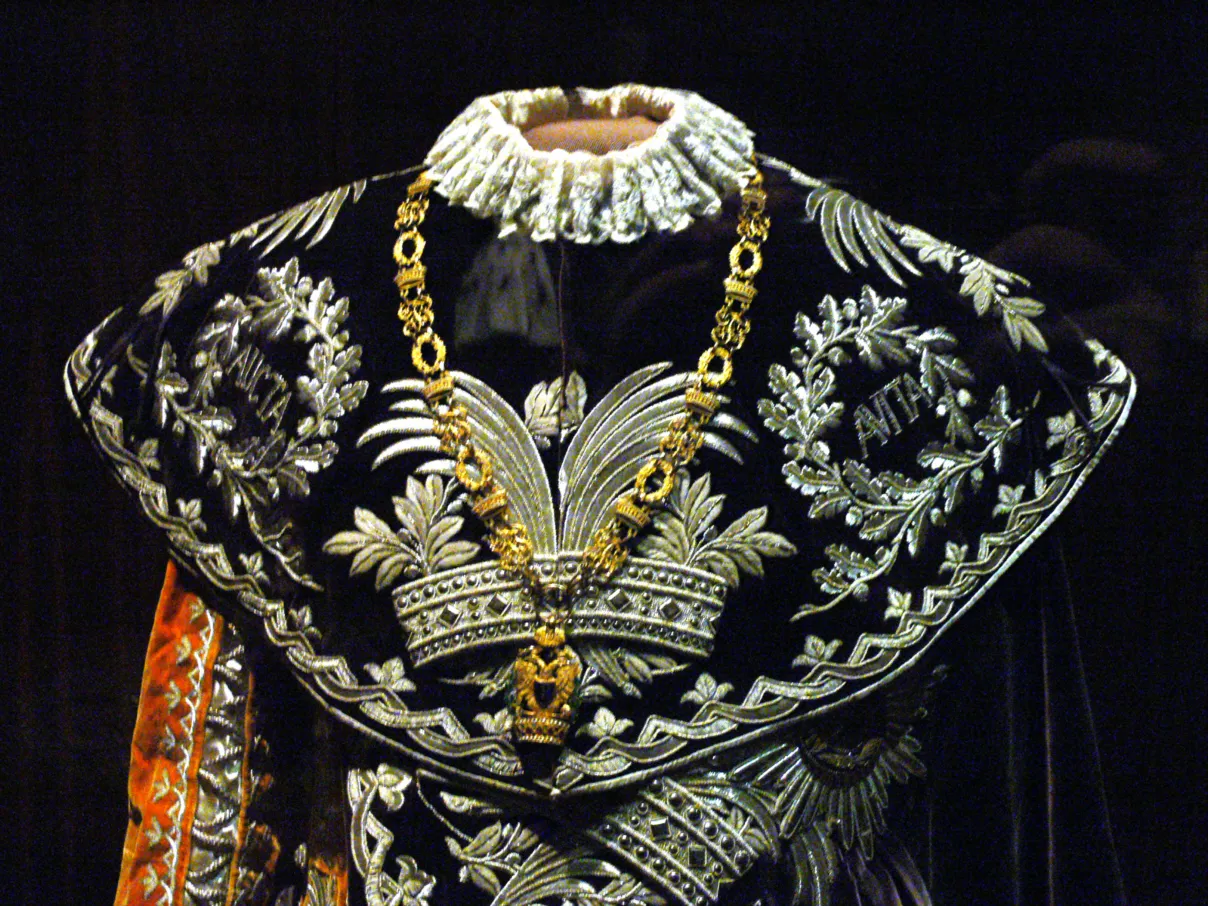
Ornate black vestment with silver embroidery and a golden chain
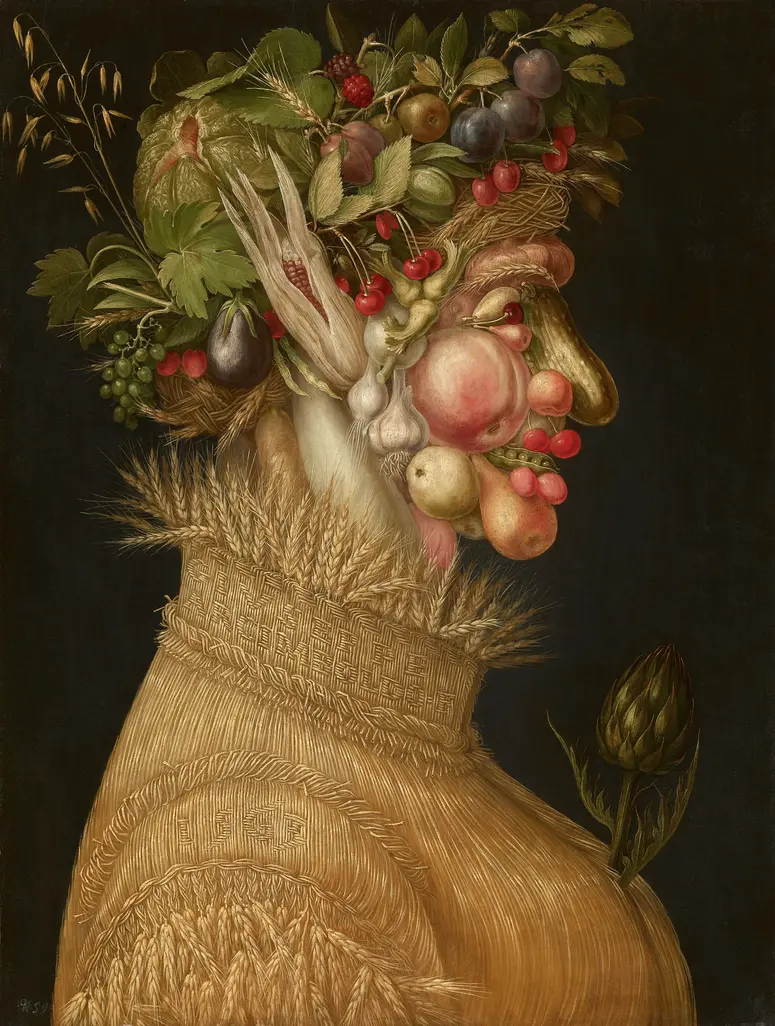
a painting of a figure with a head made of fruits and vegetables on a dark background
Vienna

Find Museums in Vienna: Discover Cultural Sites by Interest and Theme

Uncover Vienna's rich artistic legacy, history, and scientific collections.

Explore the depth of Vienna's cultural offerings and discover institutions by what truly interests you. Whether it's historical landmarks, fine art, or specialized topics, easily locate your next memorable experience.

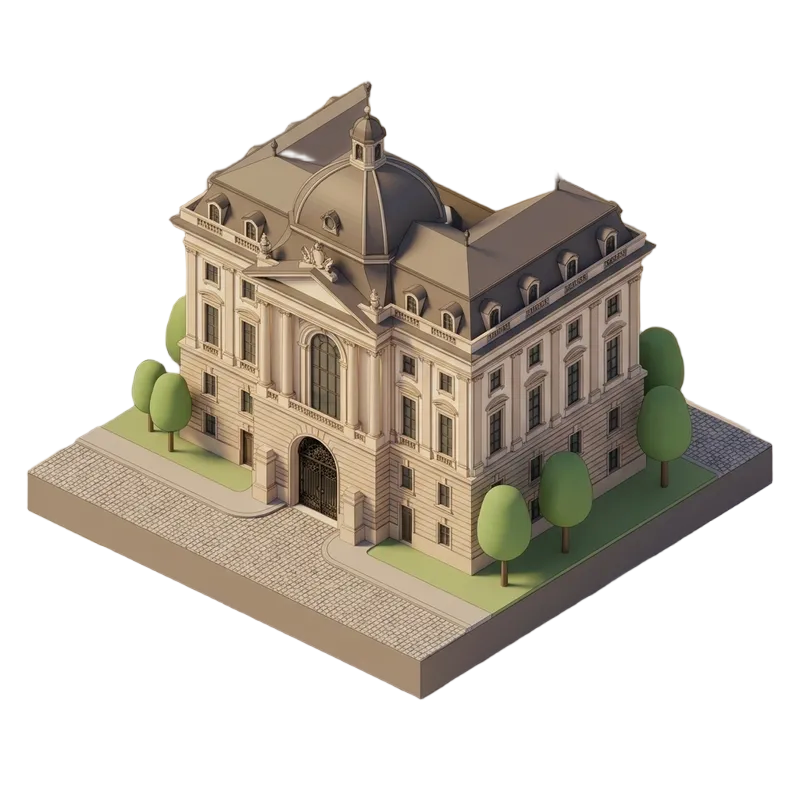
Explore Imperial Treasury Vienna with Vienna
Guides, visitor info, and museum details in Vienna
Find everything about Imperial Treasury Vienna in one place, including tickets, opening hours, current exhibitions, location details, visitor tips, nearby attractions, and the latest museum updates. Use these pages to plan your visit, discover what to see, and get practical information before you go.
Discover nearby museums similar to Imperial Treasury Vienna in Vienna and plan your next cultural stop with confidence.
These recommendations prioritize real proximity to Imperial Treasury Vienna and help you find high-fit alternatives faster across Vienna.
Use this curated list to compare museums near Imperial Treasury Vienna without opening multiple search pages. Each card gives you fast visual context and direct access to key details so you can decide quickly. If you are building a full day in Vienna, this section helps you chain nearby visits with less planning effort.