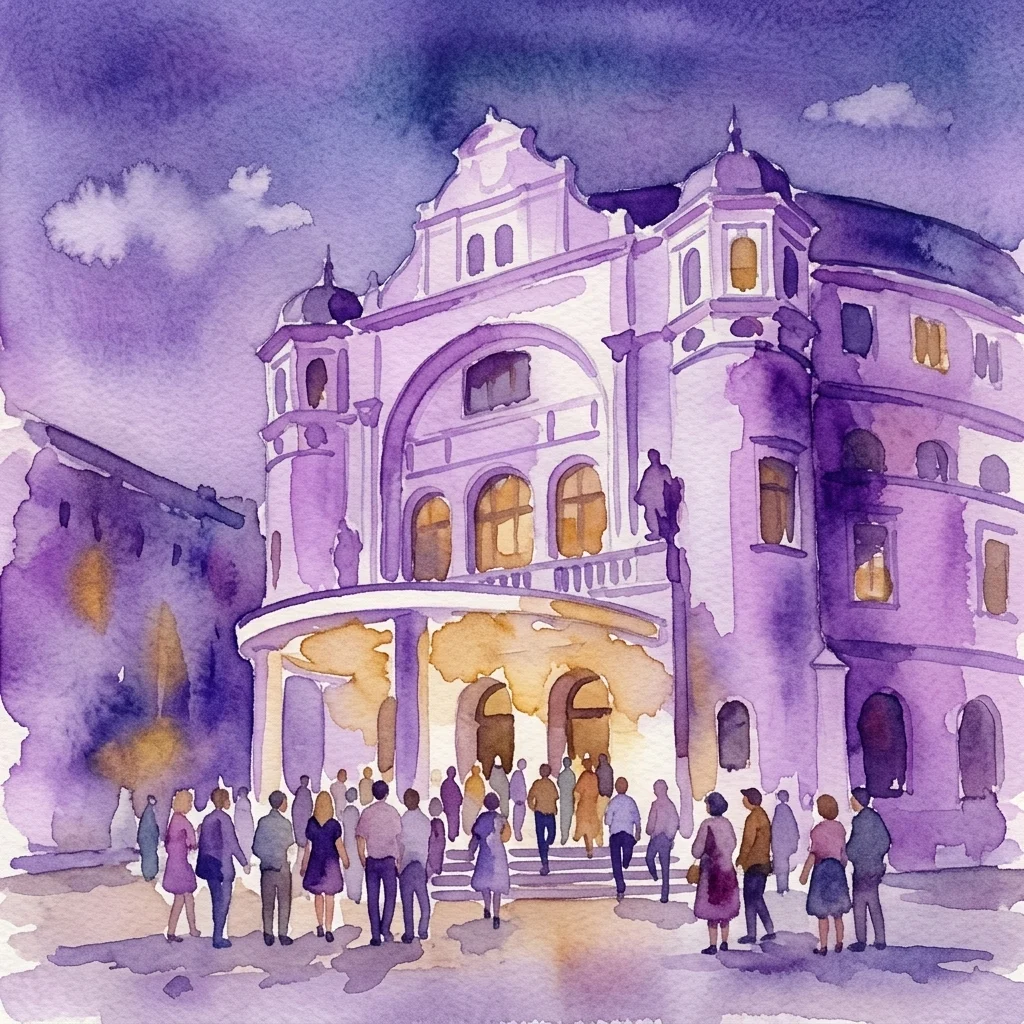
The Liechtenstein City Palace, recently renovated, offers visitors a glimpse into historical epochs through its Baroque and neo-Rococo interiors. Tours showcase grand staircases, staterooms, original furnishings, and selected artworks from the princely private collection.
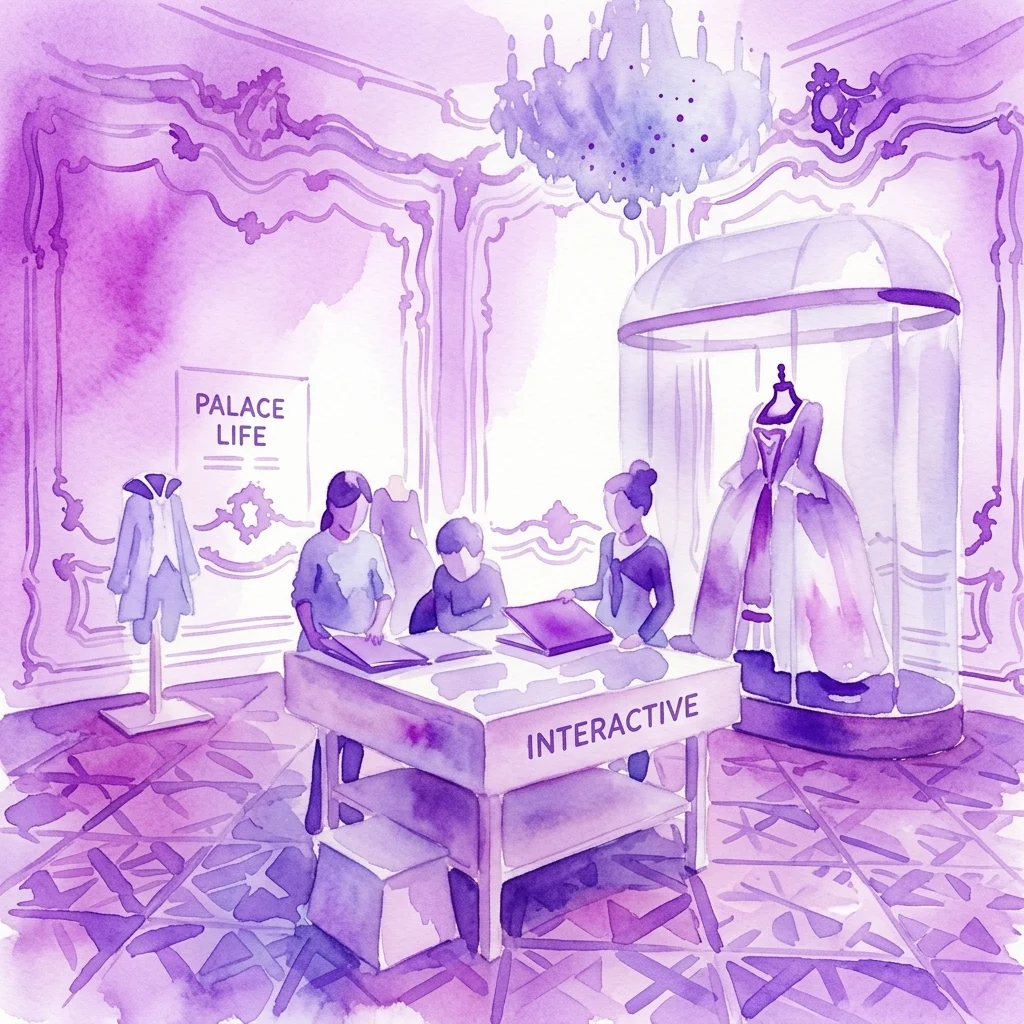
The Liechtenstein City Palace, a significant historical building located in Vienna's first district, has undergone extensive renovations and now gleams with renewed splendor. Owned by the princely Liechtenstein family, it stands near the Burgtheater and Volksgarten, boasting one of Vienna's finest Baroque grand staircases on its top two floors. Visitors on tours can experience the staterooms, which feature original Baroque stucco ceilings, opulent neo-Rococo interiors, period furnishings, precious silk hangings, and refined parquet floors. These elements combine harmoniously to offer insights into past eras. Selected artworks from the Biedermeier and Classicism periods, drawn from the private art collection of Prince von und zu Liechtenstein, are also on display during these tours.
The palace's construction began in 1691 under Dominik Andreas Graf Kaunitz, with designs by Enrico Zuccalli, and was completed in 1694 by Domenico Martinelli for Prince Johann Adam Andreas I. of Liechtenstein. Prince Alois II. von Liechtenstein commissioned a remodeling in the "Second Rococo" style between 1836 and 1847. Historically, the building was renowned for its technical innovations, including an early elevator, an internal intercom system, and a hot air heating system. Despite sustaining serious damage during World War II from bomb hits and an aircraft crash, the palace has been restored.