This permanent exhibition at the Hernals District Museum (Wieden) explores the history of health and hygiene in Vienna, focusing on the preserved 'Tröpferlbad' (public bathhouse) room. It delves into the building's past as a public bath and highlights key milestones in urban hygiene and personal cleanliness through historical objects and local narratives.
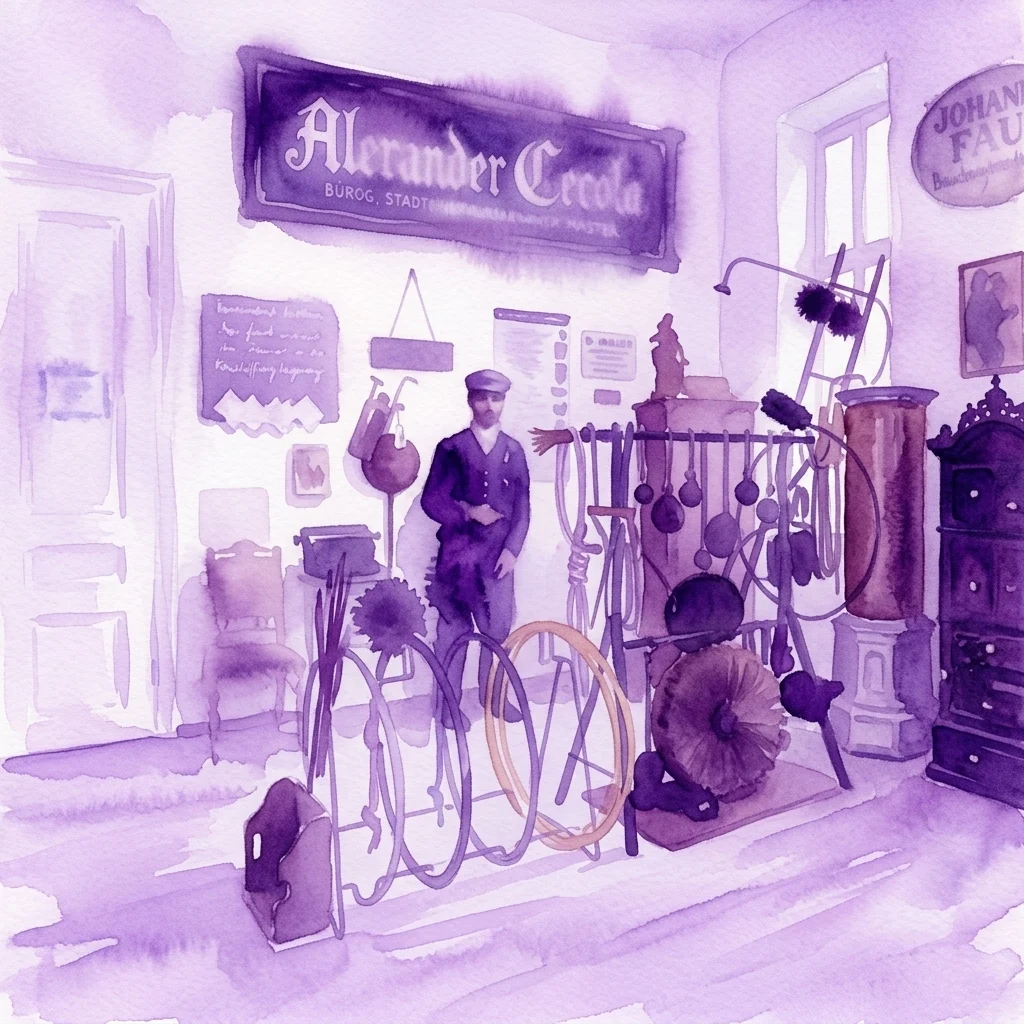
The permanent exhibition 'Im Tröpferlbad: Geschichten von Gesundheit und Hygiene' is housed in the original, preserved shower room of the Hernals District Museum's Wieden location, which was originally built as a municipal public bathhouse in 1893. For nearly a century, this facility, known locally as a 'Tröpferlbad,' served the Viennese population. The exhibition narrates the history of this building and delves into significant milestones in the history of hygiene within the Austrian capital. It uncovers construction history and features personal accounts from Viennese residents about the meaning of personal hygiene.
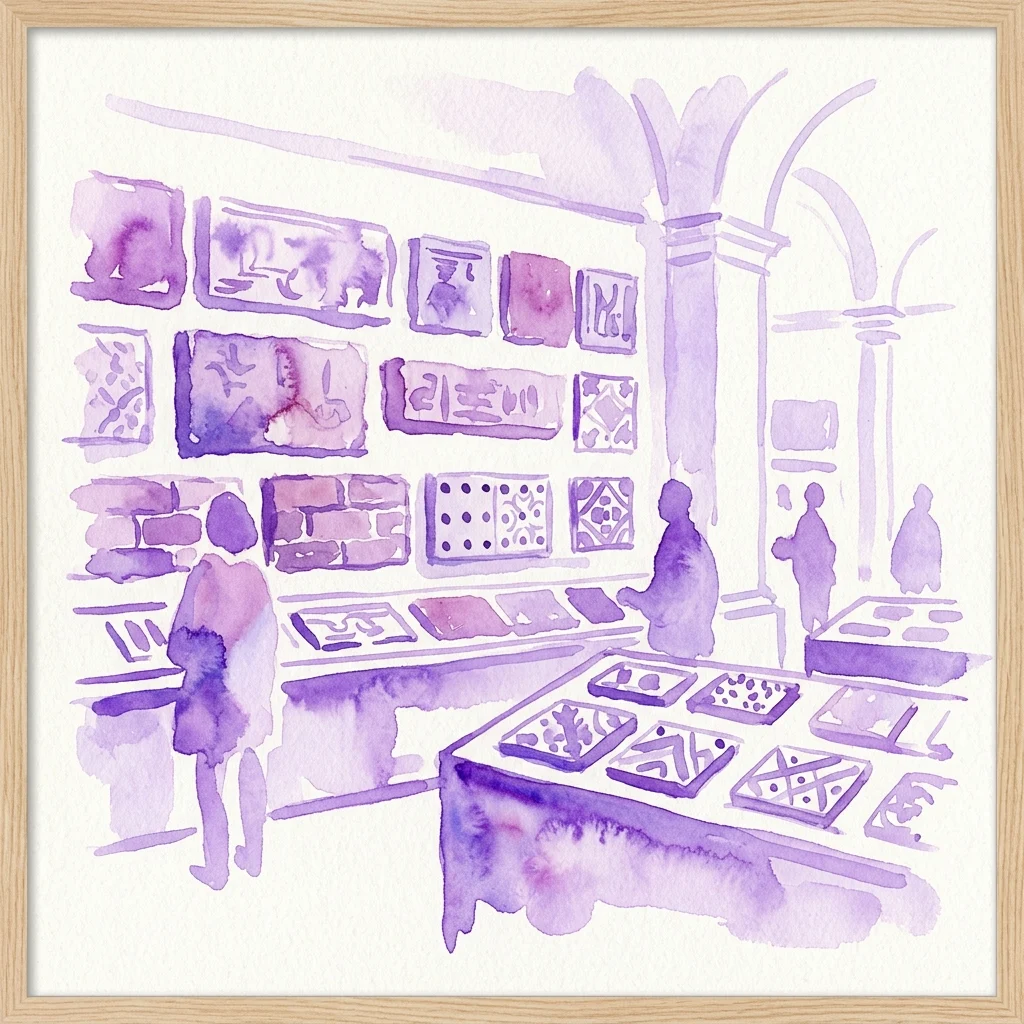
The exhibition is divided into sections: one part details the visitor experience in the Tröpferlbad, showing objects like signs and a bathing clock, explaining the time limits for showering, social conflicts, bathing regulations, and staff work. Visitors can even try on bathing aprons made according to old specifications. Another section discusses the decline of most 'Tröpferlbäder' in the 1970s and their current status, including audio recordings from a contemporary bath attendant. A major focus is placed on Vienna's hygiene history, tracing developments from plague and cholera epidemics to the introduction of scientific approaches and the establishment of the first high-quality water pipeline, initiated by figures like Johann Peter Frank and Prof. Eduard Suess.