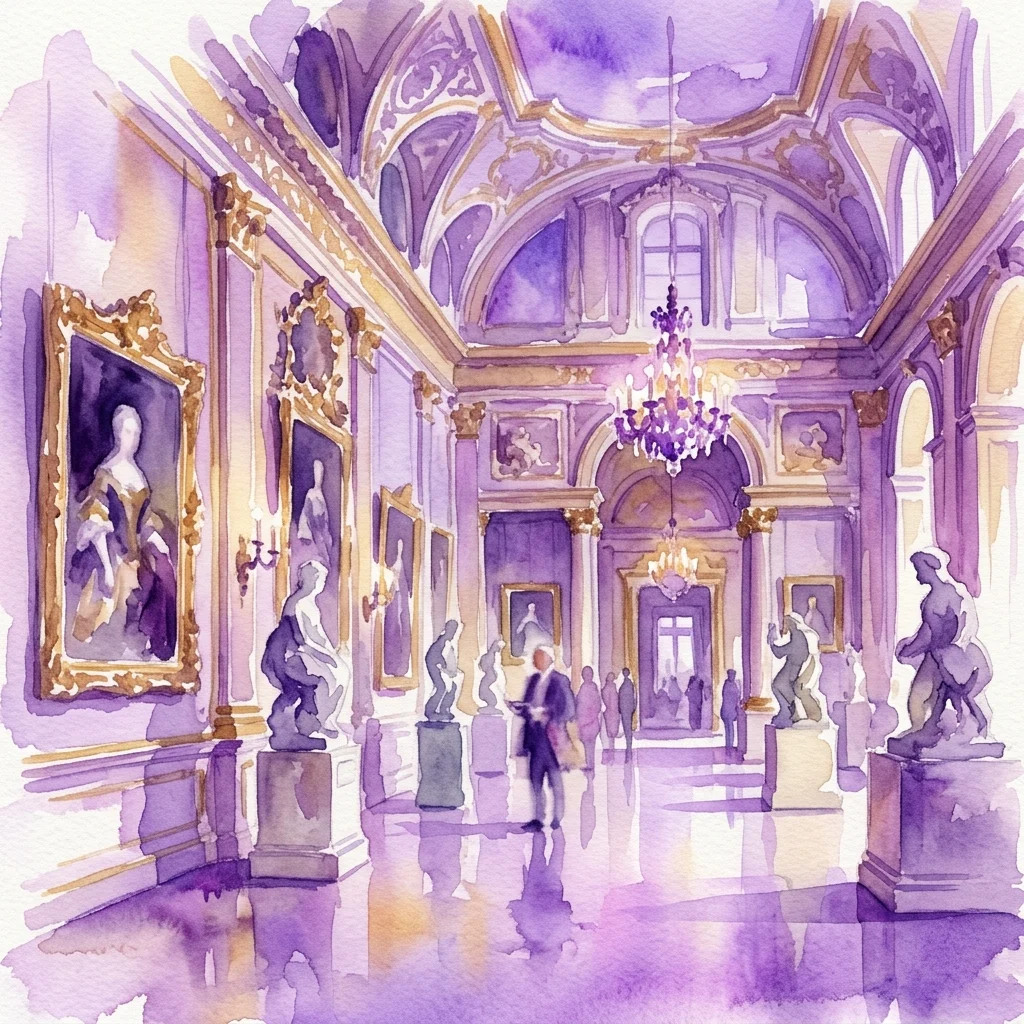
The permanent presentation at the Liechtenstein Garden Palace showcases a significant collection of European art spanning five centuries, with a special focus on the Baroque period. Visitors can experience aristocratic life and art appreciation through a curated dialogue between Baroque architecture and masterpieces.
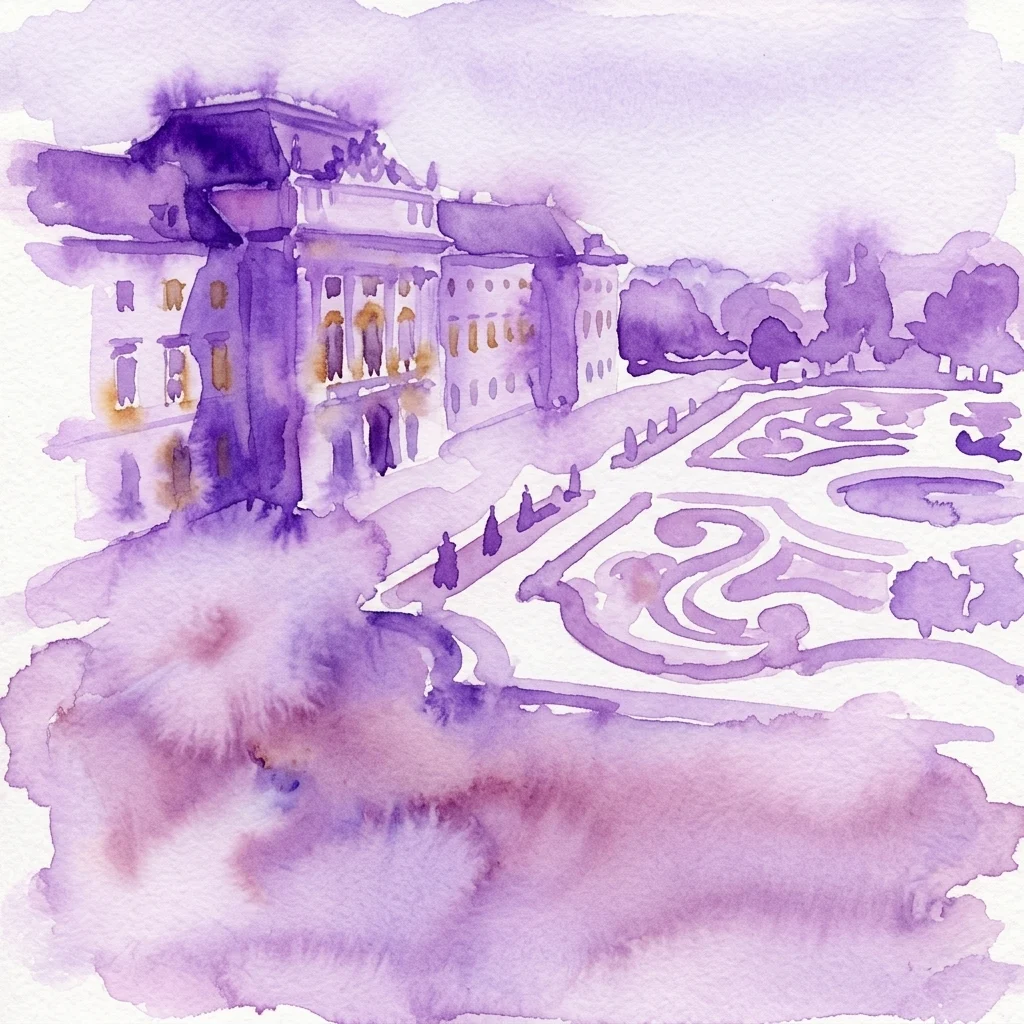
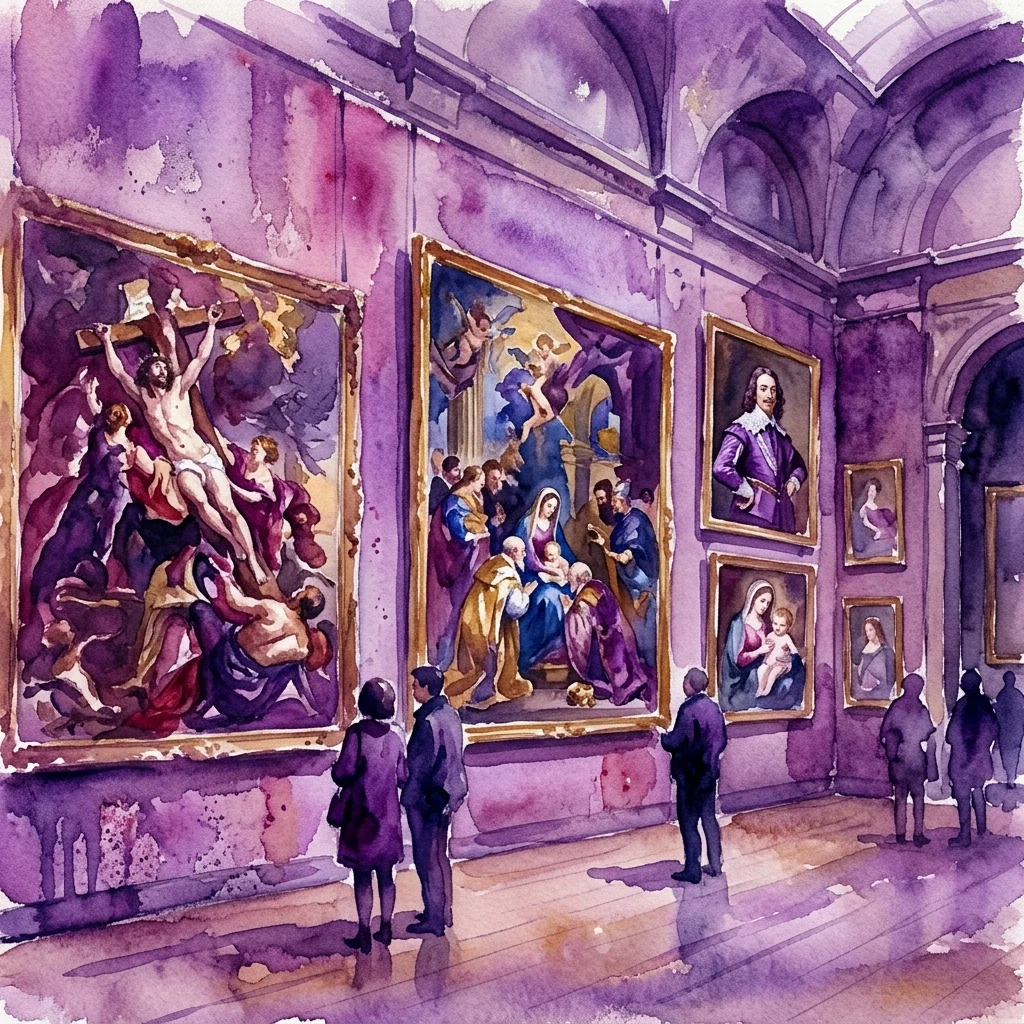
The Liechtenstein Garden Palace houses a permanent presentation of the Collections of the Princes von und zu Liechtenstein, featuring major works of European art from five centuries. This impressively restored palace, with its Sala terrena, Hercules Hall, and extensive gardens, provides an authentic setting for these objects and conveys an impression of aristocratic life. The concept of the 'Gesamtkunstwerk' is evident through the synergy of Baroque architecture, including ceiling paintings, frescos, sculptures, and stuccowork, with the displayed artworks. Spanning from the fourteenth to the eighteenth century, the exhibition emphasizes Baroque art, adhering to the historical display principles established by Wilhelm von Bode. Paintings, sculptures, tapestries, and Kunstkammer objects are presented together, recreating the atmosphere of a family collection that influenced others. The tour guides visitors through historical spaces like the Golden Carriage in the Sala terrena and the Historical Library, before ascending to the piano nobile. Here, masterpieces are arranged by school and style, from early religious panel paintings and portraits to sculptures, bronzes, and furniture that illustrate the artistic context of the time. The Great Gallery is dominated by Peter Paul Rubens's 'Decius Mus cycle', originally displayed in the same manner when the palace first opened as a public gallery in 1810. Other highlights include personal portraits by Rubens, works by Anthony van Dyck, and significant bronzes by Adrian de Fries. The applied arts are represented by furniture and lapidary works, most notably the "Badminton Cabinet". The presentation prioritizes quality and visibility, with artworks telling stories in their interplay and undergoing regular, yet subtle, changes through new acquisitions, restorations, and loans, ensuring each visit offers a rewarding experience.