Vienna
Open now

‚Der Abend’, 5. Juli 1929: A Historical Insight into Abortion Law and Society in Vienna

This exhibition explores an original 1929 newspaper report on a Viennese illegal abortion court trial.

Delve into the historical article 'Der Fluchparagraph 144' from the July 5, 1929 edition of 'Der Abend' newspaper. This exhibition details a court case involving a young couple and a midwife charged with illegal abortion in 1920s Vienna. Explore the legal and social context surrounding reproductive choices in Austria during the interwar period, offering a glimpse into lived experiences and judicial responses.

About ‚Der Abend’, 5. Juli 1929 at Museum of Contraception and Abortion in Vienna

Read curatorial context and practical visitor information for ‚Der Abend’, 5. Juli 1929 at Museum of Contraception and Abortion in Vienna

Exhibition summary

This entry presents a historical newspaper article from 'Der Abend', dated July 5, 1929, detailing a court case concerning an abortion performed by a midwife. It highlights the legal proceedings against a young couple and the social context surrounding unwanted pregnancies and illegal abortions in 1920s Vienna.

Curatorial context

The content centers on a specific article published in the Austrian newspaper 'Der Abend' on July 5, 1929. Titled 'Der Fluchparagraph 144' (The Curse Paragraph 144), it recounts the story of an 18-year-old maid, Rosa K., and her partner, Josef St., who sought an illegal abortion from a midwife in Vienna. The article details the legal charges filed against the couple under paragraph 144 of the Austrian criminal code and the subsequent trial, where the young woman explained her difficult circumstances. The newspaper itself, 'Der Abend', was an Austrian daily newspaper founded in 1915, known for its critical and sometimes polemical tone, often engaging in investigative journalism, and it ceased publication in 1934. This historical document serves as a case study illustrating the societal pressures, legal ramifications, and clandestine practices surrounding abortion in Vienna during the interwar period. The narrative focuses on the individual plight within the broader legal framework of the time, providing a glimpse into the lived experiences and judicial responses to reproductive choices in early 20th-century Austria. The entry draws its source information from the newspaper's archives, with further context provided by Wikipedia regarding the publication's history and editorial stance.


‚Der Abend’, 5. Juli 1929 key exhibition facts

Review exhibition status, schedule, venue context, and attribution details for ‚Der Abend’, 5. Juli 1929 at Museum of Contraception and Abortion in Vienna

Venue
Museum of Contraception and Abortion
Current status
Open now
Exhibition schedule
From Jul 5, 1929
Artist line / attribution
Information not currently available
More from Museum of Contraception and Abortion
Explore additional exhibitions from the same institution
Review other exhibitions from Museum of Contraception and Abortion in Vienna to compare themes, timelines, and program direction while planning your museum visit.
Illustration of the history of pregnancy testing, showing ancient Egyptian grain tests, medieval urine analysis, frog-based tests, and modern HCG tests, all in purple watercolor style.
Permanent exhibition

Pregnancy Test: Historical Methods at Museum of Contraception and Abortion

Explore ancient traditions to early scientific techniques for confirming conception.

This exhibition explores the evolving history of pregnancy testing, from ancient observational practices to pioneering scientific discoveries. Discover curious stories and diverse cultural approaches to understanding human conception across the centuries. It offers insights into women's health through a historical lens.

The Pregnancy Test
Watercolor illustration of a T-shaped intrauterine device (IUD) with purple arms, an orange copper coil, and a blue thread, displayed on textured paper.
Permanent exhibition

Explore the Swing CU 380 IUD Exhibition at the Contraception History Museum

A historical plastic and copper T-coil device from 1995.

This permanent exhibit showcases the Swing CU 380, an intrauterine device used for contraception. Examine this well-preserved 1995 medical object to understand its design and role in reproductive health.

Swing CU 380 Exhibit
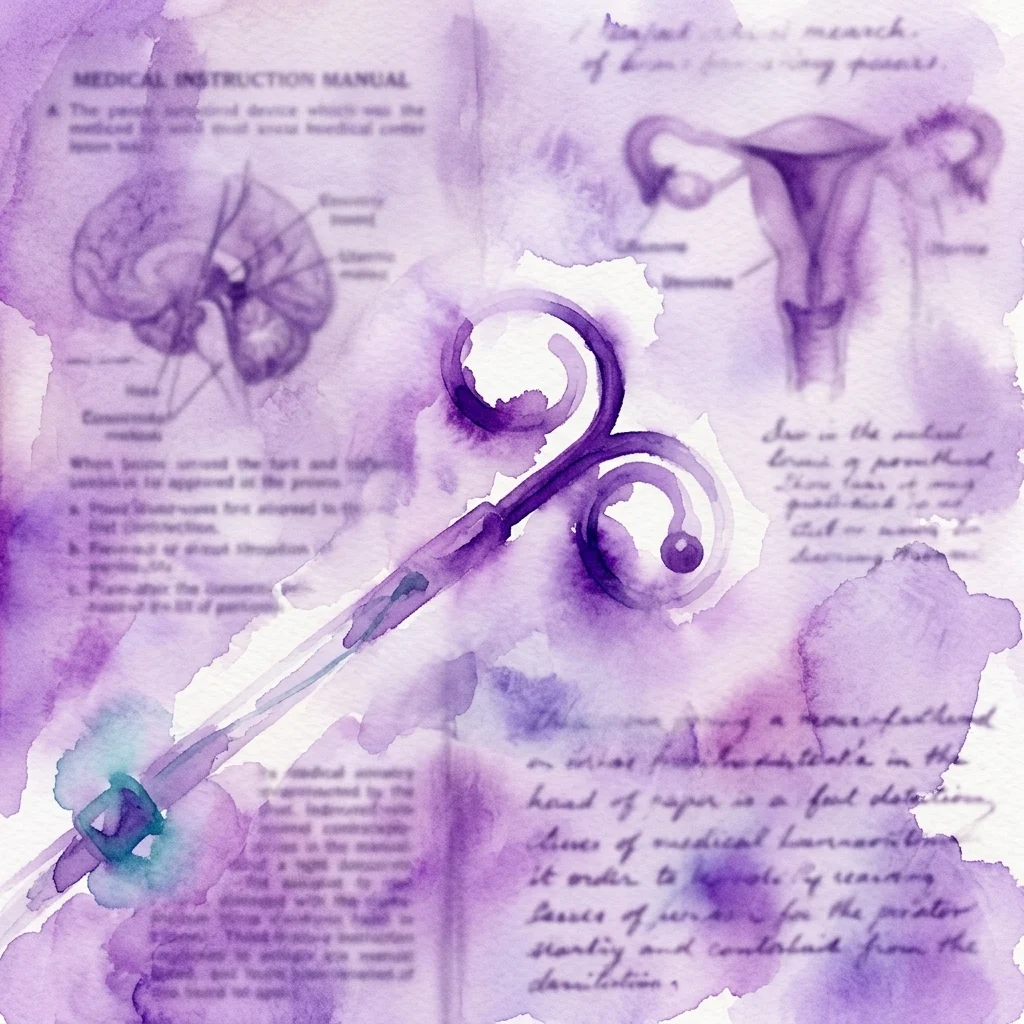
Close-up of a Saf-T-Coil 33S plastic spiral contraceptive with a small ball, displayed over medical instruction manuals and archival documents on a purple watercolor background.
Permanent exhibition

Saf-T-Coil 33S: 1970s Contraceptive Artifact at Museum of Contraception and Abortion

Explore this unique medical device and pharmaceutical history collection item.

Learn about the Saf-T-Coil 33S, a plastic spiral contraceptive collected for market research. This artifact from the early 1970s includes an instruction manual, offering insight into its design and historical use as a birth control device.

Saf-T-Coil 33S
A watercolor illustration of the Gräfenberg Ring, a coiled wire contraceptive device from the early 20th century, rendered in purple and blue hues on a white background.
Permanent exhibition

The Gräfenberg Ring: A Historical Medical Device from Contraception Research

Pioneering contraceptive coil developed by Ernst Gräfenberg around 1920.

This entry explores the Gräfenberg Ring, an important coiled wire device made of medical steel. Learn about its origins as a contraceptive, linked to Ernst Gräfenberg and medical history around 1920.

Gräfenberg Ring
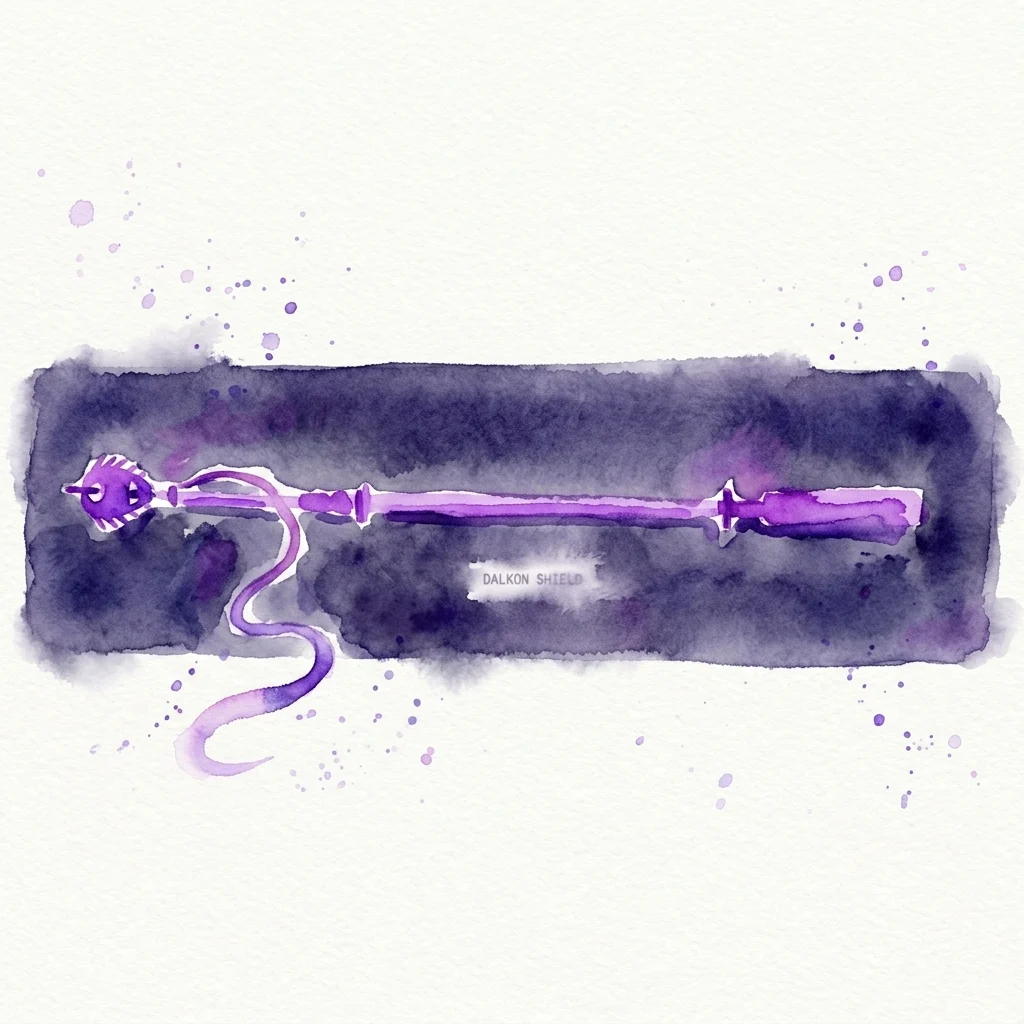
A purple watercolor illustration of a Dalkon Shield contraceptive device with its insertion applicator, displayed on a dark background with artistic splatters.
Permanent exhibition

Dalkon Shield (brown) with insertion device: A Medical History Artifact

Explore the controversial history of this contraceptive coil.

Examine a brown Dalkon Shield contraceptive coil and its specific insertion device. This artifact offers insight into past birth control technologies and their impact, forming part of the Museum of Contraception and Abortion's collection.

Dalkon Shield Exhibit
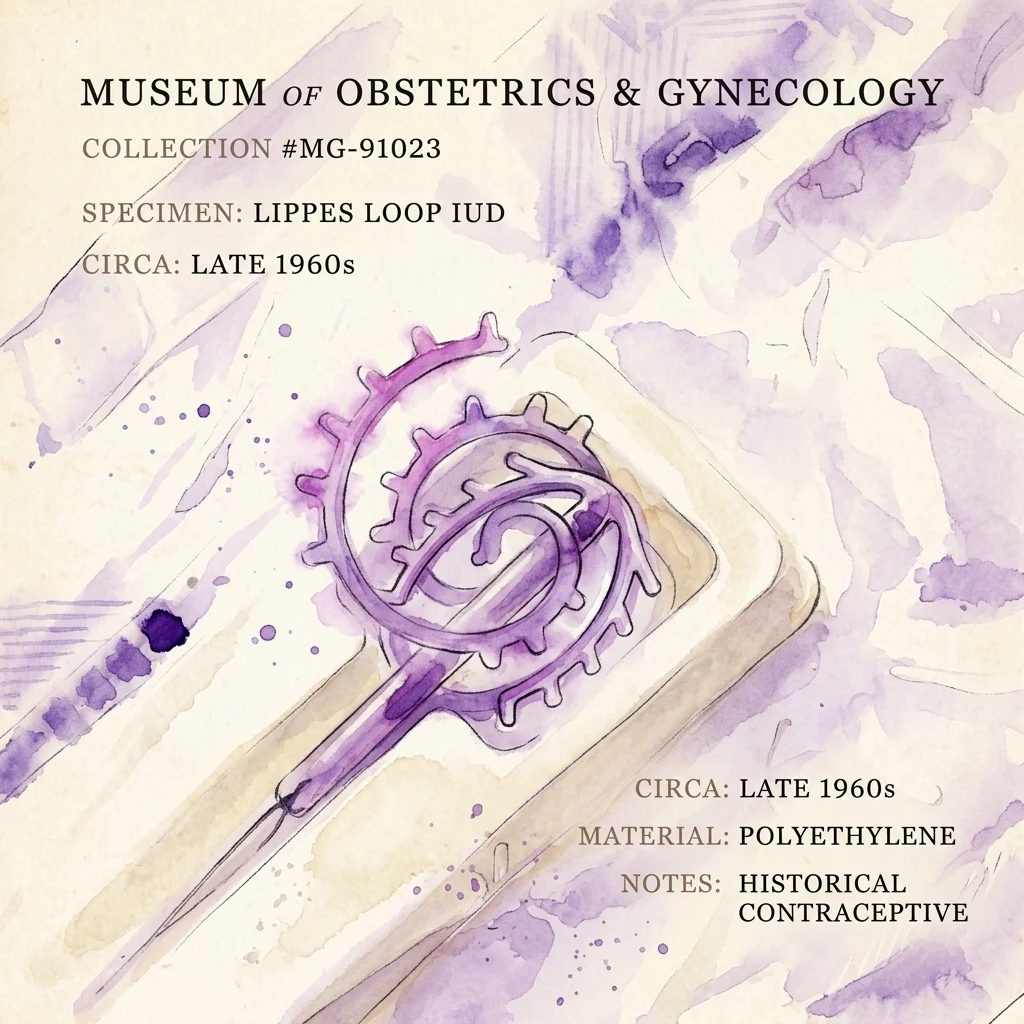
Illustration of a Lippes Loop IUD, a historical contraceptive device made of polyethylene, displayed in a museum collection from the late 1960s.
Permanent exhibition

Discover the Multiload: A Historical Contraceptive Device from 1979 Medical History

Explore the plastic spiral's design and its market research significance.

The Multiload is a unique historical artifact representing contraceptive technology from 1979. This distinctive plastic spiral with protruding teeth was a key item collected by a pill manufacturer for significant market research purposes.

Multiload Exhibit
Vienna

Discover Current Exhibitions in Vienna: Your Essential Exhibition Search Guide

Explore Vienna's dynamic art and cultural displays today.

Find compelling art, history, and science exhibitions happening throughout Vienna. This specialized resource helps you locate unique cultural experiences and plan your visit to inspiring displays. Explore Vienna's rich cultural scene with ease.