This exhibition at the Narrenturm explores the long history of sexually transmitted diseases (STIs), from ancient descriptions to modern challenges. It highlights the increasing prevalence of STIs in Europe and discusses current topics such as AIDS therapy and HPV vaccination.
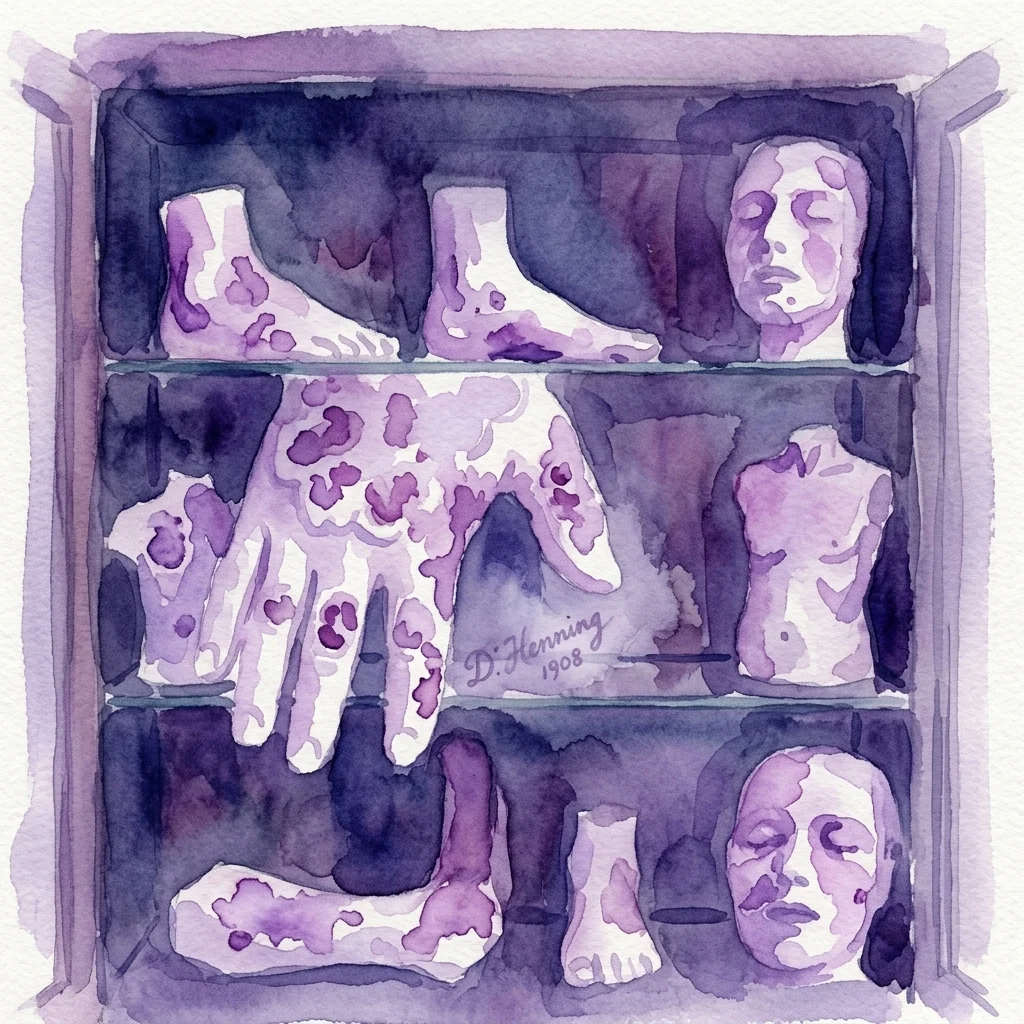
The exhibition 'Safe sex: the comeback of sexually transmitted diseases' delves into the historical trajectory of STIs, noting their presence from ancient Egypt and the Old Testament to the development of medical fields like venereology. It explains that terms like 'gonorrhea' have ancient roots and discusses how syphilis in the 15th century prompted deeper examination, often attributing these diseases to lifestyle or divine punishment. The exhibition identifies the "big five" STIs in Europe (syphilis, gonorrhea, chlamydia, hepatitis, and HIV) and notes the alarming rise in transmissions, with an estimated one million new cases daily across Europe according to WHO. It aims to educate visitors on current issues, including AIDS therapy and the significance of HPV vaccination as a measure against cancer. The display features historical specimens to illustrate various clinical pictures and strongly advocates for education and prevention over treatment alone, based on the principle that prevention is superior. Beyond the physical symptoms, the exhibition addresses the enduring social consequences of STIs, such as stigmatization and exclusion, asserting that STIs can affect anyone irrespective of their background and that knowledge about these infections is crucial for personal and public health.