This exhibition explores the profound impact of the 1848/49 revolutions across the Habsburg monarchy and Europe, detailing their role in ending the old feudal system and ushering in the bourgeoisie era. It examines the widespread demands for constitutions, civil liberties, and national self-determination, while also noting the early rise of nationalism.
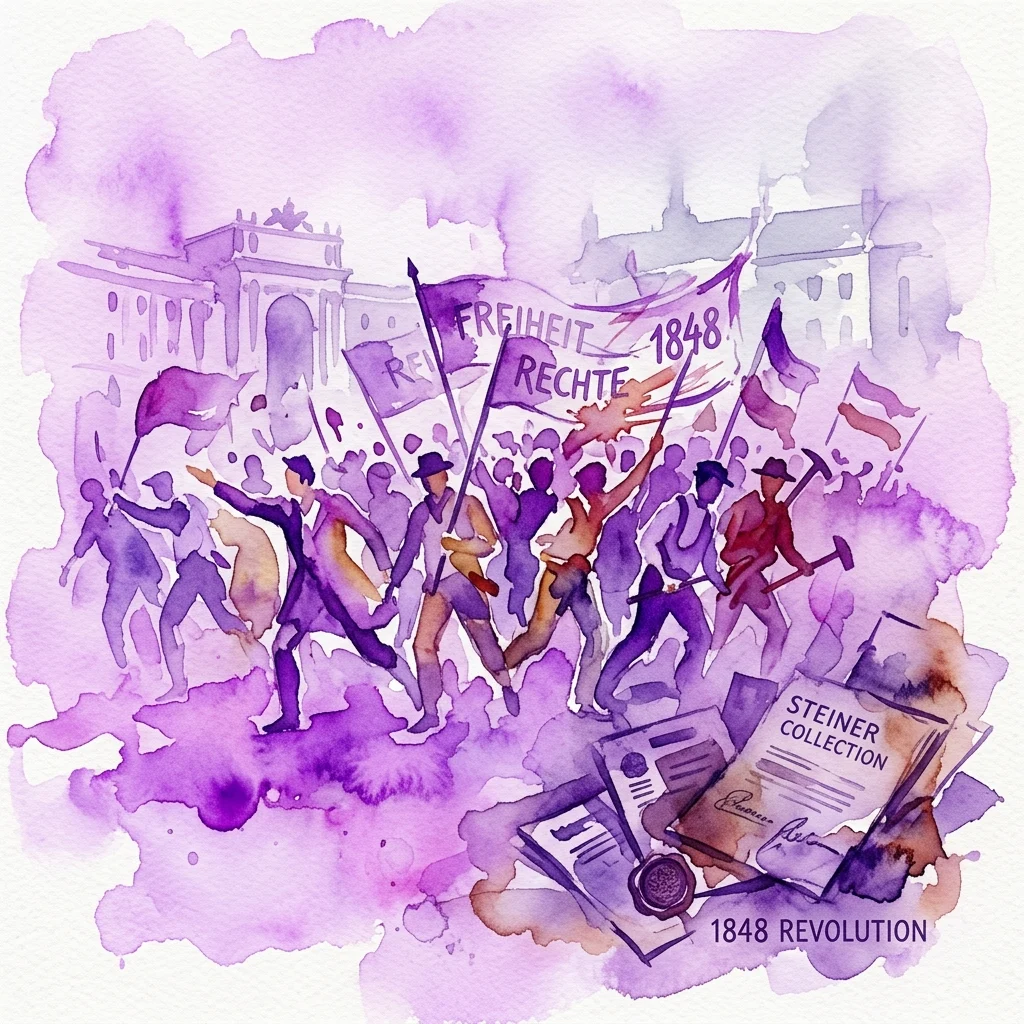
The exhibition 'Die vergessene Revolution' delves into the sweeping revolutions that shook the Habsburg monarchy and Europe in 1848/49, nearly dismantling the empire and plunging it into civil war. These spontaneous uprisings, occurring almost simultaneously in France, Italy, and German states, had far-reaching effects across the continent, from Hungary to Spain, and Denmark to Greece. Across Europe, from Palermo to the borders of Russia, common demands echoed: constitutions, parliamentary governance, civil liberties, the abolition of serfdom, national self-determination, democracy, and social security.
The year 1848 marked a definitive end to Europe's old feudal system, bringing the bourgeoisie to power. Direct legacies of this period include the first attempts at social legislation, long-overdue criminal law reforms, and the establishment of freedoms of speech, assembly, and the press, alongside the concepts of republicanism, democracy, and constitutional states. However, this 'Springtime of Nations' also harbored the nascent seeds of nationalism, a force that would tragically devastate Europe in the first half of the 20th century. The exhibition examines these multifaceted developments and their lasting, often contradictory, impact on modern European history.