Inside Holgate Windmill in York: What Happens on a Milling Day
Visiting a historic working mill offers a rare look at traditional craftsmanship in action. At Holgate Windmill, operations adapt to the local weather. When conditions are favorable, the structure relies entirely on wind power. If the day remains calm, operations may shift to electric power to ensure production continues, reflecting how the site balances heritage with practical goals.
The Journey from Grain to Flour in York
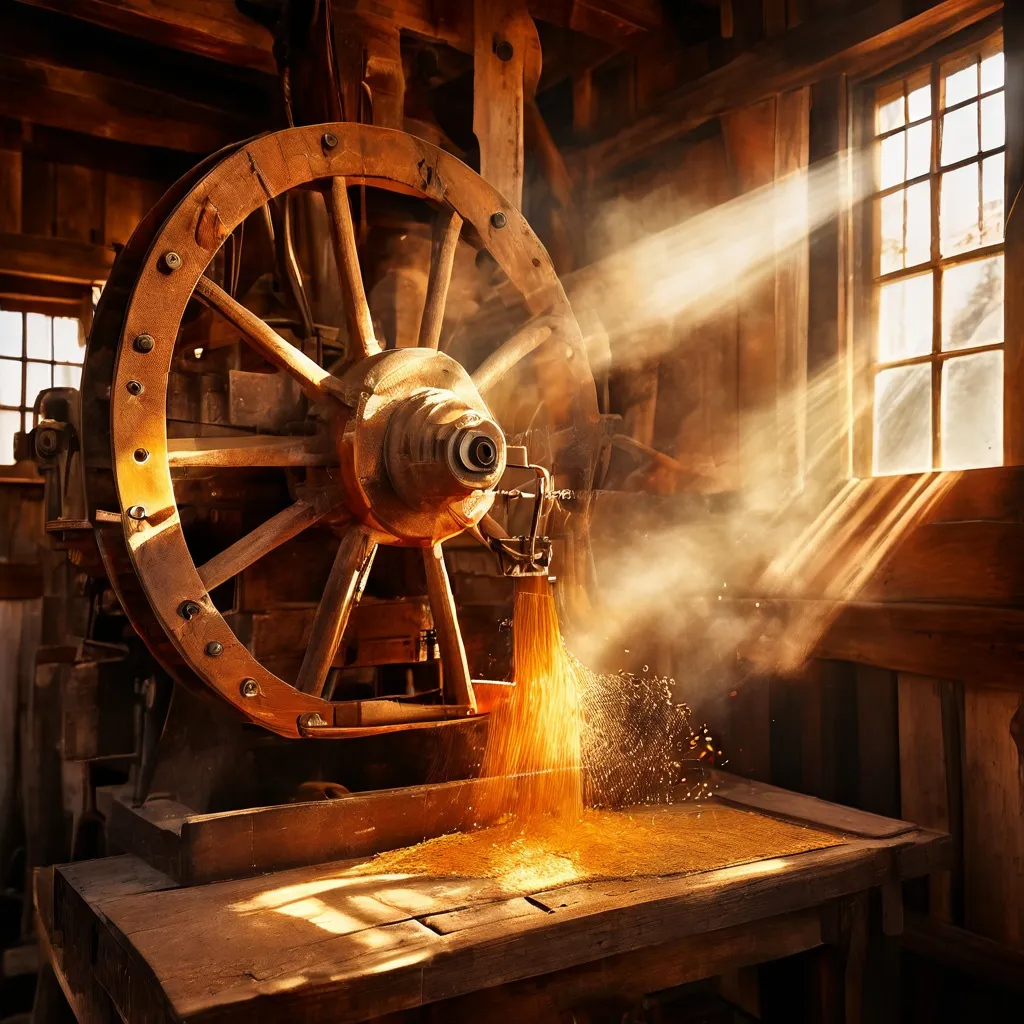
The mechanical layout of the building guides grain through a precise, gravity-assisted route. Sacks arrive and are lifted upward via a sack hoist before chutes direct the material downward toward the millstones. Inside, a rotating runner stone and a fixed bed stone cut the grain into unsifted flour, known as meal.
Visitors walking through the structure can hear the distinct components at work long before seeing them up close. Key elements include the fantail steering the cap into the wind, the brakewheel managing safe power transmission, and the complex arrangement of wallowers, drive shafts, great spur wheels, and stone nuts driving the machinery.
What to Expect During Your Visit to York's Historic Mill
Stone milling provides a direct, unhurried method of producing traditional wholemeal flour. Because output is limited to fulfilling specific orders and depends heavily on operational needs and wind conditions, schedules can vary. Those hoping to watch the process in action are advised to arrive early. Visitors can often chat directly with passionate, volunteer-led society members on site who are happy to explain the mechanics of the landmark.
To plan your journey and discover more local landmarks, explore the city overview on Musemap (musemap.art), browse the complete museums list, or check out the interactive map view.