Merchant Adventurers' Hall Highlights: Exploring Centuries of Historic Minute Books in York
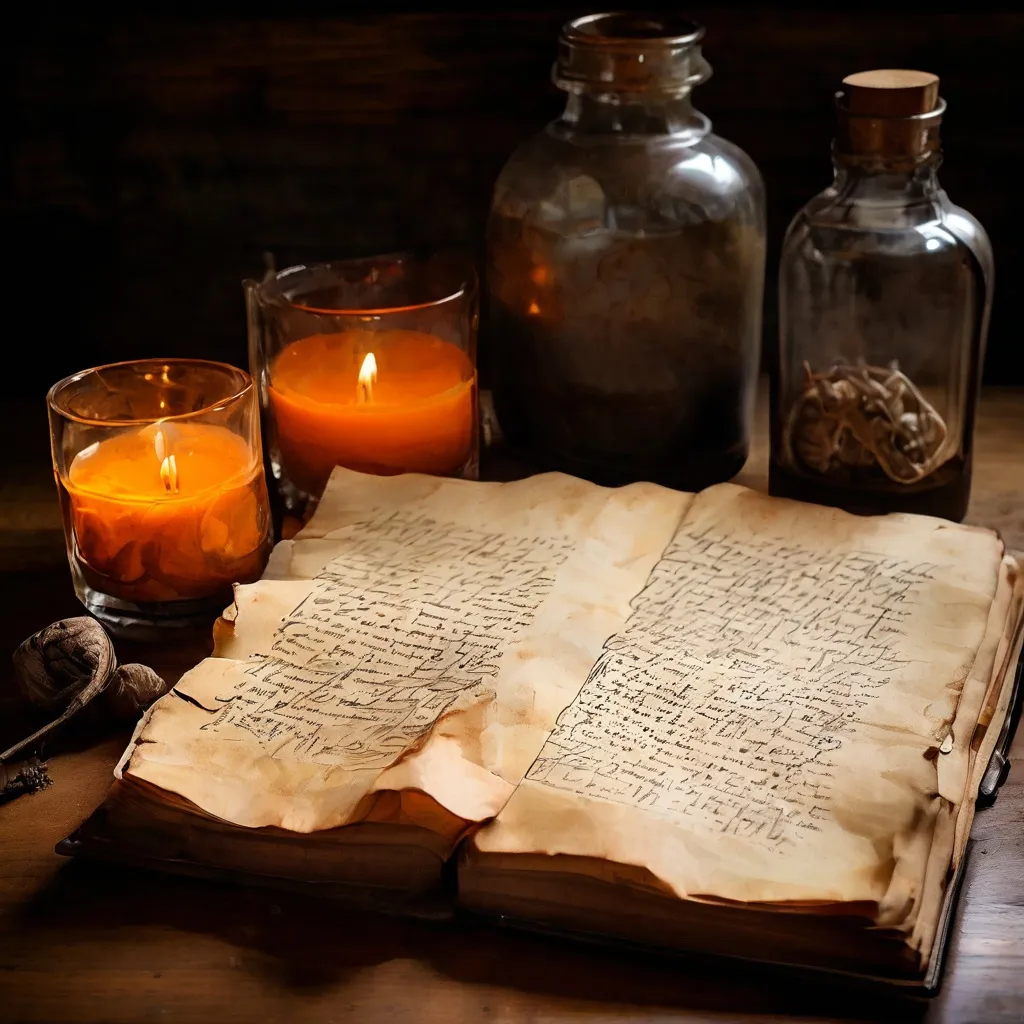
The Merchant Adventurers' Hall in York preserves centuries of material culture, from fine architecture and art to everyday artifacts. As part of an ongoing series highlighting these collections, a recent feature turns its attention to the building's extensive historical records: the minute books.
These documents record centuries of official gatherings and governance by the Company's leadership, offering a direct window into past operations and decisions.
Glimpses into the Past from the Minute Books
Spanning from the 17th century through the late 20th century, the minute books capture the administrative life of the Merchant Adventurers' Hall. The records detail formal meetings of the Court of Assistants—historically comprising a Governor and 18 members directing the Company's affairs.
Selected entries from the archives reveal everyday decisions and unusual requests:
- October 1677: Sheriff Watson received permission to host a feast inside the building, provided any potential damages were covered.
- April 1685: A request from traveling stage performers hoping to use the space as a theater was officially declined following a site inspection.
- June 1739: The Governor formally reprimanded residents of the hospital for disruptive behavior, warning that further infractions would lead to expulsion.
- February 1788: Plans were made to adapt the kitchen into an apothecary's shop, alongside providing meeting space for physicians.
- December 1798: The Company's secretary was established as a resident tenant, with designated living and working quarters.
- October 1825: Following concerns over deteriorating brickwork from its time as a soup kitchen, the old kitchen area was cleared out and converted into an ante-room for the Great Hall.
- May 1854: Authorization was granted to plan and execute a renewal of the Company's coat of arms located near the entrance.
- April 1878 and October 1890: Substantial gifts were recorded, including a silver snuff box from Governor John Taylor and an oil portrait of Queen Henrietta Maria.
Experiencing York's Medieval Guildhall
For visitors interested in the tangible history behind these documents, viewing the preserved spaces and collections firsthand provides deeper context to the written records. You can explore the mediaeval timber architecture and exhibition rooms in person during your next visit. To plan your itinerary, check out what is currently on display via the what's on exhibitions page, or use Musemap (musemap.art) to browse other local museums.