York
Roman & medieval heritage

Visiting the Multangular Tower in York

Discover a preserved Roman fortress wall in the heart of York Museum Gardens.

HistoryArchitectureLocal heritage

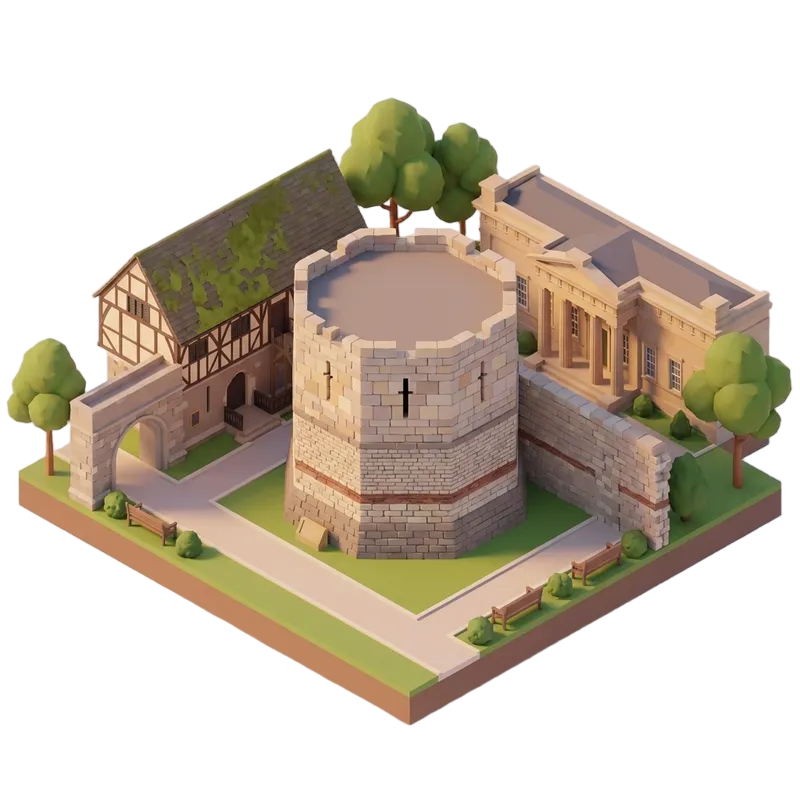
Located in the peaceful Museum Gardens, this ancient stone tower showcases the layered history of York, combining third-century Roman fortress walls with medieval defensive structures. Visitors can walk around the ruins to examine the masonry and look for historic cannonball damage.

A remarkable defensive tower in York Museum Gardens, combining original third-century Roman masonry with medieval stone reconstructions.

Multangular Tower
York's Historic Multangular Tower

The Multangular Tower in York stands as the finest surviving segment of the ancient Roman fortress of Eboracum. This remarkable structure features original third-century Roman masonry topped by medieval stone additions. Visitors can explore the historic tower from both inside and outside to appreciate its defensive engineering and discover scarred stonework from the English Civil War.

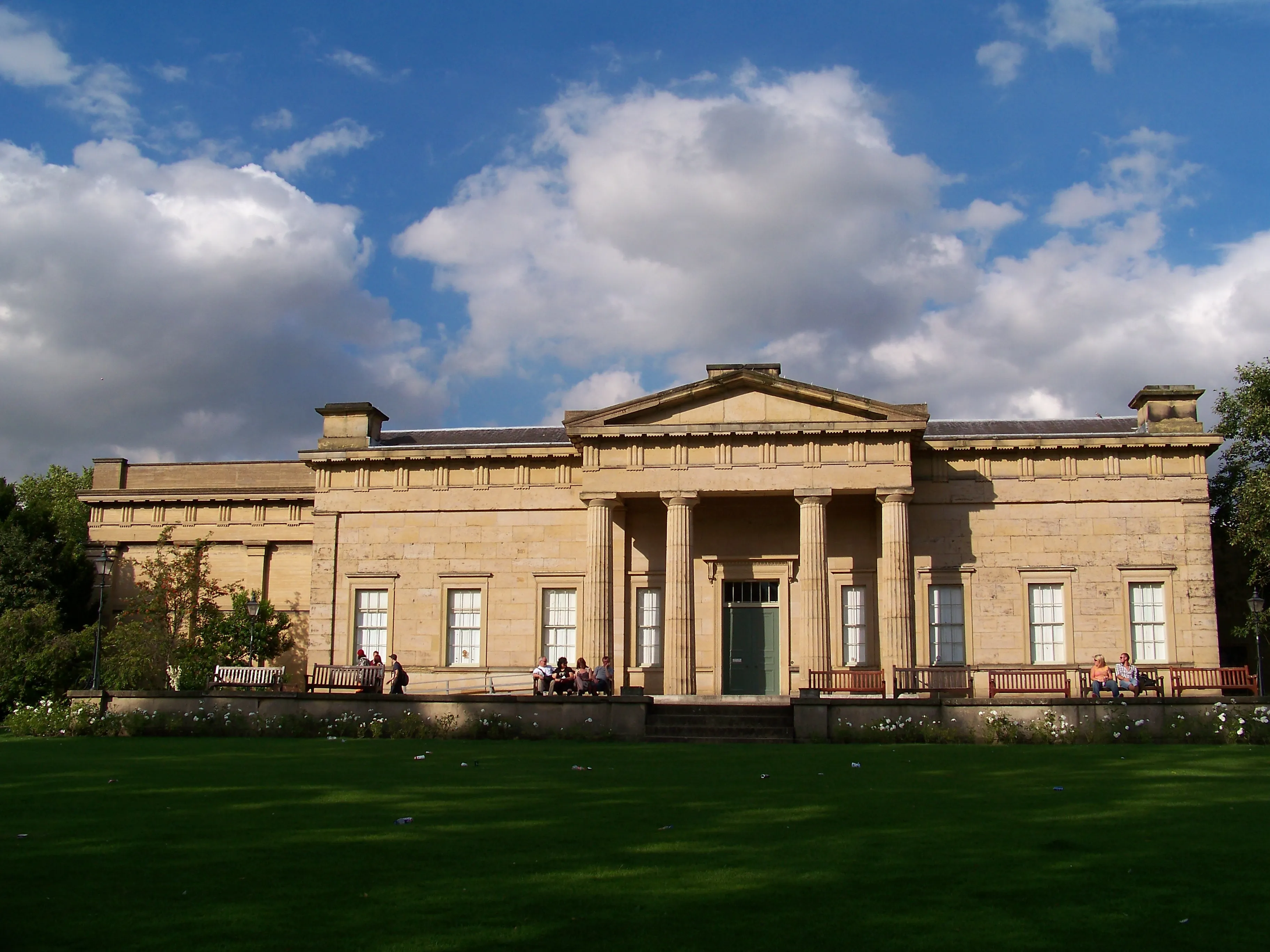
A wide shot of a neoclassical stone building with a central portico and columns, set behind a green lawn under a blue sky with clouds, with people sitting on benches along the front.
Multangular Tower Location & Orientation

The Multangular Tower is located within the York Museum Gardens on Museum Street in York, England. As a remarkably preserved defensive structure from the ancient Roman fortress of Eboracum, its central setting is highly accessible for visitors exploring the historic city center. Identifying its position on the map provides an ideal starting point for discovering the area's rich Roman and medieval heritage.

Planning Your Visit to the Multangular Tower

Visitors can find the Multangular Tower located within the York Museum Gardens in York. This historic Roman and medieval structure is situated outdoors, making it accessible to those exploring the grounds. A brief stop is typically sufficient to view the surviving fortress tower and appreciate the historic masonry.

Planning Your Visit to the Multangular Tower

The Historic Architecture of the Multangular Tower

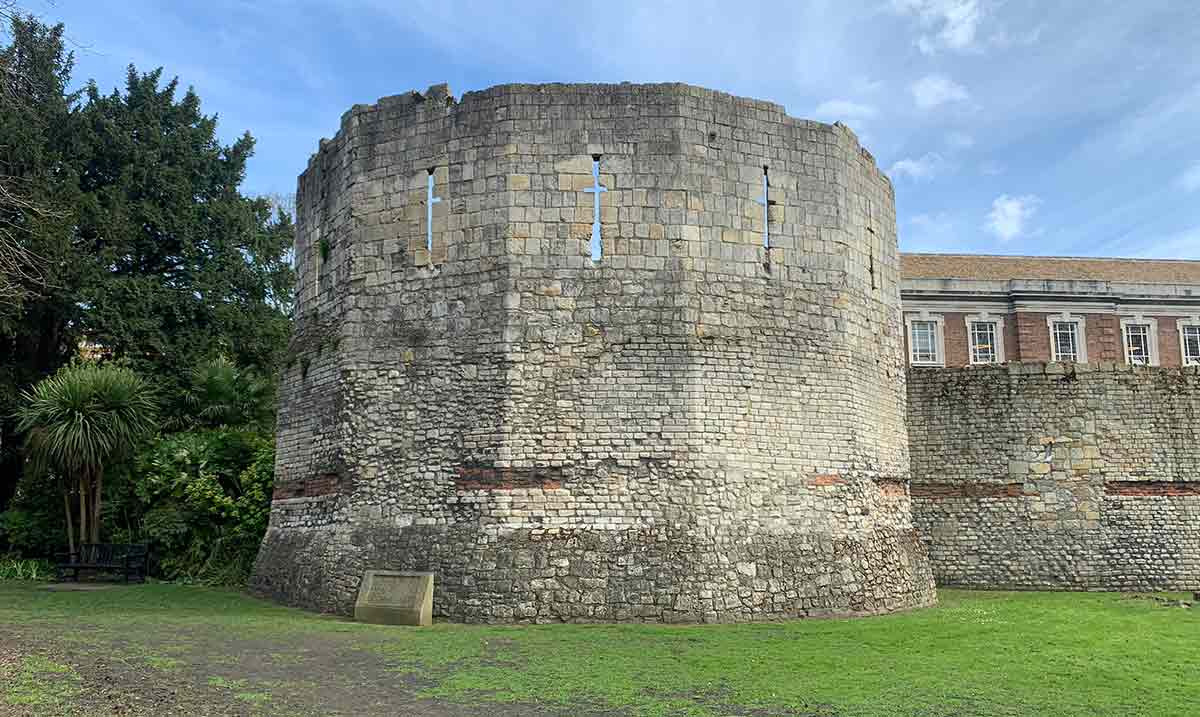
Visiting the Multangular Tower in York offers a direct encounter with centuries of defensive history. Located in the Museum Gardens, this structure stands as the finest remnant of the Roman fortress of Eboracum. Visitors can explore the ruins from both inside and outside to appreciate its defensive engineering. The architecture displays a clear contrast, featuring original third-century Roman masonry at the base topped by medieval battlements. On the northern side, a close look reveals masonry damage from an English Civil War cannonball, bridging eras of regional conflict.

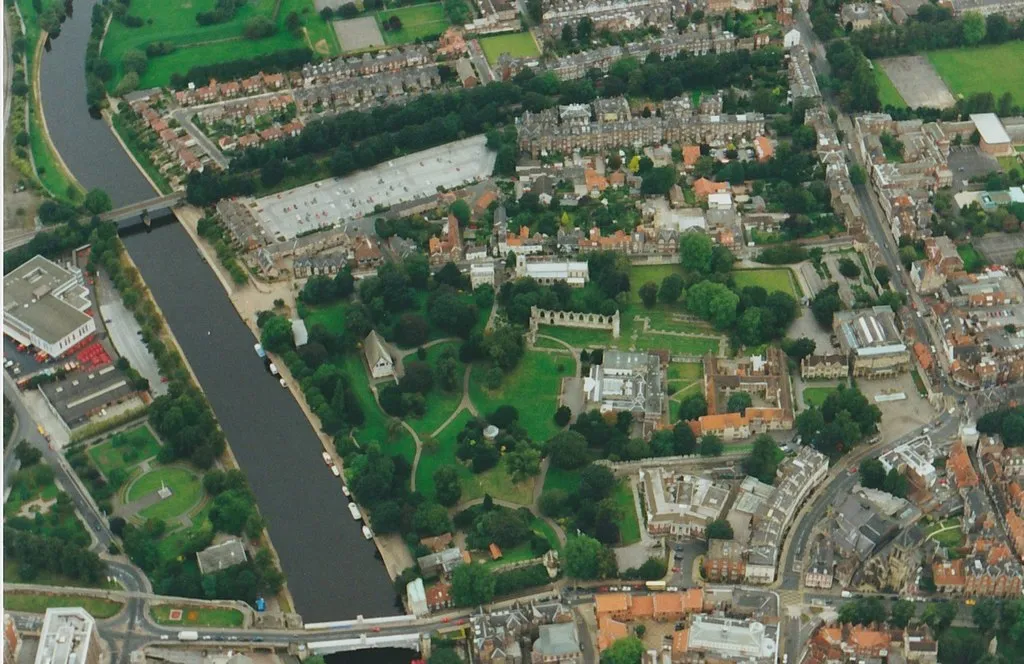
Aerial view of York Museum Gardens and the River Ouse surrounded by the city of York

The History of York's Multangular Tower

Located in York Museum Gardens, the Multangular Tower originally served as the western corner-tower of the Roman fortress Eboracum. Constructed in the early third century, the lower section remains a **vital Roman defensive structure**, while the upper portion features medieval additions. First documented in 1683, its stone walls still preserve physical damage from a cannonball fired during the English Civil War.

  • Establishment of St Mary's Abbey

    1086Founding

    The Benedictine abbey was founded in 1086 when Alan Count of Brittany granted the site to Stephen of Whitby, who became its first abbot.

  • St Mary's Abbey church foundation laid

    1089Construction

    King William II laid the foundation stone for a new Romanesque-style abbey church in 1089, which later served as a predecessor to the Gothic structure.

  • St Leonard's Hospital infirmary built

    1225-1250Construction

    The chapel and undercroft that form part of the infirmary were constructed between 1225 and 1250, reflecting the medieval medical importance of the site.

  • St Mary's Abbey precinct walls constructed

    1266-1318Construction

    The abbey precinct walls were built in 1266 and later extended in height and crenellated in 1318 under a royal licence from Edward III.

  • Gothic Abbey church construction

    1270-1279Construction

    The Romanesque abbey church was replaced by a new Gothic structure between 1270 and 1279, parts of which remain as ruins today.

  • Dissolution of St Mary's Abbey

    1539Milestone

    On 25 November 1539, Henry VIII dissolved the abbey, which had been the wealthiest monastery in the North of England.

  • Grant to Yorkshire Philosophical Society

    1828Ownership

    In 1828, the British royal family granted the land, formerly part of St. Mary's Abbey, to the Yorkshire Philosophical Society for the purpose of housing a museum.

  • Completion of Yorkshire Museum

    1830Construction

    Designed by William Wilkins in a Greek Revival style, the Yorkshire Museum was completed in 1830 and stands as one of Britain's first purpose-built museums.

  • Observatory construction

    1832-1833Construction

    The octagonal observatory was constructed between 1832 and 1833, featuring a rotating roof designed by John Smeaton.

  • Public opening of the gardens

    1835Opening

    The botanic gardens, designed in a gardenesque style, were officially opened to the public in 1835, a year visited by the then Princess Victoria.

  • Opening of York's first swimming bath

    1837Opening

    An open-air swimming bath designed by Samuel and Richard Hey Sharp opened in the south-west corner of the gardens on 8 August 1837.

  • St Mary's Lodge restoration

    1840Renovation

    In 1840, curator John Phillips restored and converted the lodge for use as his home while preserving its historic exterior.

  • Construction of curator's house

    1844Construction

    Known originally as the keeper's house, the curator's house was built in 1844 using reclaimed limestone salvaged from St. Mary's Abbey ruins.

  • Museum Gardens' Lodge construction

    1874Construction

    The lodge at the Museum Street entrance was built in 1874 to a Gothic Revival design by George Fowler Jones and serves as the Philosophical Society's offices.

  • Tempest Anderson Hall construction

    1912Construction

    Built in 1912 as an annexe to the museum, this auditorium was presented by surgeon and vulcanologist Tempest Anderson and is a notable early example of reinforced concrete use.

  • Transfer to City of York Council

    1960Ownership

    In 1960, the gardens and the museum were transferred to the City of York Council to be managed as a public park.

  • York Museums Trust management

    2002Ownership

    Since 2002, the gardens have been managed by the York Museums Trust, which also oversees the York Castle Museum and the York Art Gallery.

Curious About the Multangular Tower? FAQ & Visit Tips

Planning a trip to York's ancient Multangular Tower but not sure if you need a reservation or where to park your modern chariot? While a few details about visiting this Roman fortress remain as mysterious as the ruins themselves, we have gathered the essential questions to help you prepare.

How to get to Multangular Tower by public transport

Specific information regarding public transport directions or transit routes to reach Multangular Tower is currently not specified.

Is parking available at Multangular Tower

Information regarding parking availability, designated parking spaces, or parking fees at Multangular Tower is not provided.

Do you need a reservation to visit Multangular Tower

It is currently not specified whether you need to book a reservation or secure a timed entry ticket before visiting Multangular Tower.

What is the recommended visit duration for Multangular Tower

The suggested duration or how long to spend during a visit to Multangular Tower is not specified.

Planning Your Visit to the Multangular Tower

When planning a visit to the Multangular Tower in York, visitors will find the ancient Roman structure located within the York Museum Gardens. Because the tower is situated in an outdoor park setting, it can be viewed at a relaxed pace during a walk through the grounds. It is advisable to check the access hours of the surrounding gardens before arriving to ensure entry to the monument area.

Who Will Enjoy Visiting the Multangular Tower?

The Multangular Tower in York is a fitting stop for history enthusiasts, students, and solo travelers interested in ancient defensive architecture and local heritage. Located within the tranquil York Museum Gardens, this outdoor archaeological site allows visitors to examine third-century Roman masonry alongside medieval additions up close. It is particularly suited for those who enjoy self-guided exploration of outdoor historical landmarks, offering a brief but fascinating look into the city's military past. Because the ruins are situated in a public park, the experience is highly flexible and easy to combine with a broader tour of the city's historic center.

Visual Preview of the Multangular Tower

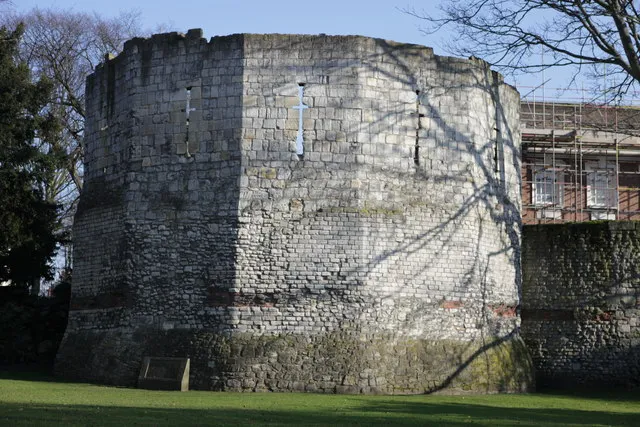
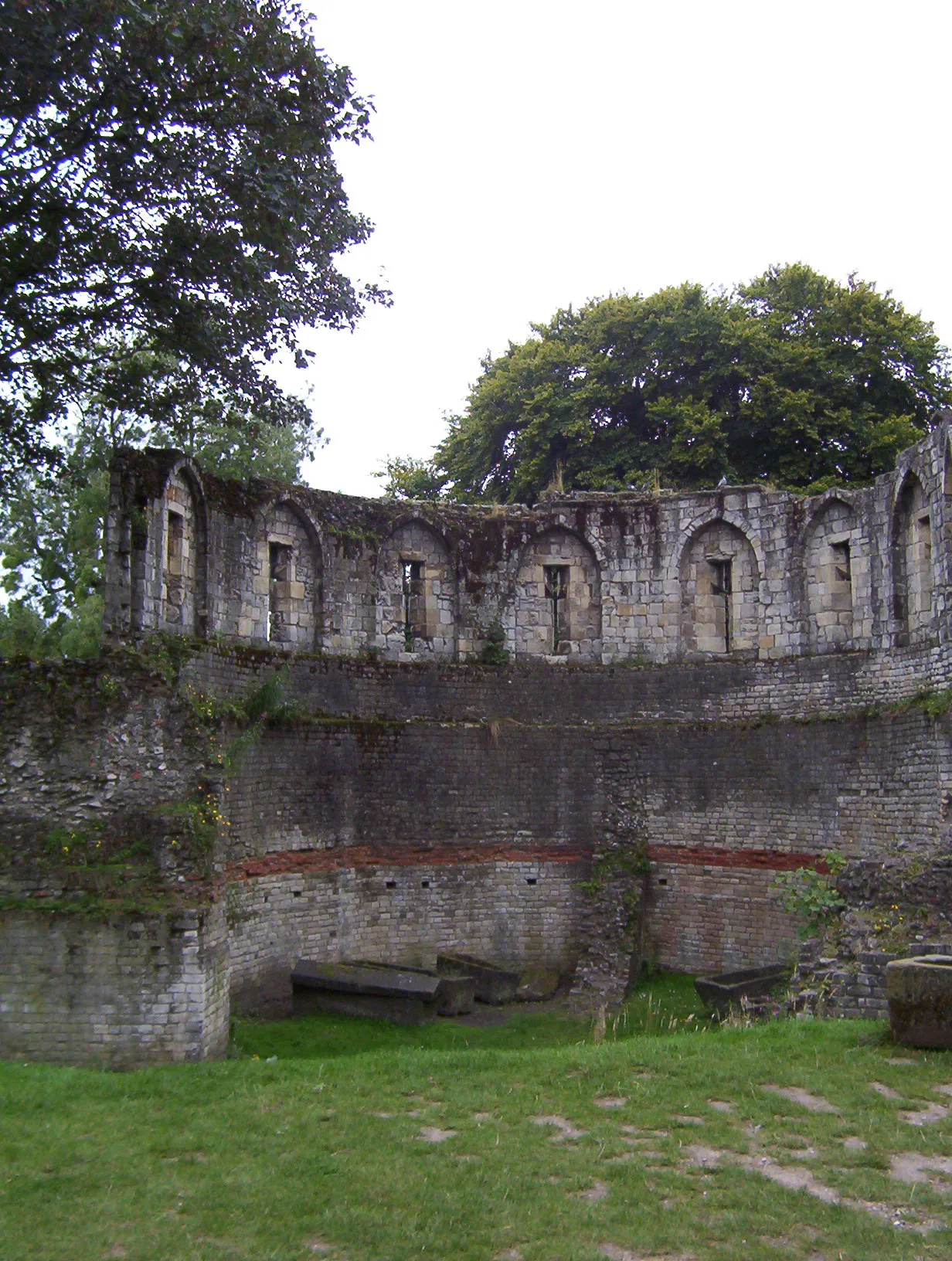
Images of the Multangular Tower in York capture the striking contrast between its third-century Roman brick bands and medieval stone additions. Visual previews showcase the rounded defensive tower standing amid the leafy trees and green lawns of the York Museum Gardens. Visitors can expect to see details like narrow slit windows, framing a visual preview of this historic archaeological site.
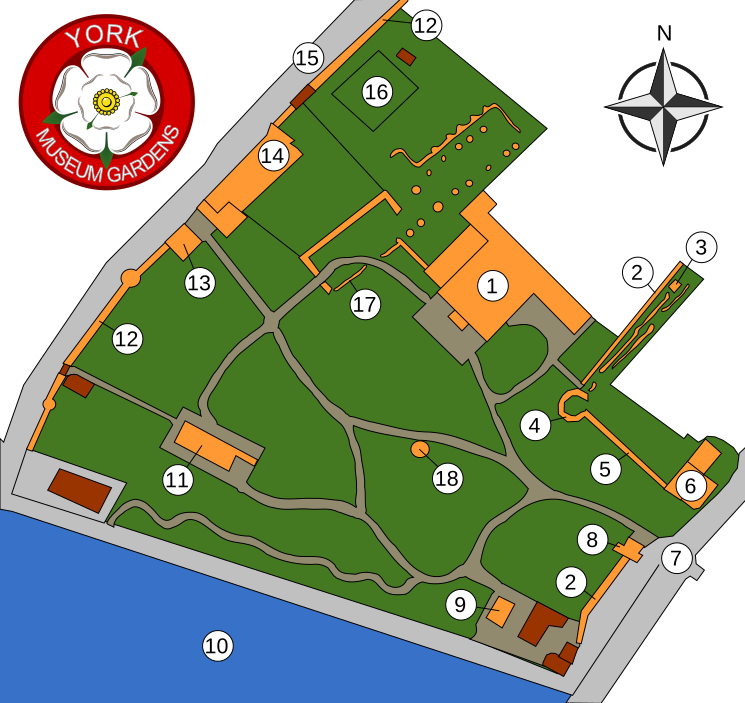
Schematic map of York Museum Gardens showing numbered points of interest, paths, buildings, and the River Ouse, with a compass rose and the City of York coat of arms.
A wide shot of a neoclassical stone building with a central portico and columns, set behind a green lawn under a blue sky with clouds, with people sitting on benches along the front.
Rounded stone corner tower of the Multangular Tower in York Museum Gardens, featuring Roman brick bands, narrow vertical windows, a green lawn, and trees under a partly cloudy blue sky
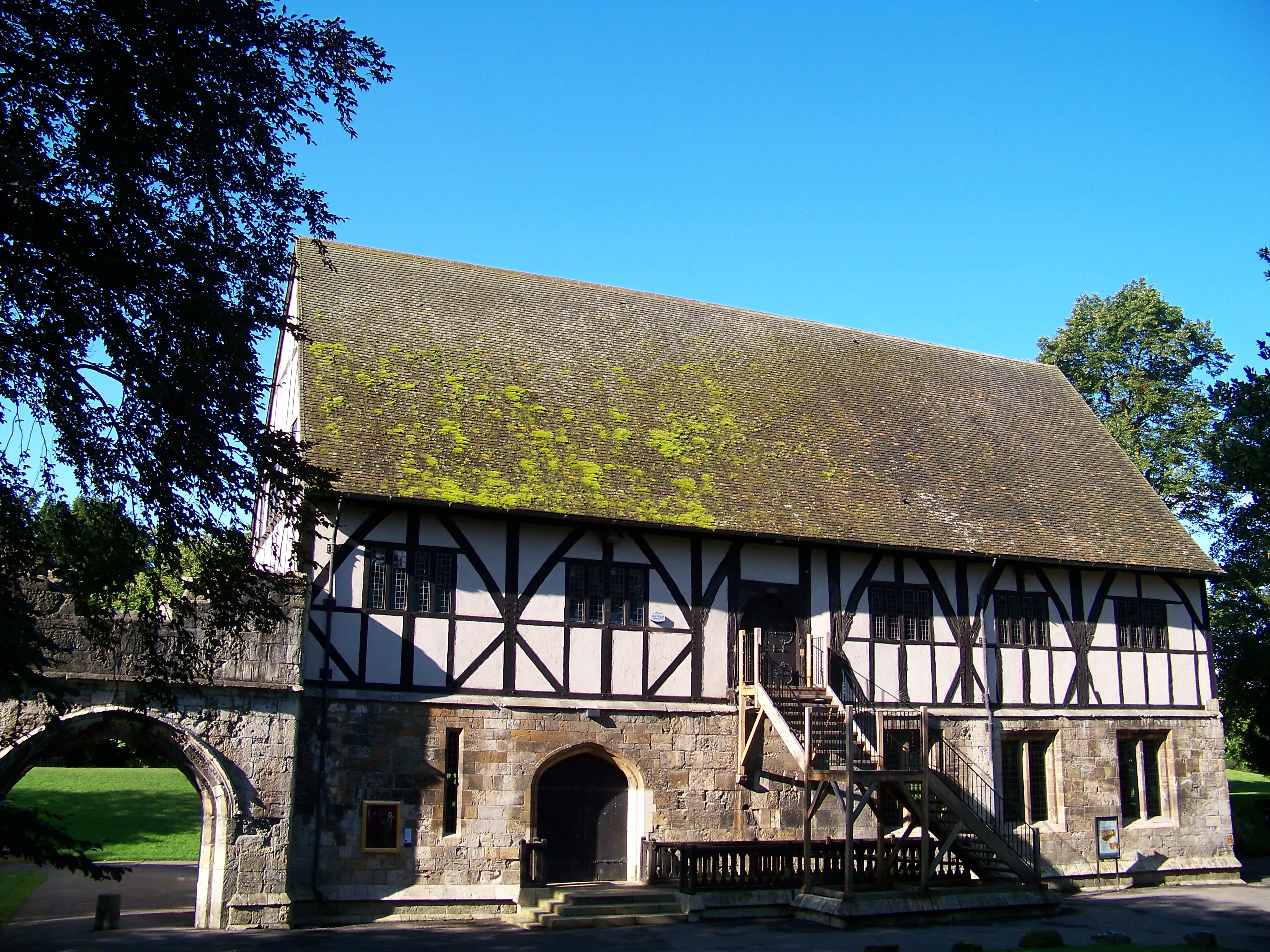
Timber-framed historic building with stone base, moss-covered roof, wooden external staircase, and stone archway gateway in York Museum Gardens
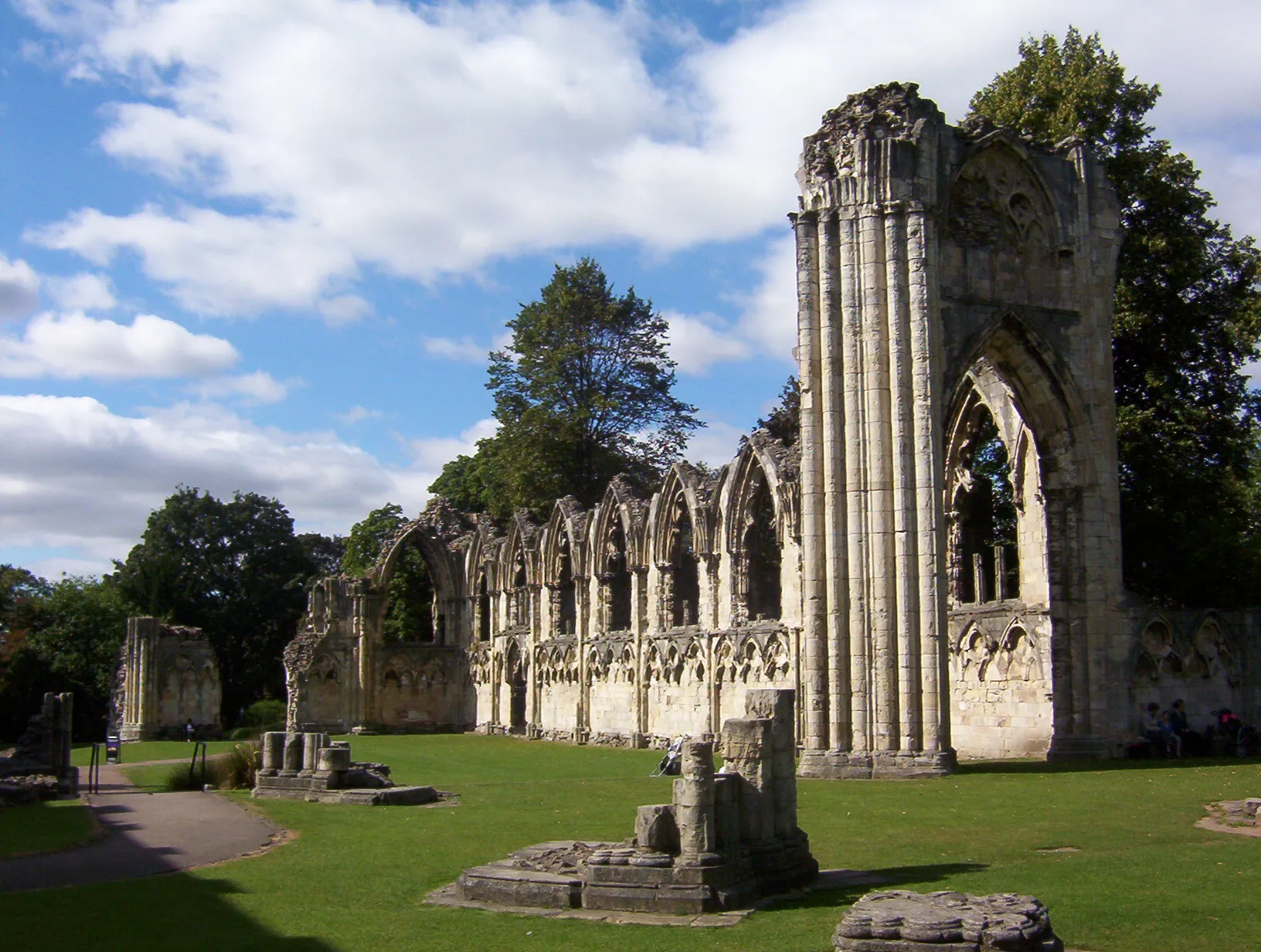
Ruins of St Mary's Abbey with tall Gothic stone arches and columns standing on green lawns under a blue sky with white clouds
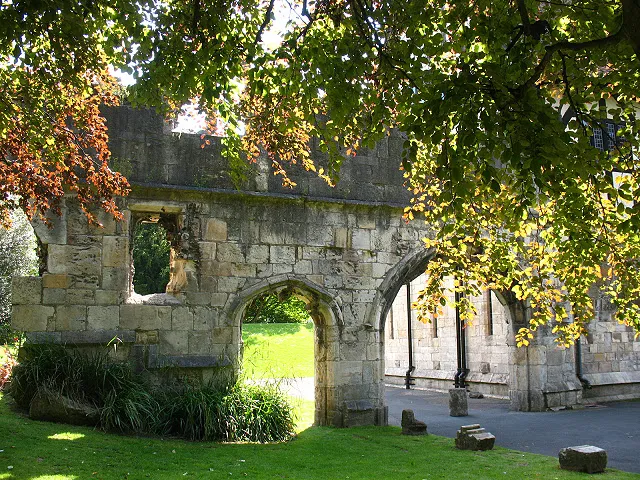
Stone archway ruins with multiple arched openings surrounded by green grass and leafy trees in York Museum Gardens
Rounded stone tower with narrow slit windows standing on a grass lawn, tree shadows cast across the weathered masonry, with scaffolding visible on the right side
Aerial view of York Museum Gardens and the River Ouse surrounded by the city of York
Curved interior stone wall of the Multangular Tower featuring arched niches, a horizontal band of red brick, and wooden benches at the base.
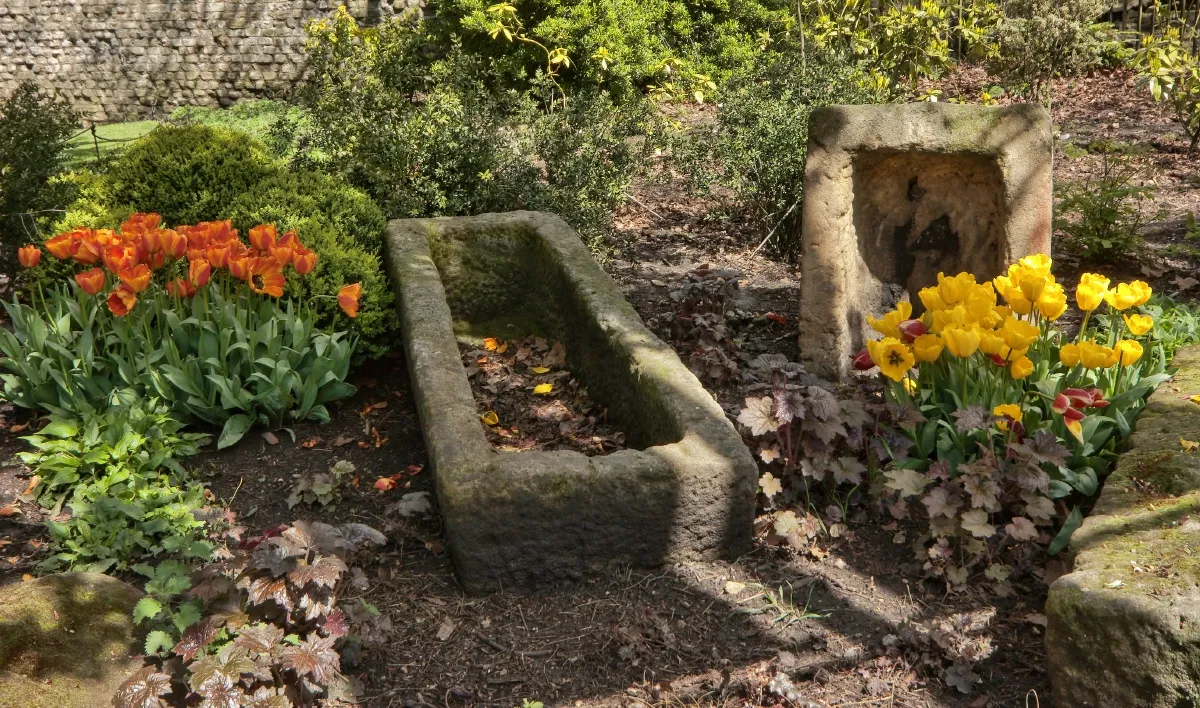
Stone trough and carved niche set in a garden bed surrounded by orange tulips and yellow daffodils.
York

Find Museums in York to Explore History and Heritage

Locate historic exhibitions and heritage sites in York.

Identify museums to visit in York that match your specific interests. Discover heritage highlights and local history exhibitions tailored to what you want to learn. Plan a highly personalized itinerary through the rich cultural landscape of this historic destination.
Discover nearby museums similar to Multangular Tower in York and plan your next cultural stop with confidence.
These recommendations prioritize real proximity to Multangular Tower and help you find high-fit alternatives faster across York.
Use this curated list to compare museums near Multangular Tower without opening multiple search pages. Each card gives you fast visual context and direct access to key details so you can decide quickly. If you are building a full day in York, this section helps you chain nearby visits with less planning effort.