Bruges Cultural Highlights: Sint-Janshuismolen and the Groeningemuseum's Global Masterpiece Reunion
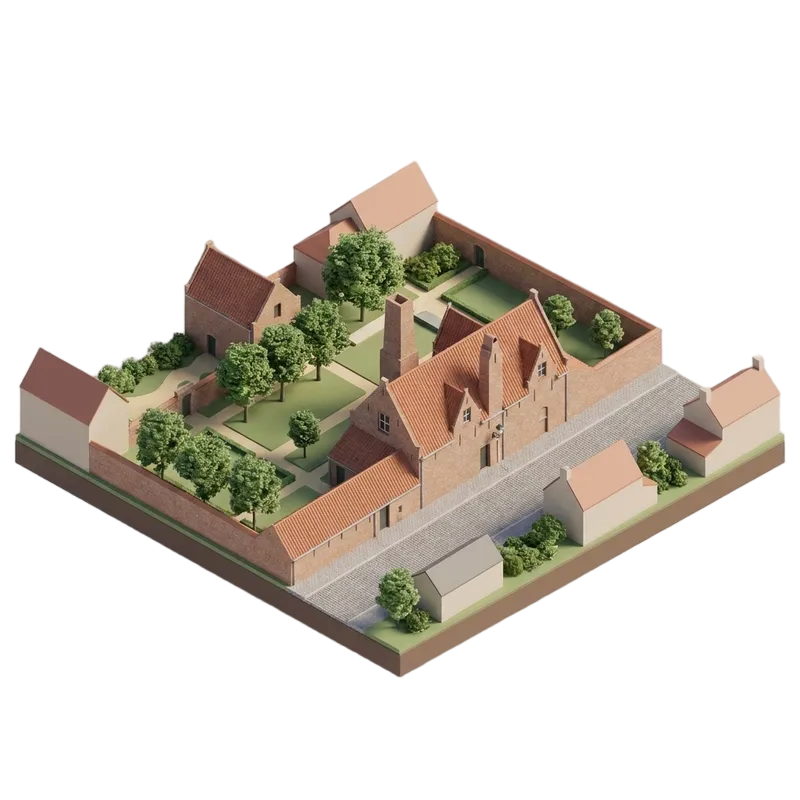
Bruges is a city defined by its deep historical layers, where visitors can easily transition from exploring industrial heritage to marveling at centuries-old fine art. While historic landmarks like the Sint-Janshuismolen—a working 18th-century windmill standing on the city ramparts—showcase the area's traditional milling and economic history, the local museums continue to share Bruges' artistic legacy with the world.
In a significant international collaboration, a major 16th-century painting from the Groeningemuseum collection has traveled to Japan for a historic, first-in-a-century exhibition before returning home to Bruges in 2026.
The Historic Reunion of a 16th-Century Flemish Masterpiece
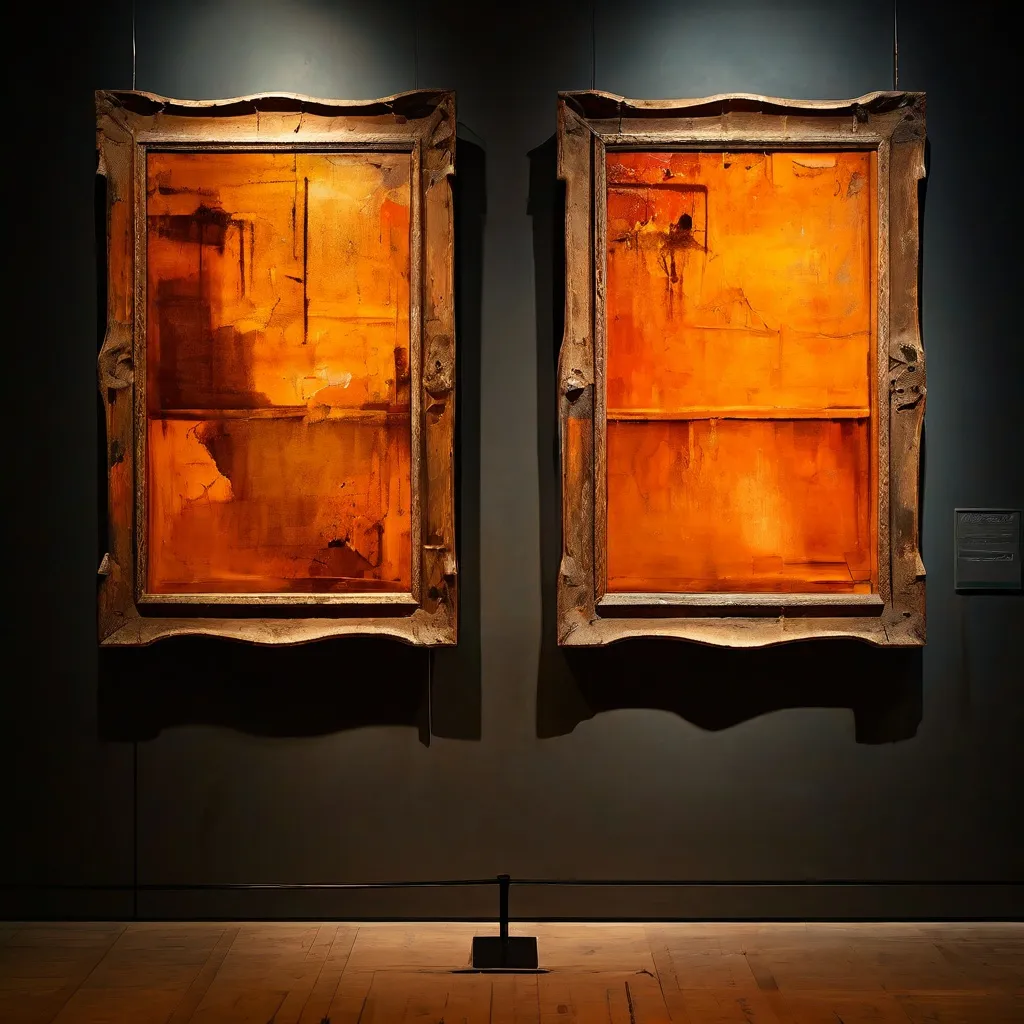
The painting, Scenes from the Life of Saint James and Saint John, is an anonymous 16th-century work painted on a delicate wooden panel. For the first time in nearly 116 years, it has been reunited with its sister piece.
Back in 1909, both paintings were in the possession of an art dealer in London. Shortly after, their paths diverged: the Bruges Municipal Museums acquired one painting with the support of the Friends of Musea Brugge, while the Japanese art collector Kojiro Matsukata purchased the other.
The sister painting eventually found its home in the National Museum of Western Art (NMWA) in Tokyo. Because both works share the same dimensions, themes, and artistic style, researchers believe they were created by the same unnamed artist.
The two paintings are currently displayed side-by-side at the NMWA in Tokyo in an exhibition running until May 10, 2026. Art lovers can study the exquisite details of the Bruges masterpiece beforehand through the online collection archive.
Careful Preparation and an Upcoming Return to Bruges
Transporting a 16th-century painting across the globe is a highly complex task. Because the artwork is painted on wood, it is exceptionally sensitive to fluctuations in temperature and humidity.
To ensure its safety, experts from Musea Brugge and the Tokyo museum worked alongside a specialized transport company to design a climate-controlled, custom travel crate. The painting was transported by land to Luxembourg and then flown via cargo plane to Tokyo. Anna Koopstra, the curator of early Netherlandish painting at Musea Brugge, accompanied the masterpiece to monitor its condition during transit.
Prior to the journey, the painting underwent thorough scientific study and preservation. Researchers from both institutions analyzed the work using infrared reflectography, after which Sofia Hennen, a painting conservator in Bruges, cleaned and restored the panel to its original brilliance.
For those planning a visit to Europe, the journey does not end in Japan. Following the Tokyo exhibition, both paintings will travel together to Belgium. They will be displayed side-by-side at the Groeningemuseum in Bruges from June 16 to October 26, 2026.
Discovering the Best of Bruges Heritage
While waiting for this historic masterpiece to return to the city's fine arts collection, visitors can immerse themselves in other aspects of local history. A stroll along the green ramparts of the city leads directly to the Sint-Janshuismolen. As one of the active remnants of the city's industrial past, this windmill offers a fascinating look at the daily grit and economic engine of historical Bruges.
Planning your next cultural walk is simple with Musemap (musemap.art), where you can easily browse Bruges museums, view upcoming events and what's on in the city, or find your way using our interactive Bruges map.