Standard Ticket€3.00

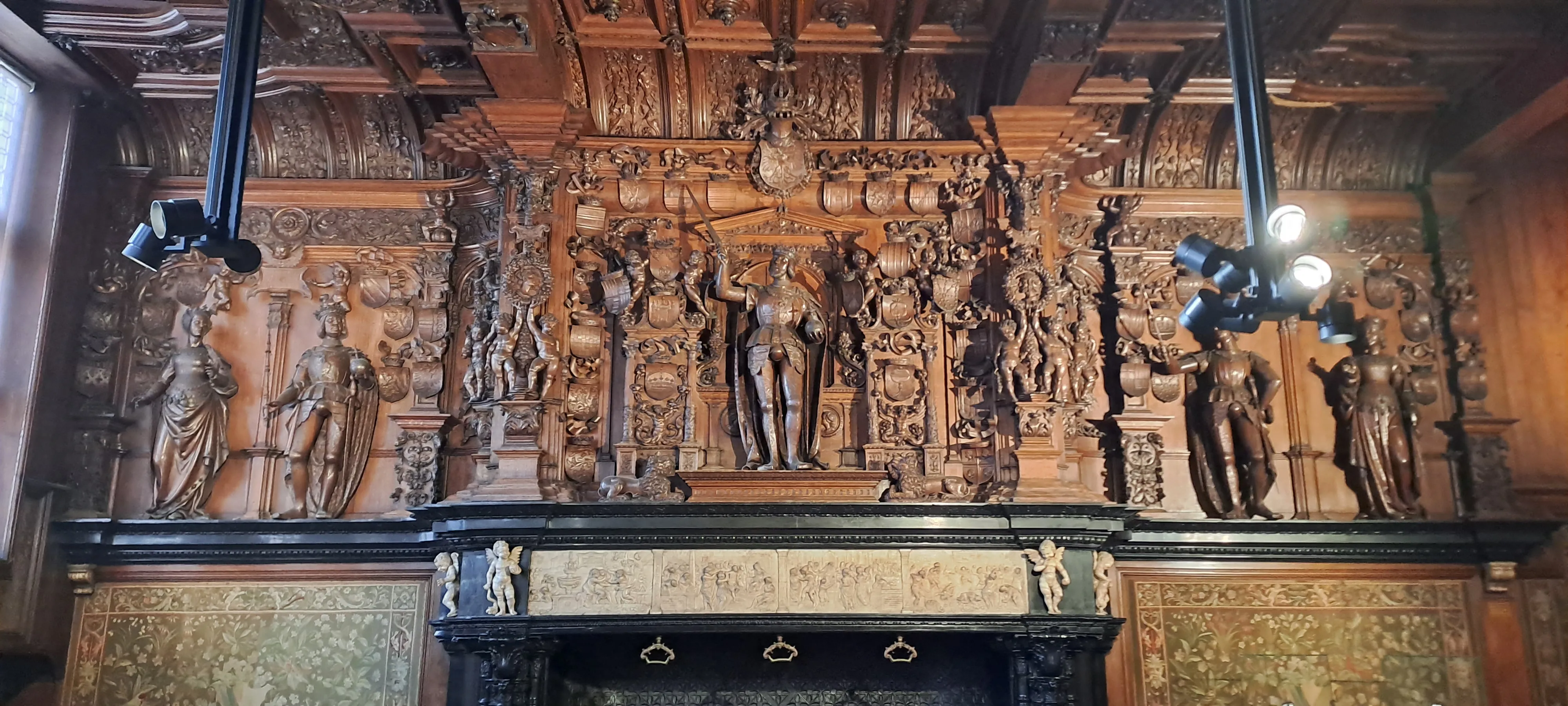
Step into the Aldermen's Chamber to stand before a spectacular 1528 mantelpiece of oak, marble, and alabaster built for Emperor Charles V. This historic site reveals centuries of judicial and administrative power in the countryside around Bruges.
A former magistrate's court preserving a historic courtroom and Lanceloot Blondeel's monumental 1528 tribute to Emperor Charles V.
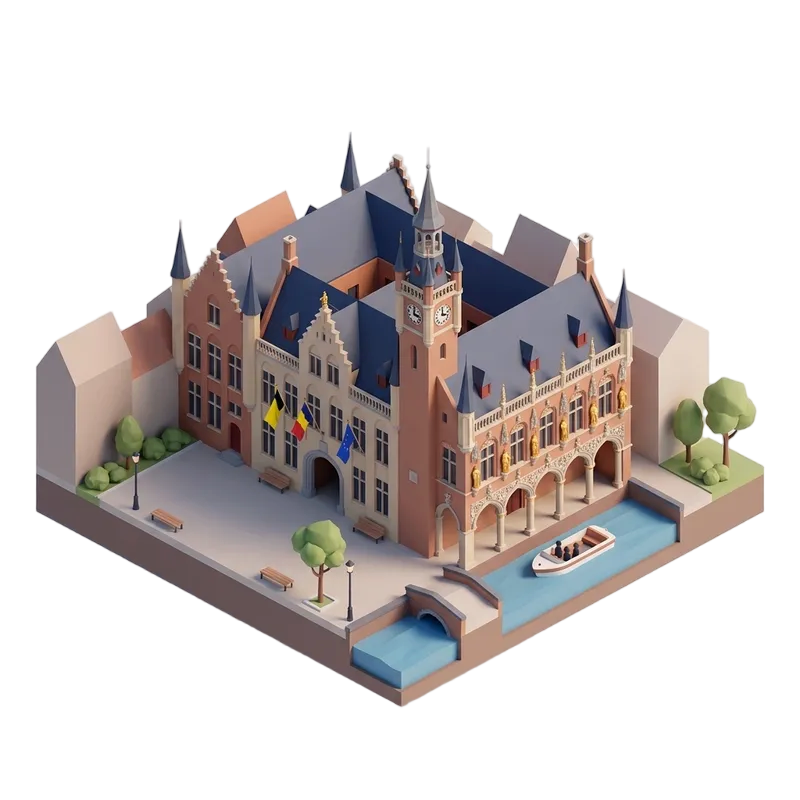
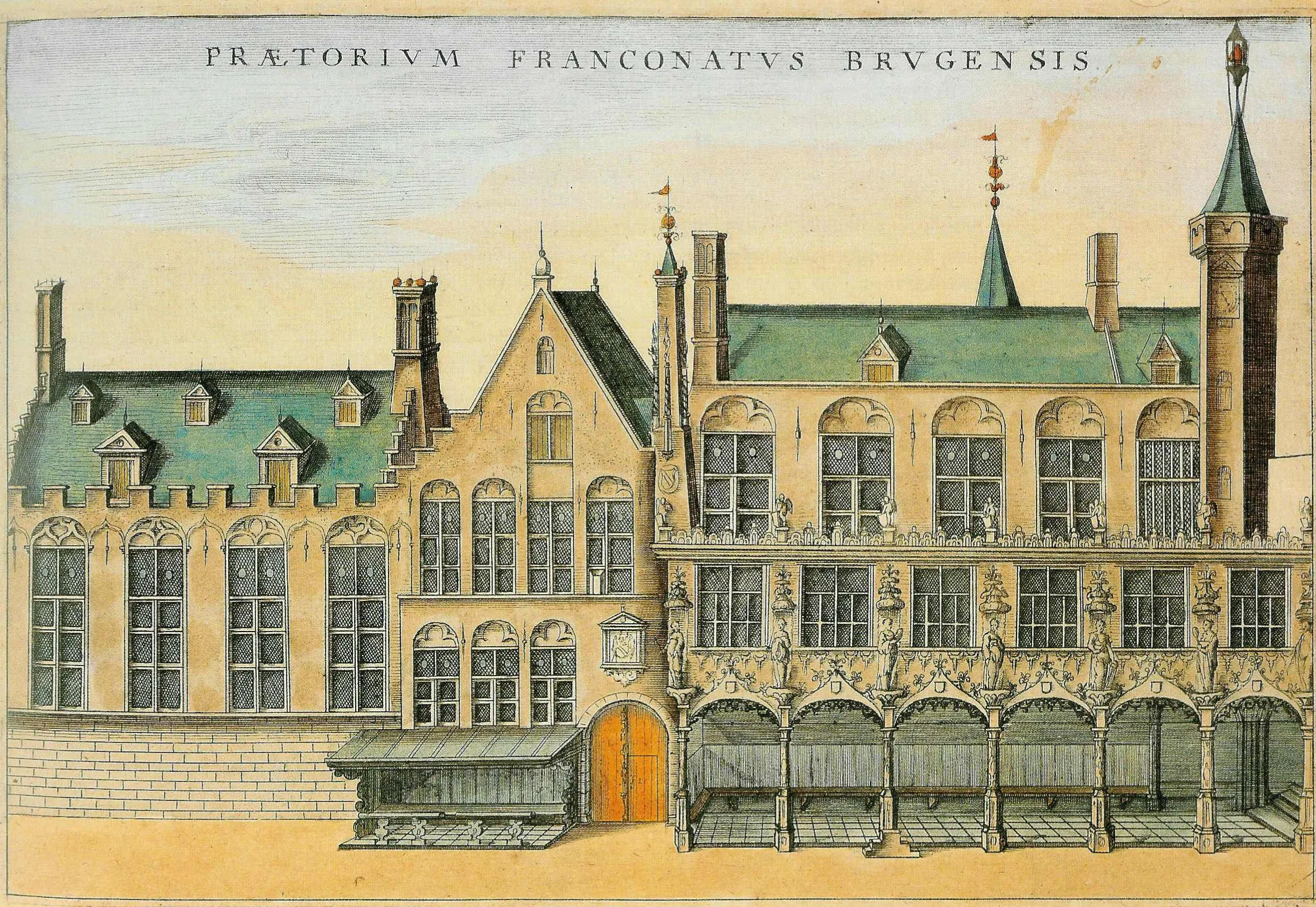
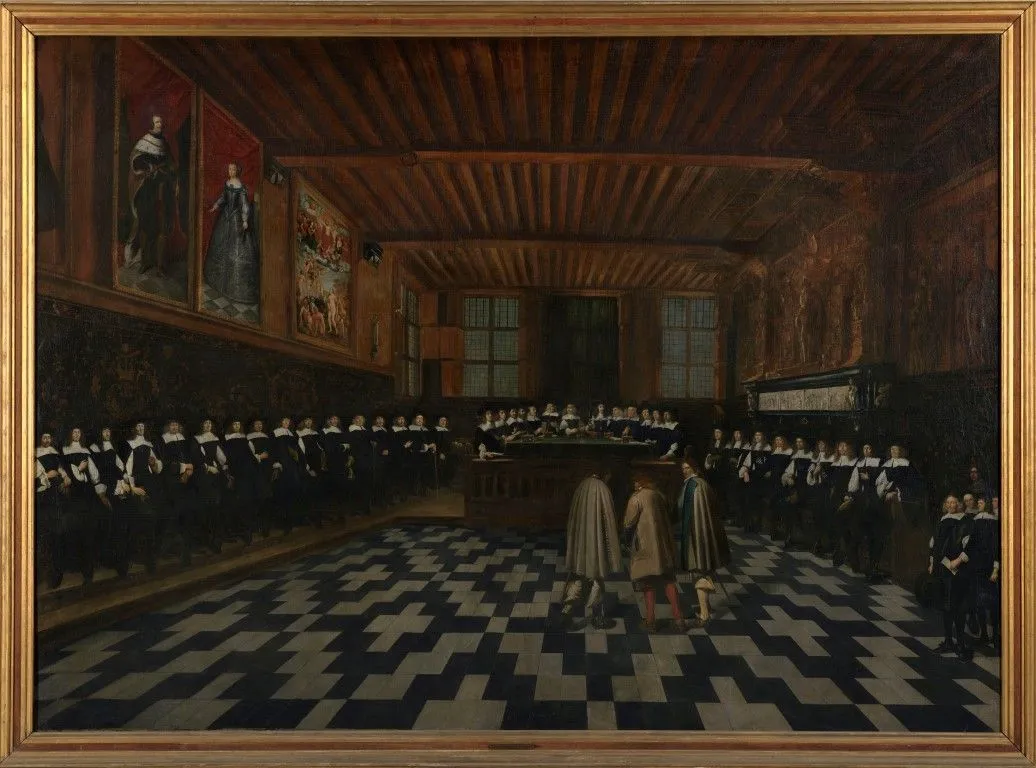
The Brugse Vrije in Bruges is a former administrative and judicial court dating back to the 12th century. Inside, the historic Aldermen's Chamber houses a monumental 1528 Renaissance mantelpiece. Designed by Lanceloot Blondeel in tribute to Emperor Charles V, this masterpiece of oak and alabaster stands alongside a 17th-century painting depicting a court session in the very same room.
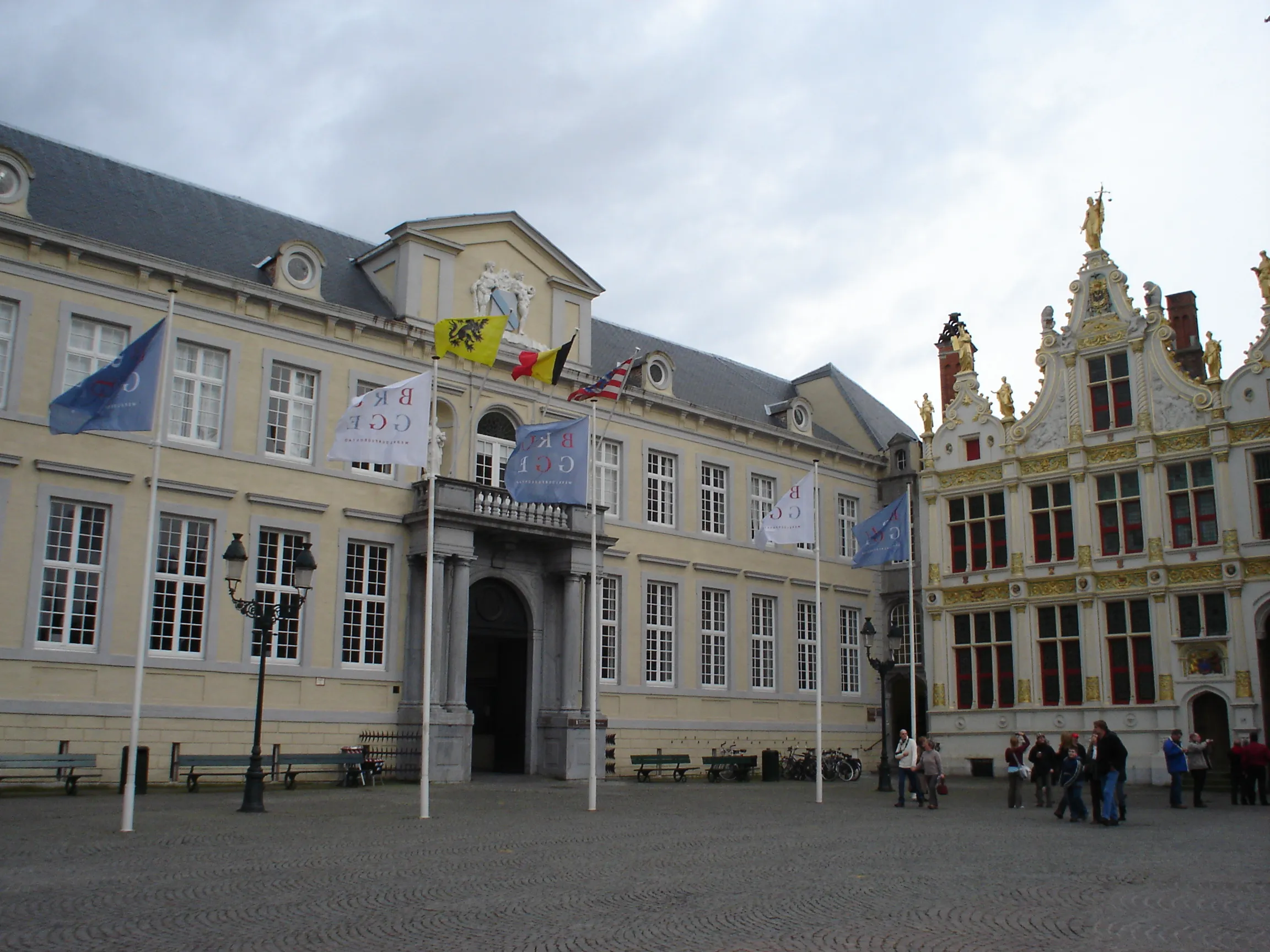
The Brugse Vrije is located on Burg Square, right in the heart of the Historic Centre of Bruges. Situated in the Sint-Walburga Quarter, this former magistrate's court sits alongside key historic landmarks. Visitors can easily find this cultural venue while exploring the city's medieval core, making it a convenient stop during a walking tour of the area.
Burg 11A
8000 Bruges
Historic Centre, Sint-Walburga Quarter, West Flanders, BE
When planning your visit to the Brugse Vrije in Bruges, consider combining this historical site with other nearby attractions in the city center. A short self-guided walkthrough is typically sufficient to view the preserved aldermen's chamber and its monumental sixteenth-century fireplace. The venue is easily accessible on foot for visitors exploring the historic district.

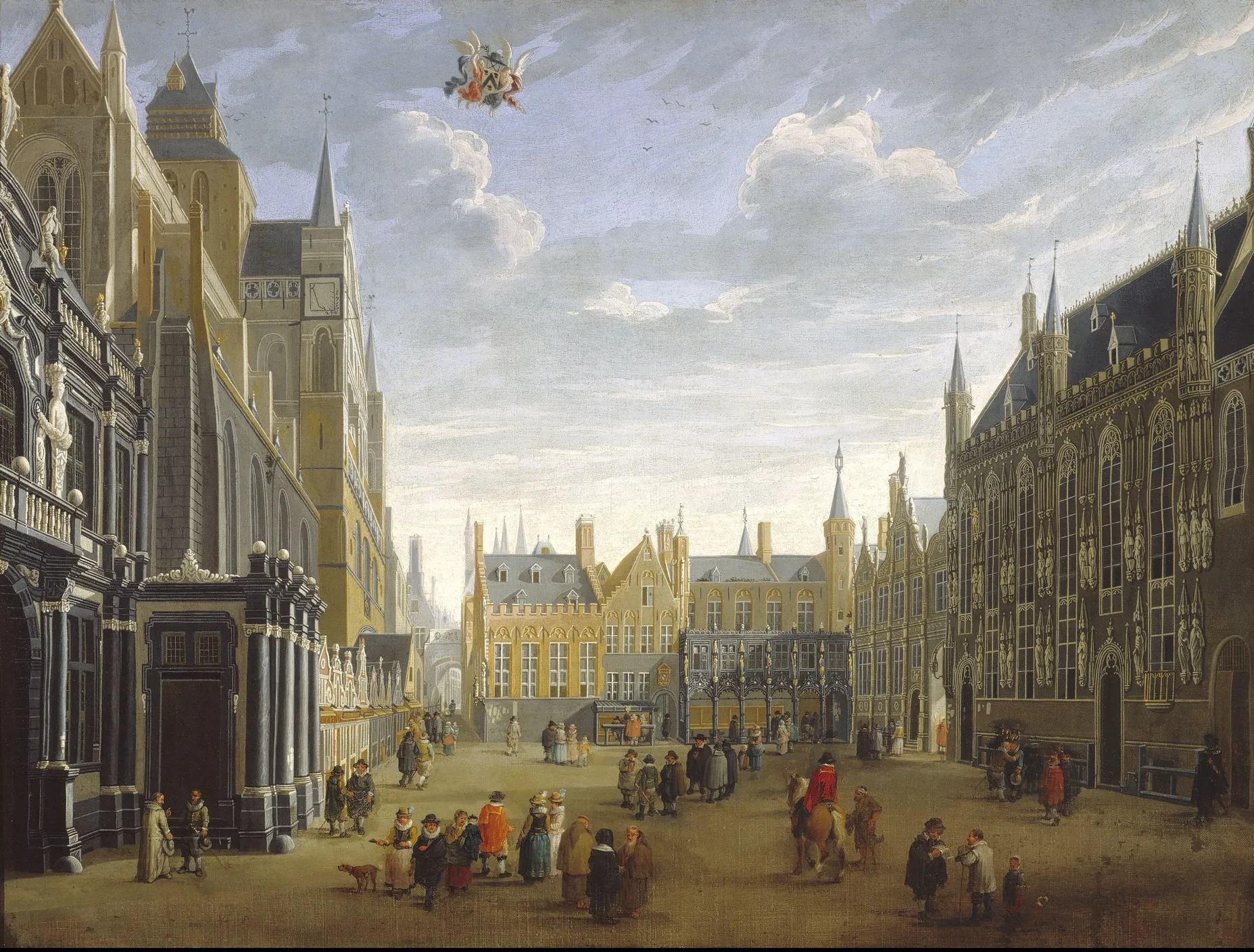
The Brugse Vrije in Bruges offers visitors a compelling journey into the region's historic judicial and administrative past. Once the headquarters for the surrounding countryside, this landmark on Burg Square is easily recognized by the gilded statue of Lady Justice atop its facade. Inside the preserved Aldermen's Chamber, the centerpiece of the visitor experience is a monumental 1528 mantelpiece carved from oak, marble, and alabaster. Designed by Lanceloot Blondeel as a tribute to Emperor Charles V, this masterpiece stands alongside a notable 17th-century painting by Gillis Van Tilborch.
Established around 1000, the Brugse Vrije served as an administrative and judicial center on the Burg in Bruges. The castellany gained **significant political influence** in 1386 before the feudal system was abolished under French rule in 1795. The complex expanded in the 15th century, housing its monumental Renaissance fireplace by 1531. Following a classicist renovation in the 1720s, the building served as a courthouse before being acquired by the city in 1984.
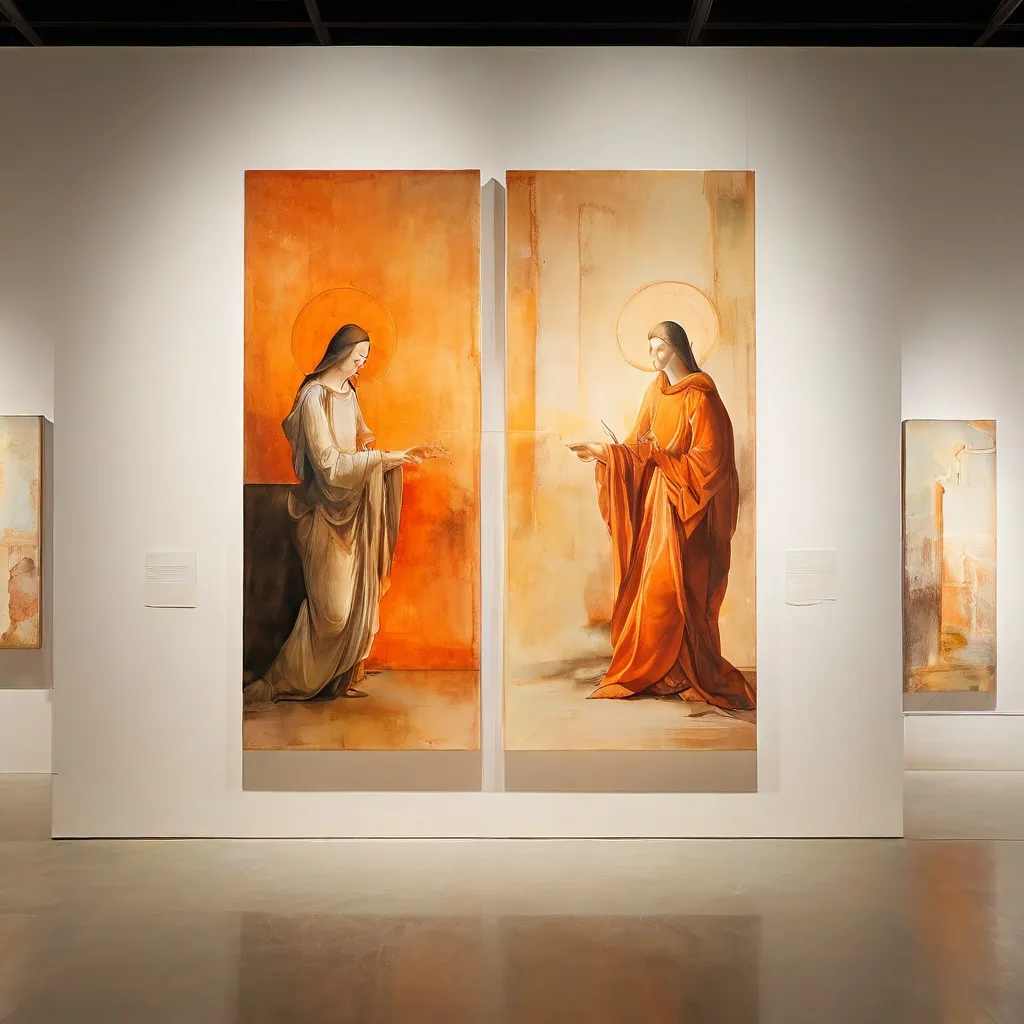
For the first time in over a century, two historical panels from the same workshop are being presented together at the Groeningemuseum. Following their successful exhibition in Tokyo, these works depicting Saints James and John offer visitors a unique look at art history and technical restoration. The display is available for public viewing in Bruges from 16 June to 26 October 2026.
BRUSK is set to launch an innovative series of exhibitions and cultural events, highlighted by 'High Tide', which explores the intersection of fashion and contemporary art. The venue will also serve as a temporary home for Groeninge Collection masterpieces and host an installation for the 2027 Bruges Triennial, reinforcing its role as a dynamic hub for artistic experimentation.
The Musea Brugge Card, which offers 72-hour access to local museums and monuments, has been updated to include entry to the new art gallery, BRUSK, starting May 8. Due to this expanded offering, the pricing structure for the card has been revised to reflect its increased value.
The Portrait of Margareta van Eyck by Jan van Eyck is temporarily moving from its home at the Groeningemuseum. Visitors can view the masterpiece as part of the new 'Bigger Picture. Connected worlds of Bruges 900-1550' exhibition hosted at the BRUSK gallery from 8 May to 6 September.
Starting April 1st, 2026, Musea Brugge is updating the weekly closing days and operating hours for the Groeningemuseum and the Gruuthusemuseum. These changes are part of a seasonal adjustment to improve visitor access and manage museum operations more effectively throughout the year. Please review the updated schedule when planning your next trip to Bruges.
Brugse Vrije concludes its two-year research project, Apprentice-Master II, which explored the international journeys of 19th-century Bruges Academy students. The project bridged history and art by tracking how these artists traveled to cities like Rome to perfect their craft. Visitors can explore the findings and the digitized collection that resulted from this collaboration.
Visitors planning to hear the iconic sounds of the Bruges Belfry should note a temporary silence from the automatic carillon from March 5th until April 4th. During this period, the instrument is undergoing its biennial retuning and maintenance process to prepare four new melodies that will debut on Easter Sunday. Live recitals by the city carillonneur remain scheduled throughout the maintenance window, excluding the week before Easter.
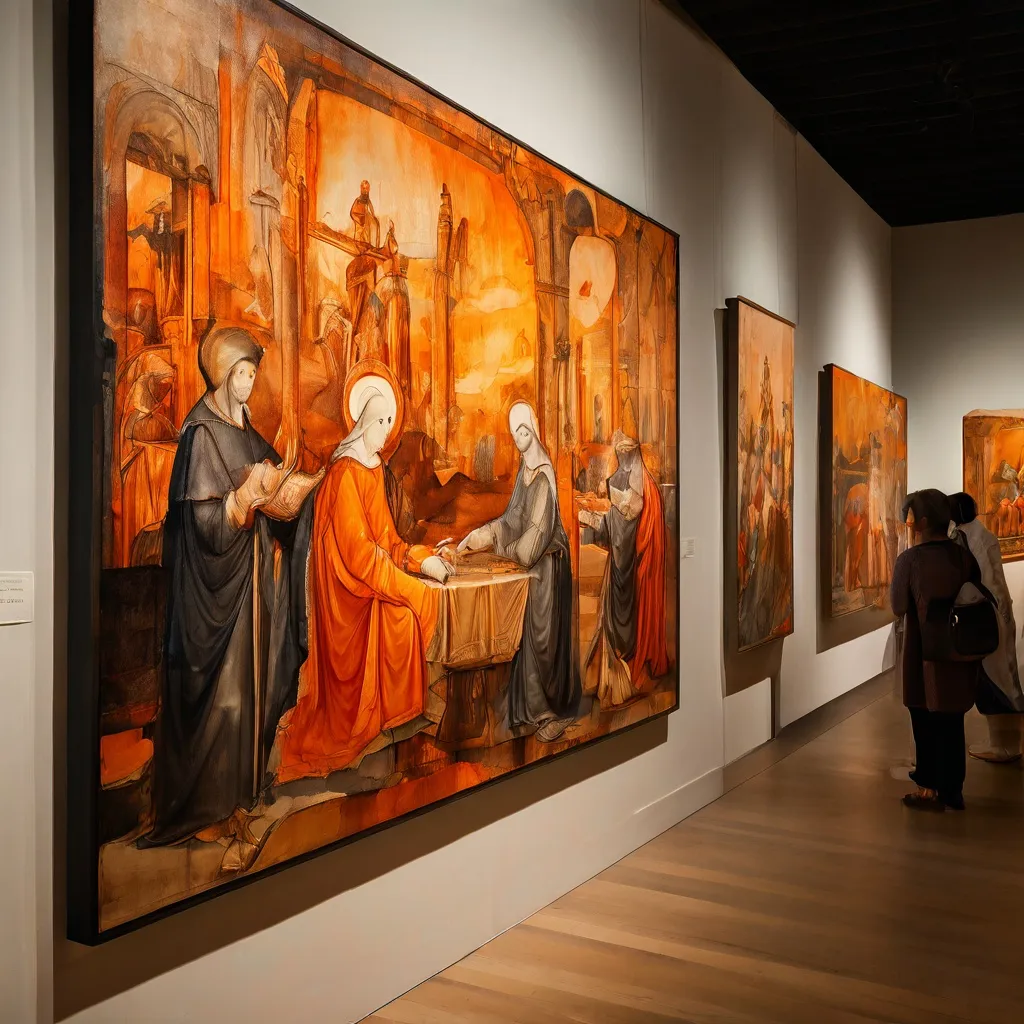
The Groeningemuseum has added a significant 15th-century panel, 'Scenes from the Life of Saint Joseph', to its collection on a long-term loan. Originating from Saint Catherine's Church in Hoogstraten, this Flemish Masterpiece offers visitors a unique look at narrative painting from the Southern Netherlands. It will remain on display for public viewing until January 2027.
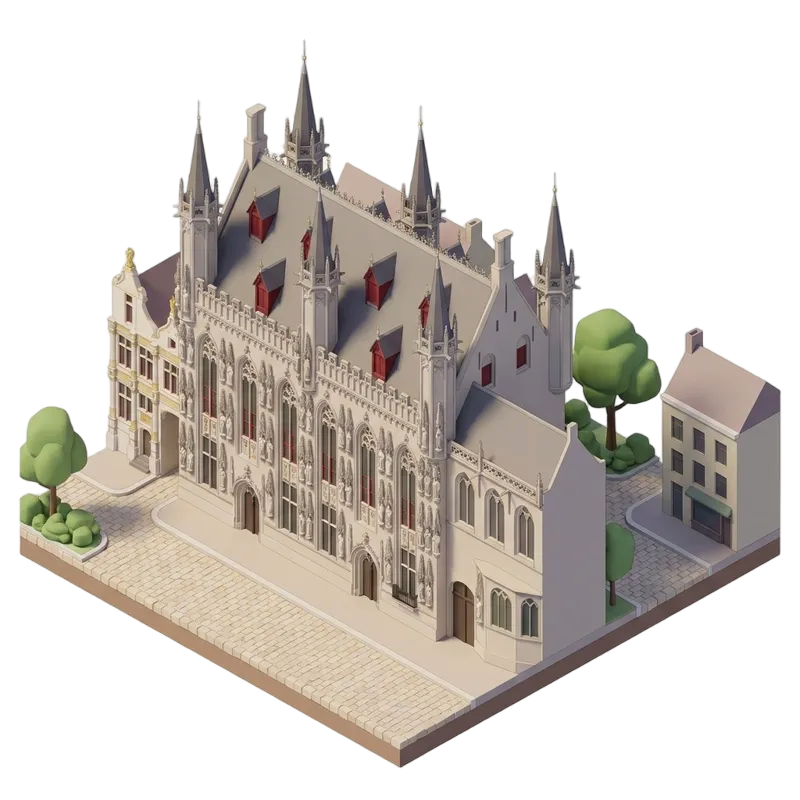
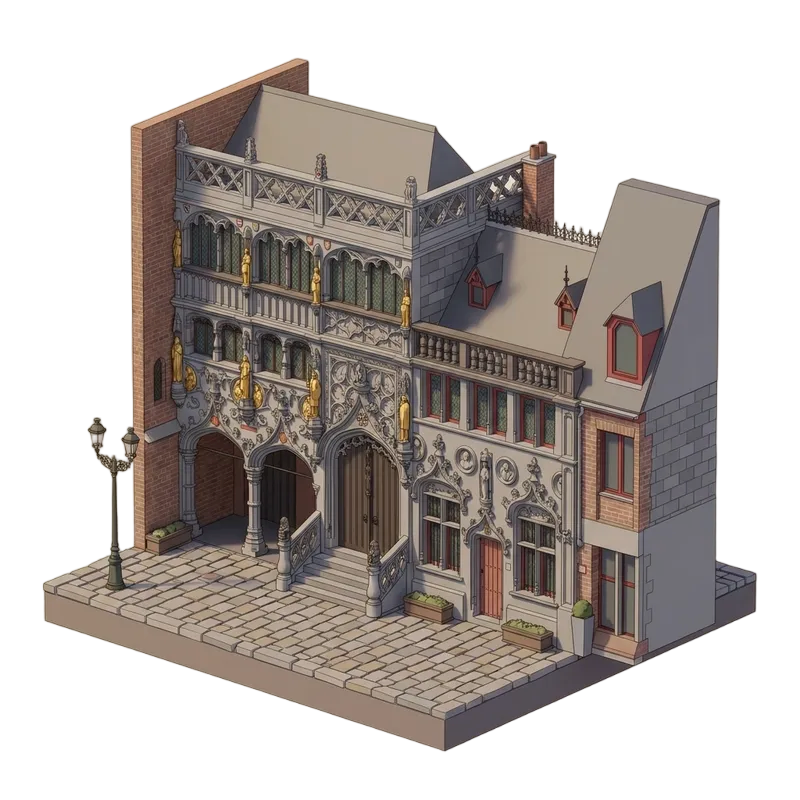
Images of the Brugse Vrije in Bruges capture its striking exterior, featuring the gilded statue of Lady Justice on Burg Square. Inside, the visual story centers on the historic Aldermen's Chamber, showcasing Lanceloot Blondeel's ornate 1528 Renaissance mantelpiece and classical paintings of early courtroom sessions. These previews highlight the building’s rich architectural details and artistic masterworks.
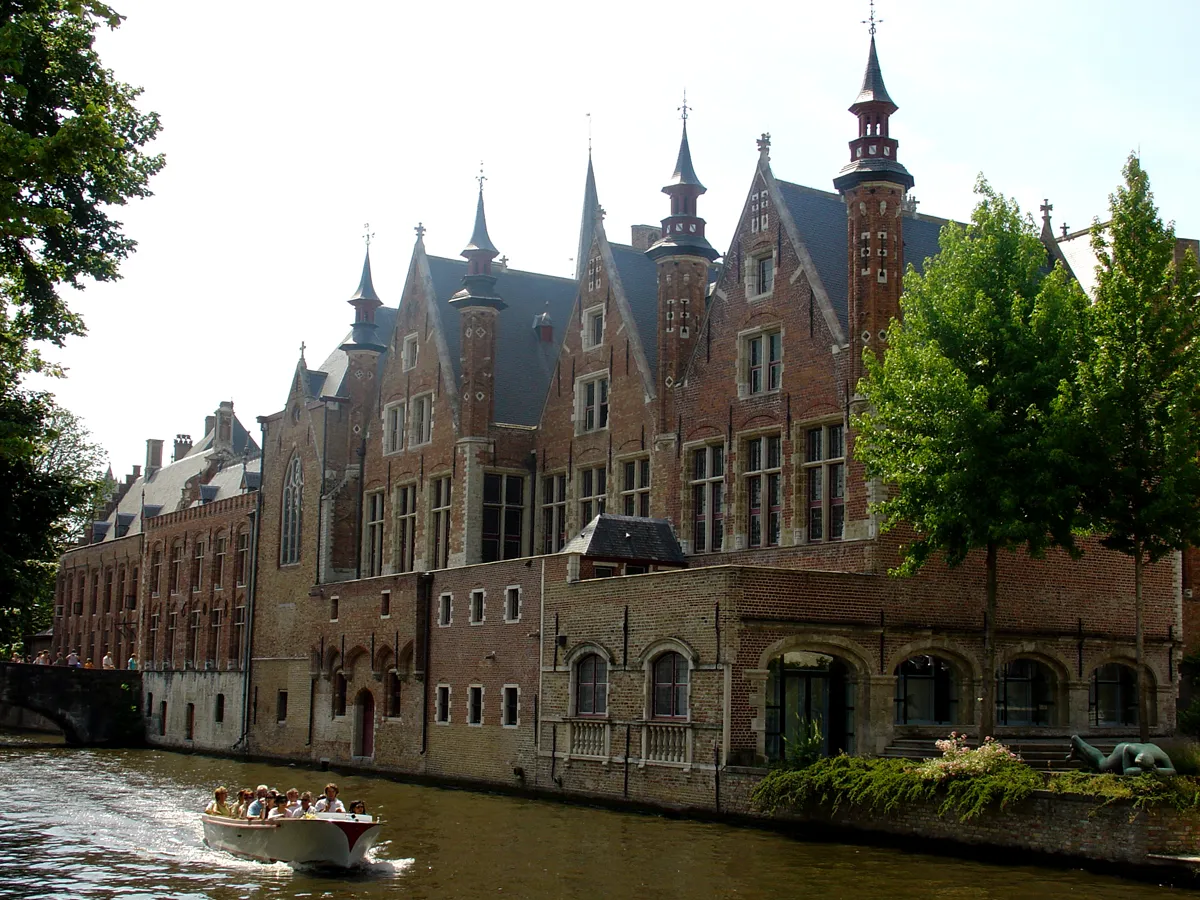

Locate venues highlighting Flemish art and medieval heritage.
Match your personal interests with historical institutions throughout the city. Identify cultural attractions that showcase centuries of craftsmanship, artistic expression, and historical significance in Bruges.