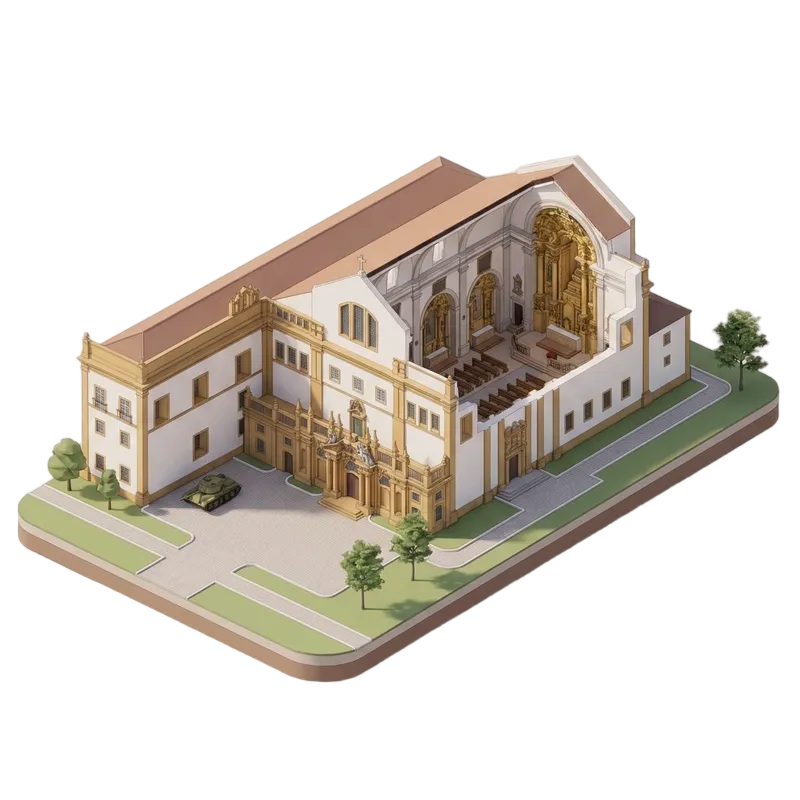
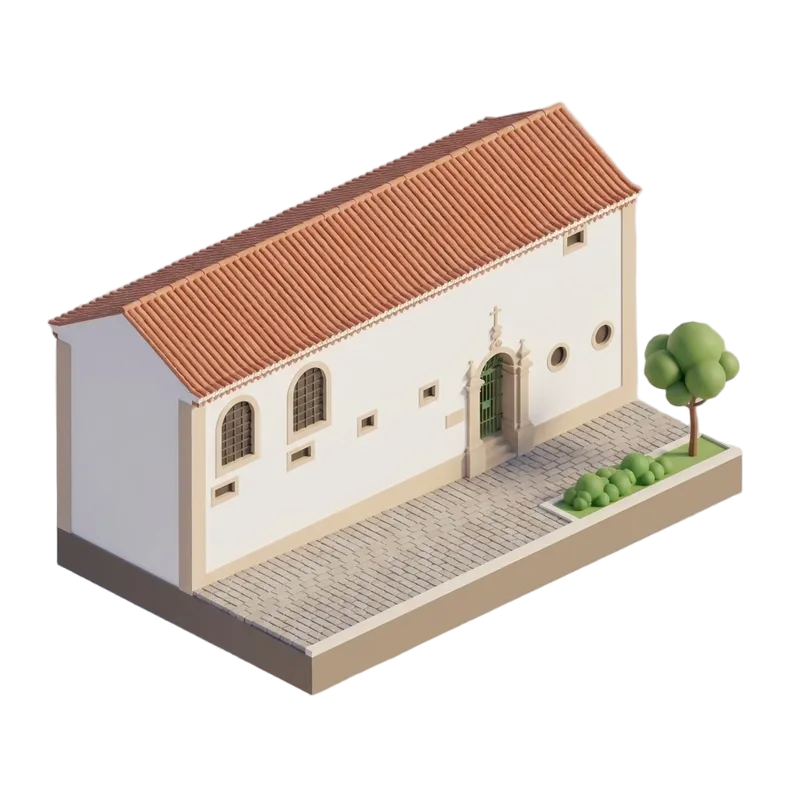
Standard admission
€4.00

The excavated Gothic monastery abandoned after repeated flooding, presented with ruins, archaeology and an interpretation centre. Elevated paths and museum displays explain monastic life, flooding, abandonment and modern excavation.
The excavated Gothic monastery abandoned after repeated flooding, presented with ruins, archaeology and an interpretation centre.
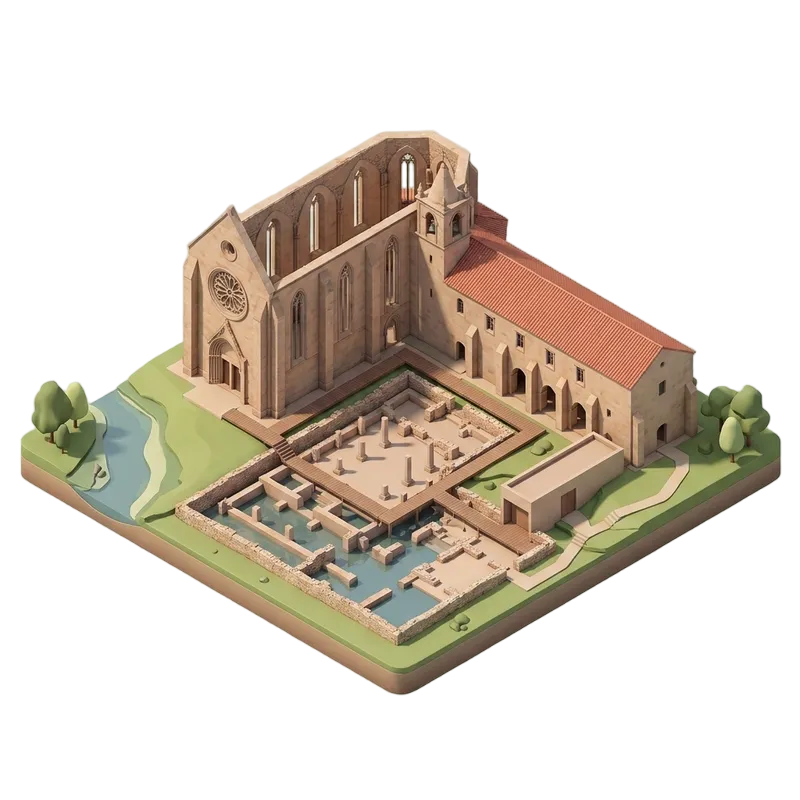
The Monastery of Santa Clara-a-Velha in Coimbra preserves the remains of a historic Gothic site abandoned following repeated river flooding. Through its interpretation centre and elevated pathways, the venue provides a unique look at monastic life and the complexities of modern archaeology. Visitors explore the well-preserved ruins while learning about the site's distinct architectural and river history.
The Monastery of Santa Clara-a-Velha is located in the Santa Clara neighborhood of Coimbra, situated along the riverside. This setting is integral to understanding the site, as the proximity to the water directly influenced the history and eventual abandonment of these unique Gothic ruins. Visitors can use this location context to plan a meaningful route between the monastery and other cultural landmarks throughout the city.
Rua das Parreiras
3040-266 Coimbra
Santa Clara, Coimbra District, PT
Visitors to the Monastery of Santa Clara-a-Velha in Coimbra should set aside 30 to 60 minutes for their tour. It is recommended to book your visit in advance and confirm the day's specific public-entry schedule before arrival to avoid any potential service disruptions. Please follow the signs to the designated visitor entrance upon arrival and be mindful of any specific site etiquette required within this historic area.

The Monastery of Santa Clara-a-Velha in Coimbra offers a compelling encounter with medieval heritage, defined by its excavated Gothic ruins and deep river history. Abandoned after centuries of recurring floods, the site has been meticulously preserved to showcase both the structure and the complex process of modern archaeology. Visitors explore the grounds via elevated paths that provide unique perspectives on monastic life and the architecture of the former convent. Displays within the interpretation centre further illuminate the narrative of abandonment and discovery. This historic site remains a vital component of local heritage, inviting guests to engage with the layered stories of the Mondego riverfront.
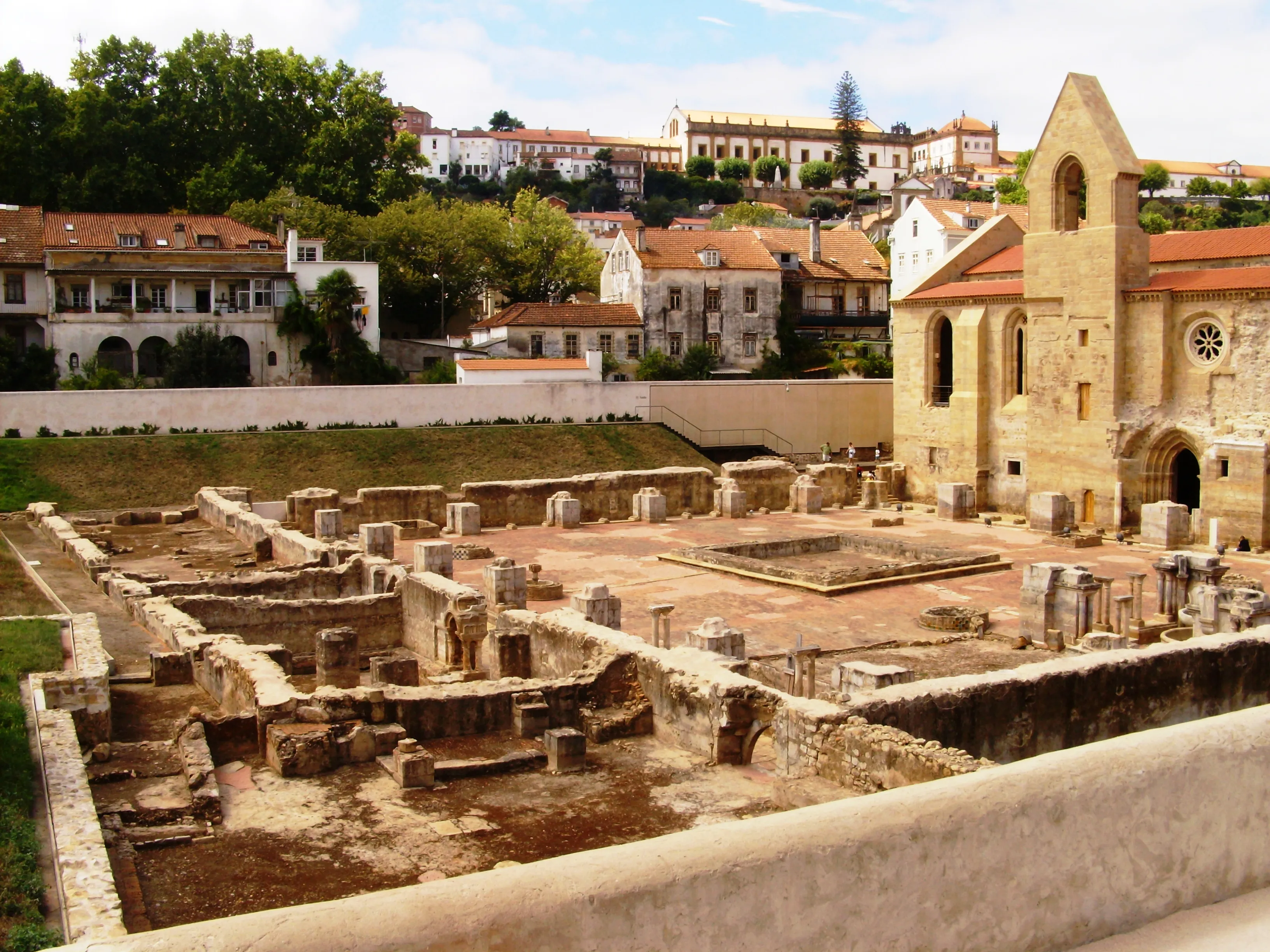
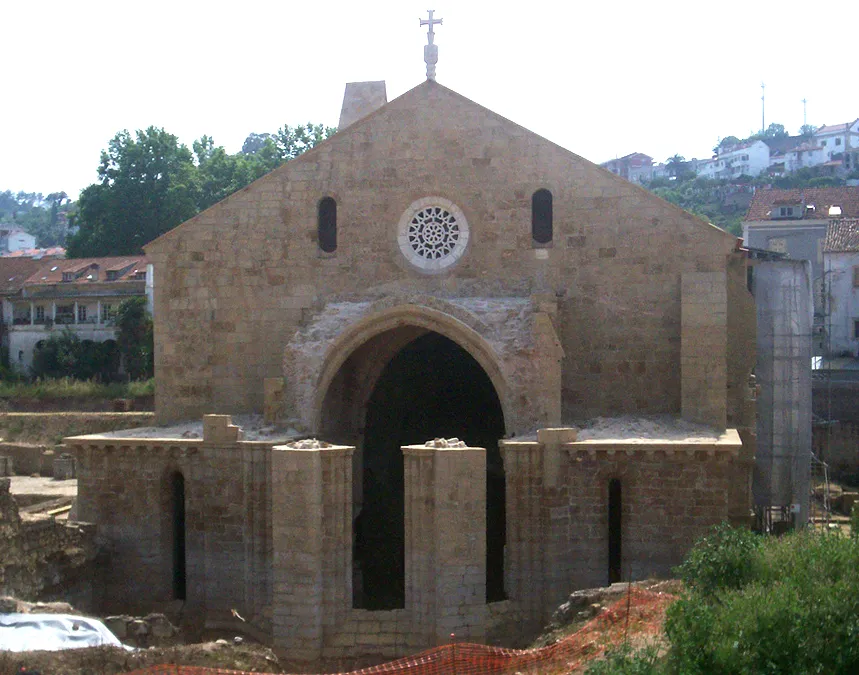
The Monastery of Santa Clara-a-Velha in Coimbra traces its origins to 1286, when it was established as a Clarissan house. Queen Isabel of Aragon later refounded and expanded the site in 1314. Due to persistent flooding from the Mondego River, the community eventually relocated in 1677. Today, these *Gothic ruins* serve as a testament to the site's rich heritage, having been officially recognized as a National Monument since 1910.
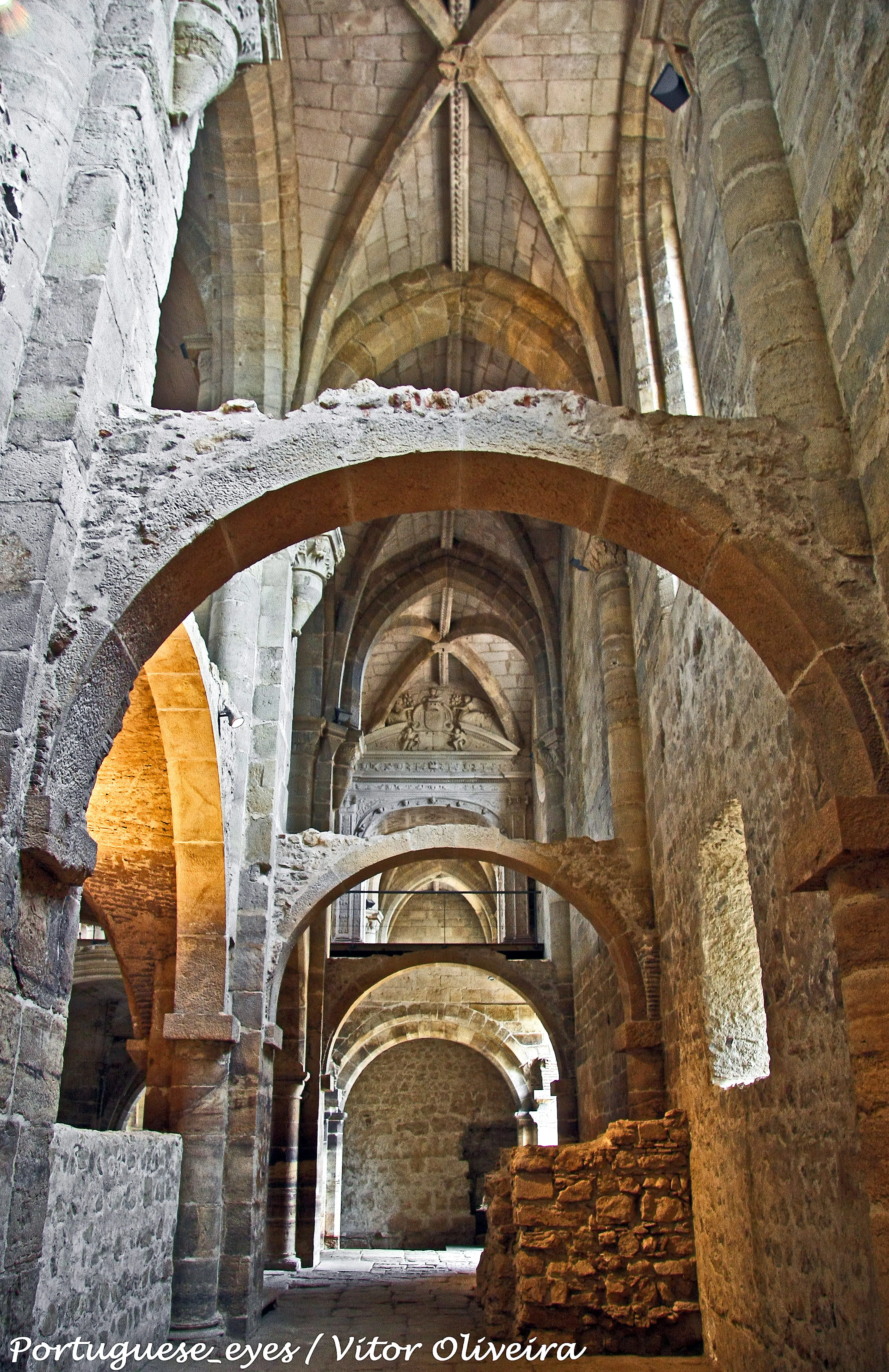
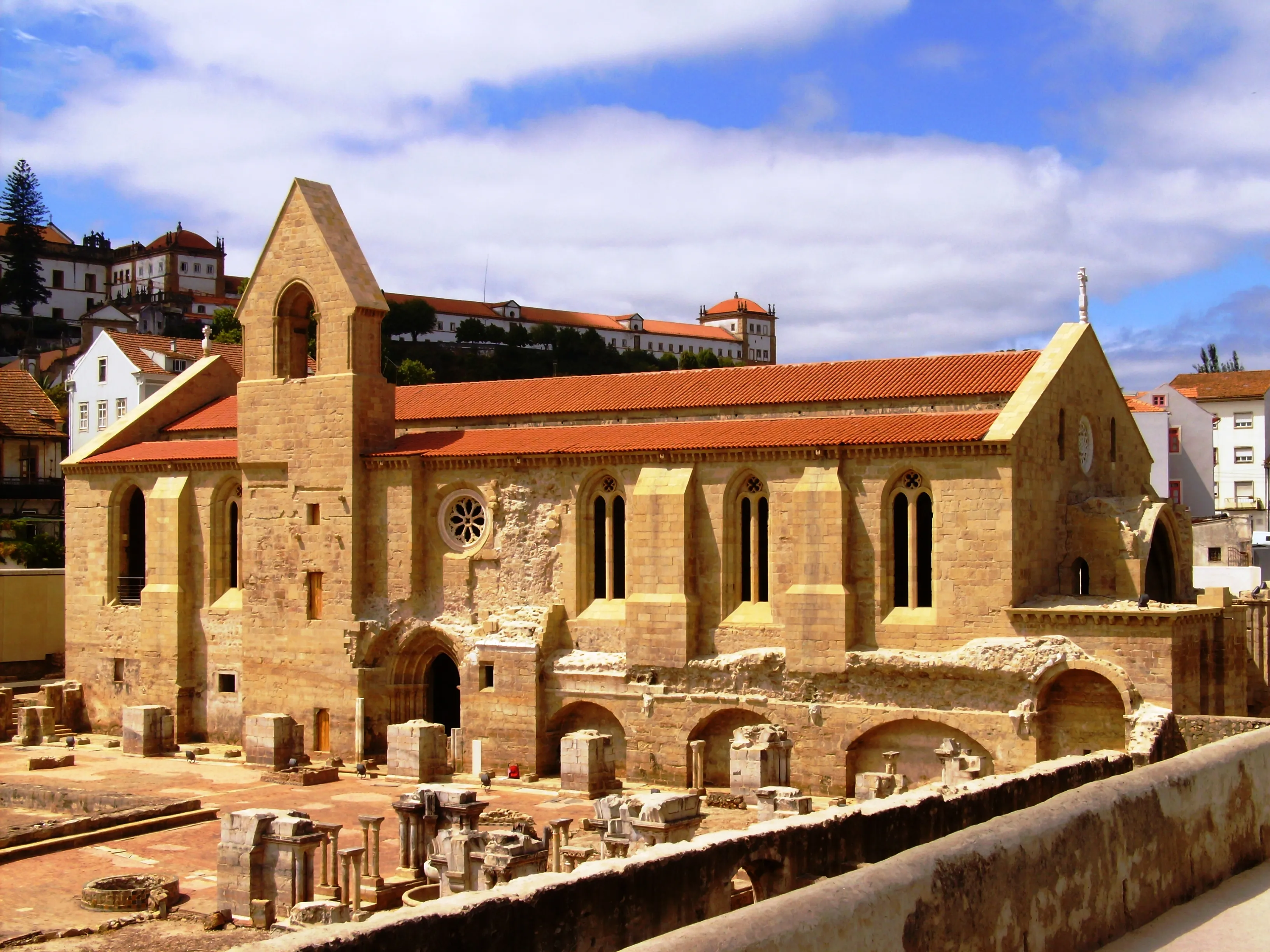
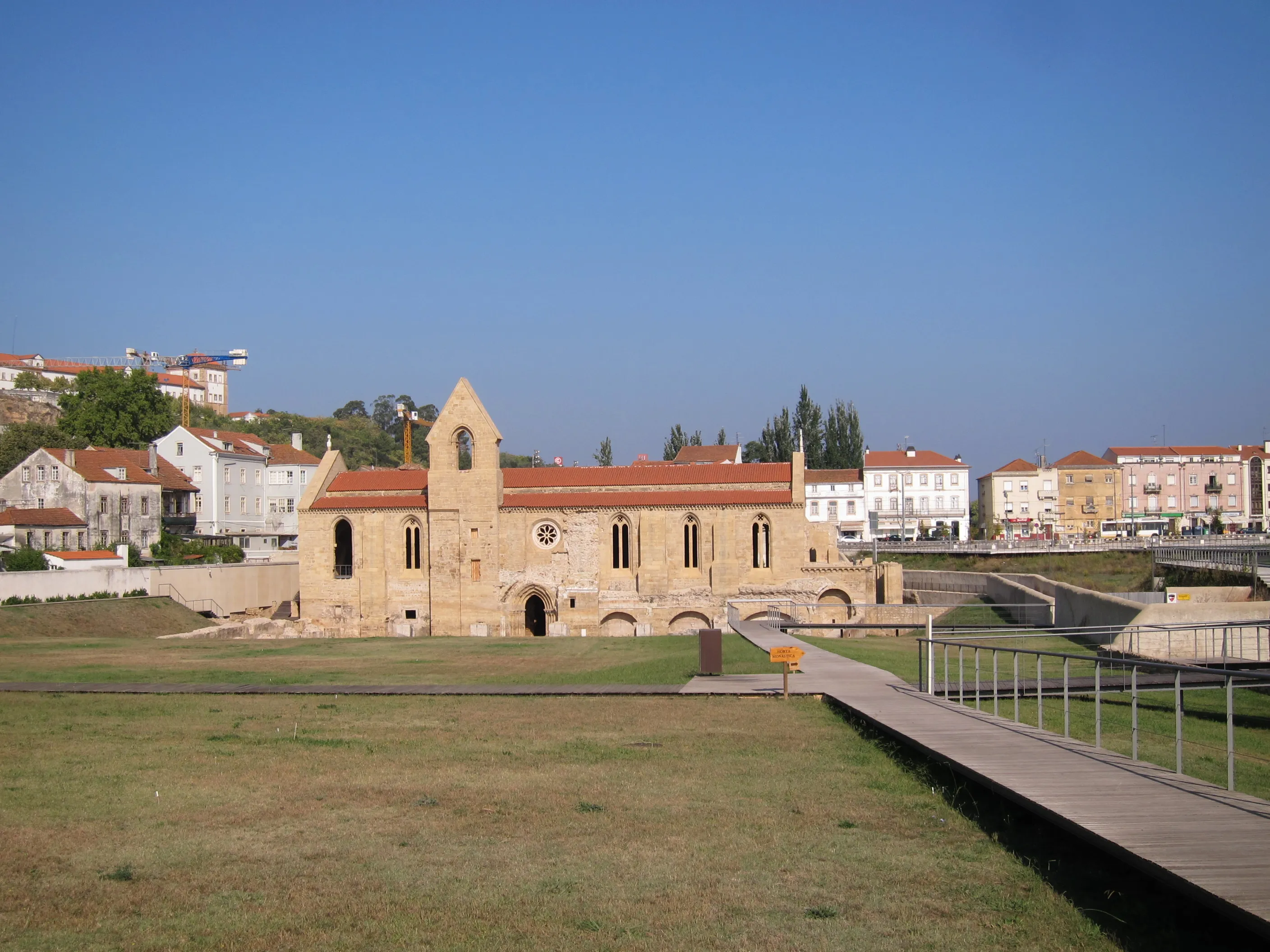
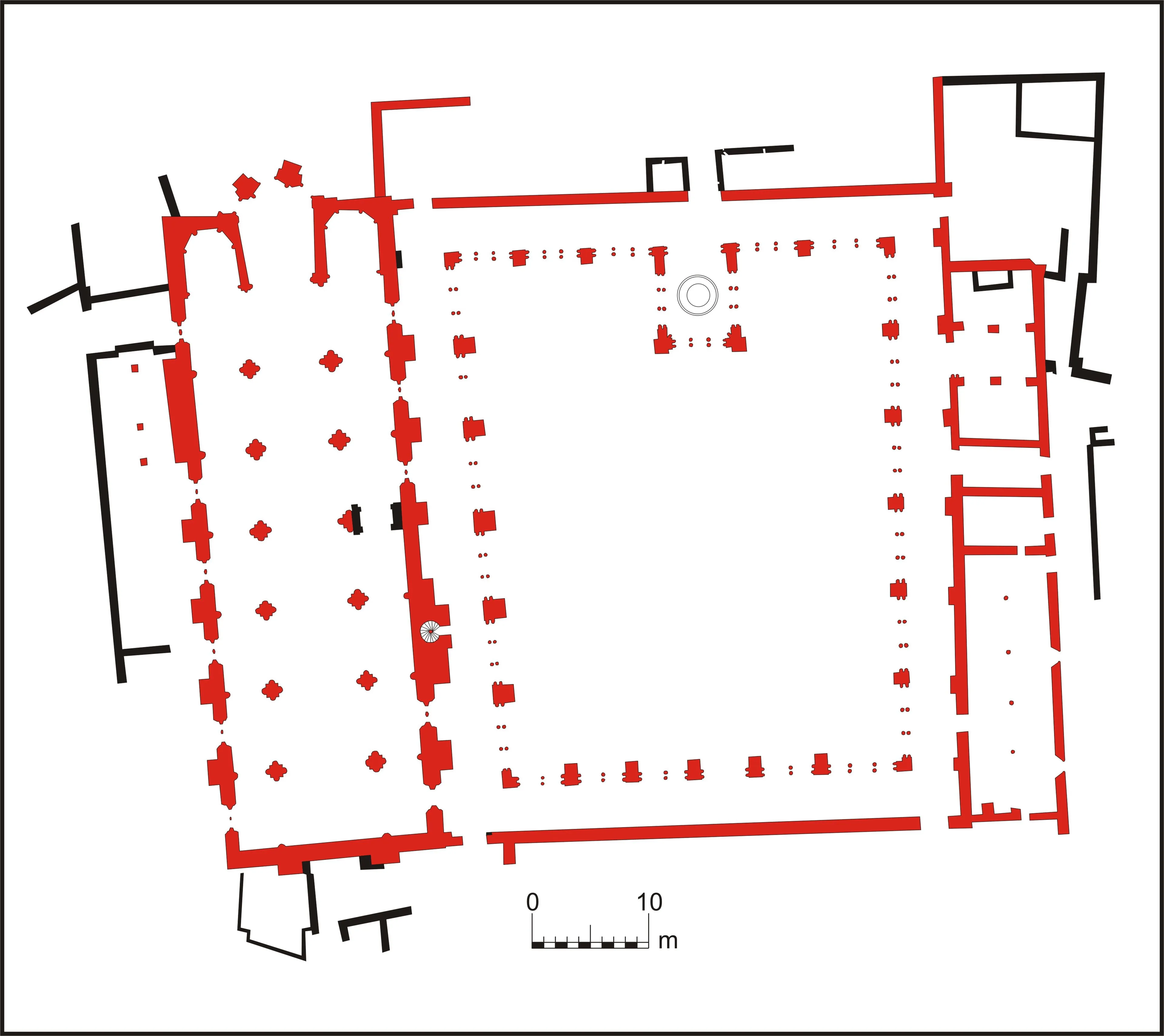
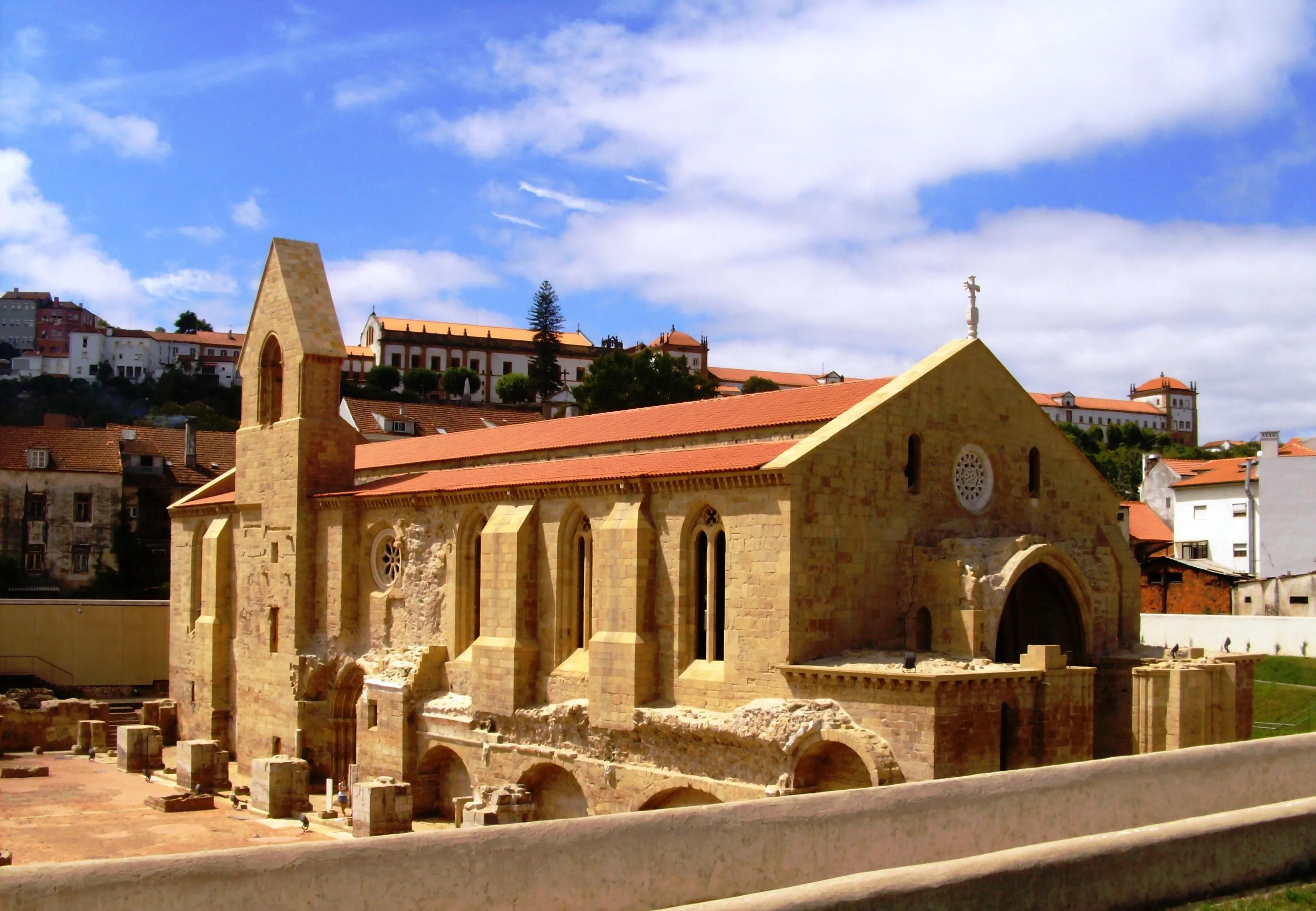
Explore the unique atmosphere of the Monastery of Santa Clara-a-Velha in Coimbra through a collection of images highlighting its historic Gothic architecture. The visuals capture the interplay between the ancient ruins and the modern site layout, providing a glimpse into the archaeological story of this former monastery. These photographs invite visitors to discover the preserved remnants and the distinctive environment that define this site.
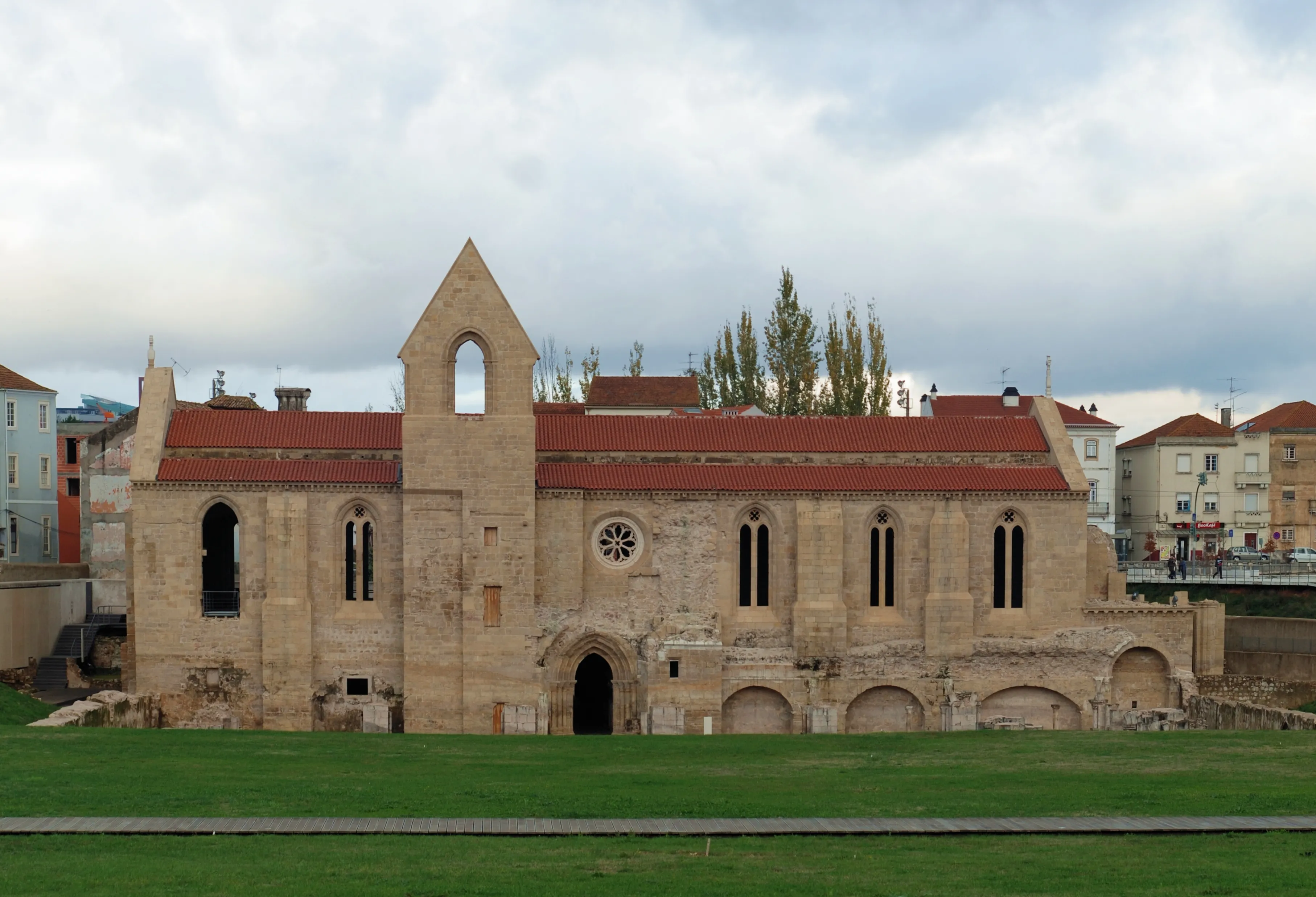
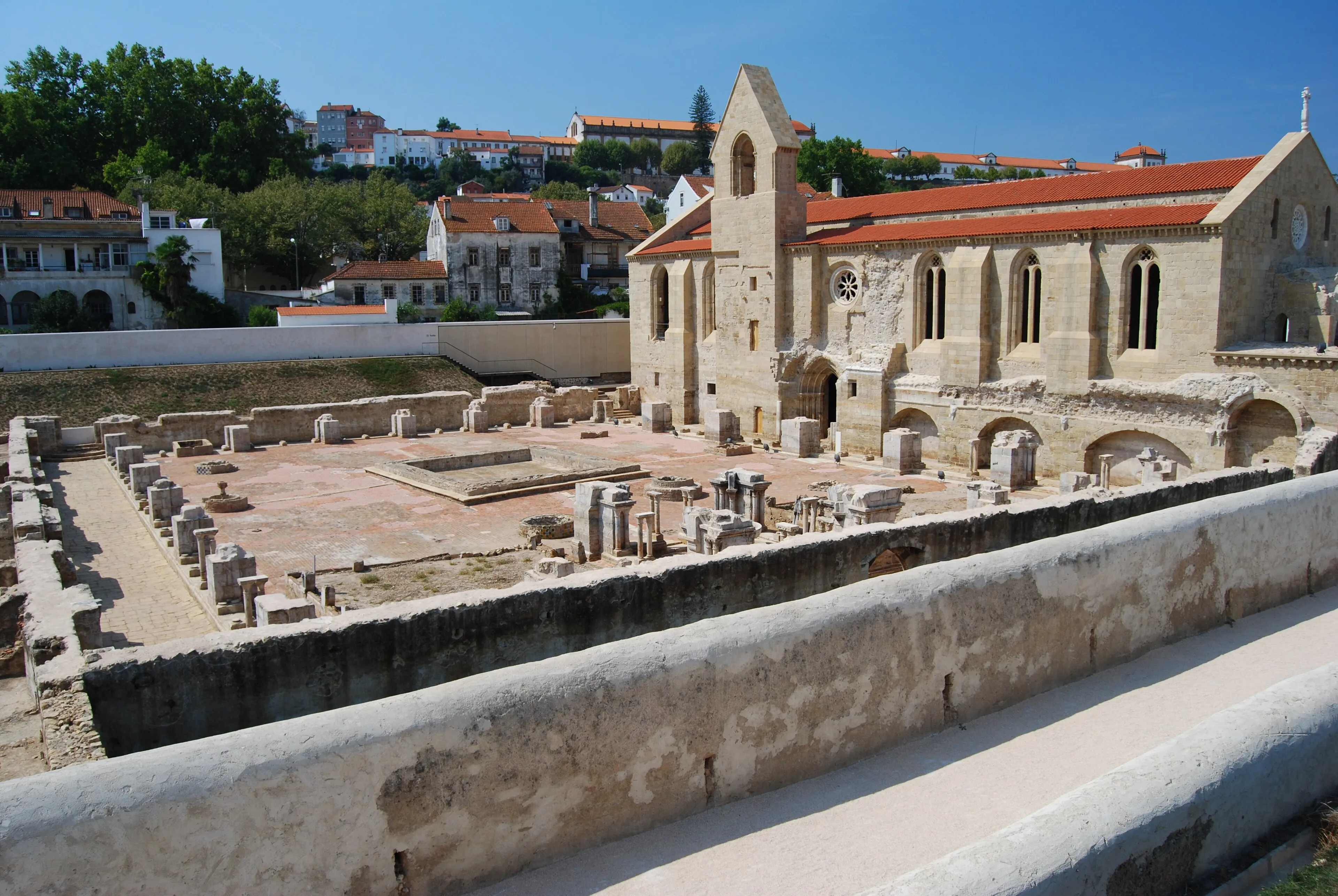
Explore diverse historical, scientific, and academic heritage sites in Coimbra.
Locate specific museums in Coimbra by focusing on unique themes and historic collections. Musemap helps you identify cultural destinations that align with your interests in Portuguese history, literary tradition, and science.