General admission
Free

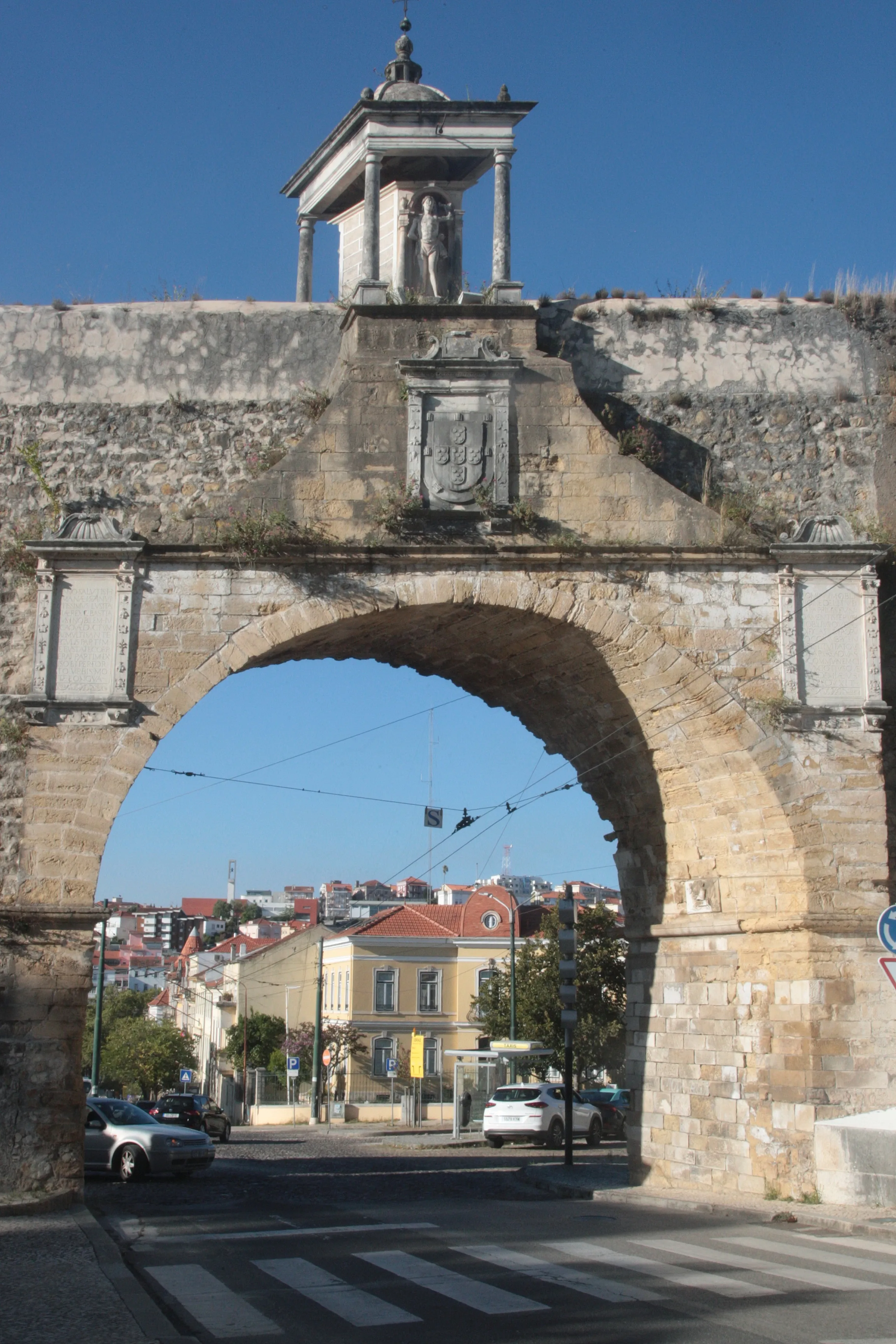
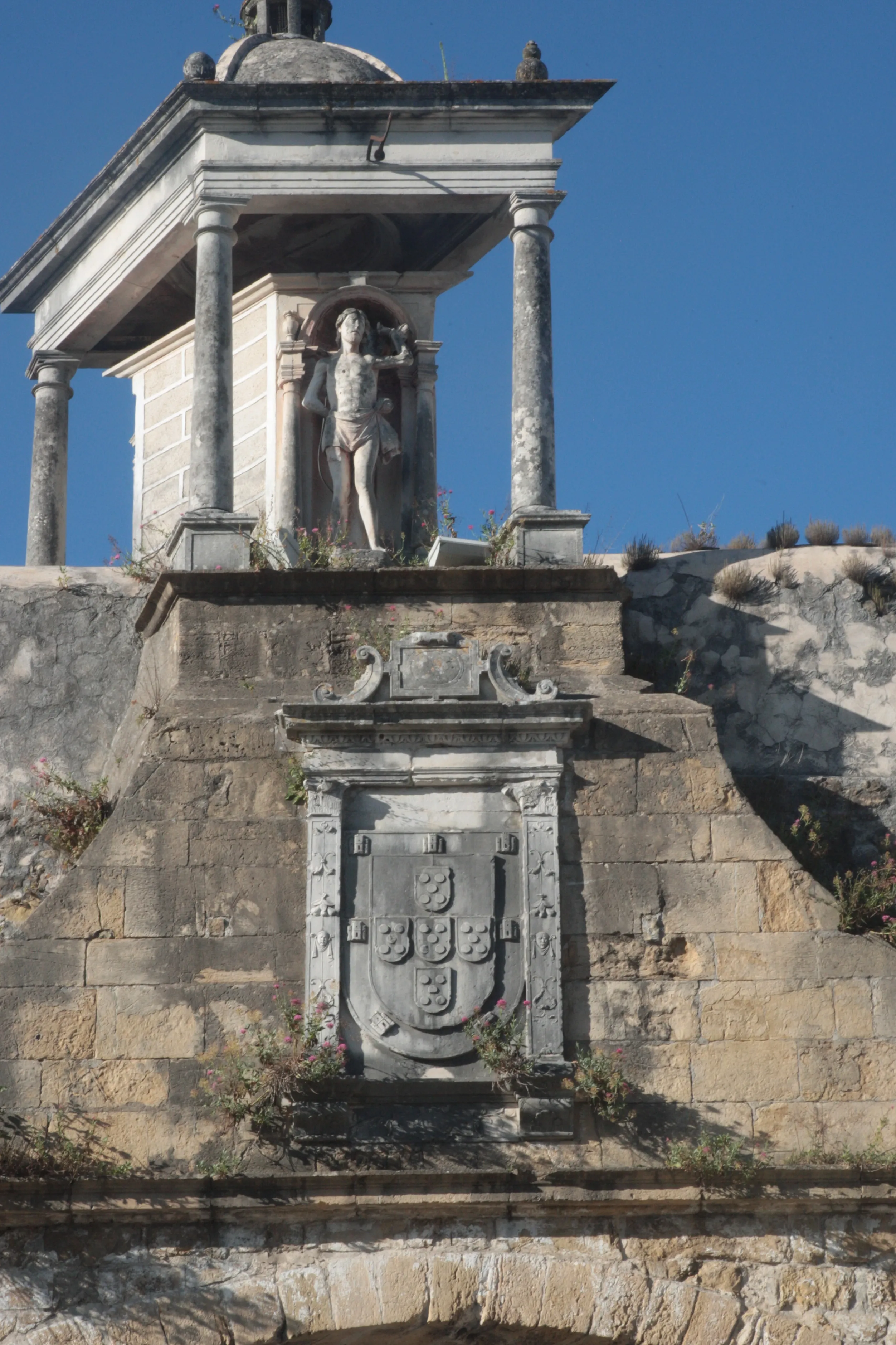
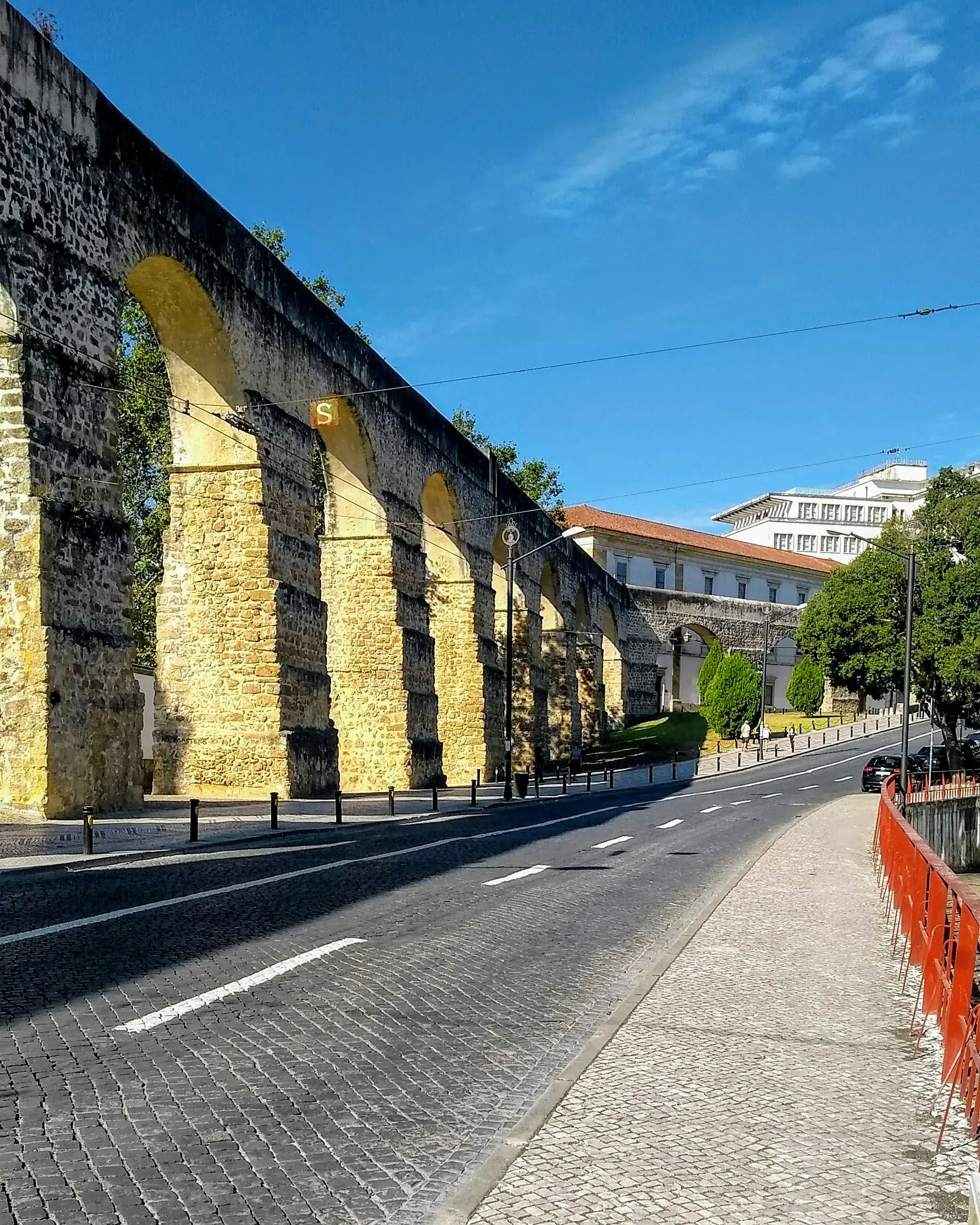
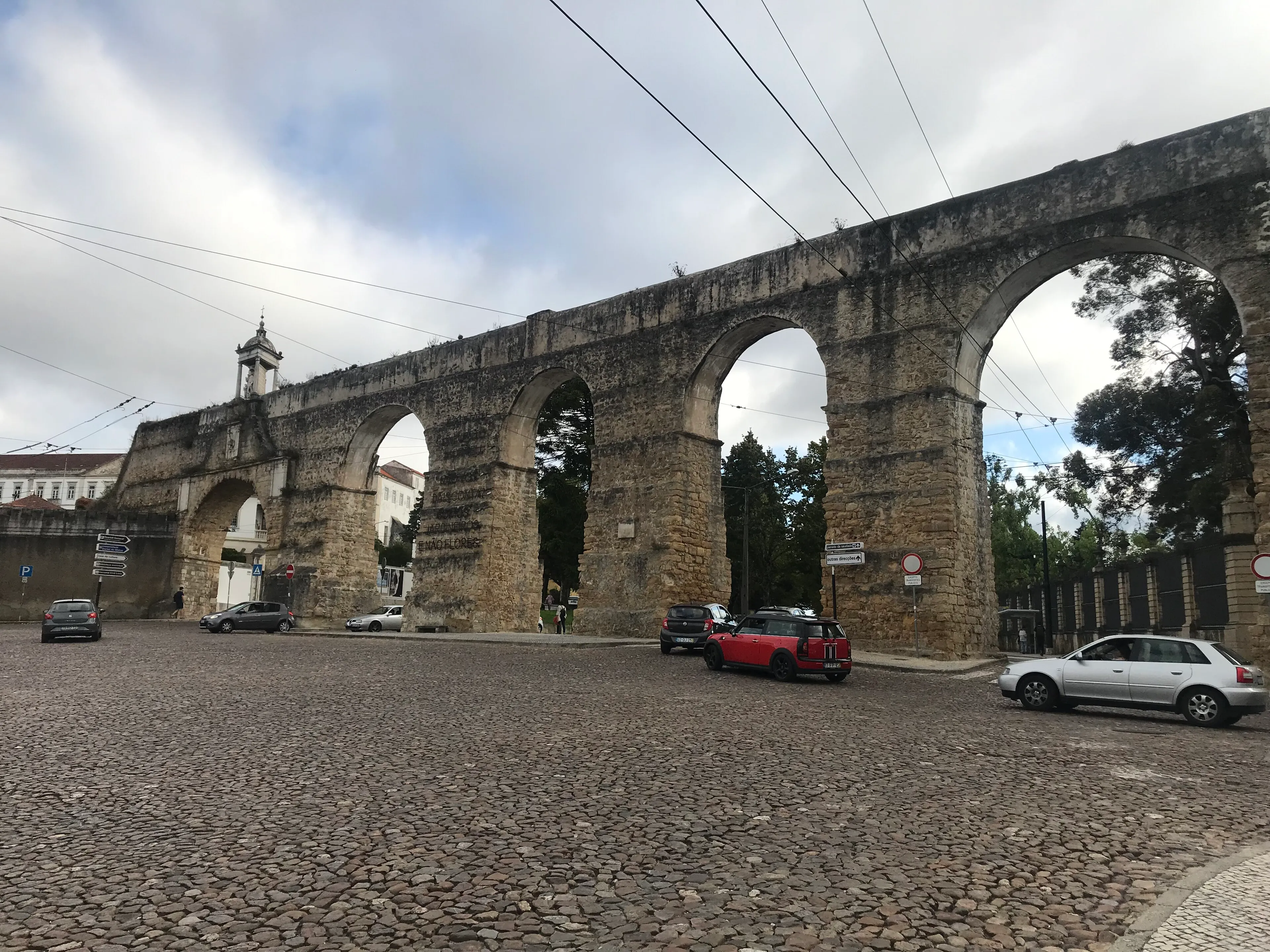
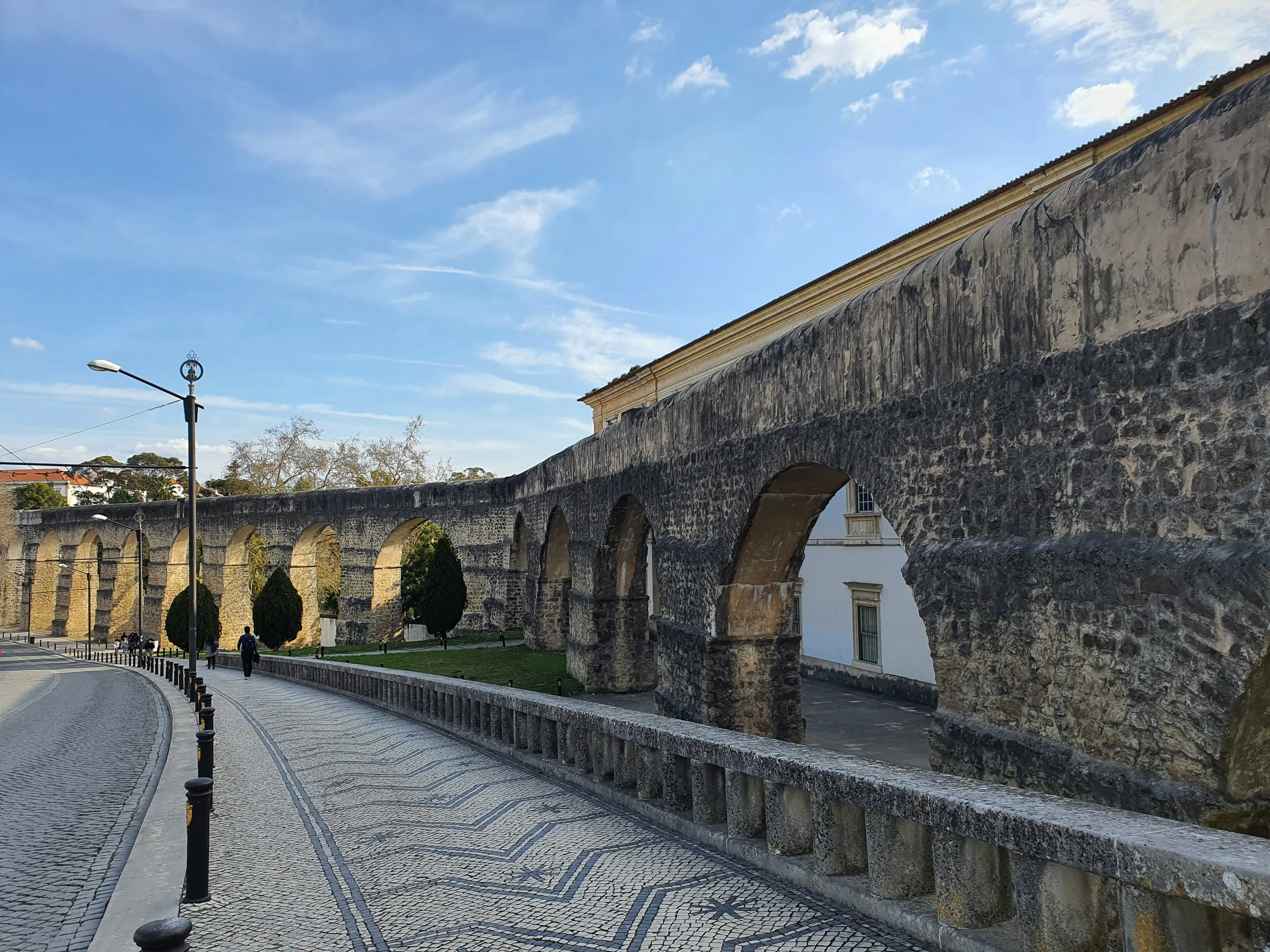
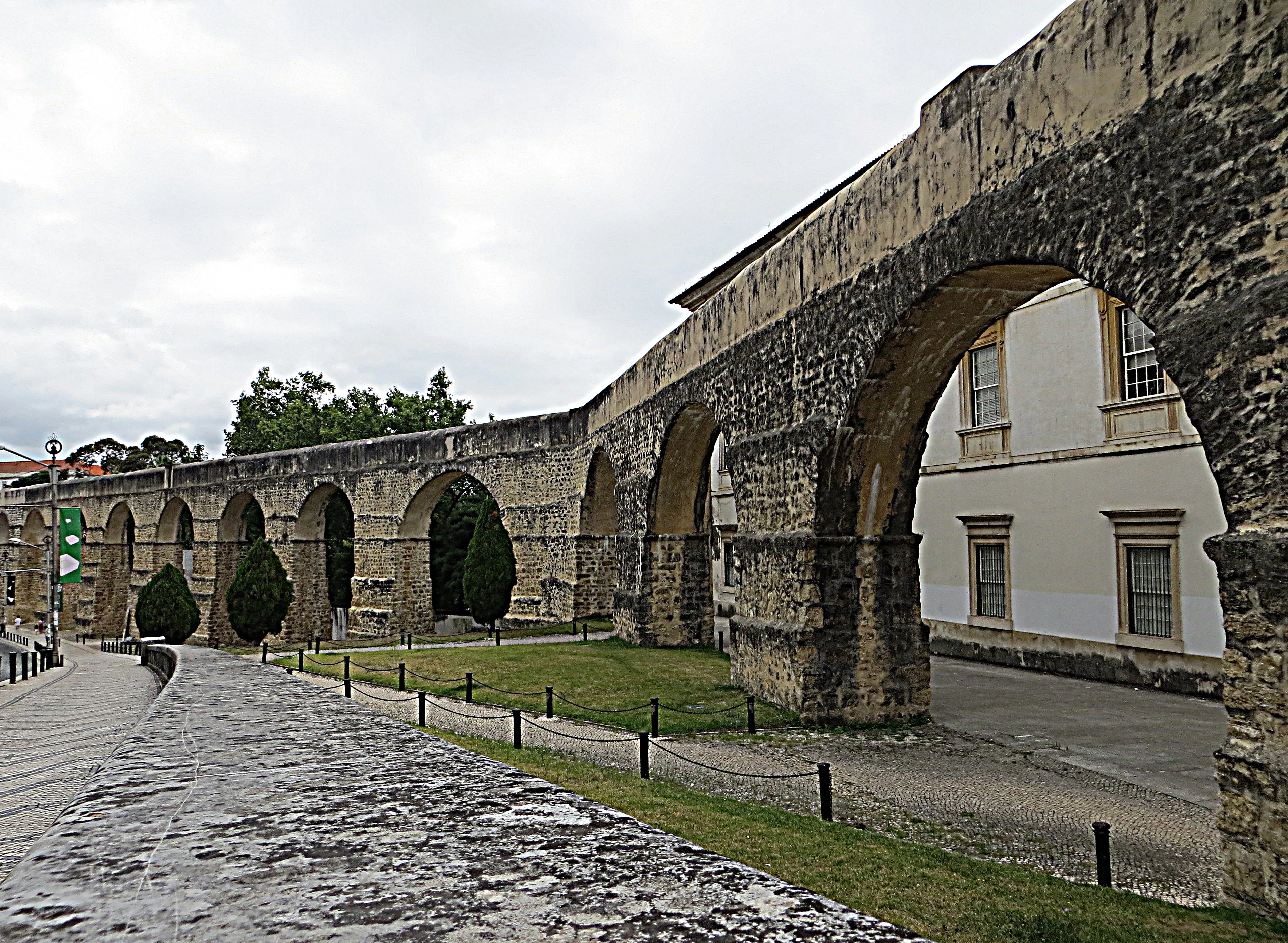
A sixteenth-century aqueduct, known as Arcos do Jardim, carrying a long arcade beside Coimbra's botanical garden. Walking alongside the arches reveals how historic water supply became one of the city's defining streetscapes.
A sixteenth-century aqueduct, known as Arcos do Jardim, carrying a long arcade beside Coimbra's botanical garden.

The São Sebastião Aqueduct, also known as Arcos do Jardim, stands as a notable example of sixteenth-century engineering in Coimbra. Visitors can explore the long arcade that runs beside the botanical garden to understand how this renaissance water infrastructure shaped the local urban landscape. This historic site remains a defining feature of the city's civic and architectural heritage.
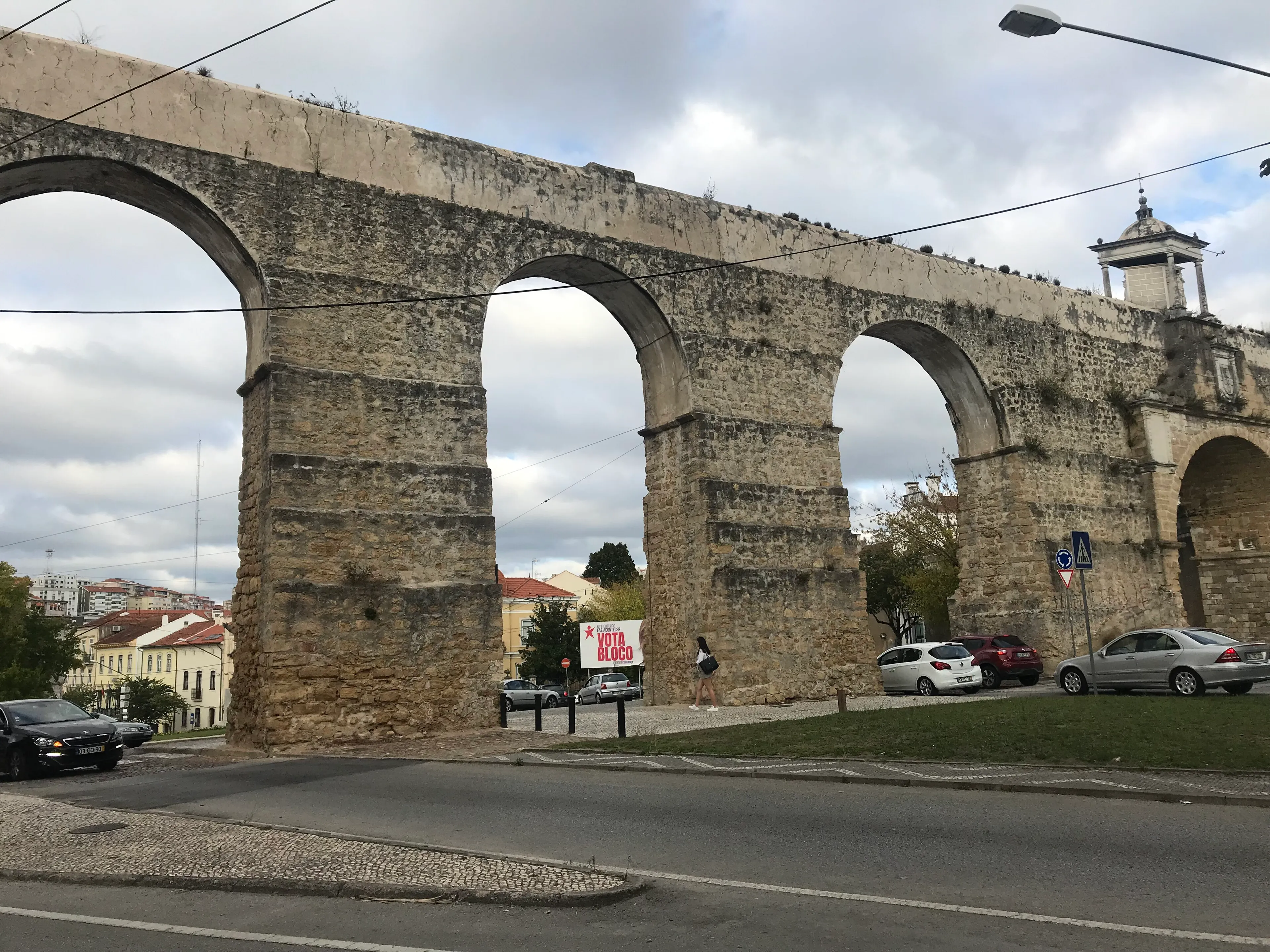
Located in the Sé Nova neighborhood of Coimbra, the São Sebastião Aqueduct is situated along Calçada Martim de Freitas. This sixteenth-century landmark stands directly beside the city's botanical garden, offering visitors an accessible connection to the historic water infrastructure and urban heritage that defines this area of the city.
Calçada Martim de Freitas
3000-393 Coimbra
Sé Nova, Coimbra District, PT
The São Sebastião Aqueduct is an outdoor heritage site that is best explored at a leisurely pace, with most visitors dedicating 20 to 40 minutes to the route. As this is an open-air attraction in Coimbra, ensure you check local weather conditions and daylight hours before your arrival. Comfortable walking shoes are highly recommended to fully enjoy the viewpoints and the path along the structure.

The São Sebastião Aqueduct in Coimbra, also known as the Arcos do Jardim, stands as a remarkable example of sixteenth-century engineering. Visitors are invited to explore this historic structure, which traces a long arcade alongside the city's botanical garden. The experience offers a unique opportunity to understand how renaissance water infrastructure shaped the local urban landscape. As you walk beside the arches, you can appreciate the architectural significance that defines this historic streetscape. This landmark provides a deep connection to the city's civic heritage.
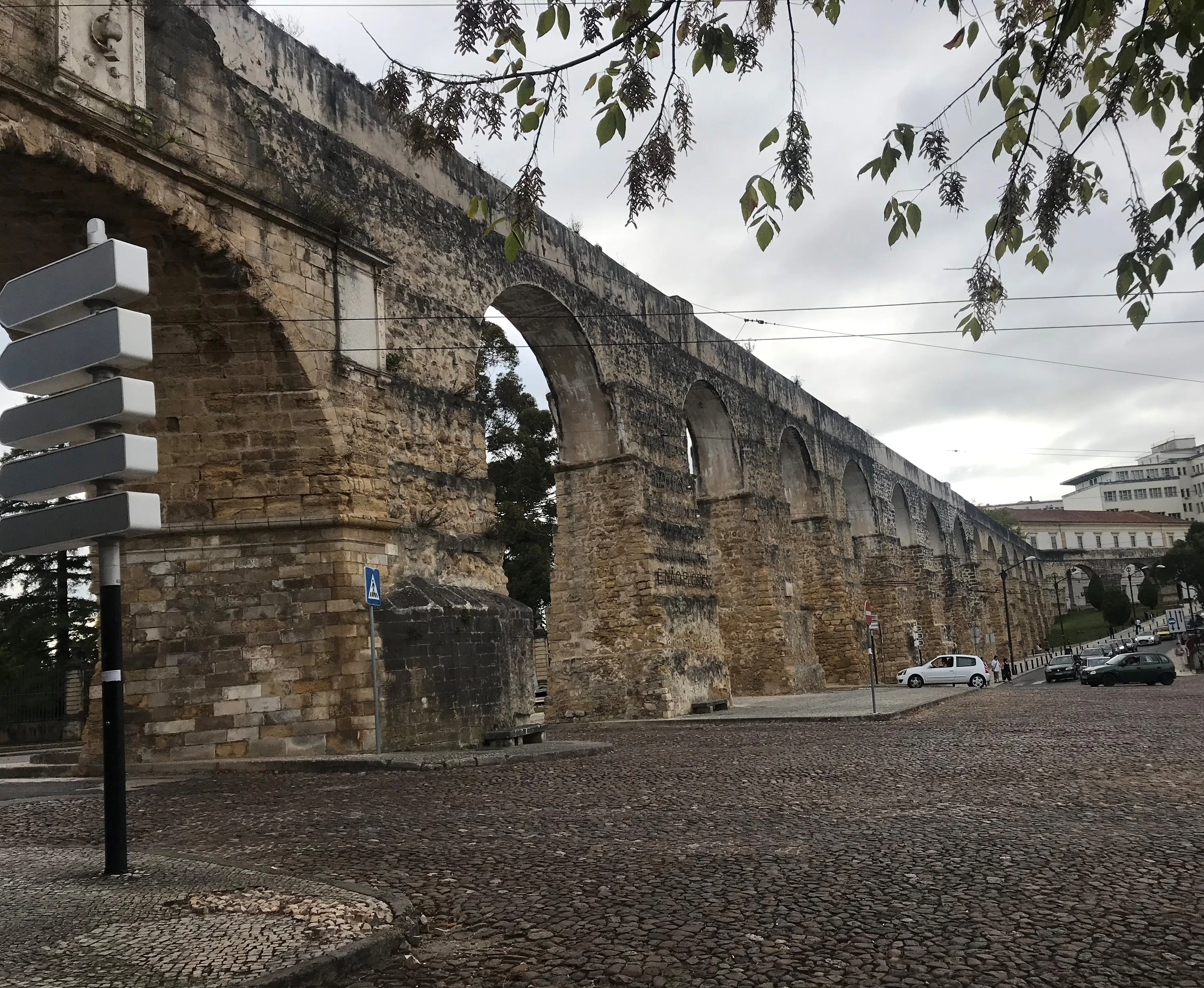
Constructed between 1568 and 1570, the São Sebastião Aqueduct was designed to transport water to the upper parts of Coimbra. This project cleverly revived the route of an earlier Roman line under the direction of Filippo Terzi. Today, the enduring arcade serves as a prominent urban monument near the botanical garden. These **renaissance water structures** highlight how functional engineering became a defining element of the city's architectural heritage.
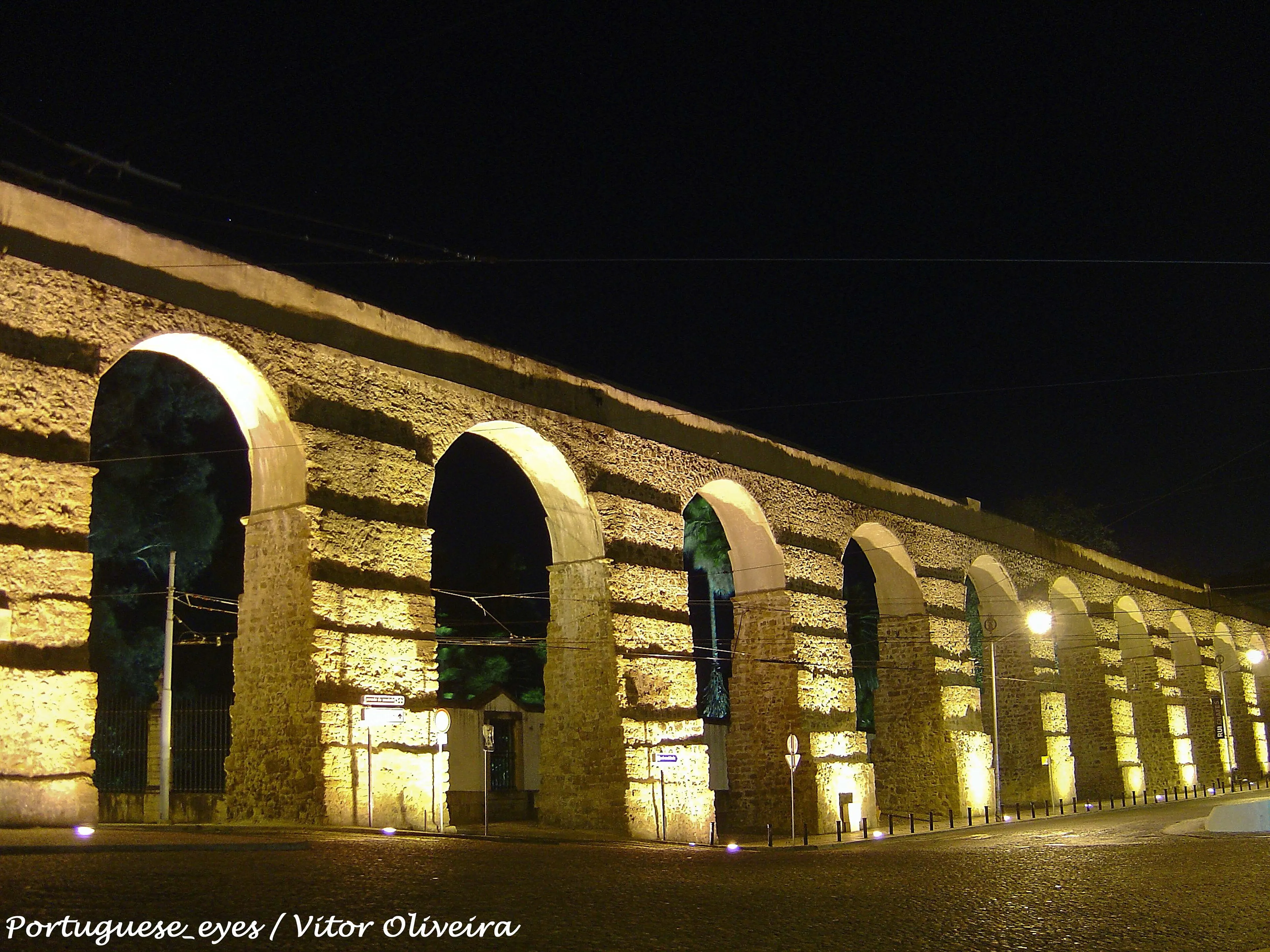
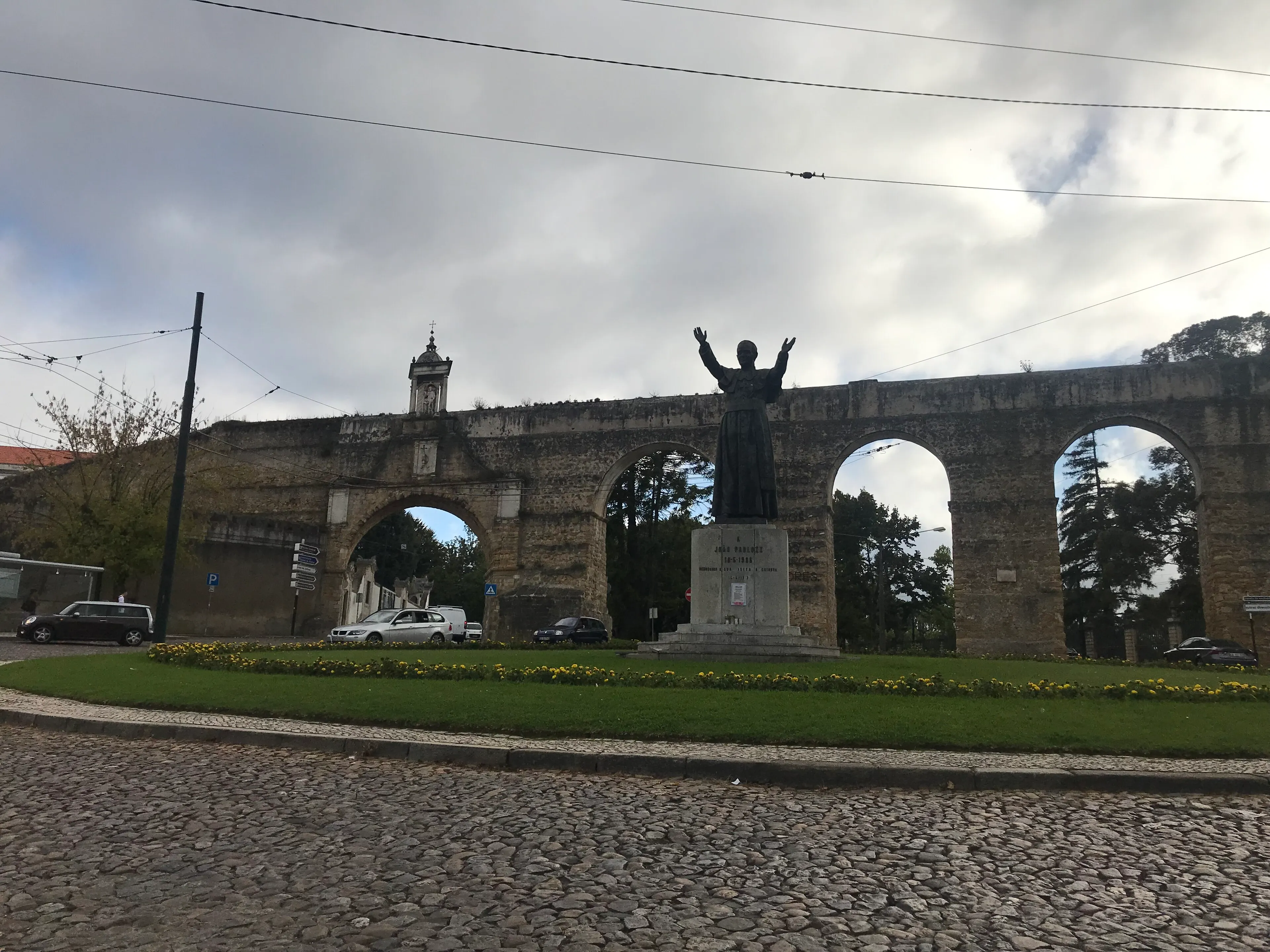
Explore the enduring architecture of the São Sebastião Aqueduct through a collection of exterior views capturing its distinctive stone arches. These images highlight the structure's scale and its role as a key piece of Renaissance infrastructure in Coimbra. Visitors can preview the historic arcade and its surrounding urban landscape to better prepare for a walking tour of the site.
Explore diverse historical, scientific, and academic heritage sites in Coimbra.
Locate specific museums in Coimbra by focusing on unique themes and historic collections. Musemap helps you identify cultural destinations that align with your interests in Portuguese history, literary tradition, and science.