Understanding Málaga’s Holy Week Legacy: Andalusian Brotherhoods Align on Financial Transparency and Governance
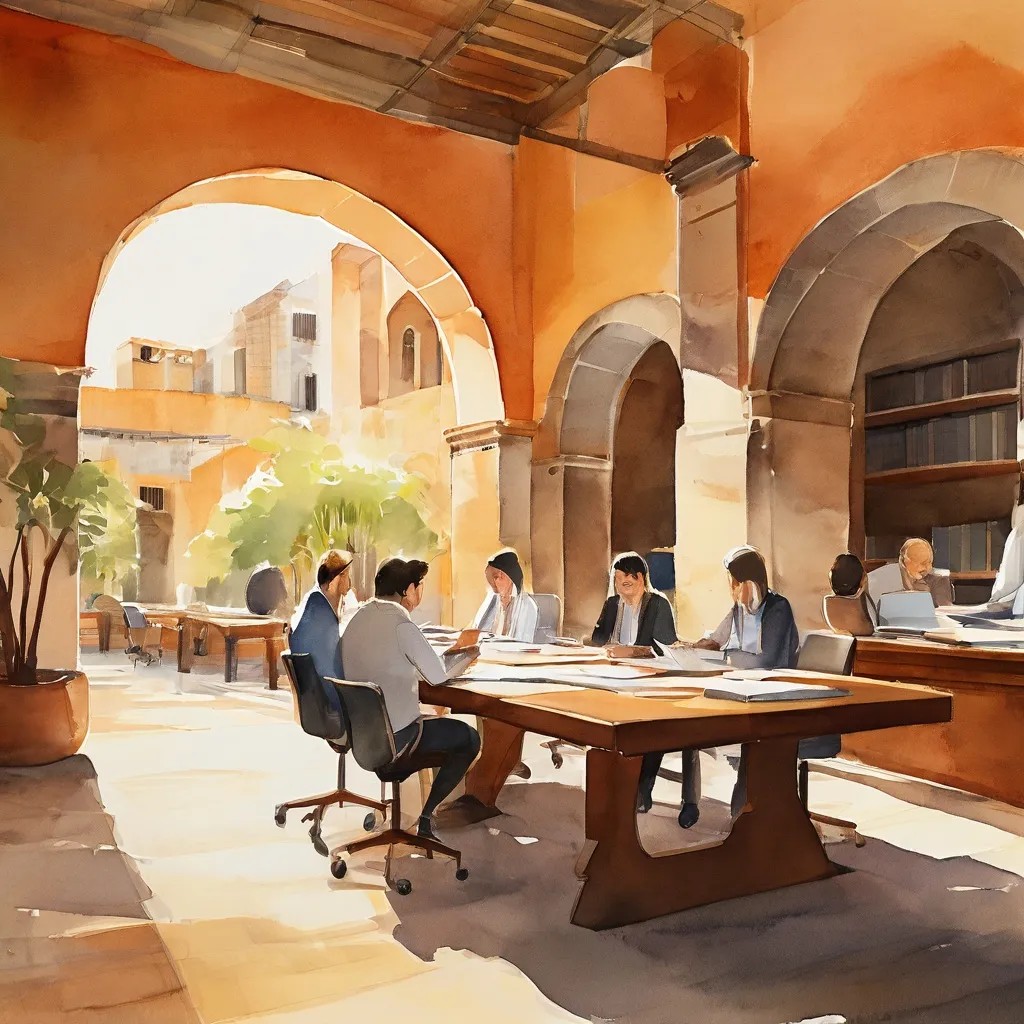
The preservation of cultural heritage relies as much on administrative strength as it does on artistic devotion. In late May 2026, leaders representing the major Holy Week brotherhood councils across the eight provincial capitals of Andalusia and Jerez gathered in Cádiz to address the evolving financial and legal frameworks that support their traditions.
The three-day summit focused on standardizing management practices, improving tax compliance, and ensuring economic resilience. According to reports shared by the Agrupación de Cofradías, this collaborative effort aims to establish robust administrative foundations across the region, which directly impacts how local heritage is maintained and showcased for the public.
Understanding the Málaga Holy Week Tradition: Why Governance Matters to Visitors
For those exploring the cultural landscape of Southern Spain, the traditions of Holy Week (Semana Santa) represent a cornerstone of local identity. In Málaga, this heritage is famously safeguarded and displayed at the Museo de la Semana Santa de Málaga Jesús Castellanos. Housed in the historic former Hospital de San Julián, the museum presents a rich collection of processional sculptures, paintings, intricate metalwork, and historic textiles belonging to the city's cofradías (brotherhoods).
While visitors typically marvel at the artistic mastery and solemn beauty of these exhibits, the survival and public display of these artifacts depend heavily on the financial and legal health of the managing brotherhoods. Transparent governance and tax security ensure that these institutions remain strong enough to preserve their historical collections, fund restoration projects, and keep museums accessible to travelers and locals alike.
Key Administrative Discussions: Taxation, Patronage, and Processional Seating
The weekend working sessions centered on the complex fiscal responsibilities that modern brotherhoods face. A major topic of discussion was the application of Spain’s Patronage Law (Ley de Mecenazgo). The council presidents emphasized the necessity of meeting all legal requirements under this law, which offers significant tax incentives. To assist individual brotherhoods in navigating these regulations, the councils plan to initiate targeted information campaigns, helping local groups strengthen their financial positions.
The delegates also addressed the controversial application of Value Added Tax (VAT) on the sale of grandstand seating along the official processional routes (carrera oficial). The representatives unified behind the stance of the Cádiz council, arguing that these ticket sales should remain exempt from VAT. They maintained that the seating arrangements are deeply tied to the cultural and religious nature of the public events, making them inseparable from the heritage itself.
The summit concluded with a commitment to standardizing transparent accounting practices. The host council in Cádiz agreed to distribute a detailed guidance document outlining the meeting's conclusions, allowing individual brotherhoods across Andalusia to implement these best practices. The group is scheduled to meet next in Almería in six months to review their progress.
Plan Your Cultural Journey in Málaga
Exploring the historic sanctuaries and museums dedicated to these centuries-old traditions offers a unique window into the heart of Andalusia. If you are planning a visit, Musemap (musemap.art) helps you seamlessly navigate the city's rich heritage. You can easily locate historical landmarks and exhibition spaces using our interactive Málaga cultural map, browse the regional collections on our Málaga museums guide, or search for specific cultural displays and exhibitions in Málaga to make the most of your travel itinerary.