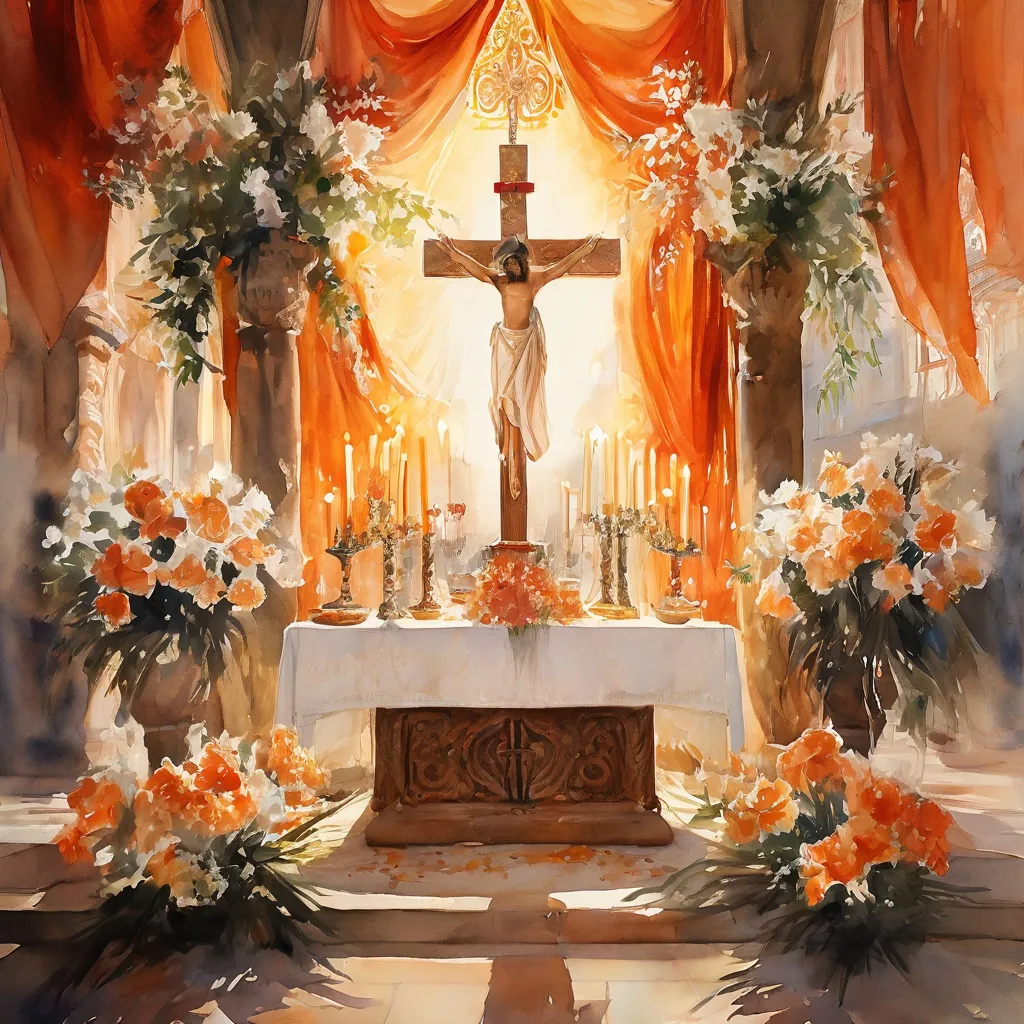
Traditional Corpus Christi Altar Unveiled by Málaga's Brotherhood Association
Every year, the solemnity of Corpus Christi brings a deep display of public devotion and religious art to the streets of Málaga. As part of this major local tradition, the Agrupación de Cofradías de Semana Santa de Málaga has assembled its annual ceremonial altar. This temporary artistic installation highlights the rich spiritual heritage and craftsmanship preserved by the city's historic brotherhoods.
Experiencing the Sacred Art and Symbolism of the Málaga Altar
The design and setup of the altar were entrusted to the Hermandad Sacramental del Rocío, a brotherhood celebrating a landmark milestone: the 50th anniversary of the blessing of their sacred image, Nuestro Padre Jesús de los Pasos en el Monte Calvario. Visitors viewing the altar can appreciate how the design weaves local history, neighborhood pride, and deep religious iconography into a singular display of sacred art.
The central focus of the entire composition is the Cruz del Mundo (Cross of the World), a piece newly introduced by the El Rocío brotherhood to mark this golden anniversary. The wounds depicted on the cross feature detailed scenes from the Stations of the Cross, referencing the foundational journey and spiritual focus of the Nazarene congregation.
Historic Treasures and Local Iconography on Display
According to the official details shared by the Agrupación de Cofradías, the altar incorporates several significant historical artifacts on loan from local brotherhoods:
- The Sacred Base: The Cross stands upon the historic processional throne of the Santísimo Cristo del Amor, an older piece that currently belongs to the Hermandad de Medinaceli, symbolizing divine love and sacrifice.
- The Ceremonial Canopy: Wrapping the display is a majestic canopy first used during the Magna Mariana procession dedicated to Santa María de la Victoria, the patron saint of Málaga. This addition connects the altar directly to the Victoria neighborhood.
- Flanking Sculptures: Two saints flank the installation. On the right, San Francisco de Paula, patron saint of Málaga and founder of the Minim Order, represents the historical roots of the El Rocío brotherhood. On the left, Santa Elena (Saint Helena) is depicted, honoring her legendary discovery of the True Cross.
The entire presentation is framed by elegant white floral decorations, candles, and traditional metalwork, creating a dignified space that allows locals and travelers to experience Málaga's living heritage outside the traditional Easter season.
If you are planning to explore the deep artistic and devotional history of the city, you can use Musemap (musemap.art) to discover more cultural spots. To plan your next visit, browse local museums or explore the cultural map of the city to find historic landmarks nearby.