The Artistic Legacy of Fernando Prini Joins Málaga’s Holy Week Heritage
The Agrupación de Cofradías de Semana Santa de Málaga, which manages the city's Holy Week traditions and its dedicated museum, has officially taken custody of the complete artistic archives of the late designer Fernando Prini Betés.
This major acquisition, formalized to mark one year since the designer's passing, ensures the preservation of an extensive documentary and artistic resource. The collection offers a rare, behind-the-scenes look into the intricate design work that shapes the visual identity of Málaga's celebrated religious processions.
Discovering the Craft Behind Málaga's Famous Brotherhood Processions
For over four decades, Fernando Prini was a defining figure in contemporary Holy Week design, collaborating with numerous local brotherhoods (cofradías). The newly archived collection comprises more than 250 original drawings executed between 1982 and 2025 across various media, alongside more than 560 project reproductions, drafts, and initial sketches.
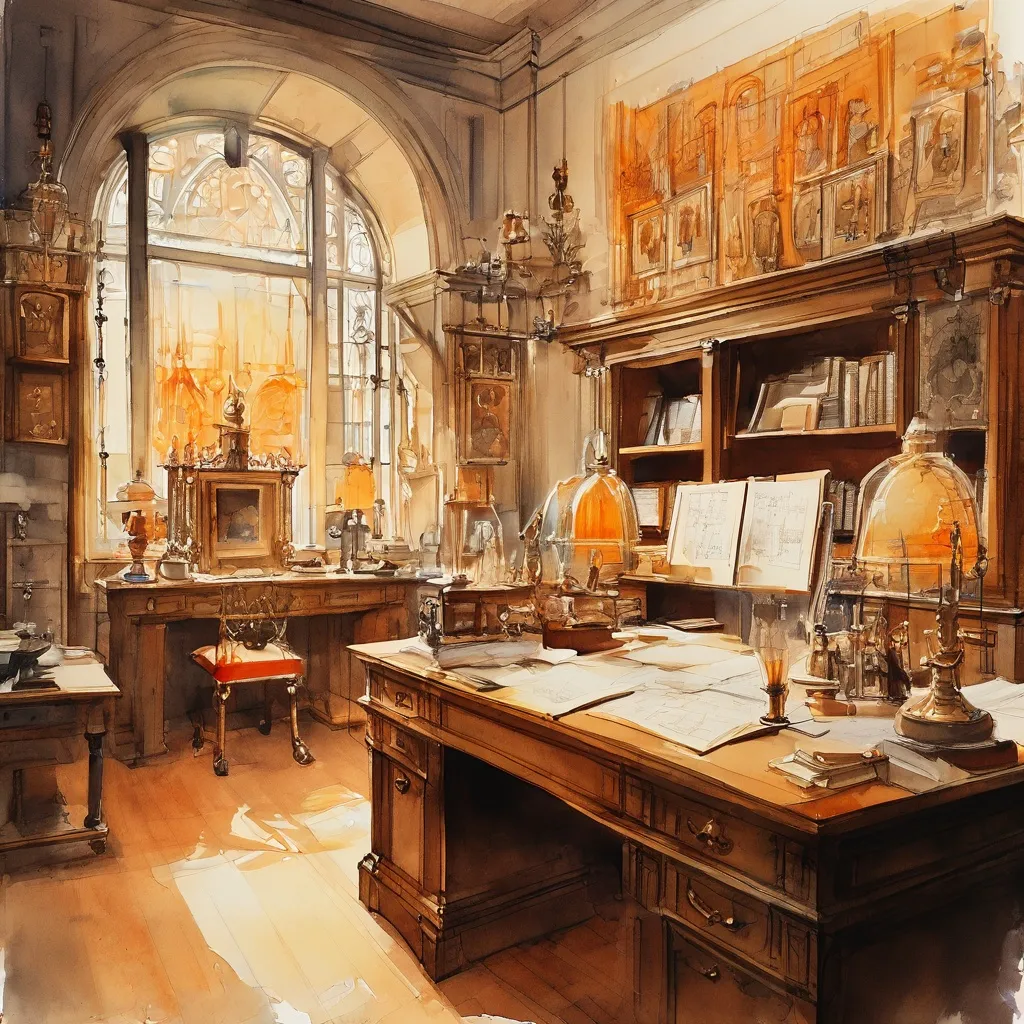
Rather than just finished processional elements, these documents capture the conceptual birth of Malaga’s ceremonial craft. Visitors and researchers looking into local history can study designs for:
- Processional thrones: Complete structural designs and detailed carvings for both Christ and Virgin figures.
- Textiles and embroidery: Blueprints for processional canopies (palios), ceremonial banners, carrying cloaks, and embroidered tunics.
- Metalwork and regalia: Intricate sketches of crowns, halos, ceremonial staffs, lanterns, and processional crosses.
This deep repository provides a comprehensive overview of how symbolic and ornamental languages are developed, moving from a simple pencil sketch to a monumental street display during Holy Week.
Preserving Forty Years of Contemporary Sacred Art
By safeguarding this archive at its headquarters in the historic Hospital de San Julián, the institution commits to maintaining, organizing, and opening the collection for public and academic research. The move ensures that local brotherhoods, art historians, and cultural enthusiasts can access forty years of creative work that has directly influenced the modern aesthetic of Málaga’s street pageantry.
The collection represents a valuable addition to the city's artistic records, tracing the development of applied arts, drawing, and sacred ornamentation in southern Spain. More information about the formalization of this archive transfer can be found directly on the official portal of the Agrupación de Cofradías.
Whether you are interested in historical embroidery or the grand architecture of street thrones, understanding these design origins enriches any cultural visit to the region. To find more heritage spots and plan your journey, you can browse museums in Málaga or explore the city’s cultural landmarks on our interactive Málaga map using Musemap (musemap.art).