This exhibition explores the reformist efforts of the Czechoslovak Werkbund in housing between 1914 and 1948. It contrasts functionalist ideals with prevailing bourgeois interiors, addressing contemporary issues of affordable housing and social concerns through the lens of design and architecture.
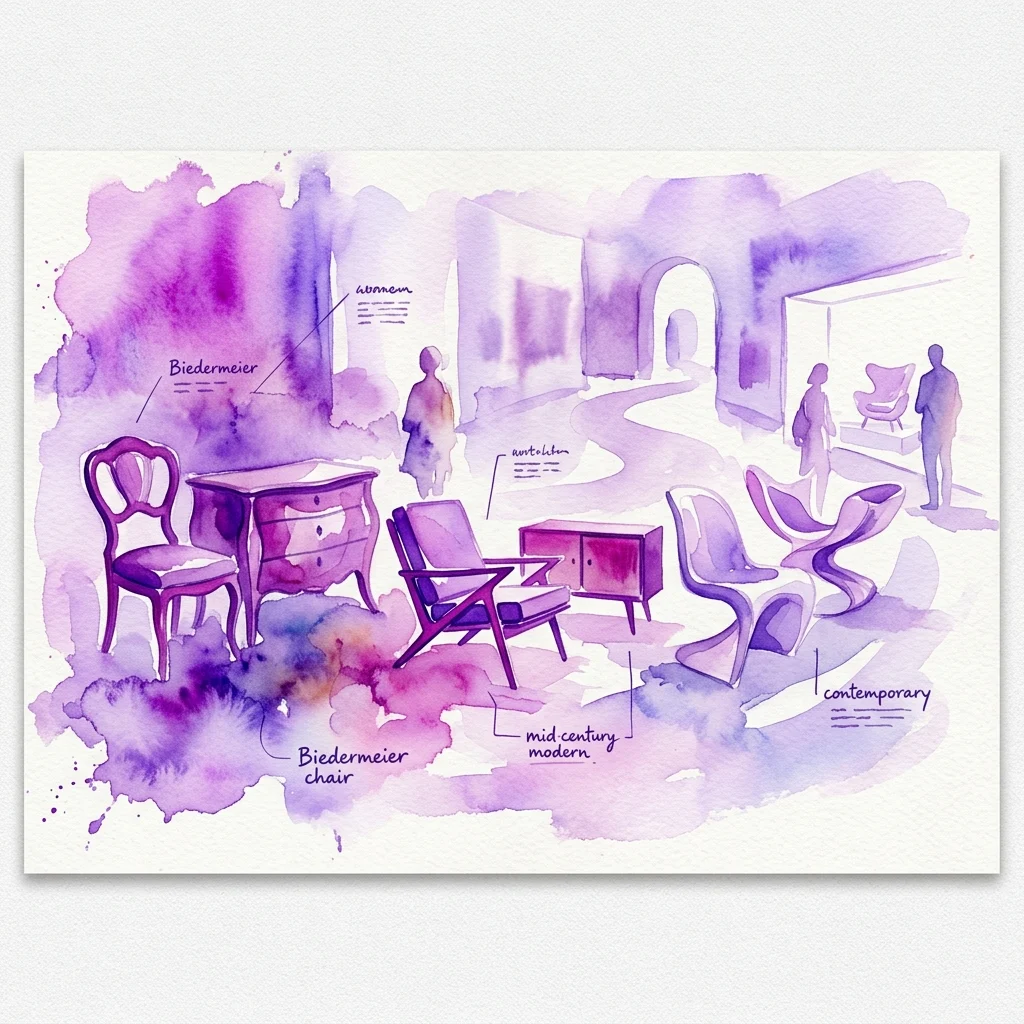
Titled after a quote from Werkbund chairman Pavel Janák, this exhibition delves into the three decades of reformist efforts in Czechoslovak housing. It highlights the Werkbund's mission to counter bourgeois interior design with functional, simpler, and healthier living spaces, consciously addressing social issues and the challenge of affordable housing for young people and families, mirroring international developments of the time. Founded on models from Germany, Austria, Switzerland, and Sweden, the Czechoslovak Werkbund was an influential association that connected creative figures, architects, and designers with manufacturers and schools, fostering the modernization of design and architecture.
The Werkbund, led by Pavel Janák, played a crucial role in shaping national style until 1925 and subsequently championed functionalism, which became a dominant living style. The organization evolved through two generations of architects and designers, growing to nearly 500 members by 1930 before experiencing a significant membership decline during the economic crisis. The exhibition showcases the Werkbund's significant interwar and wartime activities that cemented functionalism as a universal way of living across urban and rural landscapes.