This exhibition showcases the grotesque works of artist Eduard Ovčáček from the 1970s to the 1990s. It explores his thematic interests in script, signs, and the human figure, utilizing a wide range of artistic media to comment on reality, political absurdity, and interpersonal relations.
The exhibition 'Eduard Ovčáček / Grotesque (70’s – 90’s)' delves into a significant, yet less exhibited, facet of the artist's versatile oeuvre. Ovčáček, known for his exploration of script and signs (Lettrism) and the human figure, presents paintings and drawings from the 1970s and 1980s that assert the element of the grotesque. These works reflect the mundaneness and absurdity of reality, the perversity of the kleptocracy, and the dullness of public discourse during the period, with pieces like 'Ghost in the Castle' (1981) and 'Two on the Tribunal' (1979) using quotations of national symbols to capture the era's bizarreness.
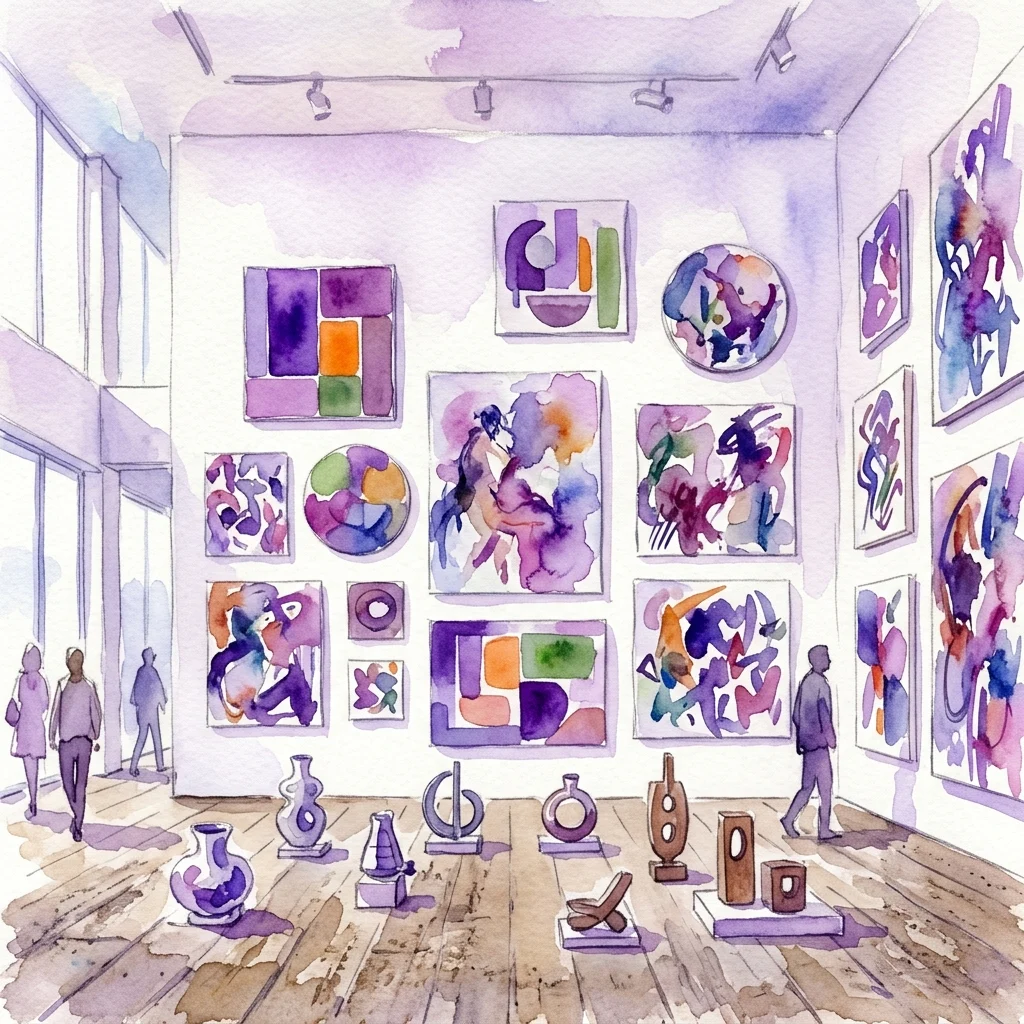
Ovčáček's unique language of humor, exaggeration, sarcasm, and mirth targets not only the leaders of the contemporary regime but also ordinary interpersonal relations. Even in the 'hastily acquired freedom' of the early 1990s, as seen in 'The Celt: A Merry and Happy Man' (1990-1991), this critical observation continues. He enhanced these 'sadly cheerful' works with characteristic experimental approaches, employing acrylic painting, assemblage of textiles, layered paper, burning, engraving, and imprinting. His drawings utilize the raw aesthetics of asphalt stains transferred to paper, finished with delicate drawing lines. By liberalizing artistic techniques and stylizing human forms, drawing from ancient and primitive art, Ovčáček depicted the human destiny in the latter half of the 20th century within its socio-political context and broader spiritual, historical, and cultural traditions.