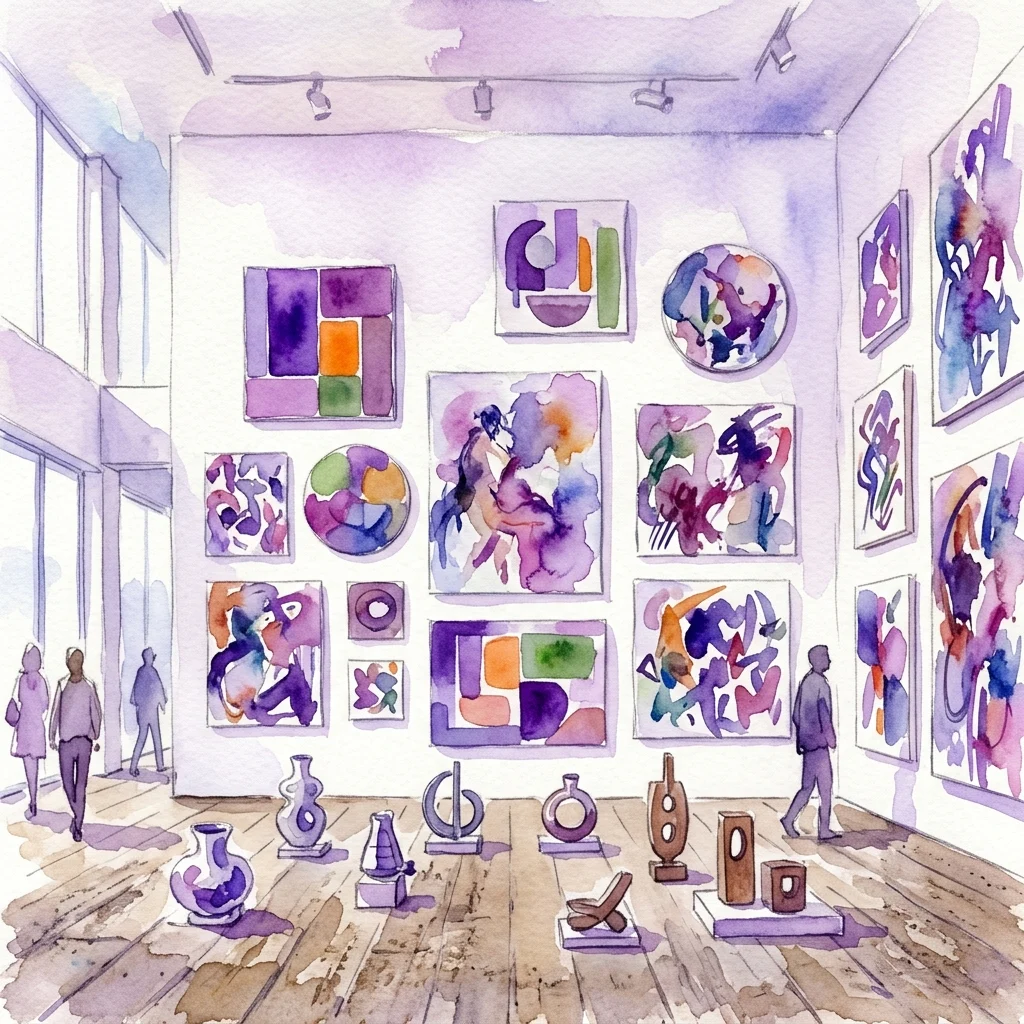
This exhibition showcases iconic women's dresses from the 1960s by designers like Christian Dior, Coco Chanel, and Yves Saint-Laurent, juxtaposed with artworks from the Museum Kampa's collections. It explores the inherent contradictions within fashion, examining its role in revealing and concealing, conforming and rebelling, and its superficiality versus its deep meaning.
The exhibition 'Fashion Paradox' presents a compelling collection of women's dresses, primarily from the 1960s, created by renowned designers such as Christian Dior, Coco Chanel, Paco Rabanne, and Yves Saint-Laurent. These fashion artefacts are thoughtfully complemented and contrasted with artworks drawn from the Museum Kampa's permanent collections, creating a dialogue between disparate yet related creative fields.
The exhibition posits fashion as an inherently paradoxical phenomenon, characterized by its dualities: covering yet revealing, stirring up yet creating barriers, superficial yet meaningful, rebellious yet conforming. It highlights how fashion, while never merely functional, transcends basic social necessity to reflect the ideals and obsessions of its time. These fashion pieces are examined as objects of desire, preserved and fascinating due to their historical context and their ability to speak across time. The exhibition invites visitors to analyze these artefacts, understand their origins, and appreciate their enduring relevance, even as fashion itself constantly evolves.
The fashion items displayed are on loan from the Alexandre Vassiliev Foundation in Kaunas, Lithuania, recognized as one of the world's most significant private collections of fashion, boasting over half a million models. This substantial collection provides a rich foundation for exploring the complex and often contradictory nature of fashion as both a cultural marker and an art form.