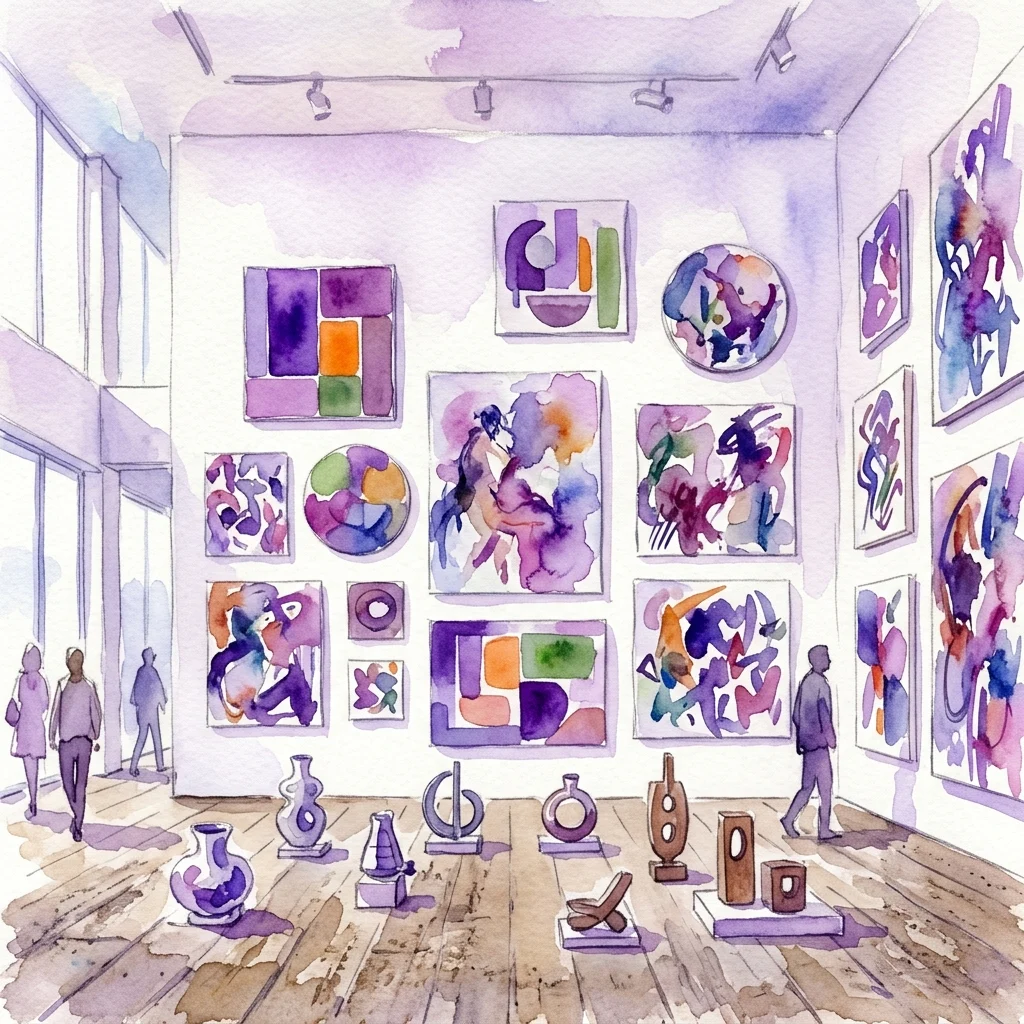
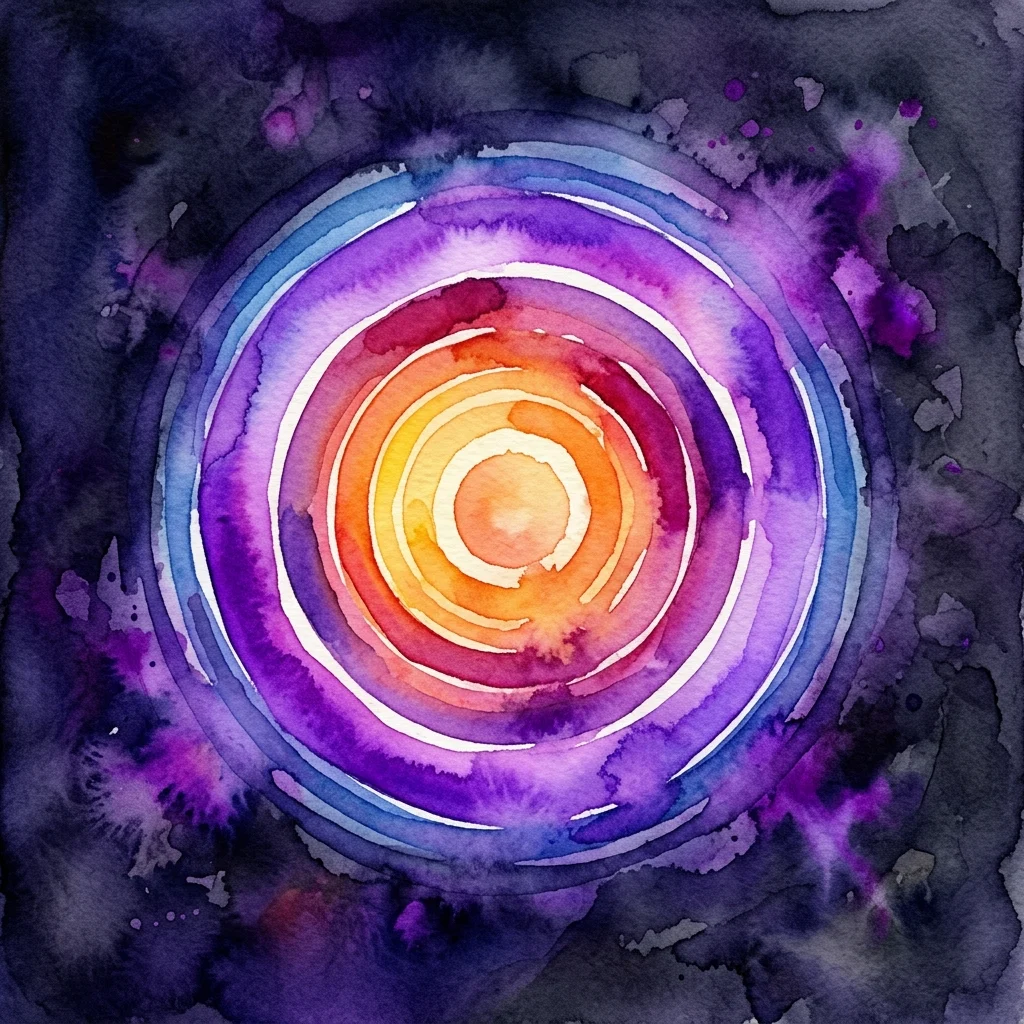
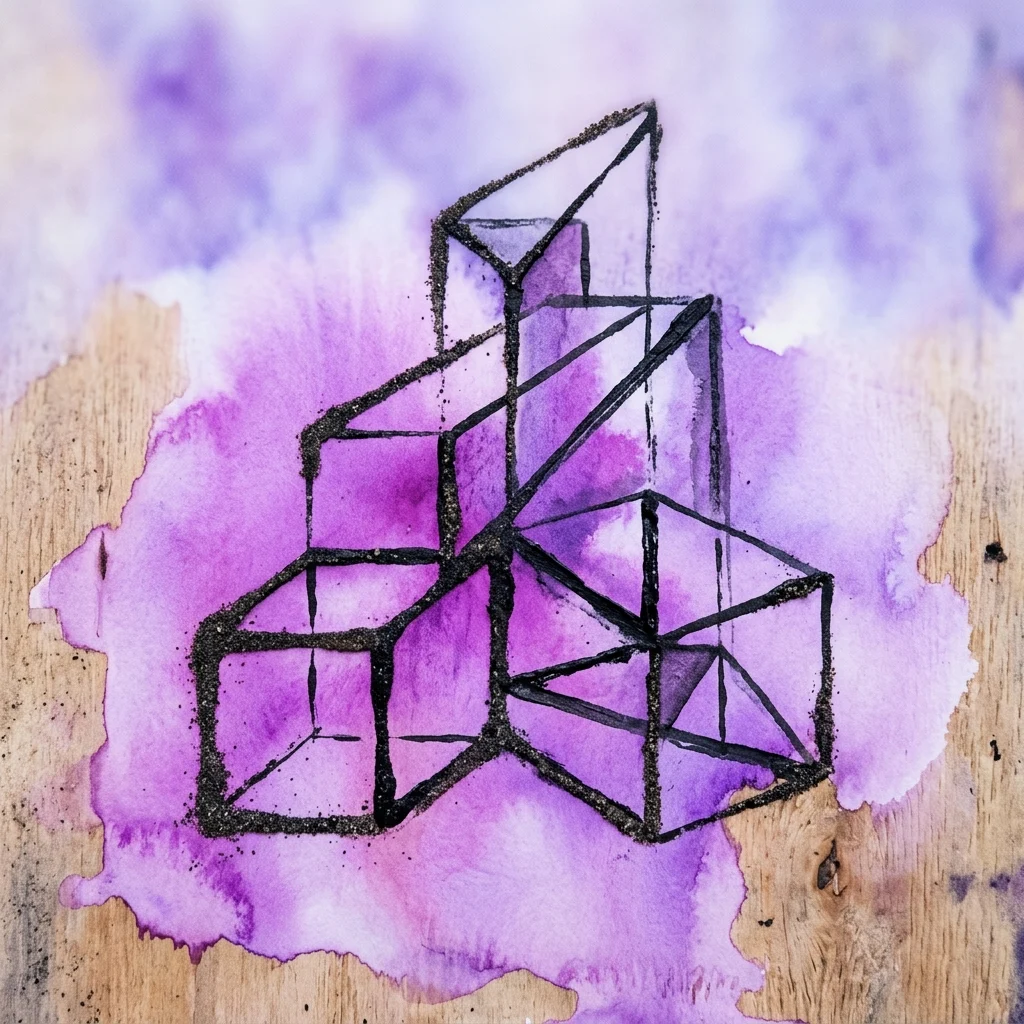
This exhibition focuses on Pavel Nešleha's courageous experimentation with light, a central theme in his mature work, showcasing pieces from 1971 to 2003. It includes paintings, pastels, installations, drawings, and photography, highlighting his innovative approaches to capturing light and space.
Titled after a 1997 photograph cycle, 'Via Canis,' this exhibition delves into Pavel Nešleha's (1937–2003) fearless artistic journey, particularly his lifelong fascination with light. The exhibition spans his creative output from 1971 to 2003, presenting a diverse range of works including monumental paintings, pastels, three-dimensional spatial installations, drawings, and photography cycles. Notably, it features for the first time exhibits related to Nešleha's light-capturing experiments from the early seventies. The display also touches upon a significant project for the Shah of Iran, which is believed to be lost. Curated by Prof. Petr Wittlich and Mahulena Nešlehová, the exhibition is structured around the intrinsic conflicts within Nešleha's art: the tension between perfection and romantic expression, light and darkness, and the perception of visual illusion versus objective reality. The exhibition was held in the ground floor exhibition halls and the small gallery, attracting 20,100 visitors.