
Reykjavík
Museum itinerary · Reykjavík

Reykjavík’s Grandi Harbour with Kids: Fisheries and Whales

Discover what people and animals need to make a life at sea.

Begin in a former fish factory with boats, compasses and footage of work onshore. Walk through Grandi to stand beside models of a blue whale, a sperm whale and other animals at the scale they actually reach.

Museum stops
2
Visits and transfers
2 hr 28 min
Suggested days
Any day
Why these museums go together

Reykjavík’s harbour was shaped by work at sea. Start in a former fish factory for the people, boats and technology behind that history. Then give younger visitors a different sense of the ocean by standing beside life-size models of its largest animals.

Bring one question across Grandi: what does a life at sea require? At the Maritime Museum the answers are people, boats, supply chains and navigation. At Whales of Iceland, look for proportions, feeding and ways of finding things in low light. The walk stays near the water, making the contrast between human work and animal life concrete.

NatureLocal heritageHistory
Route map
© OpenStreetMap contributors

The itinerary, stop by stop

Stop 1 · 1 hr 15 min
Reykjavík Maritime Museum

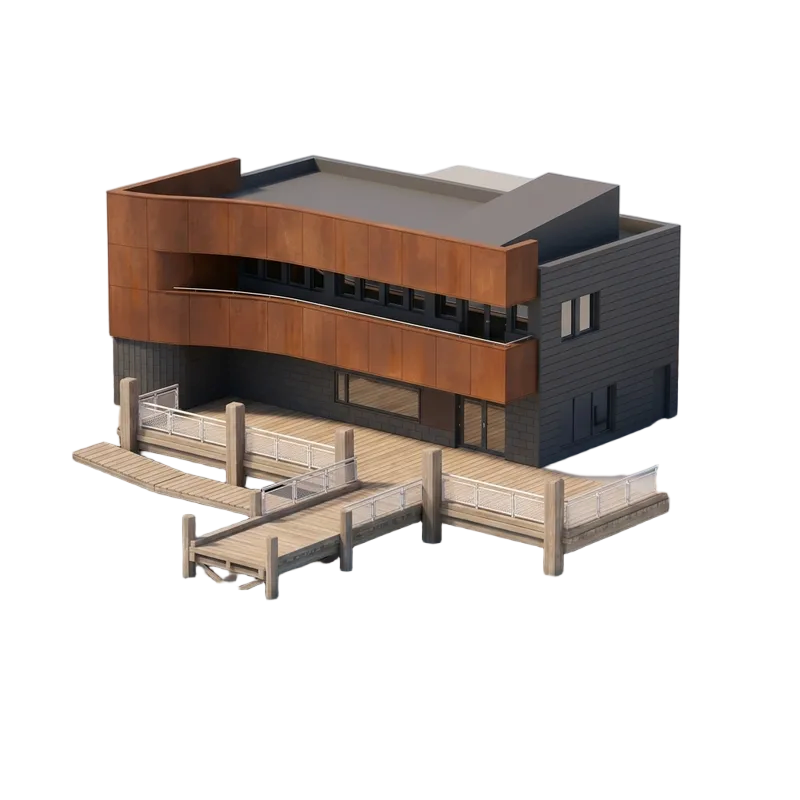
Fish & Folk explains how local fishers caught, processed and traded their catch. Navigation tools and archival film show how changes offshore altered the harbour on land. Start with the move from rowing boats to larger fishing vessels. Give an instrument case a closer look, then choose photographs or film for the working lives on shore. End by looking at the building as a former fish factory. On a short visit, keep the older boats and navigation rather than adding the optional ship tour.

What to look for

From rowing boats to fishing fleets
Follow Fish & Folk through the technological change that began in the late nineteenth century. Look beyond a bigger hull: what changed in equipment, the work crew and the amount of fish the port had to receive?
Sextants and navigation
Compare a compass or sextant with one of the later electronic instruments. Which tasks could be performed with the older equipment, and which readings became easier with new technology? The cases are more useful when you compare two instruments side by side.
Processing work in the former factory
Watch an available archival sequence or use a photograph to follow what happened after landing the catch. Ask where people, ice and machines would fit. The former factory around you helps put that work back on the quayside.
Óðinn alongside
When available, use the vessel outside to compare the scale of a ship and the objects you just saw. An onboard guided visit is seasonal and requires additional time. If the boat is unavailable, keep the same question about navigation or crew life inside Fish & Folk.

Walk · 8 min

Getting to Whales of Iceland

Walk about 450 m from Grandagarður into Grandi via Grunnslóð to Fiskislóð 23–25. Use marked crossings in this working harbour area.

Stop 2 · 1 hr 5 min
Whales of Iceland

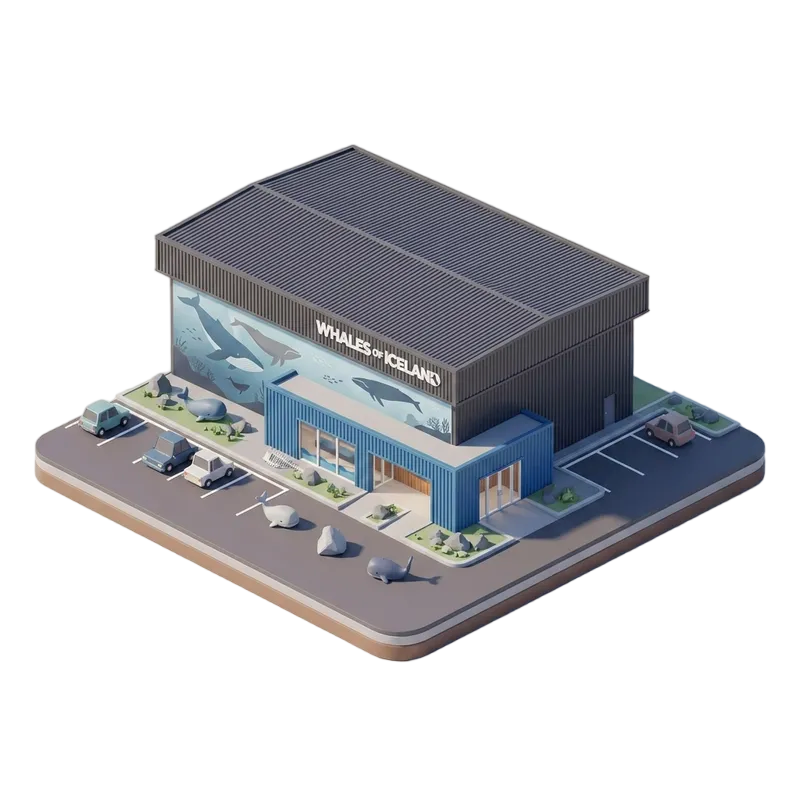
Compare the proportions of the suspended whale models and see how body shape varies across species. Use the audio guide to choose a few species to learn about in detail. Start in the model hall by walking around the largest specimen, then give the sperm whale and right whale a closer look. Pick a single audio segment for each rather than trying every entry. The theatre is optional. If a child is sensitive to the sound or dark presentation, start with a quieter edge of the gallery and check the visitor information at entry.

What to look for

Blue whale in full scale
Start under or beside the longest model and compare the distance from head to tail with your own walking pace. Then step far enough back to see the whole form. The shift in viewpoint is the easiest way to understand why a good photograph can still conceal scale.
Sperm whale and echolocation
Compare the sperm whale’s head with the profile you just saw. Use the museum’s explanation of echolocation to connect shape or behaviour with finding food in dark water. This gives older children a more precise question than simply asking which animal is biggest.
North Atlantic right whale
The museum identifies this endangered species among its models. Compare its proportions with the blue whale and read what the display says about the pressures on the population. The same ocean can present different problems to differently shaped animals.
Audio guide or theatre
Pick one account of whale behaviour to finish the visit. Where the venue’s film is available, confirm the next showing before waiting. A short audio explanation serves the same purpose when your half-day cannot absorb a full screening.
Timing, booking and admission

Set your pace

Start at the Maritime Museum around 10:00. If you want the whale museum’s published 11:00 live tour, reverse the order or choose the 15:00 tour for an afternoon visit. With a 10:00 start, leave the Maritime Museum around 11:15 and aim for the whale entrance shortly before 11:30. Allow an hour or a little more inside. Do not promise the 11:00 live tour with this morning order. For the 15:00 tour, begin at the Maritime Museum about 13:25 and arrive early enough to get settled.

What to book ahead

Check opening hours at both doors. The Óðinn boat tour and live whale tour are separate scheduling decisions: the ship is seasonal, and including both can push the outing far beyond the listed block. If you want the film at Whales of Iceland, check that day’s programme before choosing your entry.

Tickets and museum passes

The Reykjavík City Card lists the Maritime Museum. Whales of Iceland has its own admission page. Check any current partner discount separately.

Sources and route research

Explore Art and Cultural Exhibitions Across Reykjavík Museums
Discover Icelandic heritage and contemporary visual arts in the capital.
Delve into the artistic spirit of Iceland by exploring various museum exhibitions. From historical retrospectives to modern installations, find engaging cultural showcases throughout the city to enrich your visit.
Watercolor illustration of the cozy interior of Siggubær, an early 20th-century Icelandic historic house featuring a cast-iron stove, vintage armchairs, and traditional textiles.
Siggubær
Permanent exhibition

Siggubær Historic House Exhibition in Hafnarfjörður

Domestic life of an early 1900s sailor family.

Experience the authentic interior of a preserved 1902 worker's home in Hafnarfjörður. Discover original architecture and personal stories from early 20th-century maritime history.

Siggubær Exhibition
Watercolor illustration of a winding path through a lush garden with informational signs and a glowing cave revealing hidden figures, representing the 'What the Eye Does Not See' exhibition.
Siggubær
Permanent exhibition

Discover Icelandic Folklore: What the Eye Does Not See in Hafnarfjörður

A permanent outdoor folklore installation in Hellisgerði garden.

Learn about the mysterious stories of elves and hidden people through informative signs. Use mapped routes to explore legendary sites around Hellisgerði garden.

Folklore Exhibition
Watercolor illustration of two tall, dark basalt columns standing on a grassy shore with a purple ocean and cloudy sky in the background.
Reykjavík Museum of Photography
Permanent exhibition

Richard Serra Milestones Exhibition, Reykjavík Museum of Photography

Permanent site-specific outdoor basalt installation on Viðey Island.

Learn about this significant sculpture project consisting of nine pairs of basalt columns. Originally commissioned in 1990, the permanent work interacts uniquely with the surrounding landscape of Viðey Island.

Milestones Exhibition
Reykjavík

Discover Cultural Attractions and Museums to Visit in Reykjavík

Uncover Icelandic heritage, arts, and maritime history in the capital.

Plan an enriching trip through the cultural landscape of Iceland. Browse museums to visit in Reykjavík, highlighting local arts, historic settlements, and coastal traditions. Find inspiration for your next self-guided cultural excursion.