Reykjavík
Museum itinerary · Reykjavík

Icelandic Art in Reykjavík: From Tjörnin to Safnahúsið

Contrast a focused gallery show with generations of the national collection.

Choose one exhibition at the former icehouse by Reykjavík’s pond. Move on to the former library and archives on Hverfisgata, where the House of Collections offers a longer view of Icelandic art, architecture and storytelling.

Museum stops
2
Visits and transfers
2 hr 45 min
Suggested days
Any day
Why these museums go together

Start by Reykjavík’s city pond at the National Gallery, where the changing exhibits offer an artist or subject to look at in depth. After the walk to Safnahúsið, look for the longer-running displays devoted to Icelandic art and folklore. One visit asks you to sit with a theme; the other lets you compare it with different generations of the collection.

Fríkirkjuvegur and Hverfisgata are two addresses for different encounters with the same national institution. The former icehouse makes room for tight, temporary arguments by artists and curators. At the former library and archives, cross periods and subjects to see what happens when an image is part of a national collection.

ArtArchitectureContemporary
Route map
© OpenStreetMap contributors

The itinerary, stop by stop

Stop 1 · 1 hr 15 min
National Gallery of Iceland

Begin in the former icehouse on Fríkirkjuvegur. Use the current show to orient yourself to one artist or theme before continuing to the collection building. Ask which of the four halls over two floors has a collection-led show. Begin there or choose an artist whose practice connects with your interest. Spend forty minutes on one exhibit, with the remaining time for a second medium or one work revisited slowly. During changeover, choose a second hall only if it is open; the later collection building can carry the rest of the afternoon.

What to look for

The former icehouse
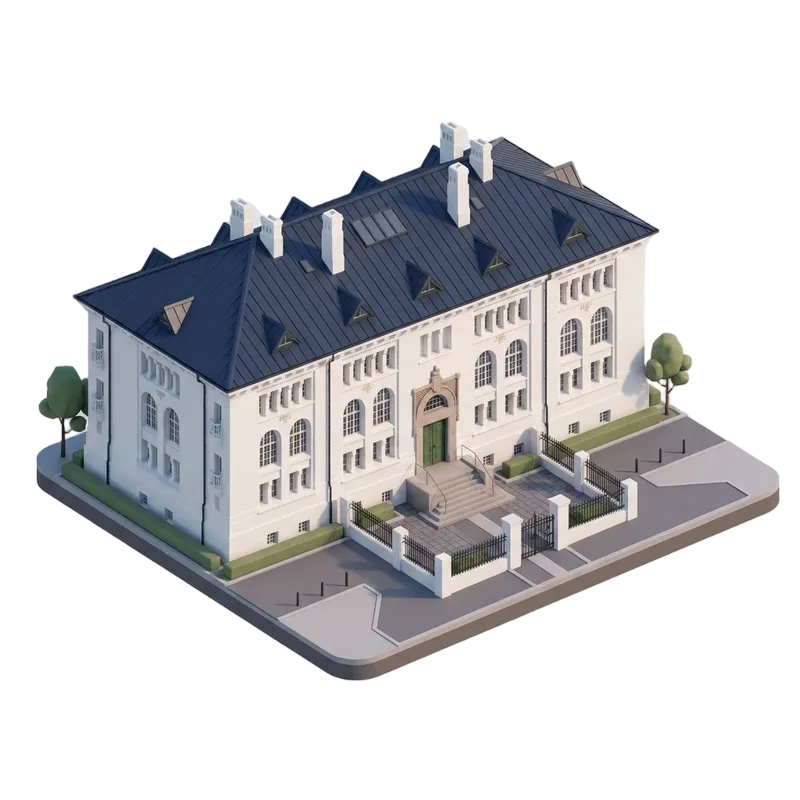
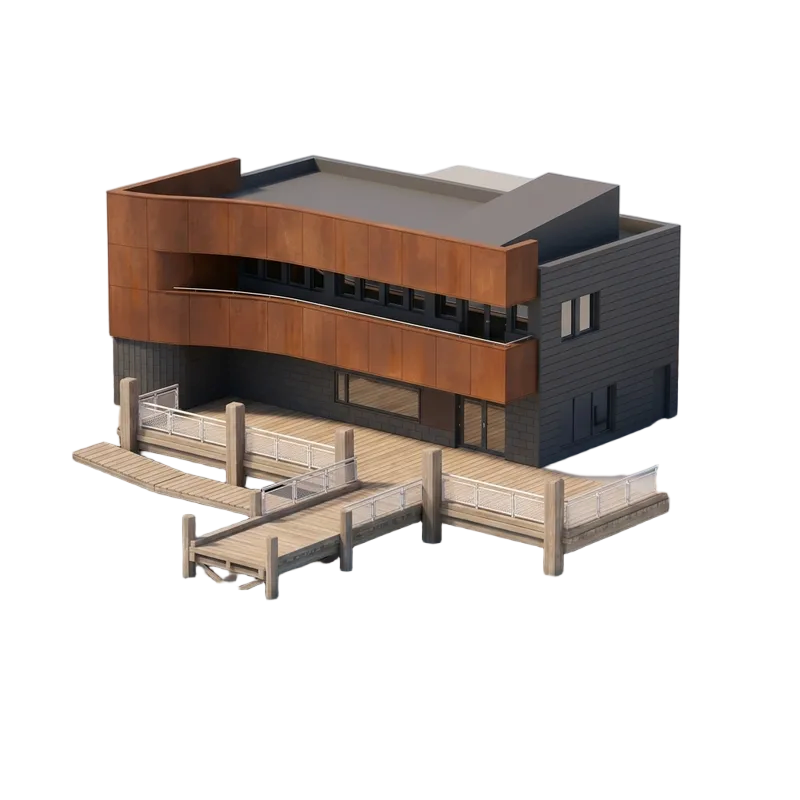
Notice how the pond-side building sits before walking in. Compare the sense of scale at Fríkirkjuvegur with the collection building later. Their original uses, storing ice and safeguarding collections, give the two museums different relationships to material and light.
Eggert Pétursson’s Millefleurs
Scheduled to 14 February 2027, this show offers a chance to compare close plant imagery with the whole canvas. After it ends, choose a different painting exhibition in the current programme and retain the comparison between an individual mark and the complete picture.
Ukrainian icons across centuries
If Where Light Remains is running, compare how more than one icon handles outline, gesture and light. The venue lists it to 17 October 2027. It is possible to use a current collection show instead and ask the same questions about images made to be approached slowly.
A contrast across two floors
After choosing the first exhibition, find a second medium if open: a film, installation, photograph or a different style of painting. Notice whether you have to move your body, wait or draw closer to see what the work is doing.

Walk · 10 min

Getting to The House of Collections

Walk about 650 m from Fríkirkjuvegur into the centre, then make for Hverfisgata 15. Allow around ten minutes with street crossings.

Stop 2 · 1 hr 20 min
The House of Collections

Begin with Collected Treasures in the old Culture House and compare earlier and more recent Icelandic works. Move to the folklore display if it is still running. Between galleries, take a moment for the stair and interiors of a building that once housed national institutions. When time is limited, let the wider collection take priority over the special display.

What to look for

Collected Treasures
The venue schedules this survey through March 2028. Pick a work from the older collection and one from the more recent part of the display. Compare how their makers establish a setting or train your attention. After the exhibition changes, choose two dates from the next collection show.
Stay and Turn to Stone!
The current programme lists the folklore exhibition to October 2027. Choose a landscape or figure and ask what gives you evidence for the story before reading the interpretation. After the exhibition ends, look at how the collection handles a different subject drawn from Icelandic life.
A former library and archives
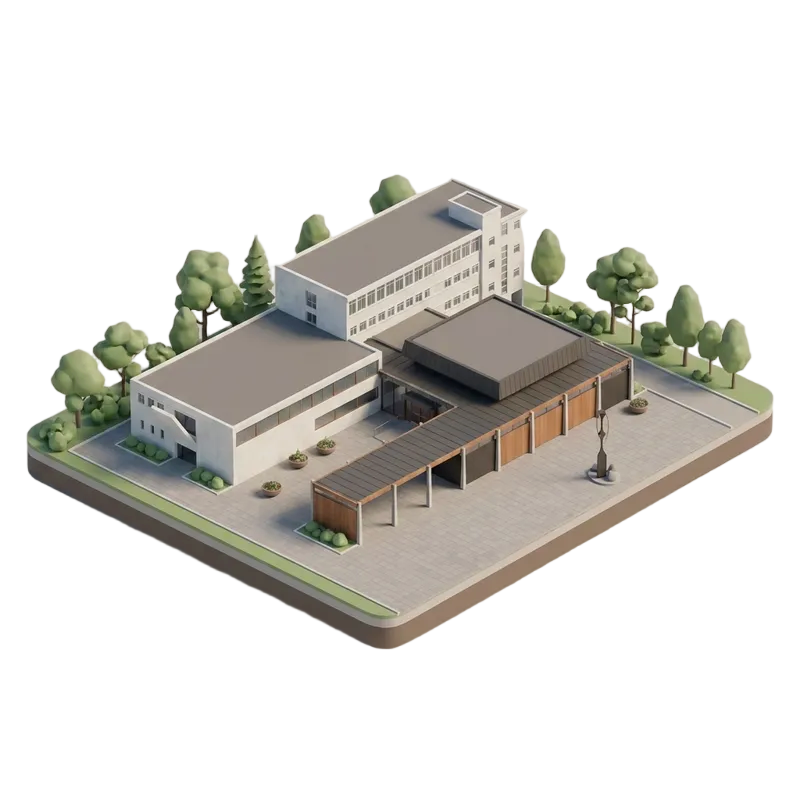
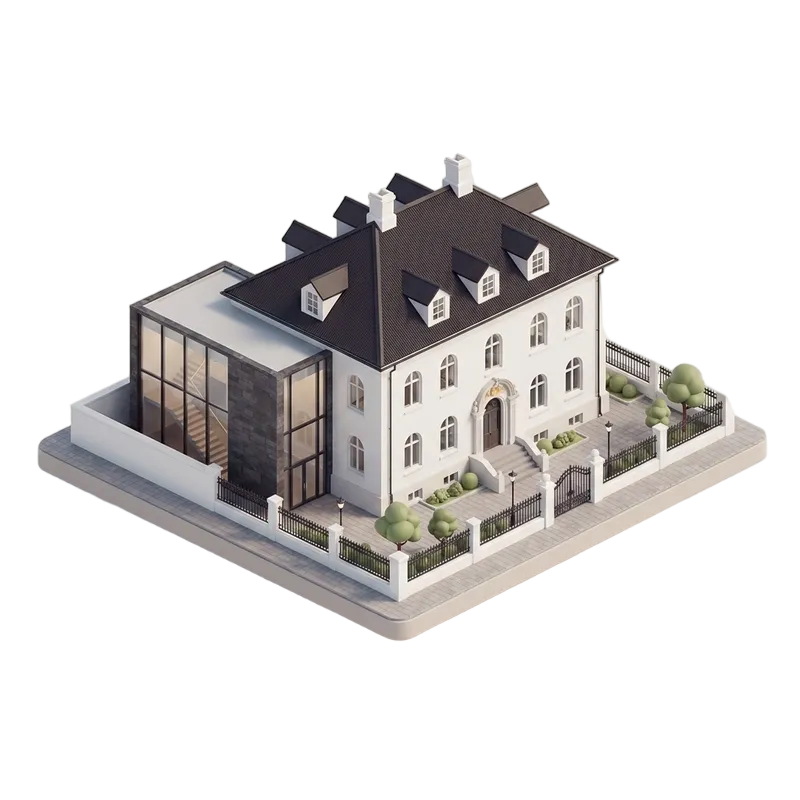
The building housed the National Library, archives and other collections. On a trip between floors, look at the space made for public access and the separation between rooms. It gives architectural context to the gallery’s claim to preserve works over generations.
One comparison to take back outside
Choose a work that changes your idea of the Icelandic landscape or the way a story is told. Pair it with the work you remembered from the gallery by the pond. The walk between sites matters most when you leave with a comparison you can identify precisely.
Timing, booking and admission

Set your pace

Begin at 10:30 or 13:30. Check the current display at Fríkirkjuvegur before choosing how much time to spend there. The two venues usually close at 17:00. With a 10:30 entry, leave the gallery about 11:45, aim for the House of Collections just before noon and finish about 13:20. At 13:30 the same schedule puts your exit around 16:20. If you arrive late, see one gallery at Fríkirkjuvegur and keep at least an hour for the collection building.

What to book ahead

Use the institution’s current exhibitions page by address. The main site rotates its rooms, and the longer displays at Safnahúsið also have end dates. Check both before buying. Ask what a gallery ticket covers if you are relying on it at Hverfisgata; for a City Card, check activation time before the first door.

Tickets and museum passes

The City Card lists both venues. If buying gallery tickets individually, ask how the ticket applies to both buildings and any ongoing exhibition.

Sources and route research

Explore Art and Cultural Exhibitions Across Reykjavík Museums
Discover Icelandic heritage and contemporary visual arts in the capital.
Delve into the artistic spirit of Iceland by exploring various museum exhibitions. From historical retrospectives to modern installations, find engaging cultural showcases throughout the city to enrich your visit.
Watercolor illustration of the cozy interior of Siggubær, an early 20th-century Icelandic historic house featuring a cast-iron stove, vintage armchairs, and traditional textiles.
Siggubær
Permanent exhibition

Siggubær Historic House Exhibition in Hafnarfjörður

Domestic life of an early 1900s sailor family.

Experience the authentic interior of a preserved 1902 worker's home in Hafnarfjörður. Discover original architecture and personal stories from early 20th-century maritime history.

Siggubær Exhibition
Watercolor illustration of a winding path through a lush garden with informational signs and a glowing cave revealing hidden figures, representing the 'What the Eye Does Not See' exhibition.
Siggubær
Permanent exhibition

Discover Icelandic Folklore: What the Eye Does Not See in Hafnarfjörður

A permanent outdoor folklore installation in Hellisgerði garden.

Learn about the mysterious stories of elves and hidden people through informative signs. Use mapped routes to explore legendary sites around Hellisgerði garden.

Folklore Exhibition
Watercolor illustration of two tall, dark basalt columns standing on a grassy shore with a purple ocean and cloudy sky in the background.
Reykjavík Museum of Photography
Permanent exhibition

Richard Serra Milestones Exhibition, Reykjavík Museum of Photography

Permanent site-specific outdoor basalt installation on Viðey Island.

Learn about this significant sculpture project consisting of nine pairs of basalt columns. Originally commissioned in 1990, the permanent work interacts uniquely with the surrounding landscape of Viðey Island.

Milestones Exhibition
Reykjavík

Discover Cultural Attractions and Museums to Visit in Reykjavík

Uncover Icelandic heritage, arts, and maritime history in the capital.

Plan an enriching trip through the cultural landscape of Iceland. Browse museums to visit in Reykjavík, highlighting local arts, historic settlements, and coastal traditions. Find inspiration for your next self-guided cultural excursion.