
Reykjavík
Reykjavík open-air heritage

Visiting Árbær Open Air Museum

Step into the past with historic Icelandic homes and costumed guides in Reykjavík.

HistoryArchitectureLocal heritage

Explore Iceland's largest open-air museum, featuring historical homes and structures relocated from the city center. Walk through preserved historical spaces, view interactive toy displays in a former 19th-century church, and discover the evolution of local architecture.

Iceland's largest open-air museum features historic buildings relocated from central Reykjavík, detailing local life, domestic history, and traditional crafts.

Árbær Open Air Museum
History and Heritage at Árbær Open Air Museum

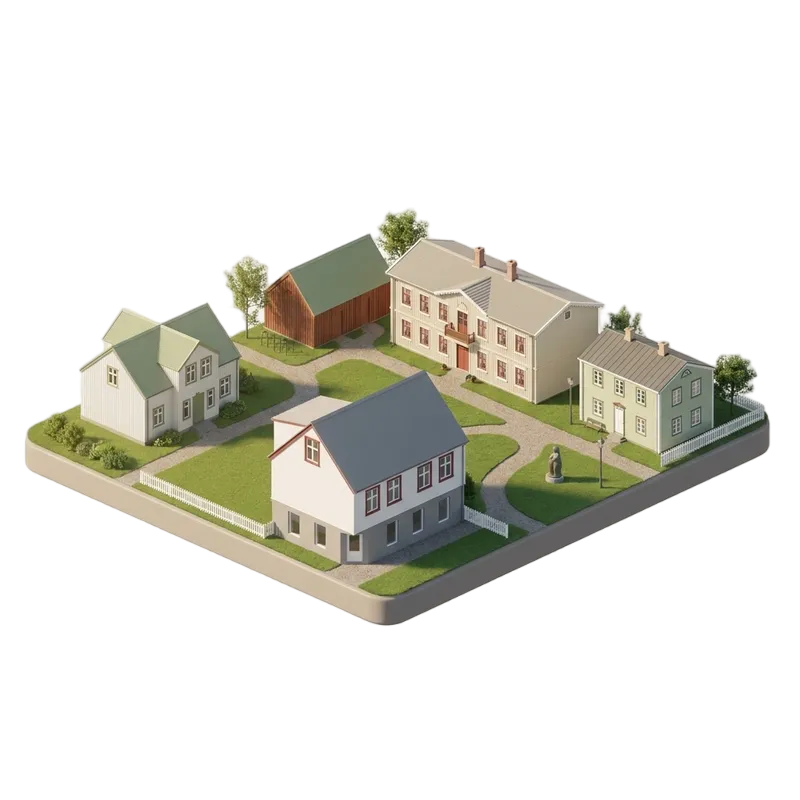
The Árbær Open Air Museum in Reykjavík showcases regional social and architectural history through a collection of relocated historical buildings. Visitors can explore preserved homes, a 19th-century church, and interactive exhibitions of historic toys. The outdoor site highlights traditional crafts, domestic routines, and early transport, recreating everyday life before modern urbanization.

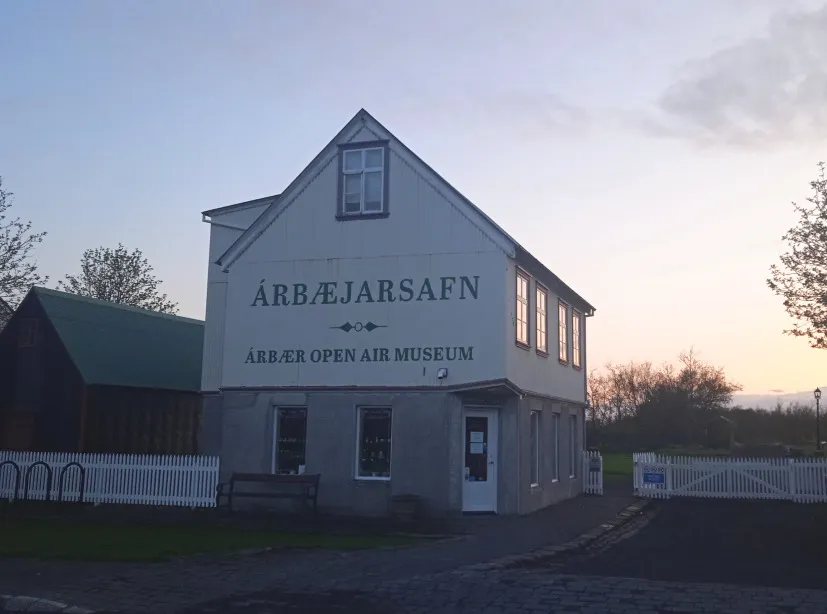
White two-story gabled building with ÁRBÆJARSafn and ÁRBÆR OPEN AIR MUSEUM signage on the facade, surrounded by a white picket fence at dusk
Museum pass access for Árbær Open Air Museum

Visitors can incorporate a visit to the Árbær Open Air Museum into their itinerary using integrated city travel and sightseeing passes. Access conditions vary depending on the specific pass held, providing a flexible way to explore the historic houses and exhibits of this Reykjavík landmark.

Árbær Open Air Museum Location & Orientation

The Árbær Open Air Museum is located at Kistuhylur 4 in the Reykjavík Capital Region. This spacious outdoor site serves as a preserved historical village, featuring historic buildings relocated from central Reykjavík. Its position provides a unique setting that allows visitors to step back in time and explore traditional Icelandic life away from the modern urban center.

© OpenStreetMap contributors

Kistuhylur 4

110 Reykjavík

Capital Region, IS

Planning Your Visit to Árbær Open Air Museum

When planning a visit to the Árbær Open Air Museum in Reykjavík, visitors should prepare for an outdoor experience across the historic site. It is advisable to allow plenty of time to walk between the various historic houses, workshops, and church. Wear comfortable walking shoes to comfortably navigate the open-air grounds during your self-guided exploration.

Planning Your Visit to Árbær Open Air Museum

The Historic Experience at Árbær Open Air Museum

The Árbær Open Air Museum in Reykjavík offers a distinct glimpse into Iceland’s social and architectural heritage. Visitors can wander through a village of authentic buildings relocated from the city center, including a 1925 home and a former 1897 church housing interactive toy exhibits. Inside these preserved spaces, displays detail local domestic life, historic transport, and traditional crafts. Traditional tasks like wool processing are occasionally demonstrated alongside family-friendly outdoor games. This historic experience is completed by guided tours and an old-style sweet shop.

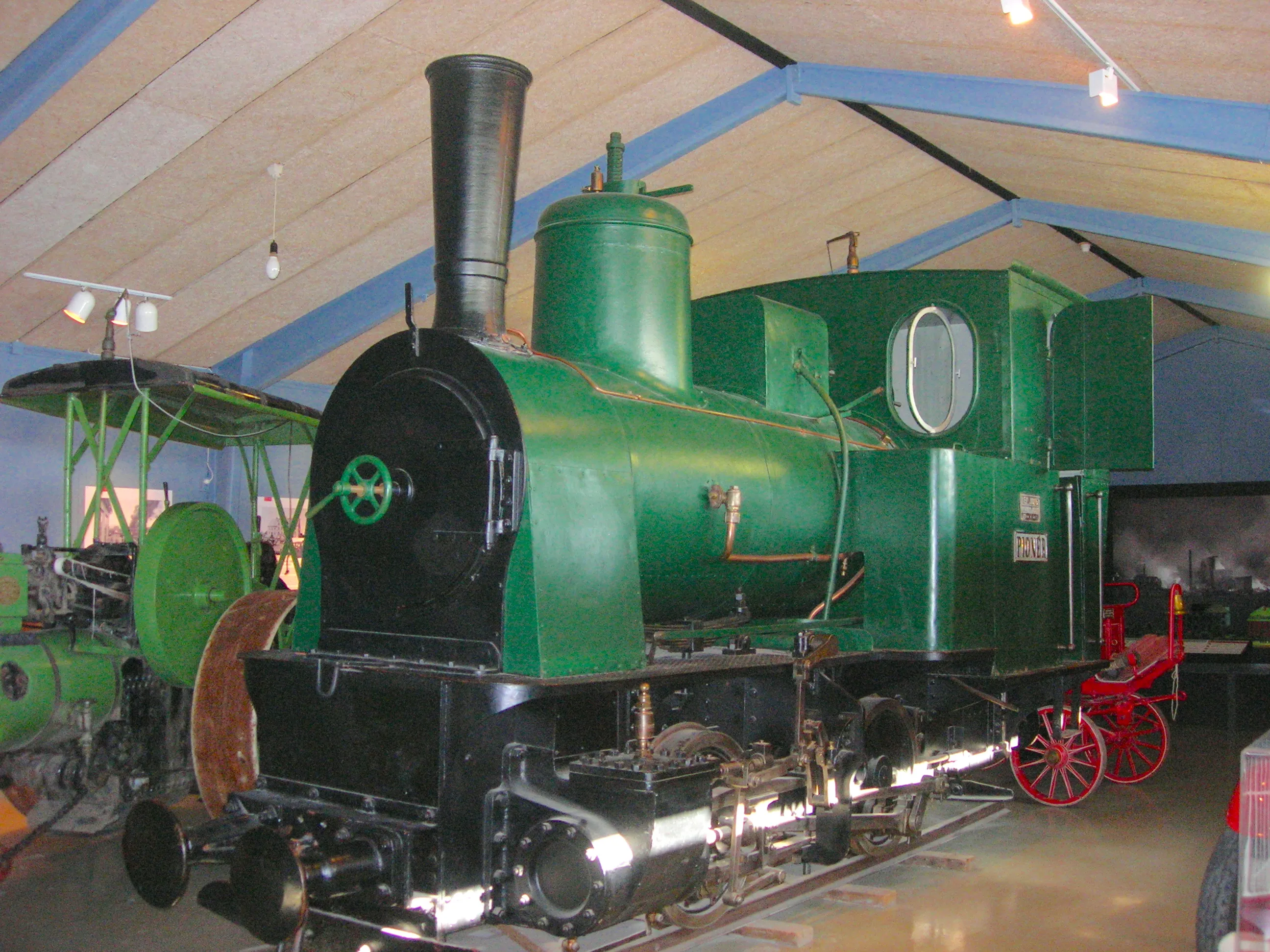
A green steam locomotive with a tall black smokestack on display inside a museum hall, with a small red-wheeled cart beside it and blue ceiling beams overhead.

The History of Árbær Open Air Museum

The foundation for the Árbær Open Air Museum in Reykjavík began in 1954 with the establishment of a formal archives collection. In 1957, the city council decided to preserve threatened historic buildings by converting an abandoned farm, opening the museum that August. The facility consolidated with the Reykjavík Historical Museum in 1968. Through its continued focus on education, the site was honored as the **Icelandic Museum of the Year** in 2006.

  • Establishment of the Reykjavík Archives and Historical Collection

    1954Founding

    In 1954, the Reykjavík Archives and Historical Collection was officially founded. Lárus Sigurbjörnsson was appointed as the first director to lead the systematic acquisition of artifacts, providing the institutional foundation for the future museum.
  • Opening of Árbær Open-Air Museum

    1957Opening

    Following a 1957 city council decision to create a public park and museum on the site of the abandoned Árbær farm, the facility was opened to the public in August 1957. The project aimed to preserve buildings of historical value that were otherwise threatened by decay.

  • Consolidation of historical institutions

    1968Milestone

    In 1968, the Reykjavík Historical Museum and the Árbæjarsafn were formally consolidated into a single entity under the unified name Árbær Museum to streamline the management of the city's historical collections.

  • Creation of the municipal curator office

    1974Notable person

    The city council established the position of municipal curator in 1974 to oversee the museum operations. Nanna Hermansson served as the inaugural curator from 1974 to 1984, setting a precedent for professional museum leadership in Reykjavík.

  • Awarded Icelandic Museum of the Year

    2006Milestone

    The institution received the Icelandic Museum award in 2006, recognizing its efforts in historical preservation and public education regarding the cultural heritage of the capital region.

  • Opening of Reykjavík 871±2 exhibition

    2006Milestone

    In 2006, the museum expanded its operational scope by opening a new exhibition titled Reykjavík 871±2 located in the city center. The exhibition displays archaeological findings related to the early history of the city.

Curiosities and FAQs for Árbær Open Air Museum

Planning a trip back in time? While we cannot provide a phone number to call the past, we can assure you that entry to Árbær Open Air Museum in Reykjavík is paid directly on-site when you arrive. Forget searching for online booking forms; simply show up, secure your admission, and start exploring historical Icelandic life without the digital fuss.

What is the phone number for Árbær Open Air Museum?

A phone number for Árbær Open Air Museum is not provided in the official visitor information.

How do I contact Árbær Open Air Museum?

You can contact Árbær Open Air Museum online through their contact form. Other specific contact details such as email addresses are not provided.

Is parking available at Árbær Open Air Museum?

Information regarding visitor parking availability or parking fees at Árbær Open Air Museum is not specified in the available records.

How do you get to Árbær Open Air Museum?

Detailed public transport, cycling, or walking routes to Árbær Open Air Museum are not currently provided. Visitors are advised to check local transport planners or navigation apps for routes.

Tips for Visiting Árbær Open Air Museum

When planning a visit to the Árbær Open Air Museum in Reykjavík, visitors should prepare for an outdoor experience exploring the historical grounds. The site features various historic houses, workshops, and a church, so wearing comfortable walking shoes and dressing for the weather is highly recommended. Taking your time to walk among the buildings allows for a full appreciation of the costumed interpretations and historical displays. This open-air layout means that a significant portion of the experience takes place outdoors, making weather-appropriate clothing essential for a comfortable trip.

Visitor Experience and Fit at Árbær Open Air Museum

The Árbær Open Air Museum in Reykjavík is well-suited for families, history enthusiasts, and anyone interested in traditional architecture and local heritage. Visitors can expect an outdoor-focused experience exploring a collection of relocated historic buildings that detail domestic life and traditional Icelandic crafts. The museum offers engaging features for children, including interactive historic outdoor games and toy exhibitions. This open-air setting is ideal for travelers seeking a leisurely, self-paced journey through the social and architectural history of the region.

A Visual Preview of Árbær Open Air Museum

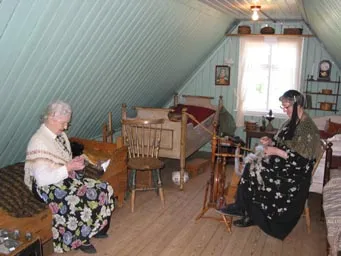
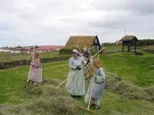
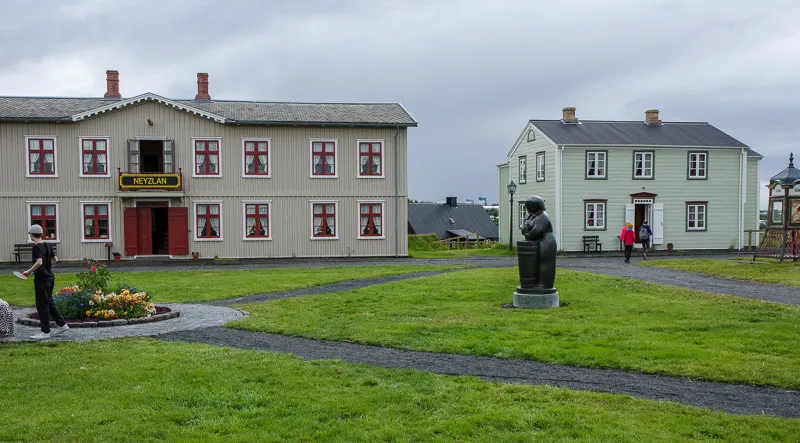
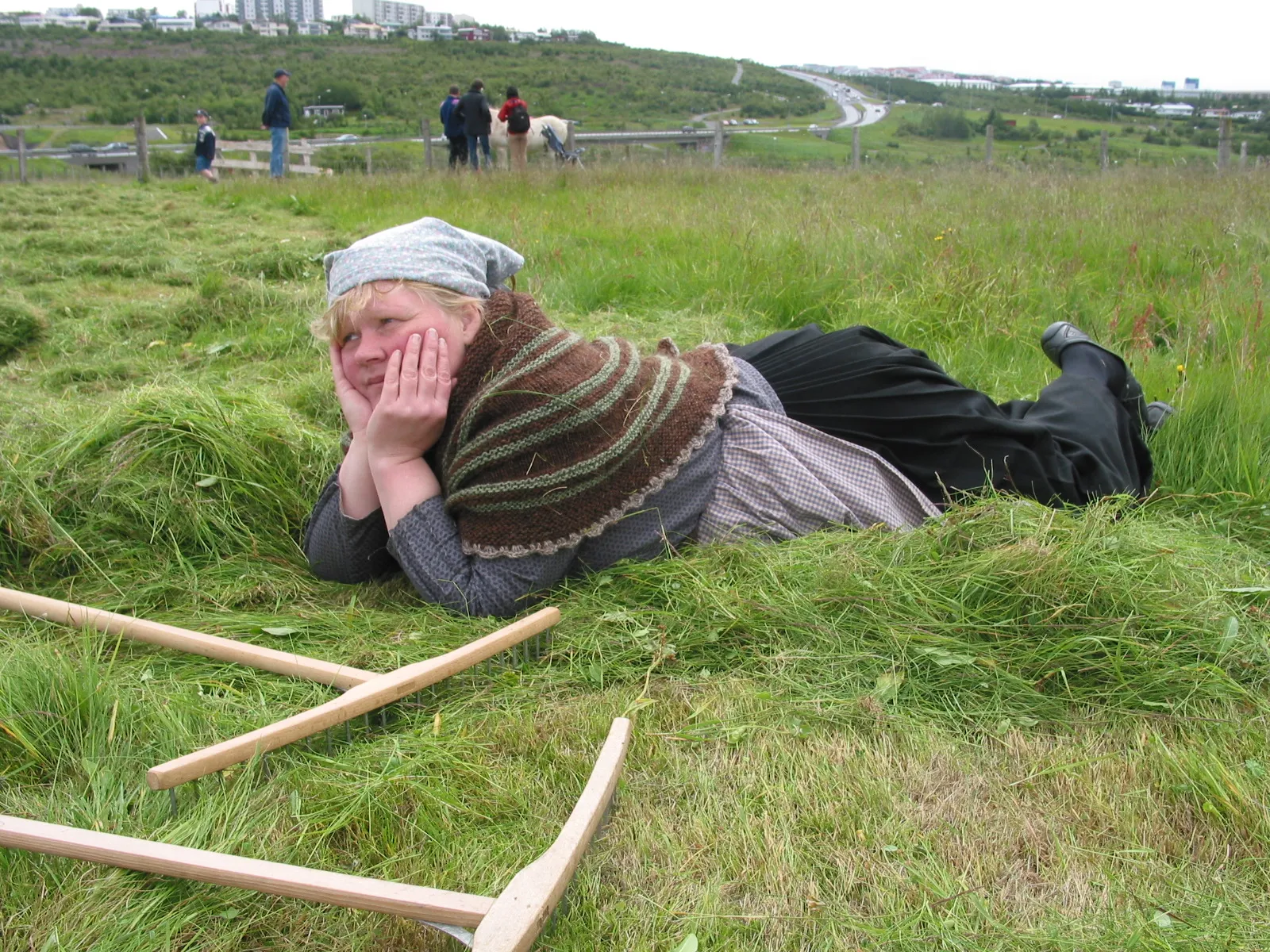
Explore the visual story of Árbær Open Air Museum in Reykjavík through images of historic turf-roofed houses, gravel paths, and white gabled buildings. Photographs depict costumed interpreters showcasing traditional crafts like spinning and outdoor haymaking. Inside the museum galleries, previews show domestic scenes alongside unique exhibits like a green steam locomotive.

White two-story gabled building with ÁRBÆJARSafn and ÁRBÆR OPEN AIR MUSEUM signage on the facade, surrounded by a white picket fence at dusk
A green steam locomotive with a tall black smokestack on display inside a museum hall, with a small red-wheeled cart beside it and blue ceiling beams overhead.
Two historic buildings with red-trimmed windows and a grassy courtyard featuring a bronze bust statue.
Costumed interpreter resting in a grassy field near wooden haymaking tools at Árbær Open Air Museum, with visitors and a horse in the distance.
Two women in historic clothing inside a rustic attic room with a slanted ceiling, one operating a spinning wheel while the other sits on a wooden bed.
A person in historical costume walks alongside a brown and white cow on a gravel path with traditional turf-roofed buildings in the background at the Árbær Open Air Museum.
People in historical costumes working with hay outdoors with turf-roofed buildings in the background at an open-air museum
Reykjavík

Find Museums and Cultural Attractions to Visit in Reykjavík

Locate historical exhibits and art collections in Iceland.

Search for your next cultural stop in the Icelandic capital. Discover venues dedicated to maritime history, ancient settlement sagas, and modern creativity. Identify cultural attractions that match your personal interests for an enriching trip.

Discover nearby museums similar to Árbær Open Air Museum in Reykjavík and plan your next cultural stop with confidence.
These recommendations prioritize real proximity to Árbær Open Air Museum and help you find high-fit alternatives faster across Reykjavík.
Use this curated list to compare museums near Árbær Open Air Museum without opening multiple search pages. Each card gives you fast visual context and direct access to key details so you can decide quickly. If you are building a full day in Reykjavík, this section helps you chain nearby visits with less planning effort.