
Salzburg
Museum itinerary · Salzburg

Salzburg Christmas traditions, marionettes and life inside the fortress

From miniature ornaments to the rooms of Hohensalzburg

See Salzburg’s Christmas Museum, the World of Puppets and the Fortress Museum. Choose the uphill walk or FestungsBahn and check the seasonal closures.

Museum stops
3
Visits and transfers
3 hr 8 min
Suggested days
Wed, Thu, Fri, Sat, & Sun
Why these museums go together

Begin above Café Glockenspiel with one tiny Christmas ornament. How was it hung, lit or seen from the other side of a room? Above the rooftops, a puppet has to read just as clearly from a distance. The final museum brings you back to full scale, inside the walls that protected the prince-archbishops.

The first two stops reveal how carefully costumes, light and small props stage a scene. The Fortress Museum shifts the attention to a working building, its armour and the people who supplied it.

Local heritageHistoryDesign
Route map
© OpenStreetMap contributors

The itinerary, stop by stop

Stop 1 · 55 min
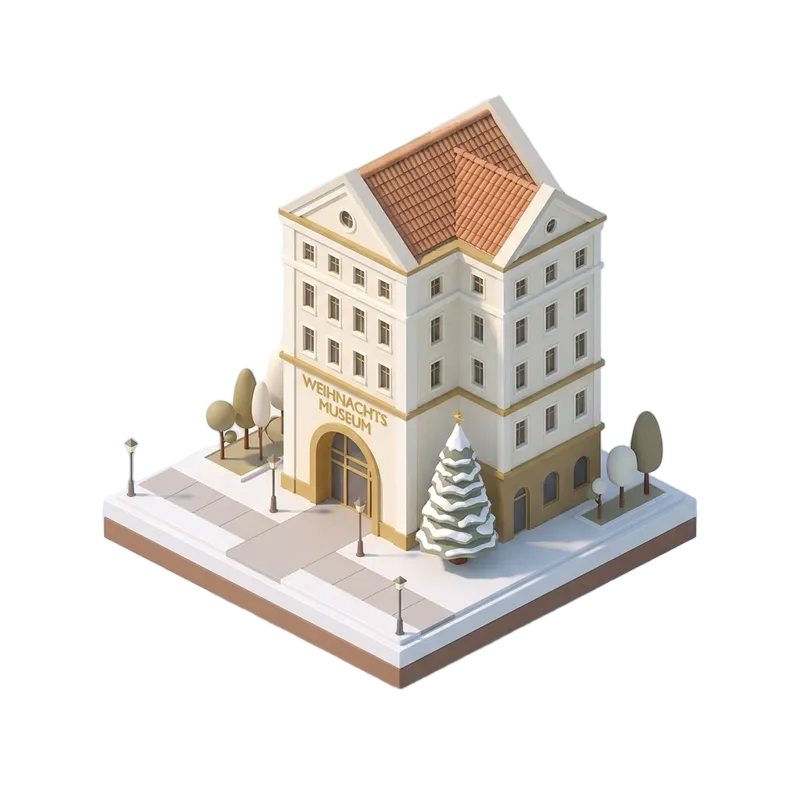
Salzburg Christmas Museum

The collection follows celebrations from Advent to New Year between 1840 and 1940. Compare how the objects mark distinct moments in the season, rather than looking at ornaments in isolation. Begin with the Advent calendar and Saint Nicholas or Krampus material. Follow the display chronologically through Christmas Eve and into the New Year. Pick one detail of paper, cloth or ornament to compare with theatre costuming later. If there is little time, use two stations, counting days and decorating the room, instead of rushing all eleven sections.

What to look for

Advent calendars
Compare two designs and see how they turn waiting into a daily action. Look for what is revealed and what stays hidden as each day passes. The object’s physical structure matters as much as the image it displays.
Nicholas and Krampus
Look for the displays around Saint Nicholas and Krampus. Compare the features or accessories that make each figure recognisable. Carry the question about recognition to the puppets, where costume and silhouette must communicate a character quickly.
Decorating for Christmas Eve
Choose an ornament or festive object and think about where it would sit in a room and who would handle it. Compare any change of materials across the years in the labels. This brings the exhibition’s history of domestic celebrations back to practical choices.
From private collection to New Year
The visit follows celebrations into New Year through Ursula Kloiber’s collection. Pick a later-season object and compare it with an Advent example. Ask how much of the year’s rhythm can be reconstructed from physical objects, and where the collector’s choices fill in part of the story.

Walk · 21 min

Getting to Marionette Museum

The uphill walking route from Mozartplatz through Kapitelplatz and Festungsgasse is about 1.28 km. Allow 21 minutes of movement plus fortress ticket checks and extra time on the incline. To skip the steep climb take the FestungsBahn from Festungsgasse, allowing separately for its queue.

Stop 2 · 40 min
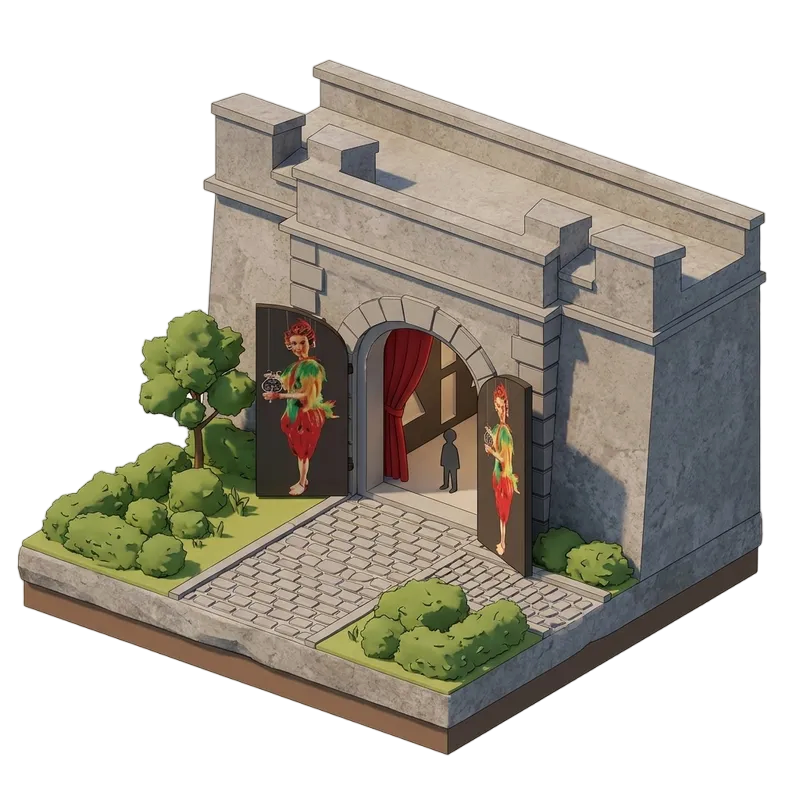
Marionette Museum

Find the World of Puppets in the fortress Feuergang. Choose three scenes, watching how costume, string and lighting make a figure seem alive. Compare a staged story with the puppets used to evoke Salzburg’s history. At the next museum, look for a real object of a similar scale or material and ask what changed when it was used outside a stage.

What to look for

Papageno and Papagena
Look for figures from The Magic Flute. See which costume details make their roles readable from a distance. Read the display after looking first, so you can see what a puppet and the accompanying text each contribute to the scene.
Travel during Mozart’s time
See how figures and props show a journey rather than a static portrait. Notice how wheels, clothing or luggage can locate a character in time with very little space. Compare it with the compact way an Advent object conveys its purpose.
Shipping on the Salzach
Find the river traffic scene if available. Compare what the tiny figures tell you about work and movement with what the background supplies about location. The river you see below the fortress gives the model an immediate comparison.
The peasant uprising scene
The museum links a staged scene to the 1525 uprising. Look at how the positions of the characters and the size of the set steer attention. Compare how a historical scene differs from an opera one you have just seen.

Walk · 7 min

Getting to Fortress Museum

Stay inside Hohensalzburg. From the World of Puppets in the Feuergang follow the fortress signs to the Fortress Museum in the Hoher Stock. Allow about seven minutes for the indoor and courtyard passage and stairs.

Stop 3 · 1 hr 5 min
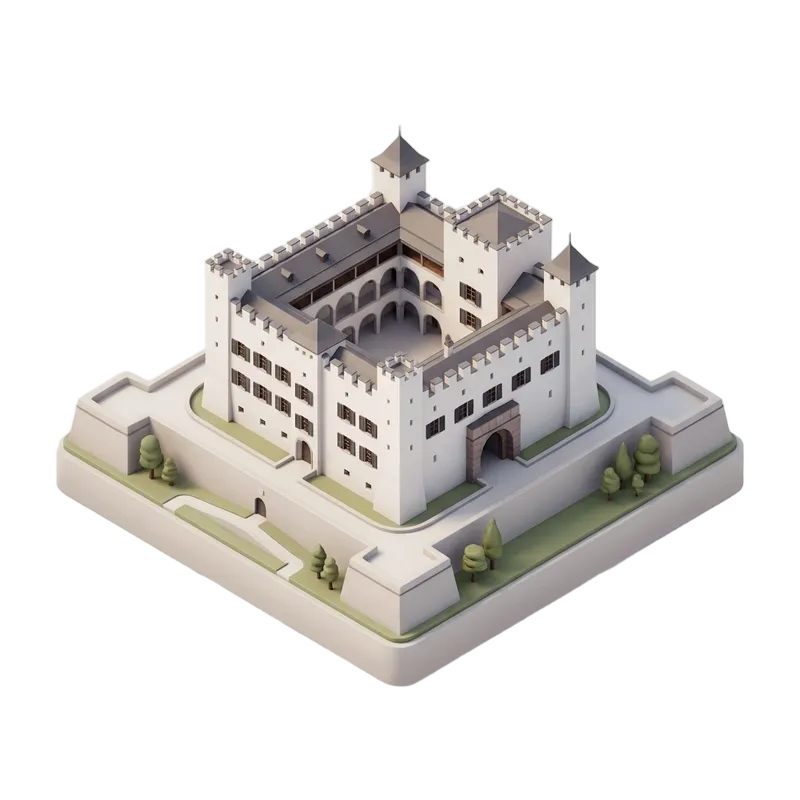
Fortress Museum

Start with building history and fortress life. The objects help distinguish the busy interior of the stronghold from the distant silhouette you see from the city. Find the Hoher Stock and begin with 1,000 Years of Building History, the museum’s permanent route through thirteen rooms. Follow the main explanation of how the fortress developed, then look for the kitchen and armour. If time is tight, choose two medieval topics instead of adding the other fortress museums. Leave time to get back through the upper compound.

What to look for

One thousand years of building
Start with the permanent exhibition’s account of the castle’s successive uses and building phases. Compare one feature seen on the approach with the museum’s explanation. A wall means something different as part of an active compound than as a background to the city.
Historic kitchen reconstruction
Use the reconstructed hearth and cookware to imagine preparing a meal under the constraints of a fortified building. Compare the scale of the working space with the decorated rooms downstairs. Look for evidence of heat, storage and daily labour before moving on.
Armour and weapons display
Compare two pieces by how they fit the body or how they could be carried. The difference gives the objects a practical context. If part of the display is not available, use another item designed to be used under pressure rather than simply admired.
Small objects of life in the fortress
Look for an everyday item in the medieval collections such as a vessel, toy or musical object when shown. Compare its scale with the larger defensive displays. This makes a fitting end to an outing about both institutions of power and the people who actually occupied them.
Timing, booking and admission

Set your pace

Start at 10:00 on an opening day, Wednesday through Sunday in the regular season. Have an early lunch around Kapitelplatz or take a break at the top. Allow extra time for the steep path or a funicular queue, then keep an hour for the Fortress Museum.

What to book ahead

The Christmas Museum normally closes from February to mid-March. Check the fortress and railway maintenance dates too; an open footpath does not guarantee that all interiors are open.

Tickets and museum passes

Choose fortress admission that includes its museums; the Panorama product alone is unsuitable. The Christmas Museum is a separate admission. Check the Salzburg Card against both before buying stand-alone tickets.

Sources and route research

Explore Inspiring Museum Exhibitions in Salzburg Austria
Immerse yourself in world-class art and historic displays.
Uncover artistic and historical displays across various venues. Learn about the rich variety of Salzburg museum exhibitions, featuring fine art, classical music heritage, and local cultural history.
Watercolor illustration of a grand Baroque stateroom in the Residenz Palace, featuring ornate purple ceiling frescoes, gilded stucco, and chandeliers.
DomQuartier Salzburg
Permanent exhibition

Explore the Residenz Palace State Rooms Exhibition at DomQuartier Salzburg

Tour the grand Baroque halls of the Salzburg Prince Archbishops.

Step into the luxurious ceremonial apartments featuring grand neoclassical interiors and 18th-century designs. View stunning frescoes by notable masters and inspect ornate stuccowork throughout the historic palace. Learn about the courtly customs and architectural evolution that shaped this power center.

Residenz State Rooms
Visit the St. Peter’s Museum Exhibition at DomQuartier Salzburg
DomQuartier Salzburg
Permanent exhibition

Visit the St. Peter’s Museum Exhibition at DomQuartier Salzburg

Explore sacred art and historic treasures of St. Peter's Abbey.

Discover historic paintings, precious vestments, and rare musical heritage at this permanent exhibition. Learn about centuries of monastic craftsmanship and liturgical history in Salzburg.

St. Peter’s Museum
Cathedral Museum and Cathedral Treasure Exhibition in Salzburg
DomQuartier Salzburg
Permanent exhibition

Cathedral Museum and Cathedral Treasure Exhibition in Salzburg

Permanent collection of sacred art and historic regional treasures

Discover a remarkable array of sacred artifacts, rare liturgical utensils, and Baroque sculptures at DomQuartier Salzburg. Highlights include the Early Mediaeval Cross of St Rupert and a reconstructed seventeenth-century Cabinet of Curiosities.

Cathedral Treasure Exhibition
Salzburg

Salzburg Museum Guide for Exploring Local Cultural Attractions

Discover historic arts and musical heritage in Salzburg.

Browse a comprehensive overview of the cultural landmarks and exhibition spaces throughout the city. Plan your itinerary by discovering historical centers, art galleries, and houses dedicated to classical music.