Vienna
Vienna's Palace & Art Gem

Belvedere, Vienna: Palace Museum & Baroque Gardens

Explore centuries of Austrian art within a magnificent imperial setting.

ArtHistoryContemporaryArchitectureDesign

Explore the Belvedere, an ensemble of three venues housing centuries of European art. Discover iconic works of Viennese Modernism, including Gustav Klimt's 'The Kiss' at the Upper Belvedere, alongside special exhibitions and contemporary art at its other locations. Stroll through the historic gardens as part of your visit.

The Belvedere offers a rich journey through 800 years of art history, featuring masterpieces of Viennese Modernism and contemporary art across its three sites.
Belvedere
Belvedere: Art History Across Three Venues

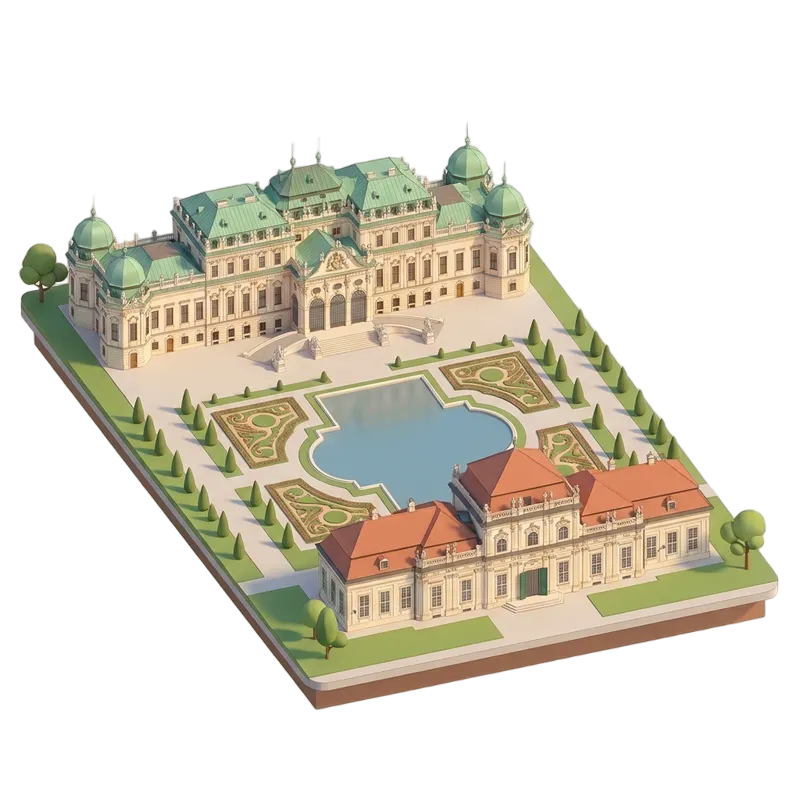
The Belvedere is a renowned art institution in Vienna, guiding visitors through 800 years of art history across its three distinct venues. The Upper Belvedere features a permanent collection, celebrated for Viennese Modernism and Gustav Klimt's 'The Kiss.' Special exhibitions are hosted at the Lower Belvedere, while Belvedere 21 focuses on contemporary art. Complementing the artistic journey are the world-famous Baroque gardens, enriching the overall historical and cultural experience.
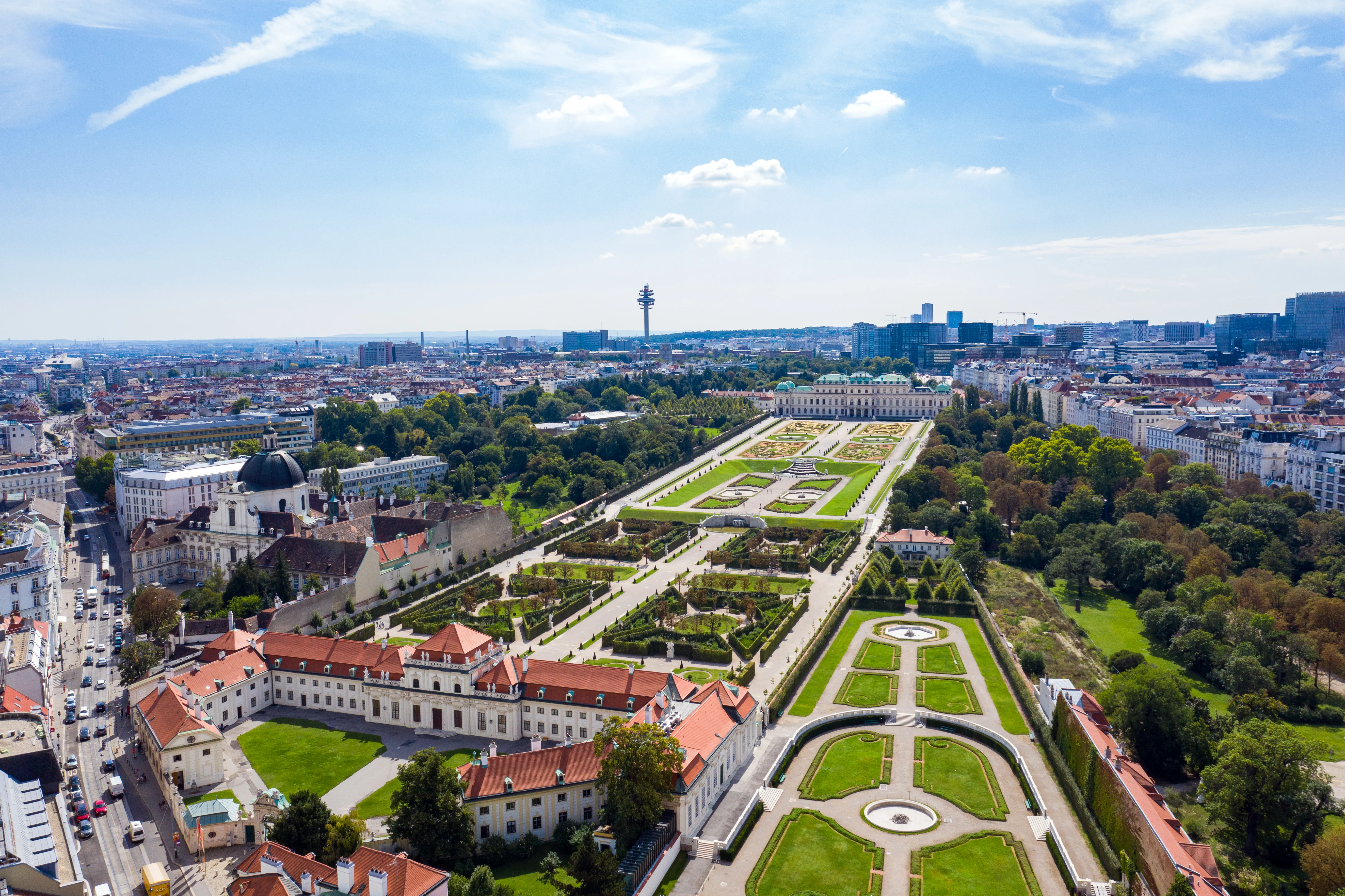
Aerial view of Belvedere palace and formal gardens with red-roofed buildings and green lawns
Belvedere opening hours in Vienna

Check today’s opening status, weekly schedule, and special date changes for Belvedere. Use these opening hours to plan your arrival and avoid closed times in Vienna.

Monday
Tuesday
Wednesday
Thursday
Friday
Saturday
Sunday
09:00-19:00
09:00-19:00
09:00-19:00
09:00-19:00
09:00-19:00
09:00-19:00
09:00-19:00
Belvedere Ticket Information

Access to Belvedere in Vienna is via paid admission, with tickets available for its individual venues. Visitors can purchase separate tickets for the Upper Belvedere, Lower Belvedere, and Belvedere 21, or opt for combined day tickets that offer access to multiple sites. It is important to note that time slots are required for entry to all venues at Belvedere. Special passes like the Gold Pass and Bundesmuseen Card are also available, providing direct entry to the institution's offerings.

Upper Belvedere
€23.00

Time slot required

Lower Belvedere
€20.00

Time slot required

Belvedere 21
€12.00

Time slot required

Visitor Amenities and Accessibility at Belvedere

The Belvedere provides a range of facilities and services designed to enhance the visitor experience across its sites in Vienna. The museum features comprehensive accessibility support, including step-free access, elevator services, and dedicated resources for visually or hearing-impaired guests. Visitors can also enjoy on-site dining and retail options, as well as various guided and self-guided tour formats to explore the collections comfortably.

Accessible parking

Available

Accessible toilets

Available

Tactile Stations & Braille

Available

elevator

Available
Family visits at the Belvedere

The Belvedere welcomes families with children, providing resources to help make art observation a shared adventure. Families can explore the extensive grounds and collections using interactive guidance or games like the Fantastic Palastics garden activity. Practical support includes stroller access and on-site cafe facilities to ensure a comfortable visit.

The Belvedere welcomes families with children, offering resources to help make museum visits a positive, shared adventure.

Why families will enjoy it

  • Strollers are welcome in all museum areas.
  • Free storage for jackets and bags is provided via coat checks or lockers.
  • Café facilities are available at all three museum locations.
  • Interactive guidance for engaging children with artwork is encouraged.

Activities and resources for children

Family resource

Garden Game: The Fantastic Palastics

A playful way for families to explore the Belvedere Garden.

Belvedere's Vienna Location

The Belvedere is situated at Prinz-Eugen-Straße 27 in Vienna, presenting an extensive art institution across its distinct palace buildings. Visitors can explore the Upper and Lower Belvedere, often connected by world-famous Baroque gardens, enhancing the historical and artistic experience.

© OpenStreetMap contributors

Prinz-Eugen-Straße 27

1030 Vienna

Vienna, AT

Planning Your Visit to Belvedere

For a smooth visit to Belvedere in Vienna, note that a valid time slot ticket is generally required for the Upper and Lower Belvedere, while Belvedere 21 requires choosing your visit day. It is highly recommended to purchase your tickets online in advance to avoid queues at the ticket office. The site is easily accessible by public transport, and parking with an electric car charging station is available nearby, along with city bike facilities.

Planning Your Visit to Belvedere

The Belvedere Experience: Art, History, and Gardens

The Belvedere in Vienna offers visitors an expansive journey through 800 years of art history, presented across three distinct venues: the Upper Belvedere, Lower Belvedere, and Belvedere 21. The Upper Belvedere houses a renowned permanent collection, celebrated for its Viennese Modernism and iconic pieces like Gustav Klimt's 'The Kiss.' Meanwhile, the Lower Belvedere features diverse special exhibitions, and Belvedere 21 is dedicated to contemporary artistic expressions. Beyond the galleries, the experience is enriched by the world-famous Baroque gardens, which connect the historic palace buildings and invite exploration, allowing for an immersive encounter with art and imperial heritage in an exceptional setting.
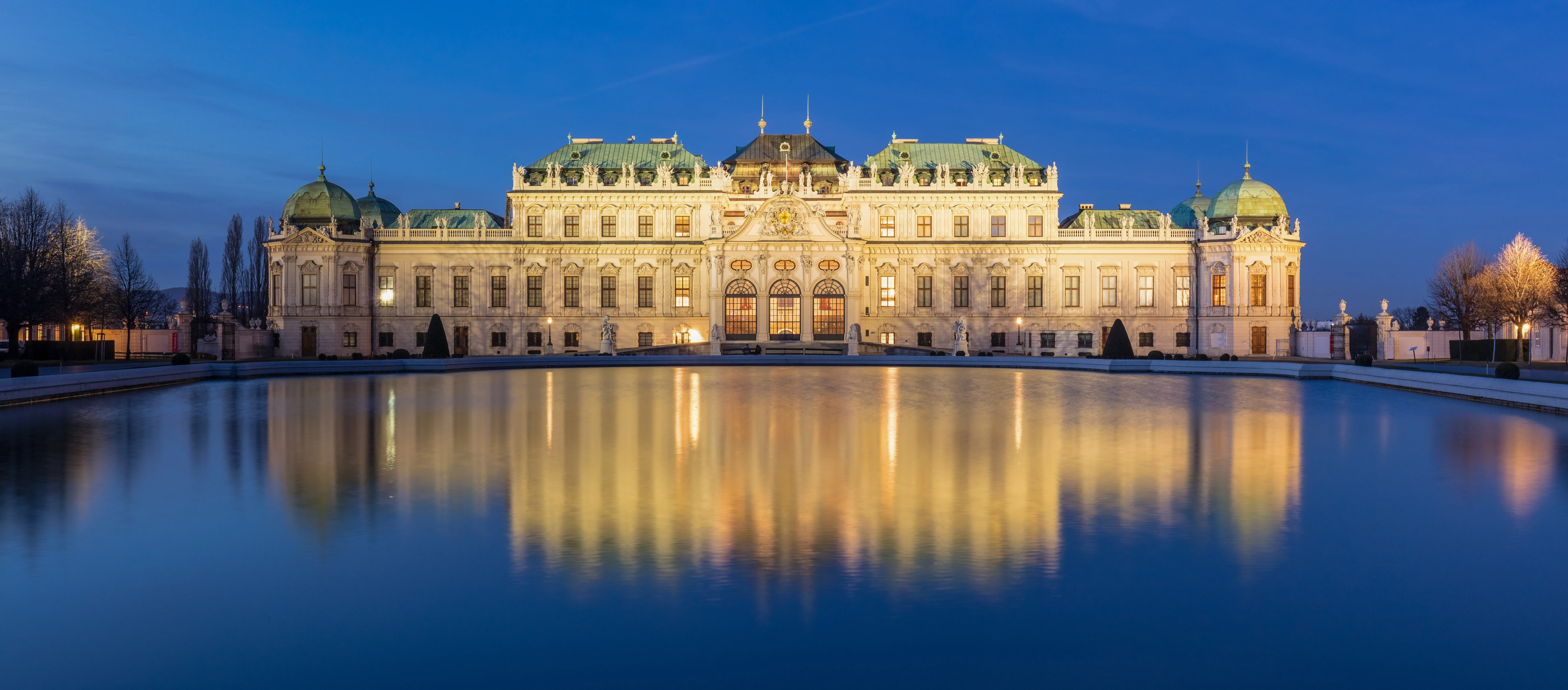
Belvedere palace at dusk with illuminated facade and reflection in water
Top exhibition picks at Belvedere
Curated museum program highlights and what to see now in Vienna
Discover high-interest exhibitions at Belvedere, selected to help you prioritize your route, compare show themes, and plan a more rewarding museum visit in Vienna.
Belvedere's Barockmuseum: Explore Permanent Baroque Art and Collection History
Permanent exhibition

Belvedere's Barockmuseum: Explore Permanent Baroque Art and Collection History

Discover significant 18th-century Austrian art and post-war cultural restoration.

Step into the Barockmuseum at Belvedere, reopened in 1953, to see exceptional Baroque artworks. Featuring masters like Messerschmidt and Troger, this collection highlights the museum's enduring commitment to Austrian cultural heritage. Access is generally included with regular museum admission.

Barockmuseum Exhibition
Discover the Barockmuseum in Lower Belvedere: An Enduring Collection of 18th-Century Art
Permanent exhibition

Discover the Barockmuseum in Lower Belvedere: An Enduring Collection of 18th-Century Art

Explore significant paintings and sculptures from the European Baroque era.

The Barockmuseum at the Belvedere presents a focused look at 18th-century art, featuring key works that illustrate the Baroque period. This continually expanding collection offers insights into its lasting artistic impact.

Barockmuseum Exhibition
Belvedere: Gallery of the Nineteenth Century Permanent Art Collection
Permanent exhibition

Belvedere: Gallery of the Nineteenth Century Permanent Art Collection

Showcasing significant artworks and art history from 1800s Vienna.

Explore the Belvedere's long-standing Gallery of the Nineteenth Century. This permanent collection, established in 1924, highlights key artistic developments and historical insights from the 19th century, featuring influential curatorial figures.

19th Century Gallery
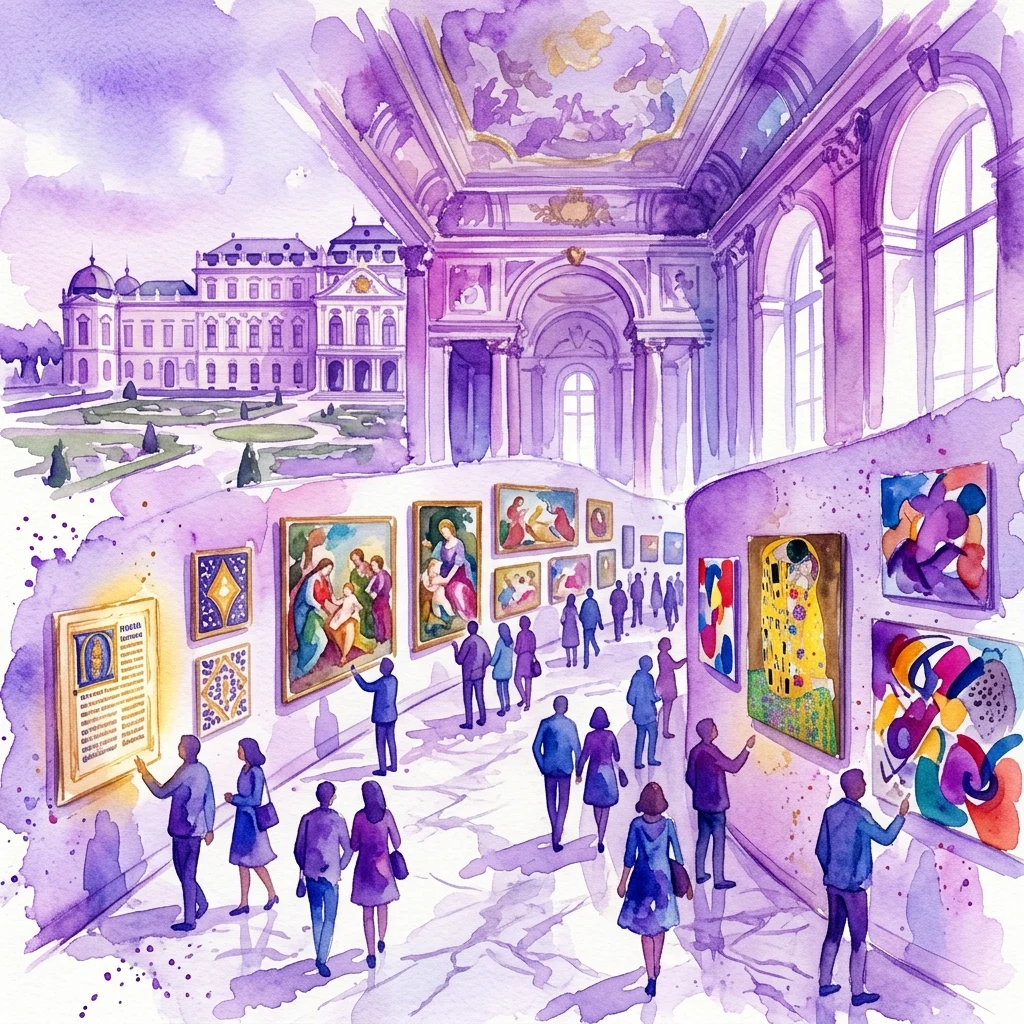
A watercolor illustration of the Belvedere Palace's interior gallery, showcasing a diverse collection of artworks from different eras, with visitors observing paintings including a prominent Klimt-style piece, set against the backdrop of the palace exterior.
Permanent exhibition

Discover Schau! The Belvedere Permanent Collection: 800 Years of Art and Society

Explore how self-portraits reveal changing artist identity through centuries.

This permanent exhibition at the Belvedere showcases art from the Middle Ages to the 1970s. It examines the interplay between artistic creation and societal shifts. Uncover insights into historical periods and artist's self-perception within the renowned collection.

View Exhibition
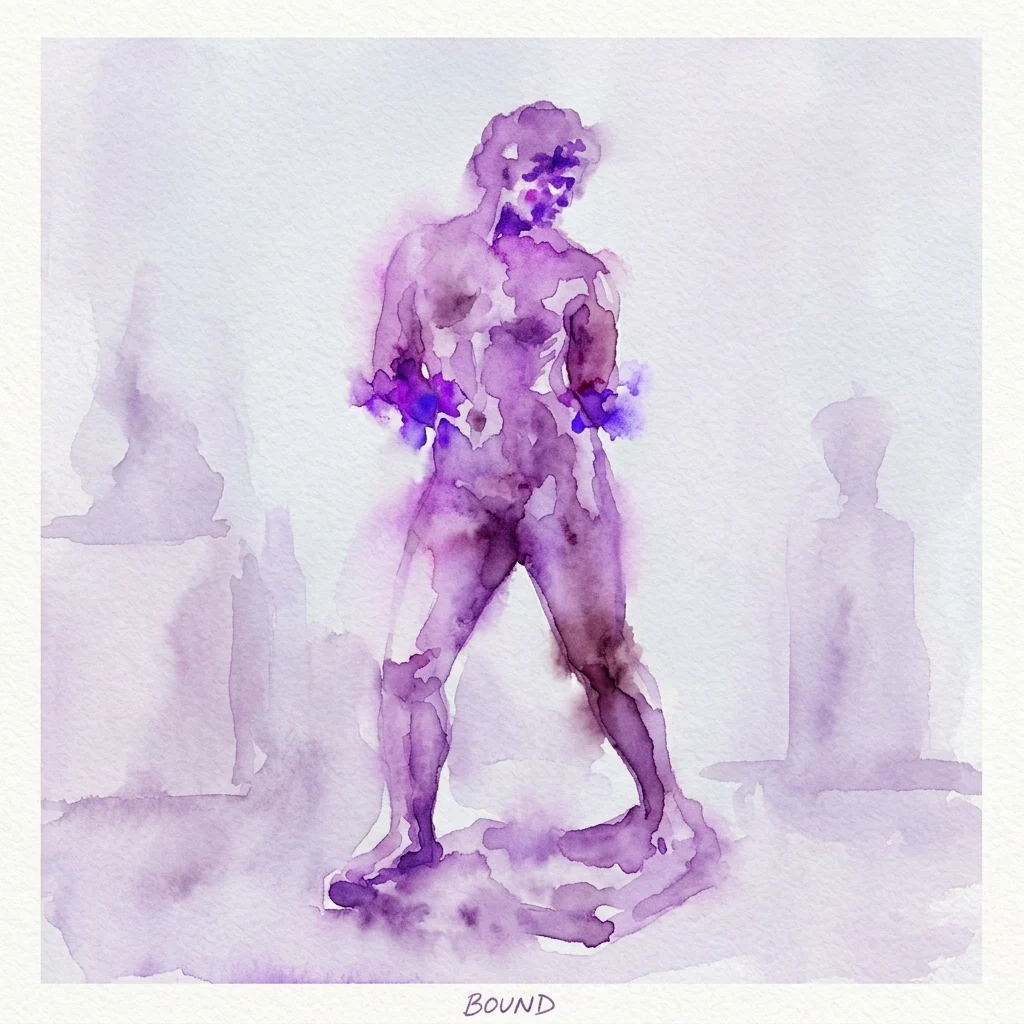
A watercolor artwork depicting a bound human figure in purple hues, conveying struggle and restraint, with the word 'BOUND' at the bottom.
Permanent exhibition

Action in Bondage: Aristide Maillol's Monumental Sculpture at Belvedere, Vienna

Explore this powerful bronze artwork from the 1905 collection.

Delve into the details of 'Action in Bondage,' Maillol's striking 1905 bronze. This permanent artwork in Vienna's Belvedere collection showcases a bound human figure, reflecting on struggle and classical influence. Learn about its historical significance and artistic themes.

Action in Bondage
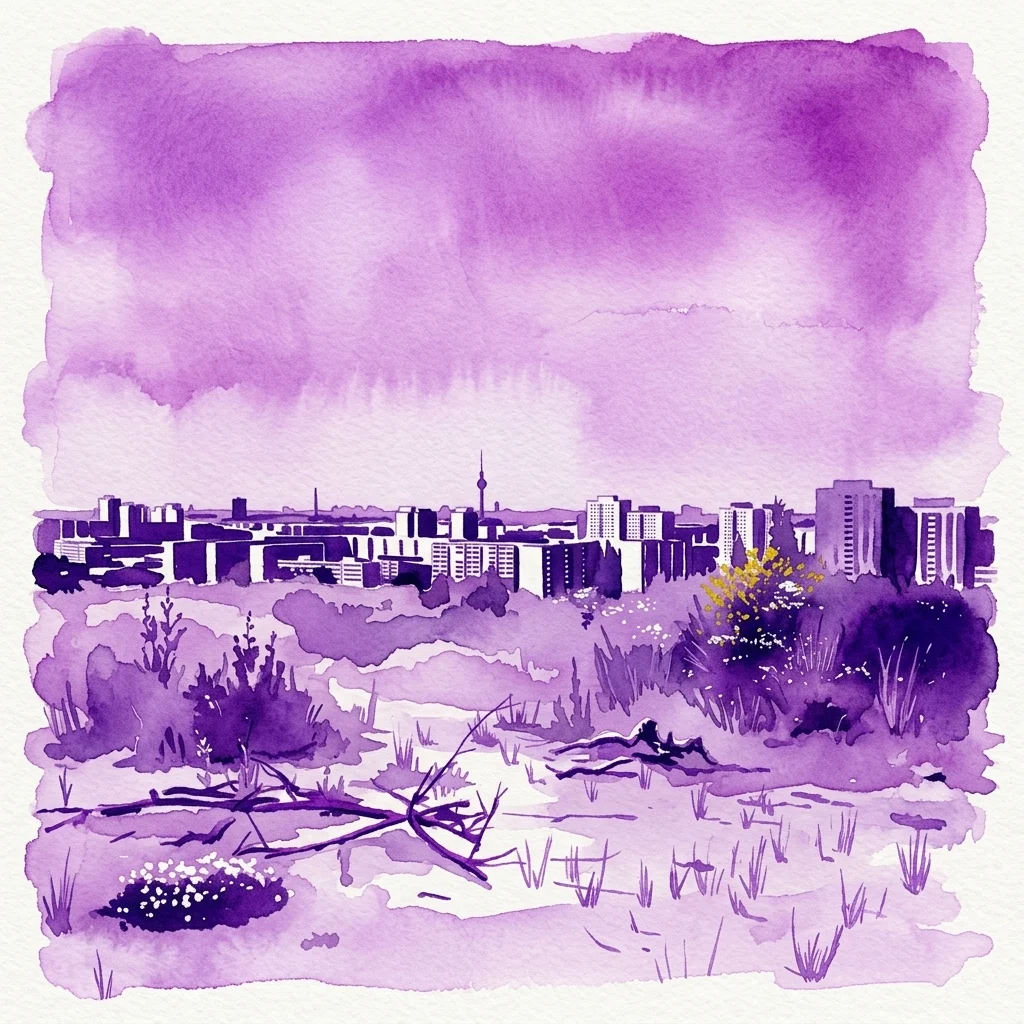
A purple watercolor painting of the Berlin-Marzahn skyline, featuring residential buildings and the Fernsehturm tower, with overgrown vegetation in the foreground.
Permanent exhibition

Explore BERLIN-MARZAHN: Lois Weinberger's Photography Exhibition at Belvedere

A captivating 1994 color photograph from the Belvedere's permanent collection.

Delve into "BERLIN-MARZAHN," a powerful 1994 color photograph by Austrian artist Lois Weinberger. This artwork, measuring 50 x 70 cm, offers insight into urban landscapes and 1990s photography. It's a key piece in the Belvedere's collection.

BERLIN-MARZAHN Exhibition
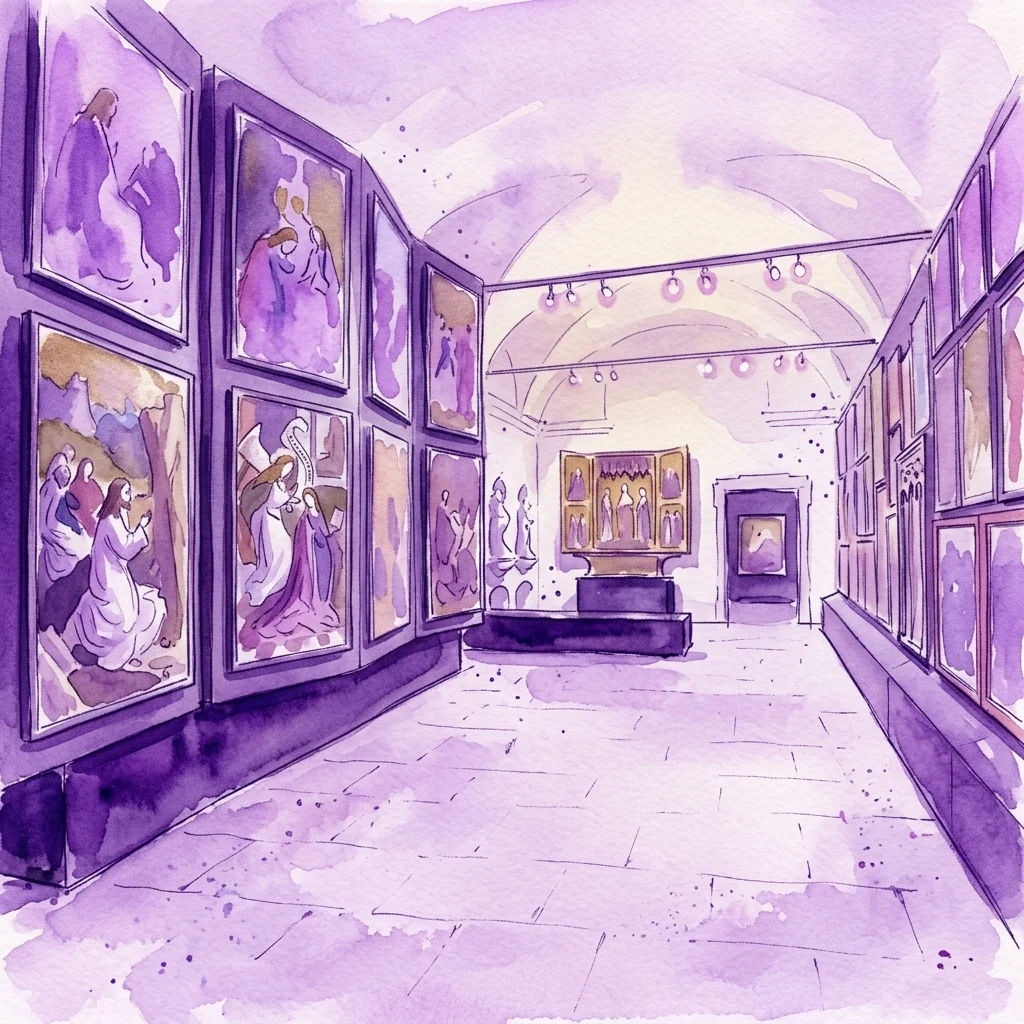
A watercolor illustration of the Gallery Middle Ages and Renaissance, showing a long gallery with arched ceilings, purple-hued walls, and religious artworks in frames, including panel paintings and sculptures.
Permanent exhibition

Gallery Middle Ages and Renaissance: Art from the 14th to 16th Centuries

Explore medieval and Renaissance masterpieces in the historic Palace Stables.

Journey through the Gallery Middle Ages and Renaissance at the Belvedere. This collection features magnificent artworks from the mid-fourteenth to early sixteenth century. Highlights include the iconic Salzburg Altar and works by master artists like Michael Pacher and Rueland Frueauf the Elder.

View Exhibition Details
Experience the Instructions for Happiness Exhibition at Belvedere
From Jul 8, 2017

Experience the Instructions for Happiness Exhibition at Belvedere

Interactive contemporary installations examining human interaction and joy.

Learn about a unique series of artistic interventions that encourage direct reflection on daily life. Explore how these conceptual works at Belvedere act as practical prompts for personal discovery.

View Exhibition Details

Belvedere's Historical Development

The Belvedere complex in Vienna was initially conceived as a grand **Baroque summer residence** for Prince Eugene of Savoy, with construction taking place between 1712 and 1723. Following its initial purpose, the Upper Belvedere transformed into one of the world's first public museums when the Imperial Picture Gallery was moved there in 1776 and opened to visitors in 1781. After the collapse of the Habsburg Monarchy in 1918, the complex was nationalized, leading to the reorganization of its art collections into the Austrian Gallery and Moderne Galerie, the latter establishing Austria's first state collection of modern art in 1903. Despite suffering damage during World War II, the Belvedere underwent significant restoration and reopened in the 1950s, continuing its legacy as a major art institution.

  • Construction of Belvedere began

    1712-1716Founding

    Construction of the Lower Belvedere commenced by 1712, with Prince Eugene submitting a request for building inspection on July 5, 1713. Work progressed rapidly, and the Spanish Flanders ambassador visited the site in April 1716.

  • Architect Johann Lukas von Hildebrandt designed Belvedere

    Architecture

    Prince Eugene of Savoy chose Johann Lukas von Hildebrandt as the chief architect for the Belvedere project, rather than Johann Bernhard Fischer von Erlach. Hildebrandt, who had studied under Carlo Fontana in Rome and gained experience in fortifications, also designed other notable edifices for Prince Eugene.

  • Lower Belvedere construction and decoration

    1712-1717Architecture

    Construction of the Lower Belvedere began by 1712. Marcantonio Chiarini began painting the quadratura in the central hall in 1715, and Dominique Girard significantly altered the garden plans between January and May 1717.

  • Upper Belvedere construction completed

    1723Architecture

    Construction of the Upper Belvedere began in 1717, and the building was finished in 1723. Interior decoration also commenced early, with commissions for altarpieces and frescoes.

  • Belvedere built as a summer residence

    1712-1723Overview

    The Baroque palace complex was constructed between 1712 and 1723 as a summer residence for Prince Eugene of Savoy, situated on the south-eastern edge of Vienna.

  • Maria Theresa purchases Belvedere estate

    1752Ownership

    After Prince Eugene's death and a period of inheritance disputes, Maria Theresa purchased the Belvedere estate in November 1752. The imperial couple, however, never moved into the Gartenpalais.

  • Imperial Picture Gallery moved to Upper Belvedere

    1776Collection

    In 1776, Maria Theresa and Emperor Joseph II decided to transfer the Imperial Picture Gallery from the Imperial Stables to the Upper Belvedere, with the intention of making the collection accessible to the public.

  • Upper Belvedere opens as a public museum

    1781Opening

    The Imperial Picture Gallery in the Upper Belvedere opened to the public five years after its transfer in 1776, making it one of the first public museums in the world.

  • Ambras Castle collection moved to Lower Belvedere

    1811Collection

    Following the cession of Tyrol to Bavaria in 1805, the imperial collection from Ambras Castle was moved to the Lower Belvedere by decree of Emperor Francis II in 1811, as it was too small for the collection.

  • Egyptian Antiquities and Antiquities Room added to Lower Belvedere

    1833Collection

    From 1833 onwards, the Collection of Egyptian Antiquities and the Antiquities Room were added to the Ambras Collection in the Lower Belvedere, under the directorship of Moritz, Count of Dietrichstein-Proskau-Leslie.

  • Imperial collections transferred to Kunsthistorisches Museum

    1888-1889Relocation

    The Lower Belvedere's function as a museum largely continued until the imperial collections were transferred to the newly built Kunsthistorisches Museum on Vienna's Ringstrasse in 1888–89.

  • Upper Belvedere designated as Franz Ferdinand's residence

    1896Ownership

    In 1896, Emperor Franz Joseph I decided that the Upper Belvedere should serve as the official residence for the heir to the throne, Archduke Franz Ferdinand, who had the palace remodeled.

  • Moderne Galerie opens in Lower Belvedere

    1903Opening

    The Moderne Galerie, Austria's first state collection exclusively dedicated to modern art, opened on May 2, 1903, in the Lower Belvedere, driven by the instigation of the Vienna Secession.

  • Moderne Galerie renamed k.u.k. Staatsgalerie

    1911Milestone

    In 1911, the Moderne Galerie was renamed the k.u.k. Staatsgalerie after its focus was expanded beyond modern art to include works from earlier eras.

  • Belvedere nationalized after Habsburg Monarchy collapse

    1918Overview

    Following the collapse of the Habsburg Monarchy in 1918, the Belvedere palace complex was nationalized, and its art collections were reorganized into the Austrian Gallery and Moderne Galerie.

  • Baroque Museum added to Belvedere ensemble

    1921-1923Milestone

    During the 1921–23 reorganization, the Baroque Museum was added to the existing museum ensemble in the Lower Belvedere.

  • Moderne Galerie opens in Orangery

    1929Opening

    The Moderne Galerie was opened in the Orangery in 1929, continuing its role as a venue for modern and international art.

  • Belvedere palaces damaged during WWII and restored

    1945-1953Renovation

    The Belvedere palaces suffered considerable damage during World War II, with parts of the Marble Hall and Hall of Grotesques destroyed. Postwar restoration efforts extended from 1945 to 1953.

  • Fire damages Upper Belvedere

    1950Renovation

    In 1950, a major fire in the Golden Chamber on the upper floor of the Upper Belvedere destroyed several important rooms and artworks.

  • Österreichische Galerie reopens

    1953Opening

    The Österreichische Galerie reopened its doors on February 4, 1953, following postwar restoration efforts.

  • Museum of Medieval Austrian Art opens

    1953Opening

    The Museum of Medieval Austrian Art opened in the Orangery on December 5, 1953, expanding the museum offerings.

  • Egon Schiele's 'Four Trees' restitution recommended

    2020Collection

    On March 20, 2020, the Austrian Advisory Commission recommended the restitution of Egon Schiele's painting 'Four Trees' to the heirs of Alice Morgenstern, who claimed it was looted.

  • Munch's 'Summer Night at the Beach' returned to Mahler heir

    2006Collection

    In November 2006, after over fifty years of legal disputes, Edvard Munch's 'Summer Night at the Beach' was ruled to be returned to Marina Fistoulari-Mahler, heir of Alma Mahler.

  • Five Gustav Klimt paintings returned to Bloch-Bauer heirs

    2006Collection

    In 2006, Austria returned five paintings by Gustav Klimt, including portraits of Adele Bloch-Bauer, from the Belvedere to the heirs of the original owners, following legal disputes.

  • Klimt's 'Amalie Zuckerkandl' ruled not looted

    2006Collection

    In 2006, an Austrian arbitration panel decided that Gustav Klimt's portrait of 'Amalie Zuckerkandl' was not looted by the Nazis and did not need to be restored to the heirs.

  • Egon Schiele's 'Portrait of Wally' returned to Belvedere

    1945-2012Collection

    Egon Schiele's 'Portrait of Wally', confiscated by the Nazis in 1939, was mistakenly returned to the Belvedere Museum after World War II as part of another dealer's collection.

  • Wilhelm Leibl painting restored to Liebermann heirs

    2014Collection

    In 2014, the Belvedere was ordered to restore Wilhelm Leibl's 'Farmer's Kitchen / Kitchen Interior' to the heirs of Martha Liebermann, due to Nazi persecution.

  • Belvedere Garden added to World Monuments Fund Watch List

    1996Renovation

    In 1996, the World Monuments Fund highlighted the disrepair of the Belvedere Garden and noted inadequate postwar restorations affecting the 'sala terrena' and grand staircase.

  • Restoration returns gardens to Baroque character

    1990-1999Renovation

    Multiple restoration plans in the late 1990s modernized the nation's museums, returning the Belvedere gardens to their original Baroque character and significantly renovating the 'sala terrena' and grand staircase.

  • Orangery adapted into exhibition hall

    2007Renovation

    Architect Susanne Zottl transformed the Orangery into a modern exhibition hall, preserving its original Baroque fabric. This venue opened in March 2007.

  • Lower Belvedere redesigned and reopened

    2007Renovation

    The Lower Belvedere was redesigned by architect Wilfried Kuehn, moving the entrance back to the cour d'honneur. It reopened with a new exhibition a few months after the Orangery venue.

Belvedere FAQs: Your Curiosities Answered

Curious about your visit to Belvedere? Our FAQ section covers everything from practical details like accessibility and group reservations to those unique questions, such as permission for wedding photoshoots in the palace garden. Discover clear answers and plan your perfect visit to this magnificent Vienna landmark.

Where can I find details about programs for children and families at Belvedere?

Information regarding programs specifically designed for kids and families at Belvedere can be found on the Kids and Families section of the official website.

Is there an admission fee for adults attending family workshops at Belvedere?

Admission to family workshops at Belvedere is included in the event ticket. An accompanying adult is required for every three children attending the workshop.

Can visitors borrow wheelchairs at Belvedere?

Yes, wheelchairs are available free of charge at all Belvedere locations for visitors who need them during their visit.

Are there any discounts available for Belvedere family workshops?

Discounts for family workshops are available through reduced wienXtra rates and Kulturpass if you present a valid kinderaktivcard. Gold Pass holders and Friends of the Belvedere do not receive a discount.

Practical Visitor Tips for Belvedere

To ensure a smooth experience at the Belvedere complex in Vienna, it is advisable to purchase your tickets online, as valid time slot tickets are required for entry to the Upper and Lower Belvedere, and Belvedere 21 requires a day-specific ticket. Holders of specific passes, such as the Belvedere Gold Pass, Vienna Pass, or ICOM Membership Card, can often proceed directly to the entrance without pre-booking a time slot, provided they present valid identification. For visitors interested in deeper insights, audio guides are available for a rental fee, and bringing your own standard 3.5 mm headphones is recommended for personal use. The venues offer accessible facilities, including step-free entrances, elevators, and accessible toilets, with wheelchairs readily available at cloakrooms for visitor convenience.

Belvedere Visitor Experience and Accessibility

Belvedere is well-suited for visitors interested in art, history, architecture, and design, covering a broad span from the Middle Ages to contemporary works. The complex in Vienna accommodates group visits and offers specialized tours, including options for visually impaired guests and those using sign language. Much of the venue is designed with accessibility in mind, featuring step-free entrances, elevators, accessible toilets, and available wheelchairs within the buildings. However, visitors with mobility needs should note that the pathway connecting the Upper and Lower Belvedere through the park is not barrier-free. Tactile replicas and Braille information are also available to enhance the visitor experience.

Belvedere Gallery Visuals

Explore the visual splendor of Belvedere, showcasing its grand Baroque architecture and historic gardens in Vienna. Discover imagery reflecting 800 years of Austrian art, from masterpieces of Viennese Modernism, including works by Gustav Klimt, to contemporary expressions. The collection of photos offers a glimpse into the diverse artistic and historical experience awaiting visitors.
Belvedere palace at dusk with illuminated facade and reflection in water
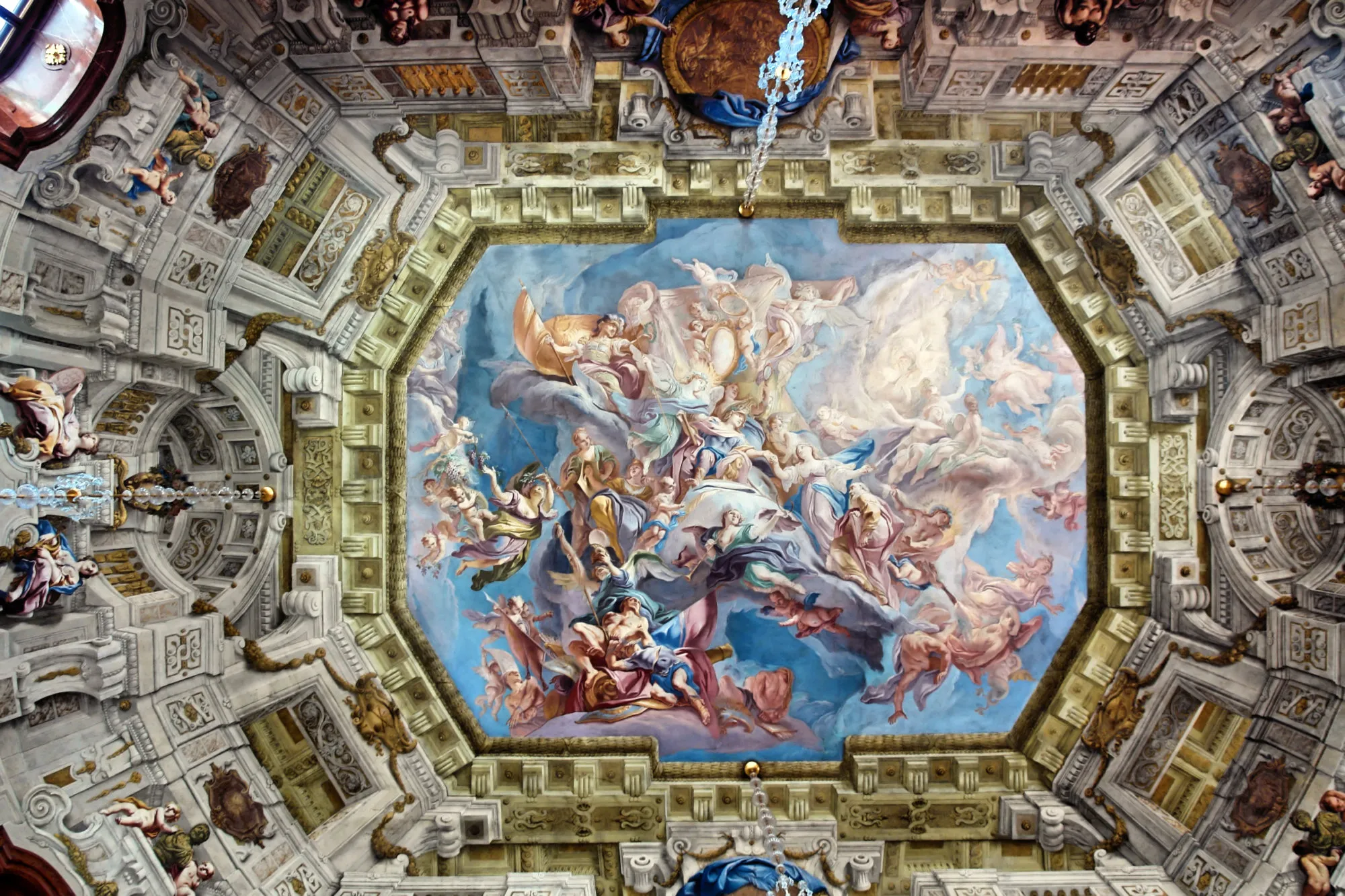
Baroque fresco on the ceiling of a grand hall, showing figures in a celestial scene with clouds and angels, surrounded by ornate architectural elements and stucco work.
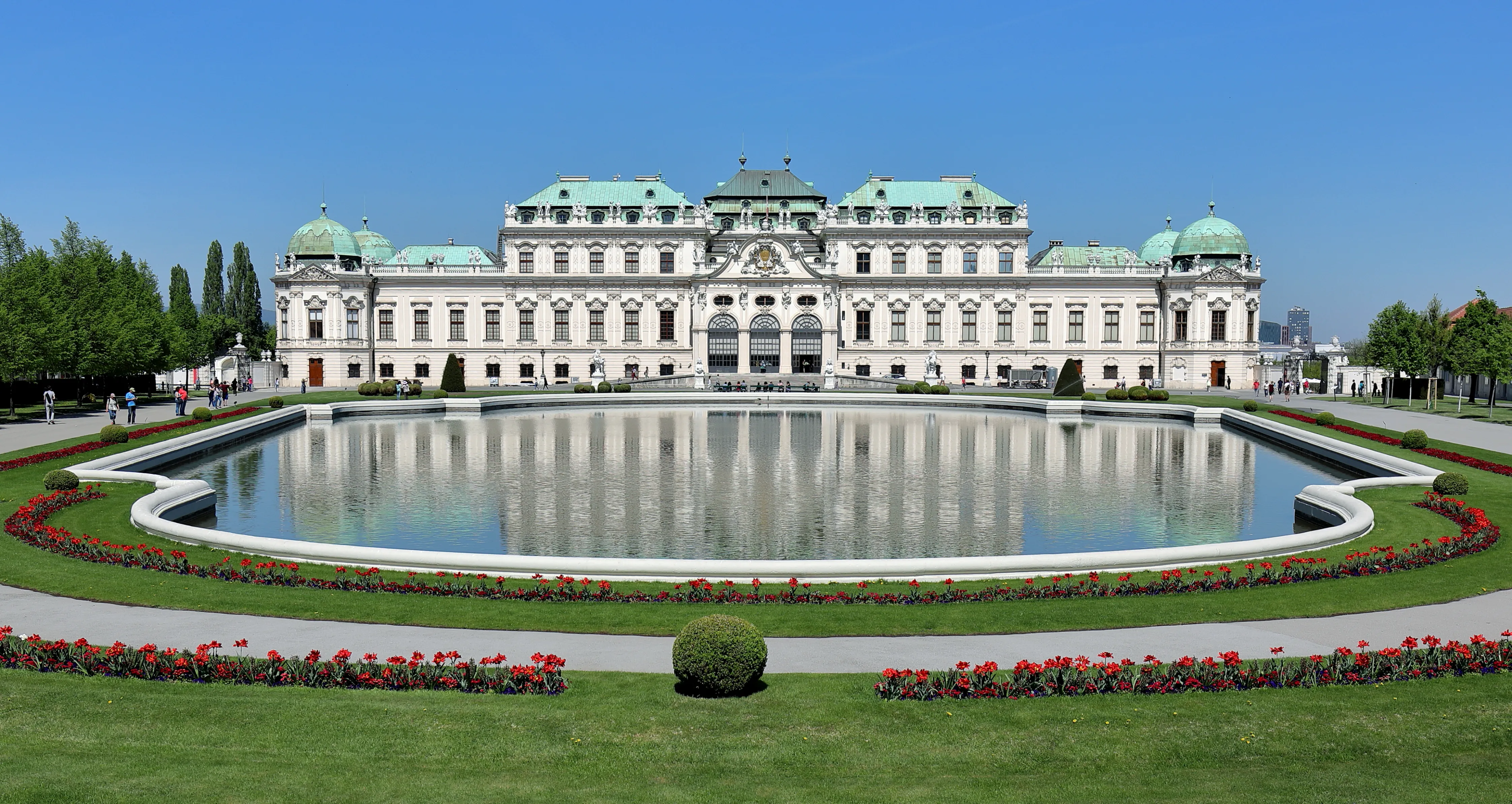
Belvedere Palace with a large reflecting pool, green lawns, and red flowers in front of a white baroque building with green domes under a blue sky
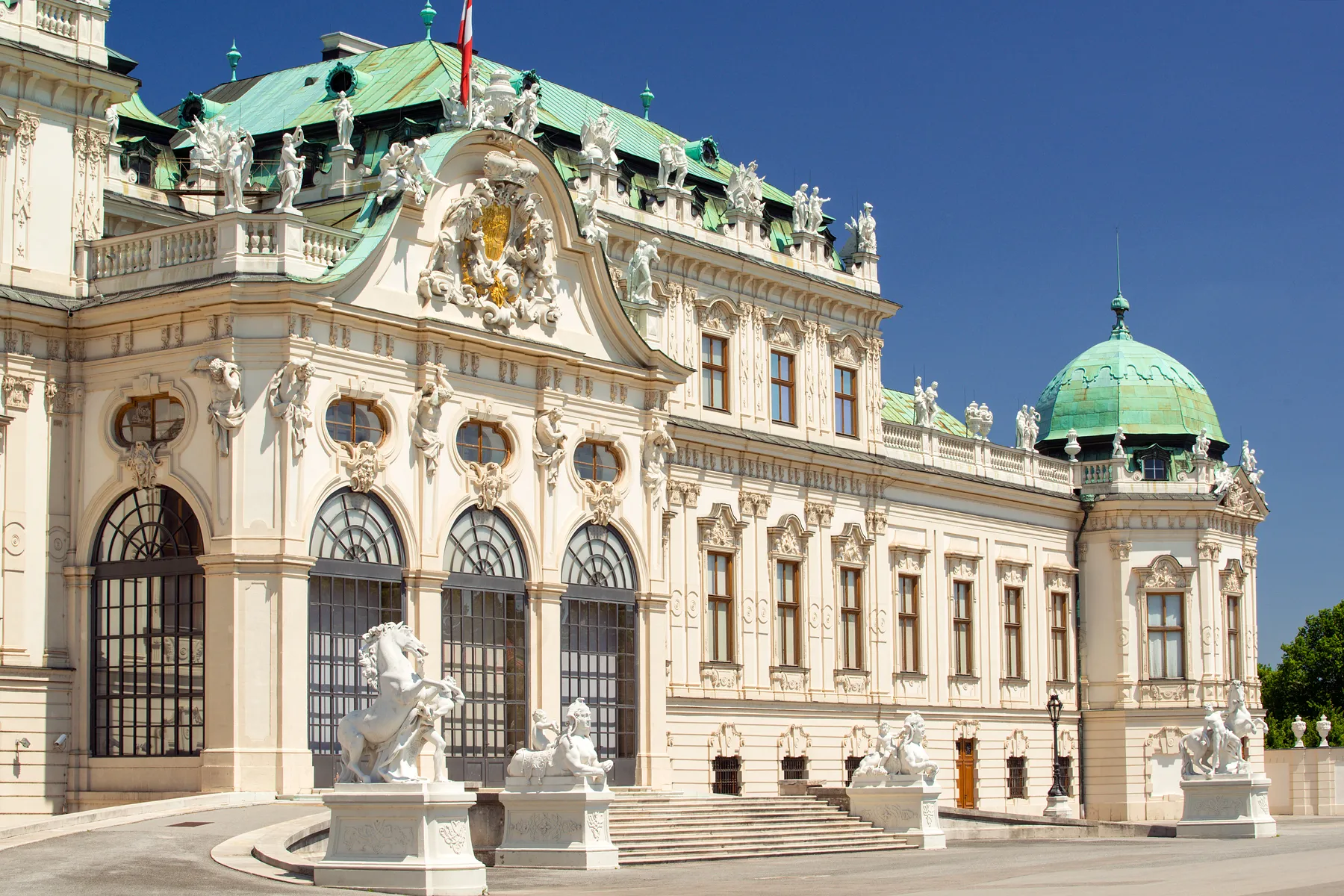
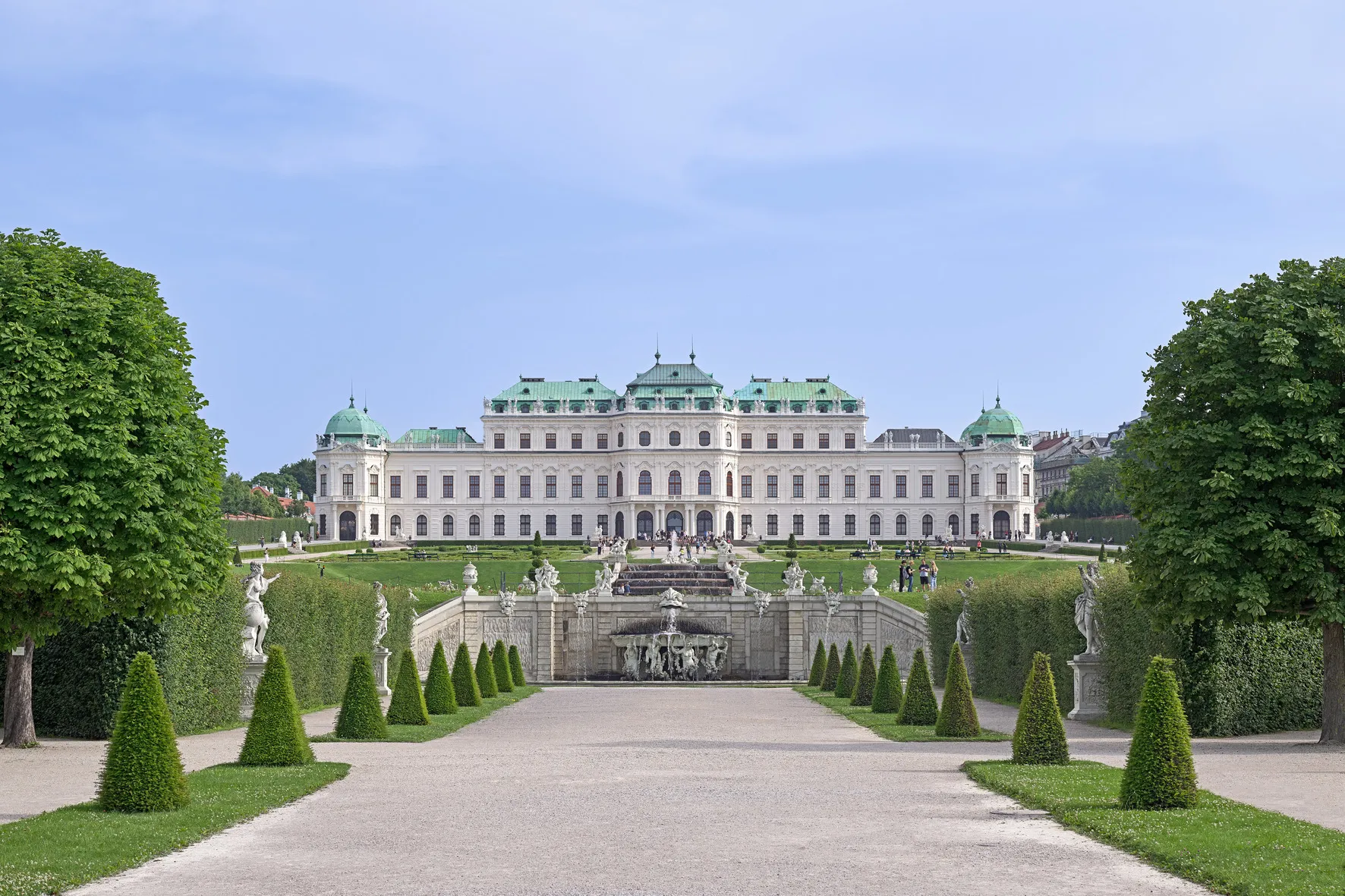
Grand baroque palace with green copper roofs, white stone facade, and statues at the entrance under a blue sky
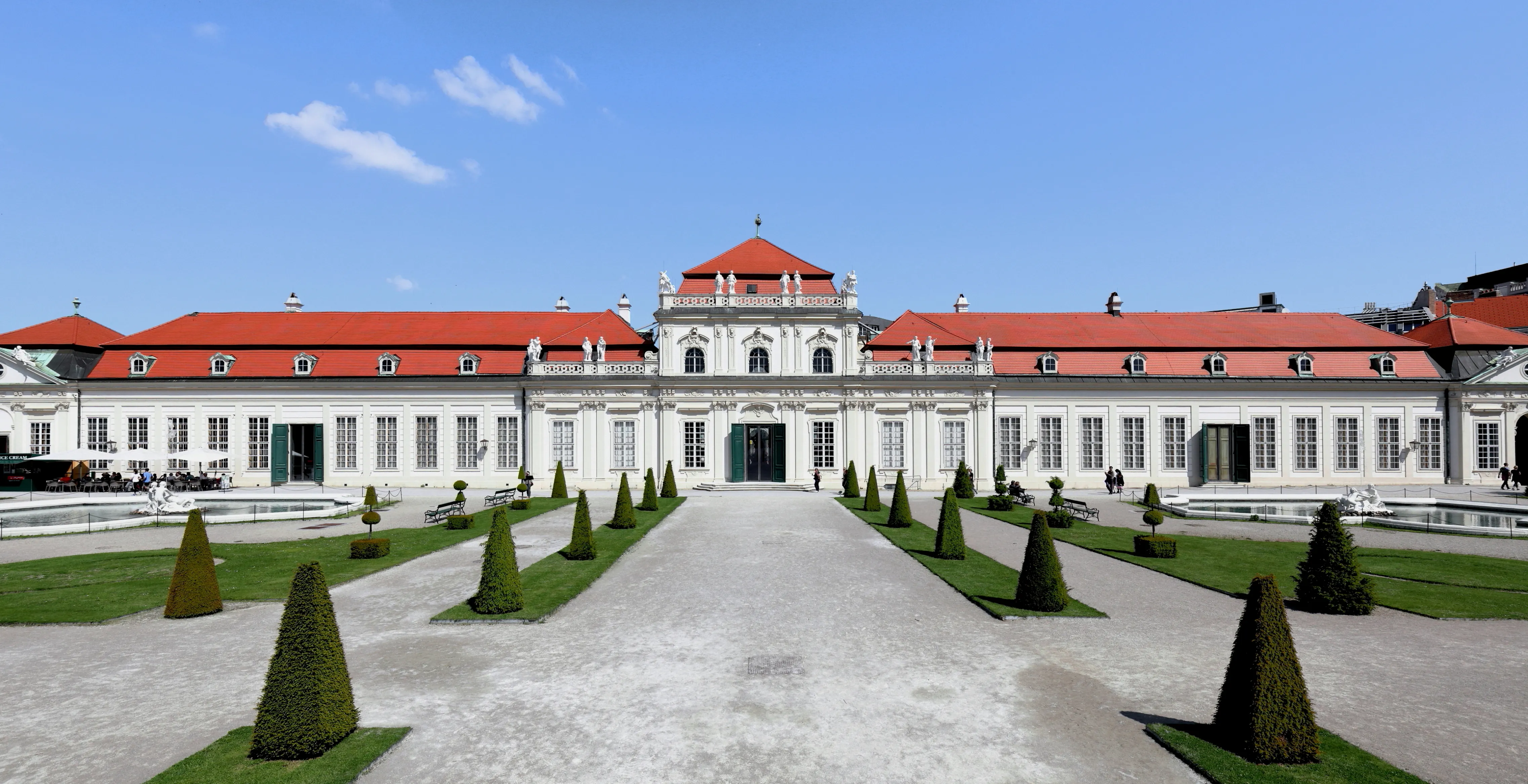
White palace with red roof and symmetrical gardens under blue sky
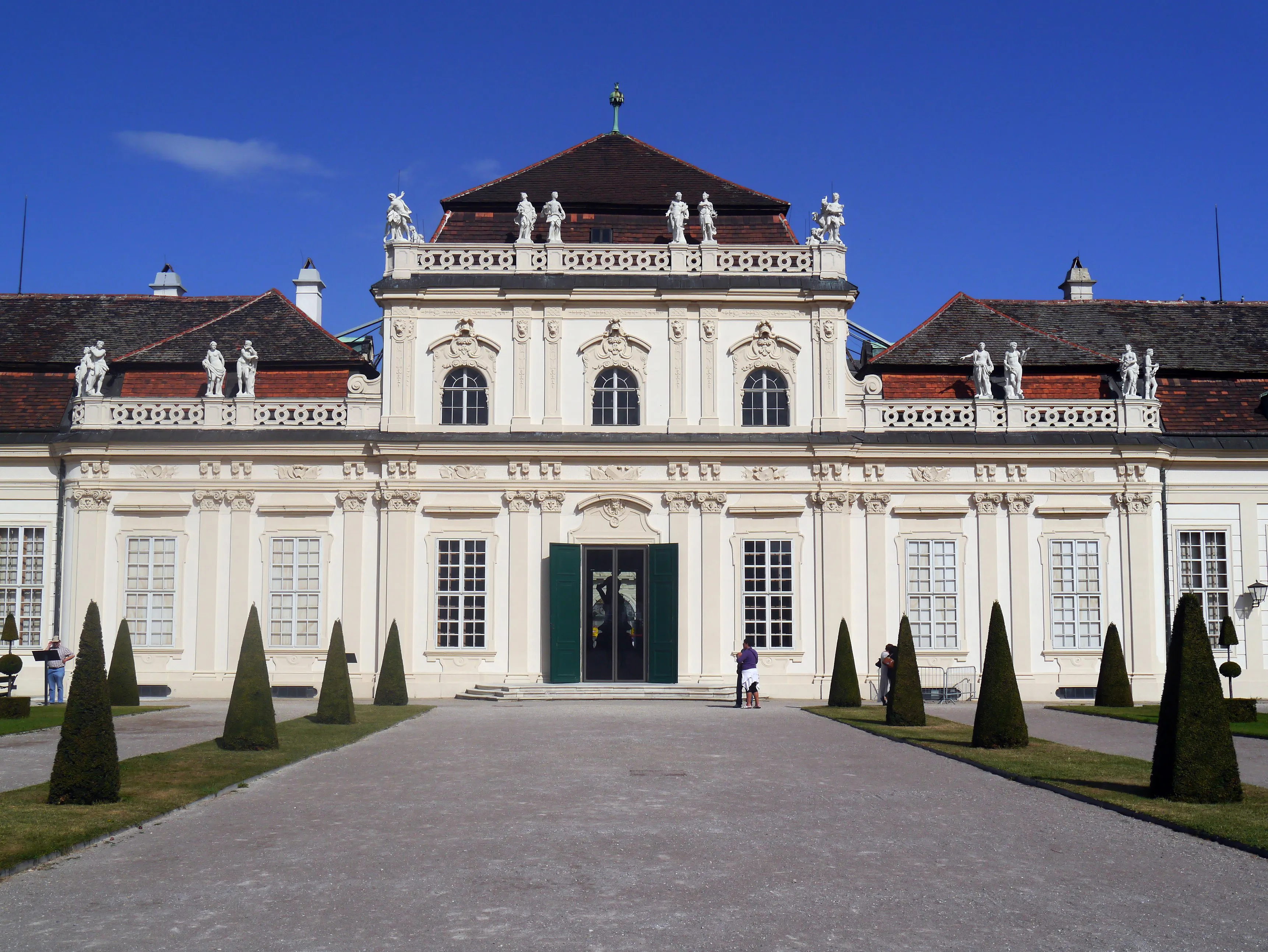
White baroque palace with green doors and a central entrance, flanked by manicured hedges and a paved courtyard under a blue sky.
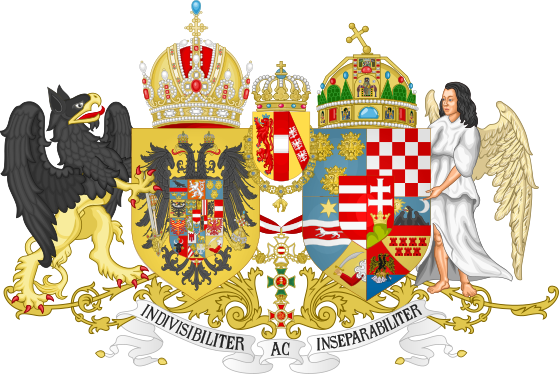
Coat of arms of Austria-Hungary with multiple heraldic shields, crowns, an eagle, and an angel on a black background
Aerial view of Belvedere palace and formal gardens with red-roofed buildings and green lawns
Belvedere Palace with green domes and white facade, surrounded by manicured gardens and a central fountain.
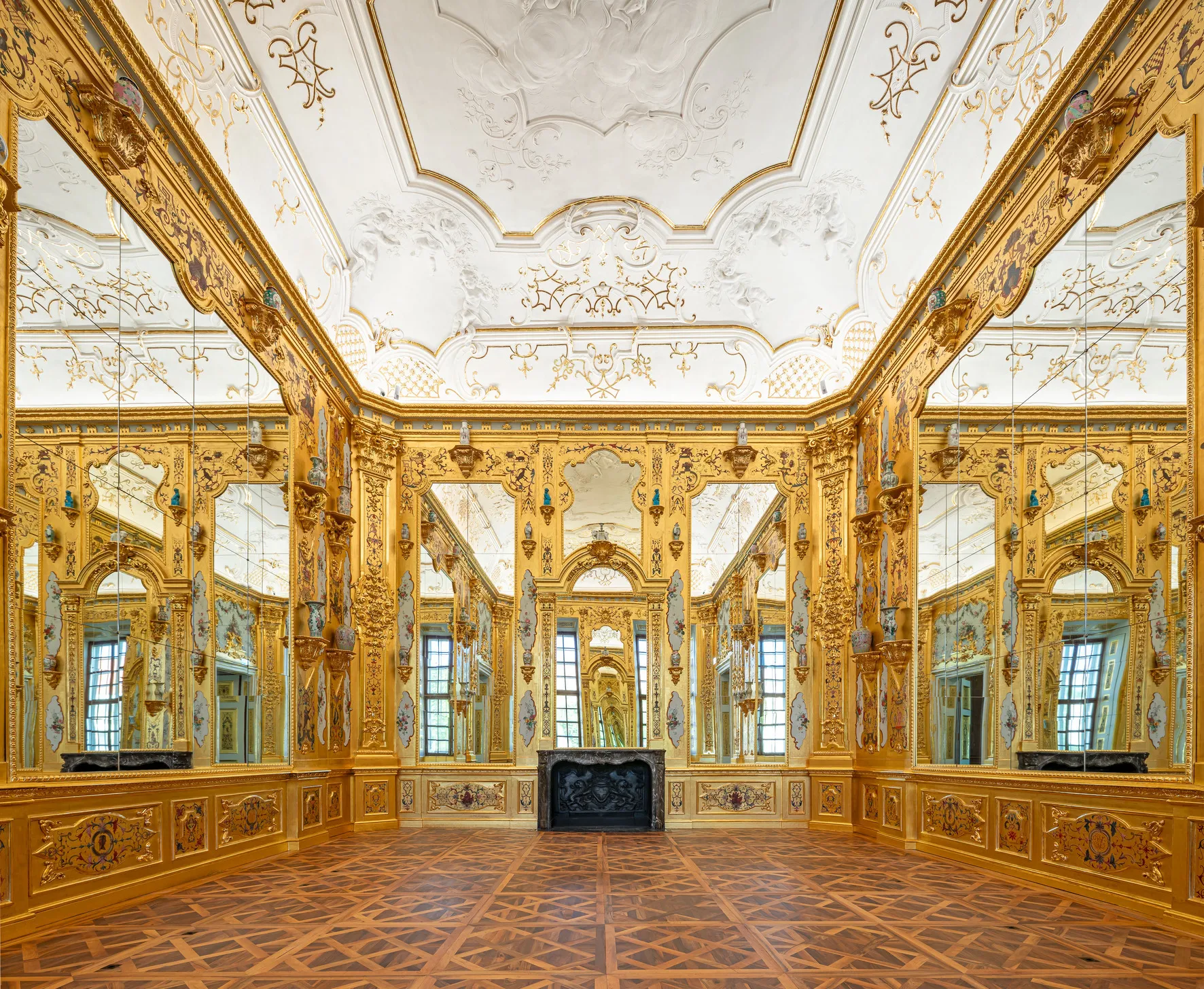
Ornate baroque room with gold-leaf walls, mirrors, and a decorated ceiling at the Belvedere palace
Vienna

Find Museums in Vienna: Discover Cultural Sites by Interest and Theme

Uncover Vienna's rich artistic legacy, history, and scientific collections.

Explore the depth of Vienna's cultural offerings and discover institutions by what truly interests you. Whether it's historical landmarks, fine art, or specialized topics, easily locate your next memorable experience.

Explore Belvedere with Vienna
Guides, visitor info, and museum details in Vienna
Find everything about Belvedere in one place, including tickets, opening hours, current exhibitions, location details, visitor tips, nearby attractions, and the latest museum updates. Use these pages to plan your visit, discover what to see, and get practical information before you go.
Discover nearby museums similar to Belvedere in Vienna and plan your next cultural stop with confidence.
These recommendations prioritize real proximity to Belvedere and help you find high-fit alternatives faster across Vienna.
Use this curated list to compare museums near Belvedere without opening multiple search pages. Each card gives you fast visual context and direct access to key details so you can decide quickly. If you are building a full day in Vienna, this section helps you chain nearby visits with less planning effort.