Vienna
Military History · Vienna Arsenal

Museum of Military History, Vienna

A comprehensive look at Austria's military heritage and pivotal moments.

History

Discover the rich history of military conflicts and defense through extensive collections. Visitors can explore various exhibition halls showcasing artifacts and narratives from past eras.

The Museum of Military History presents a comprehensive overview of military developments and armed conflicts, featuring diverse artifacts.
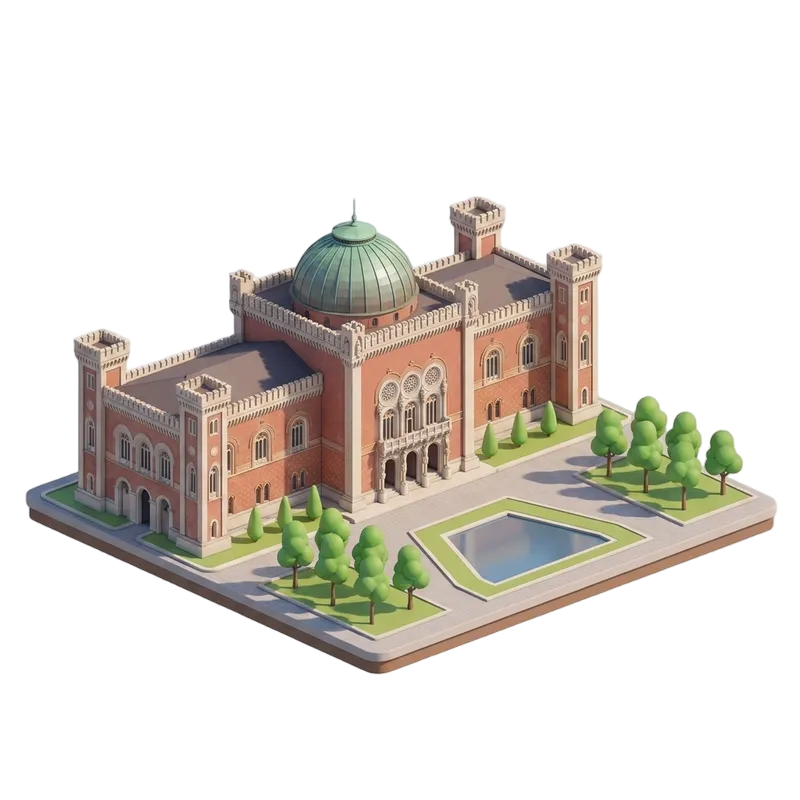
Museum of Military History
About the Museum of Military History

The Museum of Military History in Vienna is dedicated to preserving and presenting the extensive history of military affairs. It offers a comprehensive overview of military developments and armed conflicts across various epochs. Visitors can explore detailed exhibitions showcasing diverse artifacts, including historical weaponry, uniforms, and equipment. The museum provides insight into military technology, strategies, and the human experiences of war, tracing the evolution of defense through centuries.
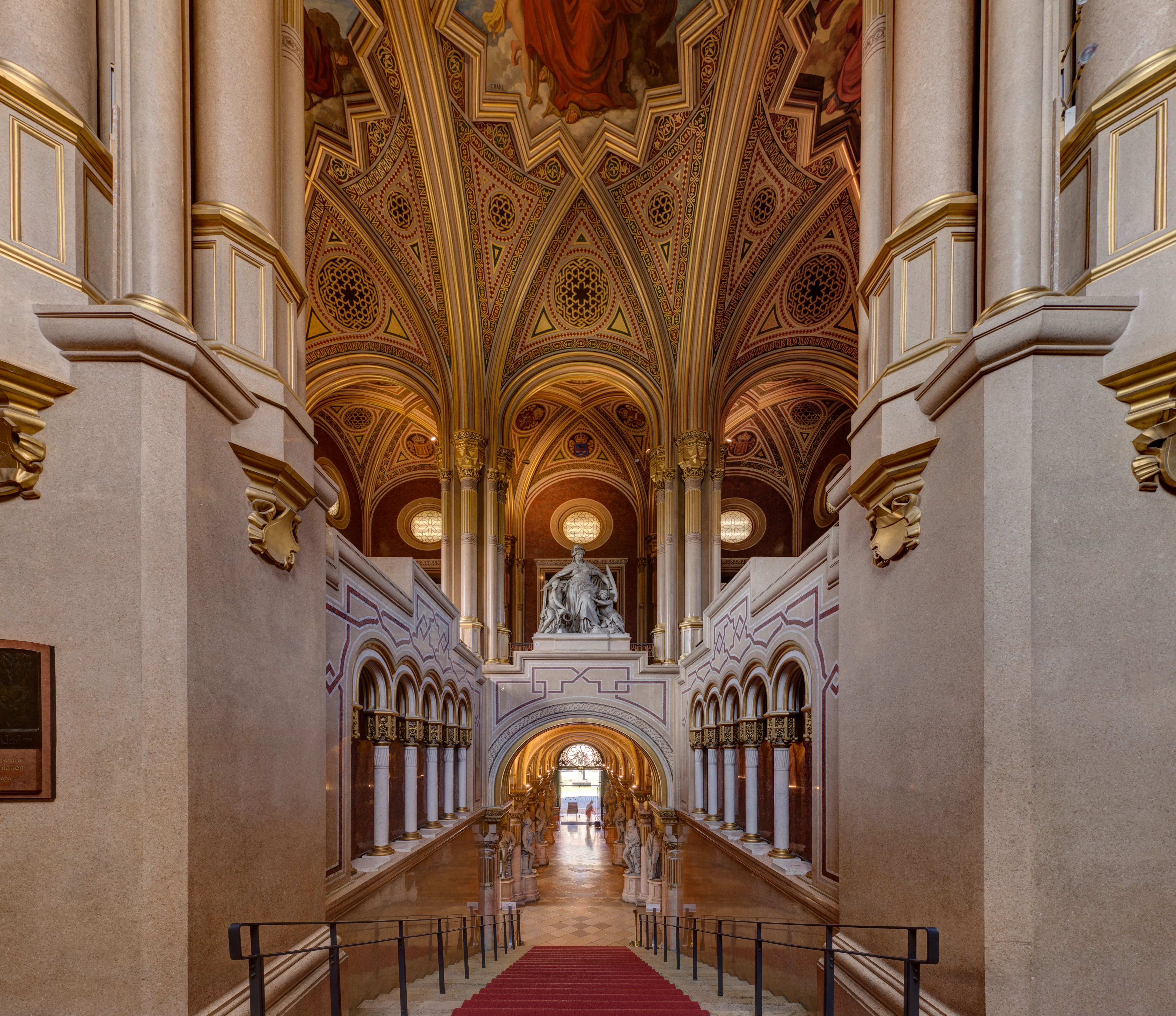
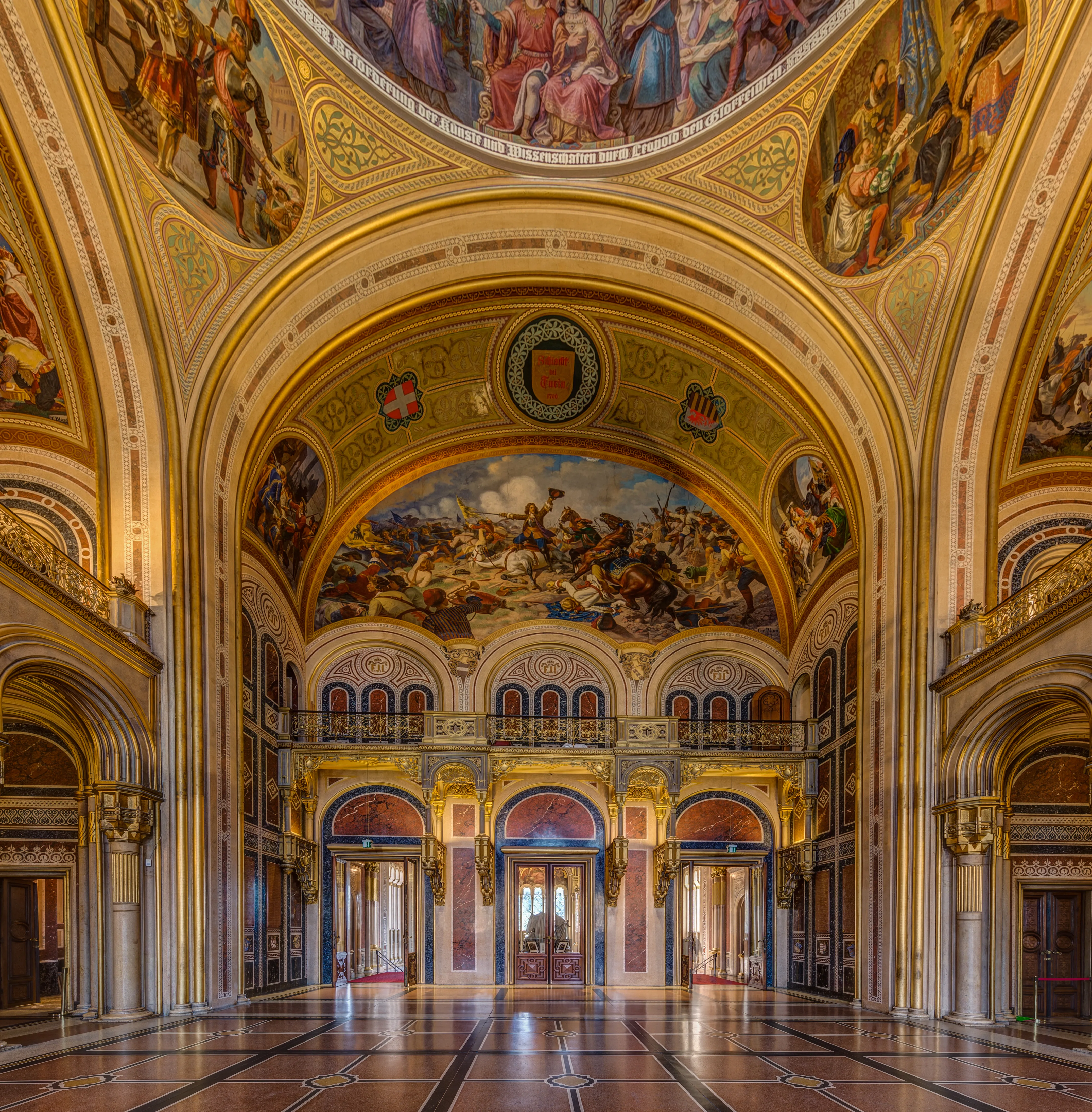
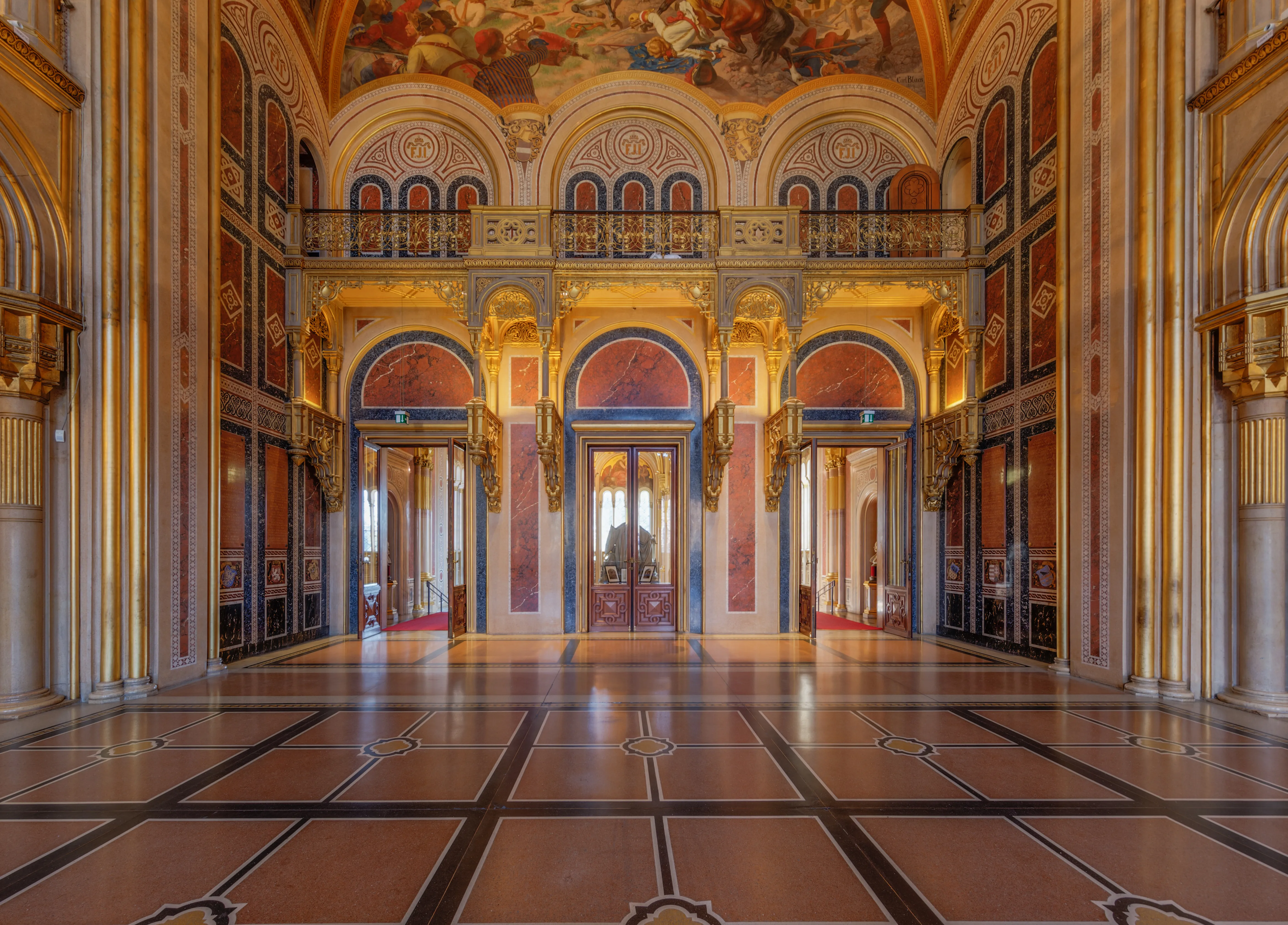
Grand staircase with red carpet leading to a statue under ornate arched ceilings with gold details
Museum of Military History opening hours in Vienna

Check today’s opening status, weekly schedule, and special date changes for Museum of Military History. Use these opening hours to plan your arrival and avoid closed times in Vienna.

Monday
Tuesday
Wednesday
Thursday
Friday
Saturday
Sunday
-
09:00-17:00
09:00-17:00
09:00-17:00
09:00-17:00
09:00-17:00
09:00-17:00
Museum of Military History Admission and Tickets

Admission to the Museum of Military History includes various ticket options, with free entry available for children and youth up to 19 years old. The museum also offers free admission for all visitors on the first Sunday of every month and on Austria's National Holiday, October 26th. Reduced admission is available for students, seniors, people with disabilities, and groups of nine or more, requiring valid identification. Guided tour tickets are also offered separately, and an audioguide for download is included with general admission.

Full Price
€3.50

Includes audio guide download

Reduced Admission
€2.50

Students, people with disabilities, seniors (60+), Lower Austrian family pass holders, Vienna City Pass customers, groups of 9 or more Valid ID required for relevant categories

Weekend Tour Ticket
€4.00

Required for participation in weekend tours

Visitor Amenities at the Museum of Military History

The Museum of Military History provides a range of facilities designed to support an accessible visitor experience. Guests can utilize step-free entrance access and elevators, with all museum halls designed to be wheelchair accessible. Additional amenities include dedicated accessible toilets, an inductive hearing system, and convenient baby changing stations throughout the venue.

Accessible toilets

Available

inductive hearing system

Available

elevator

Available

outside ramp at main entrance

Available
Museum of Military History pass access

Visitors can access the Museum of Military History in Vienna using select sightseeing passes. Access conditions vary by individual card, so please review the specific terms associated with your chosen pass to understand inclusion details for the permanent collection and exhibits.

Museum of Military History in Vienna

The Museum of Military History is located at Arsenal 1 in Vienna, within the city's 1030 postal code area. Situated within the historic Arsenal complex, this provides visitors with a relevant and distinct historical backdrop as they explore the museum's comprehensive overview of military developments and conflicts. Its central Vienna location makes it a key cultural spot for those interested in Austria's military history.

© OpenStreetMap contributors

Arsenal 1

1030 Vienna

Vienna, AT

Planning Your Visit to the Museum of Military History

When planning your visit to the Museum of Military History in Vienna, you can typically expect to spend between two to three hours exploring its extensive collections and exhibits. The museum offers parking facilities, which can be convenient for visitors arriving by car. Allow sufficient time to fully engage with the various sections, ensuring a comprehensive experience at your own pace.

Planning Your Visit to the Museum of Military History

Military History Exhibitions in Vienna

The Museum of Military History in Vienna is dedicated to preserving and presenting the extensive history of military affairs. Visitors explore comprehensive exhibitions tracing the evolution of defense, armed forces, and significant conflicts across various epochs. The collections offer insight into military technology, strategies, and the human experiences of war, featuring a wide array of historical weaponry, uniforms, and equipment. Guests engage with detailed displays illustrating significant battles and military innovations, walking through halls dedicated to specific conflicts. These exhibits showcase how military technology and tactics have evolved over time, including specialized aviation displays.
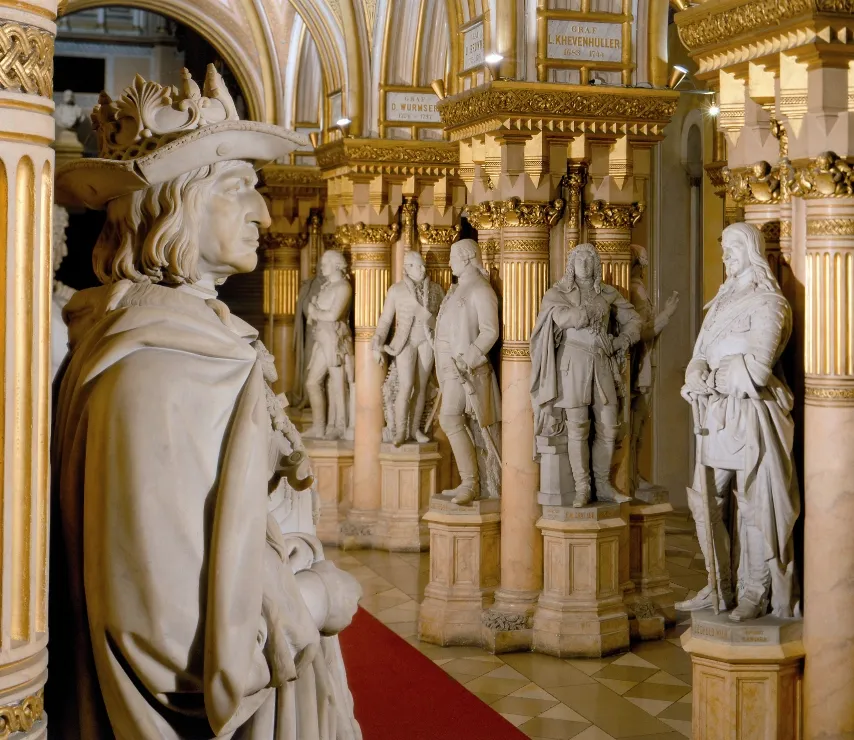
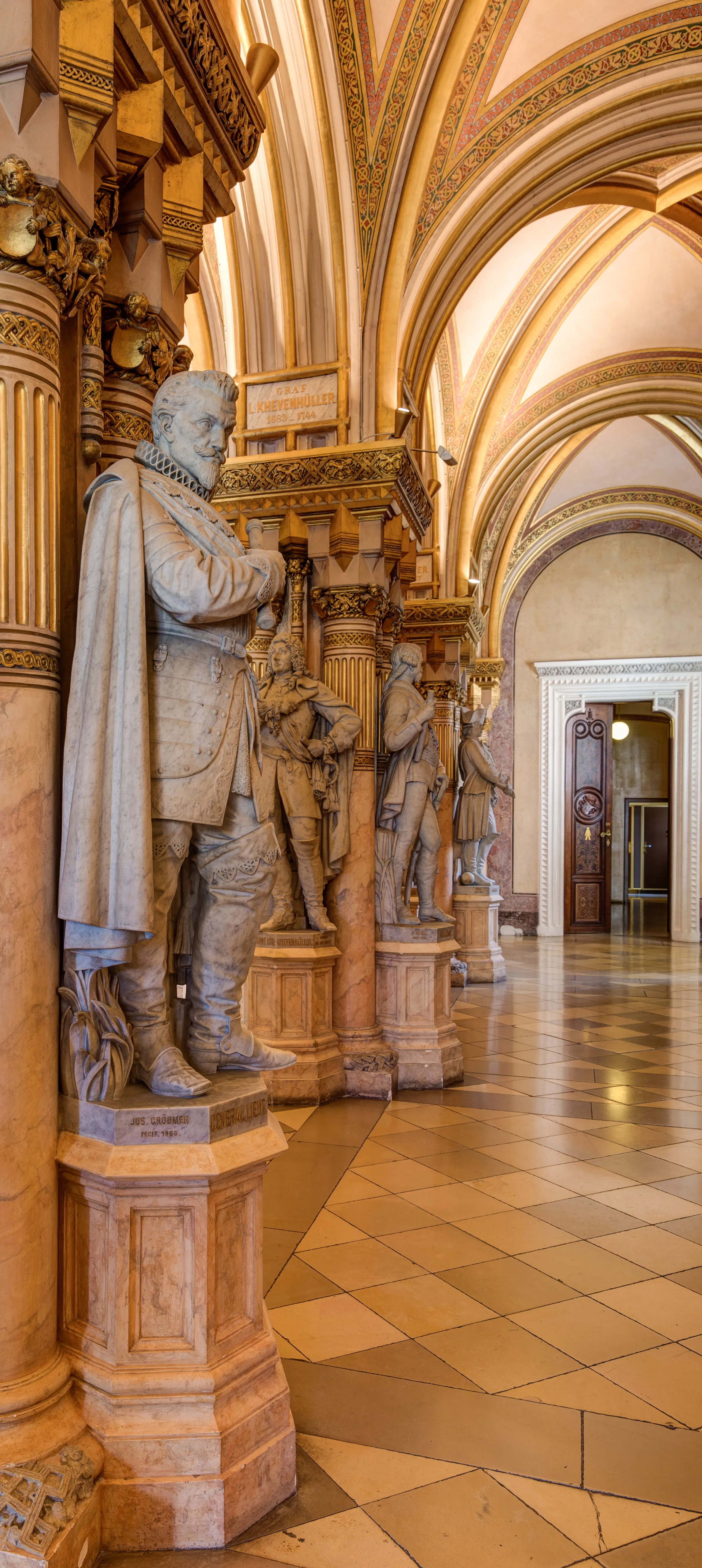
Marble statues of historical figures in a grand hall with golden columns and a red carpet
Top exhibition picks at Museum of Military History
Curated museum program highlights and what to see now in Vienna
Discover high-interest exhibitions at Museum of Military History, selected to help you prioritize your route, compare show themes, and plan a more rewarding museum visit in Vienna.
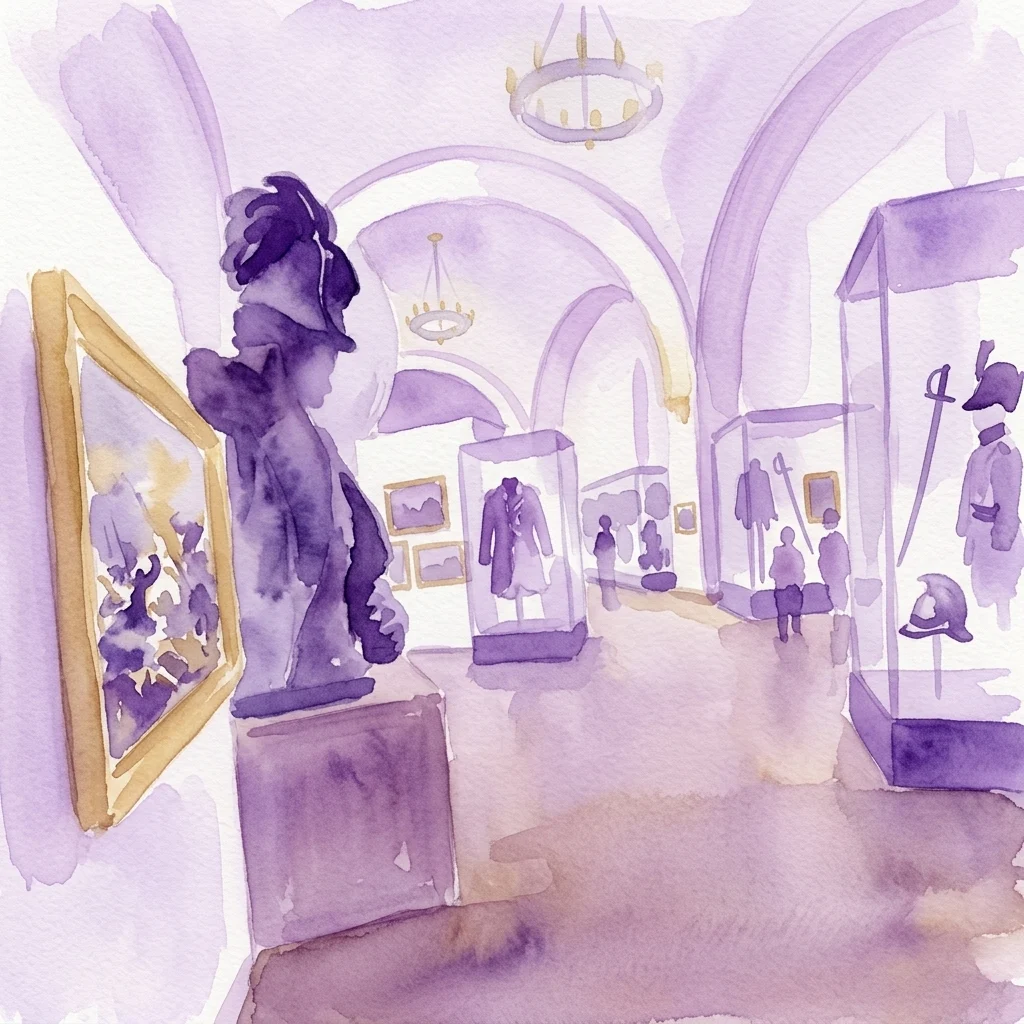
A watercolor illustration of the Hall of Revolutions exhibition at the Museum of Military History, featuring display cases with military uniforms, weapons, and historical paintings under arched ceilings.
Permanent exhibition

Saal der Revolutionen: Vienna's Museum of Military History Exhibition on Revolutionary Eras

Discover the French Revolution and Napoleonic Wars' impact on the Habsburg Empire.

Explore the 'Hall of Revolutions' exhibition at the Museum of Military History, focusing on the French Revolution and Napoleonic Wars. Learn how these pivotal events and the 1848 uprisings shaped the military and political landscape of the Habsburg Empire.

Saal der Revolutionen Exhibition
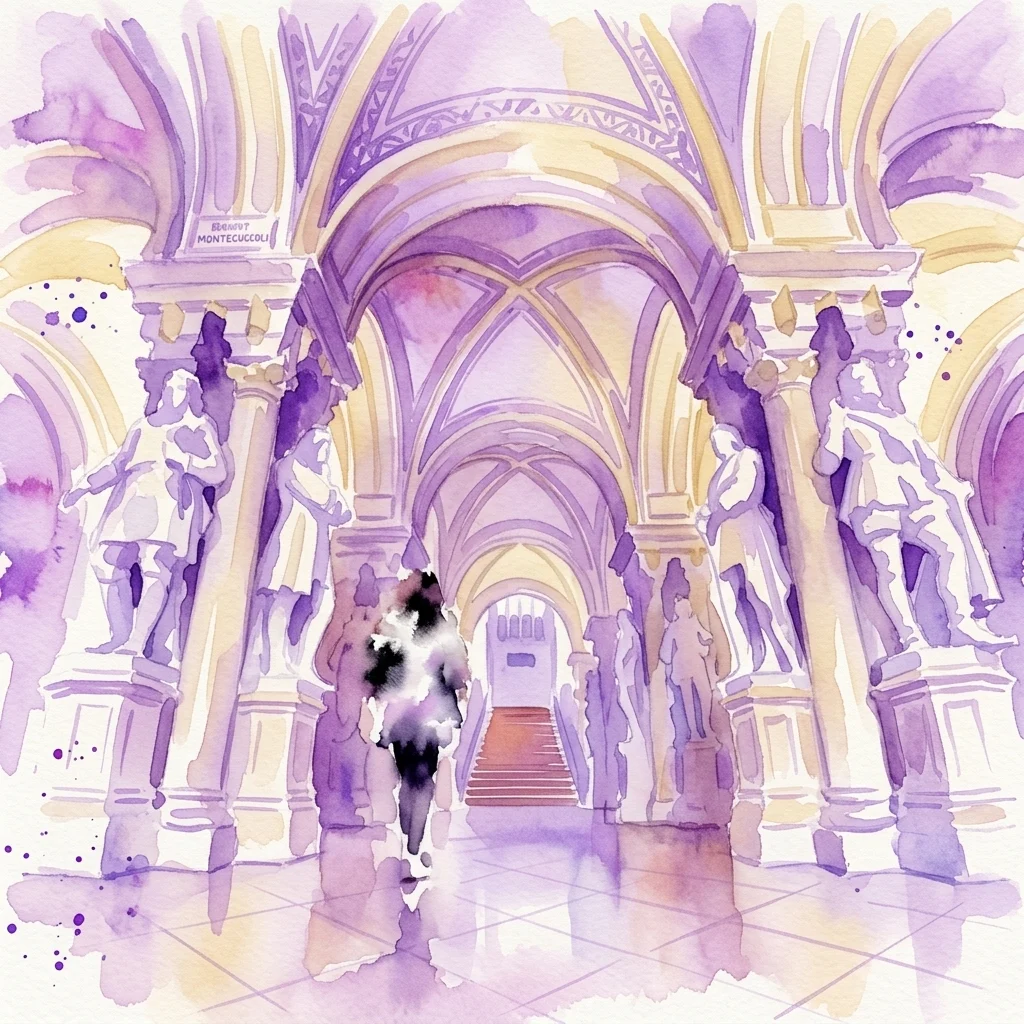
Watercolor illustration of the Feldherrenhalle, a grand historical hall featuring marble statues of military leaders along ornate columns and arches, with a central staircase leading into the distance.

Explore the Feldherrenhalle: Vienna's Hall of Commanders at the Military History Museum

Discover 56 marble statues of Austrian military heroes.

The Feldherrenhalle, or Hall of Commanders, celebrates Austria's greatest military leaders. See impressive 19th-century statues by renowned sculptors, honoring figures from centuries of history at this Vienna museum.

Feldherrenhalle Exhibition
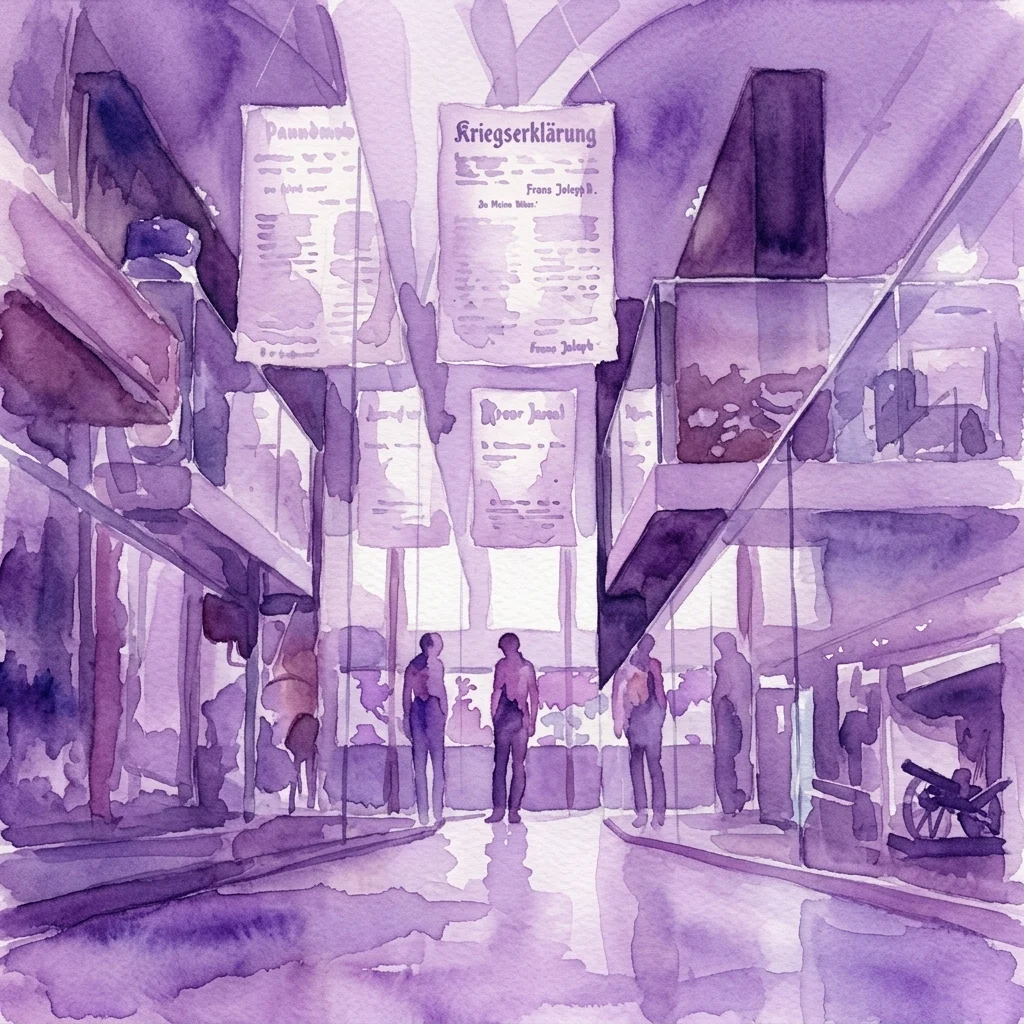
A watercolor illustration of the 'Der Erste Weltkrieg' exhibition at the Heeresgeschichtliches Museum, showing a museum hall with historical posters, artifacts, and visitors viewing the display.

Der Erste Weltkrieg: World War I Exhibition Exploring History in Vienna

Insights into Austria-Hungary's pivotal role during the global conflict.

Discover the causes, major battles, and far-reaching societal impacts of World War I. This exhibition details the conflict's escalation and its profound effects on Austria-Hungary and the broader European landscape.

View Exhibition
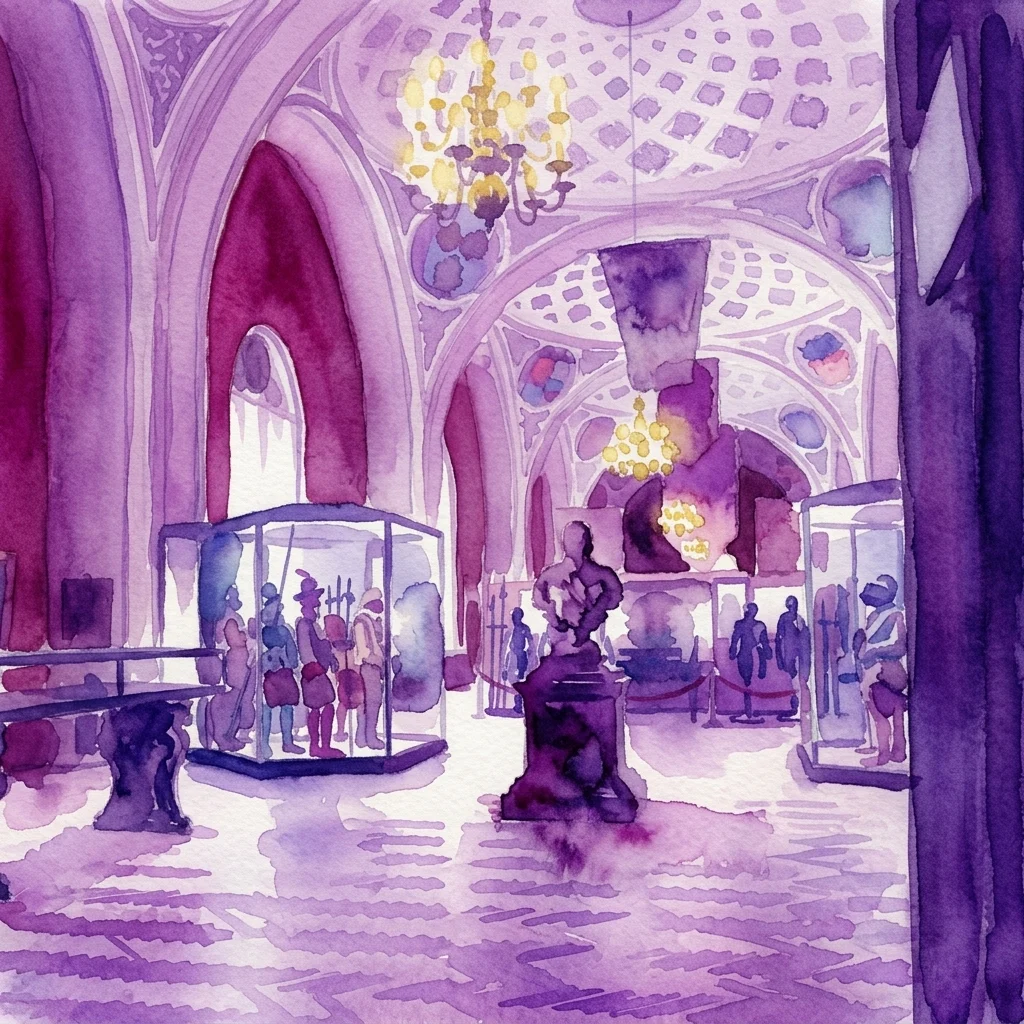
Watercolor illustration of a museum gallery with medieval armor and weapons on display, featuring arched ceilings, chandeliers, and a central statue under purple lighting.

Vom Dreißigjährigen Krieg bis Prinz Eugen: A Vienna Military Exhibition

Exploring Habsburg Monarchy's rise through 17th-century European warfare.

Journey through European warfare from the Thirty Years' War to Prince Eugene's era. This exhibition in Vienna explores military evolution, mercenary armies, and key figures who forged the Habsburg Monarchy into a major power.

Vom Dreißigjährigen Krieg
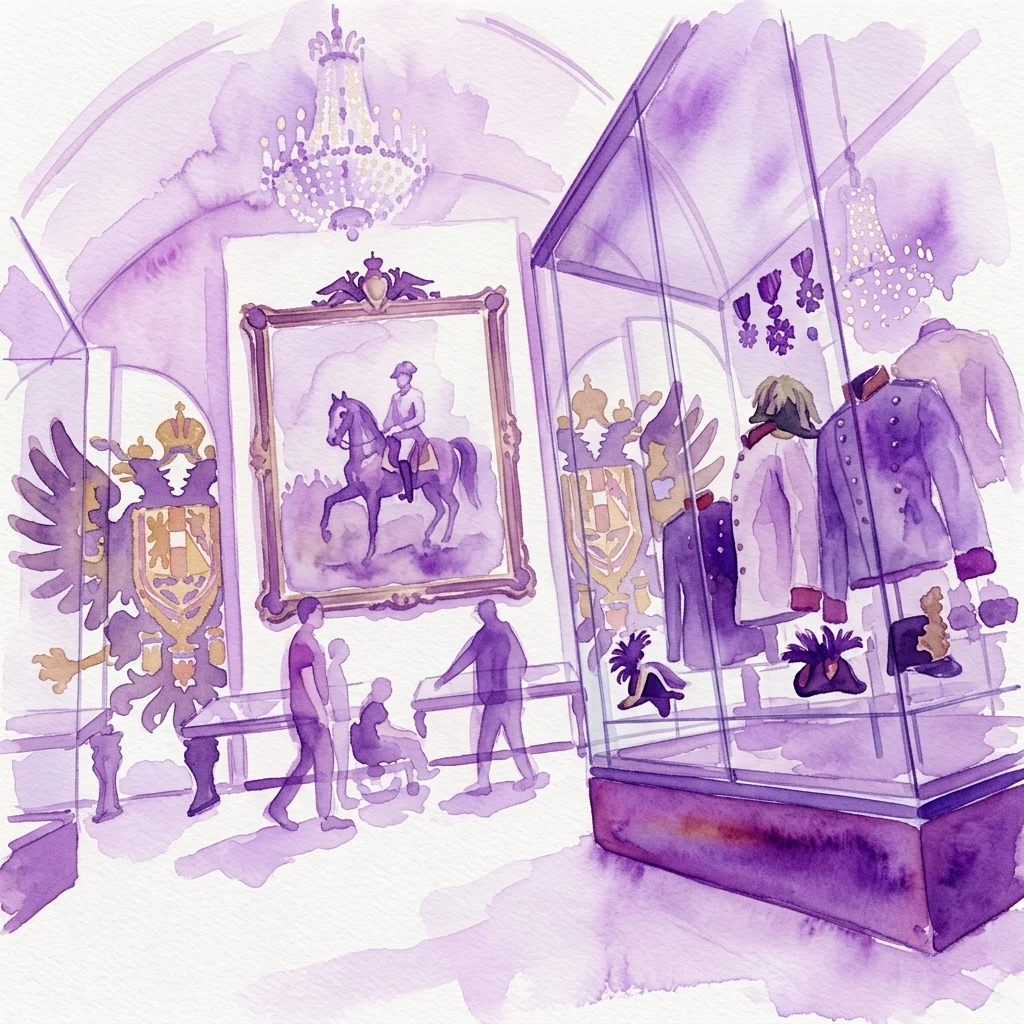
Watercolor illustration of the Radetzky-Saal at the Museum of Military History in Vienna, featuring a mounted portrait of Field Marshal Radetzky, military uniforms, medals, and imperial symbols under a chandelier.

Radetzky-Saal: Uncovering Austrian Military History at the Museum of Military History Vienna

Revolution of 1848 and Habsburg political transformations.

This exhibition details Field Marshal Radetzky's pivotal campaigns in Italy and Hungary. Learn about the subsequent shift to constitutional monarchy under Franz Joseph I and the Austro-Prussian War. Discover crucial 19th-century Austrian history.

Radetzky-Saal Exhibition
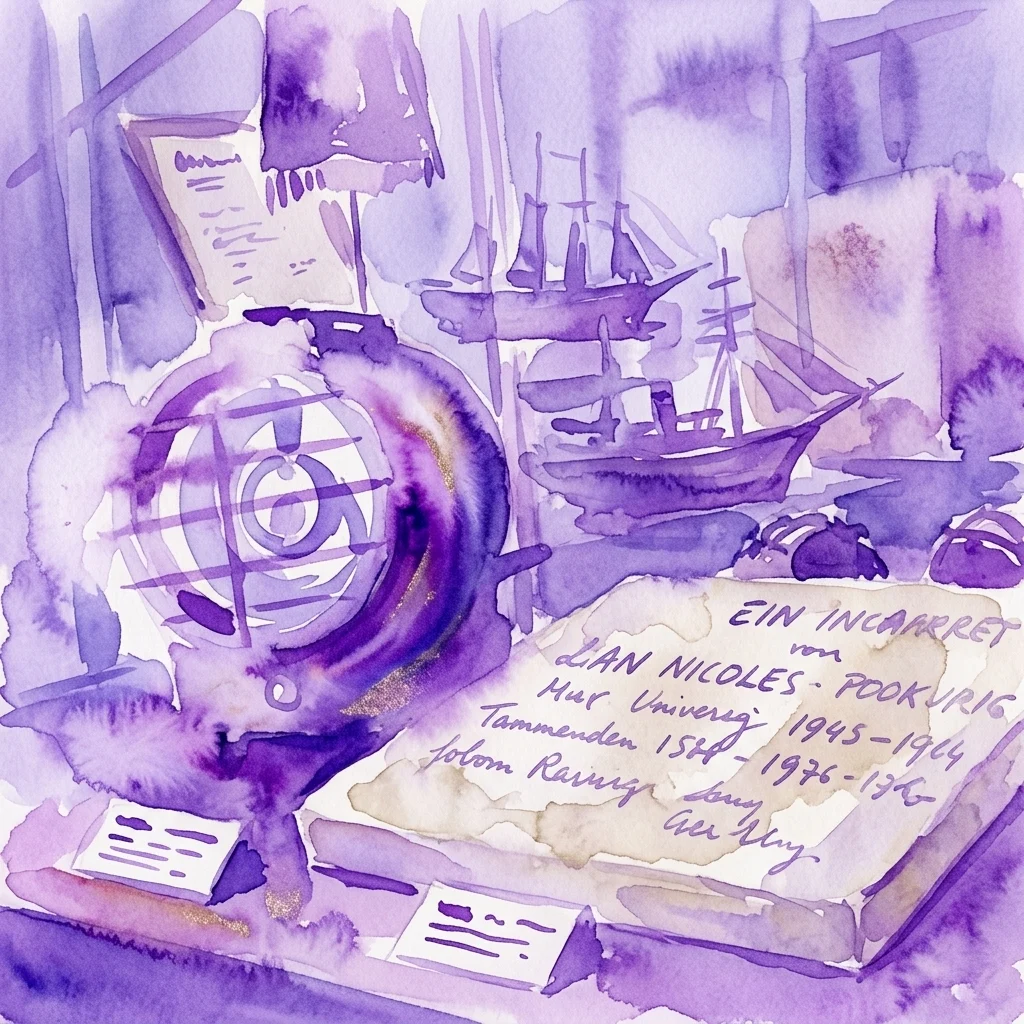
A watercolor illustration of a museum exhibit featuring a naval searchlight, ship models, and a plaque with text about Austria's maritime history, evoking the theme of Seemacht Österreich.

Seemacht Österreich: Exploring Austria's Naval History at Military History Vienna

Discover the impactful legacy of the Austro-Hungarian Imperial and Royal Navy.

Delve into the comprehensive history of Austria's sea power, from its early riverine forces to its significant role in the Adriatic. This exhibition highlights key naval battles, scientific expeditions, and the fleet's eventual dissolution.

Seemacht Österreich Exhibition
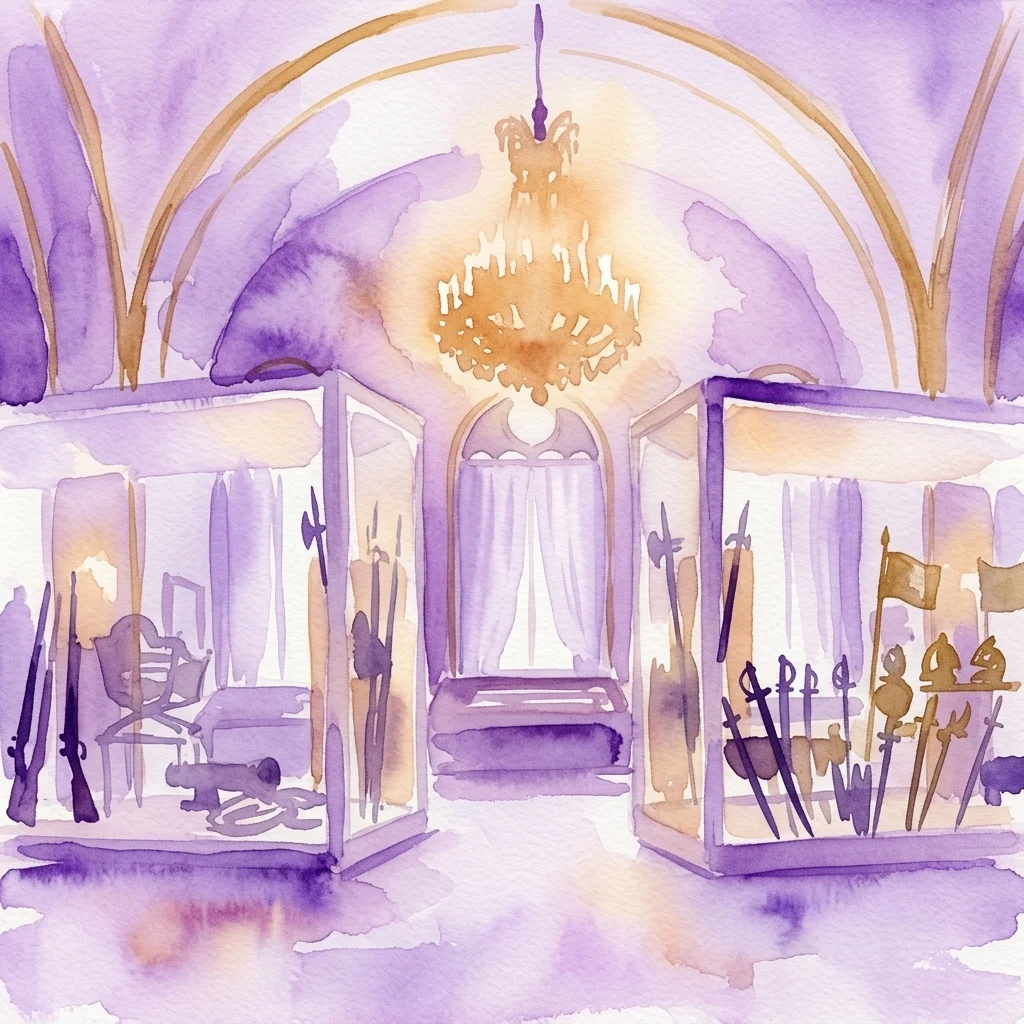
A watercolor illustration of the Maria-Theresien-Saal, a grand exhibition hall with arched ceilings, a large chandelier, and display cases filled with 18th-century military artifacts like rifles, swords, and armor.

Maria-Theresien-Saal Exhibition: Discover 18th-Century Habsburg History in Vienna

Featuring artifacts and reforms of Maria Theresa and Joseph II's era.

This exhibition uncovers the historical significance of the Maria-Theresien-Saal. Learn about the military challenges, political landscape, and profound reforms that shaped the Habsburg Monarchy during the 18th century. Explore a collection of artifacts showcasing this pivotal era.

Maria-Theresien-Saal Exhibition
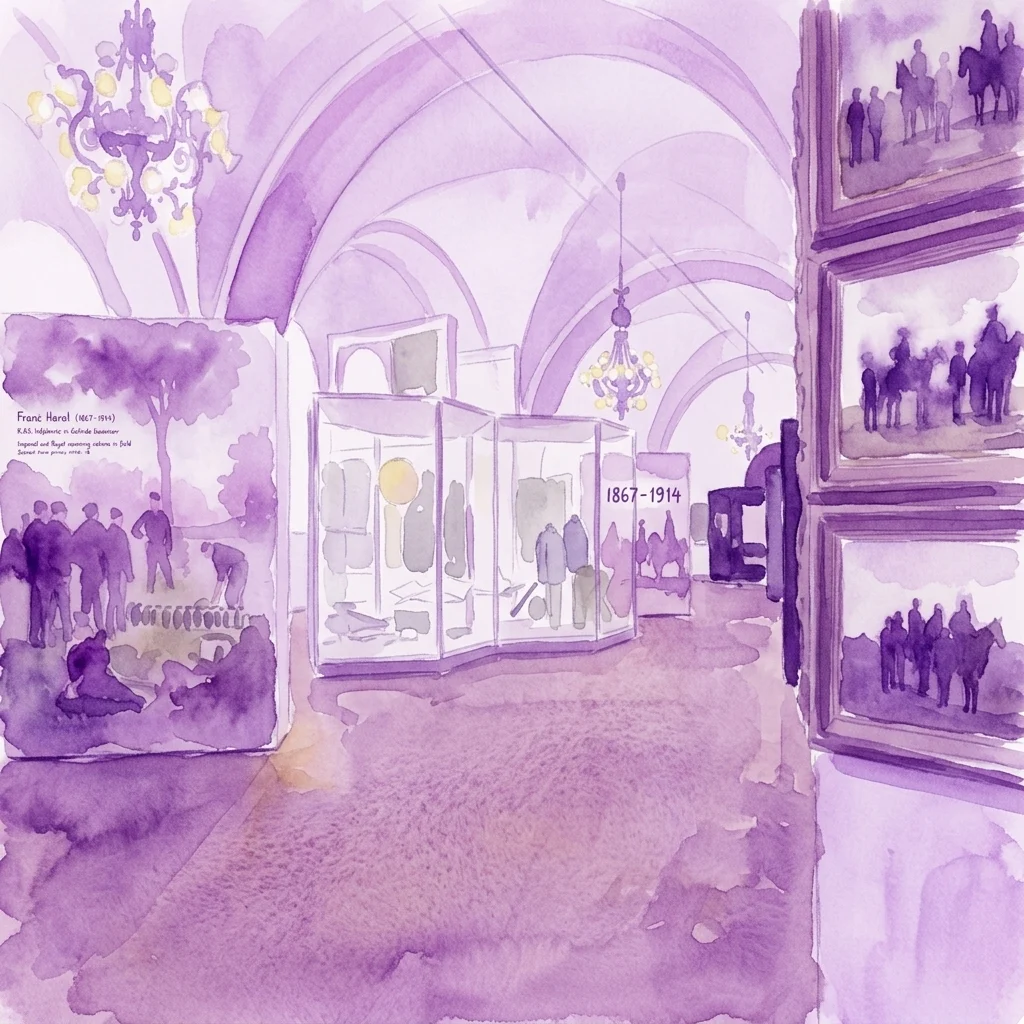
Watercolor illustration of the Franz-Joseph-Saal exhibition at the Heeresgeschichtliches Museum, featuring glass display cases with military uniforms and artifacts from 1867-1914, framed historical photographs, and informational panels on the Austro-Hungarian monarchy's military history.

Franz-Joseph-Saal Exhibition: Habsburg Monarchy Military History in Vienna

Uncover imperial reforms and national tensions from 1867 to 1914.

This exhibition delves into the Habsburg Monarchy's military and political landscape between 1867 and 1914. Learn about the "Ausgleich" reforms, army restructuring, and the diverse ethnic composition of the imperial armed forces.

Franz-Joseph-Saal Exhibition

History of the Museum of Military History

The Museum of Military History, situated in Vienna's historic Arsenal complex, is Austria's oldest purpose-built museum structure, with its building completed in 1856 by Theophil Hansen. Initially established in 1869 as the k.k. Hofwaffenmuseum, it was later inaugurated in 1891 as the k.u.k. Heeresmuseum, fulfilling Emperor Franz Joseph's vision for a **significant hall of fame and memorial** to the Imperial Army. After sustaining damage during World War II, the museum underwent reconstruction and reopened in 1955 as the Heeresgeschichtliches Museum, continuing to document military developments and conflicts through various epochs.

  • Museum established in 1869

    1869Founding

    The Museum of Military History was established in 1869. It is located in Vienna, Austria, within the Arsenal complex.

  • Arsenal construction began in 1850

    1850Construction

    The museum building is part of Vienna's Arsenal, a large military complex whose construction began on April 15, 1850, in the wake of the 1848/49 revolution.

  • Theophil Hansen designed the museum building

    1850-1856Architecture

    The museum building, originally referred to as the 'weapons museum,' was designed by Danish architect Theophil Hansen, drawing inspiration from the Venetian Arsenal and incorporating Byzantine and Gothic elements.

  • Museum building completed in 1856

    1856Construction

    The museum building, designed by Theophil Hansen, was completed on May 8, 1856, making it Austria's oldest purpose-built museum structure.

  • Interior designed as a hall of fame

    Overview

    Emperor Franz Joseph intended the museum's interior, particularly the Feldherrenhalle, to serve as a magnificent hall of fame and memorial for the Imperial Army, housing statues of famous commanders.

  • Collection origins from imperial arms and treasures

    Collection

    The museum's collection originates from pieces gathered from the former court arms collection, the Imperial private collection at Laxenburg Palace, and the Imperial Treasury in Vienna.

  • Opened to the public as k.k. Hofwaffenmuseum in 1869

    1869Opening

    After its collection was systematically arranged, the museum opened to the public in 1869 under the name k.k. Hofwaffenmuseum.

  • Redefined focus and renamed k.k. Heeresmuseum in 1885

    1885Milestone

    In 1885, a committee chaired by Crown Prince Rudolf redefined the museum's orientation, focusing on the deeds of the Imperial Army, leading to its renaming as the k.k. Heeresmuseum.

  • Inaugurated as k.u.k. Heeresmuseum in 1891

    1891Opening

    The new k.u.k. Heeresmuseum in the Arsenal was inaugurated by Emperor Franz Joseph on May 25, 1891, and dedicated to its intended use.

  • Closed to visitors during World War I

    1914-1918Milestone

    Following the outbreak of World War I, the museum was closed to the public due to the appropriation of material from various war theatres and remained so until after the war.

  • Reopened as Österreichisches Heeresmuseum in 1921

    1921Opening

    In September 1921, the museum reopened to the public as the Österreichisches Heeresmuseum, with a renewed focus on documenting recent military events, particularly World War I.

  • Damaged during World War II aerial bombardments

    1944Milestone

    The Arsenal and museum building sustained severe damage or complete destruction from allied aerial bombardments on September 10 and December 11, 1944.

  • Reconstruction began in 1946

    1946Renovation

    Reconstruction of the museum began in 1946 under Alfred Mell, who proposed the final name 'Heeresgeschichtliches Museum'.

  • Reopened in 1955 after reconstruction

    1955Opening

    Following reconstruction, the museum, now named Heeresgeschichtliches Museum, was reopened by Federal Minister for Education, Heinrich Drimmel, on June 24, 1955.

  • Exhibition areas renovated from 1965 to 1983

    1965-1983Renovation

    Under director Johann Christoph Allmayer-Beck, the exhibition areas were comprehensively renovated between 1965 and 1983, with a focus on a more scientific and artistic approach to the displays.

  • Opened 'Republic and Dictatorship' hall in 1998

    1998Opening

    In September 1998, the museum opened the 'Republic and Dictatorship' hall, exhibiting objects from the period of 1918 to 1945.

  • Awarded Austrian Museum Quality Seal in 2008

    2008Milestone

    The Heeresgeschichtliches Museum was awarded the Austrian Museum Quality Seal on December 9, 2008, a distinction it received again in 2013.

  • World War I halls renovated and reopened in 2014

    2012-2014Renovation

    Between 2012 and 2014, the halls dedicated to World War I were completely converted, modernized, and redesigned, increasing the exhibition area and displaying approximately 2,000 items.

  • Collection origins traced to 17th century

    1600-1700Collection

    The collections of the Heeresgeschichtliches Museum trace back to gatherings in the old armoury of the Imperial Army in Vienna's Inner City, which began in the 17th century.

  • Building features Venetian Arsenal prototype and Byzantine elements

    Architecture

    The museum building's architecture, designed by Theophil Hansen, is modeled after the Venetian Arsenal and incorporates Byzantine style elements with some Gothic additions.

  • Exhibits include Archduke Franz Ferdinand's car

    1914Collection

    A highlight of the exhibition is the Gräf & Stift automobile in which Archduke Franz Ferdinand and Sophie Chotek were murdered, displaying traces of the assassinations.

  • Houses world's oldest remaining military aircraft

    1796Collection

    The museum houses the French war balloon 'L'Intrépide,' captured in 1796, considered the world's oldest remaining military aircraft.

  • Features early Austrian military vehicles

    1955Collection

    The Tank Garden displays early Austrian tank troops' equipment, including vehicles like the M24 Chaffee, Charioteer, Centurion, and AMX-13, along with Austrian-developed Saurer armored personnel carriers.

  • Boasts one of the world's most important cannon collections

    Collection

    The museum possesses a collection of 550 guns and barrels, considered one of the most important worldwide, featuring medieval wrought-iron guns like the Pumhart von Steyr.

  • Awarded Austrian Museum Quality Seal in 2013

    2013Heritage status

    The Heeresgeschichtliches Museum received the Austrian Museum Quality Seal again in 2013, having previously been awarded it in 2008.

  • Serves as a memorial for the Imperial Army

    Cultural significance

    The museum was conceived by Emperor Franz Joseph not just as a repository for collections, but as a significant hall of fame and memorial to the Imperial Army.

  • Owned by the Ministry of National Defence and Sport

    Ownership

    Although owned by the Federal Government, the museum is organized as a subordinate agency reporting directly to the Ministry of Defence and Sports.

Museum of Military History: Your FAQs & Practical Answers

Planning your visit to the Museum of Military History in Vienna? We cover everything from discovering how adult admission costs just 3.50 EUR to how to acquire your audioguide. Find answers to these and other common questions, even if direct phone numbers aren't always listed.

How do I submit a general enquiry to the Museum of Military History?

You can submit general enquiries to the Museum of Military History using their online contact form available at https://www.hgm.at/kontakt.

Does the Museum of Military History have a direct phone number for visitors?

A direct phone number for visitor enquiries at the Museum of Military History is not provided.

How can I contact the Museum of Military History?

The Museum of Military History can be contacted primarily through its online contact form for visitor enquiries.

Does the Museum of Military History provide a direct email address for enquiries?

A direct email address for visitor enquiries at the Museum of Military History is not provided.

Visitor Tips for the Museum of Military History

To fully explore the Museum of Military History in Vienna, visitors should plan for a visit lasting between two to three hours. Parking facilities are available for convenience. The museum is committed to accessibility, featuring an outside ramp at the main entrance, elevators to all halls, and accessible toilets. Additionally, baby changing tables are readily available throughout the venue for families.

Visitor Fit for the Museum of Military History

The Museum of Military History in Vienna welcomes visitors with a strong interest in military developments, historical conflicts, and defense efforts across various eras. Guests can explore detailed exhibitions featuring weaponry, uniforms, and equipment, providing insight into military technology and the human experiences of war. The museum is wheelchair accessible, with step-free entry, elevators, and accessible toilets, making it suitable for visitors with mobility needs. Amenities such as baby changing tables are also available, and on-site parking is provided. A typical visit to this history museum usually lasts between two and three hours.

Images of the Museum of Military History Exhibits

Explore images that offer a visual journey through the Museum of Military History's extensive collections. These photographs highlight diverse artifacts, showcasing historical weaponry, detailed uniforms, and military equipment from various eras. Viewers can gain a concise preview of the immersive exhibitions and the impressive scope of Austria's military history presented within this prominent Vienna museum.
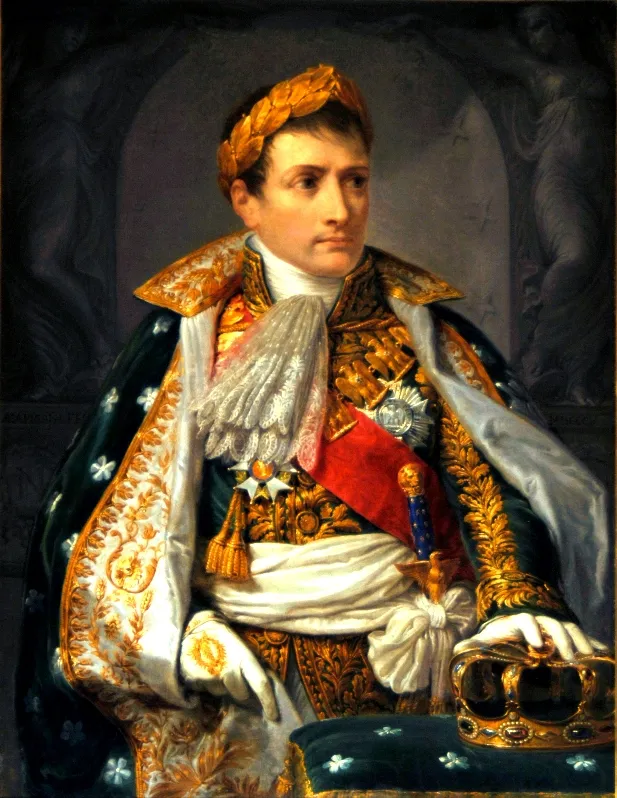
Portrait of Napoleon Bonaparte in ornate military uniform with gold embroidery, a crown, and medals
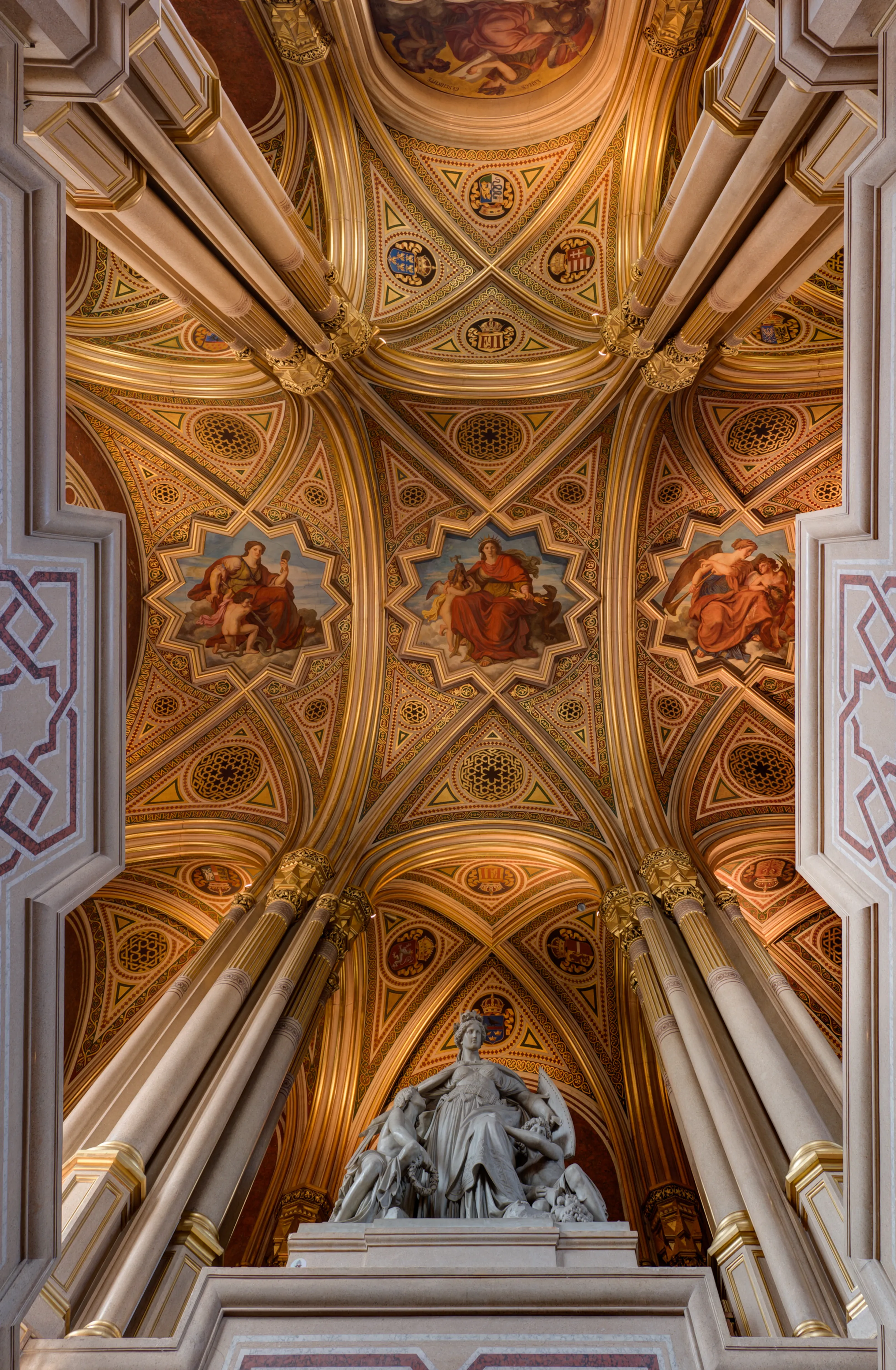
Vaulted ceiling with gold and cream decorative patterns, frescoes, and a central statue in a grand hall
HGM logo with the text Heeresgeschichtliches Museum below it
Grand staircase with red carpet leading to a statue under ornate arched ceilings with gold details
grand interior hall with arched ceilings, large murals, and polished floor
Interior hallway with marble statues on pedestals, arched ceilings, and tiled floors
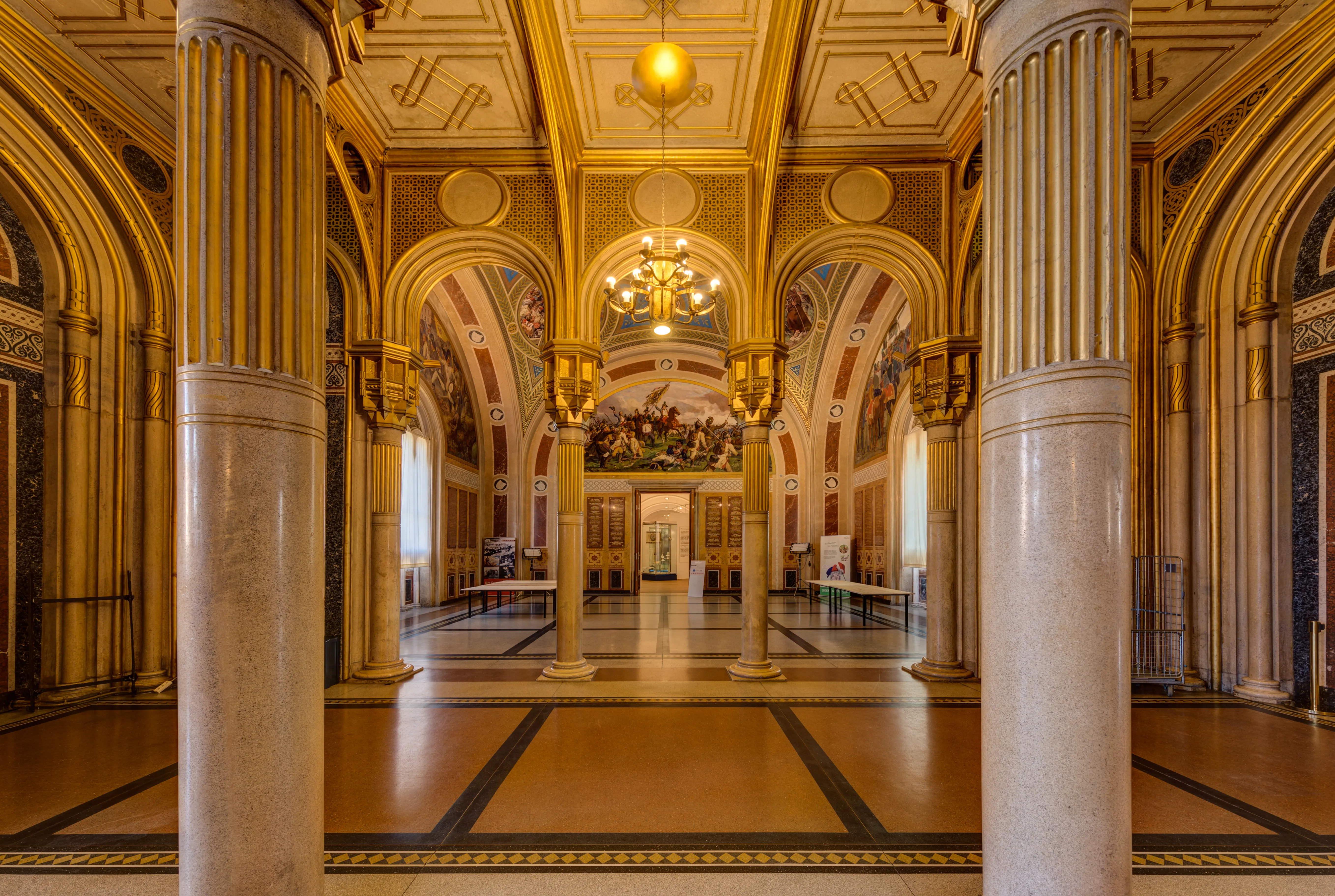
Grand hall with ornate golden columns, arched ceilings, and a chandelier
Ornate interior hall with arched doorways, frescoed ceiling, and tiled floor
Marble statues of historical figures in a grand hall with golden columns and a red carpet
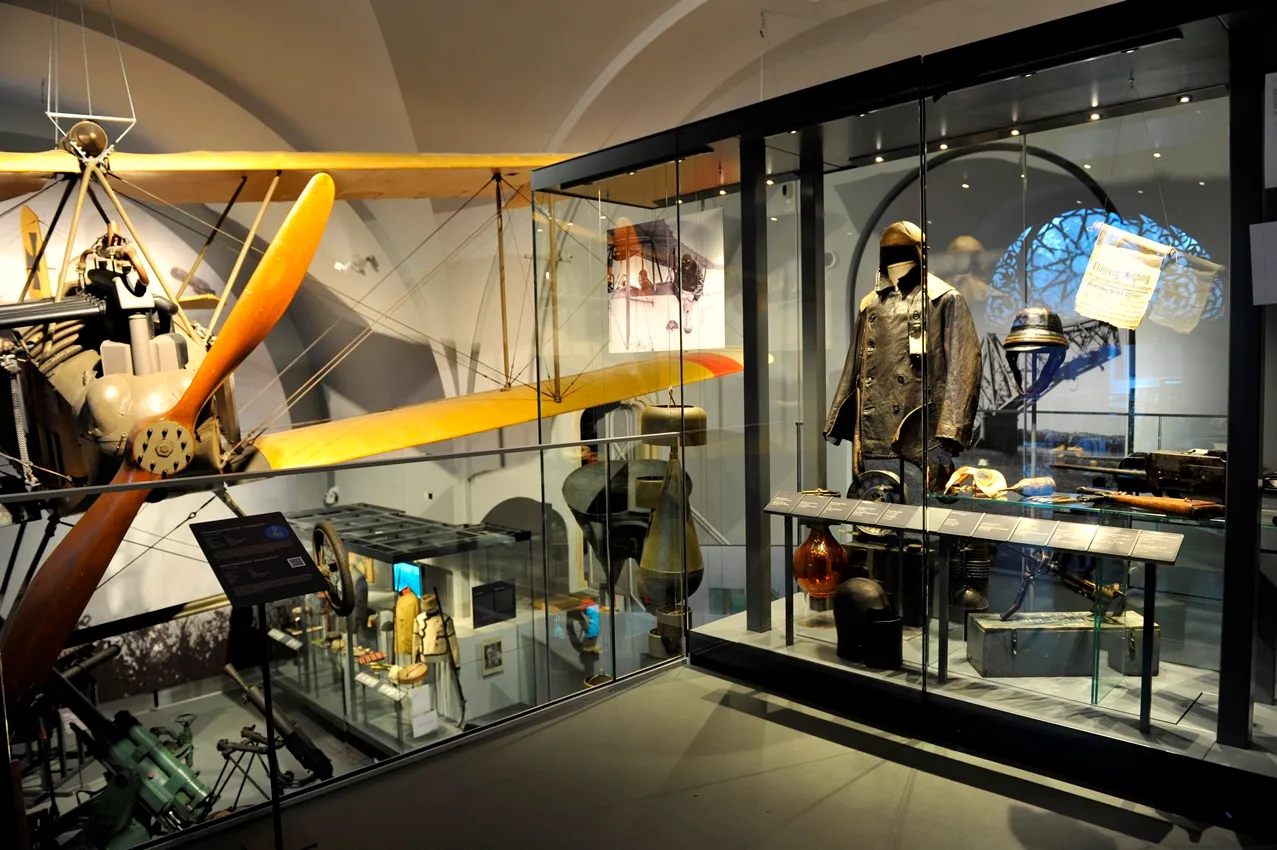
A vintage Albatros BII biplane with a yellow wing and a military uniform in a glass display case inside a museum.
Vienna

Find Museums in Vienna: Discover Cultural Sites by Interest and Theme

Uncover Vienna's rich artistic legacy, history, and scientific collections.

Explore the depth of Vienna's cultural offerings and discover institutions by what truly interests you. Whether it's historical landmarks, fine art, or specialized topics, easily locate your next memorable experience.

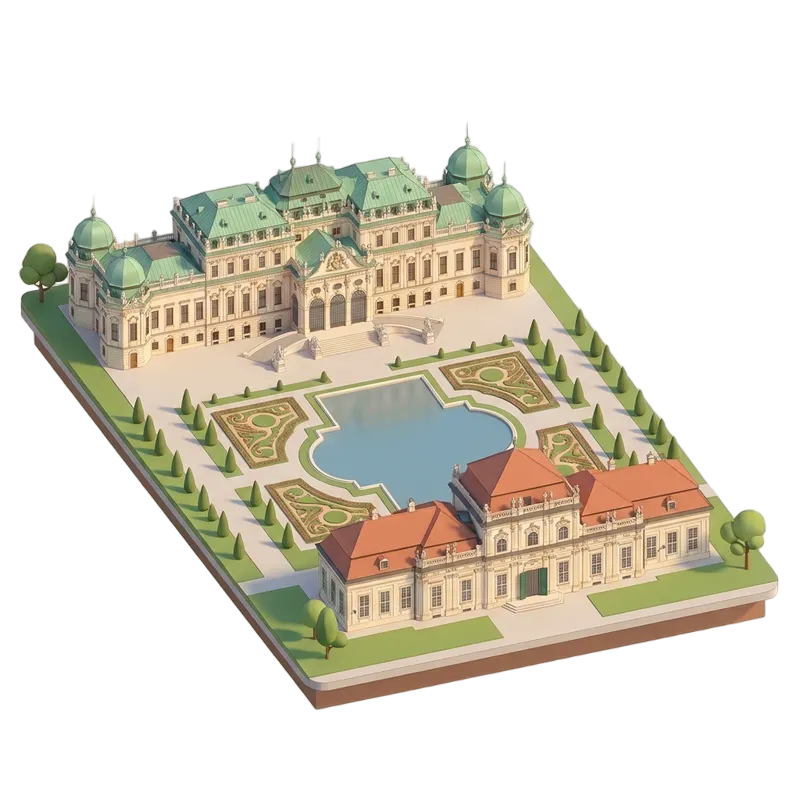
Explore Museum of Military History with Vienna
Guides, visitor info, and museum details in Vienna
Find everything about Museum of Military History in one place, including tickets, opening hours, current exhibitions, location details, visitor tips, nearby attractions, and the latest museum updates. Use these pages to plan your visit, discover what to see, and get practical information before you go.
Discover nearby museums similar to Museum of Military History in Vienna and plan your next cultural stop with confidence.
These recommendations prioritize real proximity to Museum of Military History and help you find high-fit alternatives faster across Vienna.
Use this curated list to compare museums near Museum of Military History without opening multiple search pages. Each card gives you fast visual context and direct access to key details so you can decide quickly. If you are building a full day in Vienna, this section helps you chain nearby visits with less planning effort.