Vienna
Permanent collection

1939–1945: Shoah (Holocaust) Exhibition at the House of Austrian History

This entry details the systematic genocide of Jewish people by Germans and Austrians during World War II.

The 1939–1945 Shoah exhibition at the House of Austrian History meticulously documents the Holocaust. It explores the historical progression of antisemitic persecution, forced ghettoization, mass killings in extermination camps, and the tragic death marches. This entry acknowledges the diverse victims of National Socialist biological-racist ideology, including Jewish communities, Roma, Sinti, and other persecuted groups. Authored by Dirk Rupnow, this detailed account provides crucial historical insights into a devastating period.

About 1939–1945: Shoah at House of Austrian History in Vienna

Read curatorial context and practical visitor information for 1939–1945: Shoah at House of Austrian History in Vienna

Exhibition summary

This entry details the Shoah, also known as the Holocaust, the systematic genocide of Jewish people initiated and organized by Germans and Austrians during World War II. It outlines the historical context, methods of persecution, and the devastating impact of this event, which resulted in the deaths of approximately 6 million people.

Curatorial context

The entry "1939–1945: Shoah" meticulously documents the systematic genocide of Jewish communities across German-occupied Europe during World War II, an event initiated and orchestrated by Germans and Austrians. It elaborates on the historical progression from escalating antisemitic persecution to the "Final Solution to the Jewish Question," employing euphemisms like "special treatment" and "resettlement" to mask extermination. The text details the forced ghettoization of Jewish populations, mass shootings, industrial-scale killings in extermination camps, and the forced death marches survivors endured. Beyond the Jewish victims, the entry also acknowledges the persecution of Soviet prisoners of war, Slavic civilians, Roma and Sinti, people with disabilities, homosexuals, political opponents, and Jehovah's Witnesses under the National Socialists' biologiistically-racist ideology. The historical roots of the Shoah are traced back to centuries of anti-Jewish sentiment, the rise of racist antisemitism in the late 19th century, and the discriminatory, dispossession, and expulsion measures implemented by the Nazi regime since 1933. The Anschluss in 1938 extended these policies to Austria. The entry notes that of the approximately 200,000 Austrian Jews persecuted from 1938 onwards, around 65,000 were killed, while survivors fled or were displaced after the Anschluss or the start of the war. The content is authored by Dirk Rupnow and is part of the museum's "Lexicon zur Zeitgeschichte."

1939–1945: Shoah key exhibition facts

Review exhibition status, schedule, venue context, and attribution details for 1939–1945: Shoah at House of Austrian History in Vienna

Venue
House of Austrian History
Current status
Permanent collection
Exhibition schedule
Permanent display (no announced closing date)
Artist line / attribution
Authored by Dirk Rupnow.
More from House of Austrian History
Explore additional exhibitions from the same institution
Review other exhibitions from House of Austrian History in Vienna to compare themes, timelines, and program direction while planning your museum visit.
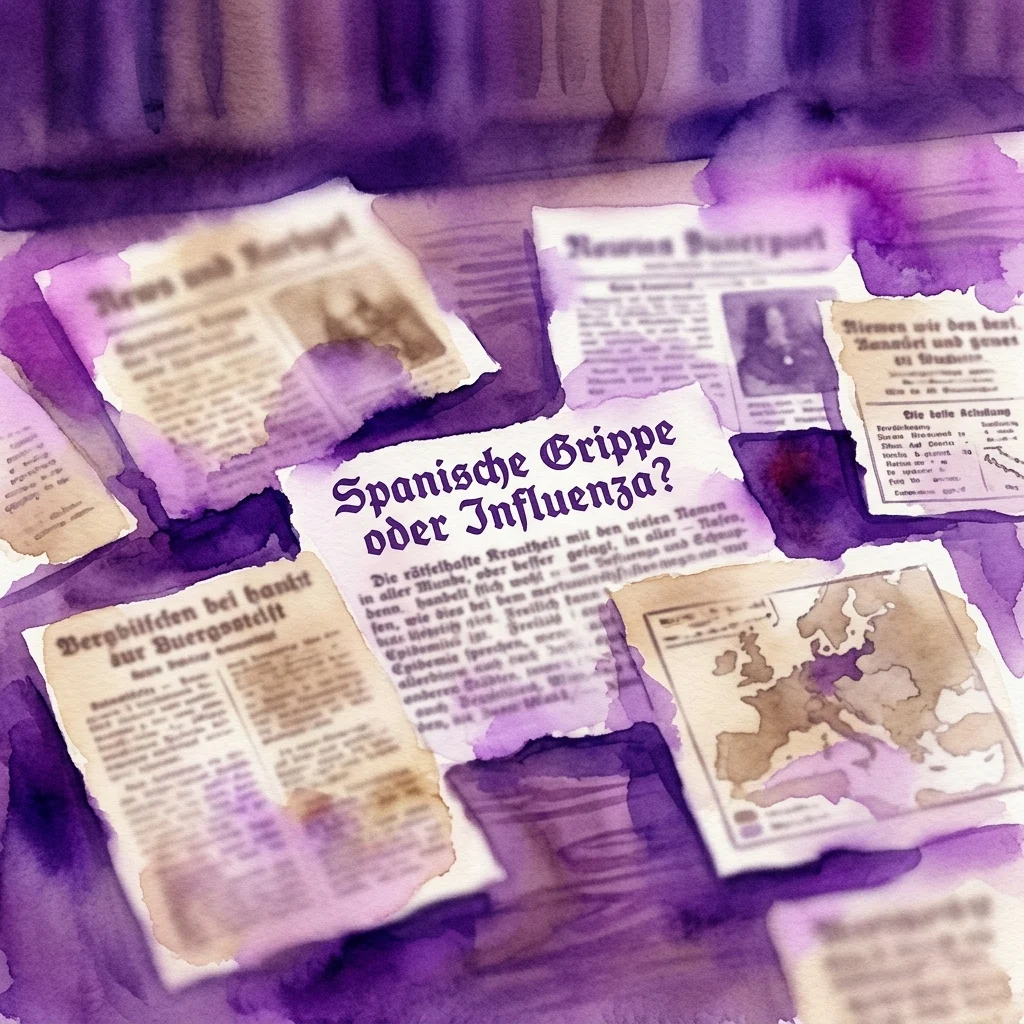
Collage of German newspaper clippings with a purple wash, headlined 'Spanische Grippe oder Influenza?', illustrating historical pandemic reporting.
Permanent exhibition

How the Pandemic Became 'Spanish' Exhibition: Media and History

An analysis of wartime censorship and the 1918 influenza pandemic.

Discover the historical context behind the naming of the 1918 pandemic. This research-based exhibition explains how media outlets masked the virus's true scale while focusing on wartime updates.

Pandemic History Exhibition
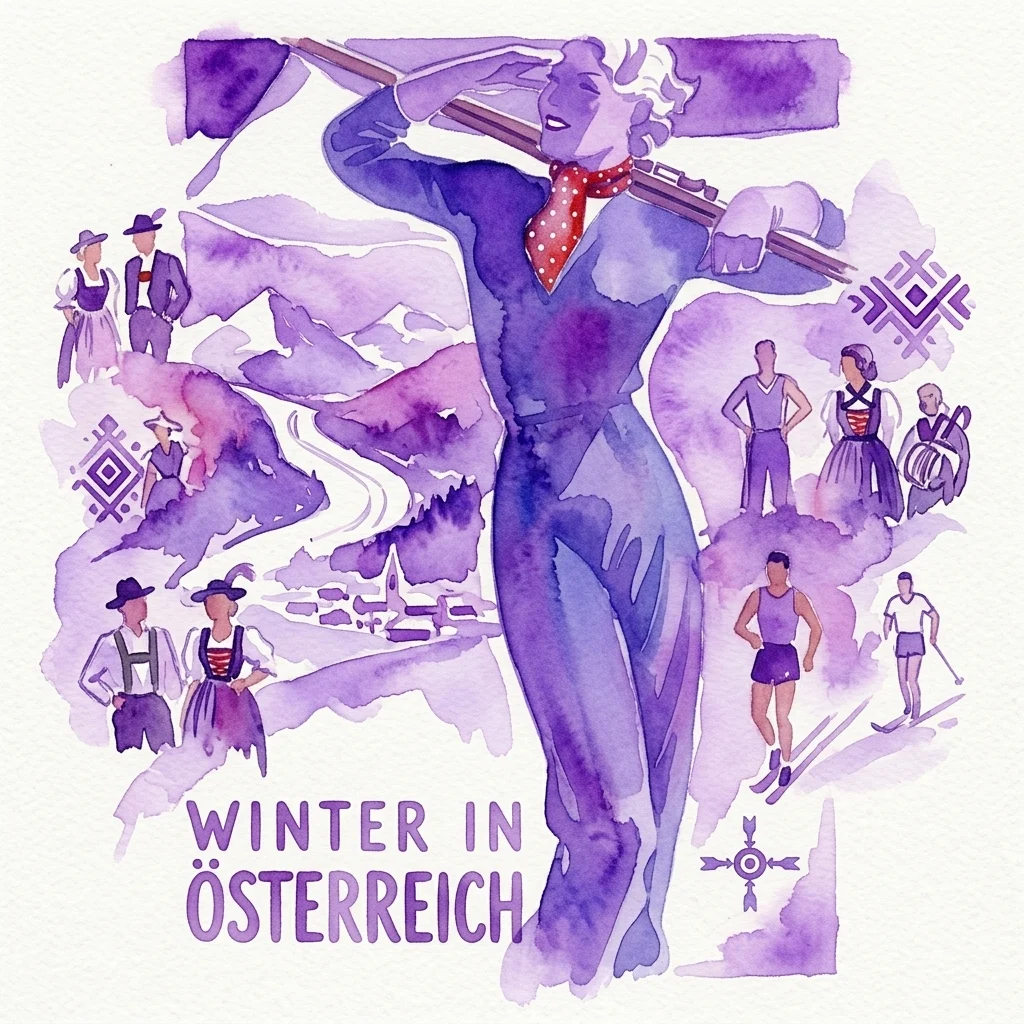
Discover the Historical Exhibition: 1933 and Austrian State Tourism Advertising
Permanent exhibition

Discover the Historical Exhibition: 1933 and Austrian State Tourism Advertising

Explore how Austria's government shaped national tourism promotion.

Examine the transformation of tourism advertising into a state task in Austria starting in 1933. This historical overview details visual campaigns and their foundational impact on creating a major tourist destination.

Exhibition Details
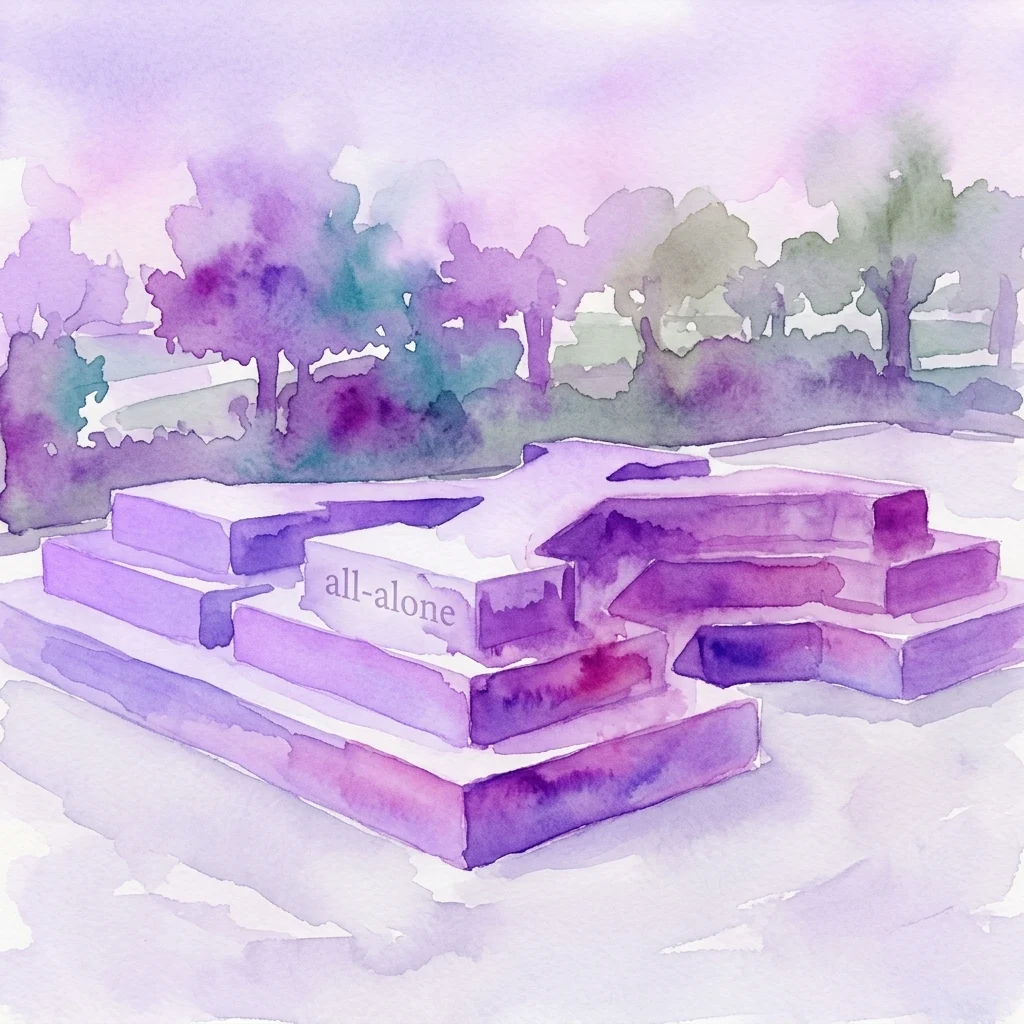
Vienna's Memorial to Nazi Military Justice Victims: A Public Art Tribute
Permanent exhibition

Vienna's Memorial to Nazi Military Justice Victims: A Public Art Tribute

Designed by Olaf Nicolai, honoring WWII victims of military courts.

This significant memorial on Vienna's Ballhausplatz commemorates those persecuted by Nazi military justice during World War II. Discover the artwork by Olaf Nicolai, featuring the poignant 'all – alone' inscription, a powerful reflection on historical accountability.

Memorial Details
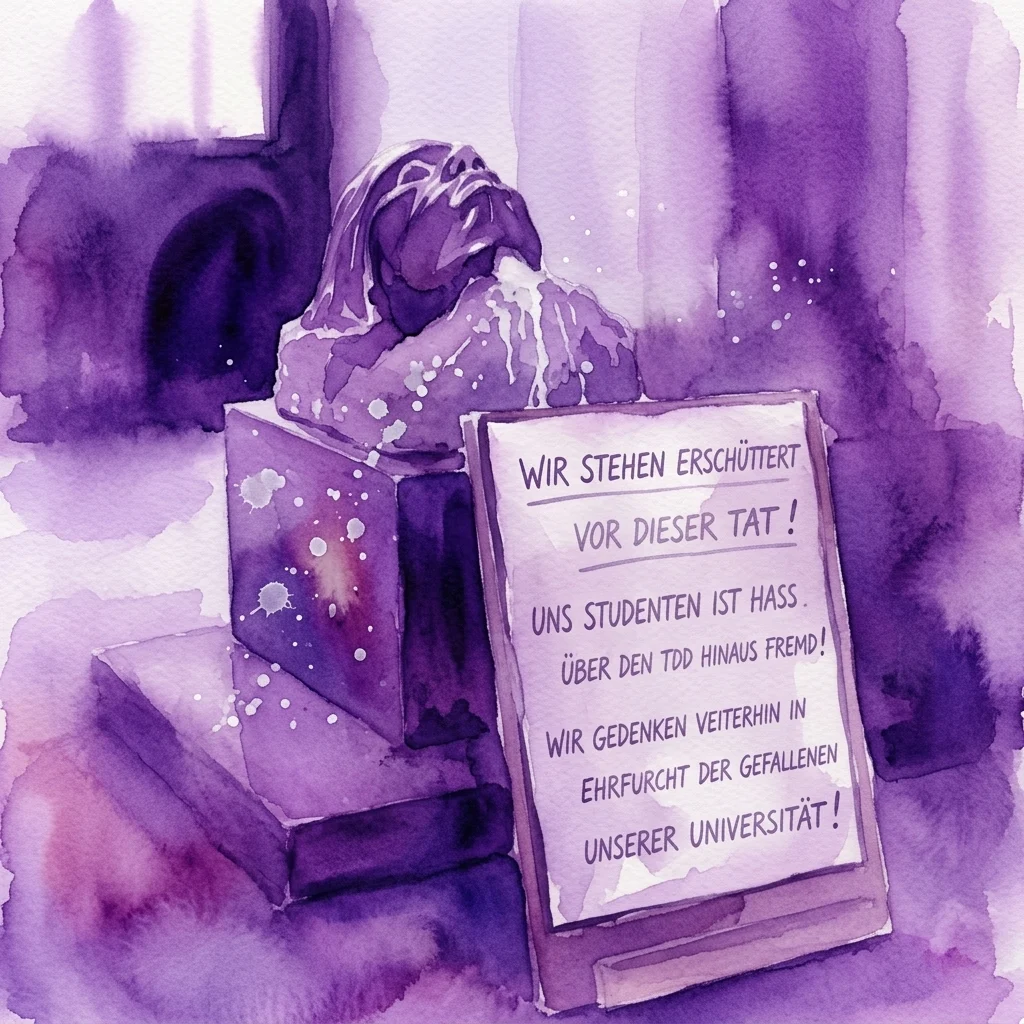
Siegfriedskopf: Exploring a German Nationalist Memorial Site in Vienna
Permanent exhibition

Siegfriedskopf: Exploring a German Nationalist Memorial Site in Vienna

Uncover the monument's controversial history and artistic reinterpretation.

This exhibition traces the 'Siegfriedskopf,' a Vienna monument originally dedicated to WWI fallen, through its co-option by German nationalist groups. Learn about its transformation from 1923 to its reinterpretation as a critical memorial site, inviting reflection on a complex past.

Siegfriedskopf Memorial
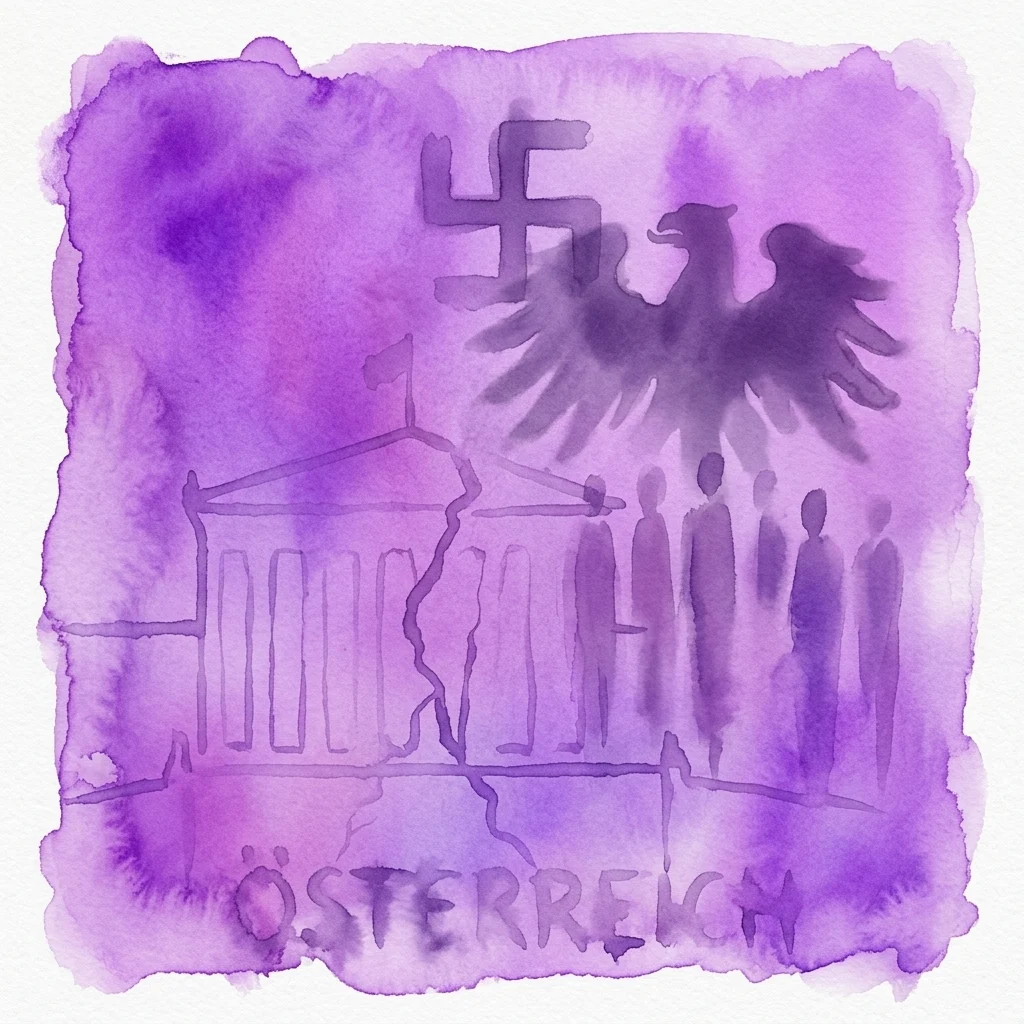
The Dollfuß-Schuschnigg Dictatorship: Exploring Authoritarian Rule in Austrian History
Permanent exhibition

The Dollfuß-Schuschnigg Dictatorship: Exploring Authoritarian Rule in Austrian History

Understand the dismantling of democracy and political shifts in 20th century Austria.

Discover this comprehensive exhibition on the Dollfuß-Schuschnigg dictatorship at the House of Austrian History. Explore the 1933-1938 era, detailing the rise of authoritarianism and its profound impact on Austrian history. Understand key political figures and events of this critical period.

Exhibition Details
Oberschützen: The 1939 National Socialist 'Anschluss Monument' Exhibition
Permanent exhibition

Oberschützen: The 1939 National Socialist 'Anschluss Monument' Exhibition

Exploring its controversial history and ongoing reinterpretation within Austrian heritage.

Investigate the profound historical context of the 'Anschluss Monument' in Oberschützen. This exhibition entry delves into its origins during the Nazi era in Austria, examining the monument's controversial past and its ongoing journey of reinterpretation as part of local cultural heritage.

The 1939 Exhibition
Vienna

Discover Current Exhibitions in Vienna: Your Essential Exhibition Search Guide

Explore Vienna's dynamic art and cultural displays today.

Find compelling art, history, and science exhibitions happening throughout Vienna. This specialized resource helps you locate unique cultural experiences and plan your visit to inspiring displays. Explore Vienna's rich cultural scene with ease.