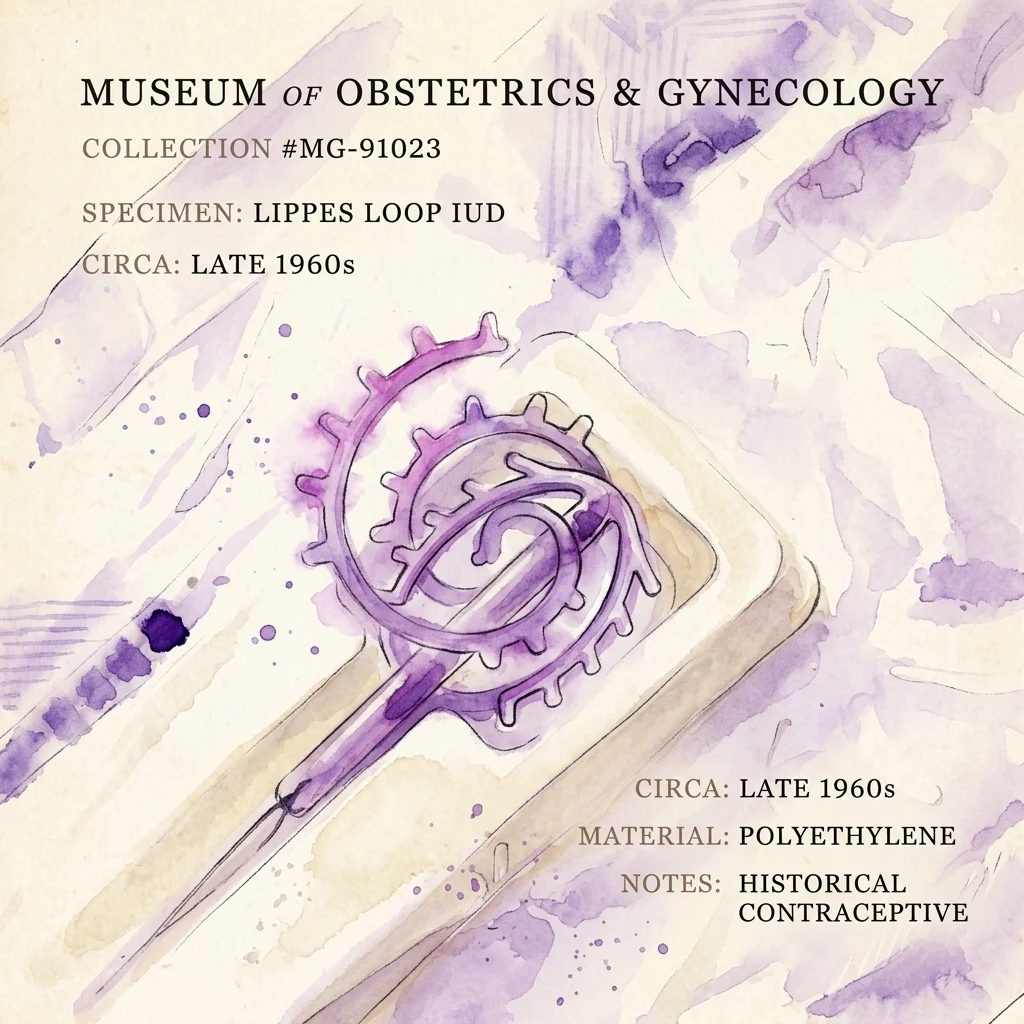
This exhibition details the historical attitudes and legislative changes surrounding abortion legalization, examining the influence of political ideologies, religious affiliations, and scientific understanding on the laws enacted by various countries. It highlights how societal norms and governmental priorities have shaped access to reproductive rights.
The 'Timeline of legalization of abortion' exhibition delves into the complex history of abortion laws, demonstrating how state attitudes have been shaped by political shifts, the influence of religious institutions, and the varying importance placed on science and statistics. It contrasts approaches taken by conservative governments, often prioritizing the unborn child, with those of social or social-democrat legislators, who emphasize a woman's right to choose. The display also touches upon how totalitarian regimes have used abortion policy to serve state goals, such as population growth.
Furthermore, the exhibition examines the impact of societal norms and "moralistic" standpoints on legislation, illustrating how views on sexuality, contraception, and abortion are deeply intertwined with cultural values. It questions the rationale behind regulating a relatively simple medical procedure within criminal law, contrasting it with other medical interventions. The historical motivations behind abortion bans, including the State's proprietorial attitude towards its citizens for producing workers, soldiers, and taxpayers, are also explored. Examples from countries like Canada, which fully decriminalized abortion, are presented to illustrate different legislative frameworks.